
Human Wonder Research Attending to Attention and Understanding














- Slides: 56
Human Wonder Research: Attending to Attention and Understanding Jeff Goodman goodmanjm@appstate. edu
What is attention? What is understanding? How do these relate to teaching and learning?
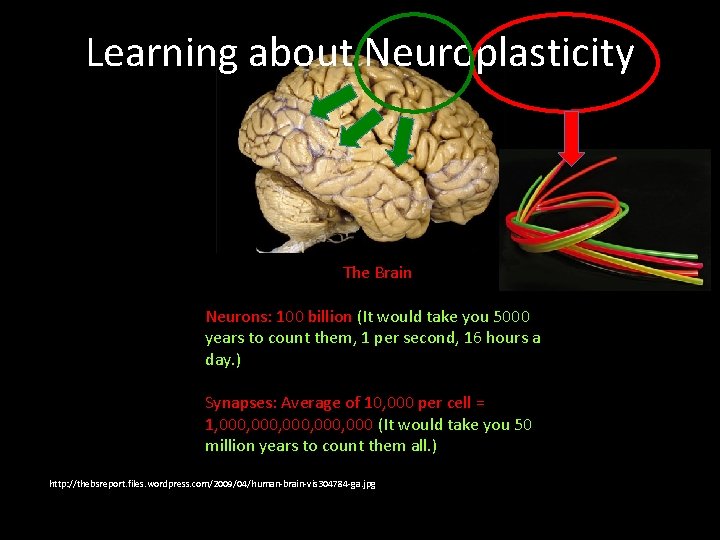
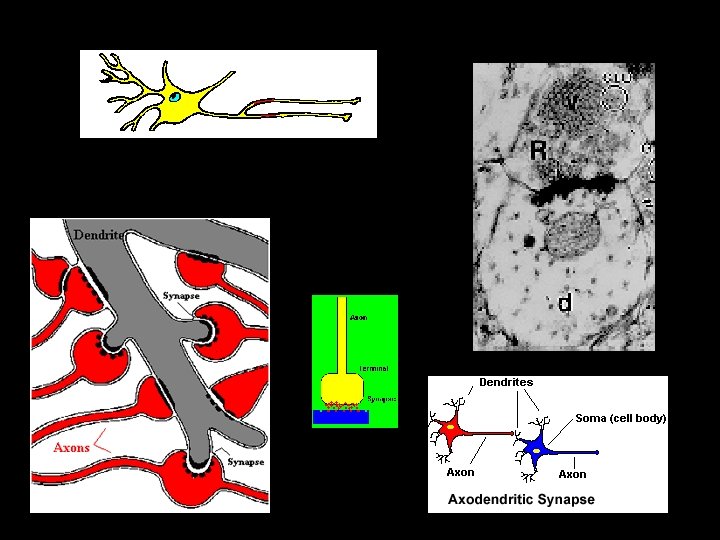
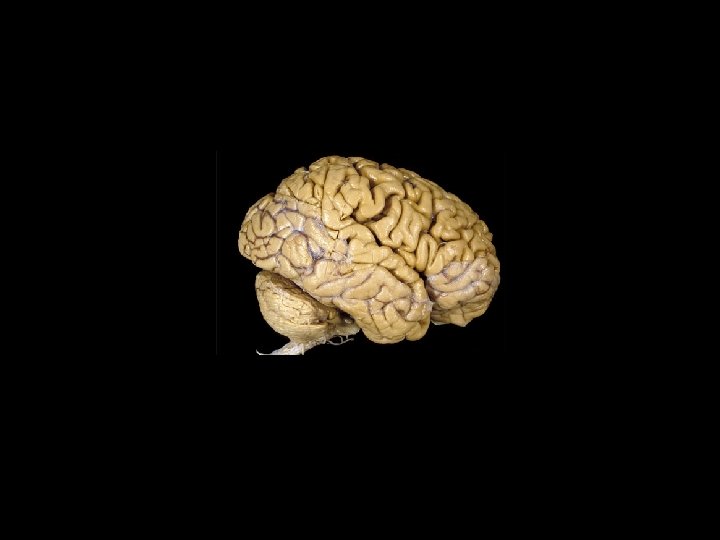
Learning about Neuroplasticity The Brain Neurons: 100 billion (It would take you 5000 years to count them, 1 per second, 16 hours a day. ) Synapses: Average of 10, 000 per cell = 1, 000, 000 (It would take you 50 million years to count them all. ) http: //thebsreport. files. wordpress. com/2009/04/human-brain-vis 304784 -ga. jpg
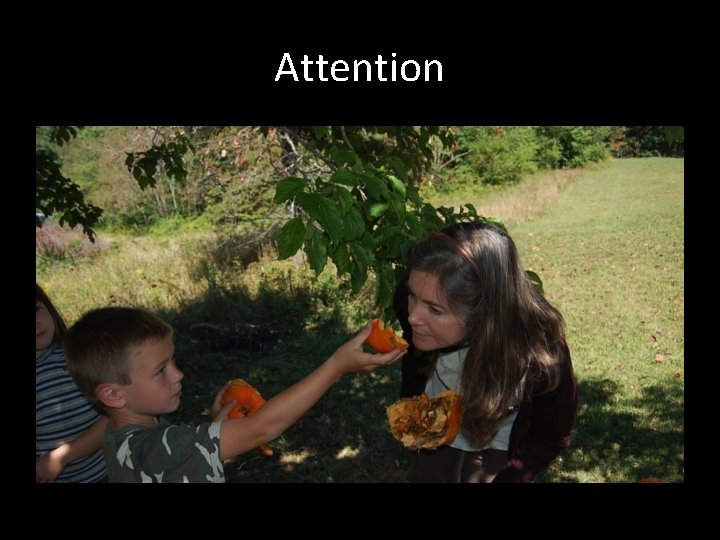
Attention
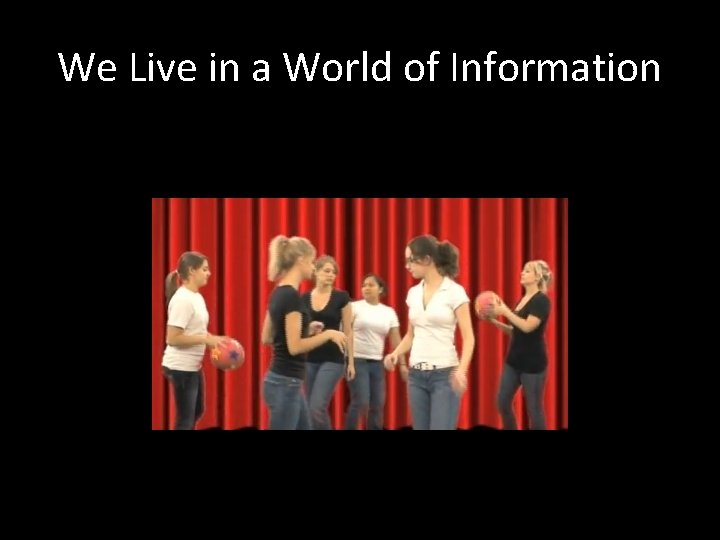
We Live in a World of Information
How can we help students attend?
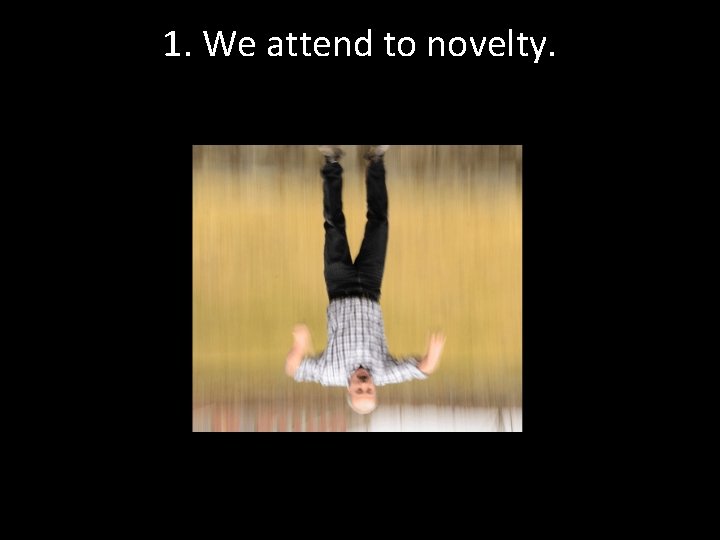
1. We attend to novelty.
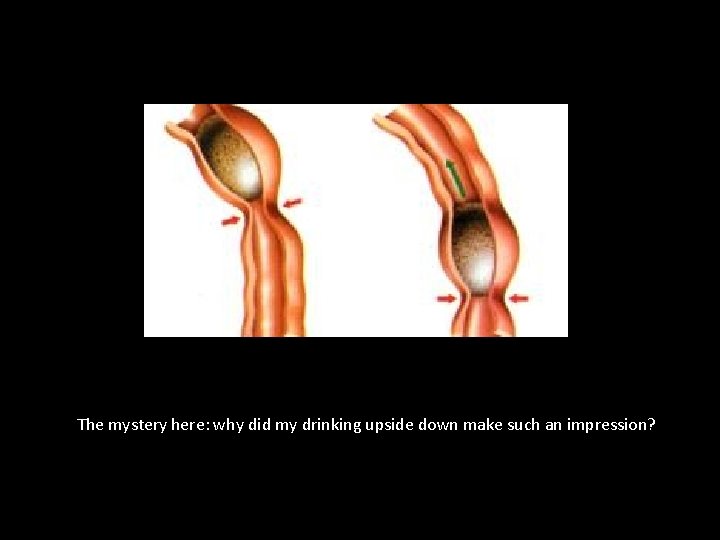
The mystery here: why did my drinking upside down make such an impression?
How can we integrate novelty in instruction?
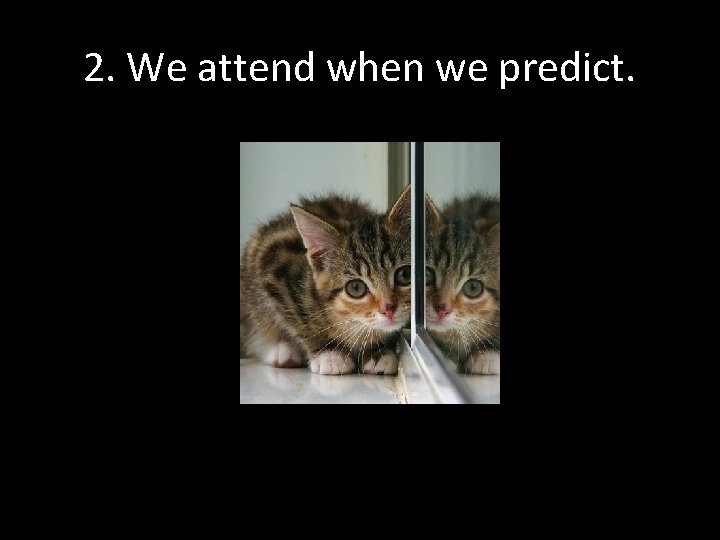
2. We attend when we predict.
How can we integrate prediction in instruction?
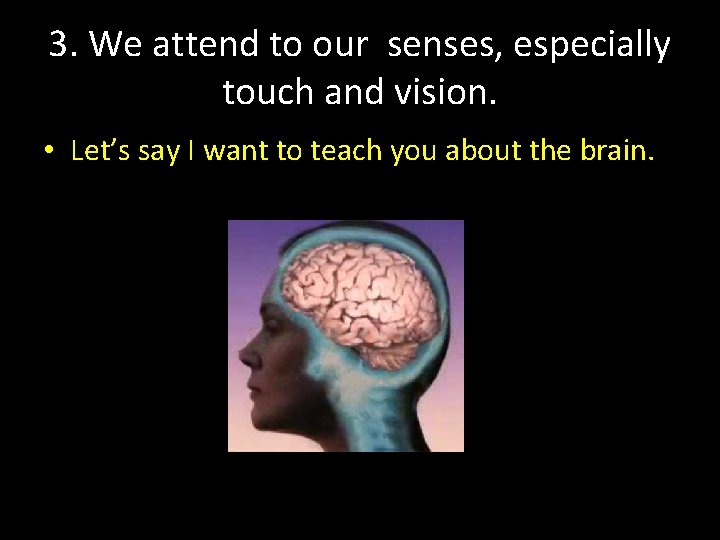
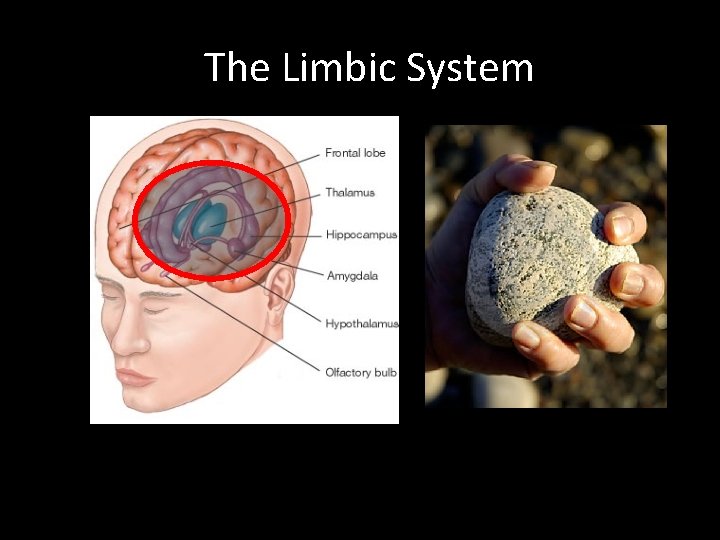
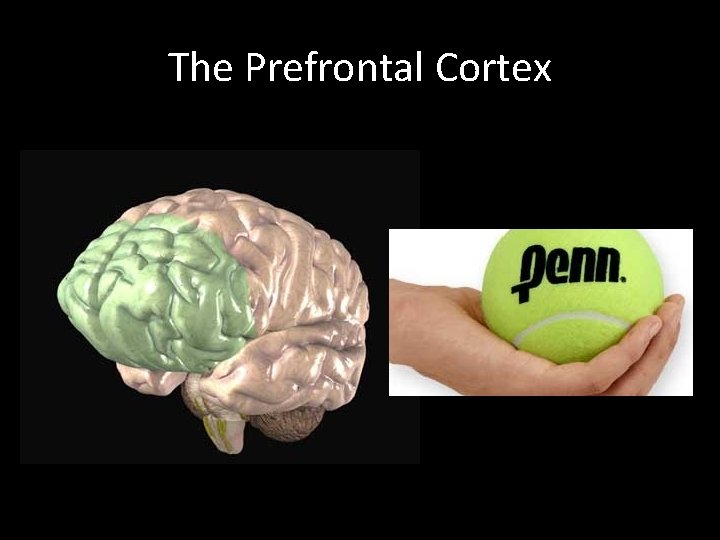
3. We attend to our senses, especially touch and vision. • Let’s say I want to teach you about the brain.
The Limbic System
The Prefrontal Cortex
How can we integrate multiple senses in instruction?
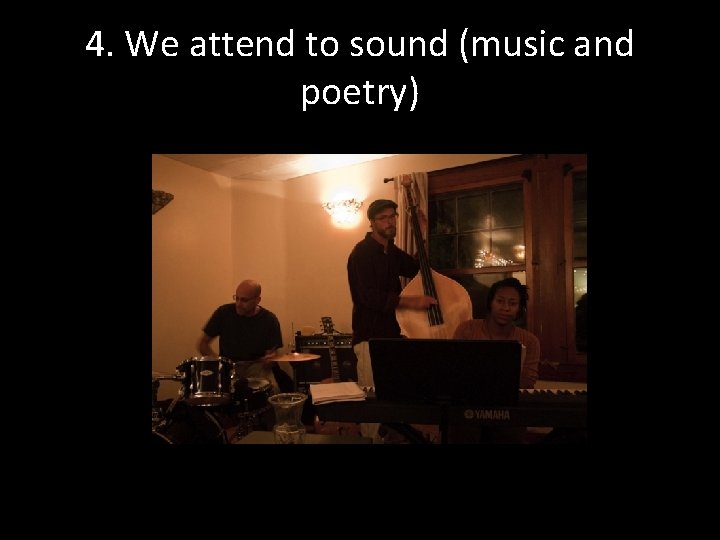
4. We attend to sound (music and poetry)
How can we integrate music in instruction?
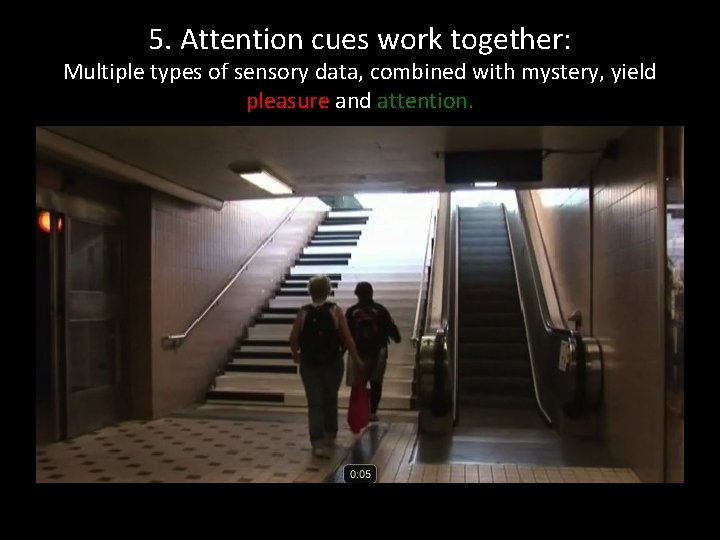
5. Attention cues work together: Multiple types of sensory data, combined with mystery, yield pleasure and attention.
How can we integrate multiple attention cues at once in instruction?
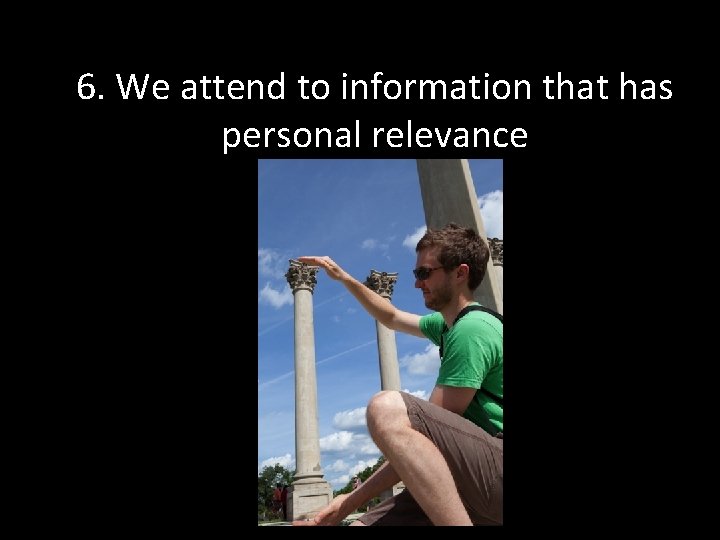
6. We attend to information that has personal relevance
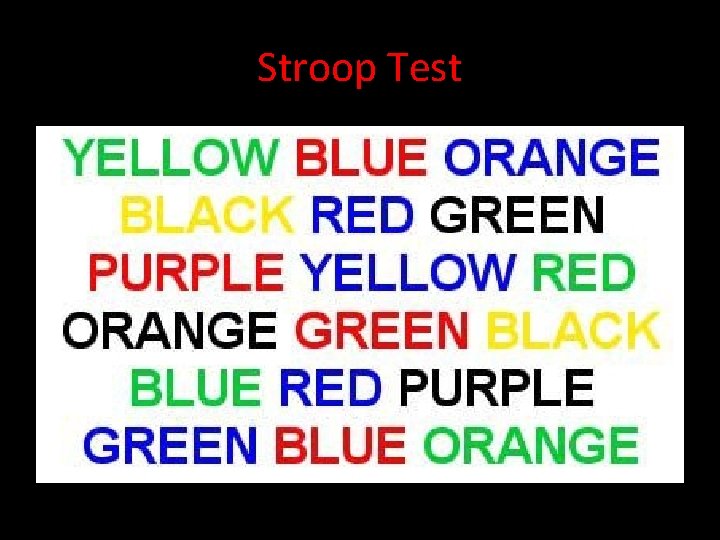
Stroop Test
Stroop Test Read the word of the ones without boxes, ink color of the one’s with.
How can we make core content personally relevant?
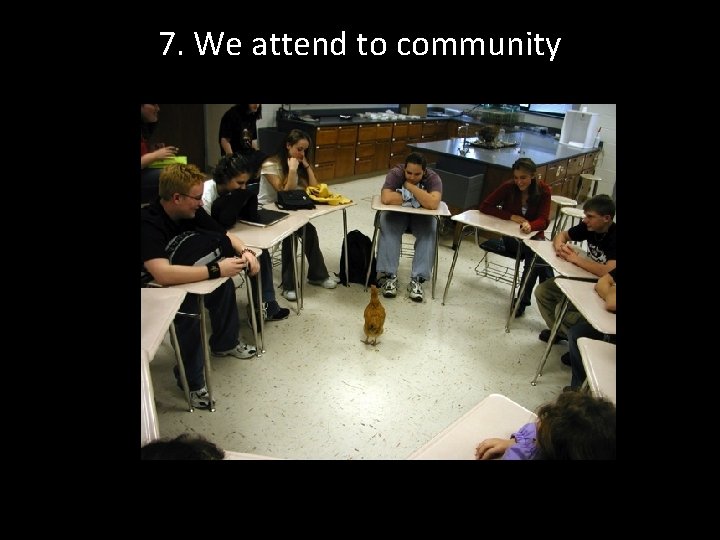
7. We attend to community
How can we strengthen the community in out classes ?
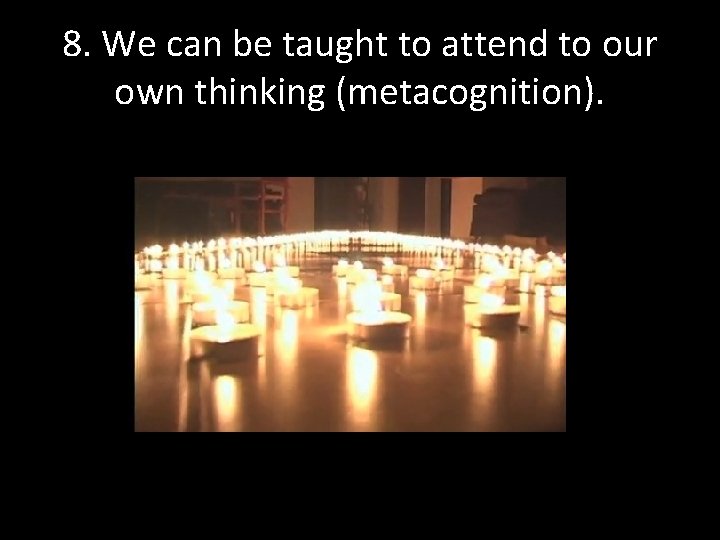
8. We can be taught to attend to our own thinking (metacognition).
Quote from a 7 th grader: • “I imagine neurons making connections in my brain when I study. I feel like I'm changing my brain when I learn something, understand it, and review it. ”
How can we help students become metacognitive?
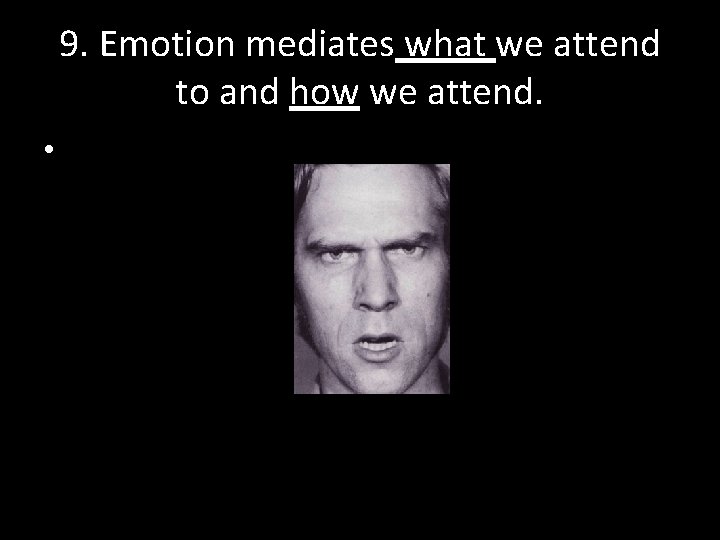
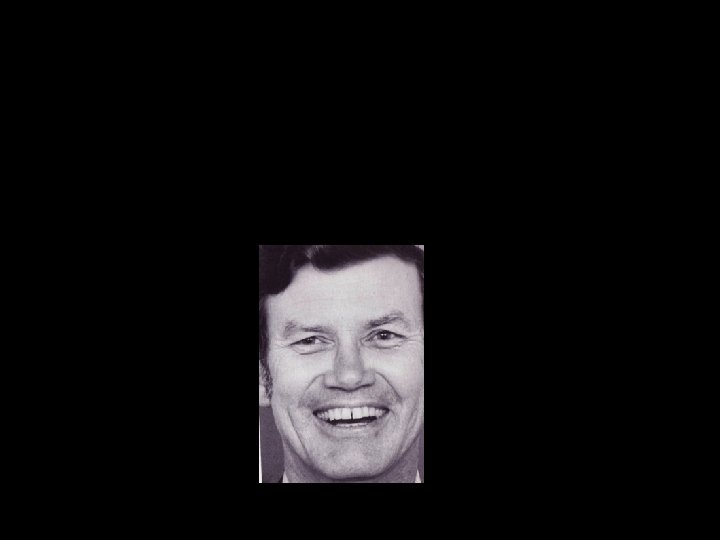
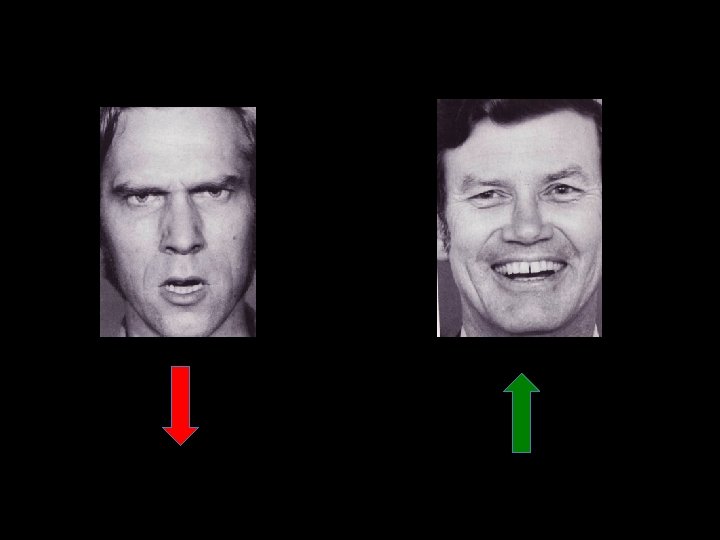
9. Emotion mediates what we attend to and how we attend. •
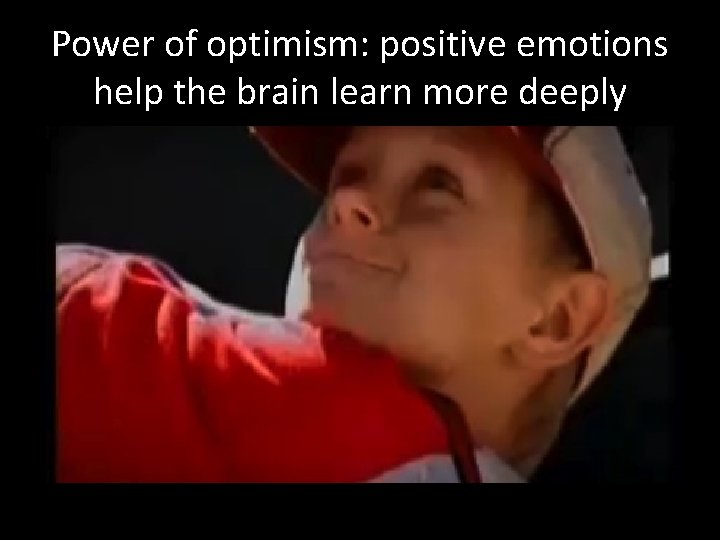
Power of optimism: positive emotions help the brain learn more deeply
How can we create a positive emotional environment in our classes?
Understanding
“Learning takes place through the active behavior of the student: it is what he does, not what the teacher does. ” Ralph W. Tyler, 1949
Quote from a 7 th grader: • “If I use my prefrontal cortex to mentally manipulate what I learn, my dendrites and synapses grow, and I will own that learning for a long, long time. I won't have to learn fractions all over again each year. ”
Teaching is the art of changing the brain. Students’ brains. (Not teachers’)
1 2 3 4 5 6 7 8 9
Translate 262 -2176
1 2 3 4 5 6 7 8 9
Translate 262 -2176
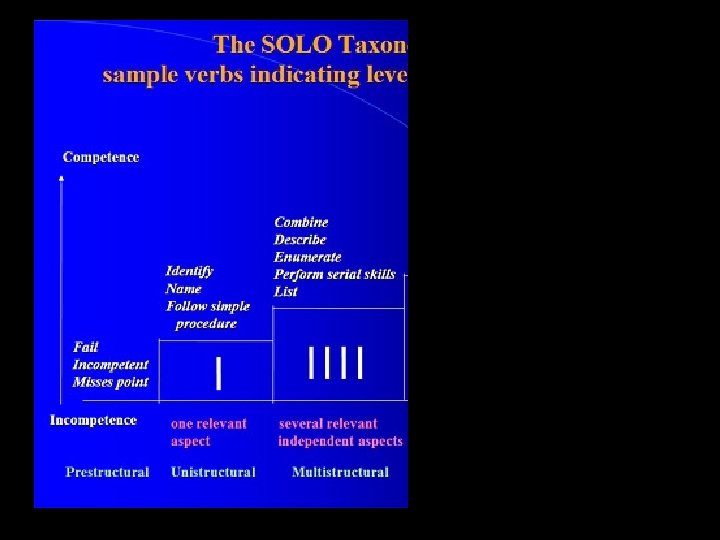
Is all learning understanding?