
Human Variation and Adaptation Part 1 Learning Objectives
Human Variation and Adaptation Part 1
Learning Objectives • 1. Describe how variation within groups is maintained and how variation among groups is maintained. • 2. Describe modern human biological diversity and articulate an informed position on the question of biological races of humans. • 3. Define and provide examples of the four forces of evolution. • 4. Articulate anthropological insights into contemporary issues of multiculturalism and diversity with reference to present human biological variation.

Microevolution & Macroevolution • Microevolution
Background for Lecture • Evolution = • Allele frequency = • Population =
Background for Lecture • Gene pool • Gene frequency • Endogamy • Exogamy
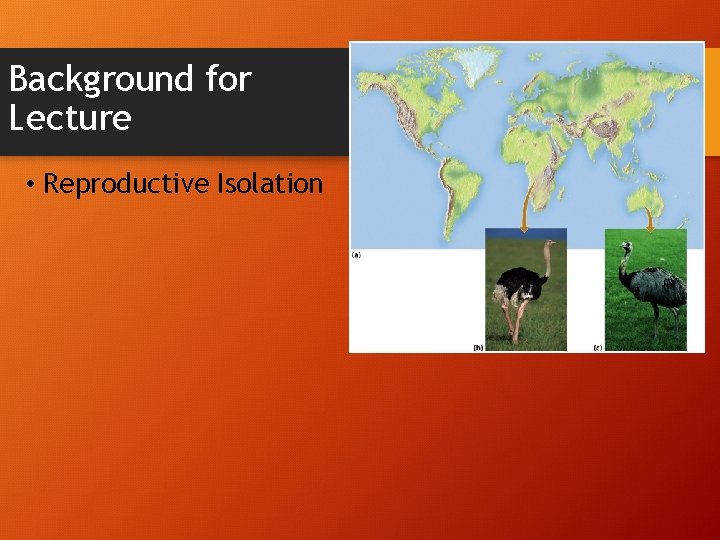
Background for Lecture • Reproductive Isolation
Human Biological Diversity & The Race Concept History of the Concept of Race • Particular ‘traits’ used to _______ • Egyptians: __________ • Ancient Greece: ___________ • Arabs: _____________
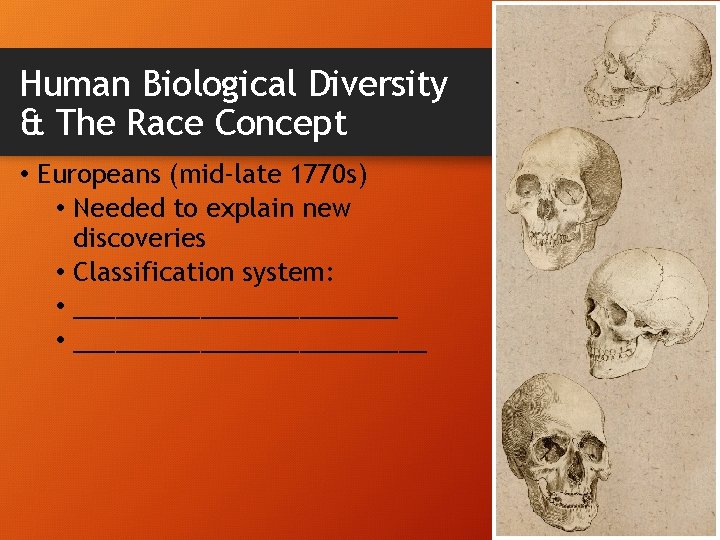
Human Biological Diversity & The Race Concept • Europeans (mid-late 1770 s) • Needed to explain new discoveries • Classification system: • _________________________
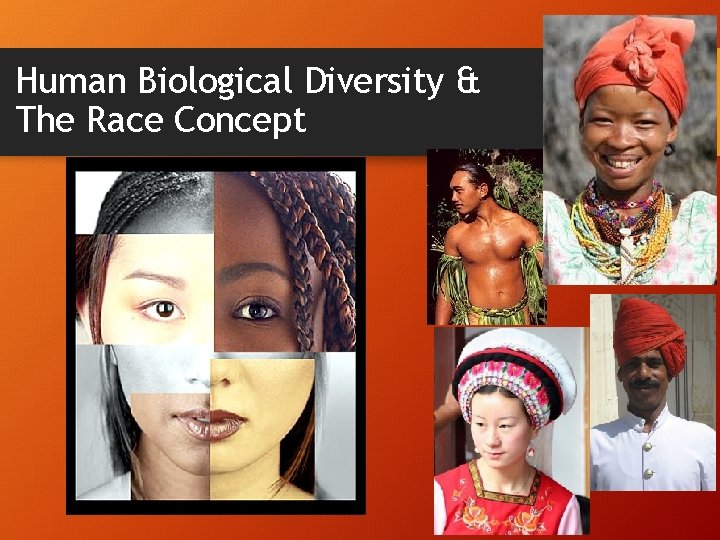
Human Biological Diversity & The Race Concept
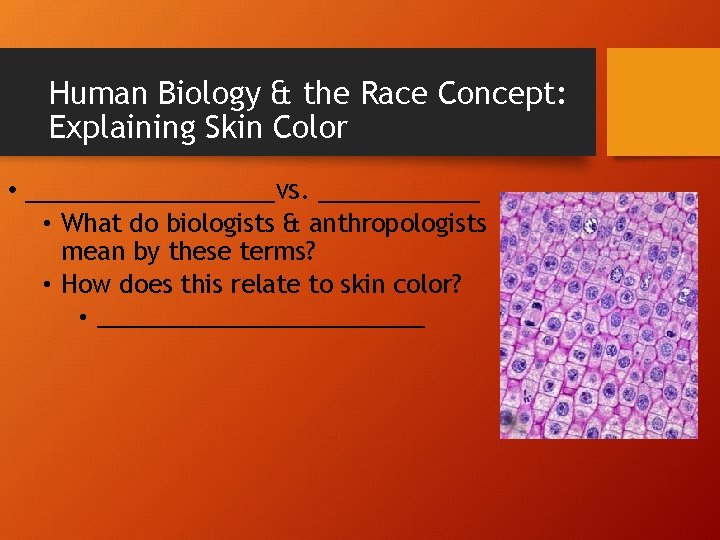
Human Biology & the Race Concept: Explaining Skin Color • _________vs. ______ • What do biologists & anthropologists mean by these terms? • How does this relate to skin color? • _____________
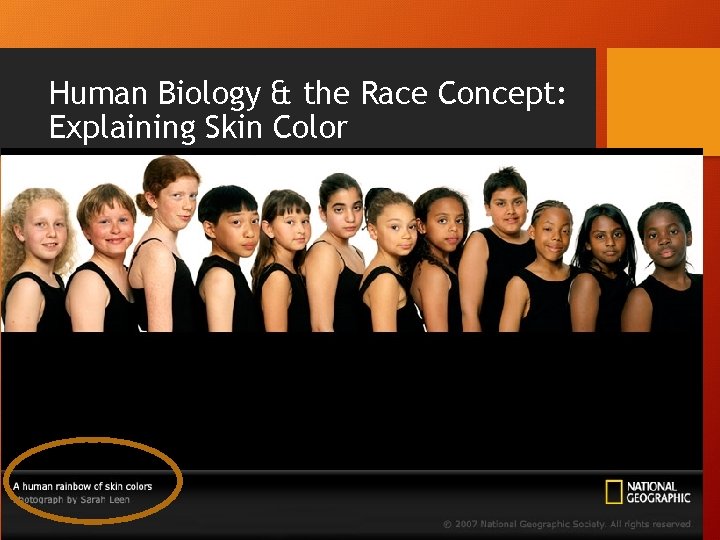
Human Biology & the Race Concept: Explaining Skin Color
Human Biology & the Race Concept: Explaining Skin Color • Solar Radiation & Skin Color • Melanin – ____________ • Protection from ___________ • Fair = _______ • Dark = ________
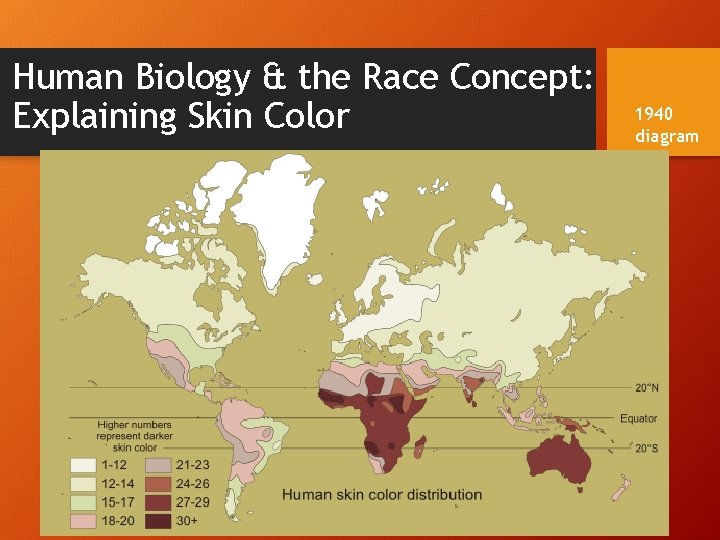
Human Biology & the Race Concept: Explaining Skin Color 1940 diagram
Human Biological Diversity & The Race Concept • “race”-based research techniques • Biomedical information • Why take this focus if ‘race’ is socially constructed? • ____________________ • Change in focus away __________ • Recognizes ___________ Note: we will send more time on this topic on Jan 22 nd
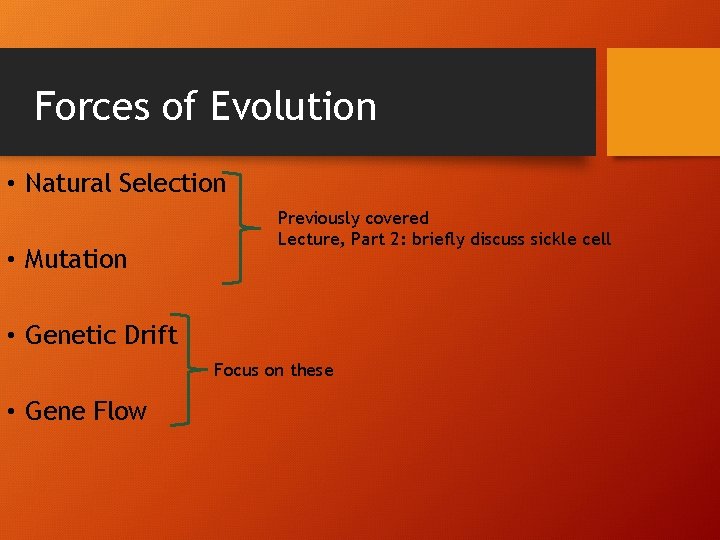
Forces of Evolution • Natural Selection • Mutation Previously covered Lecture, Part 2: briefly discuss sickle cell • Genetic Drift Focus on these • Gene Flow
Forces of Evolution • Genetic Drift: • Has a greater effect on __________ • Can include _______________
Forces of Evolution Genetic Drift, continued • __________ • Allele frequencies are _________that are taken from, or are remnants of, ______ • _________________________
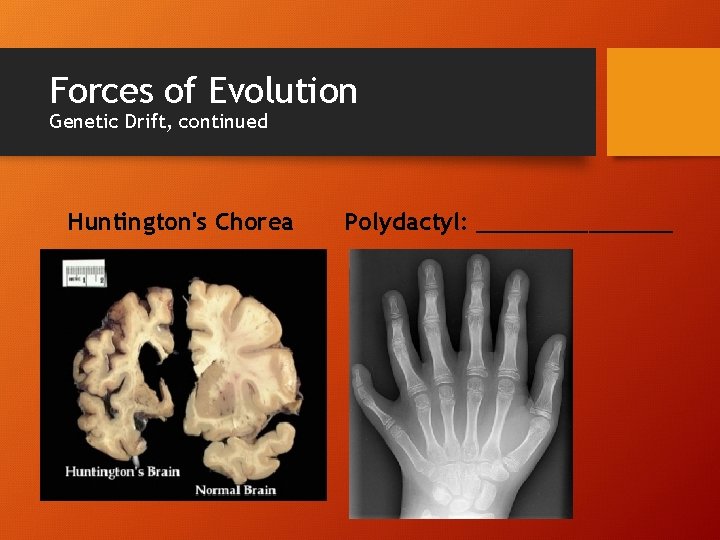
Forces of Evolution Genetic Drift, continued Huntington's Chorea Polydactyl: _______
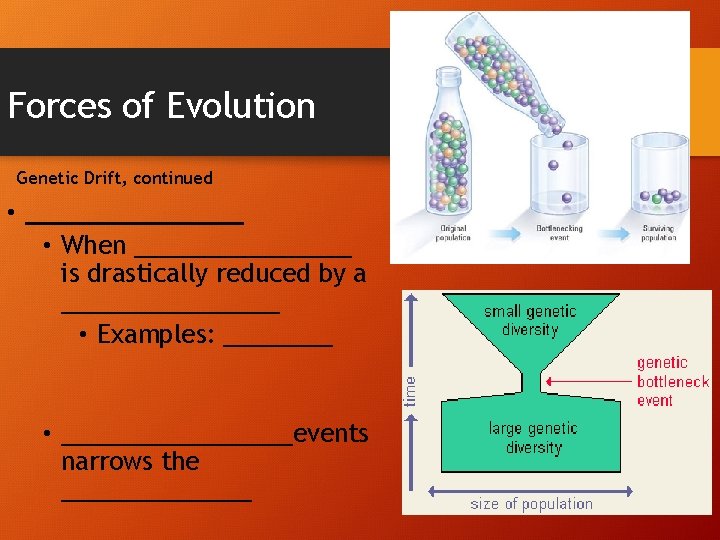
Forces of Evolution Genetic Drift, continued • ________ • When ________ is drastically reduced by a ________ • Examples: ____ • _________events narrows the _______
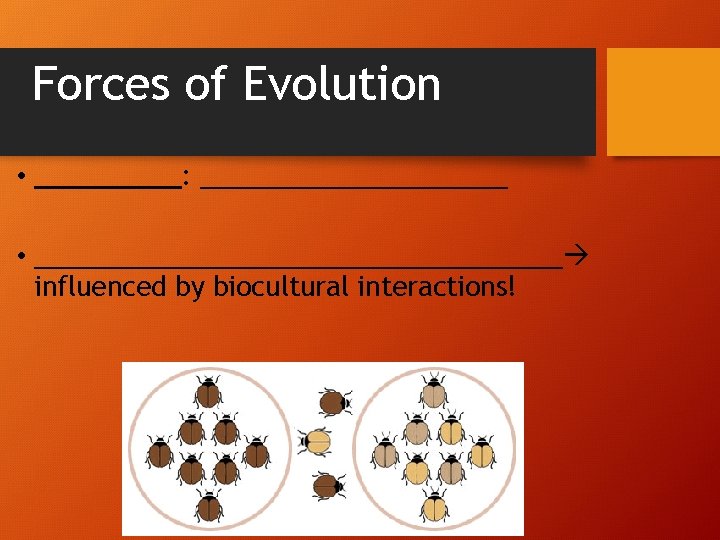
Forces of Evolution • _____: ___________ • __________________ influenced by biocultural interactions!
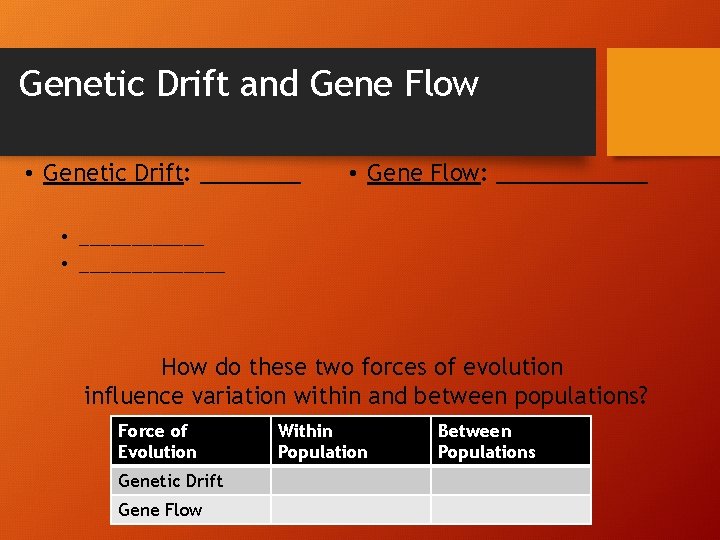
Genetic Drift and Gene Flow • Genetic Drift: ____ • Gene Flow: ______ • ______________ How do these two forces of evolution influence variation within and between populations? Force of Evolution Genetic Drift Gene Flow Within Population Between Populations
- Slides: 21