
Human Transport Topic 13 Human Transport Closed circulatory



- Slides: 24
Human Transport Topic 13
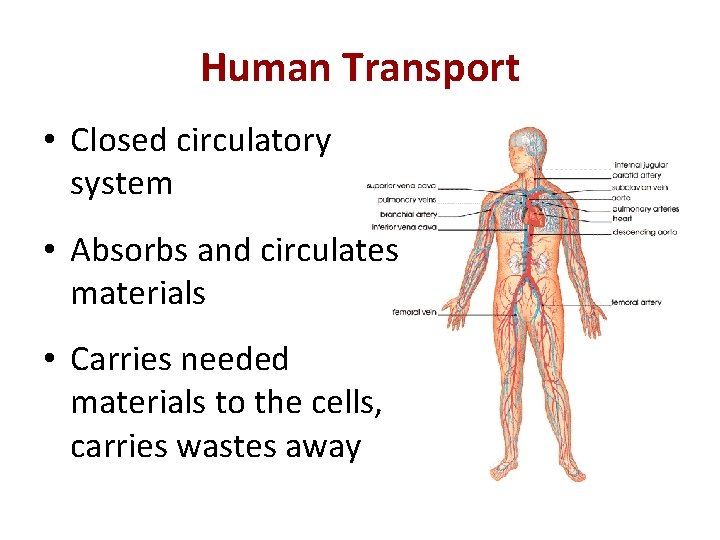
Human Transport • Closed circulatory system • Absorbs and circulates materials • Carries needed materials to the cells, carries wastes away
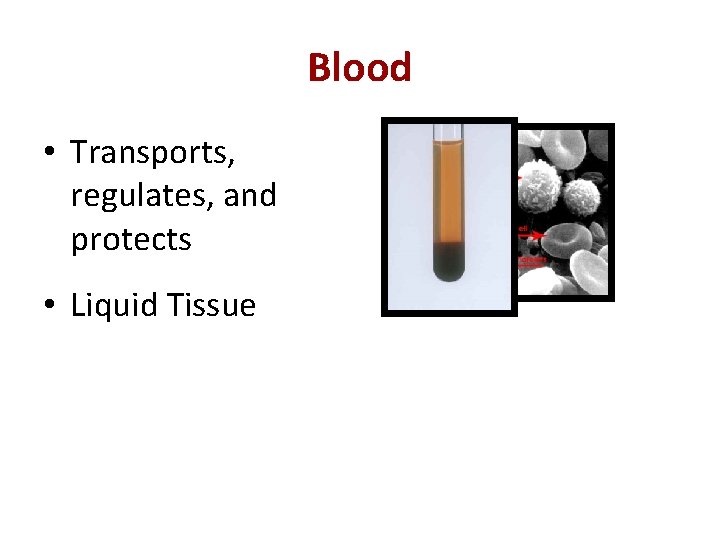
Blood • Transports, regulates, and protects • Liquid Tissue
Red Blood Cells (Erythrocytes) Function: • Carry oxygen and carbon dioxide • Contains hemoglobin • Made in the bone marrow • Broken down in liver and spleen
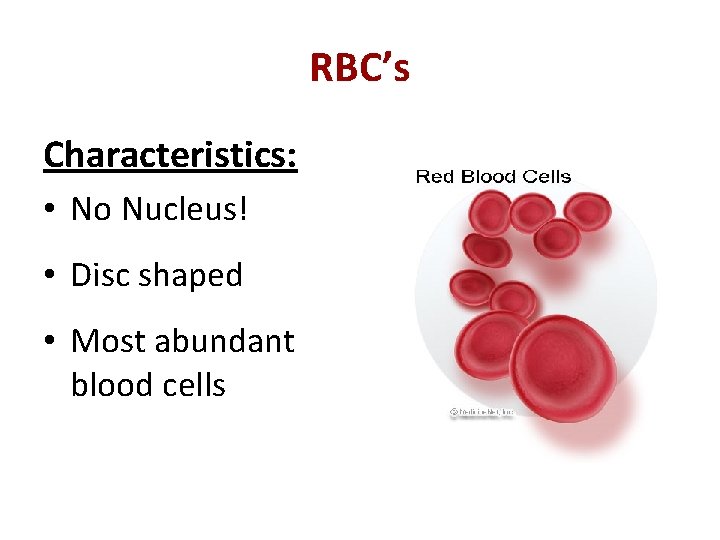
RBC’s Characteristics: • No Nucleus! • Disc shaped • Most abundant blood cells
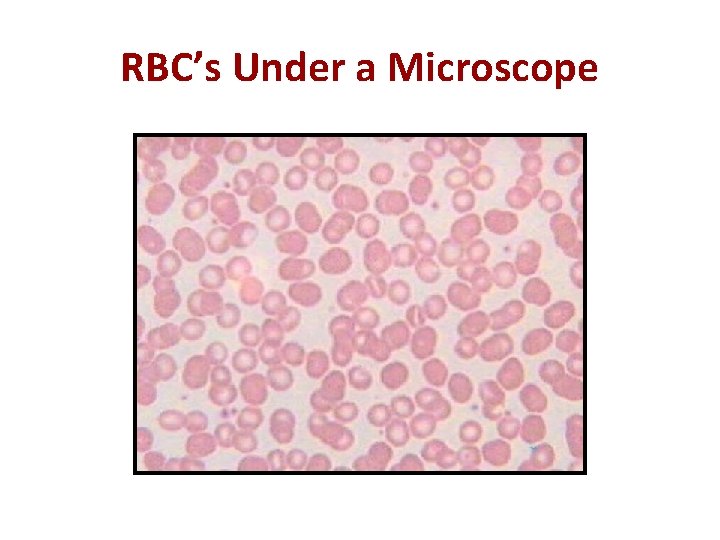
RBC’s Under a Microscope
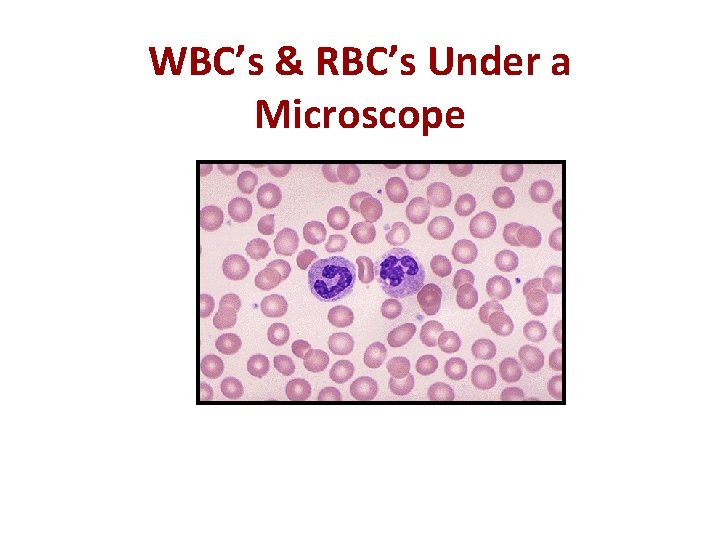
White Blood Cells (Leukocytes) Function: • Protect against infection • Different types of WBC’s • Phagocytes: engulf bacteria • Lymphocytes: make antibodies
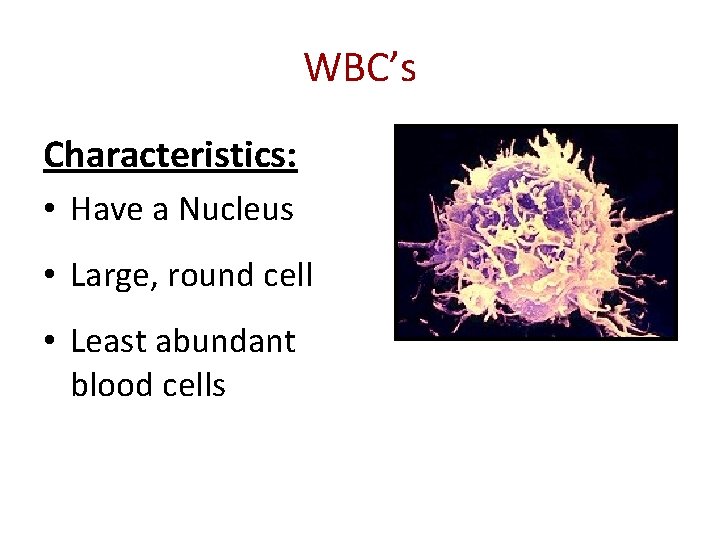
WBC’s Characteristics: • Have a Nucleus • Large, round cell • Least abundant blood cells
WBC’s & RBC’s Under a Microscope
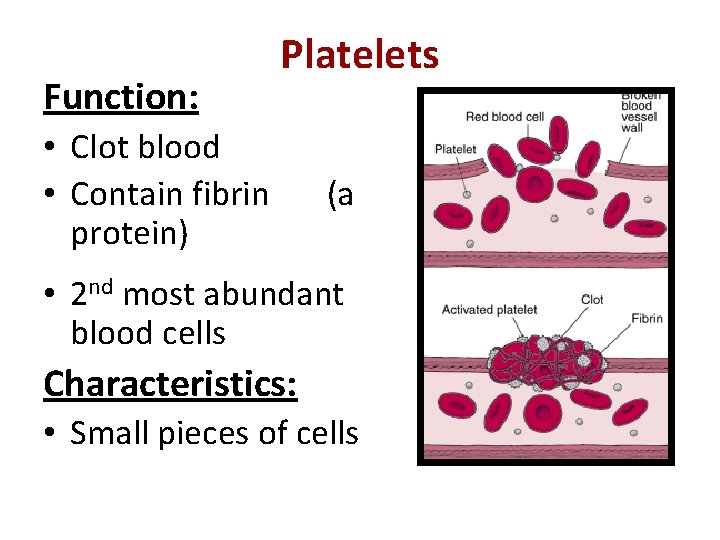
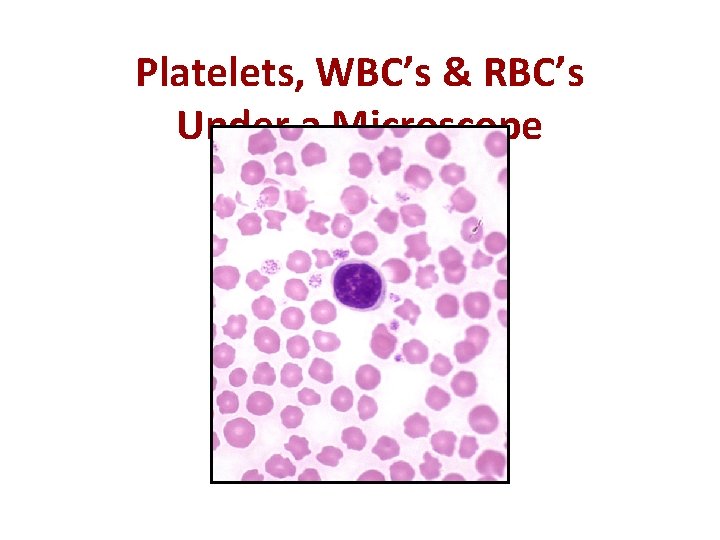
Function: Platelets • Clot blood • Contain fibrin protein) (a • 2 nd most abundant blood cells Characteristics: • Small pieces of cells
Platelets, WBC’s & RBC’s Under a Microscope
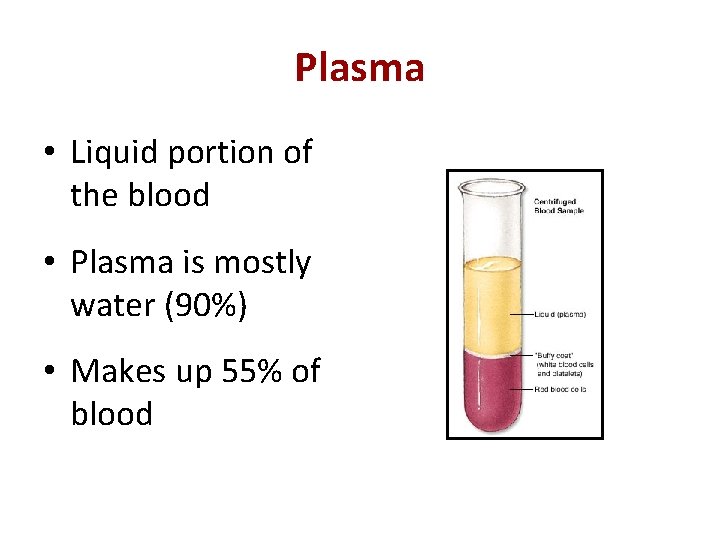
Plasma • Liquid portion of the blood • Plasma is mostly water (90%) • Makes up 55% of blood
Blood Disorders • Anemia: Low RBC count, Low iron in blood, not enough O 2 transported • Leukemia: Disease of the bone marrow, Low WBC count, Abnormal WBC’s form • Hemophilia: No clotting factor (hereditary)
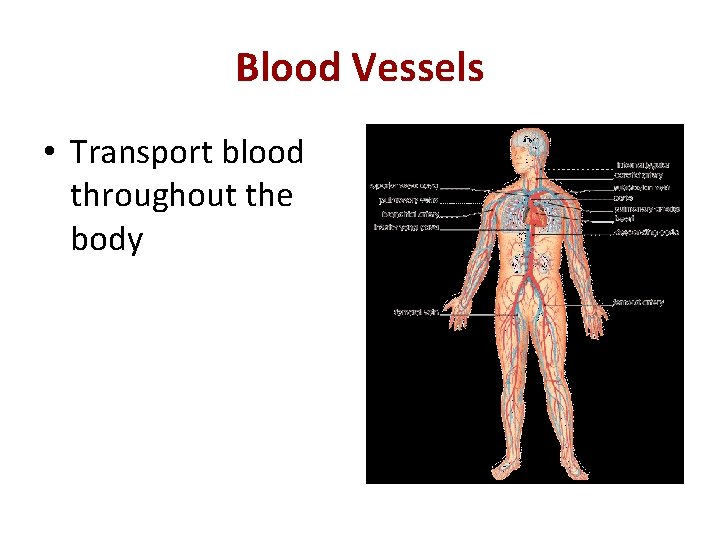
Blood Vessels • Transport blood throughout the body
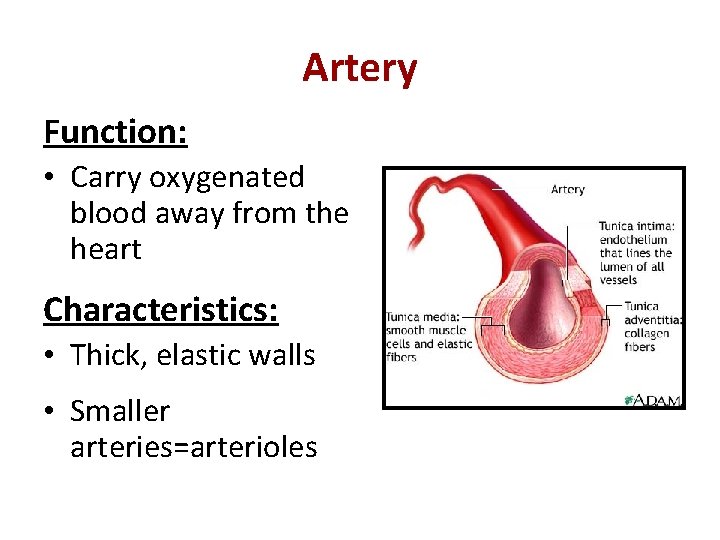
Artery Function: • Carry oxygenated blood away from the heart Characteristics: • Thick, elastic walls • Smaller arteries=arterioles
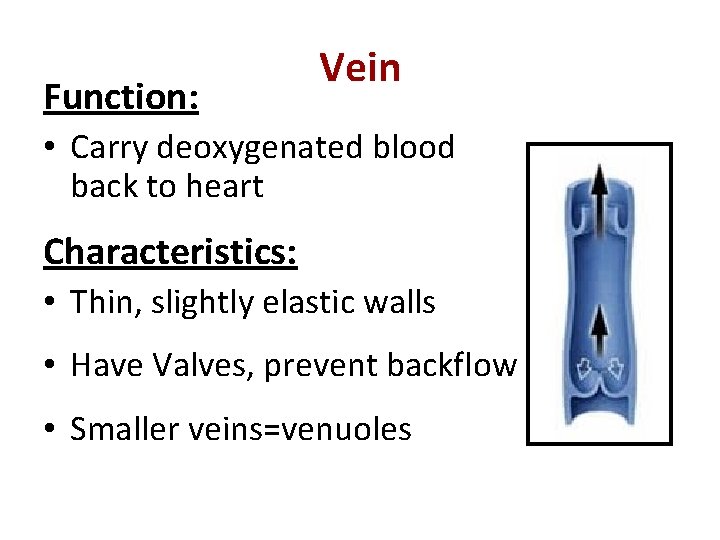
Function: Vein • Carry deoxygenated blood back to heart Characteristics: • Thin, slightly elastic walls • Have Valves, prevent backflow • Smaller veins=venuoles
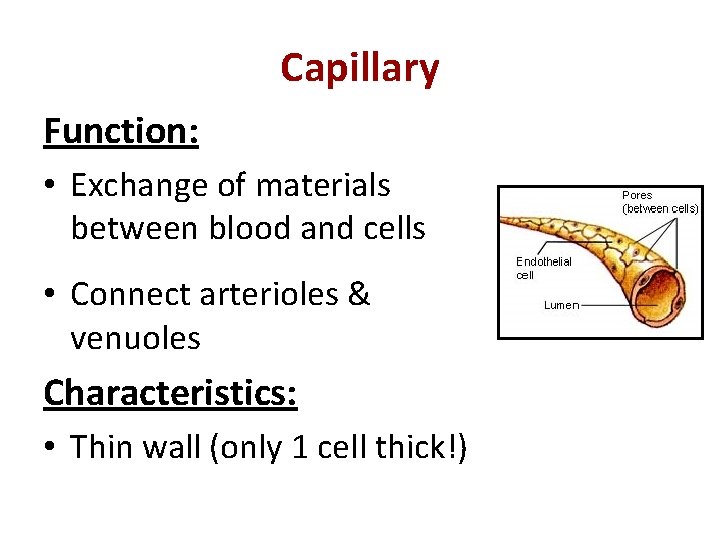
Capillary Function: • Exchange of materials between blood and cells • Connect arterioles & venuoles Characteristics: • Thin wall (only 1 cell thick!)
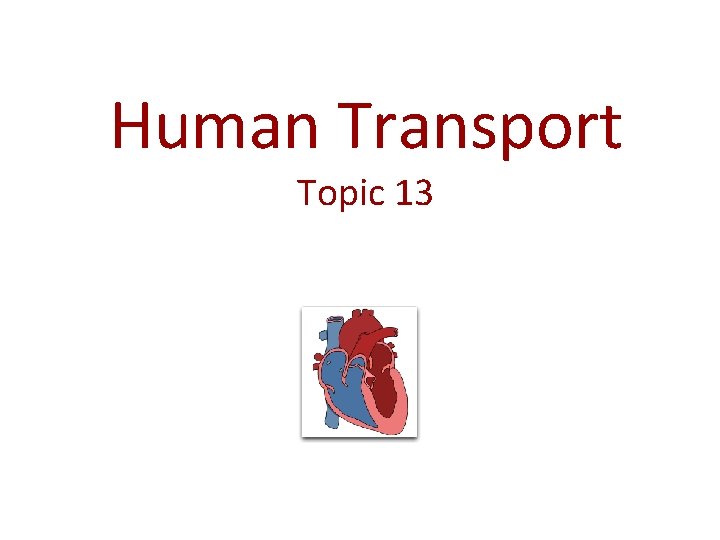
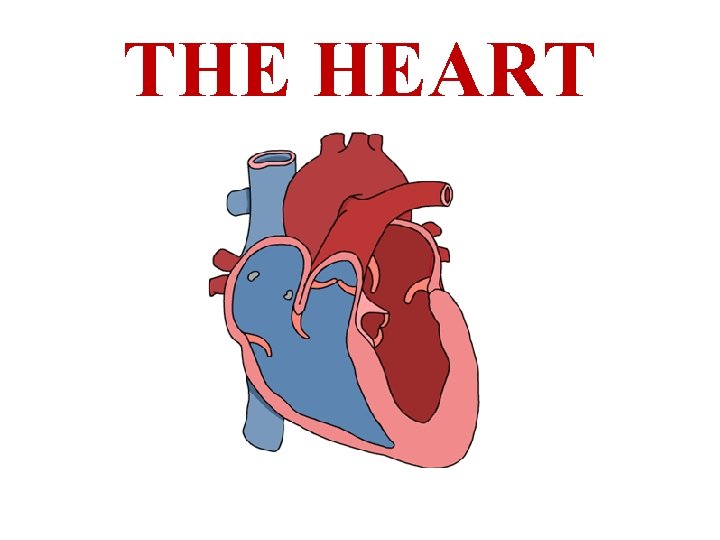
THE HEART
How the Heart Works
The Heart Has 4 Chambers 1. Right Atrium 2. Right Ventricle 3. Left Ventricle 4. Left Atrium
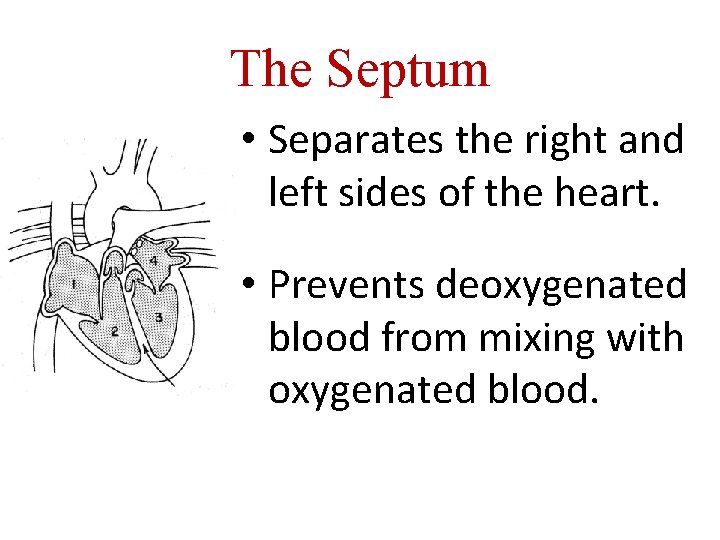
The Septum • Separates the right and left sides of the heart. • Prevents deoxygenated blood from mixing with oxygenated blood.
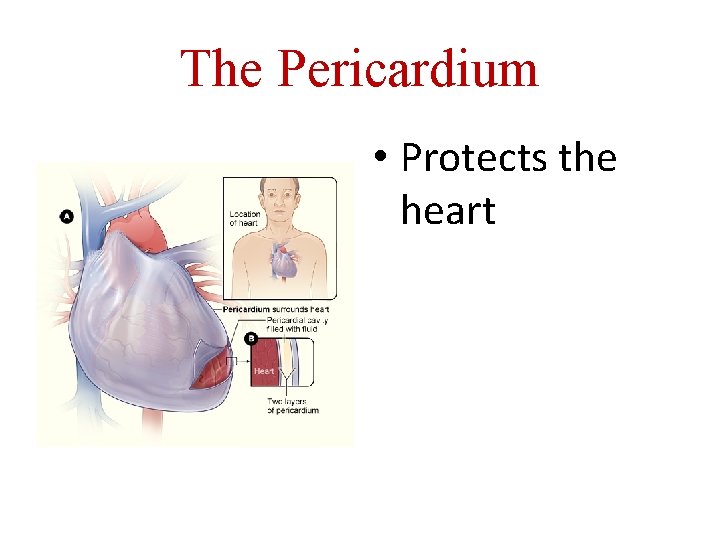
The Pericardium • Protects the heart
A. Superior Vena Cava B. Septum C. Pulmonary Vein D. Pulmonary Artery E. Aorta