
Human Resource Management Lecture34 Burnout A pattern of

Human Resource Management Lecture-34
Burnout A pattern of emotional, physical, and mental exhaustion in response to chronic job stressors.
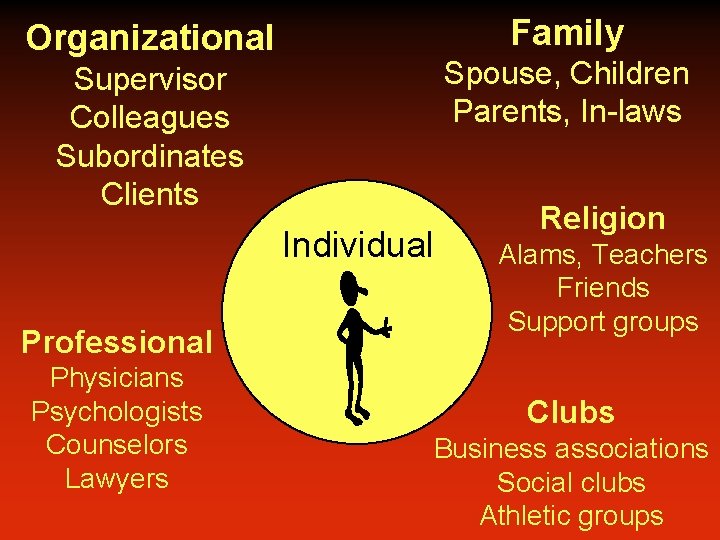
Family Organizational Spouse, Children Parents, In-laws Supervisor Colleagues Subordinates Clients Individual Professional Physicians Psychologists Counselors Lawyers Religion Alams, Teachers Friends Support groups Clubs Business associations Social clubs Athletic groups
Communication Defined The transmission of information and understanding through the use of common symbols.
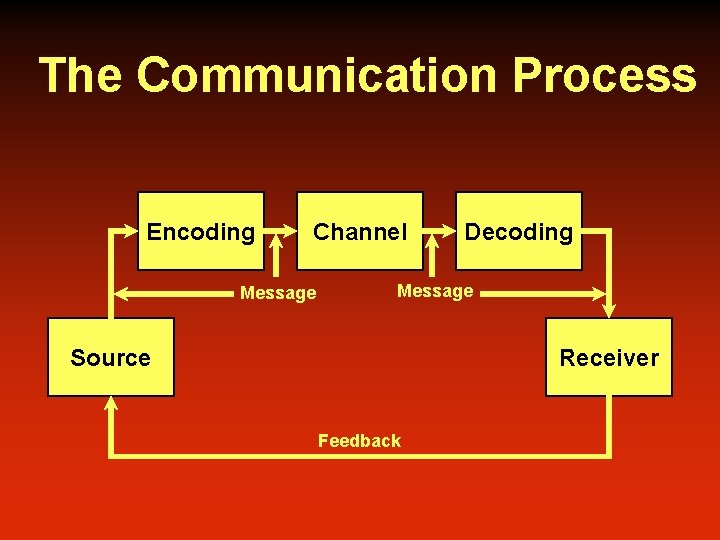
The Communication Process Encoding Channel Message Decoding Message Source Receiver Feedback
Encoder Participants
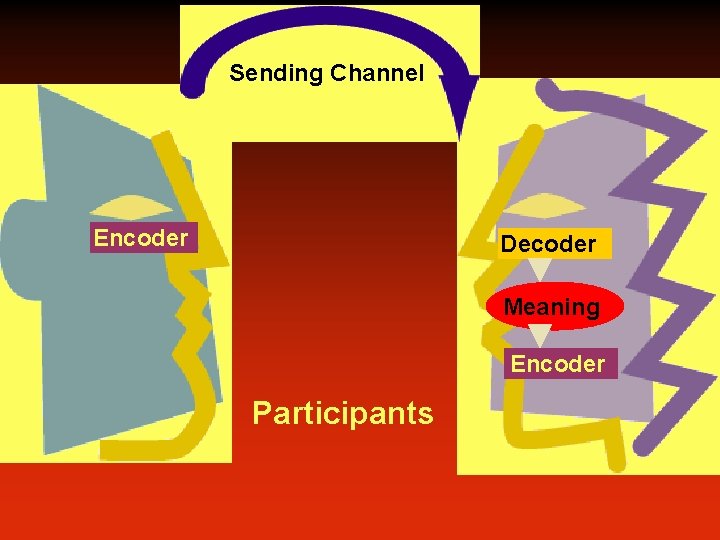
Sending Channel Encoder Decoder Meaning Encoder Participants
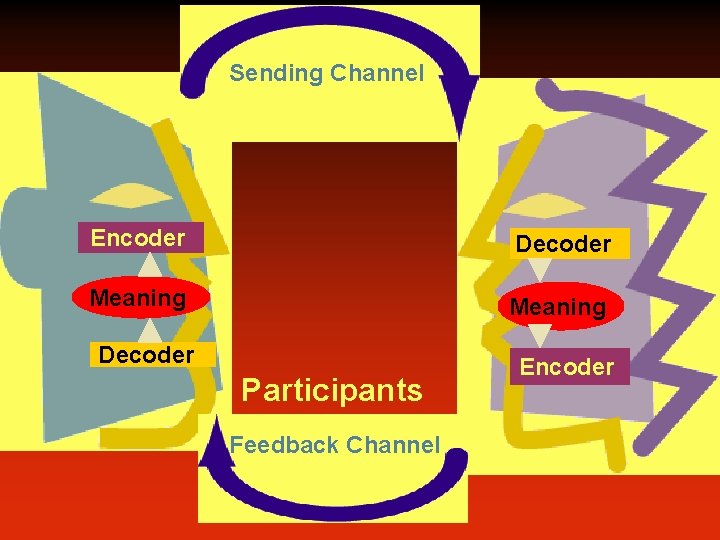
Sending Channel Encoder Decoder Meaning Decoder Participants Feedback Channel Encoder
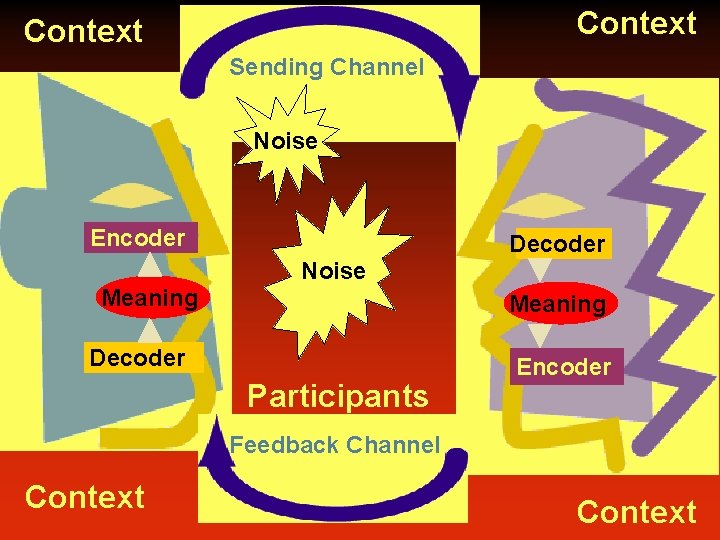
Context Sending Channel Noise Encoder Decoder Noise Meaning Decoder Participants Encoder Feedback Channel Context
l. Noise – Interference in the flow of a message from a sender to a receiver. l. Nonverbal Communication – Messages sent with body posture, facial expressions, and head and eye movements.
How Communication Works Communications experts tell us that effective communication is the result of a common understanding between the communicator and the receiver. In fact the word communication is derived from the Latin communis, meaning “common. ”
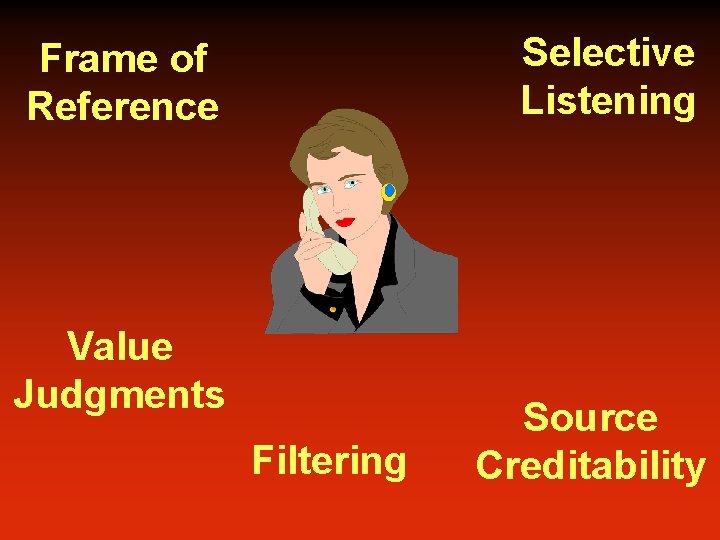
Selective Listening Frame of Reference Value Judgments Filtering Source Creditability
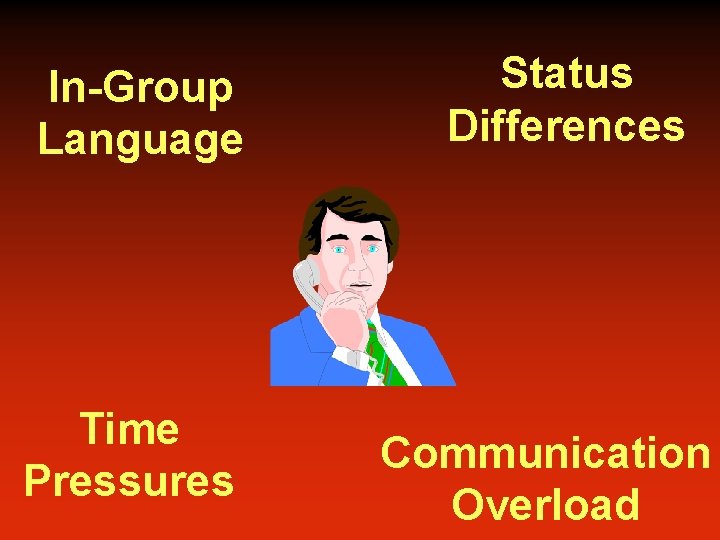
In-Group Language Time Pressures Status Differences Communication Overload
Following Up Empathy Utilizing Feedback Repetition Regulating Information Flow
Effective Listening Effective Timing Simplifying Language
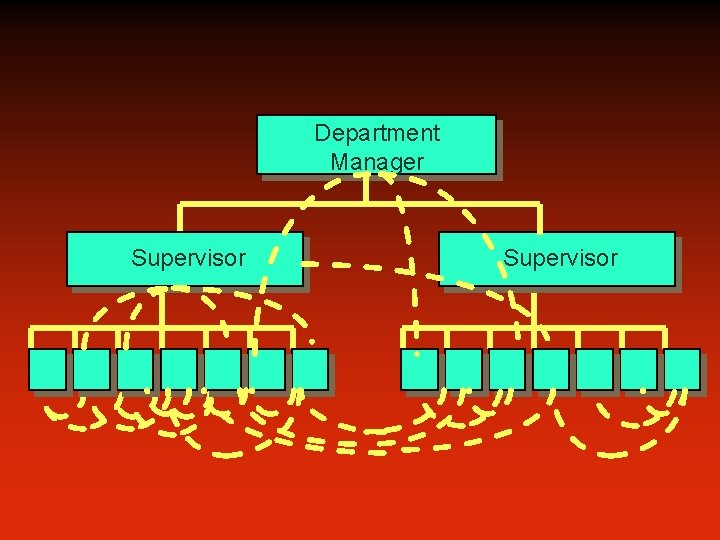
Department Manager Supervisor
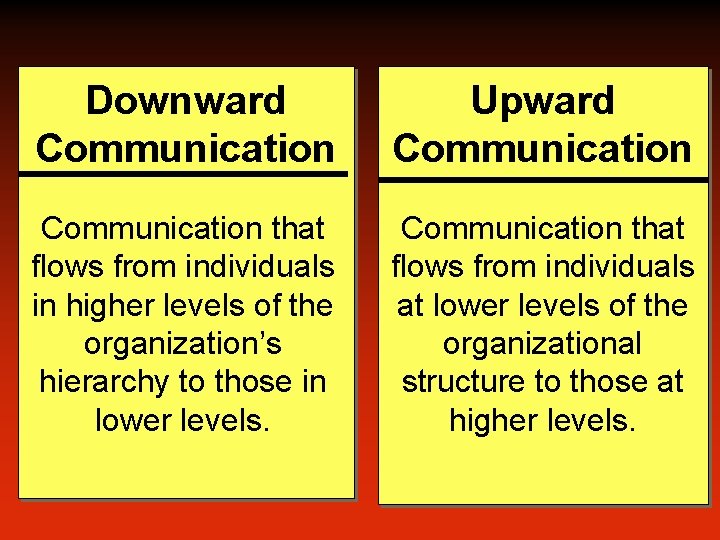
Downward Communication Upward Communication that flows from individuals in higher levels of the organization’s hierarchy to those in lower levels. Communication that flows from individuals at lower levels of the organizational structure to those at higher levels.
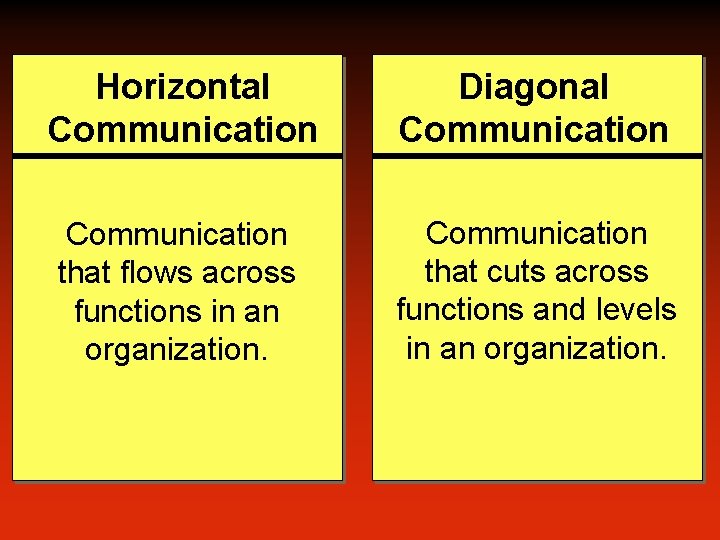
Horizontal Communication Diagonal Communication that flows across functions in an organization. Communication that cuts across functions and levels in an organization.
How do you find out about what happens at work? CBULLETIN BOARD CNEWSLETTER CGOSSIP C? ? ?
What HR functions are involved? CAll of them? – Recruiting – Orientation – Rewarding – AND….
– Compensation – Motivation – Change – Health and safety – Benefits
CKeep employees informed CTool to bring about positive change CInfluence culture
l. Employee –Information central source –Commitment, security –Direction l. Employer –Committed workforce –Recruit –Educate, inform, and guide employees
l Helps employees learn about company at their own pace l Provides references regarding policies, rules, and benefits l Ensures HRM policies will be consistently applied l Creates sense of security and commitment for employees l Provides information to recruits l May be interpreted as implied contract l Should be updated continually
To Achieve that…. AN EMPLOYEE HANDBOOK SHOULD BE CWell organized CClearly written CLegally limited
GIntroductory comments GWhat you should know GYour benefits GYour responsibilities and safety procedures
CGreetings CWelcome CValuable to the company CTone setting, culture statement CPerformance, role expectations
CRules and policies –Attendance, work hours –Lunch hours –Lay off practices –Performance appraisal issues
CMembership-based C Keep morale high CCosts CEligibility
CSafety CPersonal conduct CReporting accidents CCompliance requirements
Communication Methods
CEmployee handbook CBulletin board CCompany newsletter CCompany-wide meetings CDigital Media CEtc.
For Offsite Employees –Facsimile machines –Emails –Internet –Phone
HRM Communications Programs
CKeep employees informed CConvey organization’s concern for employees CBuild trust and openness CMonitor employee concerns
- Slides: 35