
Human Reproductive System A comparison of the male
- Slides: 41
Human Reproductive System A comparison of the male and female anatomy
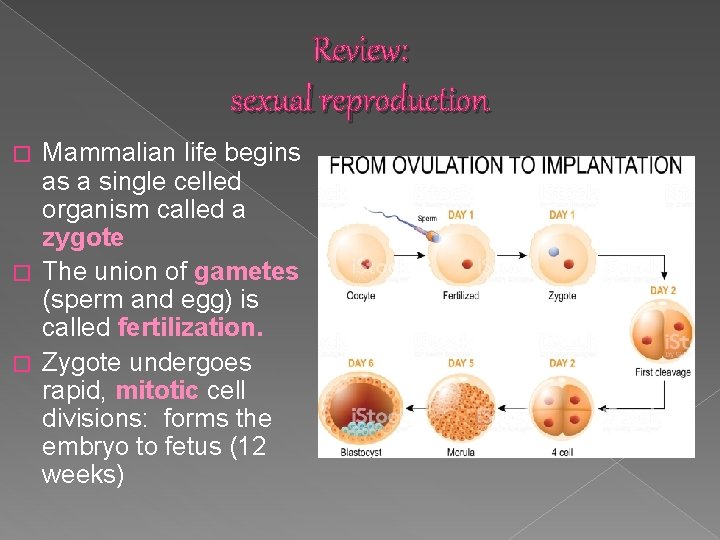
Review: sexual reproduction Mammalian life begins as a single celled organism called a zygote � The union of gametes (sperm and egg) is called fertilization. � Zygote undergoes rapid, mitotic cell divisions: forms the embryo to fetus (12 weeks) �
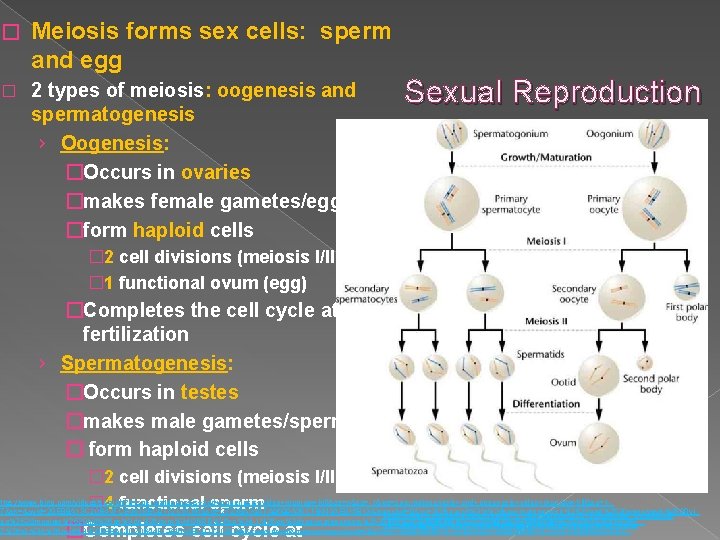
� Meiosis forms sex cells: sperm and egg � 2 types of meiosis: oogenesis and spermatogenesis › Oogenesis: �Occurs in ovaries �makes female gametes/eggs �form haploid cells Sexual Reproduction � 2 cell divisions (meiosis I/II) � 1 functional ovum (egg) �Completes the cell cycle at fertilization › Spermatogenesis: �Occurs in testes �makes male gametes/sperm � form haploid cells � 2 cell divisions (meiosis I/II) https: //www. bing. com/videos/search? q=spermatogenesis+and+oogenesis+video+mcgraw+hill&qs=n&sp=-1&pq=spermatogenesis+and+oogenesis+video+mcgraw+hill&sc=1� 4 functional sperm 47&sk=&cvid=20 E 88 A 13 C 20 B 44 FCB 4518 EC 9172 C 5 C 65&sid=27238 A 34 AFA 9699 A 35 CF 8444 AE 016813&jsoncbid=0&ru=%2 fsearch%3 fq%3 dspermatogenesis%2520 and%2520 oogenesis%2520 vi https: //www. bing. com/videos/search? q=spermatogenesis+video&view=detail&mid deo%2520 mcgraw%2520 hill%26 qs%3 dn%26 form%3 d. QBRE%26 sp%3 d-1%26 pq%3 dspermatogenesis%2520 and%2520 oogenesis%2520 video%2520 mcgraw%2520 hill%26 sc%3 d 1=E 4 C 26 D 827379 FC 1 D 11 CD&FORM=VIRE 47%26 sk%3 d%26 cvid%3 d 20 E 88 A 13 C 20 B 44 FCB 4518 EC 9172 C 5 C 65&view=detail&mmscn=vwrc&mid=09 DE 92718 A 4 E 86 BE 1 C 23&FORM=WRVORC �Completes cell cycle at
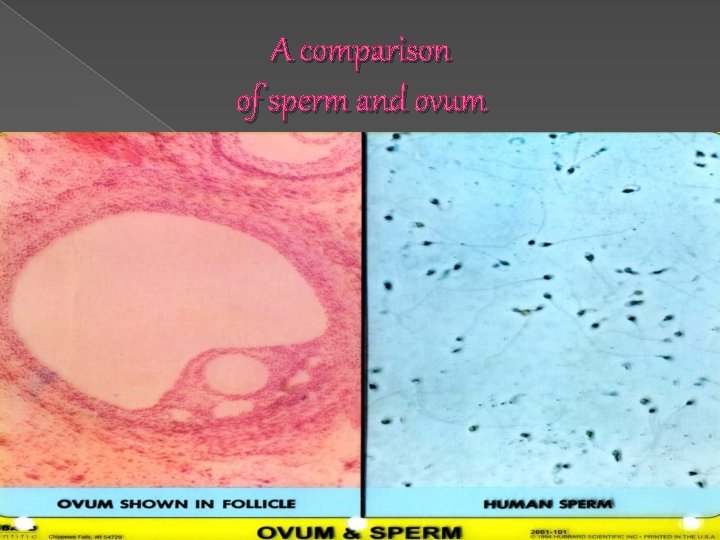
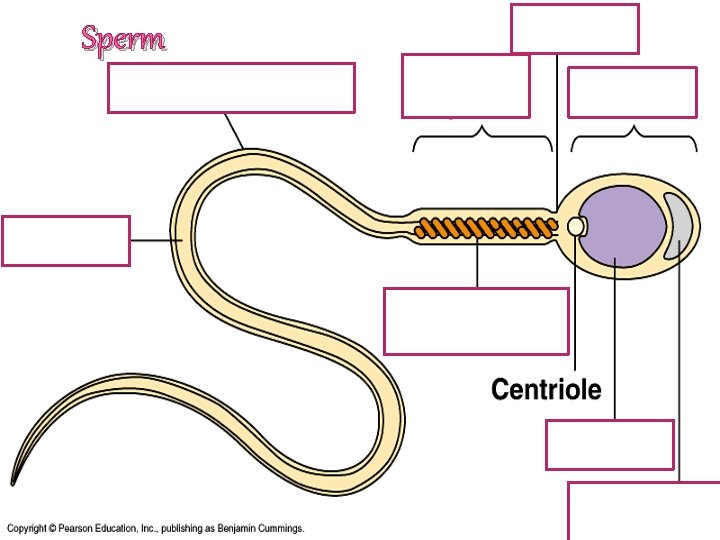
A comparison of sperm and ovum
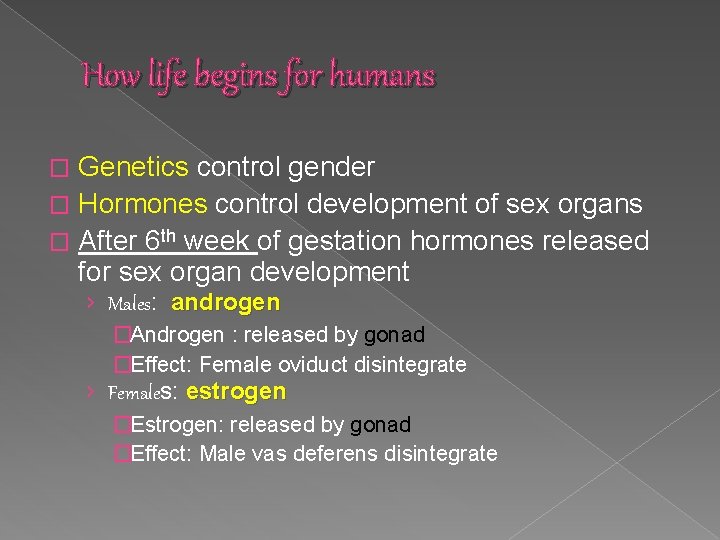
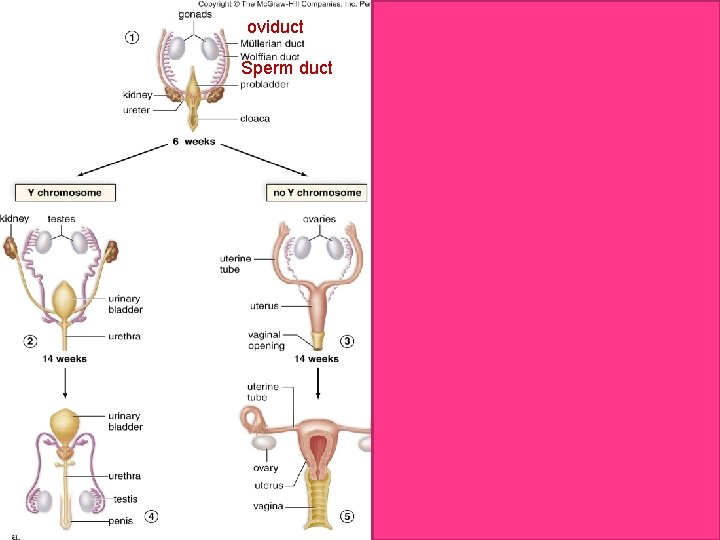
How life begins for humans Genetics control gender � Hormones control development of sex organs � After 6 th week of gestation hormones released for sex organ development � › Males: androgen �Androgen : released by gonad �Effect: Female oviduct disintegrate › Females: estrogen �Estrogen: released by gonad �Effect: Male vas deferens disintegrate
oviduct Sperm duct
Warm-up: control of reproduction and STI’s � Which type of “controlling reproduction” method were you least familiar with? › What did you learn about it? � Which STI were you least familiar with? › What did you learn about it?
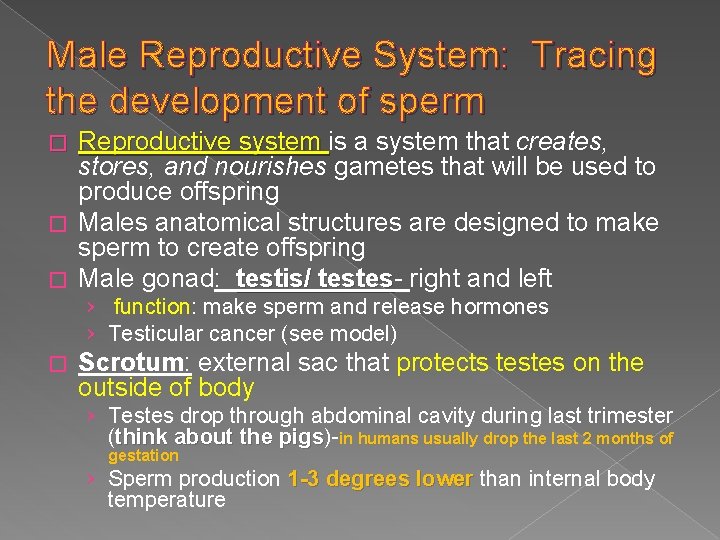
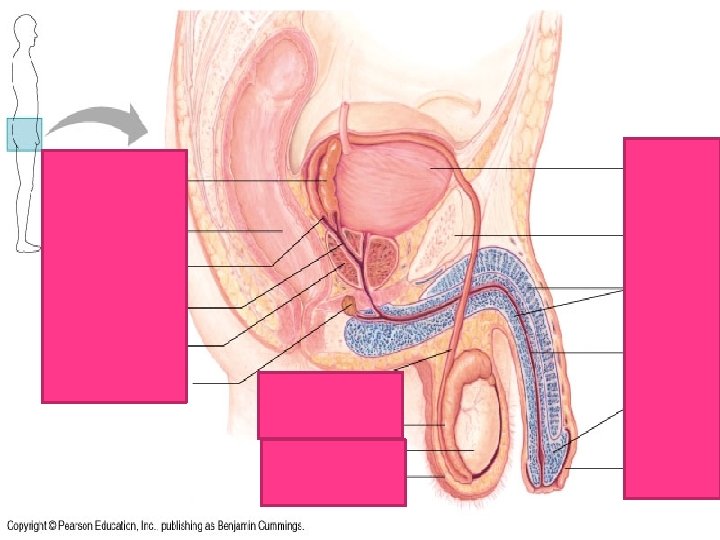
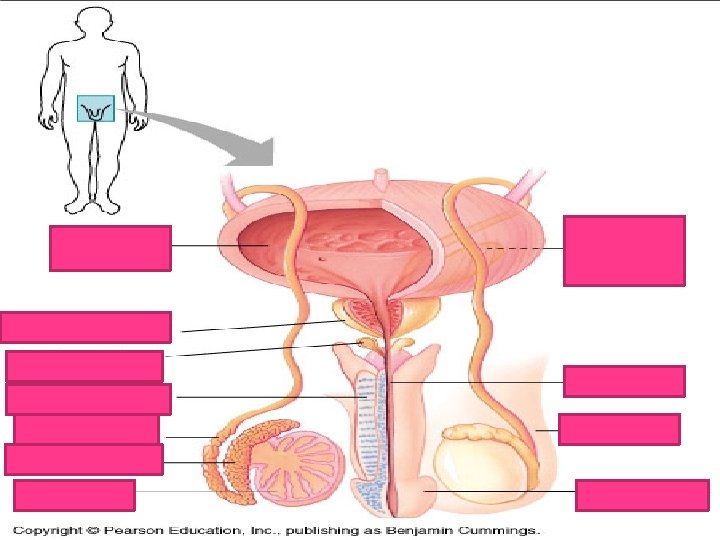
Male Reproductive System: Tracing the development of sperm Reproductive system is a system that creates, stores, and nourishes gametes that will be used to produce offspring � Males anatomical structures are designed to make sperm to create offspring � Male gonad: testis/ testes right and left � › function: make sperm and release hormones › Testicular cancer (see model) � Scrotum: external sac that protects testes on the outside of body › Testes drop through abdominal cavity during last trimester (think about the pigs)pigs in humans usually drop the last 2 months of gestation › Sperm production 1 -3 degrees lower than internal body temperature
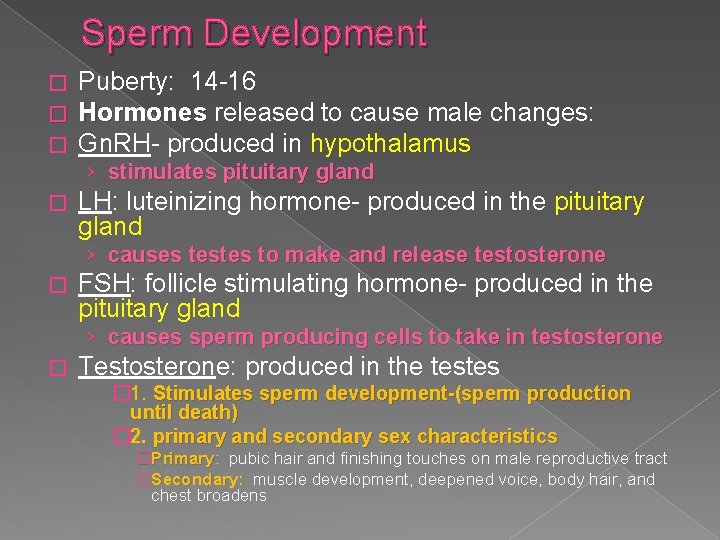
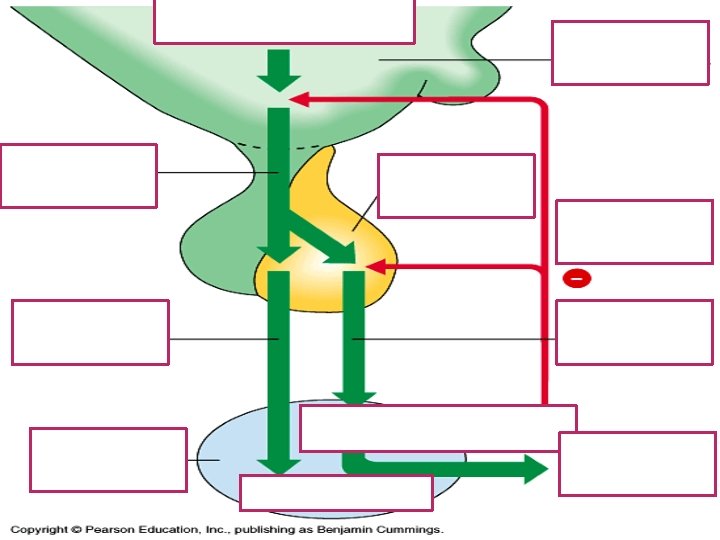
Sperm Development � � � Puberty: 14 -16 Hormones released to cause male changes: Gn. RH- produced in hypothalamus › stimulates pituitary gland � LH: luteinizing hormone- produced in the pituitary gland › causes testes to make and release testosterone � FSH: follicle stimulating hormone- produced in the pituitary gland › causes sperm producing cells to take in testosterone � Testosterone: produced in the testes � 1. Stimulates sperm development-(sperm production until death) � 2. primary and secondary sex characteristics �Primary: Primary pubic hair and finishing touches on male reproductive tract �Secondary: muscle development, deepened voice, body hair, and chest broadens
and testosterone
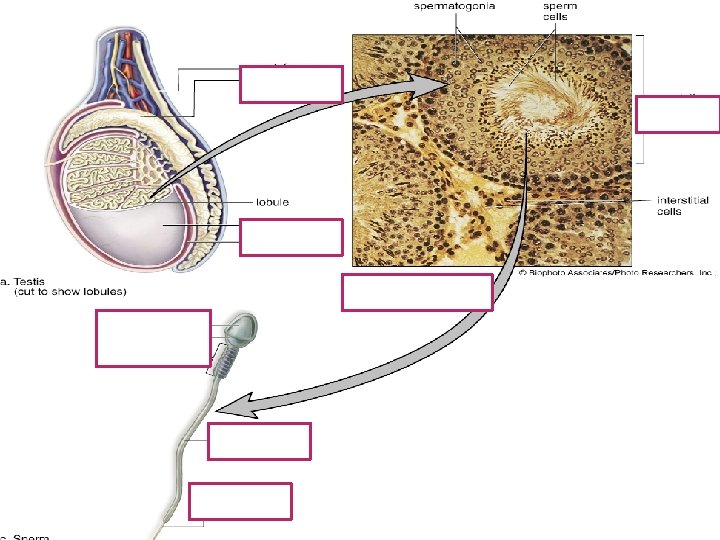
Sperm
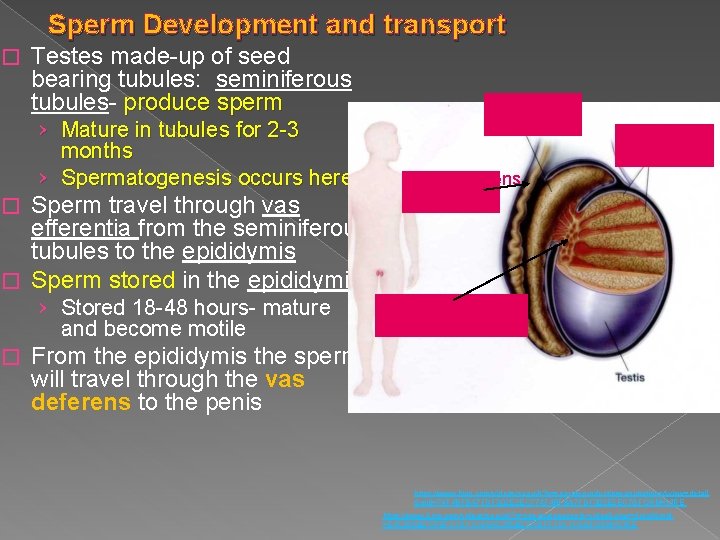
Sperm Development and transport � Testes made-up of seed bearing tubules: seminiferous tubules- produce sperm › Mature in tubules for 2 -3 months › Spermatogenesis occurs here Vas deferens Sperm travel through vas efferentia from the seminiferous tubules to the epididymis � Sperm stored in the epididymis � › Stored 18 -48 hours- mature and become motile � Vas efferentia From the epididymis the sperm will travel through the vas deferens to the penis https: //www. bing. com/videos/search? q=sperm+production+animations&view=detail &mid=74 F 4 BFBA 7 FDF 302 E 2 EC 7&FORM=VIRE https: //www. bing. com/videos/search? q=spermatogenesis+video&view=detail&mid =E 4 C 26 D 827379 FC 1 D 11 CD&FORM=VIRE
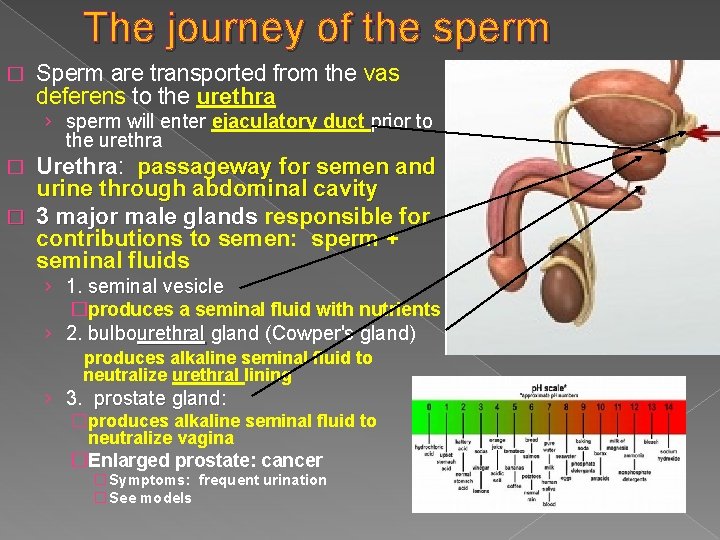
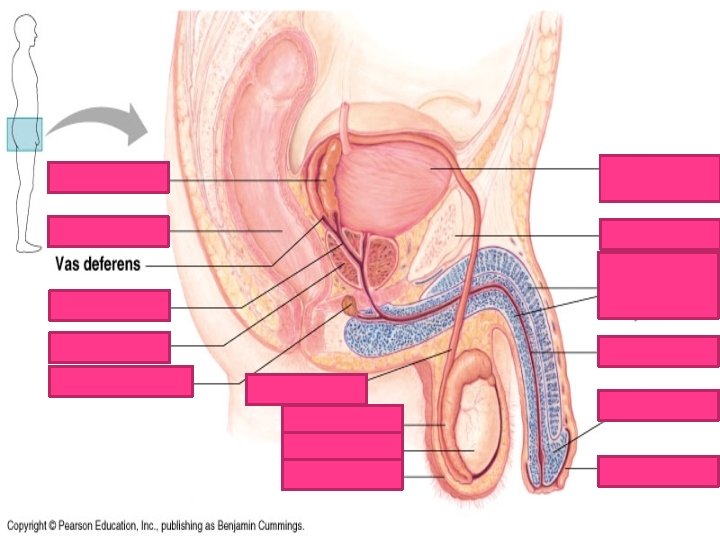
The journey of the sperm � Sperm are transported from the vas deferens to the urethra › sperm will enter ejaculatory duct prior to the urethra Urethra: passageway for semen and urine through abdominal cavity � 3 major male glands responsible for contributions to semen: sperm + seminal fluids � › 1. seminal vesicle �produces a seminal fluid with nutrients › 2. bulbourethral gland (Cowper's gland) produces alkaline seminal fluid to neutralize urethral lining › 3. prostate gland: gland �produces alkaline seminal fluid to neutralize vagina �Enlarged prostate: cancer � Symptoms: frequent urination � See models
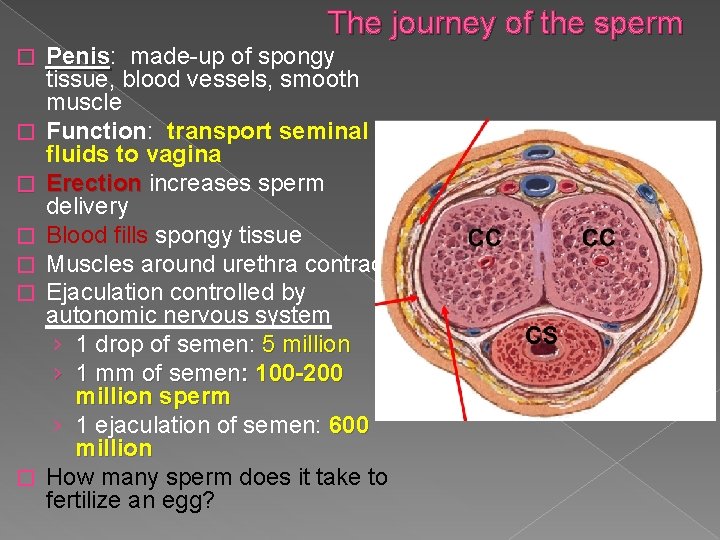
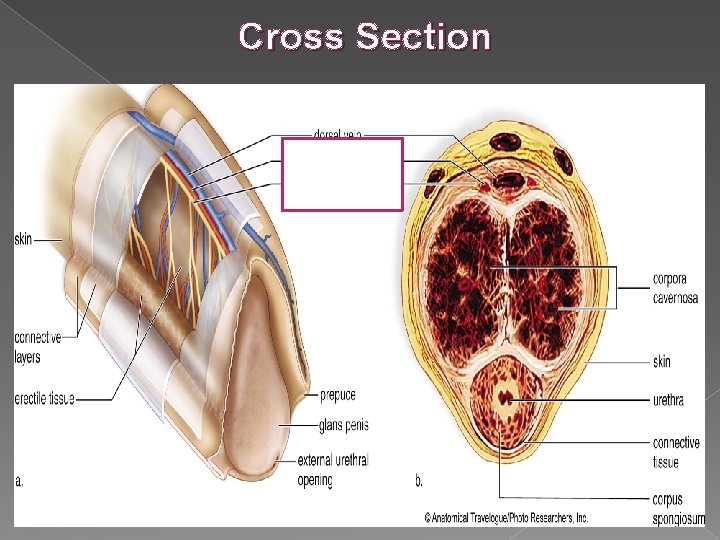
The journey of the sperm � � � � Penis: Penis made-up of spongy tissue, blood vessels, smooth muscle Function: transport seminal fluids to vagina Erection increases sperm delivery Blood fills spongy tissue Muscles around urethra contract Ejaculation controlled by autonomic nervous system › 1 drop of semen: 5 million › 1 mm of semen: 100 -200 million sperm › 1 ejaculation of semen: 600 million How many sperm does it take to fertilize an egg?
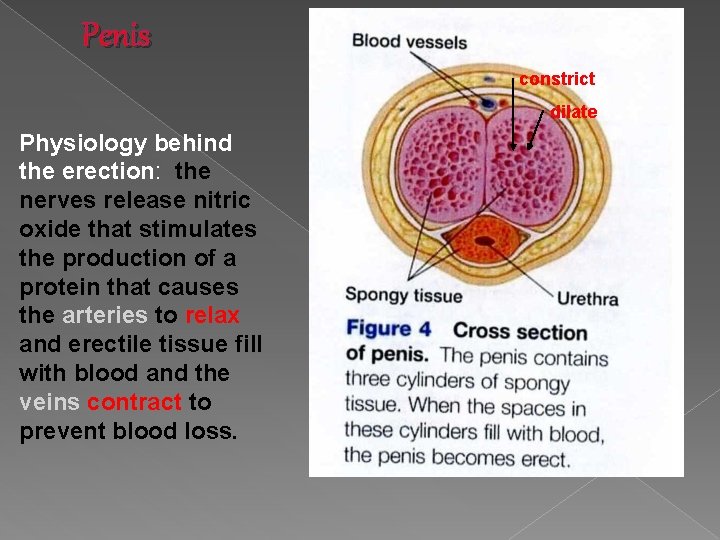
Penis constrict dilate Physiology behind the erection: the nerves release nitric oxide that stimulates the production of a protein that causes the arteries to relax and erectile tissue fill with blood and the veins contract to prevent blood loss.
Cross Section
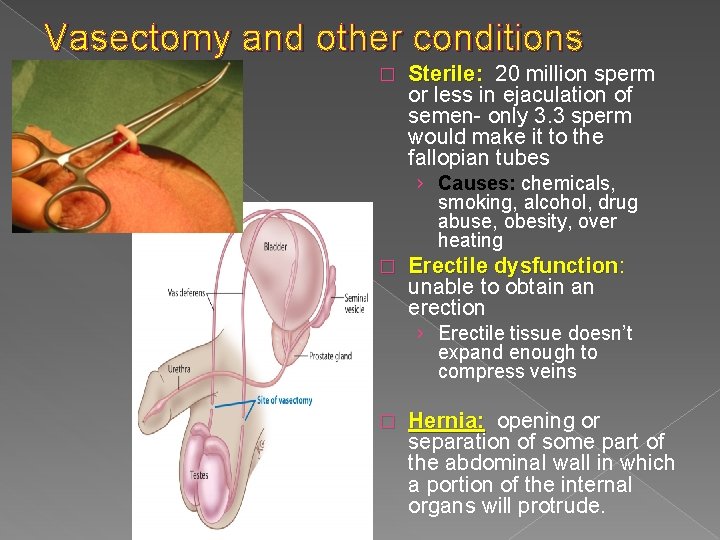
Vasectomy and other conditions � Sterile: 20 million sperm or less in ejaculation of semen- only 3. 3 sperm would make it to the fallopian tubes › Causes: chemicals, smoking, alcohol, drug abuse, obesity, over heating � Erectile dysfunction: dysfunction unable to obtain an erection › Erectile tissue doesn’t expand enough to compress veins � Hernia: opening or separation of some part of the abdominal wall in which a portion of the internal organs will protrude.
Anatomy: warm-up List the 4 phases of the female menstrual cycle. How are hormones related to the major events of the female menstrual cycle?
Female Anatomy: trace the path of an egg (ovum) Females anatomy is designed to produce eggs and store, nourish, and protect a growing embryo � Female gonads: ovaries (2)- produce eggs and hormones � › Born with 2 million immature egg follicles �Reduced to approximately 350, 000 by puberty �New studies are showing the female ovary may have stem cells to regenerate new eggs? ? ? �Will complete oogenesis at fertilization › Releases 1 egg/month (average) until menopause › Releases approximately _______ in lifetime › ARTICLE
Warm-up � Write 3 female hormones and tell me either where they are produced or what their role are in terms of the female reproductive system.
Explain how the “timing” of oogenesis relates to the viability of the ovum.
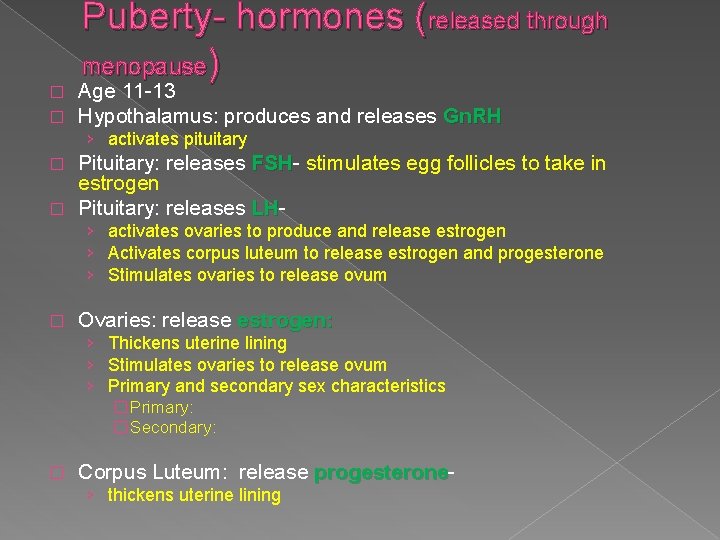
� � Puberty- hormones (released through menopause) Age 11 -13 Hypothalamus: produces and releases Gn. RH › activates pituitary Pituitary: releases FSHFSH stimulates egg follicles to take in estrogen � Pituitary: releases LHLH � › activates ovaries to produce and release estrogen › Activates corpus luteum to release estrogen and progesterone › Stimulates ovaries to release ovum � Ovaries: release estrogen: › Thickens uterine lining › Stimulates ovaries to release ovum › Primary and secondary sex characteristics �Primary: �Secondary: � Corpus Luteum: release progesterone › thickens uterine lining
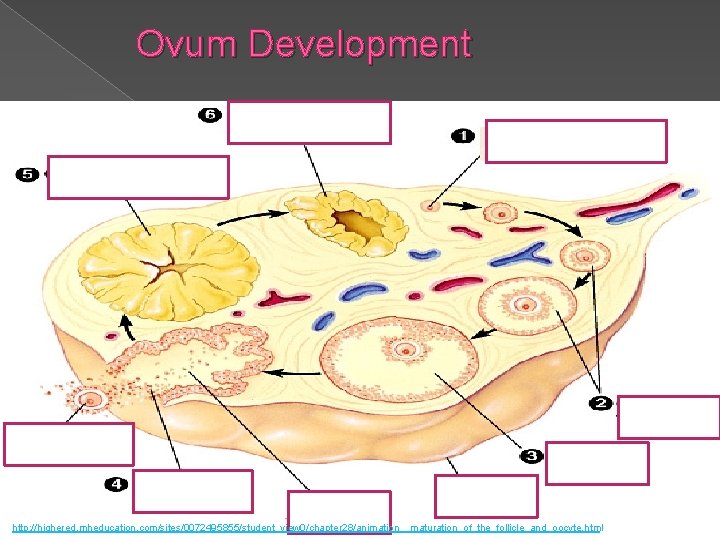
Ovum Development http: //highered. mheducation. com/sites/0072495855/student_view 0/chapter 28/animation__maturation_of_the_follicle_and_oocyte. html
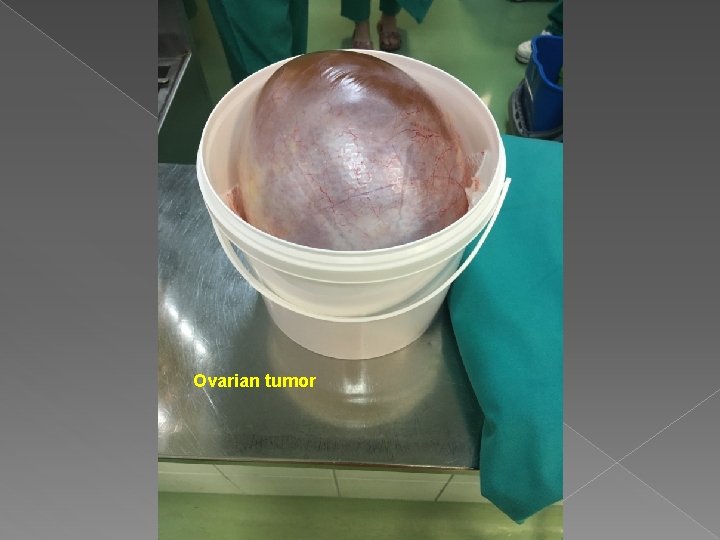
Ovarian tumor
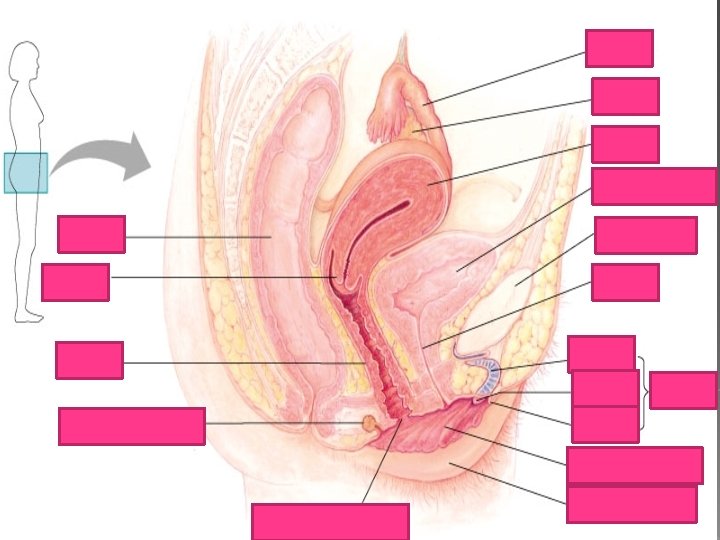
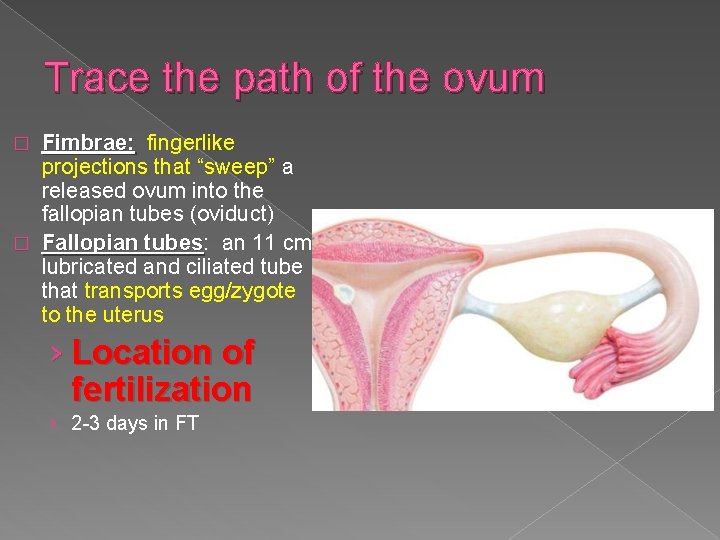
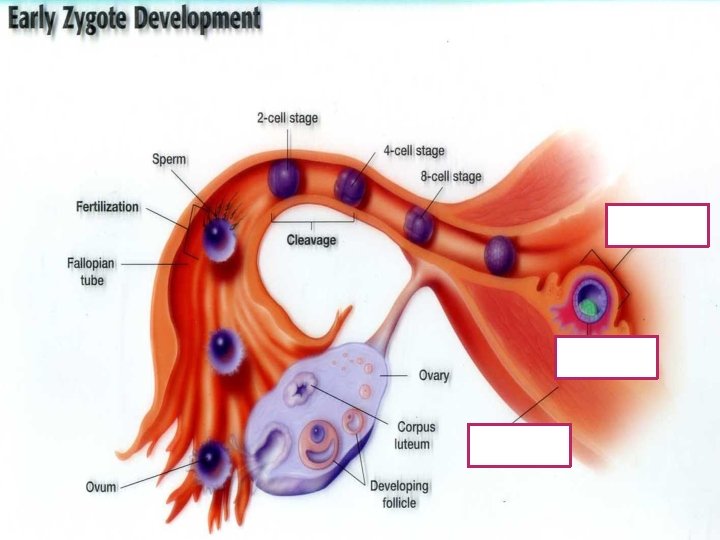
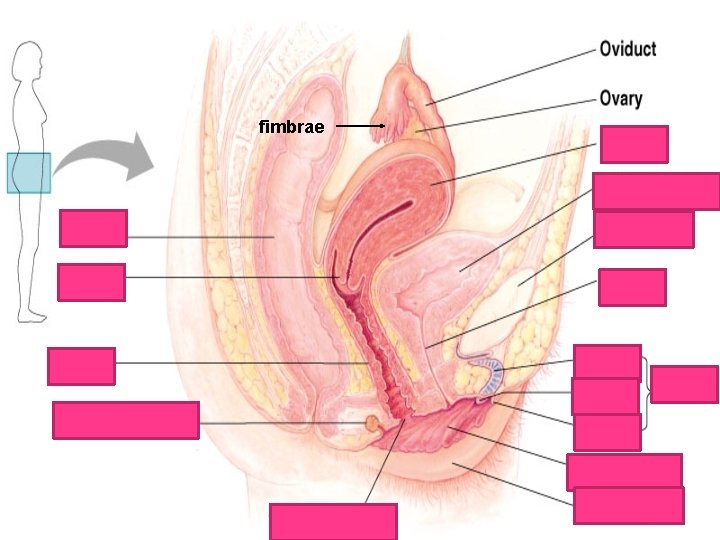
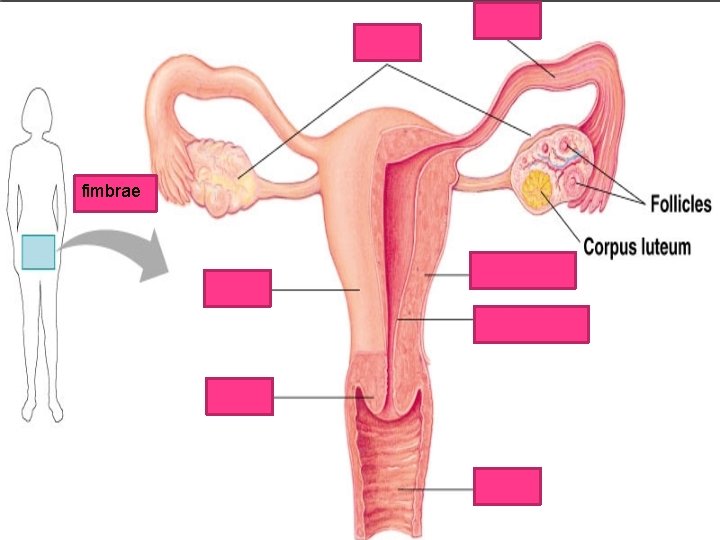
Trace the path of the ovum Fimbrae: fingerlike projections that “sweep” a released ovum into the fallopian tubes (oviduct) � Fallopian tubes: tubes an 11 cm lubricated and ciliated tube that transports egg/zygote to the uterus � › Location of fertilization › 2 -3 days in FT
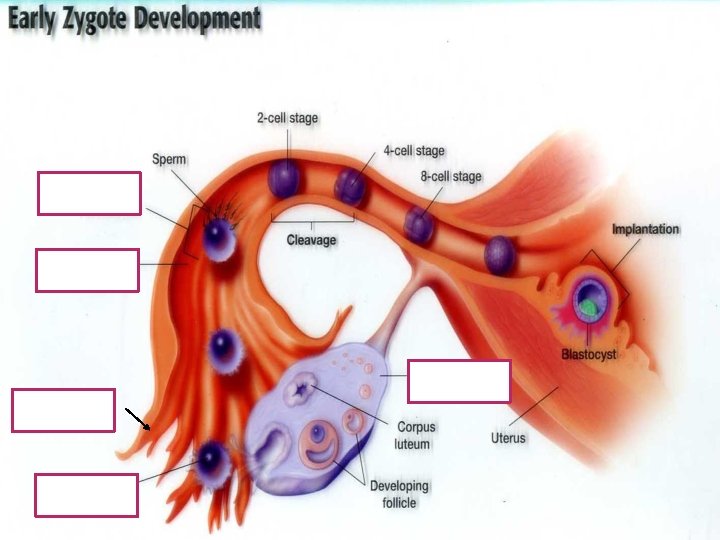
fimbrae
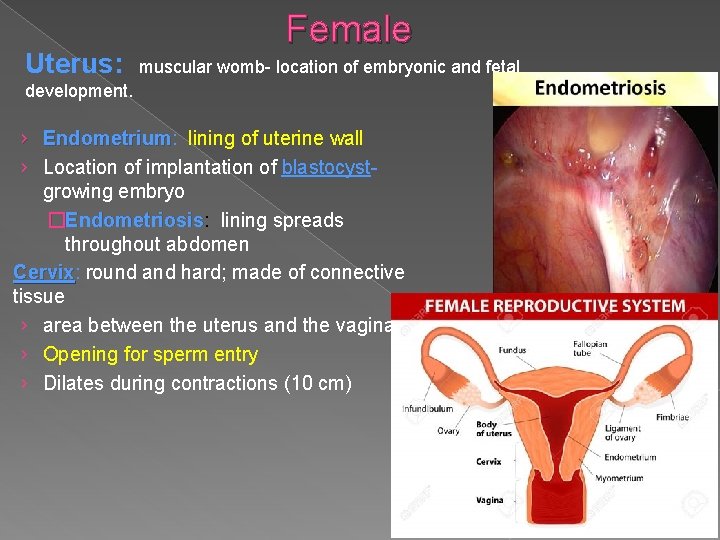
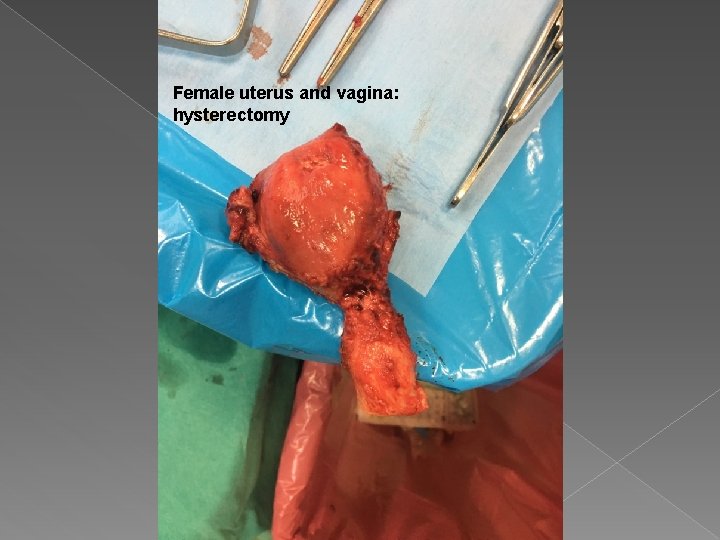
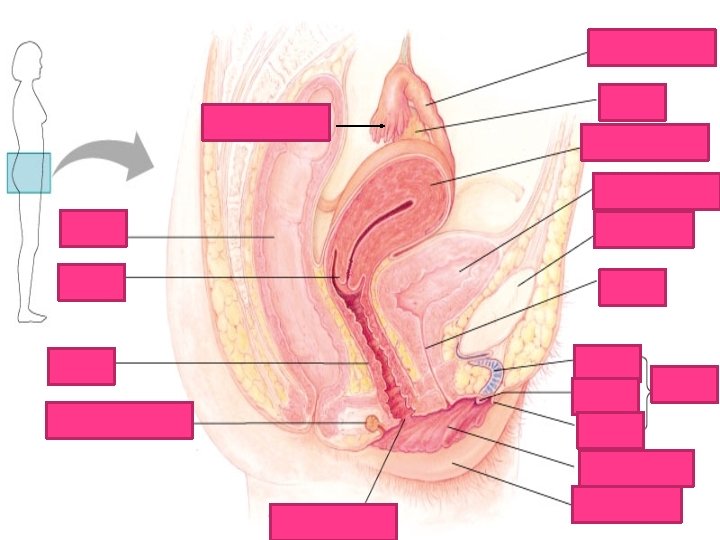
Uterus: Female muscular womb- location of embryonic and fetal development. › Endometrium: Endometrium lining of uterine wall › Location of implantation of blastocystgrowing embryo �Endometriosis: Endometriosis lining spreads throughout abdomen � Cervix: Cervix round and hard; made of connective tissue › area between the uterus and the vagina › Opening for sperm entry › Dilates during contractions (10 cm)
Female uterus and vagina: hysterectomy
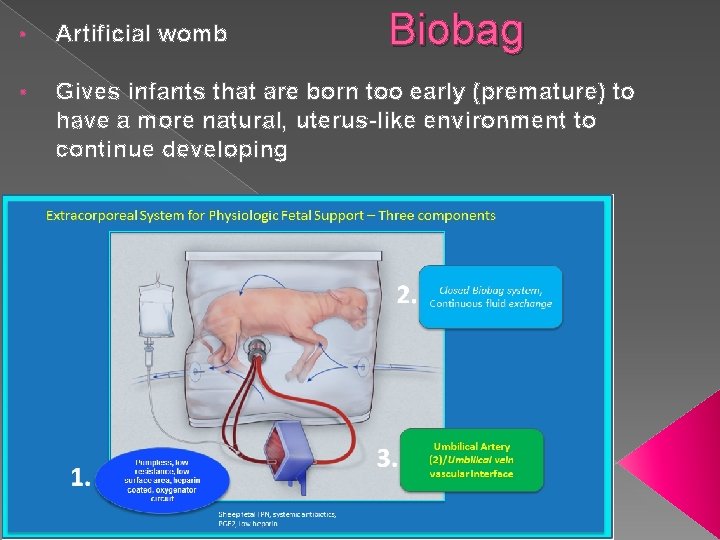
Biobag • Artificial womb • Gives infants that are born too early (premature) to have a more natural, uterus-like environment to continue developing
fimbrae
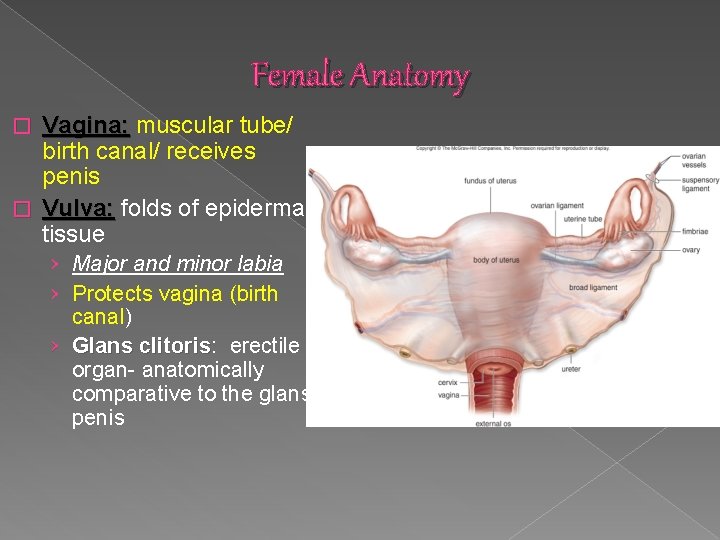
Female Anatomy Vagina: muscular tube/ birth canal/ receives penis � Vulva: folds of epidermal tissue � › Major and minor labia › Protects vagina (birth canal) › Glans clitoris: clitoris erectile organ- anatomically comparative to the glans penis
fimbrae
fimbrae
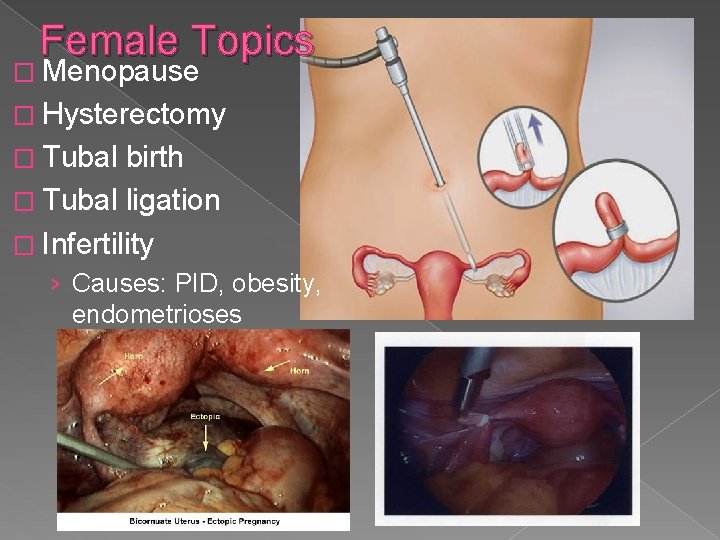
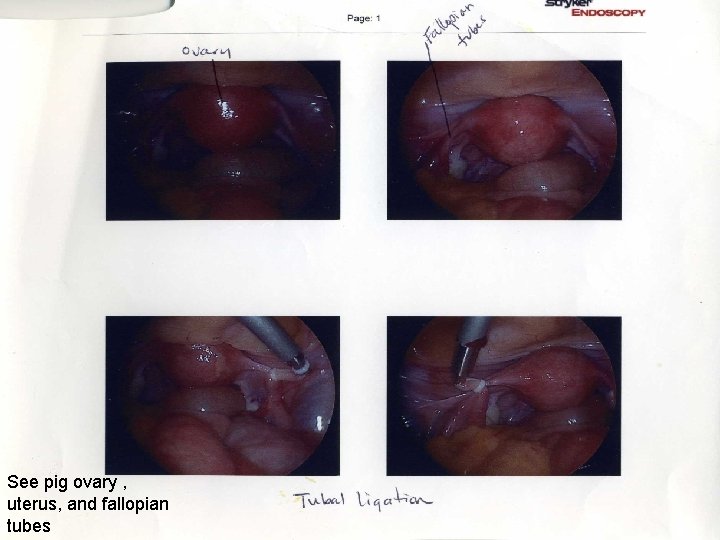
Female Topics � Menopause � Hysterectomy � Tubal birth � Tubal ligation � Infertility › Causes: PID, obesity, endometrioses
See pig ovary , uterus, and fallopian tubes