
Human Performance Human Error Reduction at Manitoba Hydro
Human Performance & Human Error Reduction at Manitoba Hydro
Human Performance & Human Error Reduction at Manitoba Hydro • • • History of Human Performance Human performance & brain activities Latent Organization Weakness (LOW) Error precursors Maintaining positive control Which HER tools & why
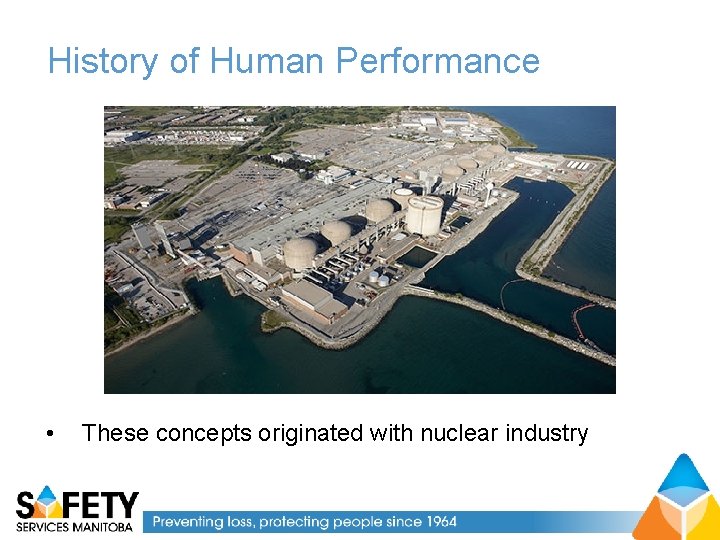
History of Human Performance • These concepts originated with nuclear industry
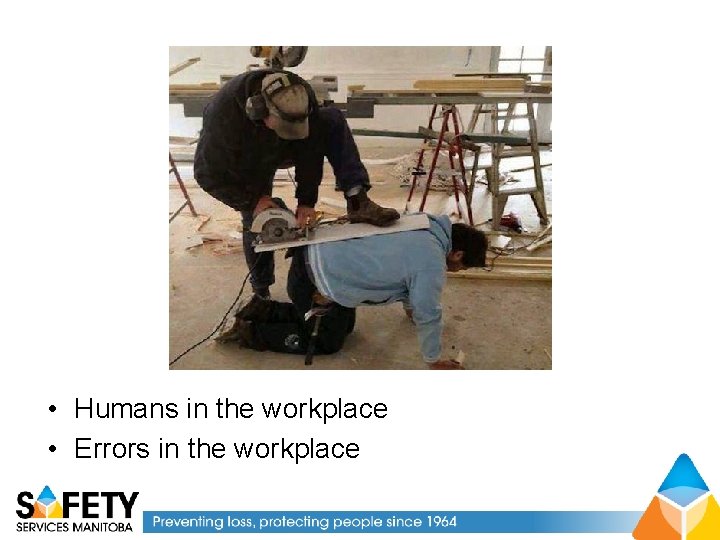
• Humans in the workplace • Errors in the workplace
Principles of Human Performance • People are fallible and all make mistakes • Error likely situations are predictable, manageable and preventable • Individual behaviours are influenced by organizational processes and values • People achieve high levels of performance based largely on the encouragement and reinforcement received by leaders, peers and subordinates • Events can be avoided by an understanding of the reason mistakes occur and lessons learned from past events • Your brain & your eyes sometimes are not helpful
A few brain activities Get a some paper and count the changes • Count the money https: //www. youtube. com/watch? v=14 Nb 45 CS 9 og
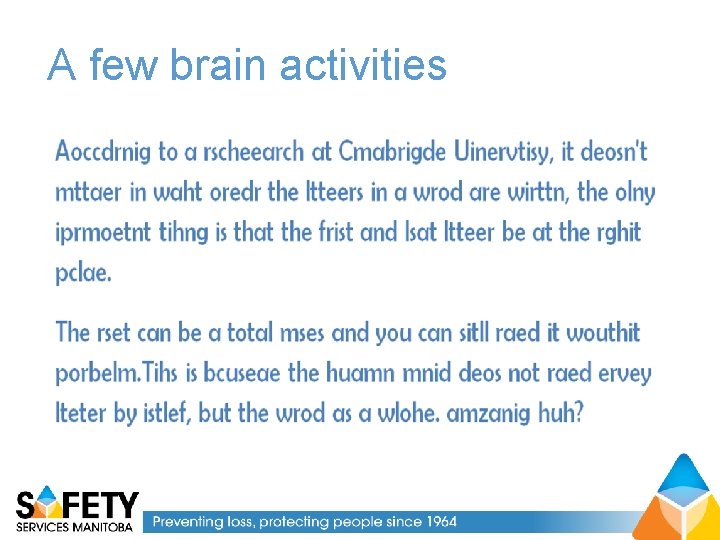
A few brain activities
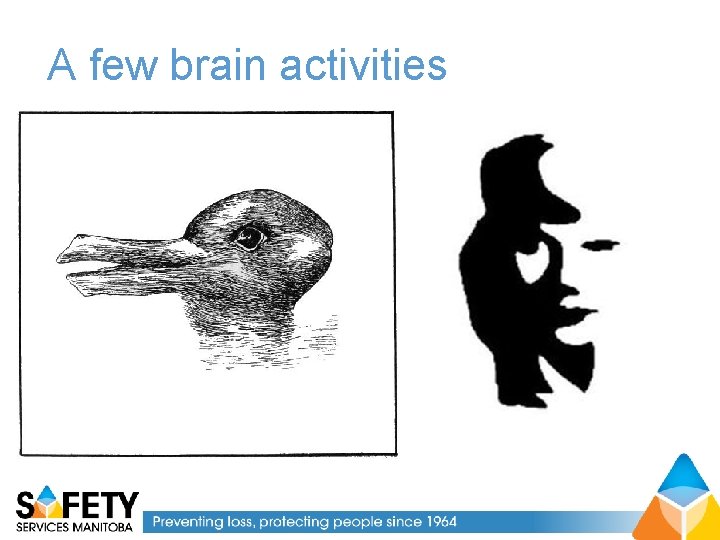
A few brain activities
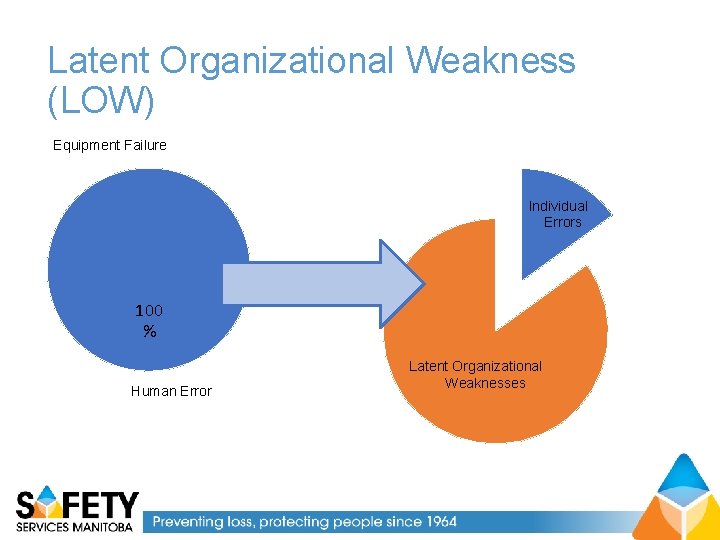
Latent Organizational Weakness (LOW) Equipment Failure Individual Errors 100 % Human Error Latent Organizational Weaknesses
What's an error Error = slip, lapse or mistake • Slip = physical action fails to achieve immediate objective • Lapse = failure of one’s memory of recall • Mistake = inadequate plan to achieve intended outcome; can be active or latent • Violation = intentional disregard of known rule or policy (deliberate deviation)
Skills / Rule / Knowledge From Tim Autrey’s book are his terms skills, rules and knowledge. These are summarized below: 1. Skills – based most reliable / low error opportunity / low brain reliability 2. Rule – based less reliable then skills based / following a process or procedure / what’s the quality of that process or procedure / are you required to interpret at some level 3. Knowledge – based least reliable / solving the “New Riddle” / new and or unfamiliar task / not planned / environmental factors beyond your control

Error Precursors
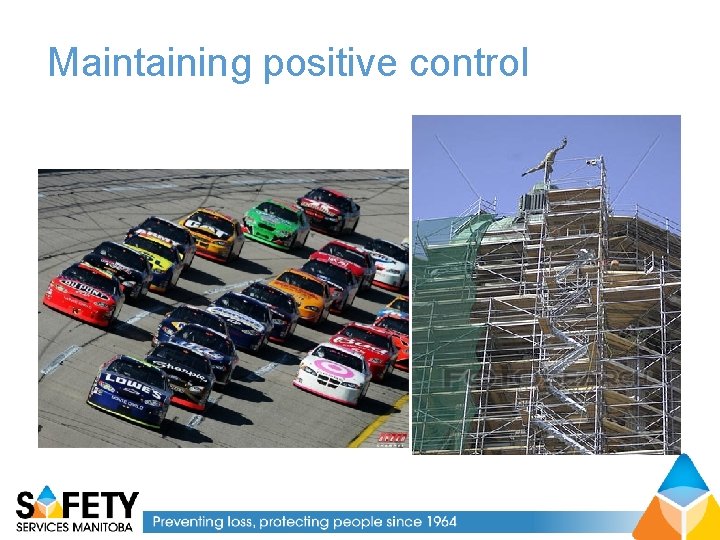
Maintaining positive control
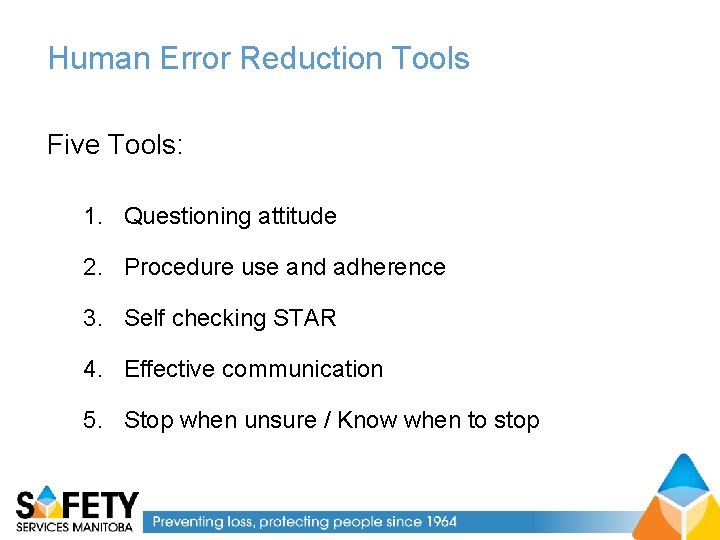
Human Error Reduction Tools Five Tools: 1. Questioning attitude 2. Procedure use and adherence 3. Self checking STAR 4. Effective communication 5. Stop when unsure / Know when to stop
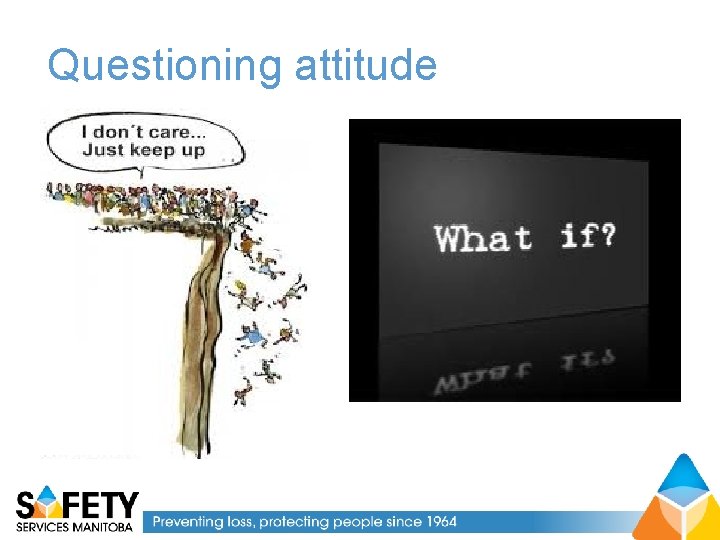
Questioning attitude
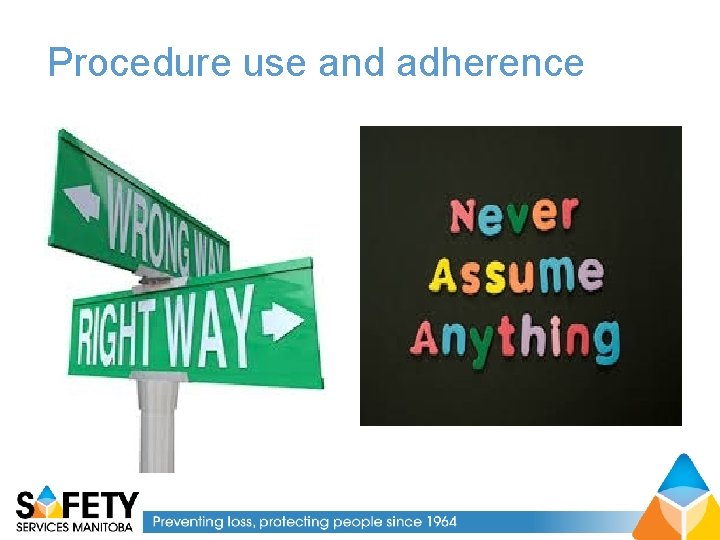
Procedure use and adherence
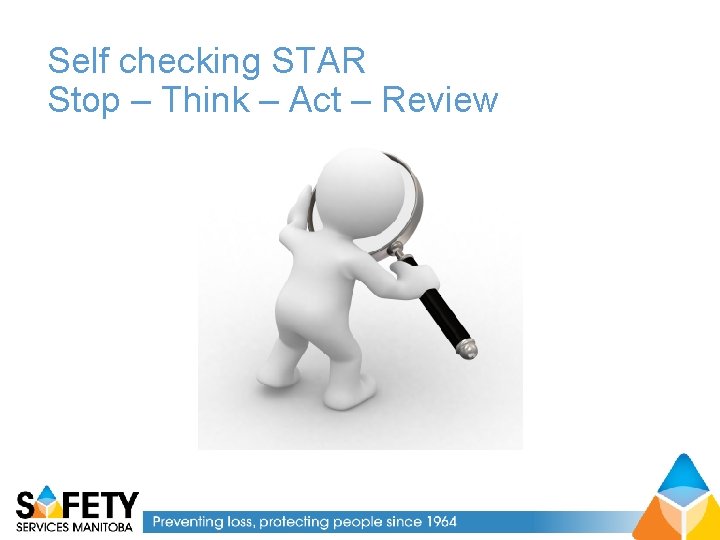
Self checking STAR Stop – Think – Act – Review
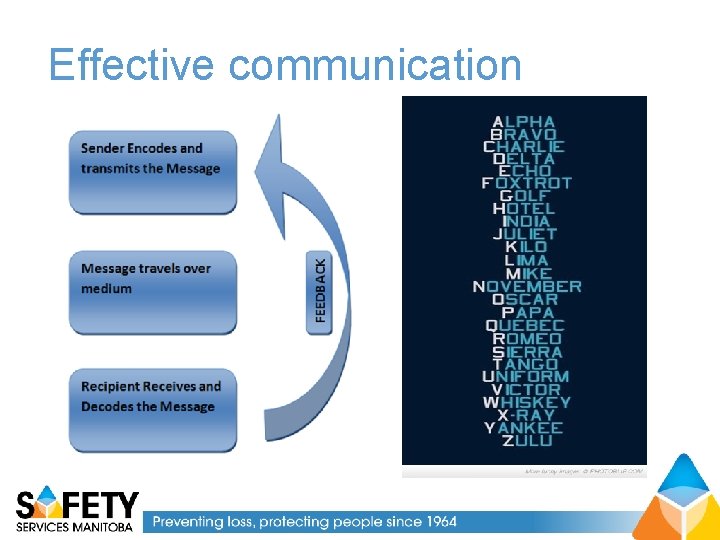
Effective communication
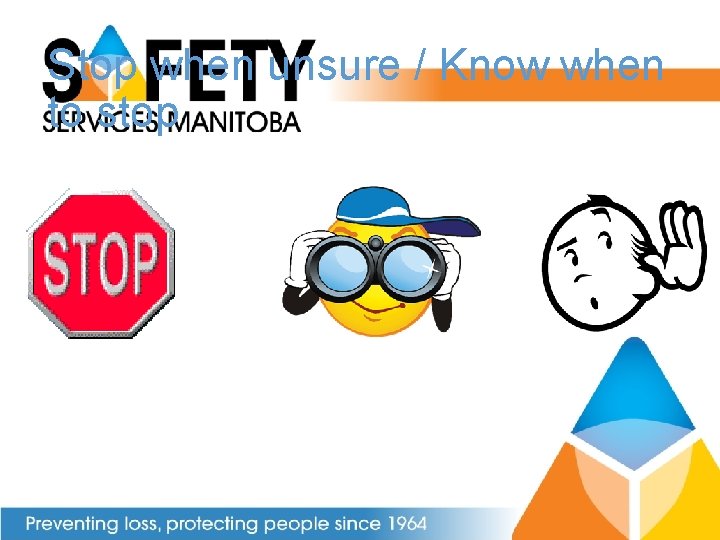
Stop when unsure / Know when to stop
Critical Steps • Human Error Reduction tools should be used when engaging in critical steps • A critical step is a procedure step, series of steps or action that if performed improperly will cause irreversible harm to people or equipment etc.
Why do we use HER tools • Improve our overall safety & quality • Reduce our “re-work” • Encourage open and honest communication • Assist fellow employees
- Slides: 22