
Human Papillomavorus Overview and Genital Warts H Hunter

![GARDASIL® [Quadrivalent Human Papillomavirus (Types 6, 11, 16, 18) Recombinant Vaccine] Genital Wart Prevalence](https://slidetodoc.com/presentation_image/dea5e259015ce786b928533861095c8c/image-16.jpg "GARDASIL® [Quadrivalent Human Papillomavirus (Types 6, 11, 16, 18) Recombinant Vaccine] Genital Wart Prevalence")
- Slides: 32
Human Papillomavorus: Overview and Genital Warts H. Hunter Handsfield, M. D. Battelle Seattle Center for Public Health Research University of Washington Center for AIDS and STD
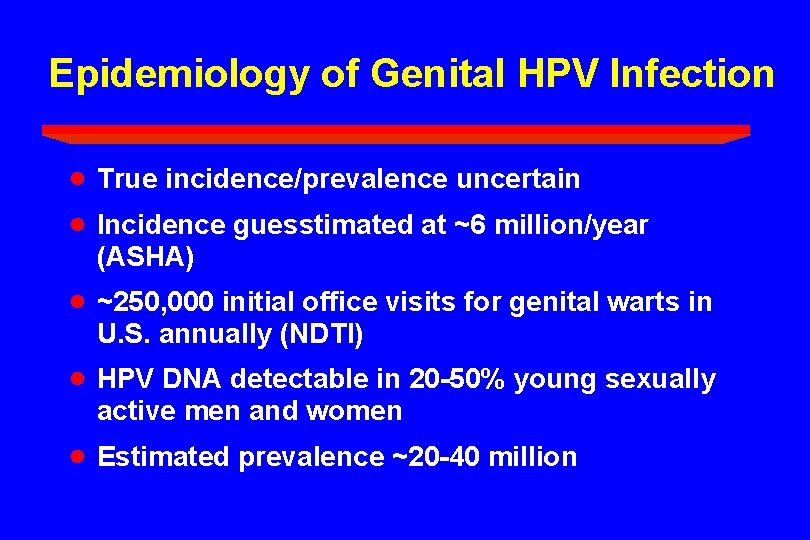
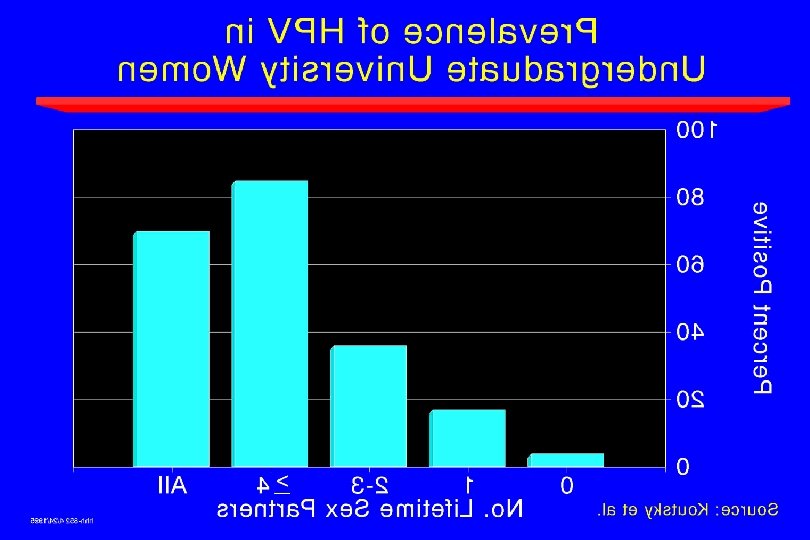
Epidemiology of Genital HPV Infection · · True incidence/prevalence uncertain · ~250, 000 initial office visits for genital warts in U. S. annually (NDTI) · HPV DNA detectable in 20 -50% young sexually active men and women · Estimated prevalence ~20 -40 million Incidence guesstimated at ~6 million/year (ASHA)
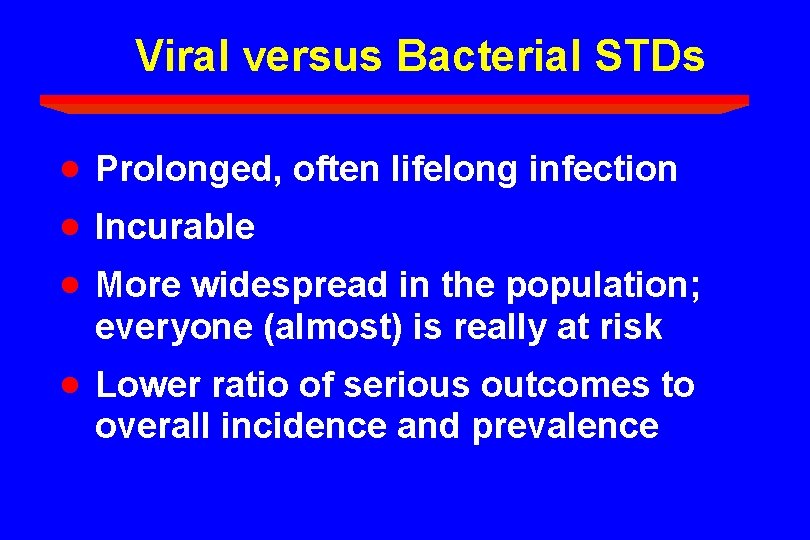
Viral versus Bacterial STDs · · · Prolonged, often lifelong infection · Lower ratio of serious outcomes to overall incidence and prevalence Incurable More widespread in the population; everyone (almost) is really at risk
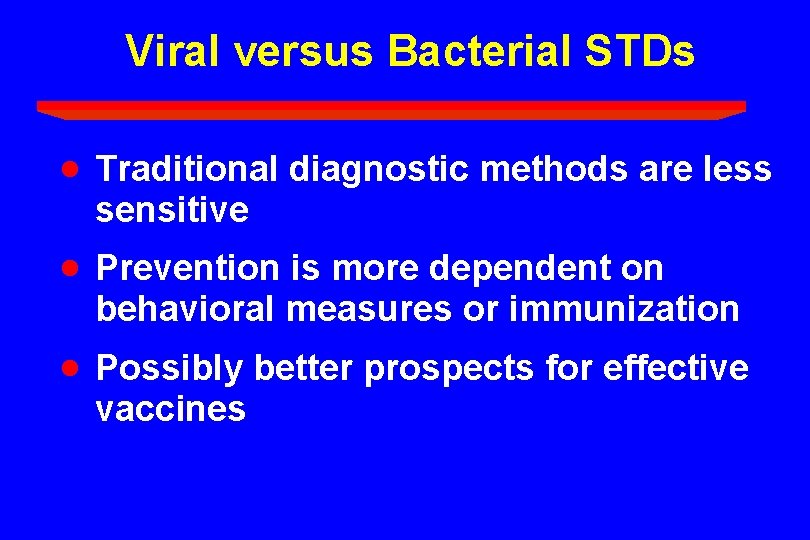
Viral versus Bacterial STDs · Traditional diagnostic methods are less sensitive · Prevention is more dependent on behavioral measures or immunization · Possibly better prospects for effective vaccines
HPV and Neoplasia HPV causes pre-cancerous neoplasia and squamous cell cancer of the cervix, anus, vulva, and penis
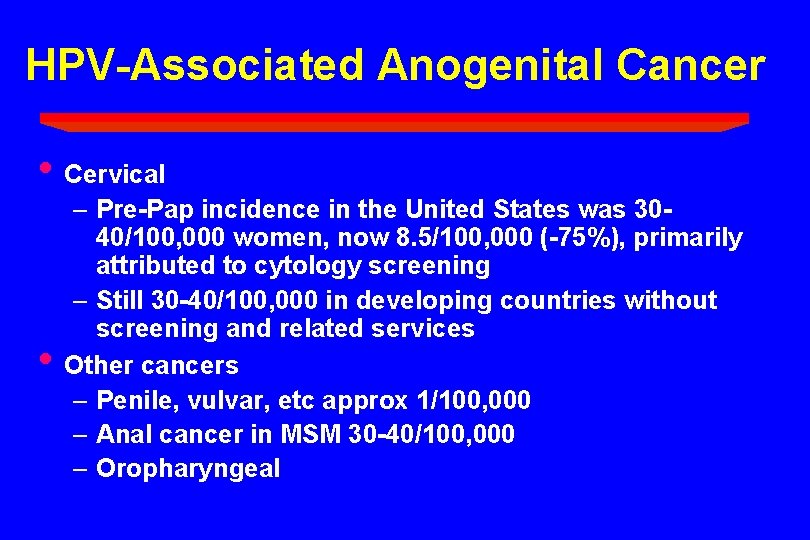
HPV-Associated Anogenital Cancer • Cervical • – Pre-Pap incidence in the United States was 3040/100, 000 women, now 8. 5/100, 000 (-75%), primarily attributed to cytology screening – Still 30 -40/100, 000 in developing countries without screening and related services Other cancers – Penile, vulvar, etc approx 1/100, 000 – Anal cancer in MSM 30 -40/100, 000 – Oropharyngeal
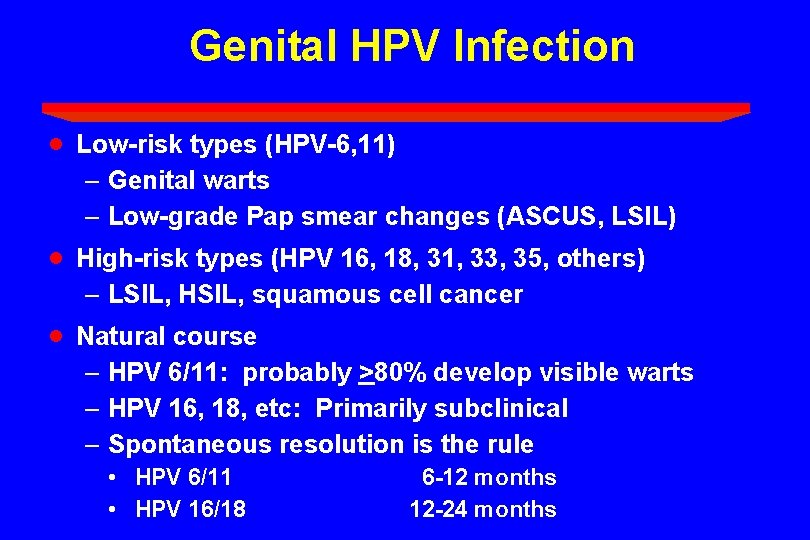
Genital HPV Infection · Low-risk types (HPV-6, 11) – Genital warts – Low-grade Pap smear changes (ASCUS, LSIL) · High-risk types (HPV 16, 18, 31, 33, 35, others) – LSIL, HSIL, squamous cell cancer · Natural course – HPV 6/11: probably >80% develop visible warts – HPV 16, 18, etc: Primarily subclinical – Spontaneous resolution is the rule • HPV 6/11 • HPV 16/18 6 -12 months 12 -24 months
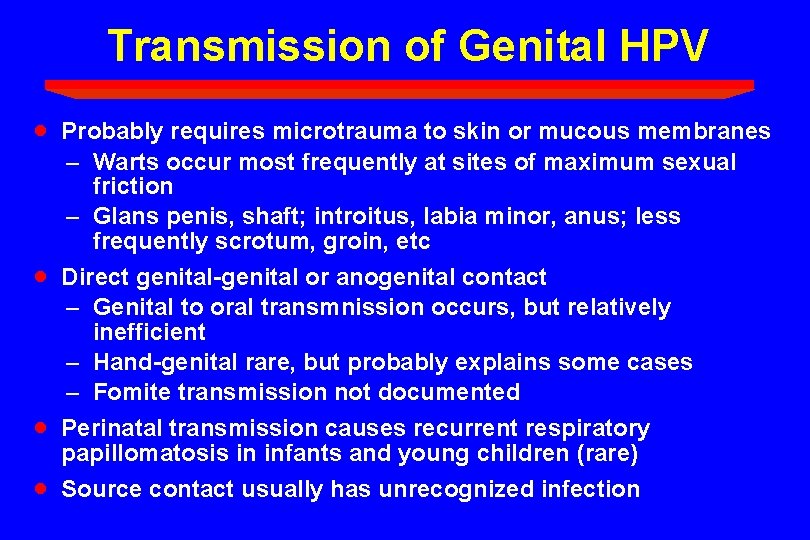
Transmission of Genital HPV · · Probably requires microtrauma to skin or mucous membranes – Warts occur most frequently at sites of maximum sexual friction – Glans penis, shaft; introitus, labia minor, anus; less frequently scrotum, groin, etc Direct genital-genital or anogenital contact – Genital to oral transmnission occurs, but relatively inefficient – Hand-genital rare, but probably explains some cases – Fomite transmission not documented Perinatal transmission causes recurrent respiratory papillomatosis in infants and young children (rare) Source contact usually has unrecognized infection
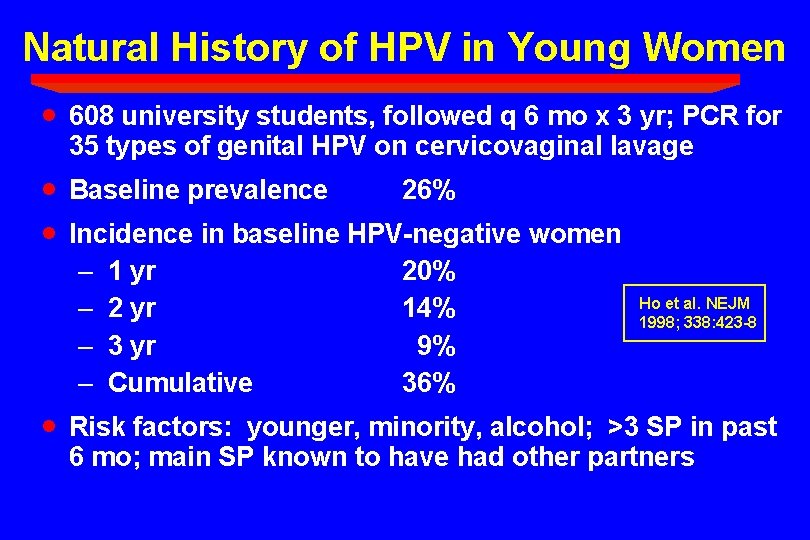
Natural History of HPV in Young Women · 608 university students, followed q 6 mo x 3 yr; PCR for 35 types of genital HPV on cervicovaginal lavage · · Baseline prevalence · 26% Incidence in baseline HPV-negative women – 1 yr 20% – 2 yr 14% – 3 yr 9% – Cumulative 36% Ho et al. NEJM 1998; 338: 423 -8 Risk factors: younger, minority, alcohol; >3 SP in past 6 mo; main SP known to have had other partners
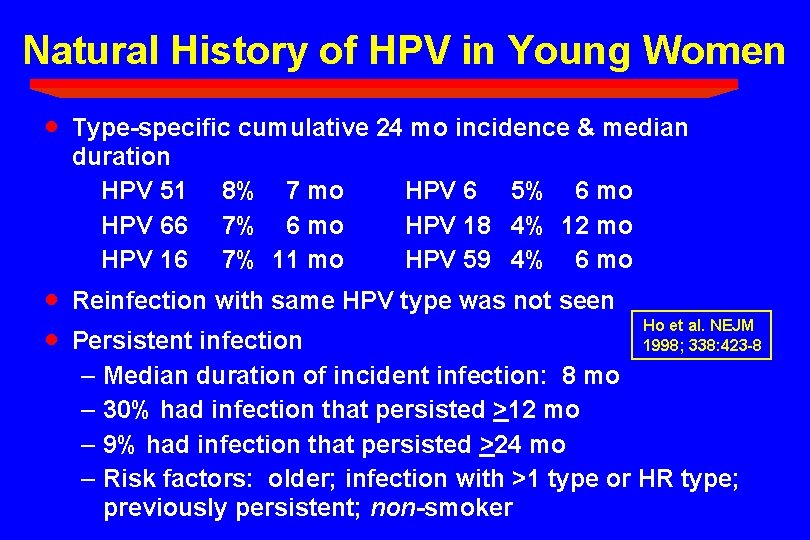
Natural History of HPV in Young Women · Type-specific cumulative 24 mo incidence & median duration HPV 51 8% 7 mo HPV 6 5% 6 mo HPV 66 7% 6 mo HPV 18 4% 12 mo HPV 16 7% 11 mo HPV 59 4% 6 mo · · Reinfection with same HPV type was not seen Ho et al. NEJM 1998; 338: 423 -8 Persistent infection – Median duration of incident infection: 8 mo – 30% had infection that persisted >12 mo – 9% had infection that persisted >24 mo – Risk factors: older; infection with >1 type or HR type; previously persistent; non-smoker
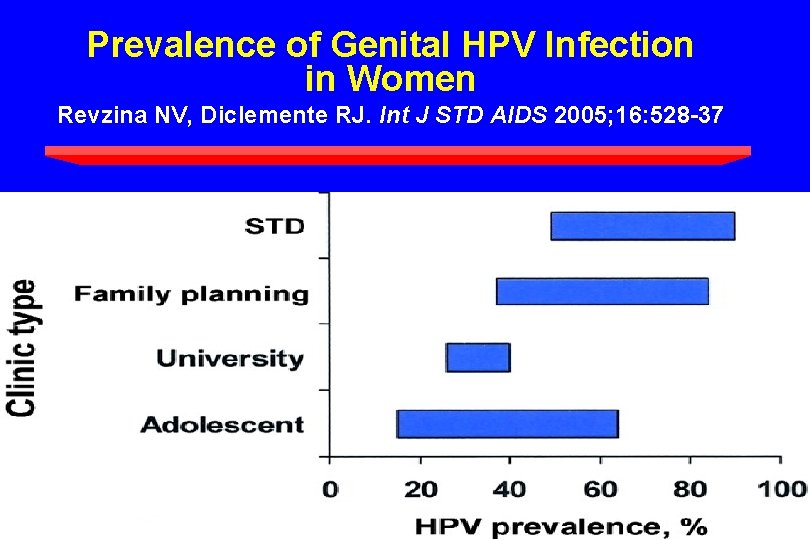
Prevalence of Genital HPV Infection in Women Revzina NV, Diclemente RJ. Int J STD AIDS 2005; 16: 528 -37
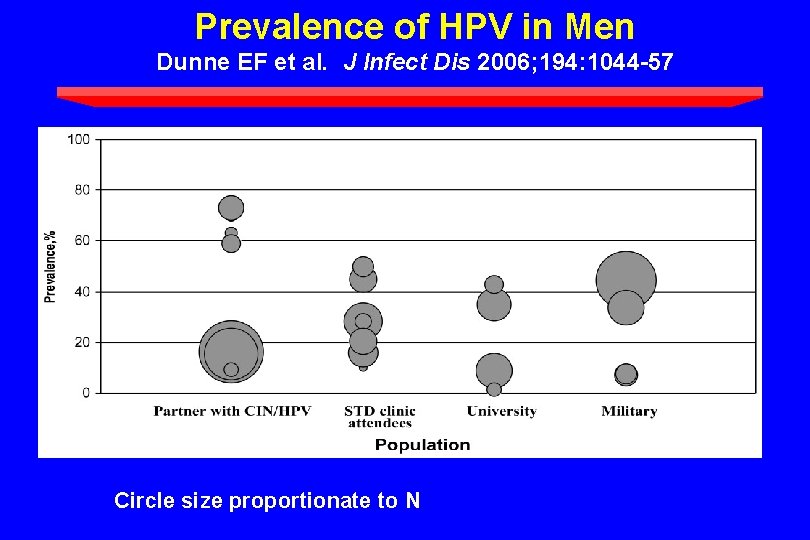
Prevalence of HPV in Men Dunne EF et al. J Infect Dis 2006; 194: 1044 -57 Circle size proportionate to N
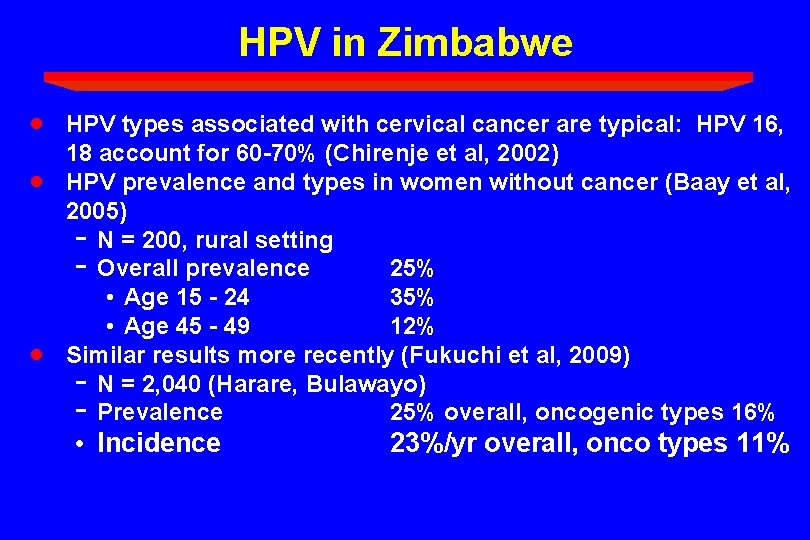
HPV in Zimbabwe · · · HPV types associated with cervical cancer are typical: HPV 16, 18 account for 60 -70% (Chirenje et al, 2002) HPV prevalence and types in women without cancer (Baay et al, 2005) - N = 200, rural setting - Overall prevalence 25% • Age 15 - 24 35% • Age 45 - 49 12% Similar results more recently (Fukuchi et al, 2009) - N = 2, 040 (Harare, Bulawayo) - Prevalence 25% overall, oncogenic types 16% • Incidence 23%/yr overall, onco types 11%
GARDASIL® [Quadrivalent Human Papillomavirus (Types 6, 11, 16, 18) Recombinant Vaccine] Genital Wart Prevalence in Individuals <35 Years of Age in Private Health Plans 1 N=3, 664, 686 n=5, 095 Cases of Genital Warts · Genital wart recurrence rates vary greatly depending on treatment 2 – As low as 5% with podofilox or laser treatment – As high as 65% with other treatments 1. Insinga RP, Dasbach EF, Myers ER. Clin Infect Dis. 2003; 36: 1397– 1403. 2. Kodner CM, Nasraty S. Am Fam Physician. 2004; 70: 2335– 2342.
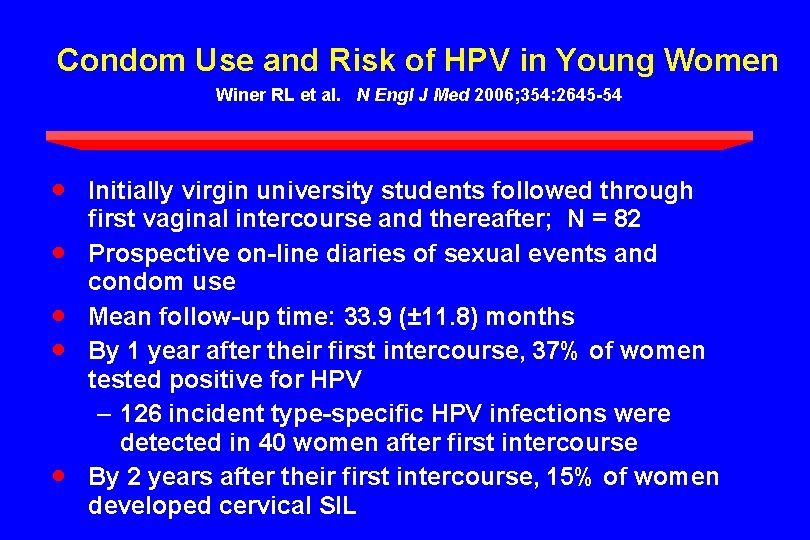
Condom Use and Risk of HPV in Young Women Winer RL et al. N Engl J Med 2006; 354: 2645 -54 · · · Initially virgin university students followed through first vaginal intercourse and thereafter; N = 82 Prospective on-line diaries of sexual events and condom use Mean follow-up time: 33. 9 (± 11. 8) months By 1 year after their first intercourse, 37% of women tested positive for HPV – 126 incident type-specific HPV infections were detected in 40 women after first intercourse By 2 years after their first intercourse, 15% of women developed cervical SIL
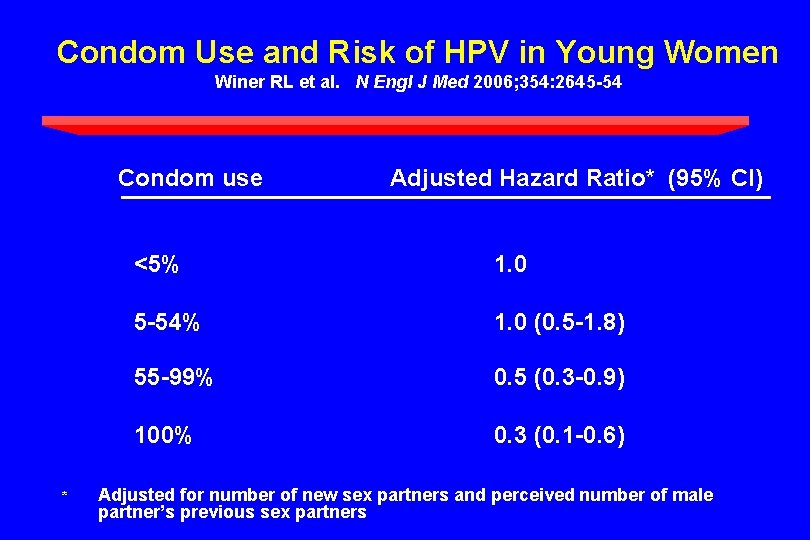
Condom Use and Risk of HPV in Young Women Winer RL et al. N Engl J Med 2006; 354: 2645 -54 Condom use * Adjusted Hazard Ratio* (95% CI) <5% 1. 0 5 -54% 1. 0 (0. 5 -1. 8) 55 -99% 0. 5 (0. 3 -0. 9) 100% 0. 3 (0. 1 -0. 6) Adjusted for number of new sex partners and perceived number of male partner’s previous sex partners
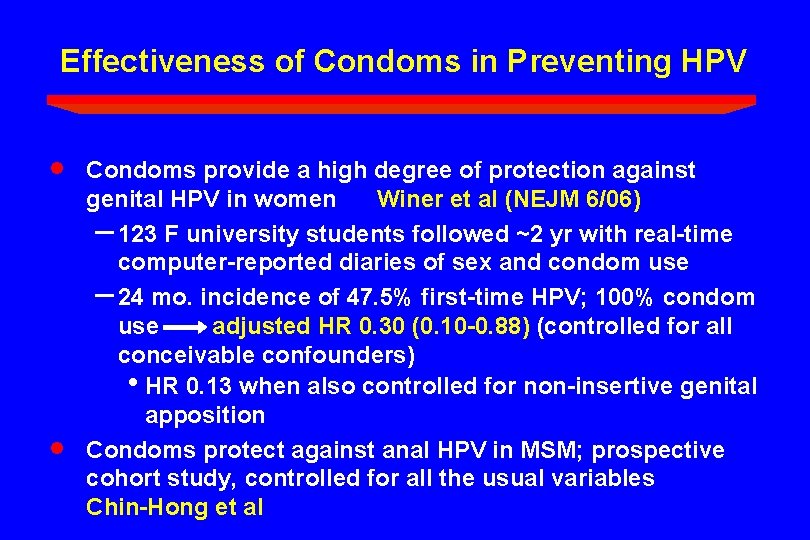
Effectiveness of Condoms in Preventing HPV · · Condoms provide a high degree of protection against genital HPV in women Winer et al (NEJM 6/06) – 123 F university students followed ~2 yr with real-time computer-reported diaries of sex and condom use – 24 mo. incidence of 47. 5% first-time HPV; 100% condom use adjusted HR 0. 30 (0. 10 -0. 88) (controlled for all conceivable confounders) • HR 0. 13 when also controlled for non-insertive genital apposition Condoms protect against anal HPV in MSM; prospective cohort study, controlled for all the usual variables Chin-Hong et al
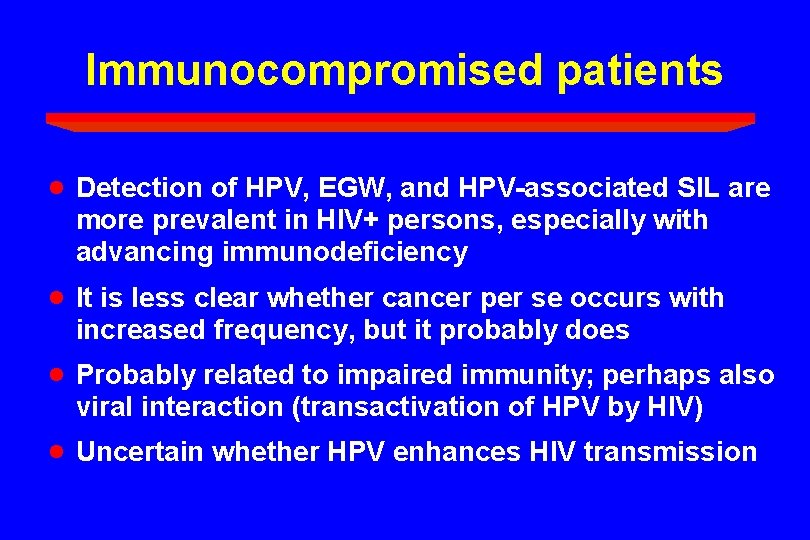
Immunocompromised patients · Detection of HPV, EGW, and HPV-associated SIL are more prevalent in HIV+ persons, especially with advancing immunodeficiency · It is less clear whether cancer per se occurs with increased frequency, but it probably does · Probably related to impaired immunity; perhaps also viral interaction (transactivation of HPV by HIV) · Uncertain whether HPV enhances HIV transmission
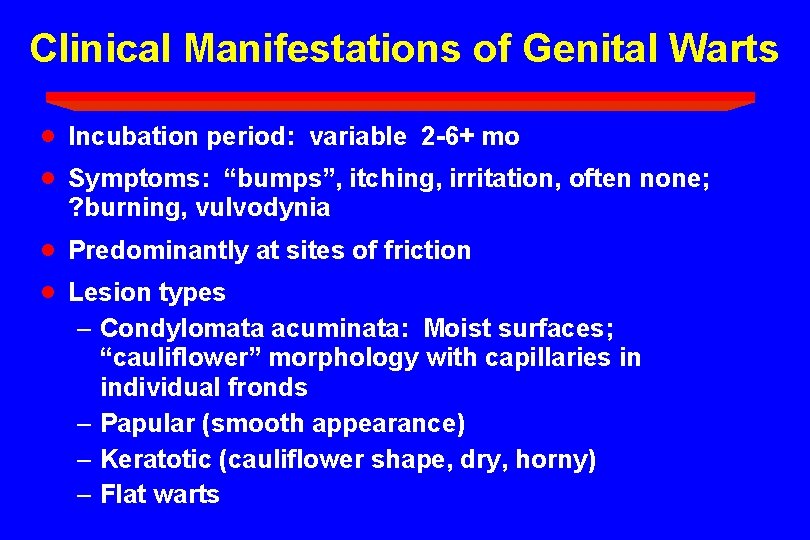
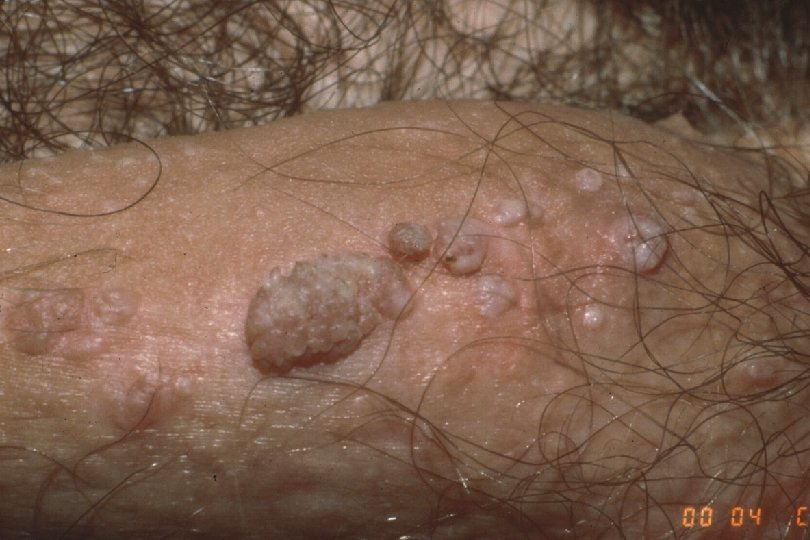
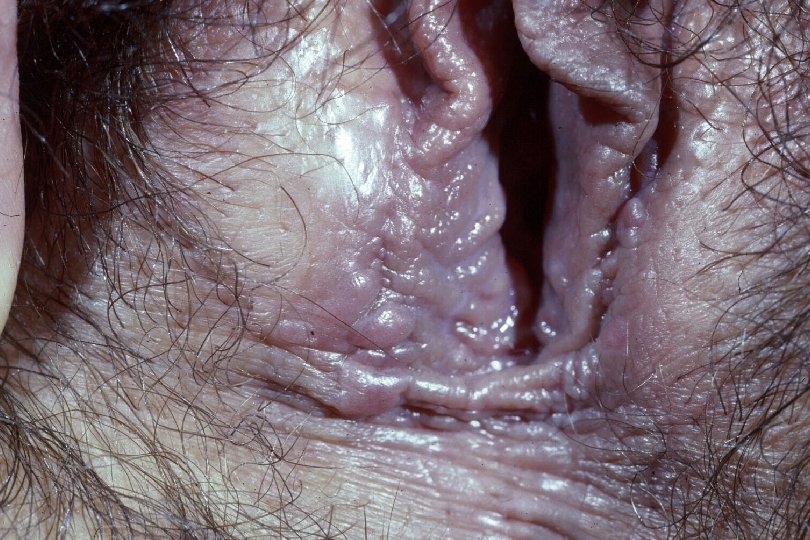
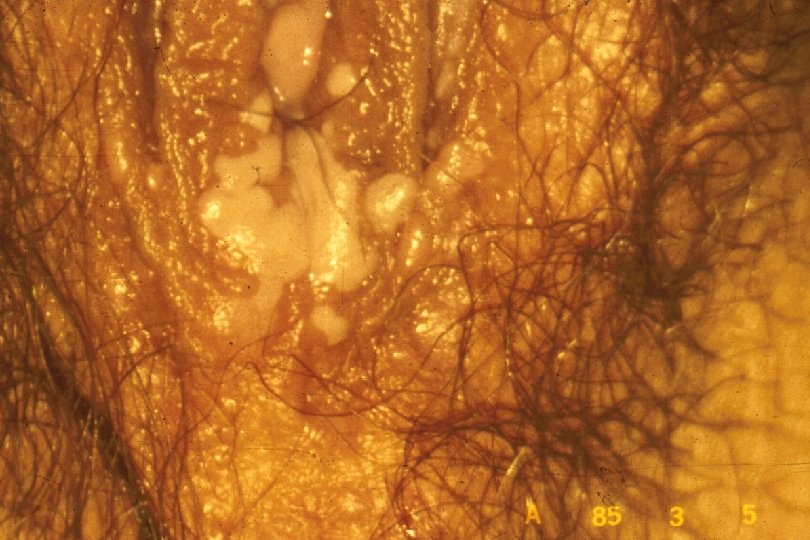
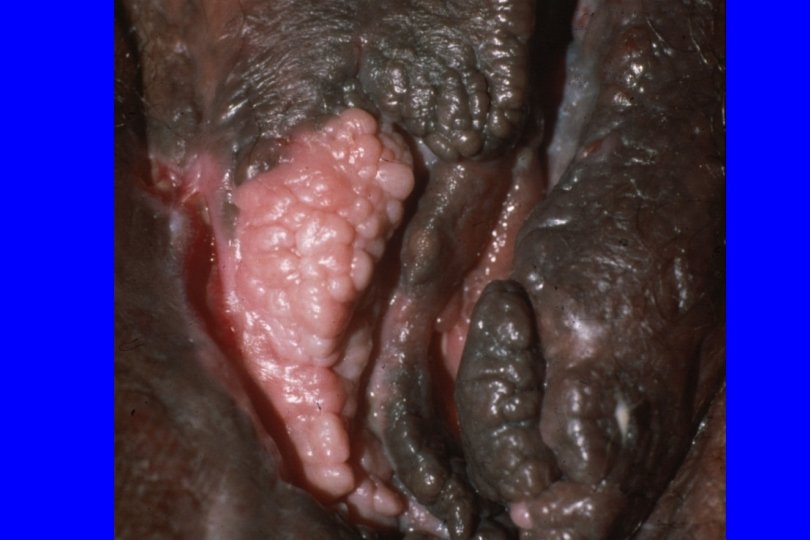
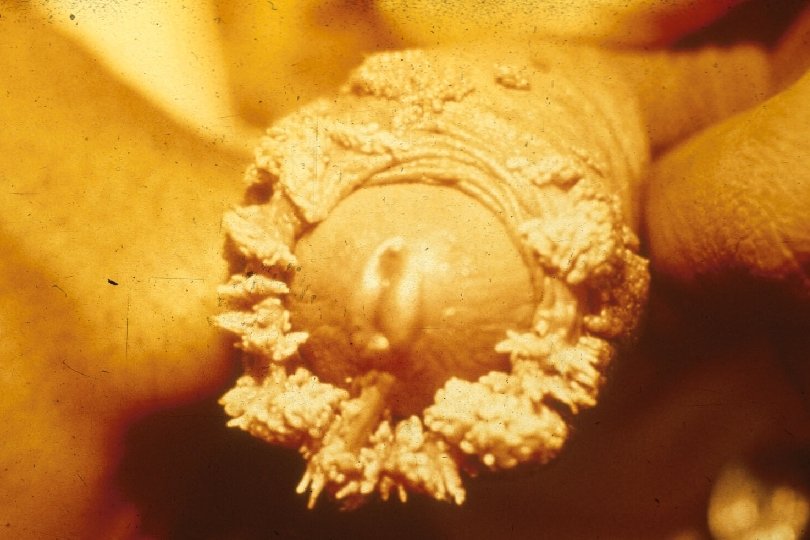
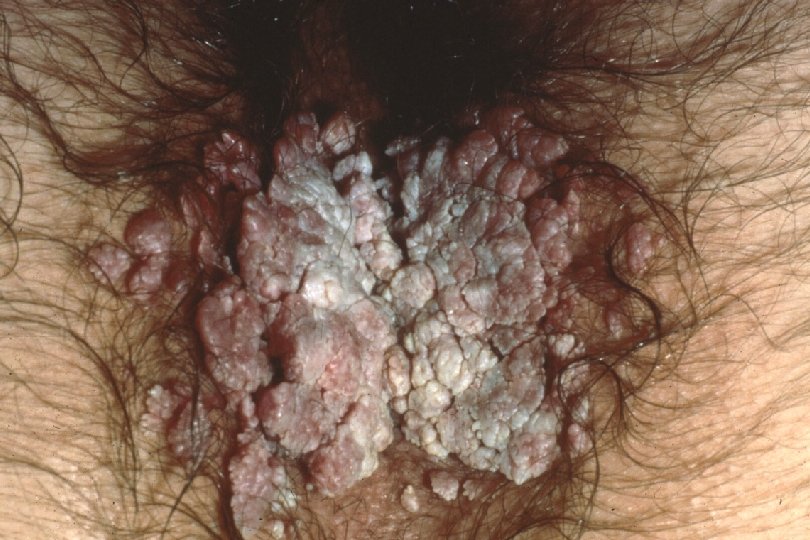
Clinical Manifestations of Genital Warts · · Incubation period: variable 2 -6+ mo · · Predominantly at sites of friction Symptoms: “bumps”, itching, irritation, often none; ? burning, vulvodynia Lesion types – Condylomata acuminata: Moist surfaces; “cauliflower” morphology with capillaries in individual fronds – Papular (smooth appearance) – Keratotic (cauliflower shape, dry, horny) – Flat warts
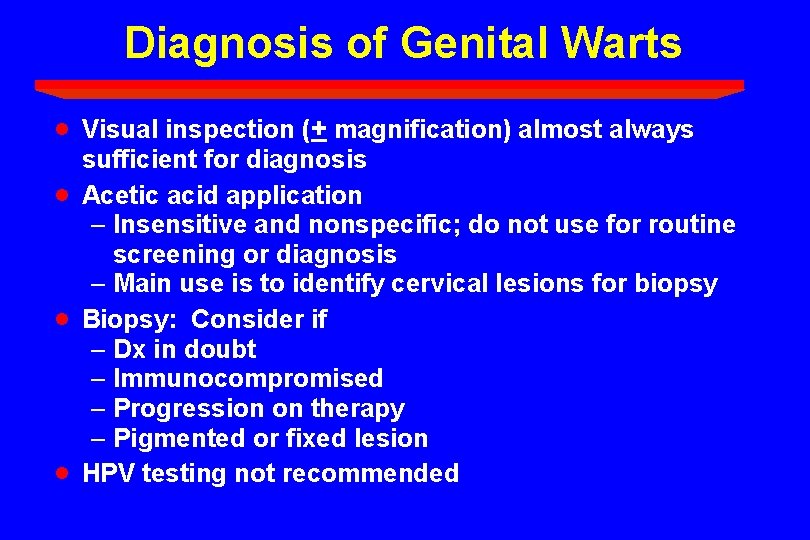
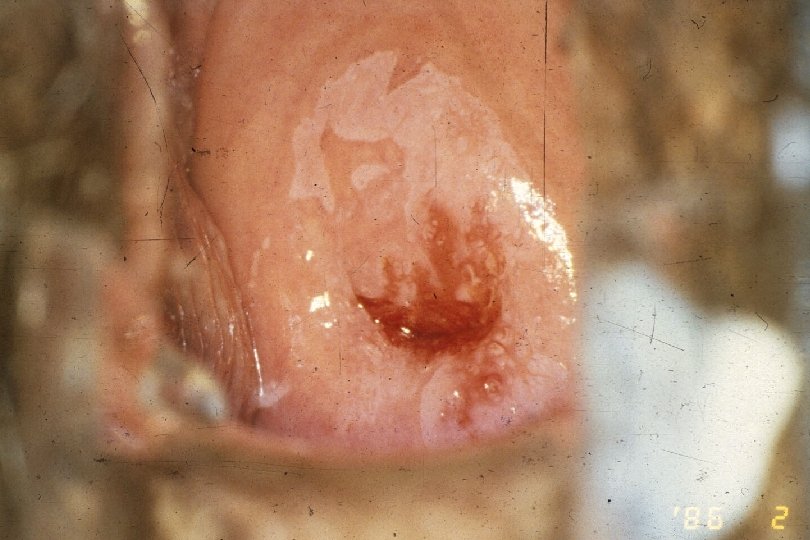
Diagnosis of Genital Warts · · Visual inspection (+ magnification) almost always sufficient for diagnosis Acetic acid application – Insensitive and nonspecific; do not use for routine screening or diagnosis – Main use is to identify cervical lesions for biopsy Biopsy: Consider if – Dx in doubt – Immunocompromised – Progression on therapy – Pigmented or fixed lesion HPV testing not recommended
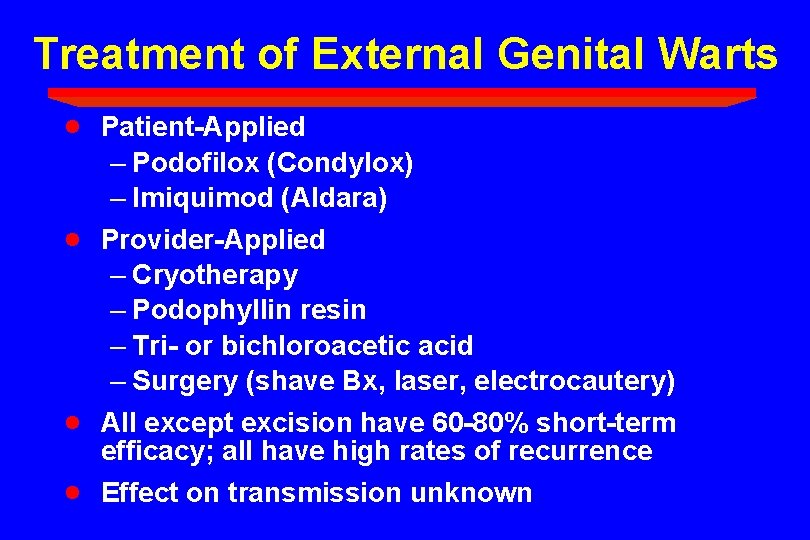
Treatment of External Genital Warts · · Patient-Applied – Podofilox (Condylox) – Imiquimod (Aldara) Provider-Applied – Cryotherapy – Podophyllin resin – Tri- or bichloroacetic acid – Surgery (shave Bx, laser, electrocautery) All except excision have 60 -80% short-term efficacy; all have high rates of recurrence Effect on transmission unknown
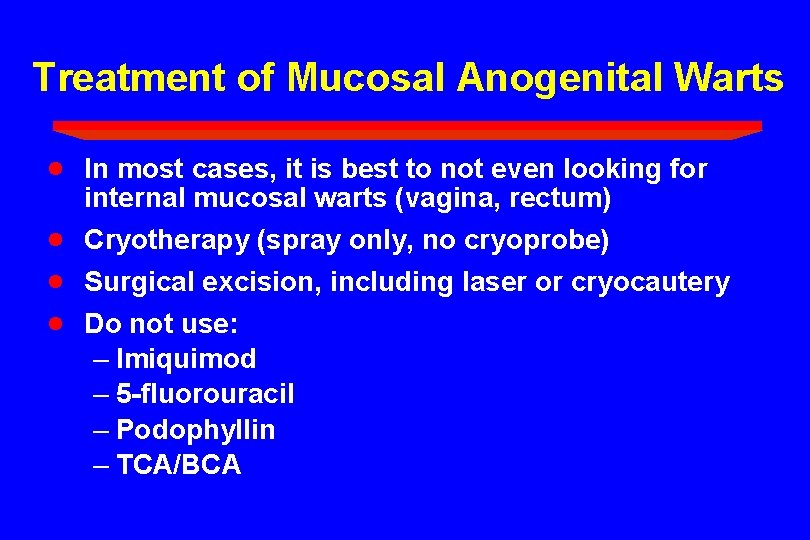
Treatment of Mucosal Anogenital Warts · In most cases, it is best to not even looking for internal mucosal warts (vagina, rectum) · · · Cryotherapy (spray only, no cryoprobe) Surgical excision, including laser or cryocautery Do not use: – Imiquimod – 5 -fluorouracil – Podophyllin – TCA/BCA
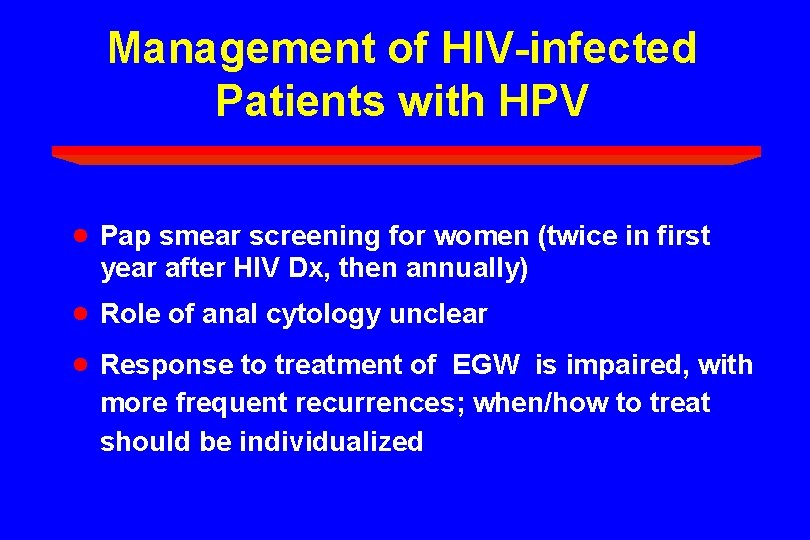
Management of HIV-infected Patients with HPV · Pap smear screening for women (twice in first year after HIV Dx, then annually) · · Role of anal cytology unclear Response to treatment of EGW is impaired, with more frequent recurrences; when/how to treat should be individualized