
Human Life Stages Pre Fertilization n Egg cells
- Slides: 43
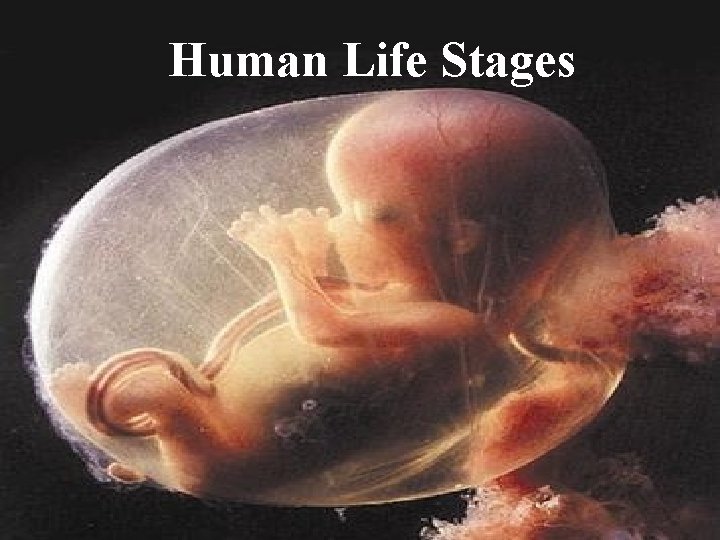
Human Life Stages
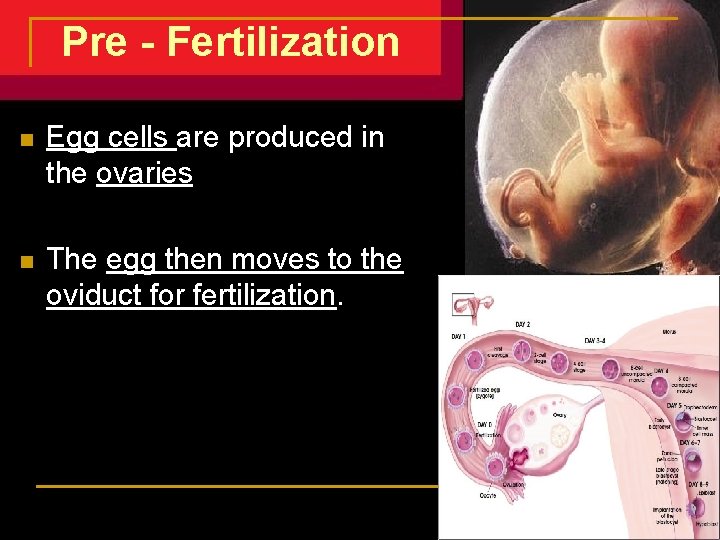
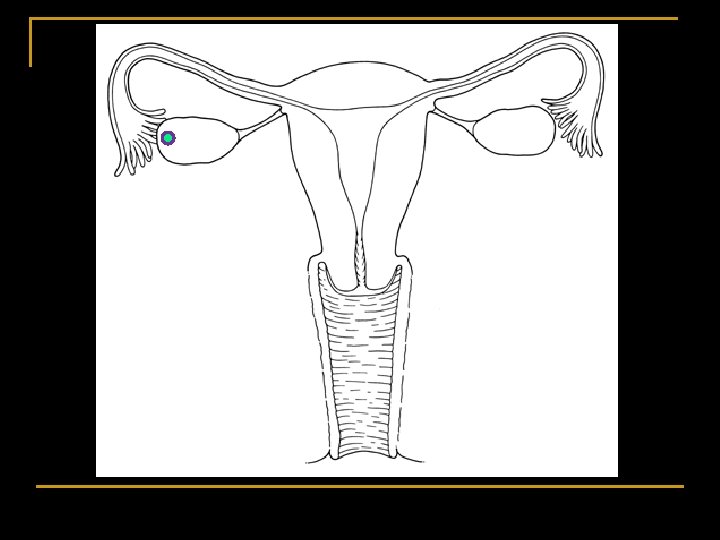
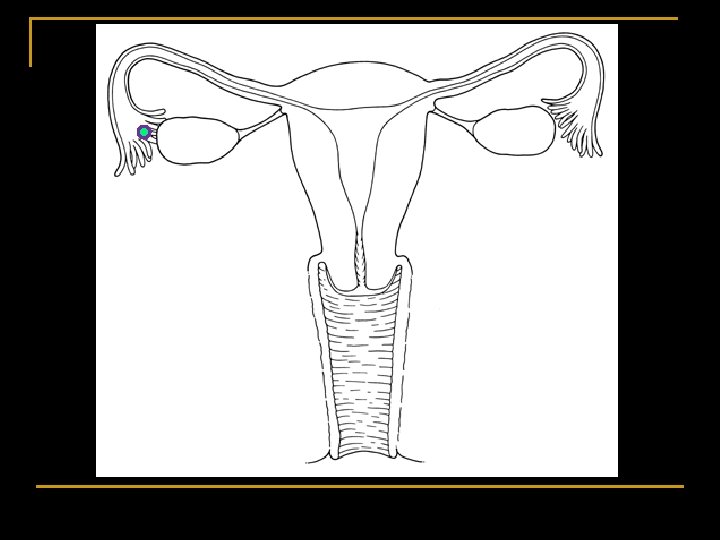
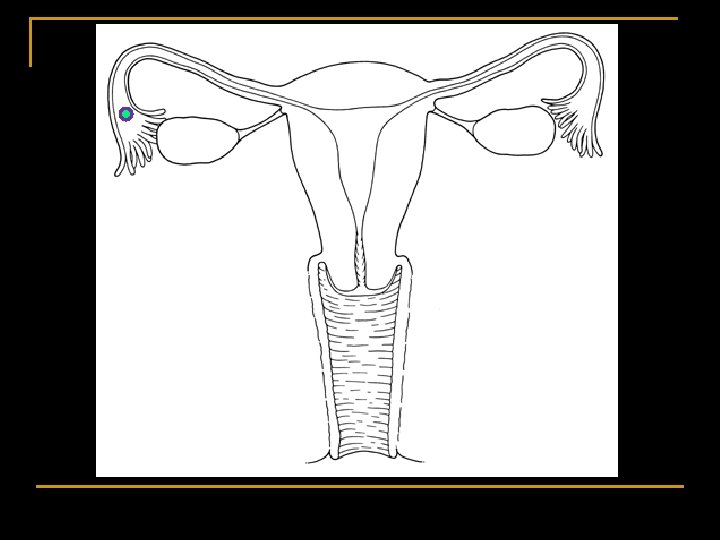
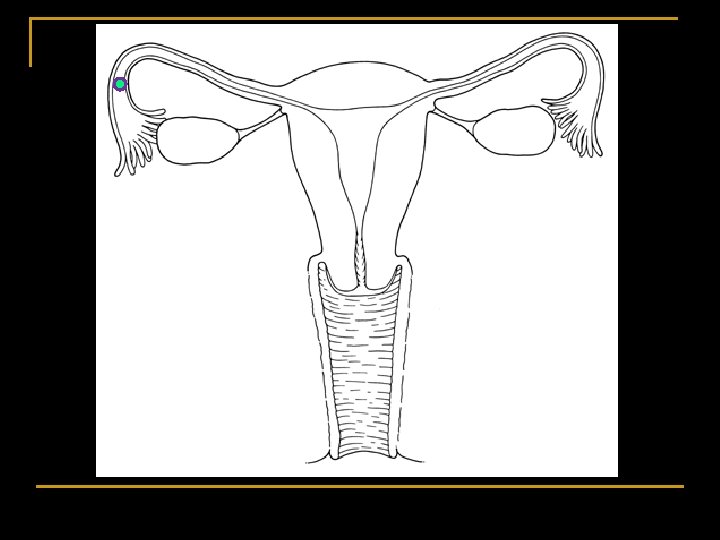
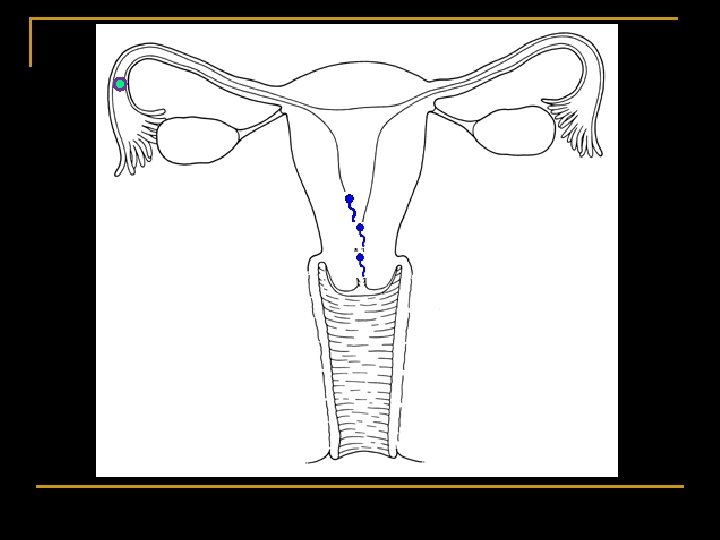
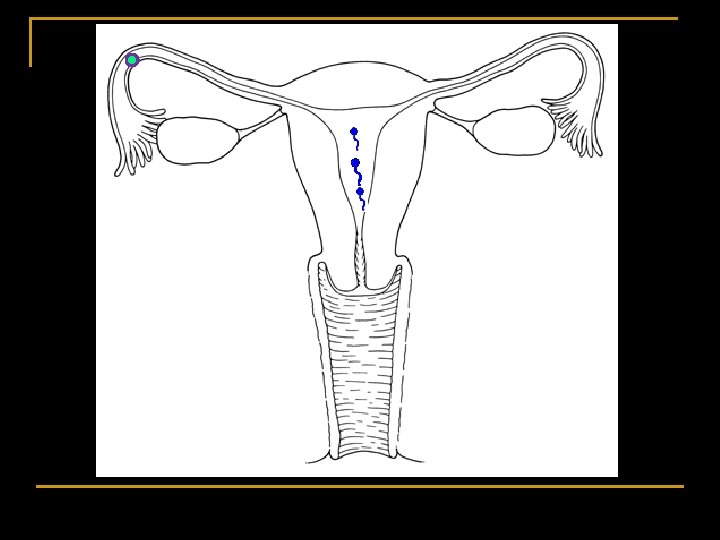
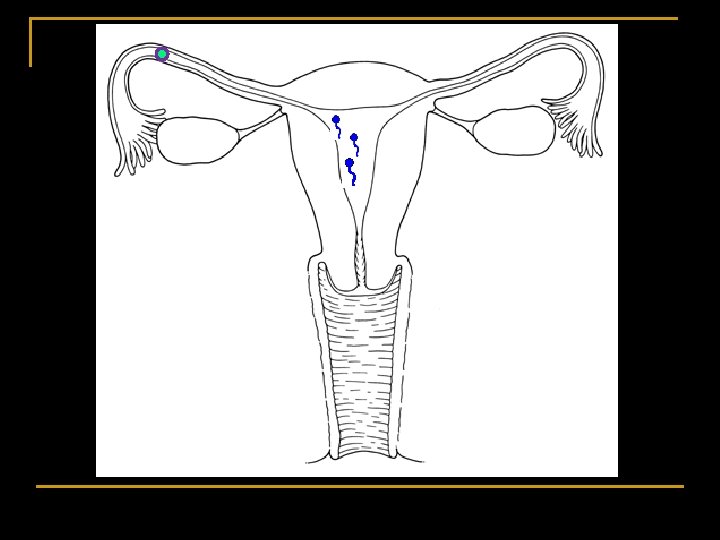
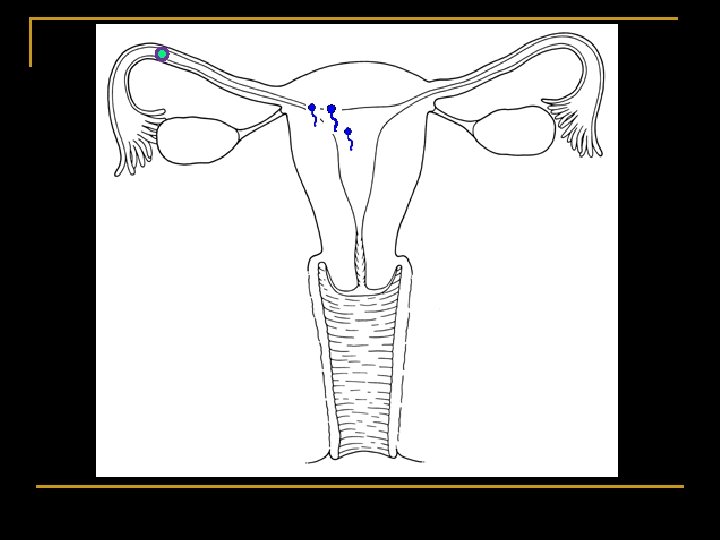
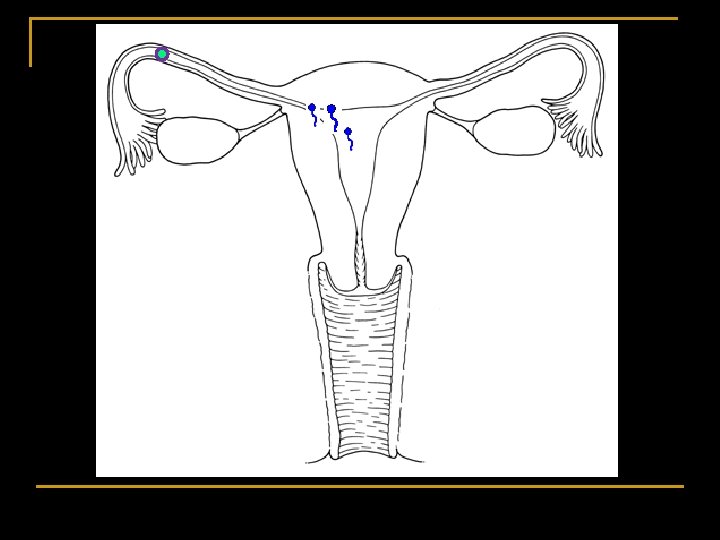
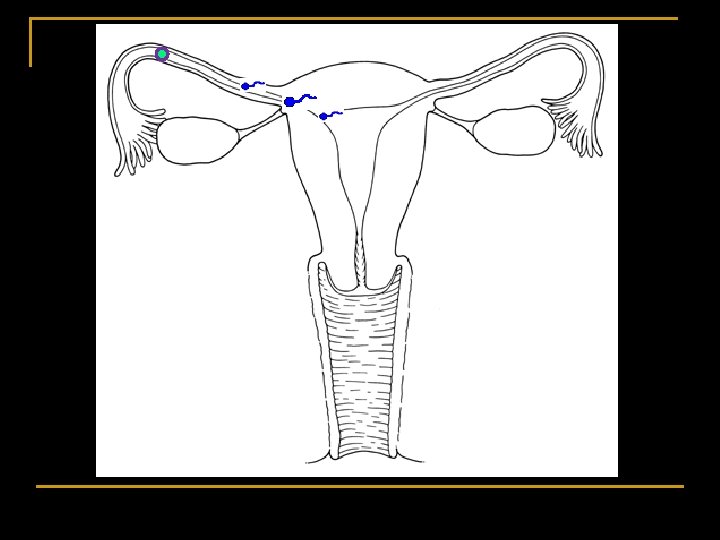
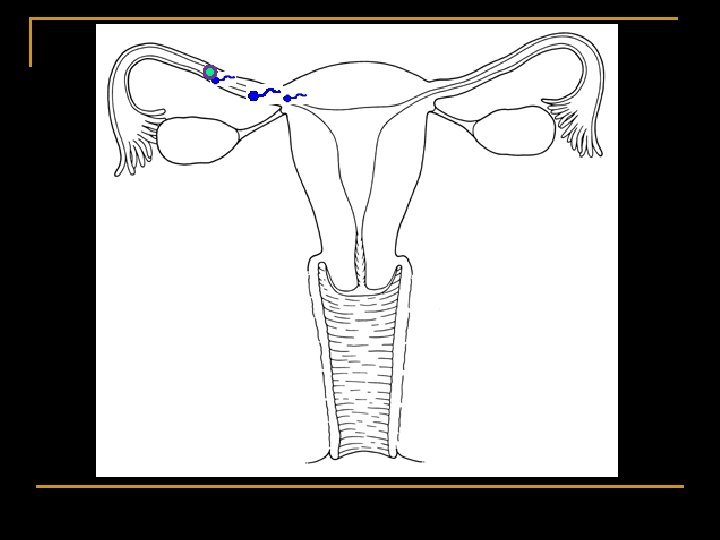
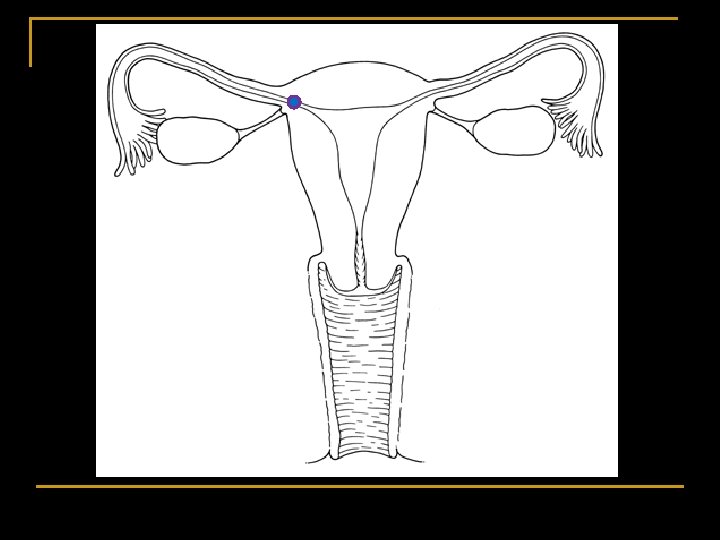
Pre - Fertilization n Egg cells are produced in the ovaries n The egg then moves to the oviduct for fertilization.
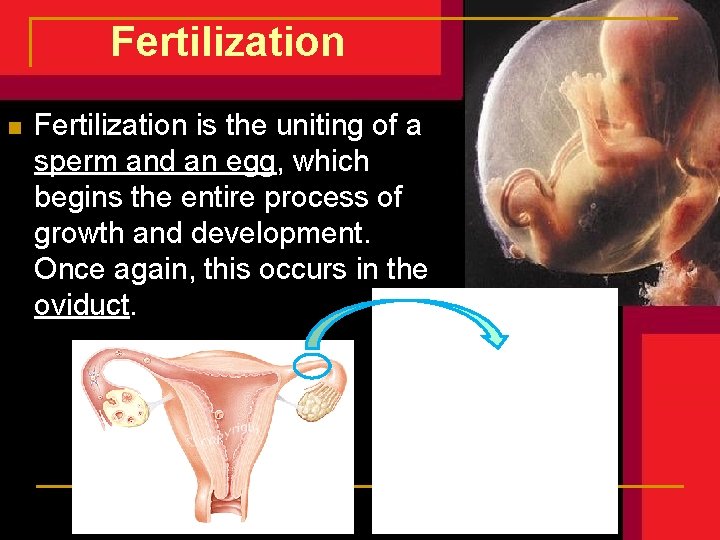
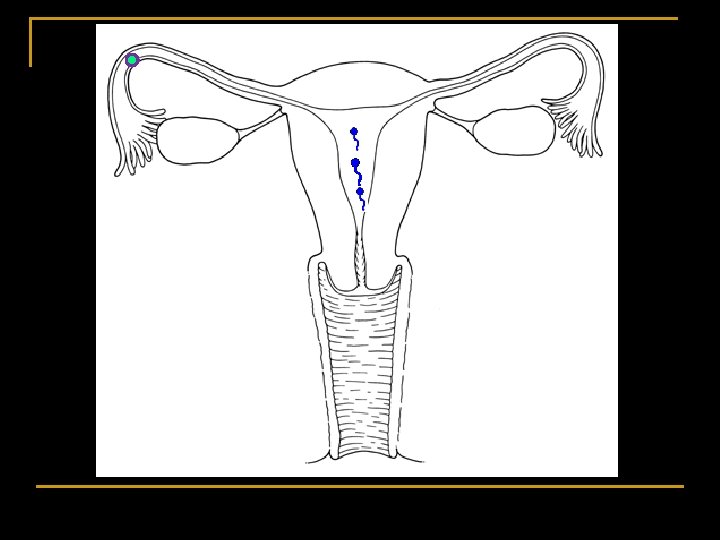
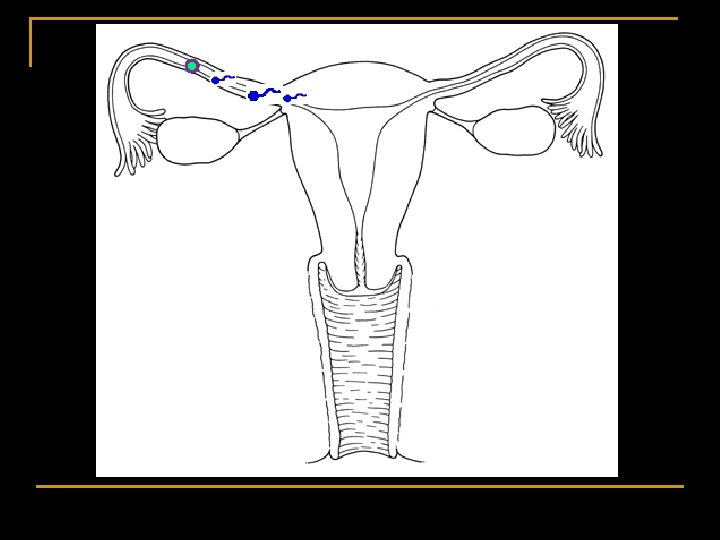
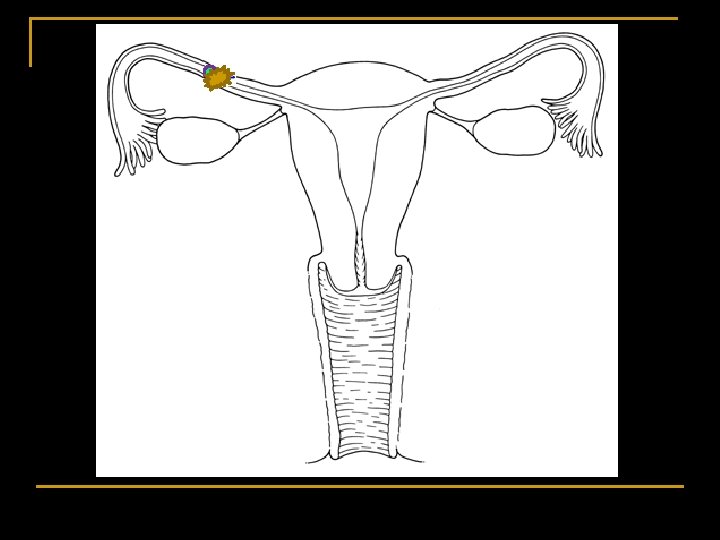
Fertilization n Fertilization is the uniting of a sperm and an egg, which begins the entire process of growth and development. Once again, this occurs in the oviduct.
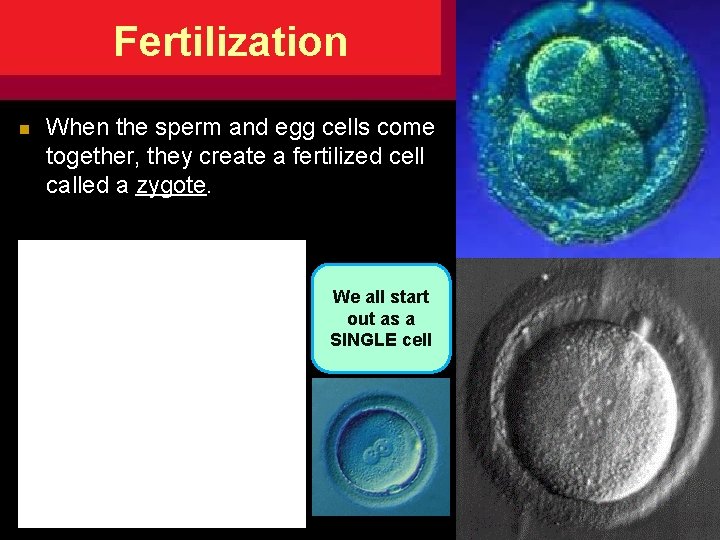
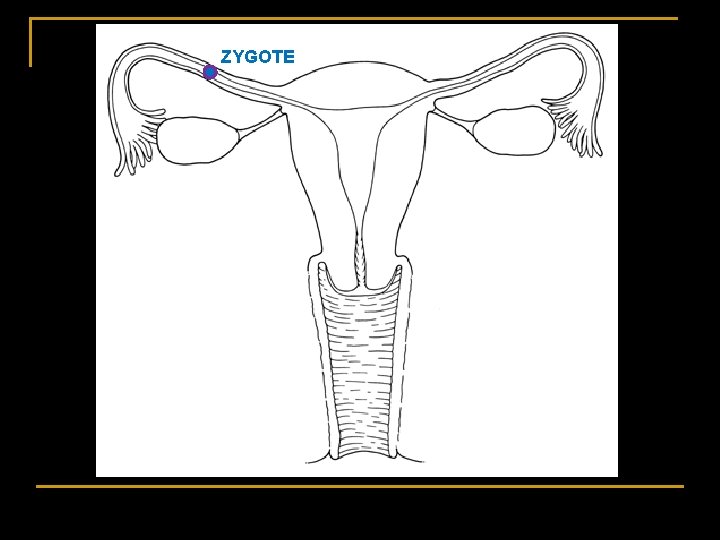
Fertilization n When the sperm and egg cells come together, they create a fertilized cell called a zygote. We all start out as a SINGLE cell
ZYGOTE
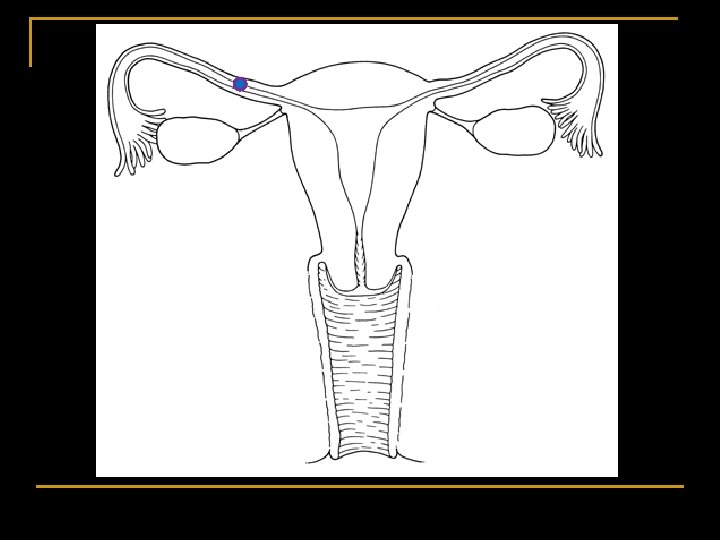
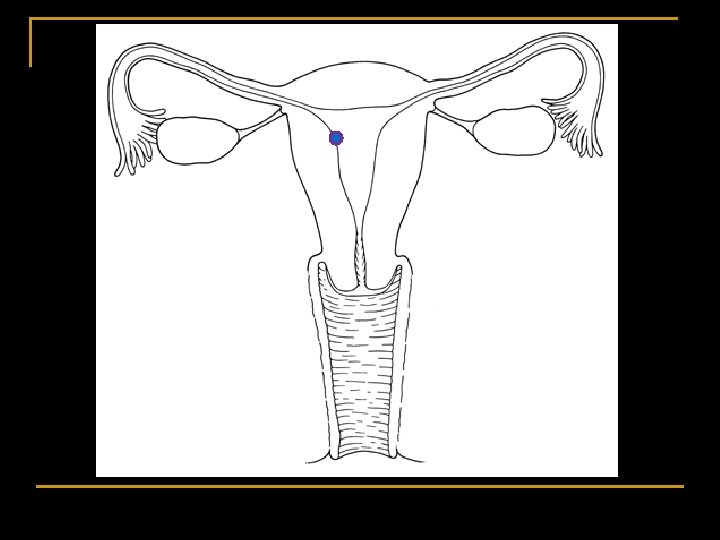
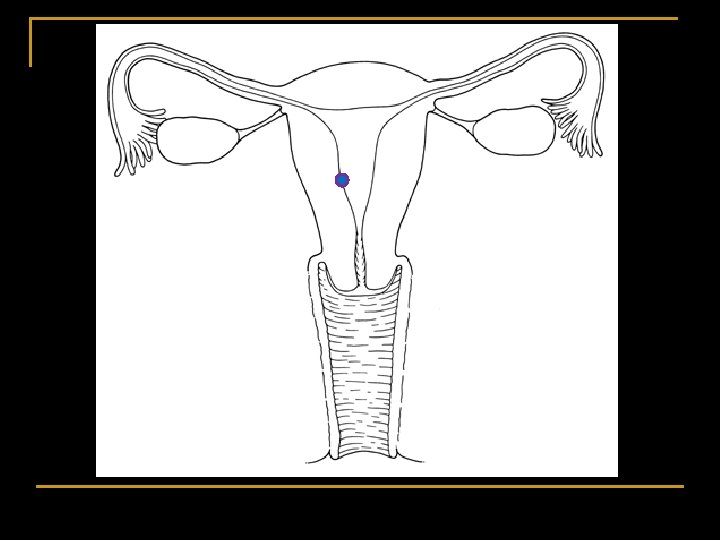
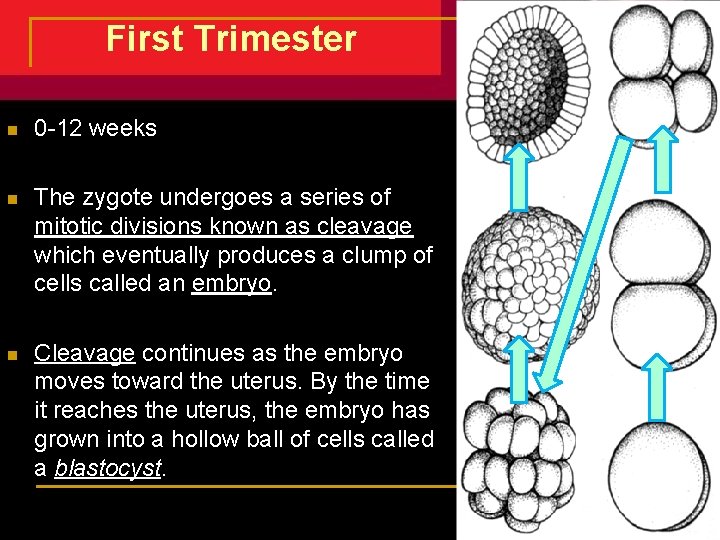
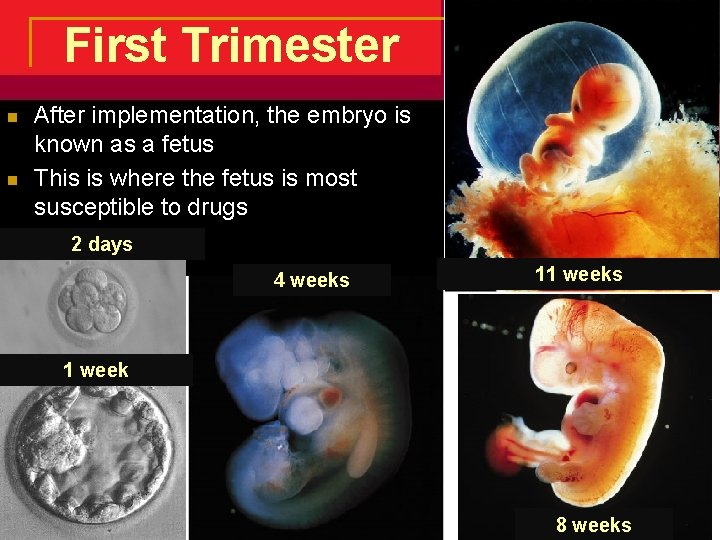
First Trimester n 0 -12 weeks n The zygote undergoes a series of mitotic divisions known as cleavage which eventually produces a clump of cells called an embryo. n Cleavage continues as the embryo moves toward the uterus. By the time it reaches the uterus, the embryo has grown into a hollow ball of cells called a blastocyst.
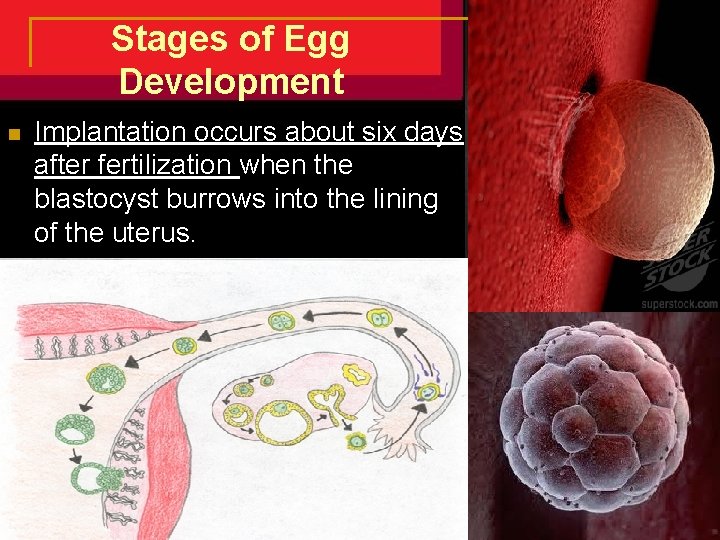
Stages of Egg Development n Implantation occurs about six days after fertilization when the blastocyst burrows into the lining of the uterus.
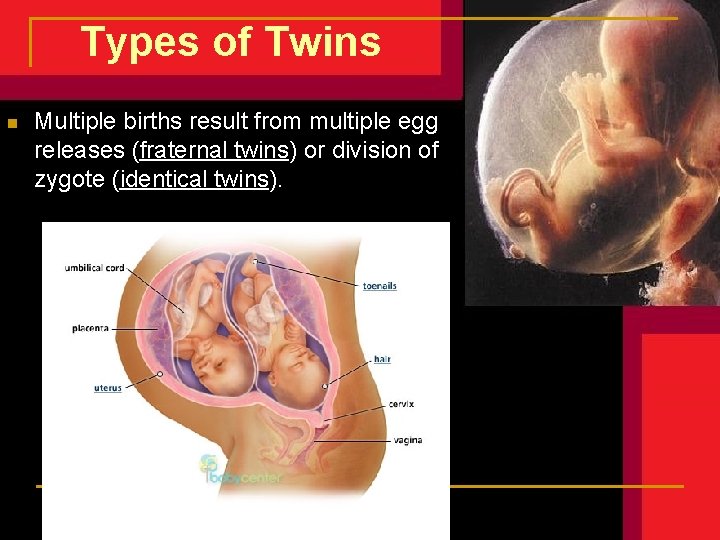
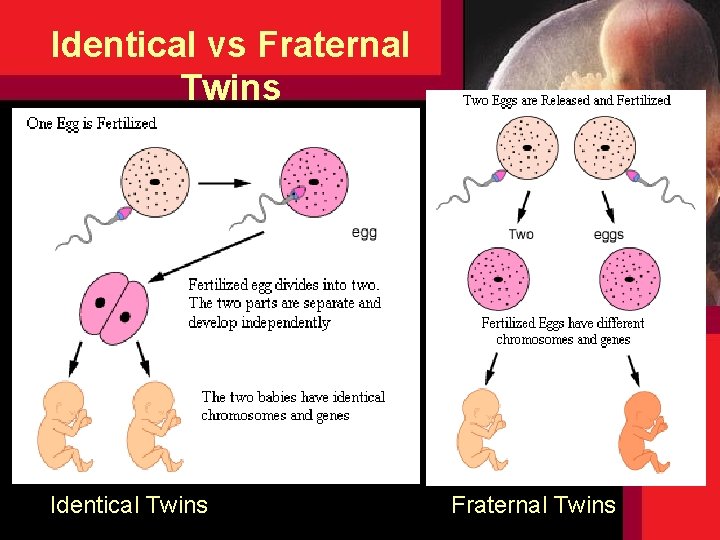
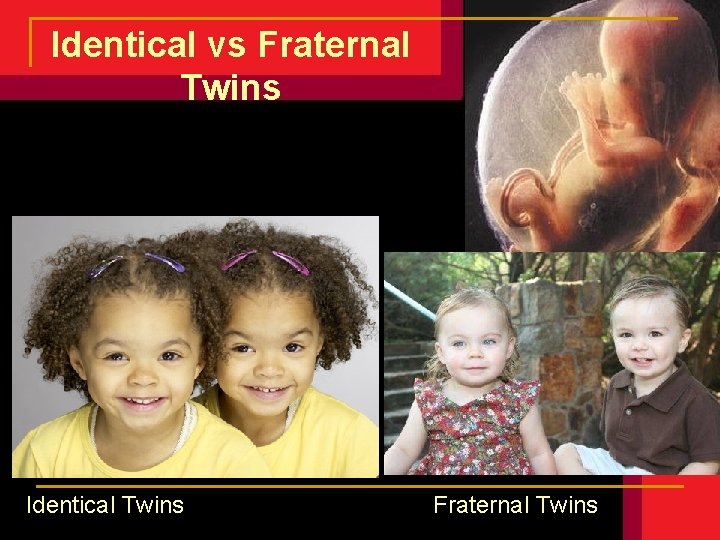
Types of Twins n Multiple births result from multiple egg releases (fraternal twins) or division of zygote (identical twins).
Identical vs Fraternal Twins Identical Twins Fraternal Twins
Identical vs Fraternal Twins Identical Twins Fraternal Twins
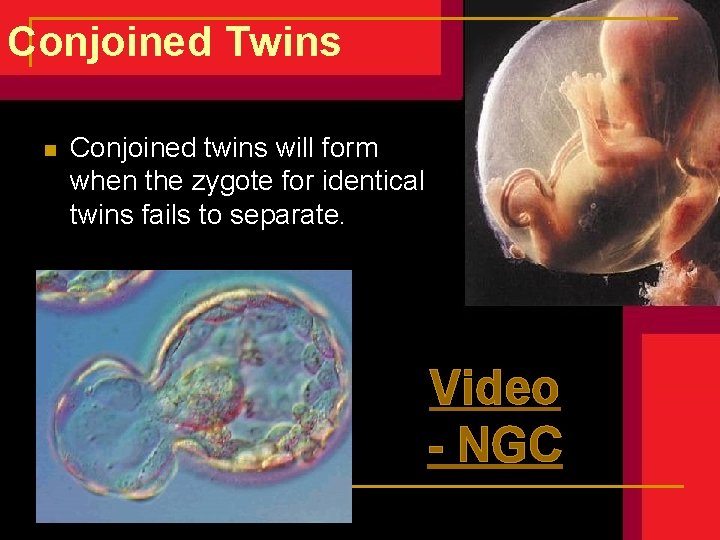
Conjoined Twins n Conjoined twins will form when the zygote for identical twins fails to separate. Video - NGC
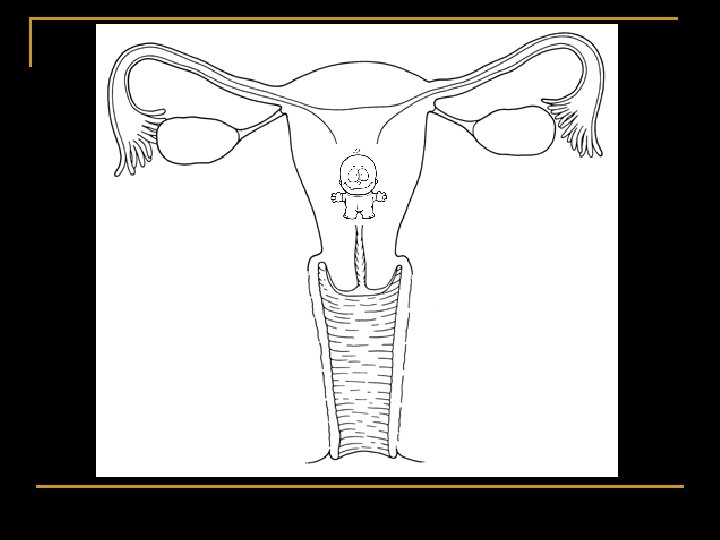
First Trimester n n After implementation, the embryo is known as a fetus This is where the fetus is most susceptible to drugs 2 days 4 weeks 11 weeks 1 week 8 weeks
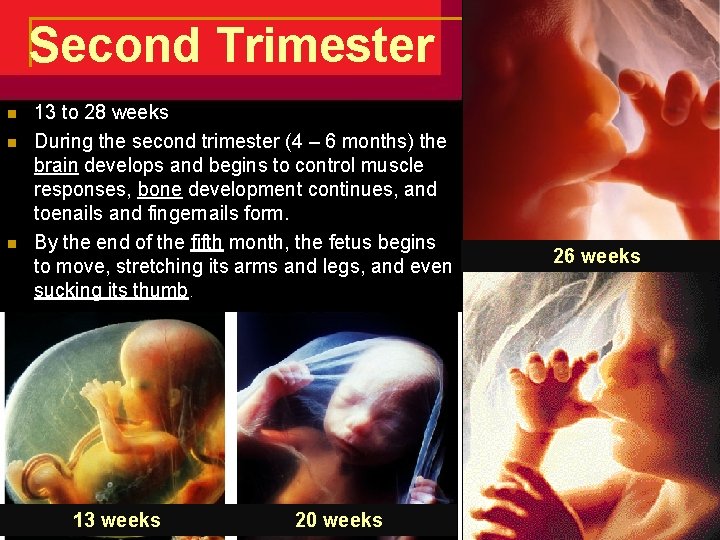
Second Trimester n n n 13 to 28 weeks During the second trimester (4 – 6 months) the brain develops and begins to control muscle responses, bone development continues, and toenails and fingernails form. By the end of the fifth month, the fetus begins to move, stretching its arms and legs, and even sucking its thumb. 13 weeks 20 weeks 26 weeks
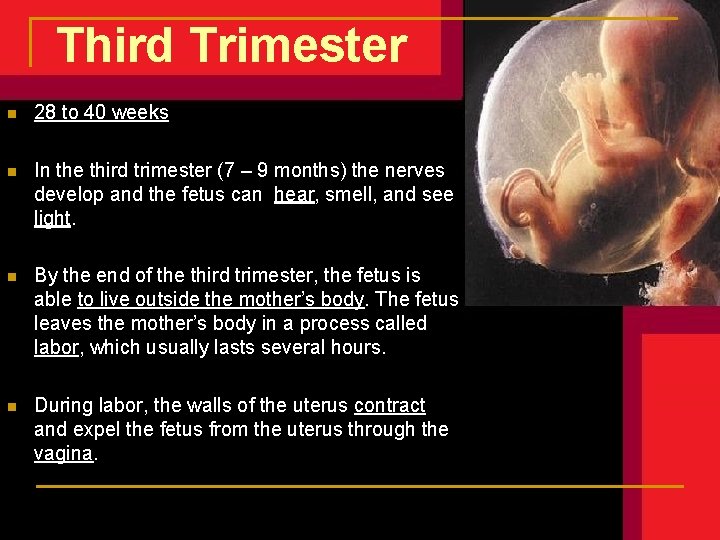
Third Trimester n 28 to 40 weeks n In the third trimester (7 – 9 months) the nerves develop and the fetus can hear, smell, and see light. n By the end of the third trimester, the fetus is able to live outside the mother’s body. The fetus leaves the mother’s body in a process called labor, which usually lasts several hours. n During labor, the walls of the uterus contract and expel the fetus from the uterus through the vagina.
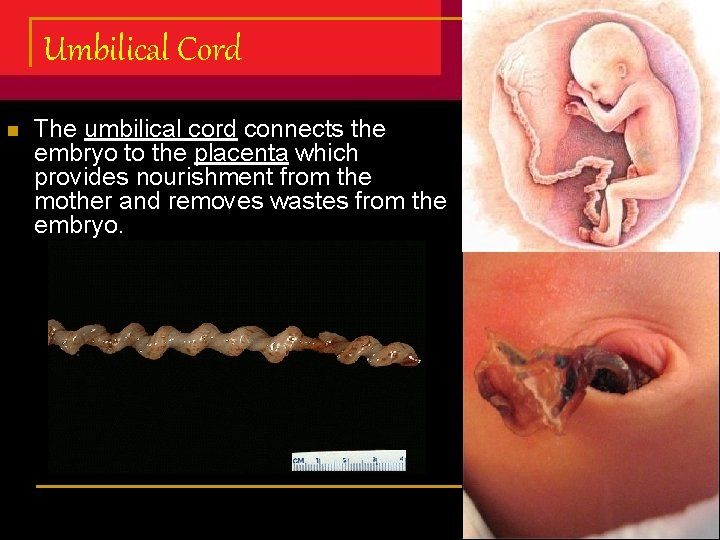
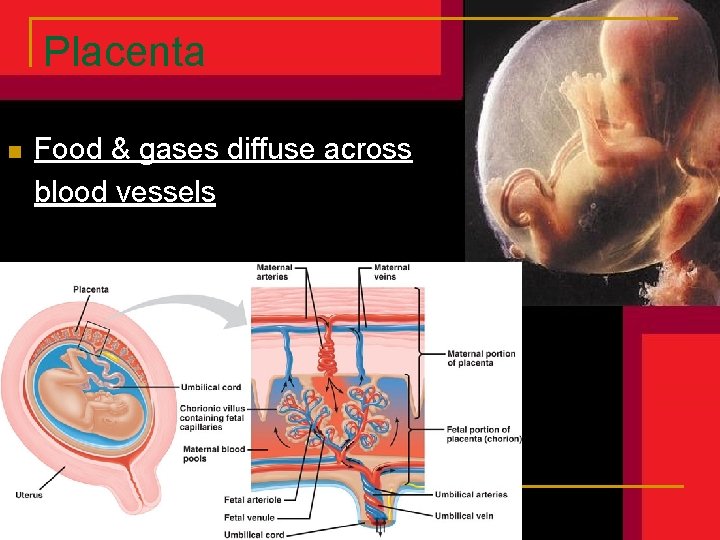
Umbilical Cord n The umbilical cord connects the embryo to the placenta which provides nourishment from the mother and removes wastes from the embryo.
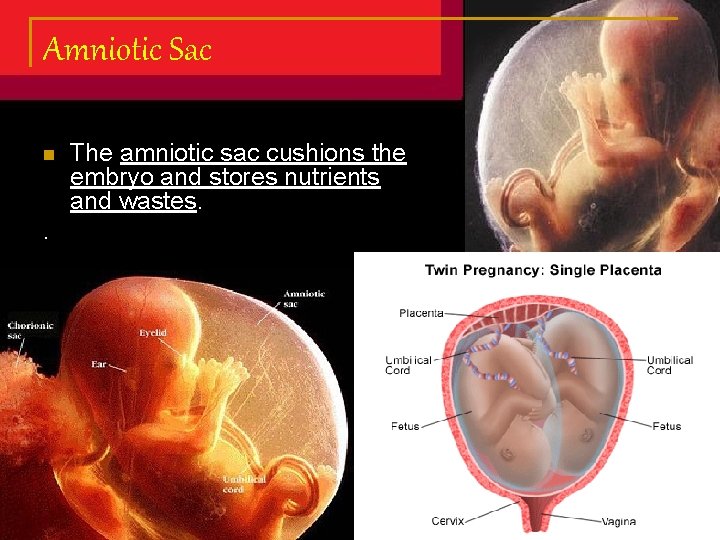
Amniotic Sac n . The amniotic sac cushions the embryo and stores nutrients and wastes.
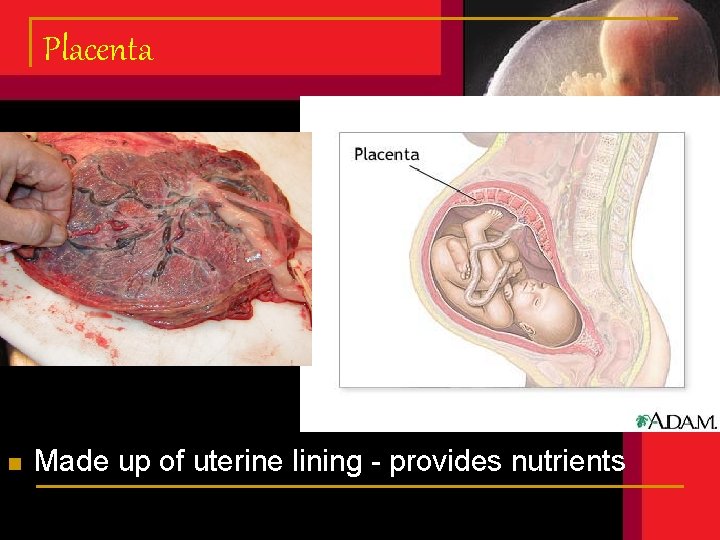
Placenta n Made up of uterine lining - provides nutrients
Placenta n Food & gases diffuse across blood vessels
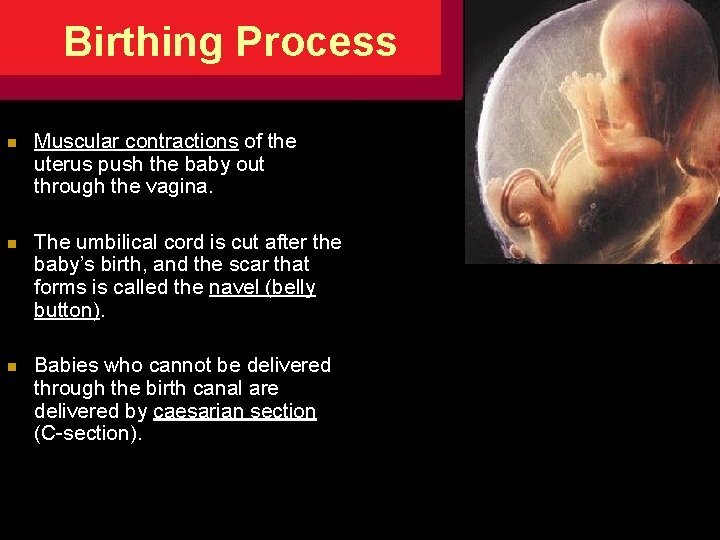
Birthing Process n Muscular contractions of the uterus push the baby out through the vagina. n The umbilical cord is cut after the baby’s birth, and the scar that forms is called the navel (belly button). n Babies who cannot be delivered through the birth canal are delivered by caesarian section (C-section).
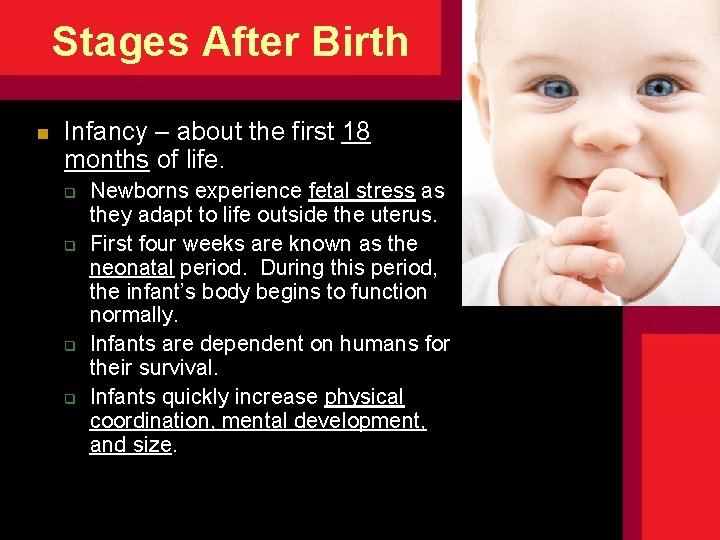
Stages After Birth n Infancy – about the first 18 months of life. q q Newborns experience fetal stress as they adapt to life outside the uterus. First four weeks are known as the neonatal period. During this period, the infant’s body begins to function normally. Infants are dependent on humans for their survival. Infants quickly increase physical coordination, mental development, and size.
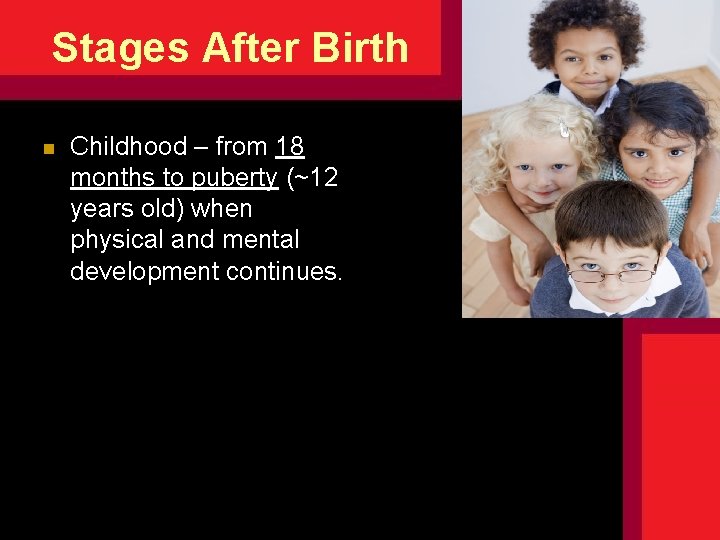
Stages After Birth n Childhood – from 18 months to puberty (~12 years old) when physical and mental development continues.
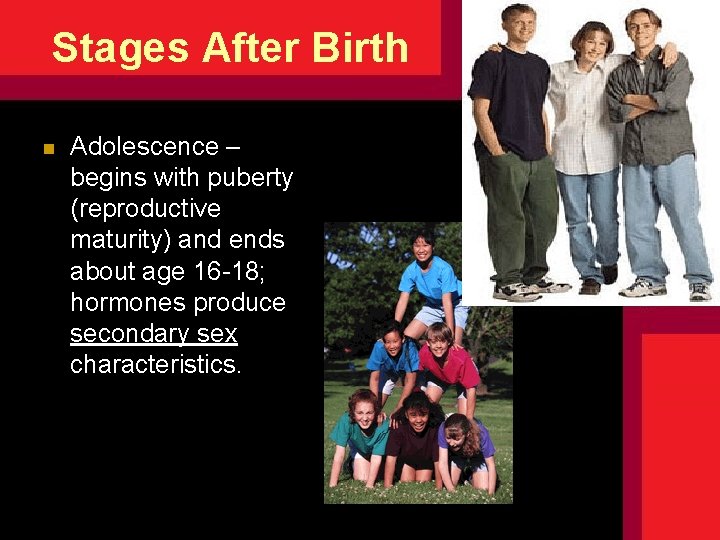
Stages After Birth n Adolescence – begins with puberty (reproductive maturity) and ends about age 16 -18; hormones produce secondary sex characteristics.
Stages After Birth n Adulthood – from approximately age 18 and continues through old age. q q q Muscles and skeleton cease growing. In middle adulthood (3060 years) body begins to slowly decline. In older adulthood (after age 60) physical body systems decline; average life span is 75 years.