
Human Karyotype Analysis Down Syndrome 47 21 Fig
- Slides: 29
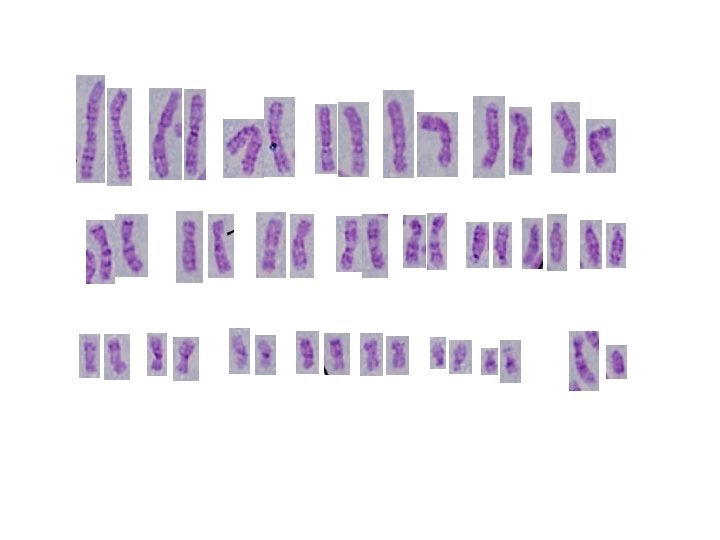
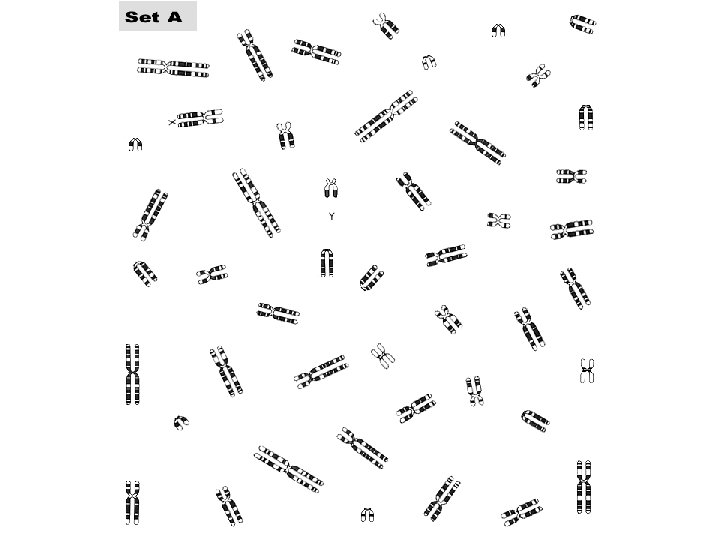
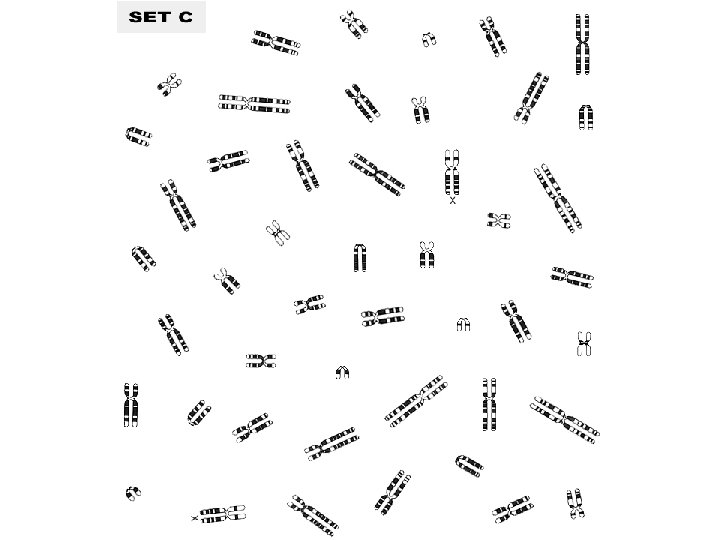
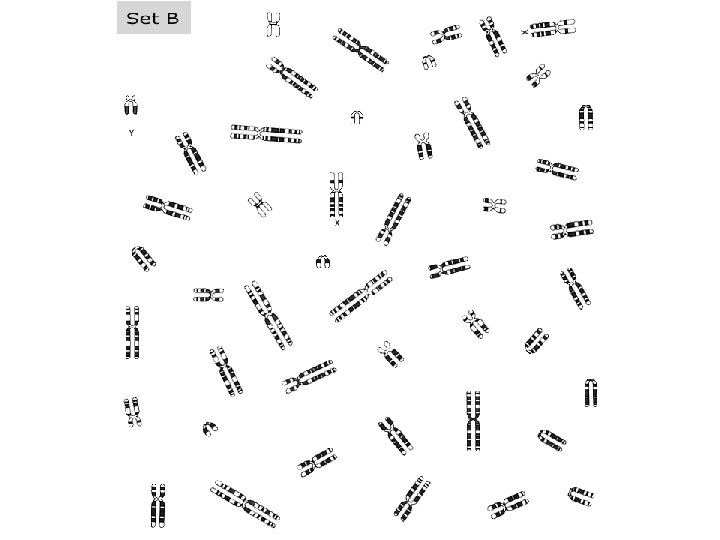
Human Karyotype Analysis
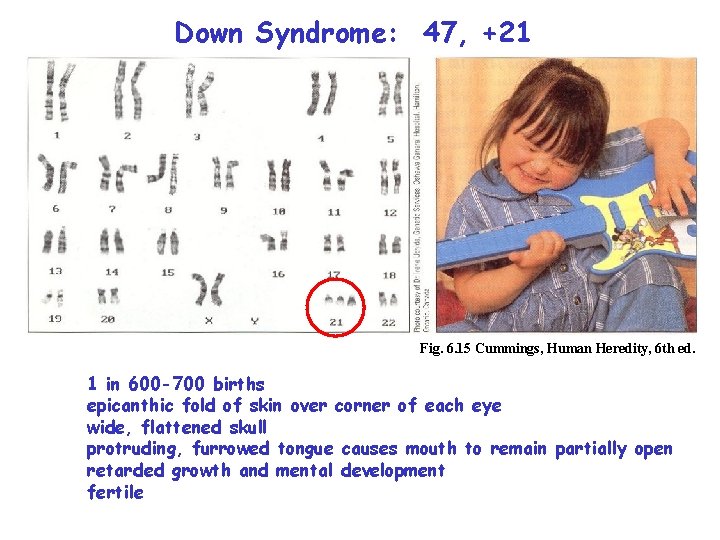
Down Syndrome: 47, +21 Fig. 6. 15 Cummings, Human Heredity, 6 th ed. 1 in 600 -700 births epicanthic fold of skin over corner of each eye wide, flattened skull protruding, furrowed tongue causes mouth to remain partially open retarded growth and mental development fertile
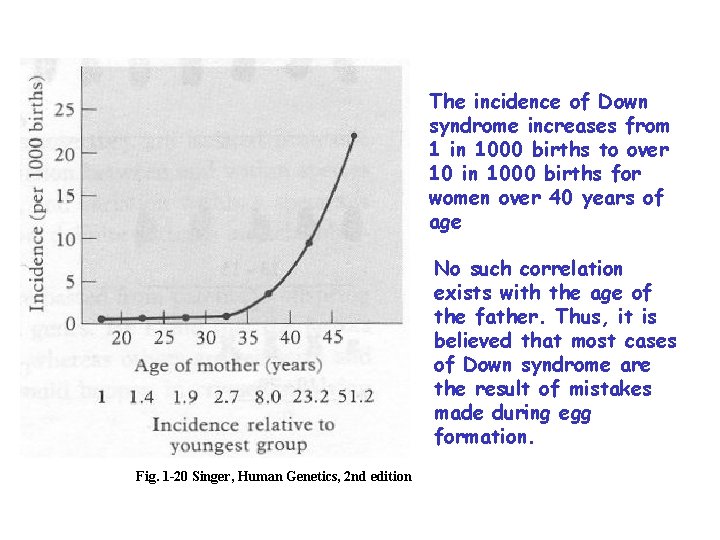
The incidence of Down syndrome increases from 1 in 1000 births to over 10 in 1000 births for women over 40 years of age No such correlation exists with the age of the father. Thus, it is believed that most cases of Down syndrome are the result of mistakes made during egg formation. Fig. 1 -20 Singer, Human Genetics, 2 nd edition
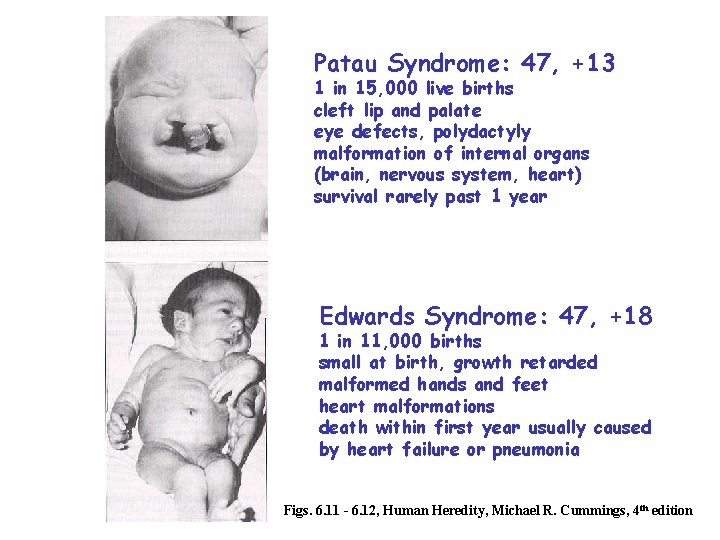
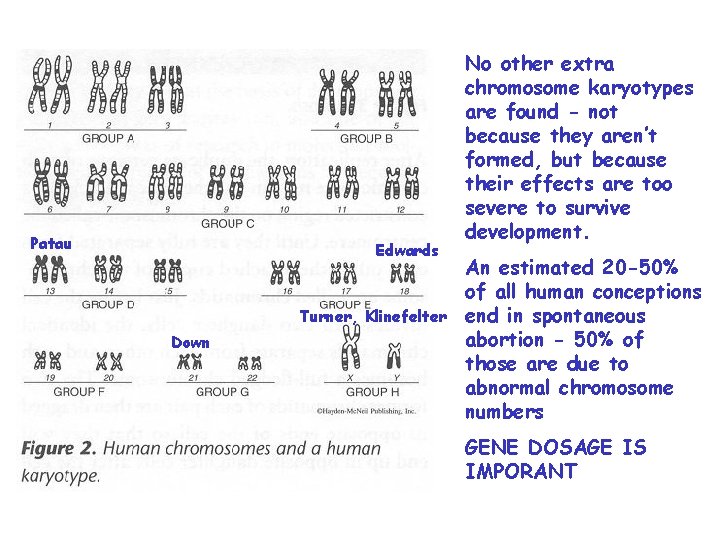
Patau Syndrome: 47, +13 1 in 15, 000 live births cleft lip and palate eye defects, polydactyly malformation of internal organs (brain, nervous system, heart) survival rarely past 1 year Edwards Syndrome: 47, +18 1 in 11, 000 births small at birth, growth retarded malformed hands and feet heart malformations death within first year usually caused by heart failure or pneumonia Figs. 6. 11 - 6. 12, Human Heredity, Michael R. Cummings, 4 th edition
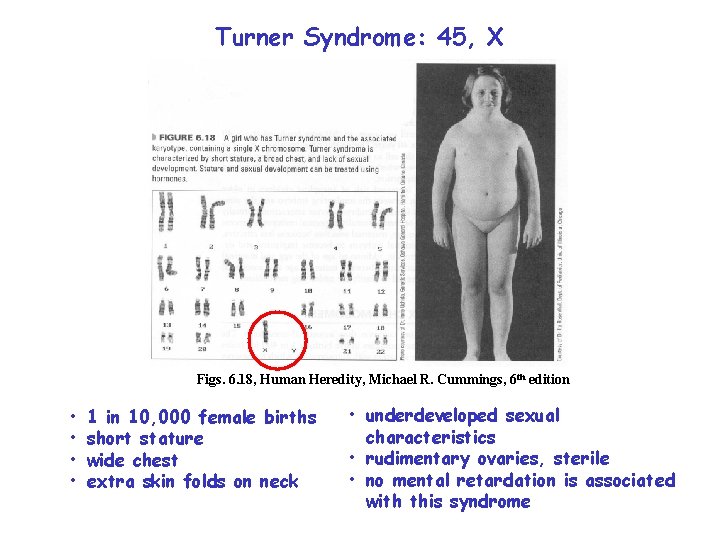
Turner Syndrome: 45, X Figs. 6. 18, Human Heredity, Michael R. Cummings, 6 th edition • • 1 in 10, 000 female births short stature wide chest extra skin folds on neck • underdeveloped sexual characteristics • rudimentary ovaries, sterile • no mental retardation is associated with this syndrome
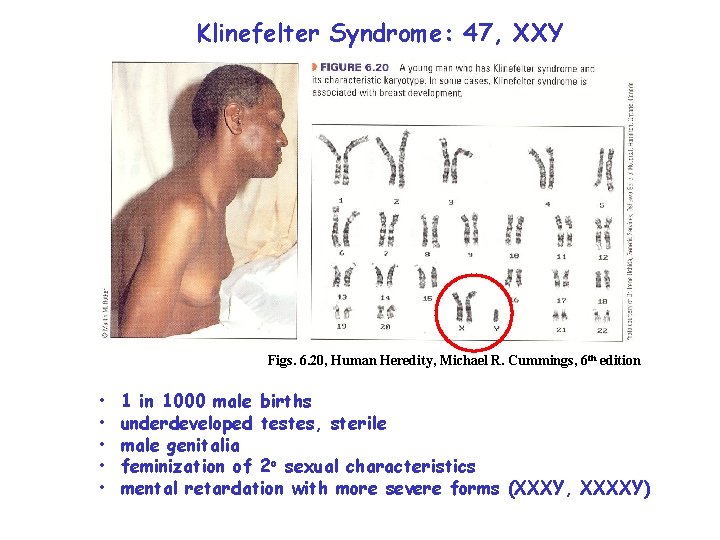
Klinefelter Syndrome: 47, XXY Figs. 6. 20, Human Heredity, Michael R. Cummings, 6 th edition • • • 1 in 1000 male births underdeveloped testes, sterile male genitalia feminization of 2 o sexual characteristics mental retardation with more severe forms (XXXY, XXXXY)
Patau Edwards Turner, Klinefelter Down No other extra chromosome karyotypes are found - not because they aren’t formed, but because their effects are too severe to survive development. An estimated 20 -50% of all human conceptions end in spontaneous abortion - 50% of those are due to abnormal chromosome numbers GENE DOSAGE IS IMPORANT
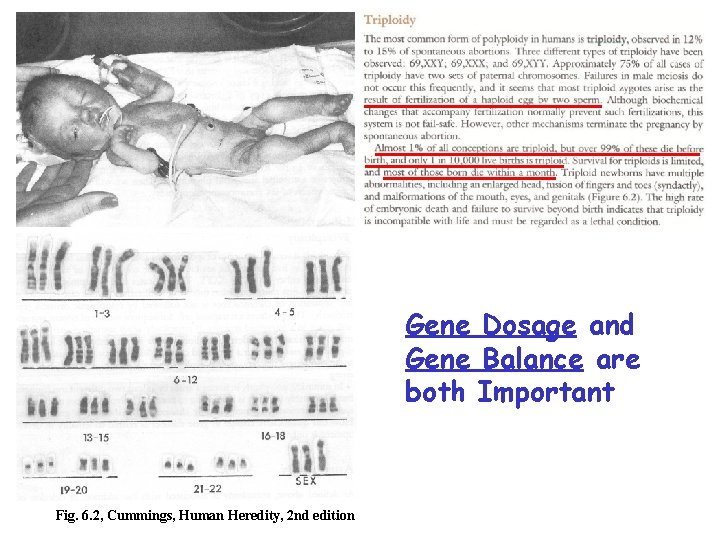
Gene Dosage and Gene Balance are both Important Fig. 6. 2, Cummings, Human Heredity, 2 nd edition
CM
KNN 2
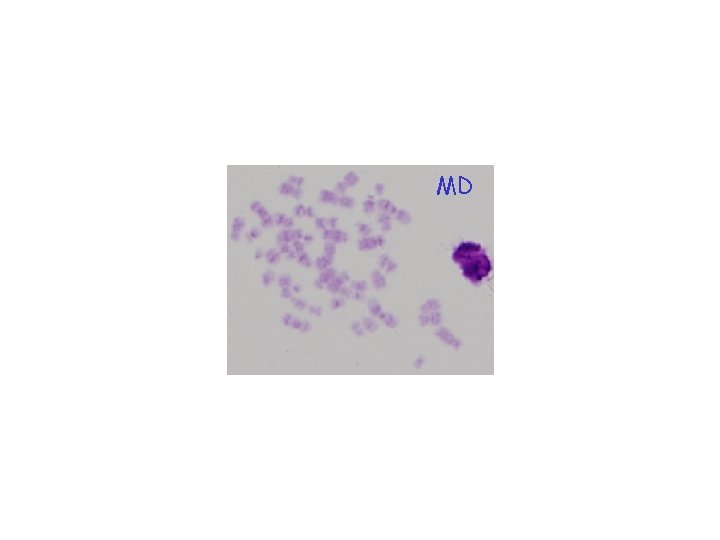
MD
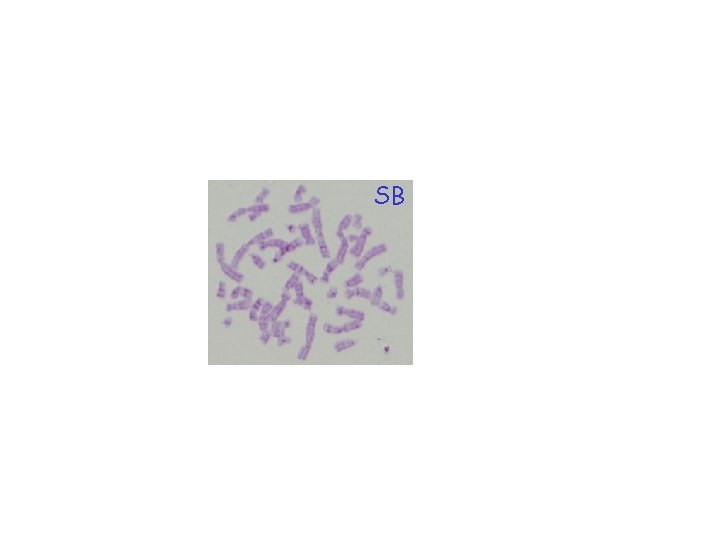
SB
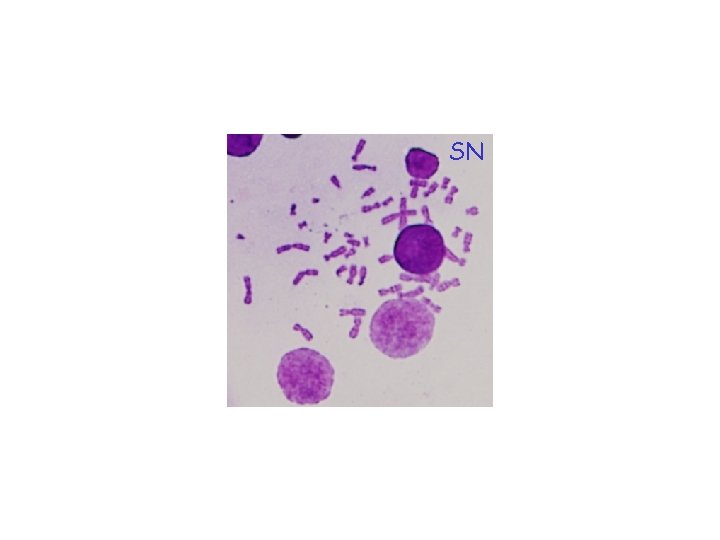
SN
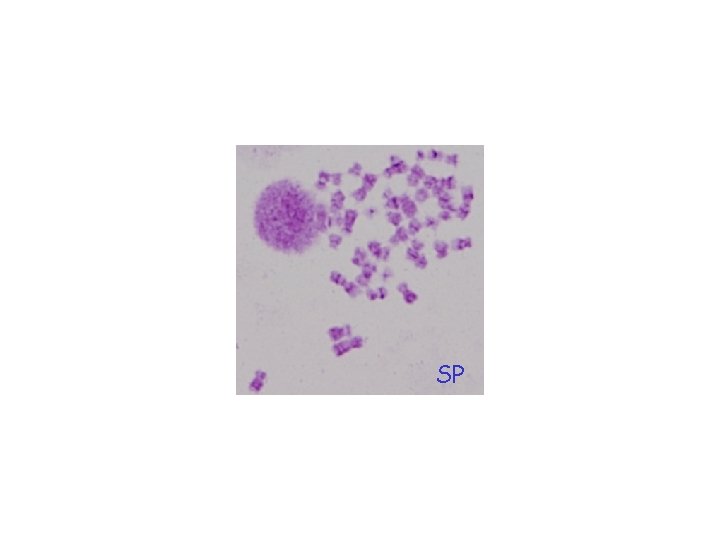
SP
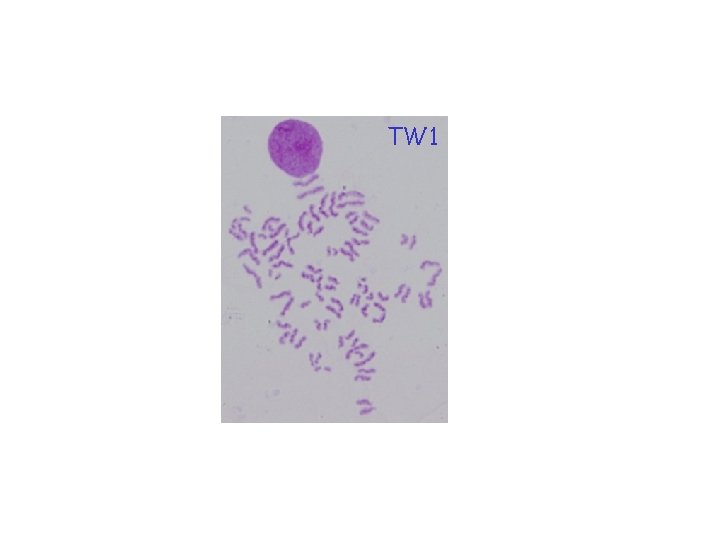
TW 1
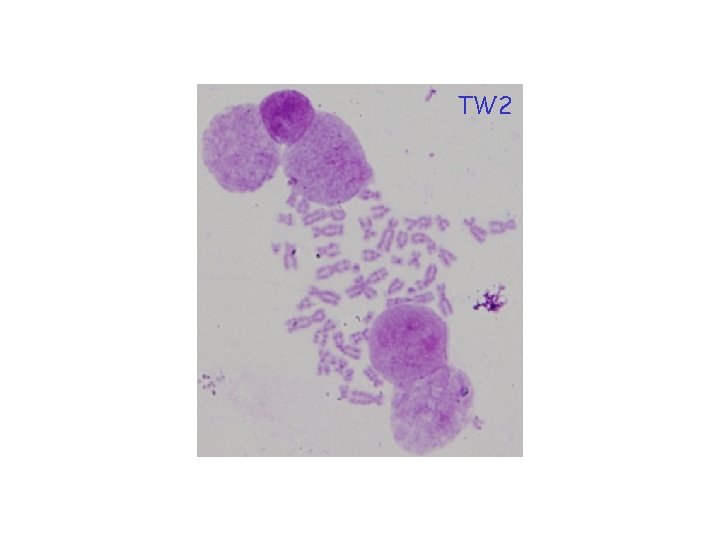
TW 2
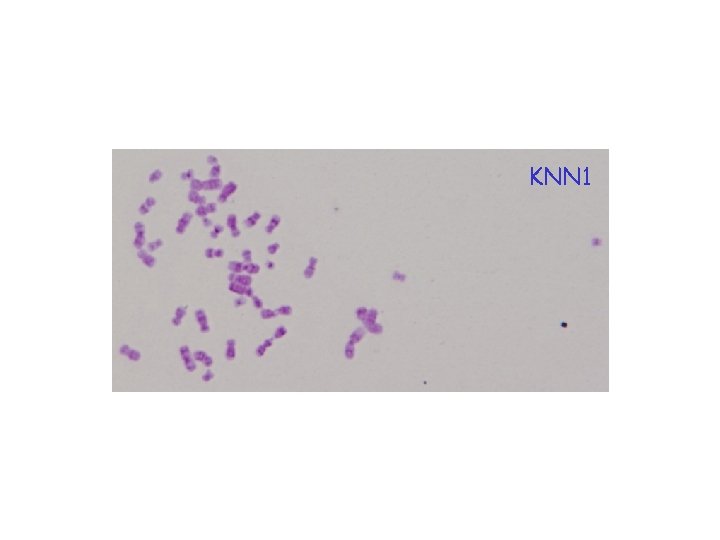
KNN 1
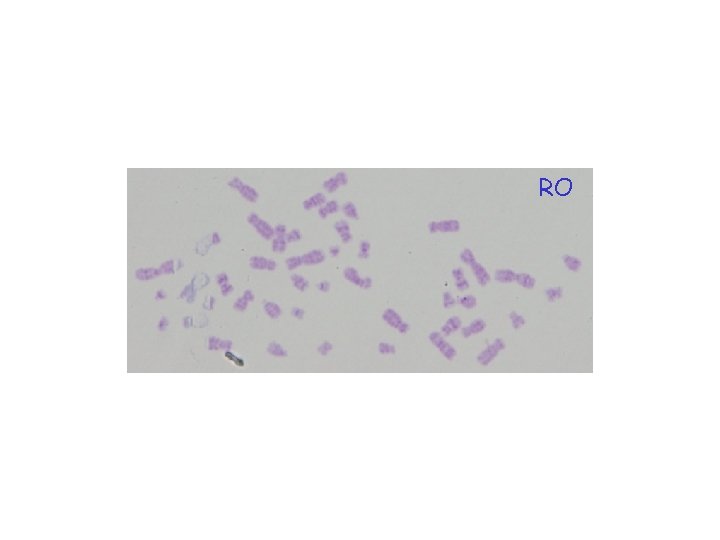
RO
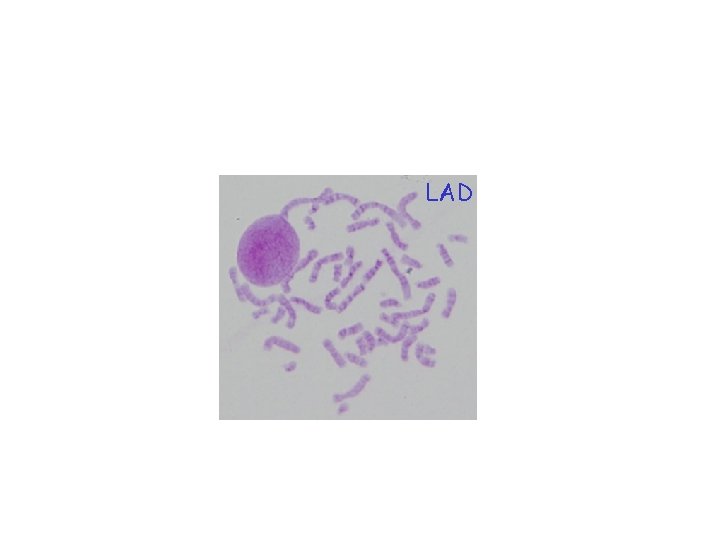
LAD
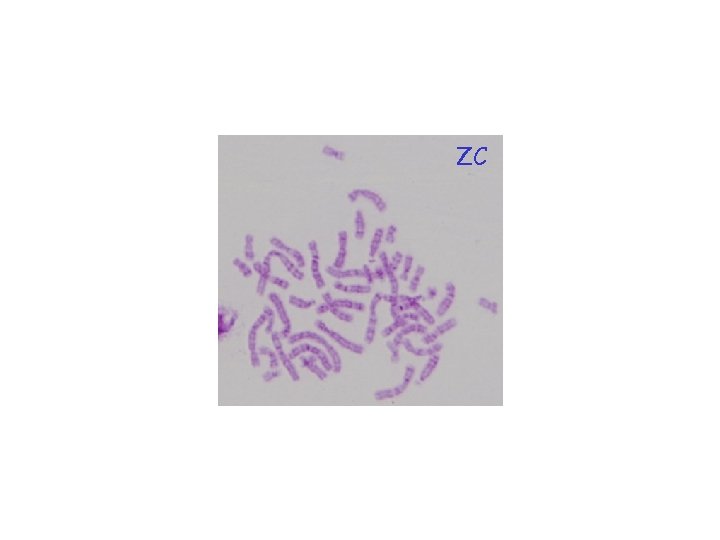
ZC
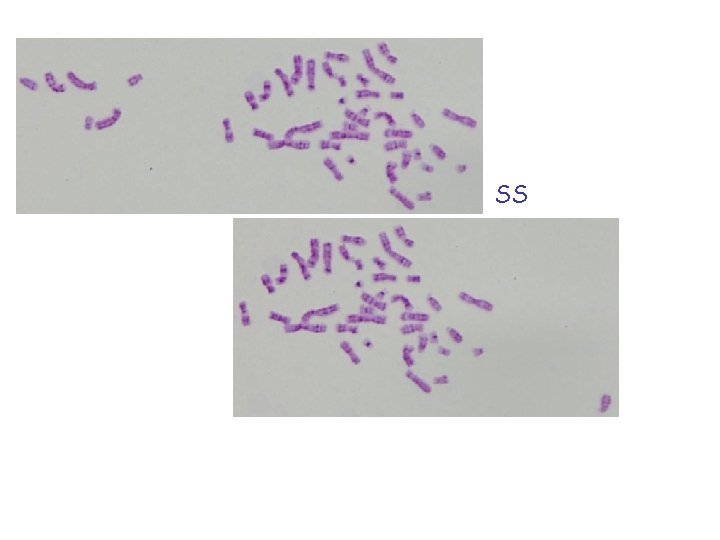
SS
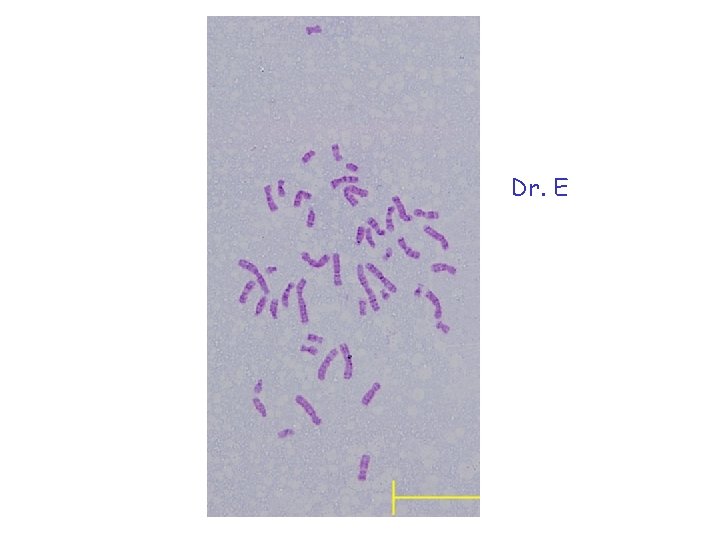
Dr. E