
Human Growth and Development What is Sexual Health
- Slides: 36
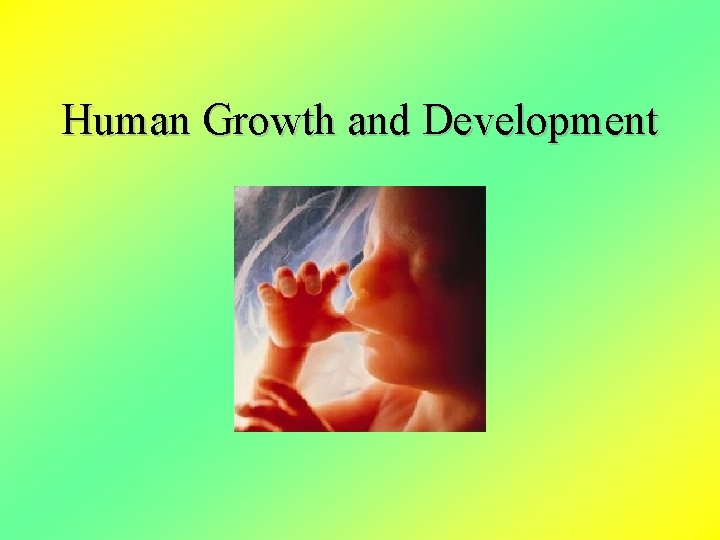
Human Growth and Development
What is Sexual Health? • Sexual health is the absense of disease and dysfunction. • The ability to understand weigh risks, responsibilities, outcomes and impacts of sexual actions and to practice abstinence when appropriate. • Freedom from abuse and discrimination • Etc.
What is the human reproductive system? • Part of the Endocrine System • Controlled by the pituitary gland the hypothalamus, which controls the release of hormones • These hormones effect the reproductive organs of both males and females
What is the function of the male reproductive system? • The male reproductive system is made up of both internal and external organs – responsible for storage, nourishment, transport of sperm and release of sperm
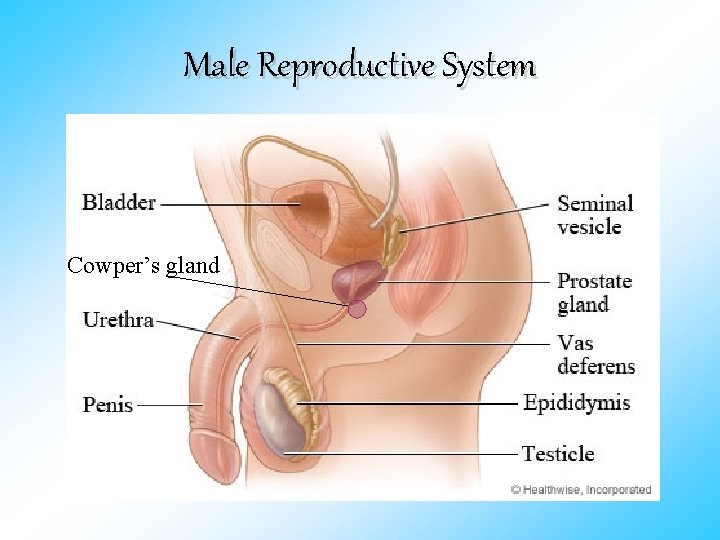
Male Reproductive System Cowper’s gland
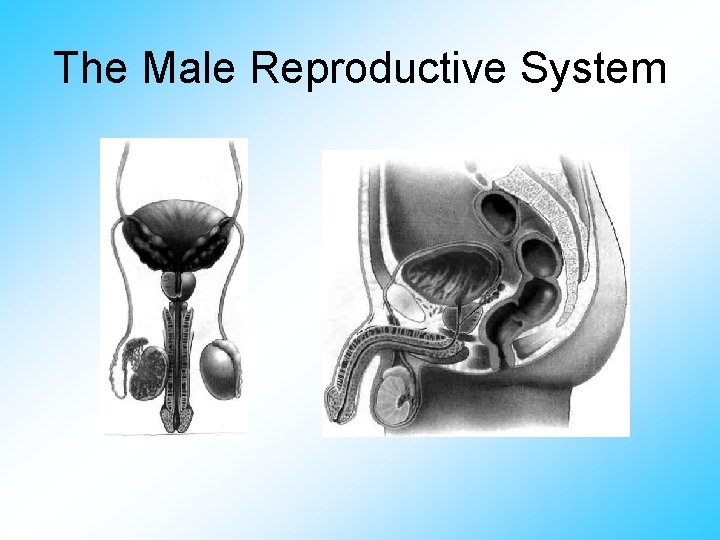
The Male Reproductive System
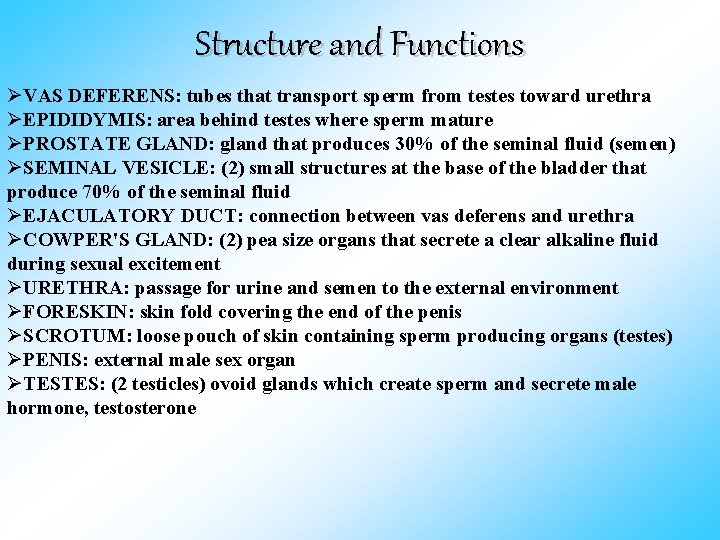
Structure and Functions ØVAS DEFERENS: tubes that transport sperm from testes toward urethra ØEPIDIDYMIS: area behind testes where sperm mature ØPROSTATE GLAND: gland that produces 30% of the seminal fluid (semen) ØSEMINAL VESICLE: (2) small structures at the base of the bladder that produce 70% of the seminal fluid ØEJACULATORY DUCT: connection between vas deferens and urethra ØCOWPER'S GLAND: (2) pea size organs that secrete a clear alkaline fluid during sexual excitement ØURETHRA: passage for urine and semen to the external environment ØFORESKIN: skin fold covering the end of the penis ØSCROTUM: loose pouch of skin containing sperm producing organs (testes) ØPENIS: external male sex organ ØTESTES: (2 testicles) ovoid glands which create sperm and secrete male hormone, testosterone
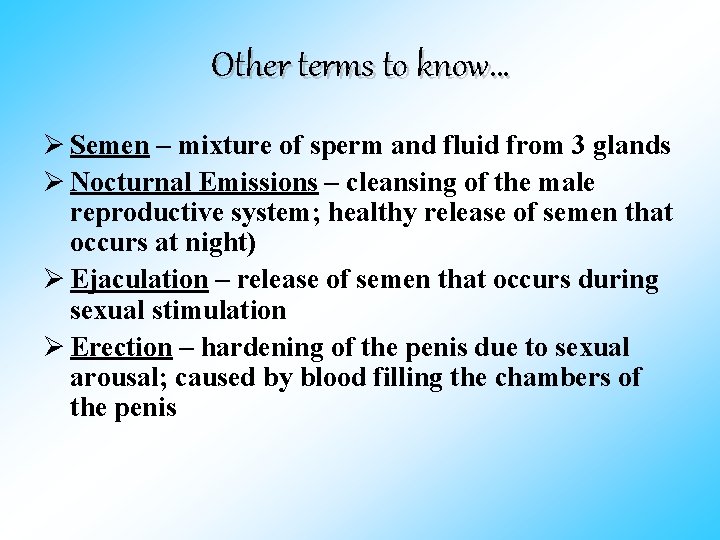
Other terms to know… Ø Semen – mixture of sperm and fluid from 3 glands Ø Nocturnal Emissions – cleansing of the male reproductive system; healthy release of semen that occurs at night) Ø Ejaculation – release of semen that occurs during sexual stimulation Ø Erection – hardening of the penis due to sexual arousal; caused by blood filling the chambers of the penis
IV. What are some common disorders of the Male reproductive system? ØSterility – unable to reproduce ØUndescended testes – testes did not descend into scrotum during birth ØInguinal hernia – when a body organ pushes through a wall that would normally contain it (usually the intestines) ØEnlarged prostate – can cause pain and discomfort; could be indicative of a further problem ØCancer of the prostate and testes – uncontrolled growth of abnormal cells ØHard lumps, enlargement, unusual thickening of tissue
Testicular Cancer Most common in males ages 15 -35 years old **For men over the age of 14, a monthly self-exam of the testicles is an effective way of becoming familiar with this area of the body and thus enabling the detection of testicular cancer at an early -- and very curable -- stage. Why do you need to do it monthly? Because the point of the self exam is not to find something wrong today. The point is to learn what everything feels like when things are normal, and to check back every month to make sure that nothing has changed. If something HAS changed, you will know it and you can get it treated.
Circumcision • The United States leads the way in the number of babies circumcised each year. Estimates vary widely, ranging from 50 percent to more than 90 percent of newborn boys circumcised, depending on the region of the country (federal data from 1999 showed hospital circumcision rates of 81 percent in the Midwest, 66 percent in the Northeast, 64 percent in the South and 37 percent in the West) and religion (the Jewish and Muslim faiths traditionally call for circumcision). In Europe, Asia and Latin America, baby boys are not routinely circumcised, and the circumcision rates here have been dropping steadily over recent years.
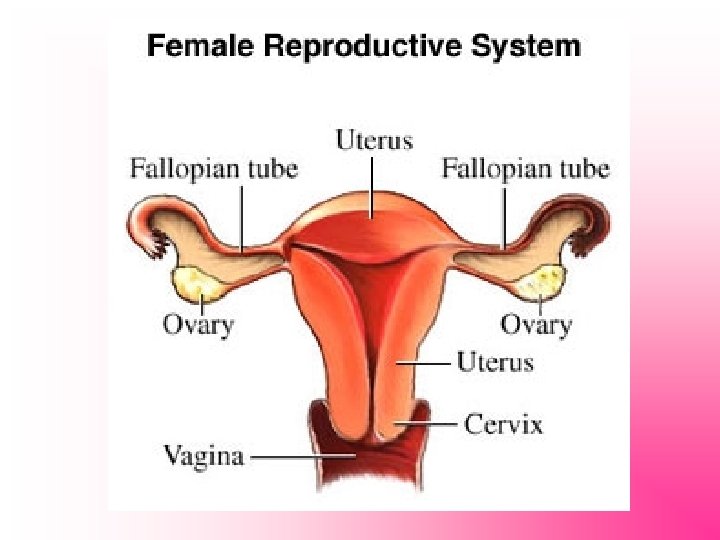
What is the function of the female reproductive system? Ø Like the male reproductive system, the female reproductive system has both internal and external body organs Ø The internal organs provide an environment for a fetus to develop
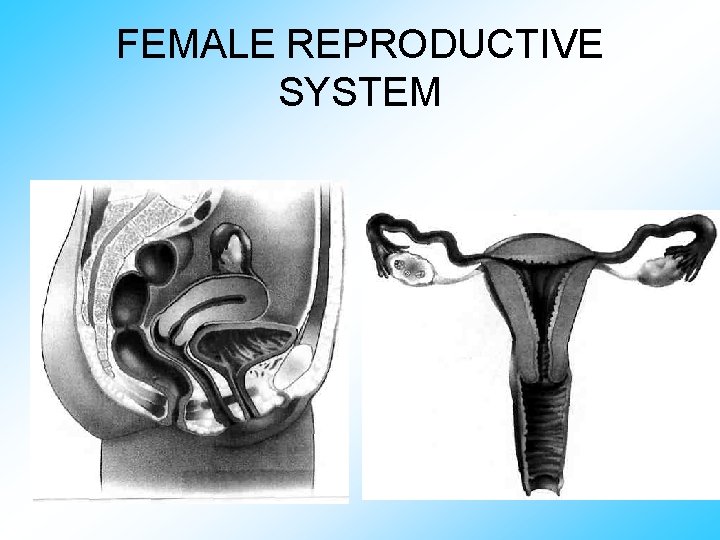
FEMALE REPRODUCTIVE SYSTEM
Structure and Functions ØVAGINA: both the Birth Canal and the structure that receives the penis during intercourse ØURETHRA: connects the urinary bladder to the outside ØCERVIX: the entrance to the uterus at the internal end of the vagina ØENDOMETRIUM: inside layer of the uterus, rich in blood supply, that nourishes a fertilized egg ØUTERUS: (Womb) hollow muscular structure that holds the fetus during pregnancy ØOVARY: (2 ovaries) produce ova (egg cells) and female hormones, estrogen and progesterone ØFALLOPIAN TUBE: (2 oviducts) muscular tunnel that transports ova to the uterus
Other terms to know… Ø Ovulation – monthly process of expelling ova from ovaries Ø Menstrual cycle – monthly process where the layers of the uterus are preparing for possible pregnancy (28 days) Ø Endometrium – lining of the uterus Ø Egg – (ovum or ova) female reproductive cell
IV. What are some common disorders of the female reproductive system? Ø Amenorrhea- absence of periods Ø Dysmenorrhea- menstrual discomfort… cramping, headache, bloated, nausea, etc. Ø PMS- symptoms 1 – 2 weeks before menstruation Ø Vaginitis – vaginal infection or irritation Ø Endometriosis – lining of the uterus grows outside the uterus, causing pain Ø Toxic Shock Syndrome (TSS) – bacterial infection found in women who use tampons Ø Cysts – fluid/air-filled sacs on ovaries Ø Cancer of the uterus/cervix/ovaries – abnormal cell growth Ø HPV – Sexually transmitted virus that can cause cervical cancer Ø Gardasil – vaccination for HPV diseases
SEXUAL REPRODUCTION • Sexual intercourse – when an erect penis is inserted into a vagina and ejaculation takes place • When ovulation has occurred an egg cell is present, a pregnancy is possible and likely • The only method that is 100% effective at preventing pregnancy and other STIs (like HIV) is ABSTINENCE (not engaging in sexual intercourse)
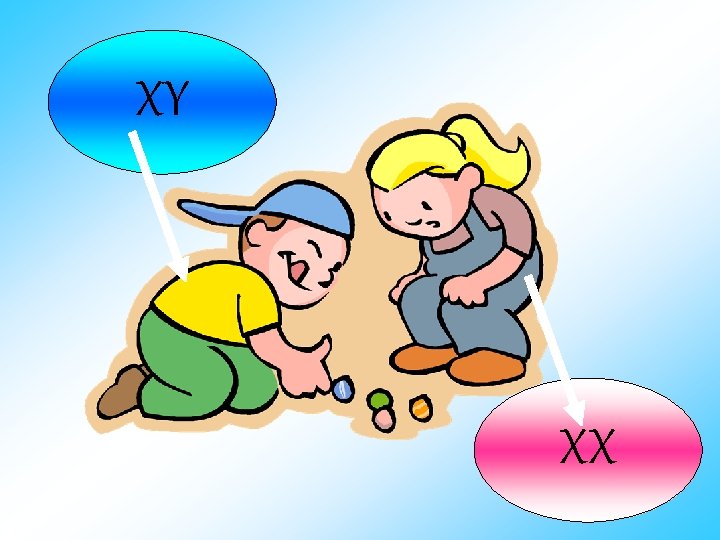
FERTILIZATION • Fertilization - The union of the male reproductive cell (sperm) and the female reproductive cell (egg) – Chromosomes carry genetic information (traits) – 23 pairs of chromosomes (46 in total) – Every egg has the X chromosome – Sperm can be X or Y (Y containing the male characteristics)
XY XX
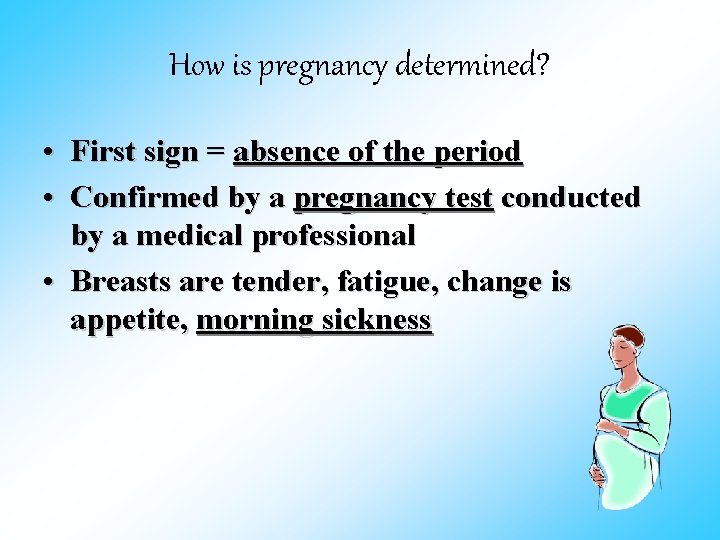
How is pregnancy determined? • First sign = absence of the period • Confirmed by a pregnancy test conducted by a medical professional • Breasts are tender, fatigue, change is appetite, morning sickness
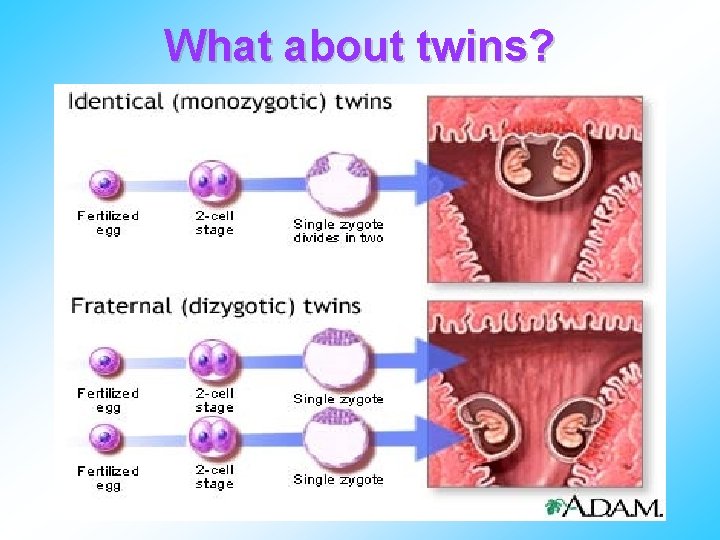
What about twins?
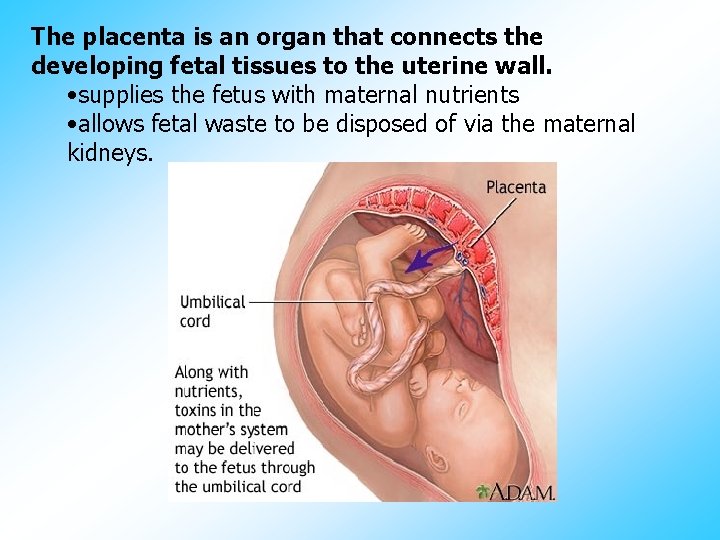
The placenta is an organ that connects the developing fetal tissues to the uterine wall. • supplies the fetus with maternal nutrients • allows fetal waste to be disposed of via the maternal kidneys.
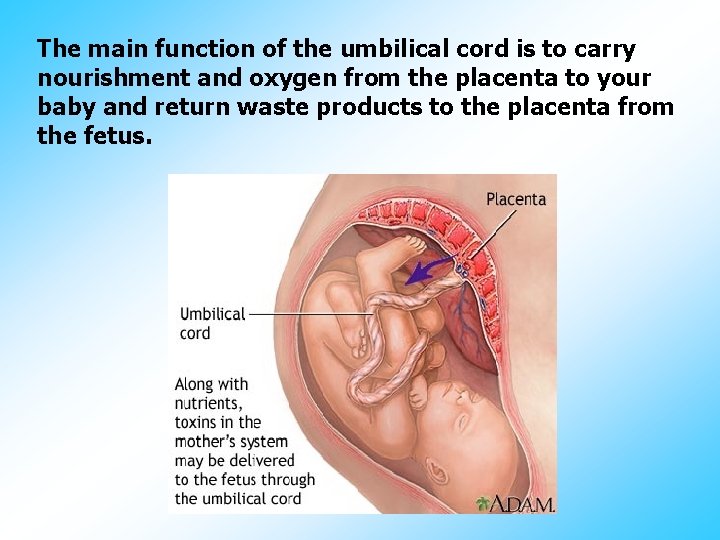
The main function of the umbilical cord is to carry nourishment and oxygen from the placenta to your baby and return waste products to the placenta from the fetus.
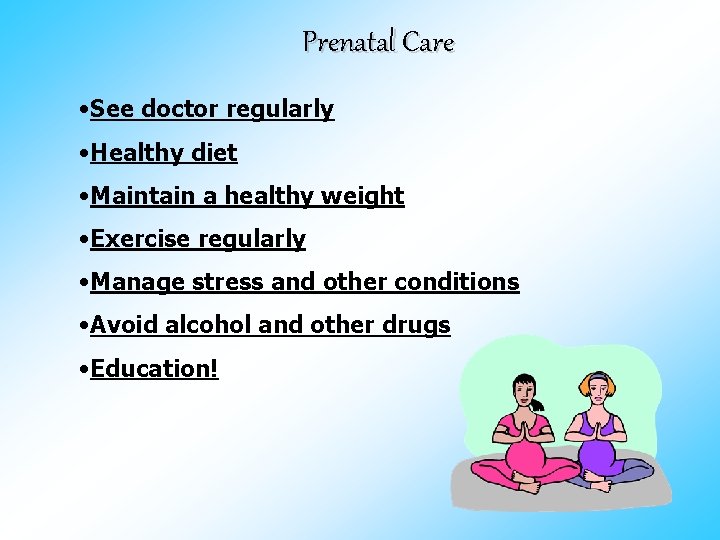
Prenatal Care • See doctor regularly • Healthy diet • Maintain a healthy weight • Exercise regularly • Manage stress and other conditions • Avoid alcohol and other drugs • Education!
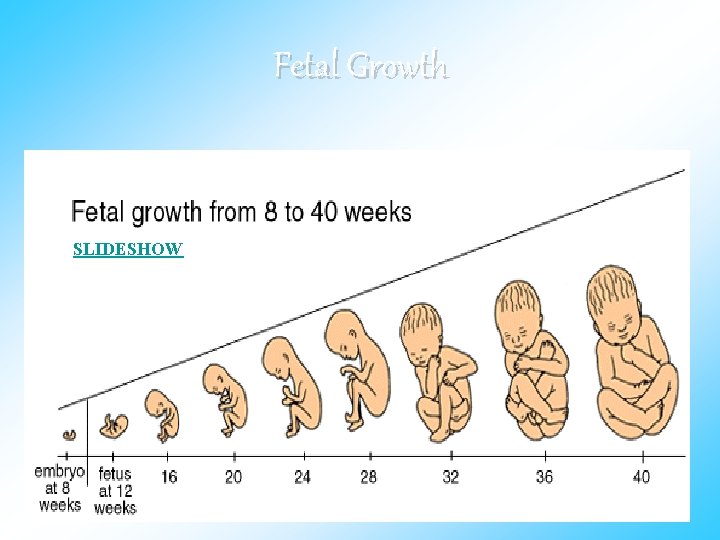
Fetal Growth SLIDESHOW
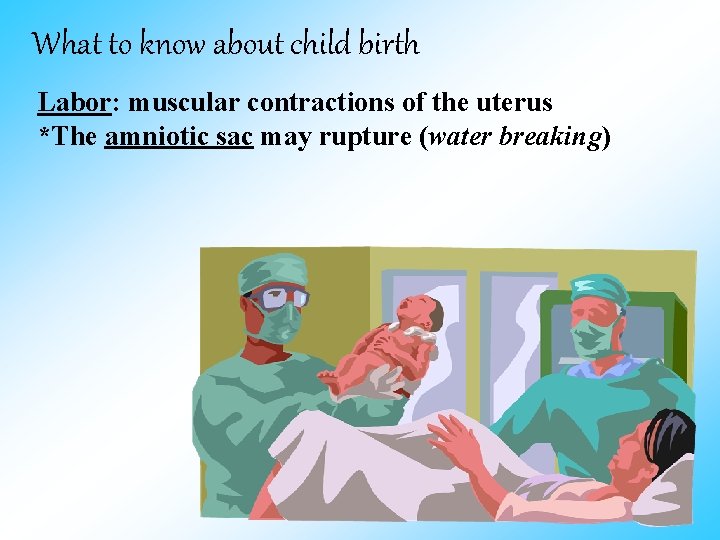
What to know about child birth Labor: muscular contractions of the uterus *The amniotic sac may rupture (water breaking)
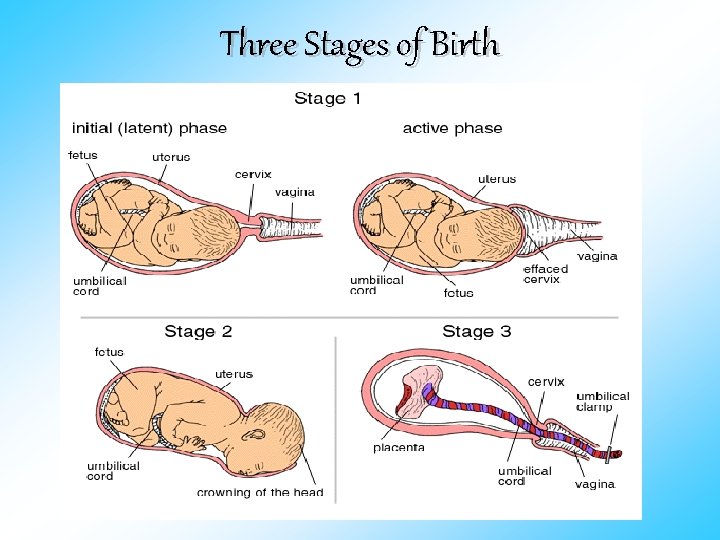
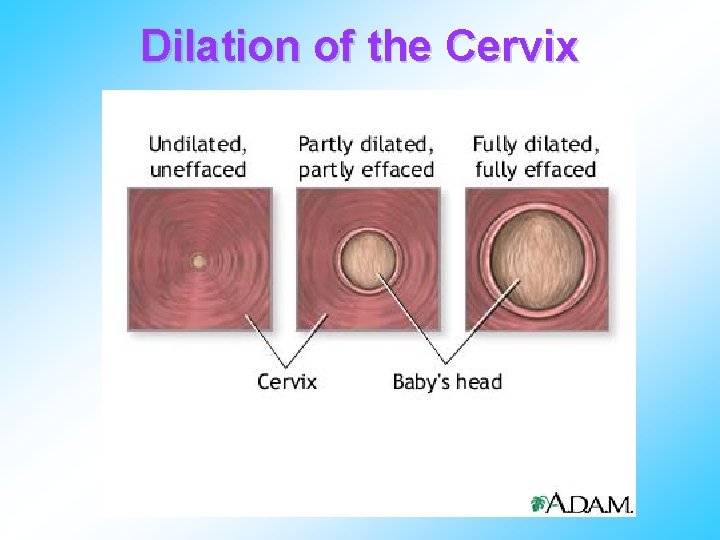
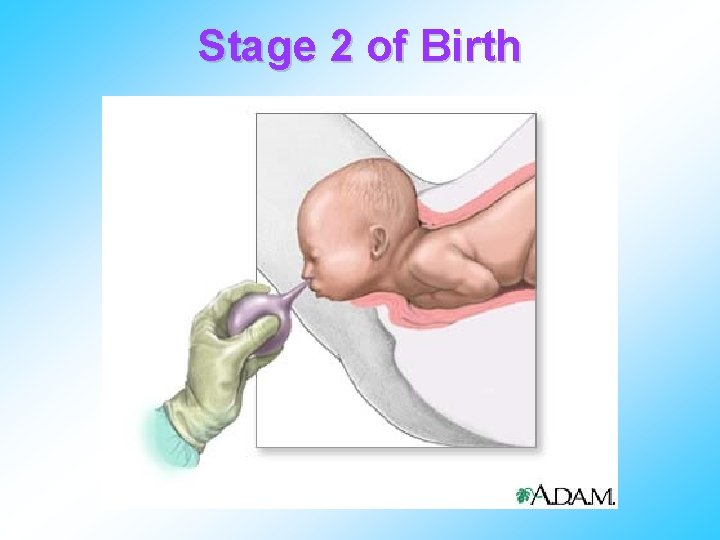
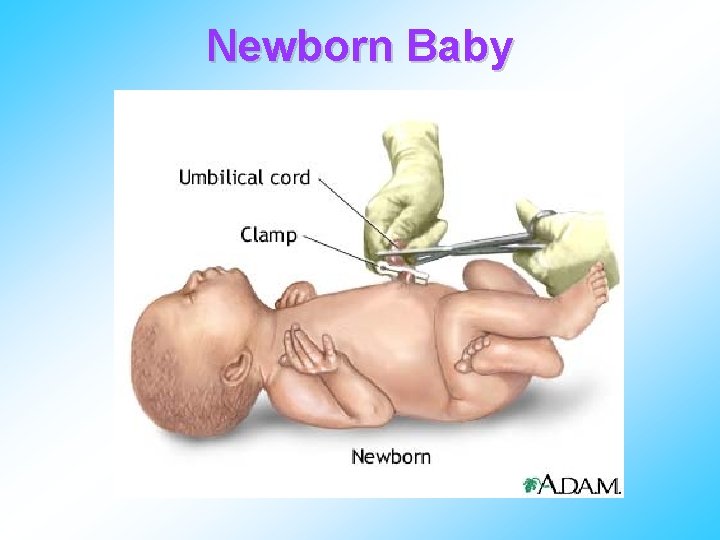
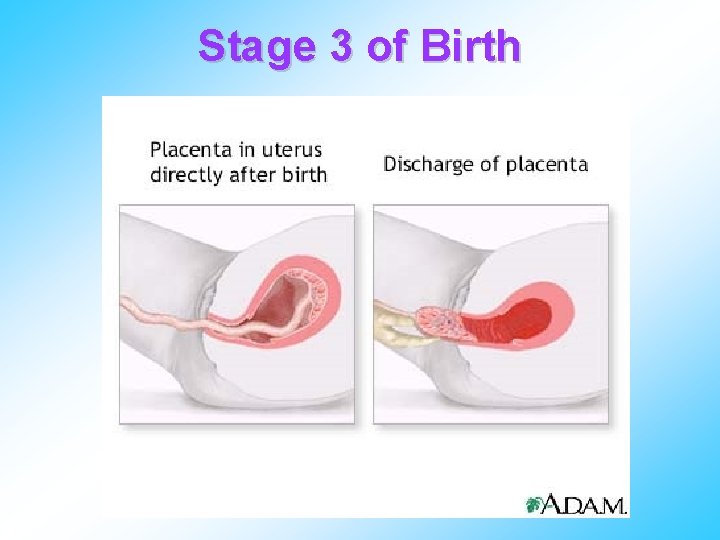
Three Stages of Birth • Stage 1: Dilation of the cervix – This is the longest stage of childbirth – The cervix opens 8 -10 centimeters (Wide enough for the baby to fit through) • Stage 2: Delivery of the baby – – – • Crowning is the appearance of the baby’s head in the birth canal The mother can begin to push Once the baby is out, the umbilical cord is cut. Stage 3: Delivery of the Placenta – The afterbirth is the placenta that is expelled after delivery
Three Stages of Birth
Dilation of the Cervix
Stage 2 of Birth
Newborn Baby
Stage 3 of Birth
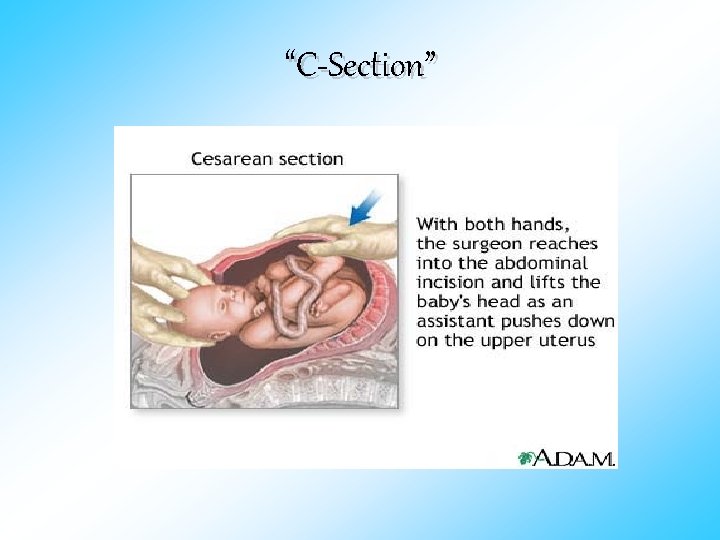
“C-Section”