
Human Factors Engineering Why Smart People do Dumb
Human Factors Engineering Why Smart People do Dumb Things. Standards Certification Education & Training Publishing Conferences & Exhibits

Nuclear and renewables: a well-rounded offering • Nuclear and renewable energies are complementary • Two growing markets • Nuclear: confirmed benefits of AREVA's integrated model
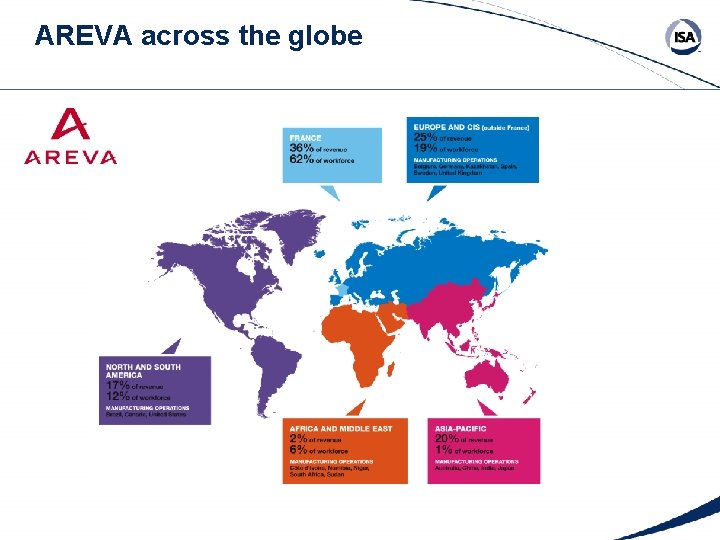
AREVA across the globe
AREVA’s Human Factors Expertise • Global Human Factors Expertise • Diverse Team • Experience – – – – MCR design and upgrades NUREG-0711 & NUREG-0700 Function Allocation Task Analysis Ergonomic Analyses Usability HSI Design and Evaluation
Today’s Objectives By the end of today’s session, you will be able to… ü Define the term “Human Factors” ü Discuss how poor human factors design can influence human performance ü Identify and use selected human factors principles to improve human performance

The Monkey Business Illusion
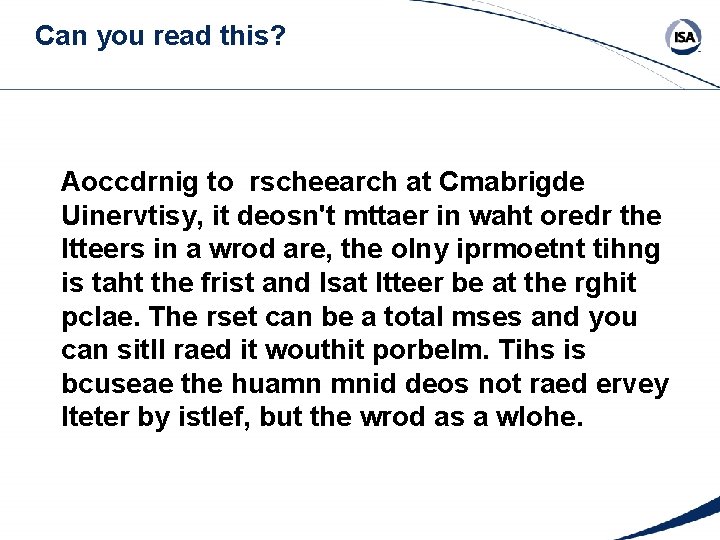
Can you read this? Aoccdrnig to rscheearch at Cmabrigde Uinervtisy, it deosn't mttaer in waht oredr the ltteers in a wrod are, the olny iprmoetnt tihng is taht the frist and lsat ltteer be at the rghit pclae. The rset can be a total mses and you can sitll raed it wouthit porbelm. Tihs is bcuseae the huamn mnid deos not raed ervey lteter by istlef, but the wrod as a wlohe.
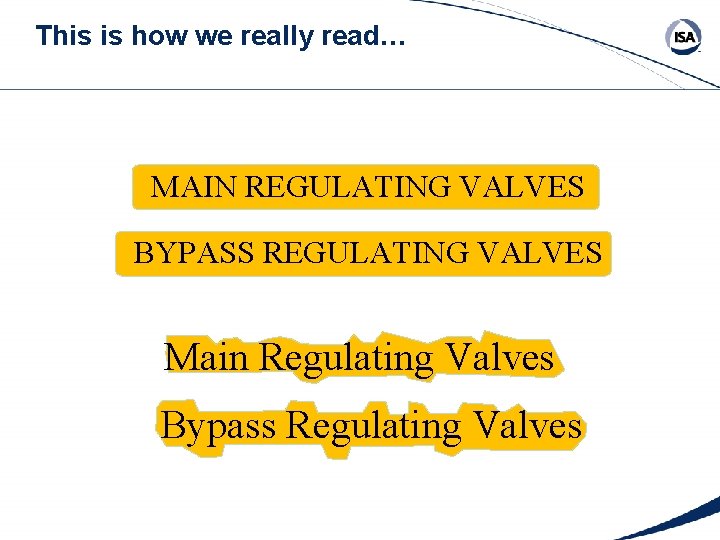
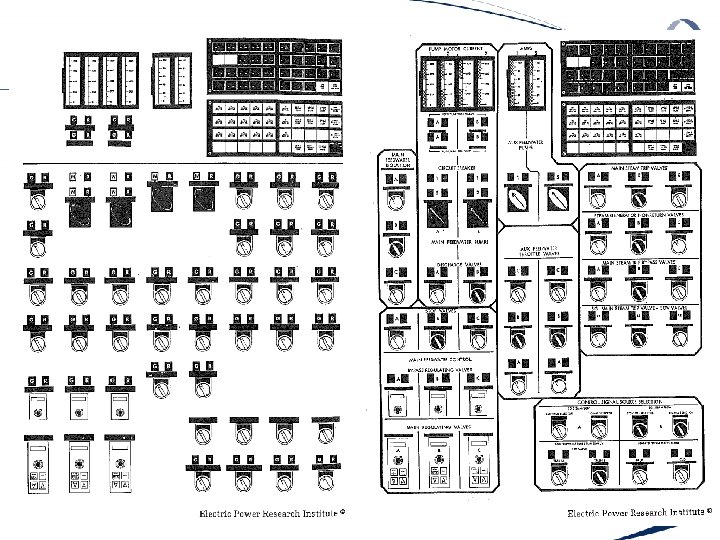
This is how we really read… MAIN REGULATING VALVES BYPASS REGULATING VALVES Main Regulating Valves Bypass Regulating Valves

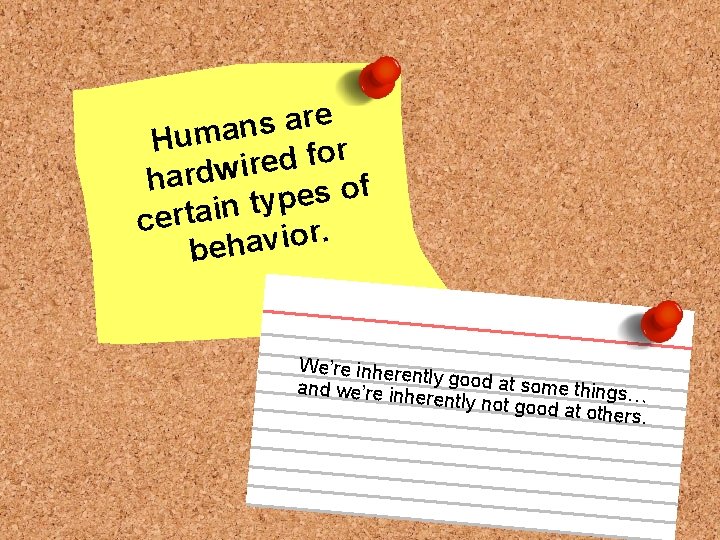
e r a s n Huma r o f d e r hardwi f o s e p y t n i a t r ce. r o i v a beh We’re inheren tl and we’re inh y good at some things… erently not go od at others.
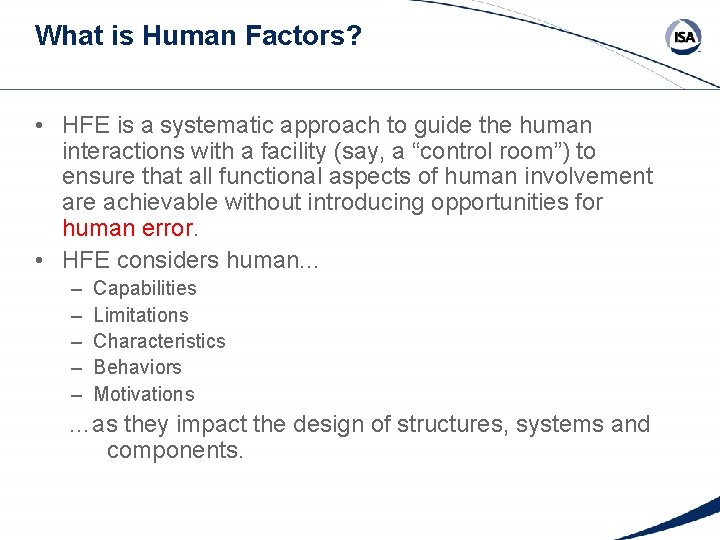
What is Human Factors? • HFE is a systematic approach to guide the human interactions with a facility (say, a “control room”) to ensure that all functional aspects of human involvement are achievable without introducing opportunities for human error. • HFE considers human. . . – – – Capabilities Limitations Characteristics Behaviors Motivations …as they impact the design of structures, systems and components.

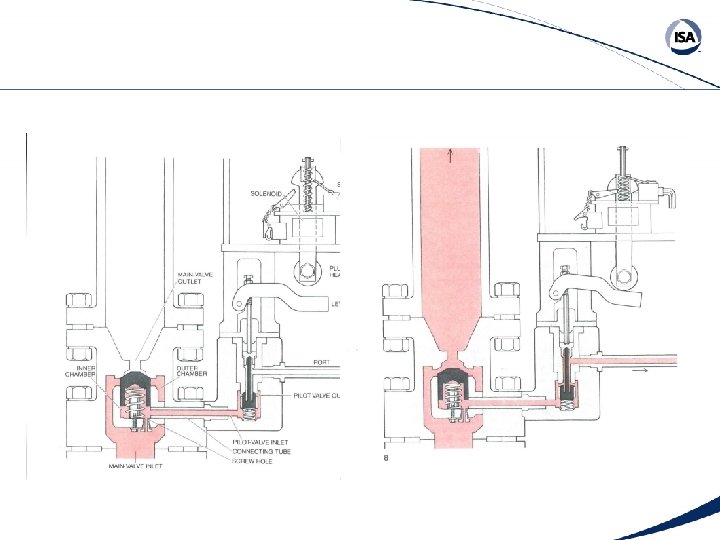
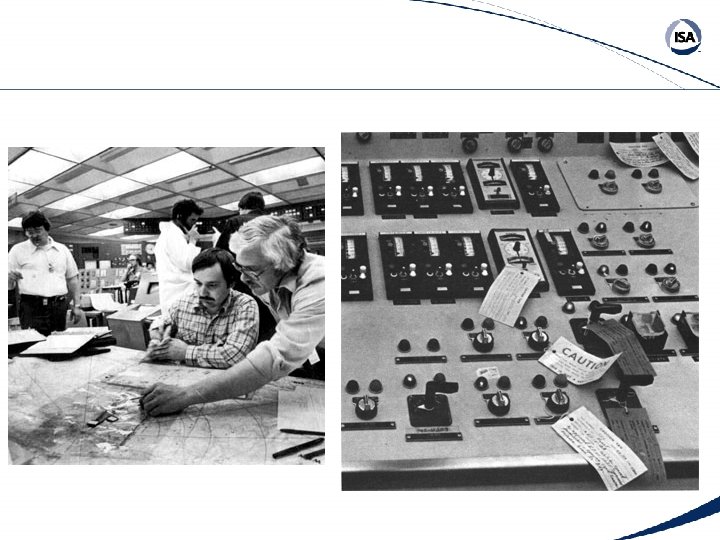
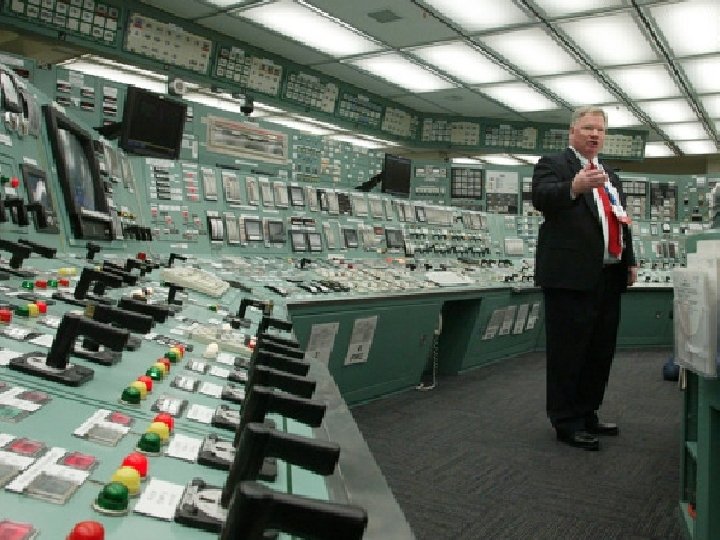
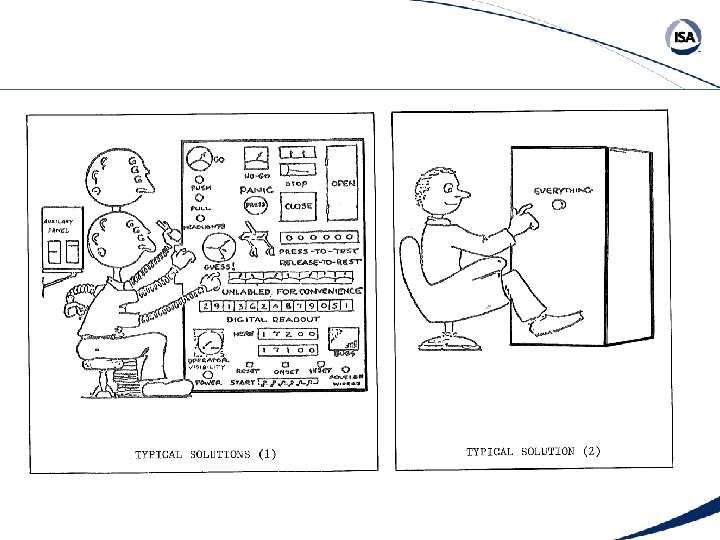
HUMAN FACTORS AT WORK…
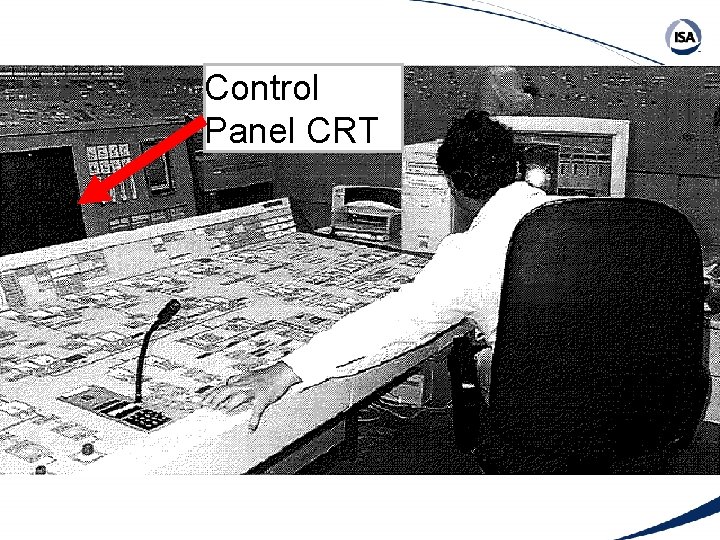
Control Panel CRT
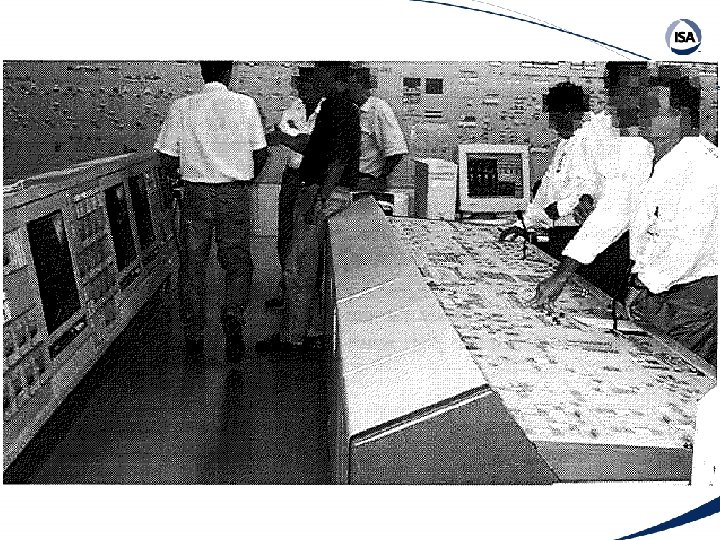
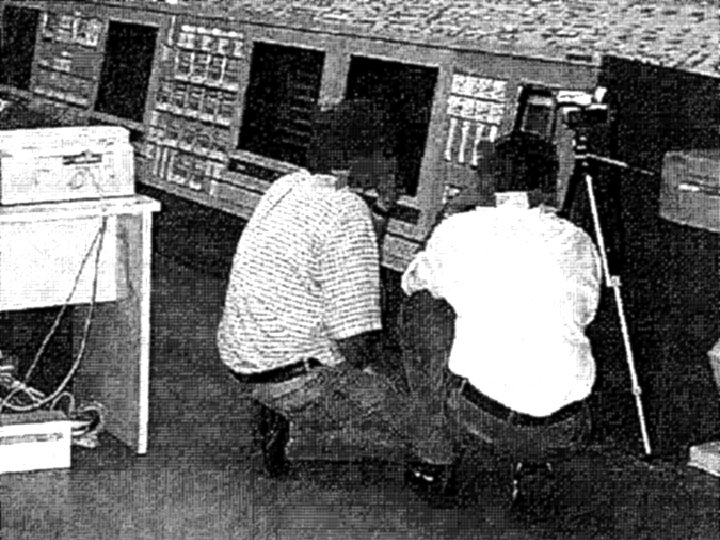
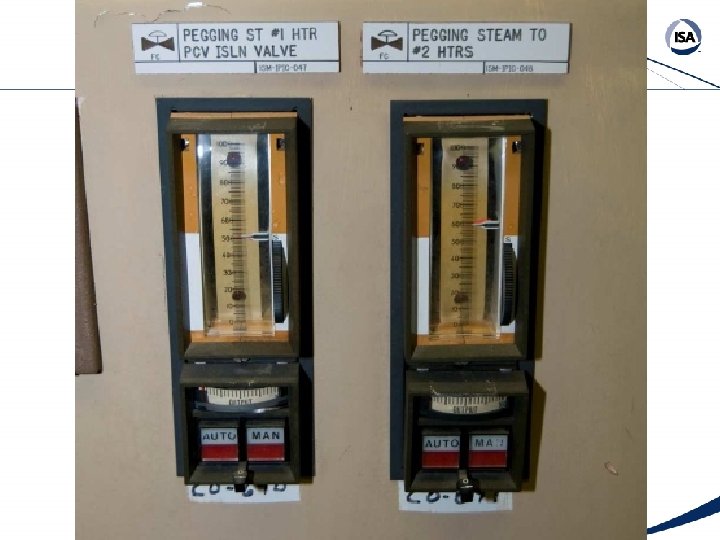

p. 17

DESIGNING FOR HUMAN FACTORS
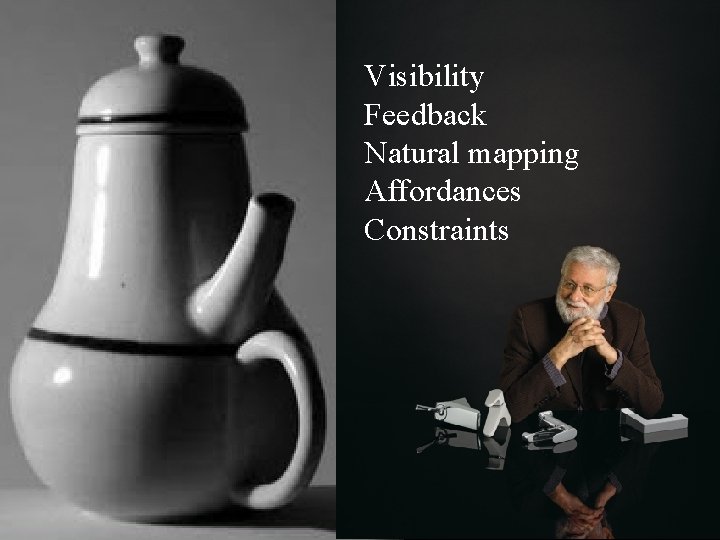
Visibility Feedback Natural mapping Affordances Constraints
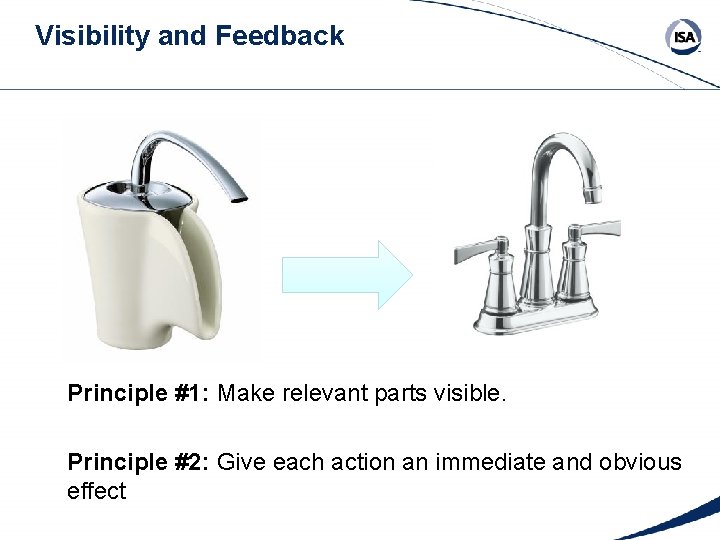
Visibility and Feedback Principle #1: Make relevant parts visible. Principle #2: Give each action an immediate and obvious effect
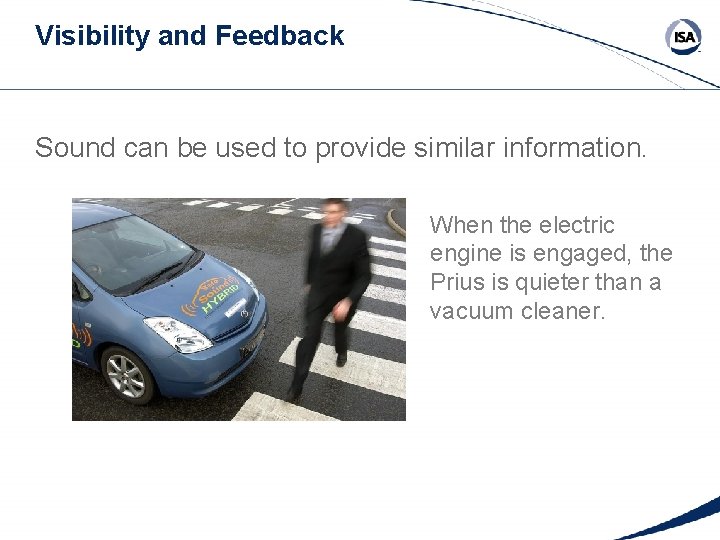
Visibility and Feedback Sound can be used to provide similar information. When the electric engine is engaged, the Prius is quieter than a vacuum cleaner.
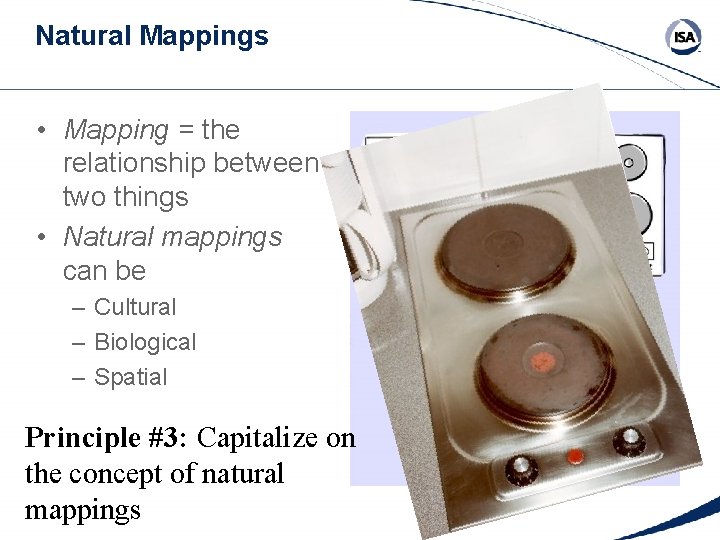
Natural Mappings • Mapping = the relationship between two things • Natural mappings can be – Cultural – Biological – Spatial Principle #3: Capitalize on the concept of natural mappings
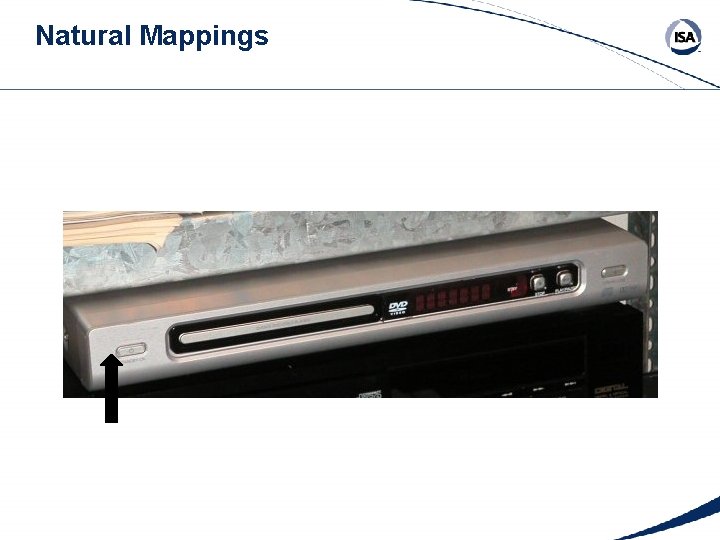
Natural Mappings
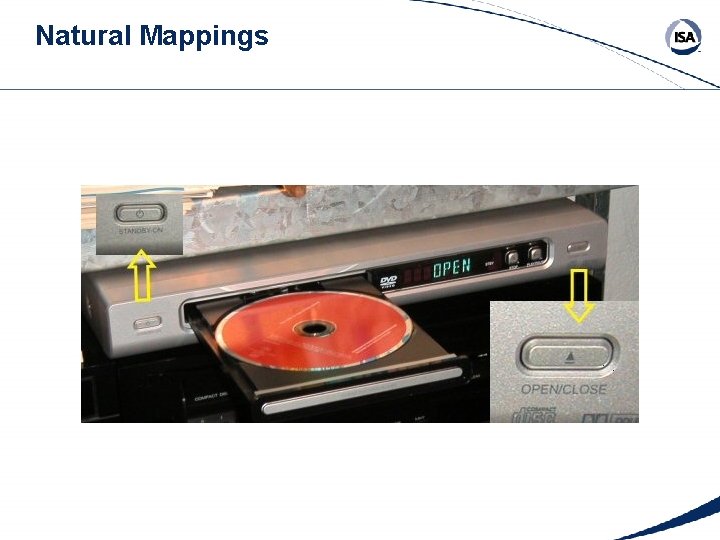
Natural Mappings
Affordances • Affordance is a property of the object. They provide strong clues to the operation of things. • Suggest how the object should be used – “Verb”-able • Users know what to do just by looking at the object. – No instructions needed! • Examples – Door plates – Knobs – Button
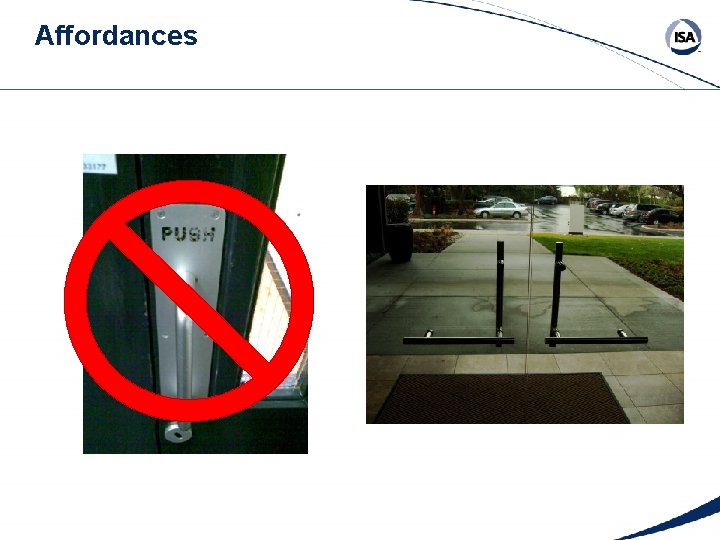
Affordances
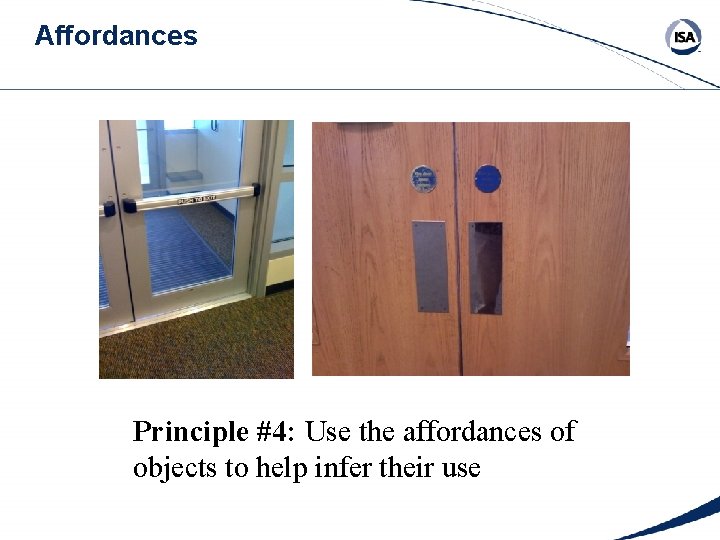
Affordances Principle #4: Use the affordances of objects to help infer their use
Constraints • Constraints limit how the design can be used • Types: – Physical – Square object and round hole – Cultural – Light switches – Logical – Order (1, 2, 3 or a, b, c) Principle #5: Restrict the kind of interaction that can take place at a given moment
Human factors guidelines can helprsus optimize a guser’s uideperformance. lines can hel p us optimize a user’s perfor mance.
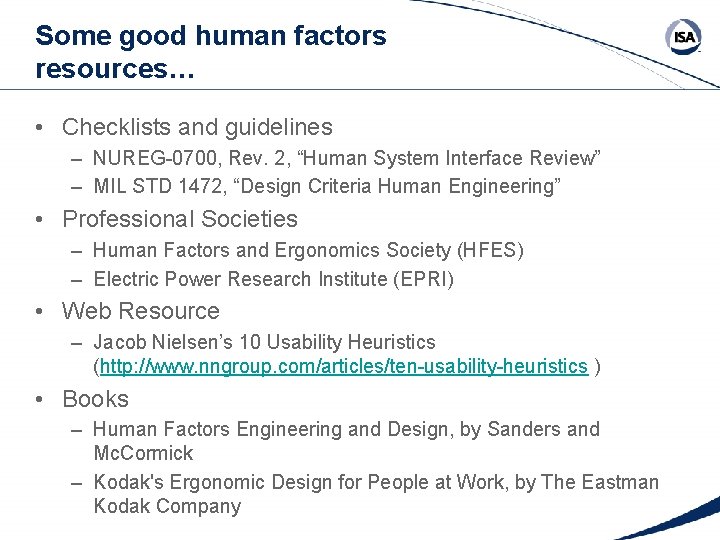
Some good human factors resources… • Checklists and guidelines – NUREG-0700, Rev. 2, “Human System Interface Review” – MIL STD 1472, “Design Criteria Human Engineering” • Professional Societies – Human Factors and Ergonomics Society (HFES) – Electric Power Research Institute (EPRI) • Web Resource – Jacob Nielsen’s 10 Usability Heuristics (http: //www. nngroup. com/articles/ten-usability-heuristics ) • Books – Human Factors Engineering and Design, by Sanders and Mc. Cormick – Kodak's Ergonomic Design for People at Work, by The Eastman Kodak Company

Thank You! Paris Stringfellow, Ph. D. AREVA, Inc. (704)805 -2661 Paris. Stringfellow@AREVA. com www. AREVA. com
- Slides: 36