
Human Evolution CHW 3 MR Lesson 2 The
- Slides: 15
Human Evolution CHW 3 MR Lesson 2
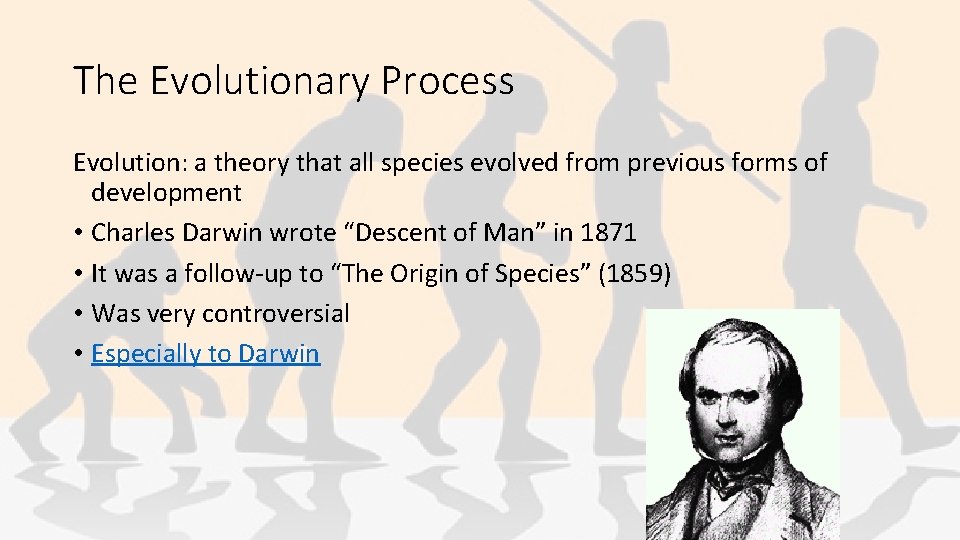
The Evolutionary Process Evolution: a theory that all species evolved from previous forms of development • Charles Darwin wrote “Descent of Man” in 1871 • It was a follow-up to “The Origin of Species” (1859) • Was very controversial • Especially to Darwin
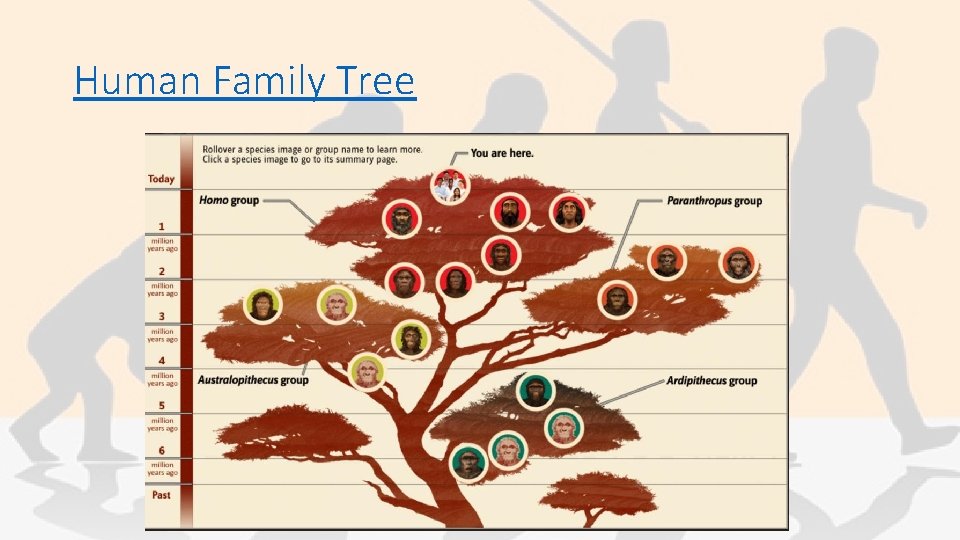
Human Family Tree
• http: //humanorigins. si. edu/evidence/hu man-fossils/species
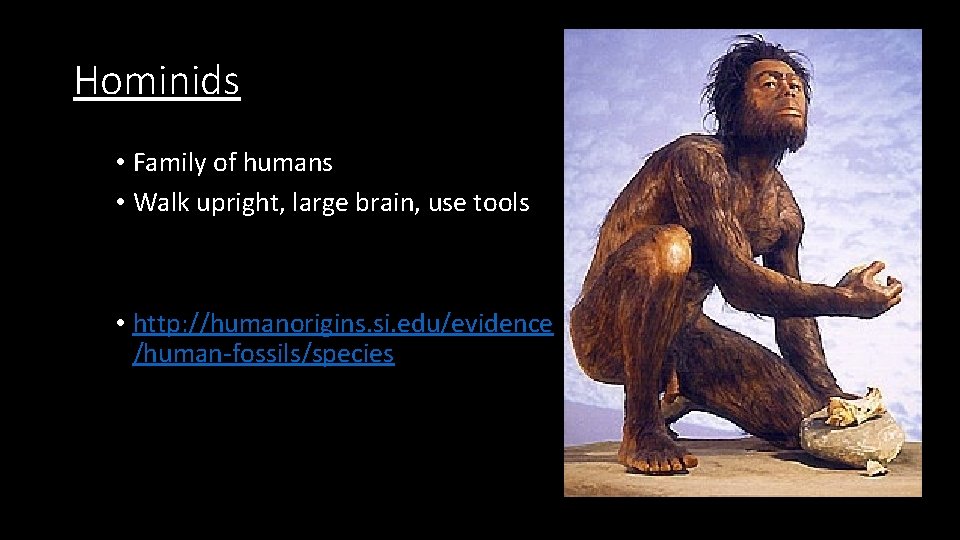
Hominids • Family of humans • Walk upright, large brain, use tools • http: //humanorigins. si. edu/evidence /human-fossils/species
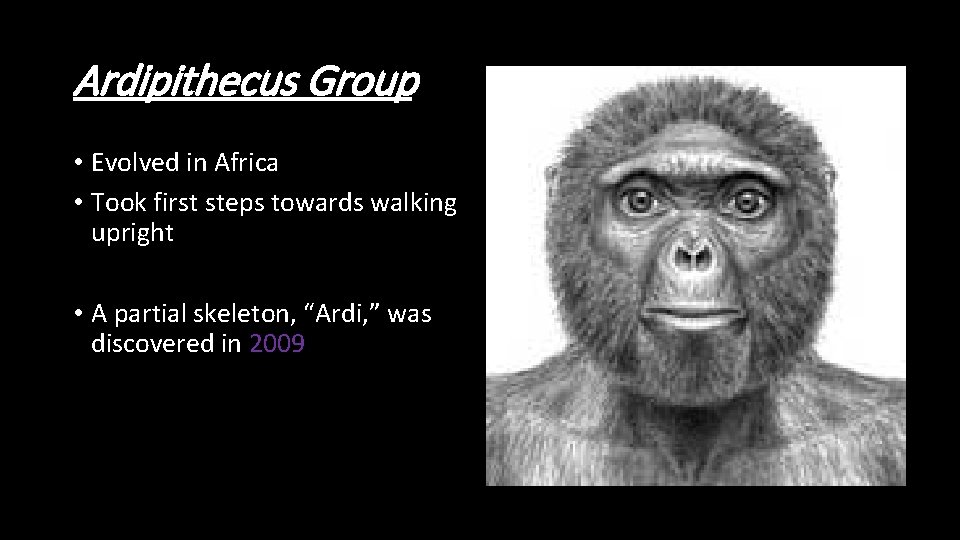
Ardipithecus Group • Evolved in Africa • Took first steps towards walking upright • A partial skeleton, “Ardi, ” was discovered in 2009
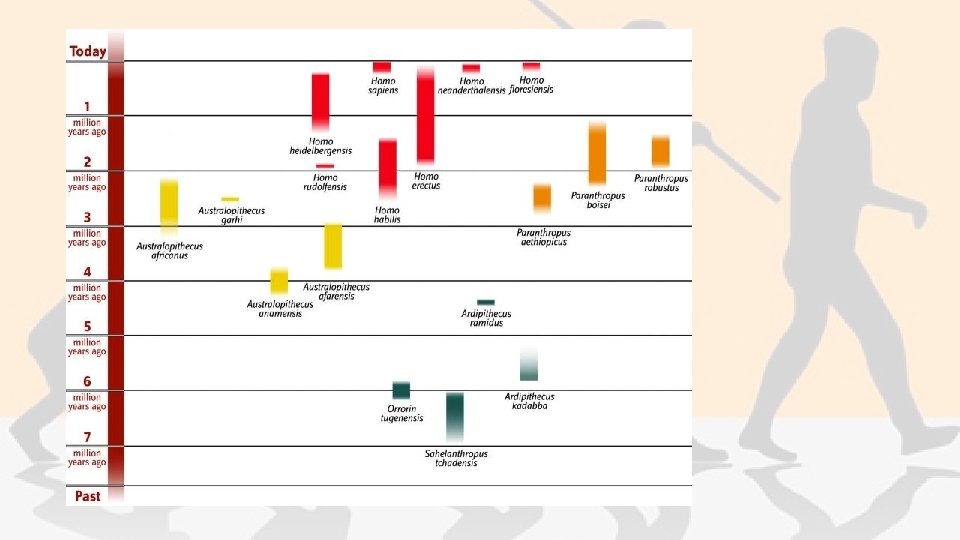
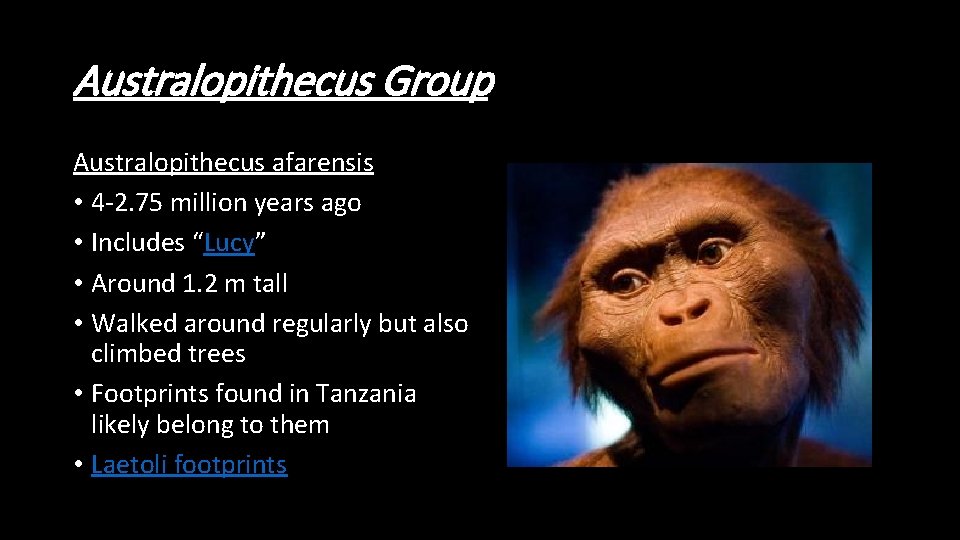
Australopithecus Group Australopithecus afarensis • 4 -2. 75 million years ago • Includes “Lucy” • Around 1. 2 m tall • Walked around regularly but also climbed trees • Footprints found in Tanzania likely belong to them • Laetoli footprints
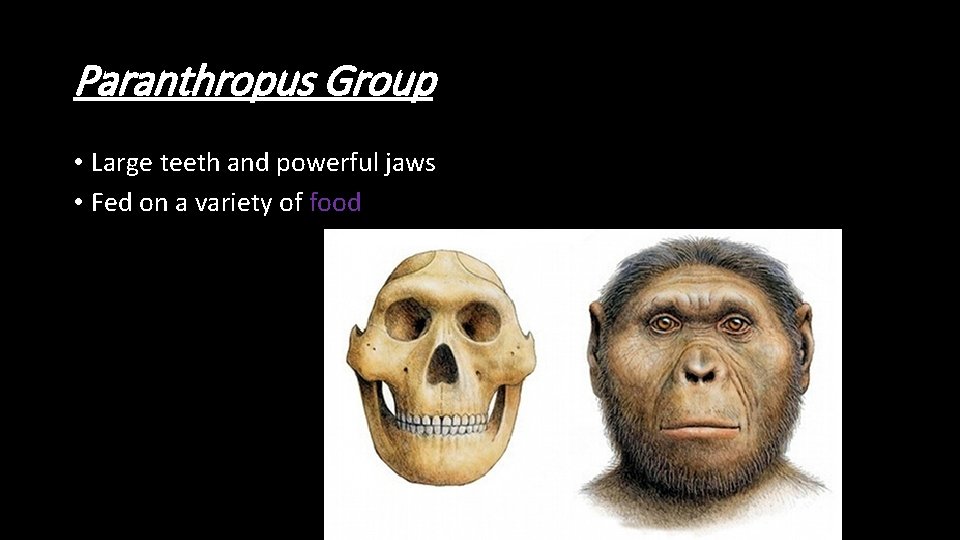
Paranthropus Group • Large teeth and powerful jaws • Fed on a variety of food
Homo group • Large brains • Used tools • First to expand beyond Africa
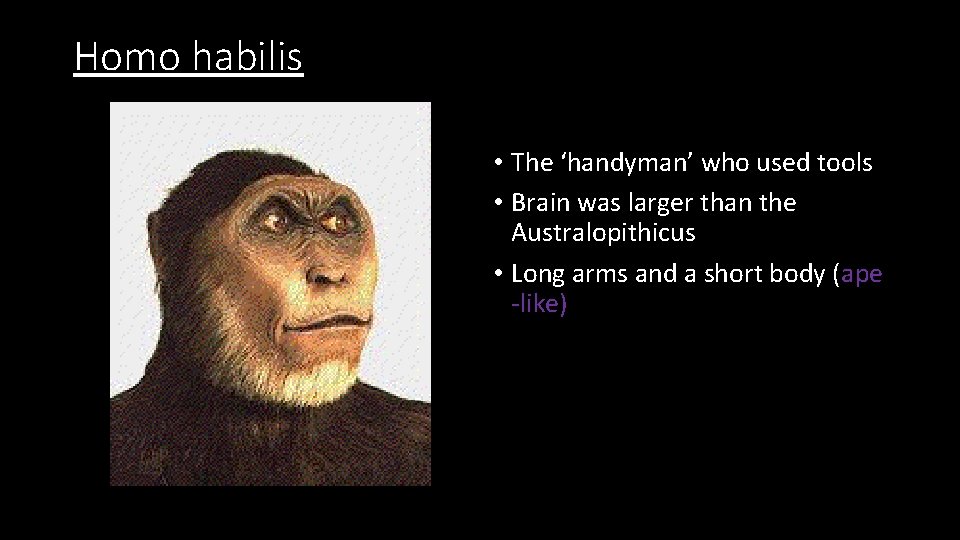
Homo habilis • The ‘handyman’ who used tools • Brain was larger than the Australopithicus • Long arms and a short body (ape -like)
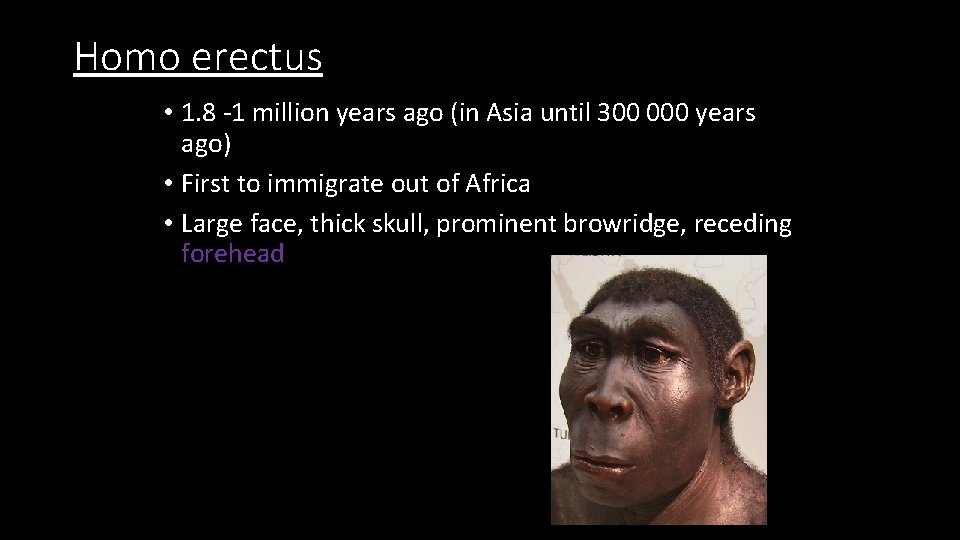
Homo erectus • 1. 8 -1 million years ago (in Asia until 300 000 years ago) • First to immigrate out of Africa • Large face, thick skull, prominent browridge, receding forehead
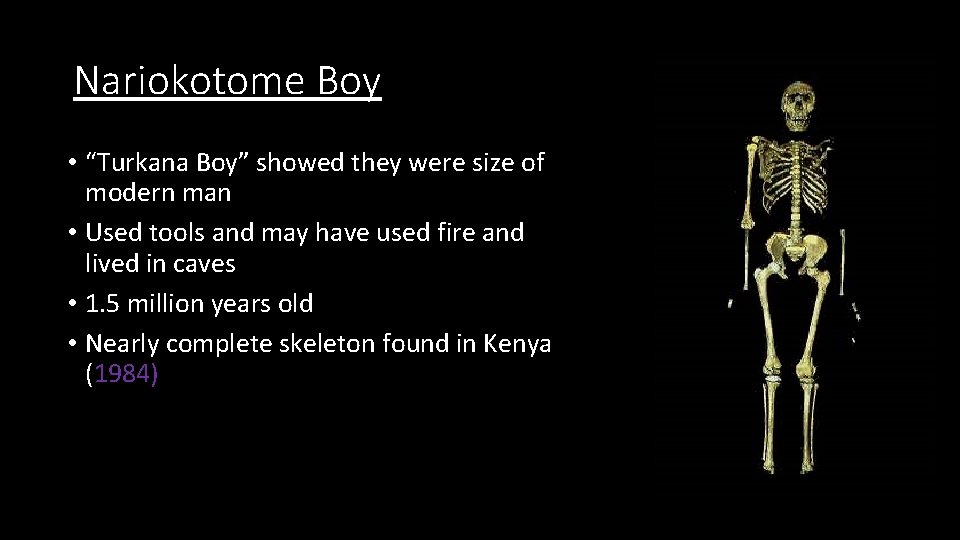
Nariokotome Boy • “Turkana Boy” showed they were size of modern man • Used tools and may have used fire and lived in caves • 1. 5 million years old • Nearly complete skeleton found in Kenya (1984)
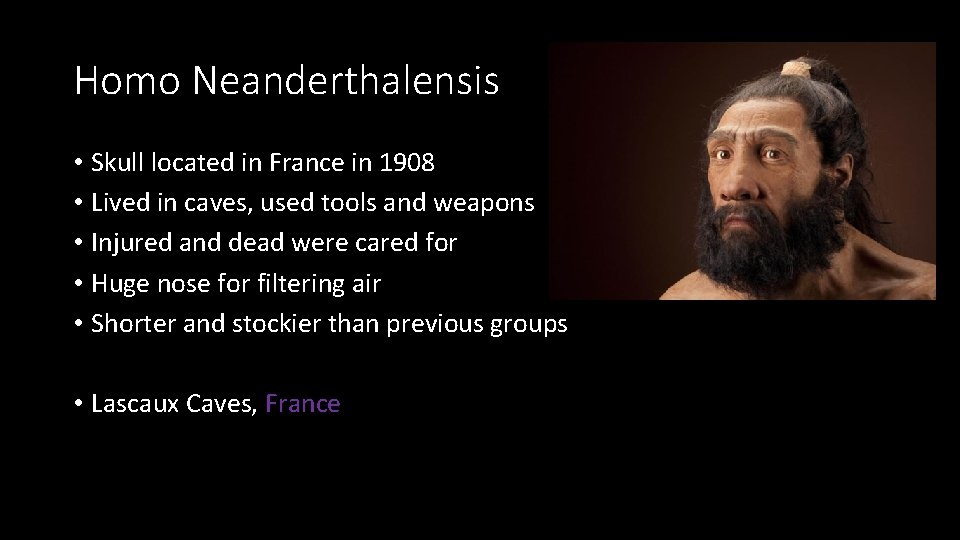
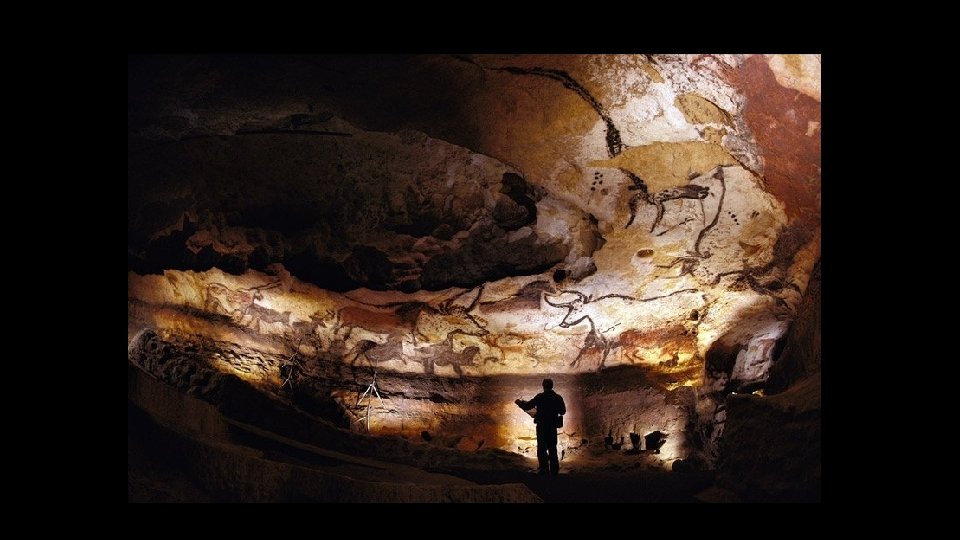
Homo Neanderthalensis • Skull located in France in 1908 • Lived in caves, used tools and weapons • Injured and dead were cared for • Huge nose for filtering air • Shorter and stockier than previous groups • Lascaux Caves, France
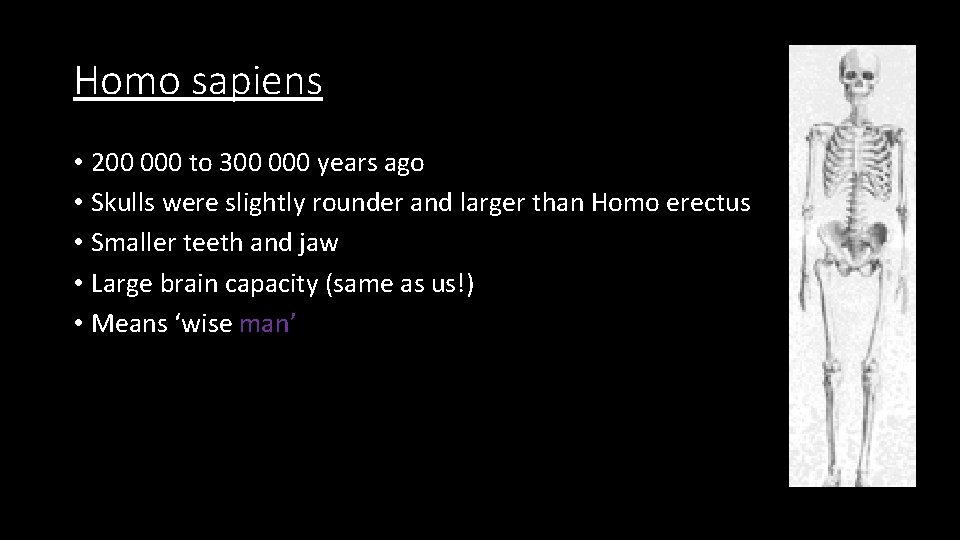
Homo sapiens • 200 000 to 300 000 years ago • Skulls were slightly rounder and larger than Homo erectus • Smaller teeth and jaw • Large brain capacity (same as us!) • Means ‘wise man’