
Human Evolution CHAPTER 19 19 1 primates Primates




- Slides: 19
Human Evolution CHAPTER 19
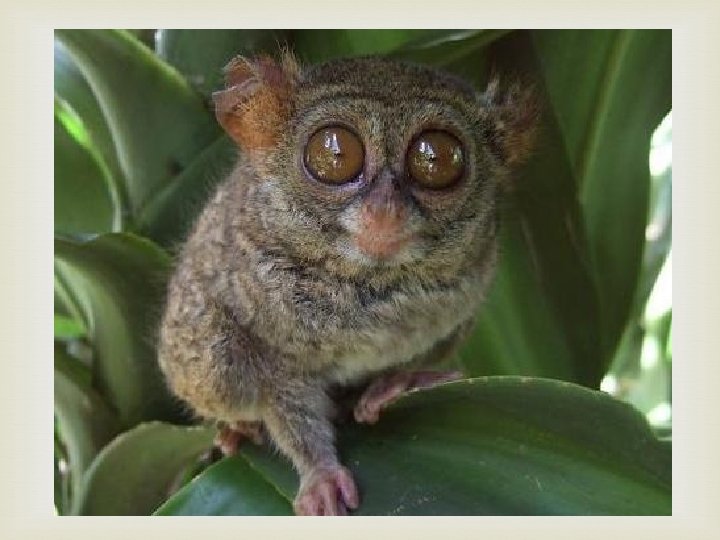
19. 1 primates Primates -Lemurs, tarsiers, monkeys, apes Adapted for a arboreal (in trees) lifestyle Limber shoulder and hip joints for moving in trees Mobile and sensitive hands and feet Overlapping fields of vision for depth perception Extensive parental care
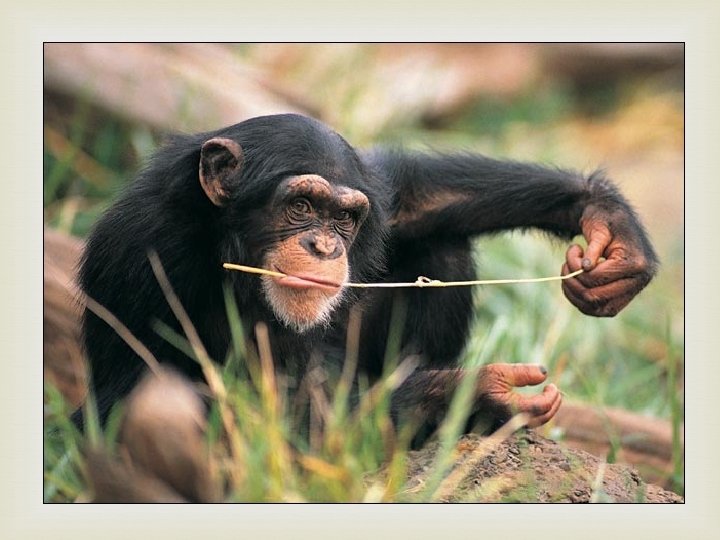
Apes Gibbons, orangutans, gorillas, chimpanzees, and humans No tail Opposable thumbs Large brain, complex behavior Social organization Chimps use sign language, raid other chimp family groups, and make simple tools
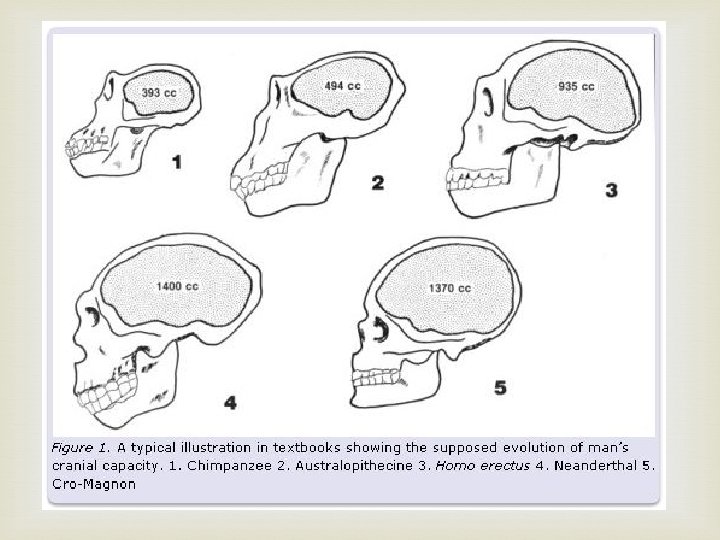
19. 3 Human family tree Humans and chimps diverged from a common ancestor 5 to 7 million years ago Derived traits Bipedal, shorter jaw, larger brain, language, symbolic thought, manufacture and use of complex tools Hominids- more human like than ape like
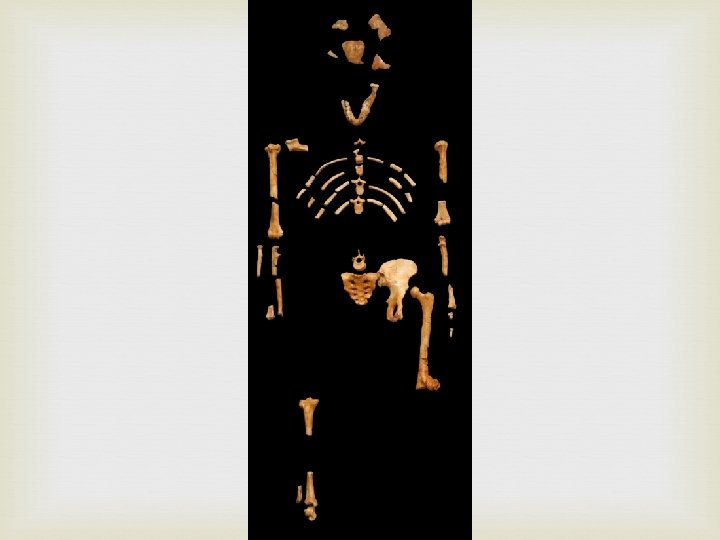
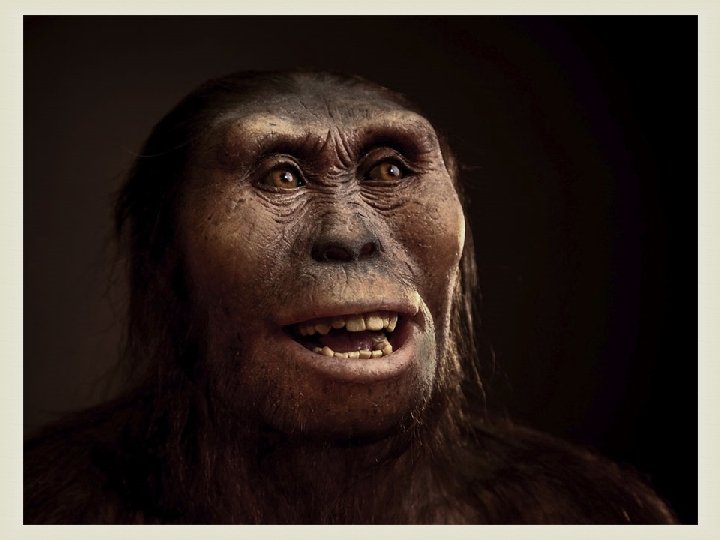
Bipedalism Evolved before increase in brain size “Lucy” – fossilized hominid – 3 million years old Australopithecus afarensis Skeleton was 40% complete 1 meter tall Head the size of a softball Was clearly bipedal
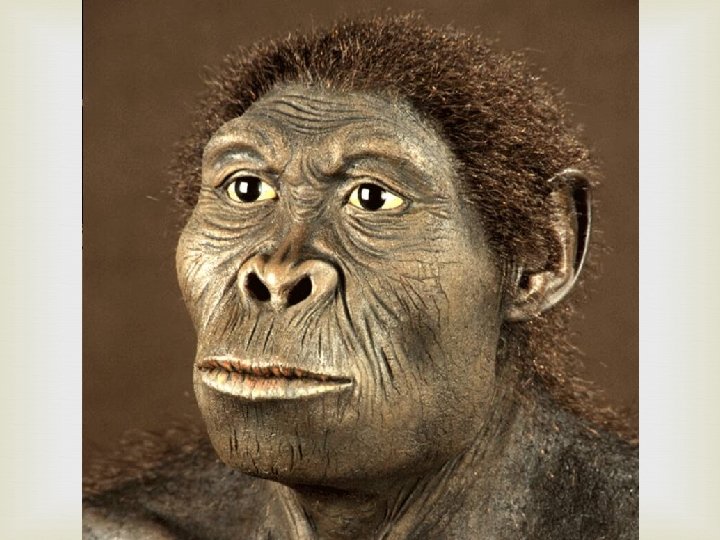
Hominids with larger brains Homo habilis “Handy Man”- created sharp stone tools Homo erectus – first to migrate out of Africa Neanderthal Man-fossils found in Europe
Modern man Capable of symbolic thought as evidenced by art and other artifacts Cro- Magnon Man
19. 9 Human Culture Pass on accumulated knowledge, customs, beliefs, art, and other products by means of written and spoken language Culture has allowed humans to overcome physical limitations and alter nature
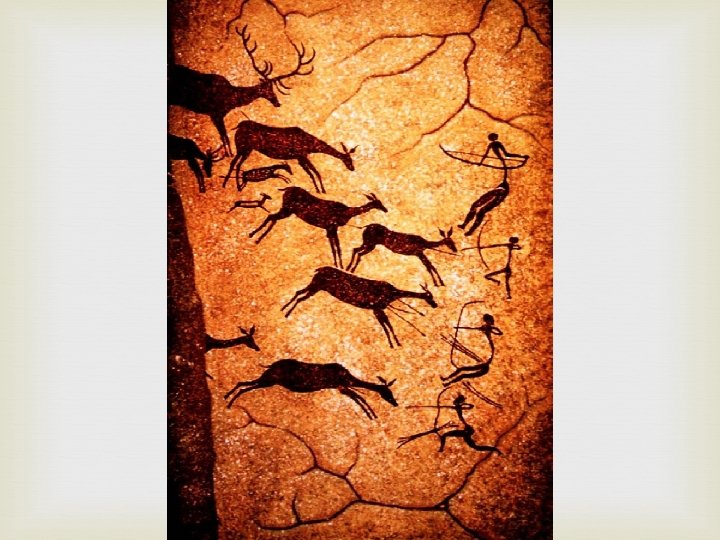
19. 10 Hunter/Gatherer Earliest hominids were hunter/scavenger/gatherers Tool manufacture allowed for more efficient hunting Division of labor
19. 11 Agriculture People settled in one place and began growing crops and domesticating animals Led to population increases, food surplus, and accumulation of wealth Not all people in a community had to grow food and other occupations and interests developed
19. 12 Industrialization Use of complex tools, machines and technology has industrialized our culture Has allowed for even greater population growth due to Better sanitation Better nutrition Better healthcare As a result we have caused significant changes to the earth’s surface