
Human Body Systemsan overview of Anatomy and PhysiologyNotes
Human Body Systems-an overview of Anatomy and Physiology-Notes
The Nervous System • General info--- • Controls and coordinates functions and _______________________ • The messages carried by the nervous systems are electrical SIGNALS called____________. • These impulse carrying cells are called___________. Responds to internal and external stimuli impulses neurons
• 3 types according to direction: • __________from sense organs to spinal cord and brain • Motors neurons carry from brain and spinal cord to muscles and glands. • ______connect sensory and motor neurons and carry impulses between them Sensory neurons interneurons
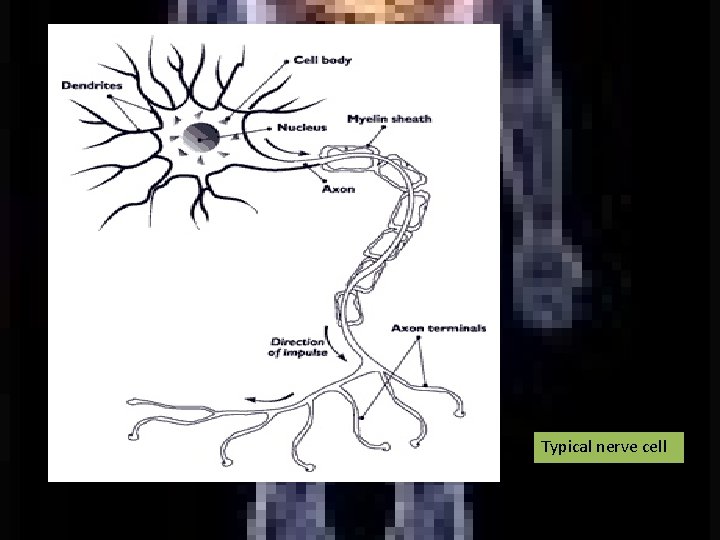
Typical nerve cell

• Cell body-nucleus and cytoplasm • ________-extensions that carry impulse from environment or other neurons to cell body • _____-long fiber carrying away from cell body • _____ contain neurotransmitter chemicals to transfer impulse • The myelin sheath is an insulating membrane dendrites axons Axon terminals
• Nerves are made of a few to thousands of neurons • An impulse begins when the nerve is stimulated by the environment or other neurons • An _____results from a temporary influx of positive ions(Na+ ions in)-as impulse follows K+ ions flow out to restore to resting potential • ______-location at which a neuron can transfer an impulse to another cell. Action potential synapse
Divisions of Nervous System • Central nervous System relays messages, processes them and analyzes infobrain and spinal cord • CNS has 3 layers of connective tissue called ____________ meninges
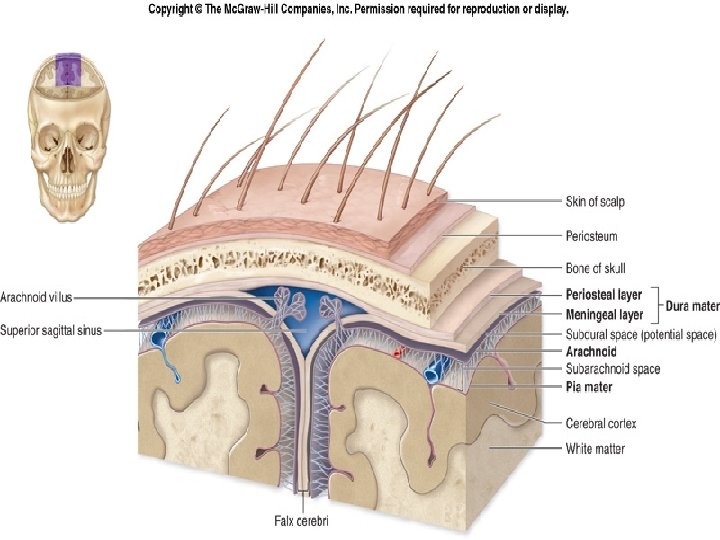

• Fluid within meninges is called_________________CSF Cerebral spinal fluid
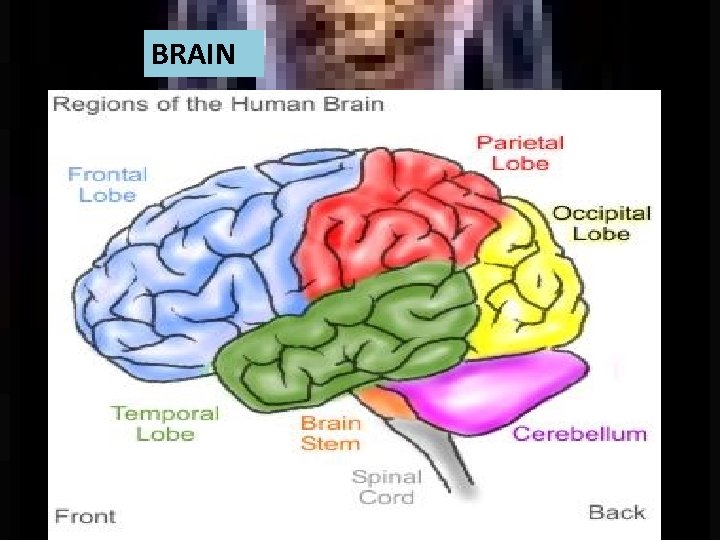
BRAIN

• ______________-largest and most prominent part of human brain-voluntary, conscious activities, intelligence, judgement, learning • Connecting hemisphere_____________________, one side controls opposite side of body, outer layer cerebral cortex-gray matter-packed nerve cell bodies , CEREBRAL CORTEX-processes info from sense organs and control body movements/and inner layer-white matter (axons w/myelin sheaths)and controls connects cortex and brain stem cerebrum Corpus collasum
• _________-2 nd largest region at back –coordinates and balances actions of muscles • ______-connects brain and spinal cord-pons and medulla oblongata-neural “switch-boards’-controls blood pressure, heart rate, ___________ • The thalamus and hypothalamus---between brain stem and cerebrum-Thalamus receives info from sensory receptors and directs to cerebrum for processing/hypothalamus recognizes and analyzes hunger, thirst, fatigue, anger and body temperature and coordinates nervous and endocrine systems cerebellum Brain stem Breathing and swallowing
• Spinal Cord-31 pairs of spinal nerves branching out • PNS-Peripheral Nervous System-outside CNS-sensory division takes impulses from sense organs to CNS and _______________-takes impulses from CNS to muscles or glands • ____________Nervous System-activities under conscious control • Autonomic NS regulates automatic or involuntary response…. . Sympathetic system increase , for example , heart rate while parasympathetic decreases heart rate Motor division sympathetic
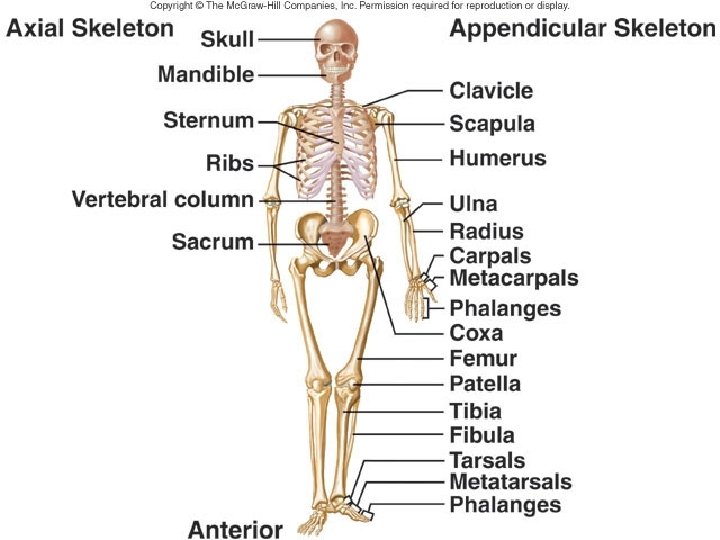
SKELETAL SYSTEM • General info • Functions in protection, movement and mineral reserves, blood cell formation • _______adult bones • Axial and ___________ skeleton 206 appendicular
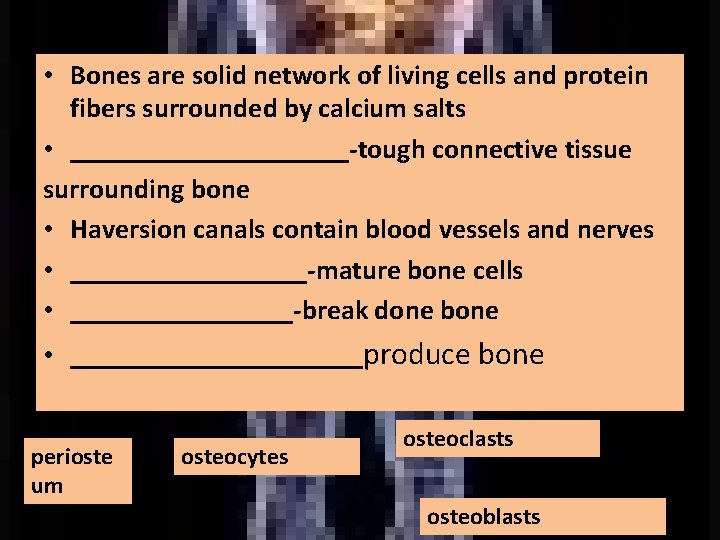
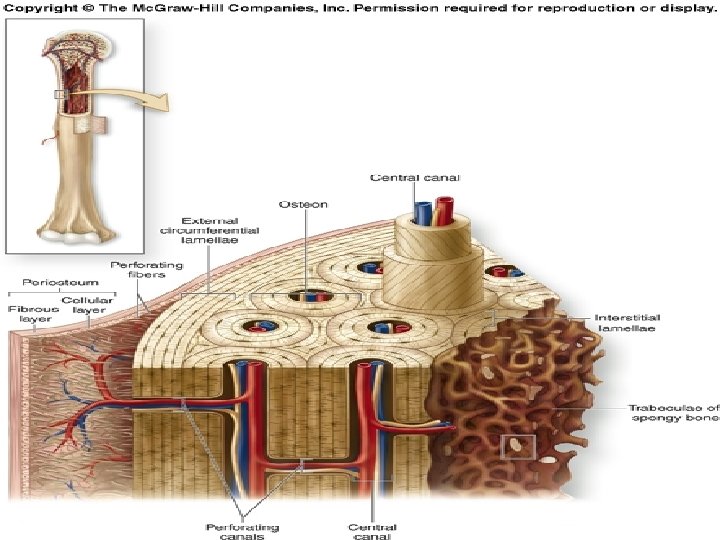
• Bones are solid network of living cells and protein fibers surrounded by calcium salts • __________-tough connective tissue surrounding bone • Haversion canals contain blood vessels and nerves • _________-mature bone cells • ________-break done bone • ___________produce bone perioste um osteocytes osteoclasts osteoblasts

• 3 types of joints-immovable, slightly movable and freely movable • _____________--hold bones together in a joint ligaments
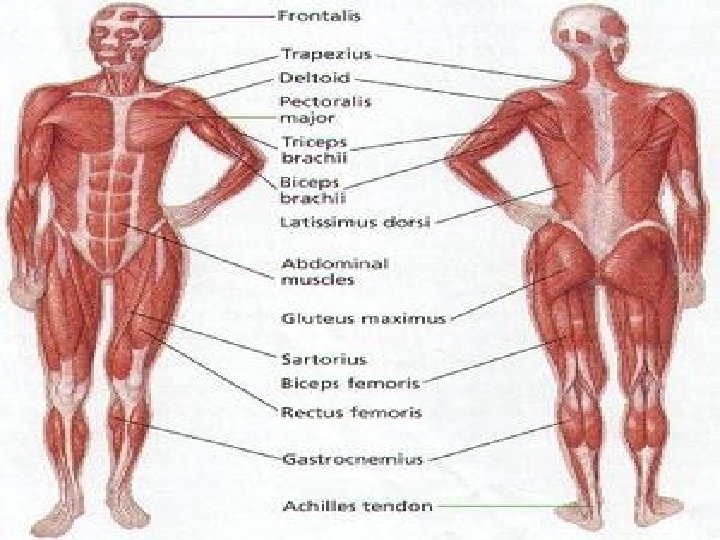
MUSCULAR SYSTEM_ • Skeletal, smooth and cardiac • Proteins myosin and _________control contractions • Fueled by ATP • Neurotransmitter ___________controls muscle innervations • _________-attach muscle to bones actin acetylcholine tendons
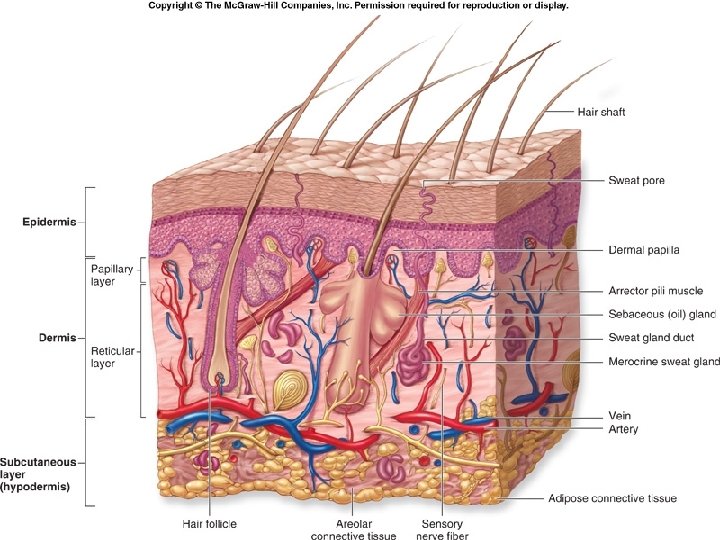
THE INTEGUMENTARY SYSTEM- • General info-skin, hair nails, some glands and body coverings • _______--barrier against infection and injury, helps regulate body temp, remove waste and some protection from UV rays • Skin has 2 layers: ________ which has an outer dead layer, living cells below with keratin-, melanin producing cells and ________which contains collagen, blood vessels, nerve endings, glands(sweat and sebaceous glands), sensory receptors, smooth muscles and hair • Follicles-below dermis is subcutaneous fatty tissue and loose connective tissue skin epidermis
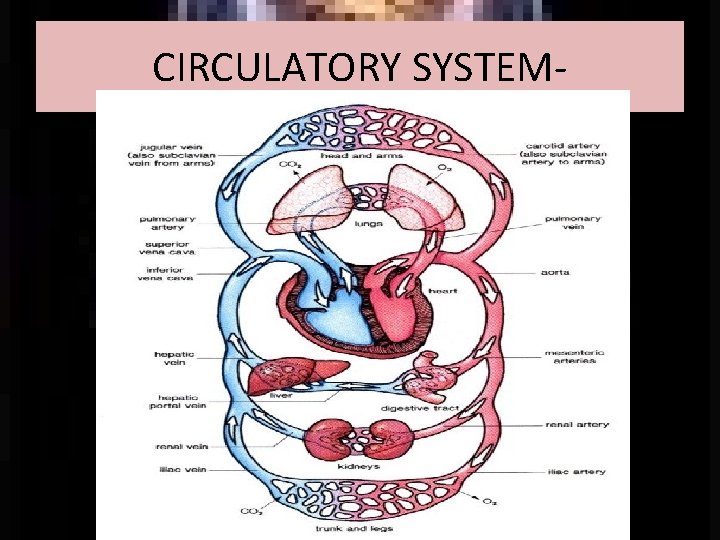
CIRCULATORY SYSTEM-
• Heart and blood vessels • Heart is a muscle called _______________ • Surrounded by protective tissue called __________________ • Average contractions 72 beats /min • 4 chambered 2 upper atria and 2 lower ventricles/septum to prevent mixing of O 2 rich and O 2 poor blood myocardium pericardium
• Right side pumps from heart to lungs____________ and left side to rest of body_______ • Circulation through heart-blood enters heart through left and right atria, contracts, then out ventricles to body or lungs • __________-flaps preventing backflow Pulmonary circulation Systemic circulation valves
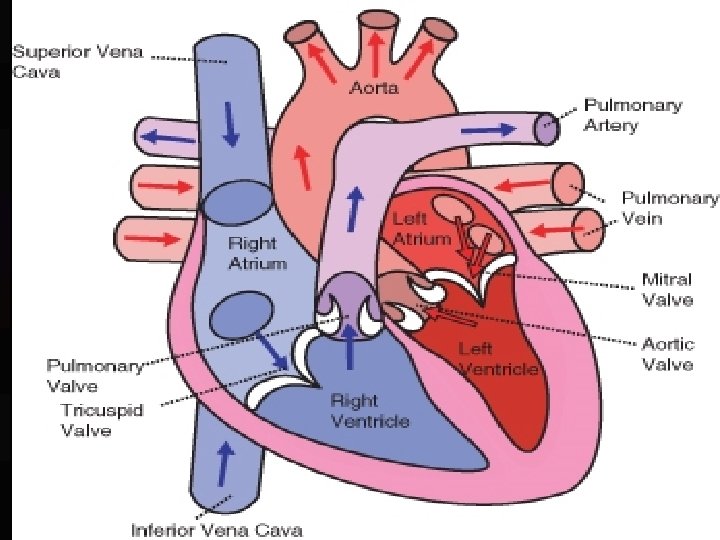
• ____________carry O 2 rich blood from heart to tissues(with exception of pulmonary artery) • ________________-smallest vessels responsible for gas diffusion and transport of nutrients • __________-returns O 2 poor blood to heart • Blood pressure- : Systolic-force felt in arteries when ventricles contract =120/80 • Diastolic-force of blood felt in arteries when ventricles relax arteries capillaries veins
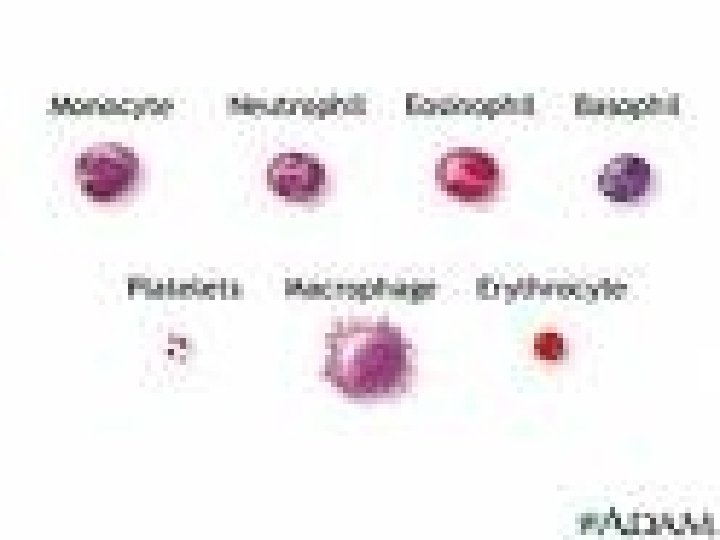
• BLOOD_ • RBC’s (5 mill/1 milliter)transport O 2 w/ hemoglobin, old red blood cells disposed in liver and spleen • WBC’s much lesser in #-guard against infection, lymphocytes produce antibodies • _______-enable blood clotting platelets
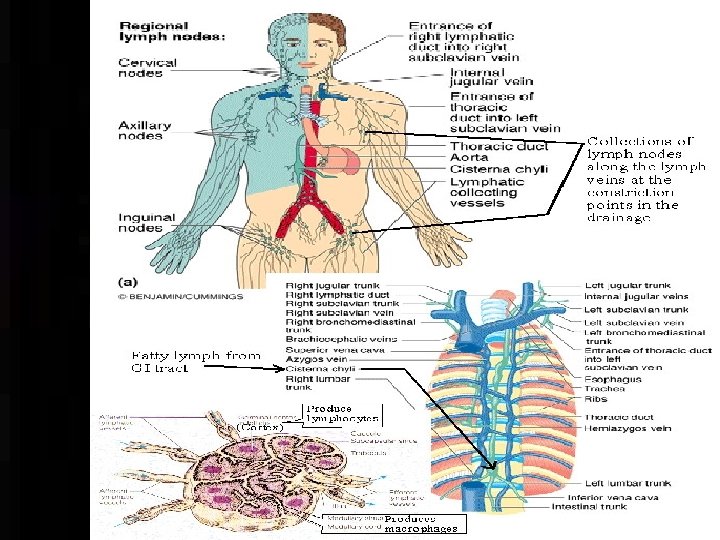
• Lymphatic System-network of vessels, nodes and organs that collect fluid lost by blood____________-and return it to circulatory system-filtering out bacteria , etc. and absorb nutrients-includes thymus and spleen lymph
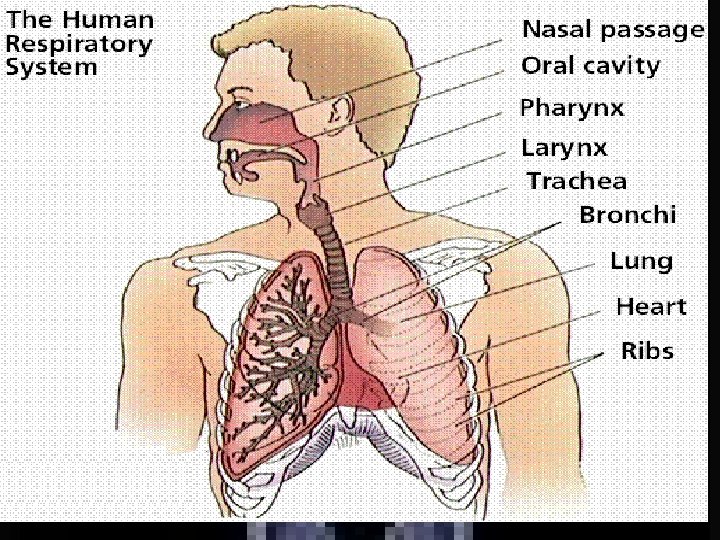
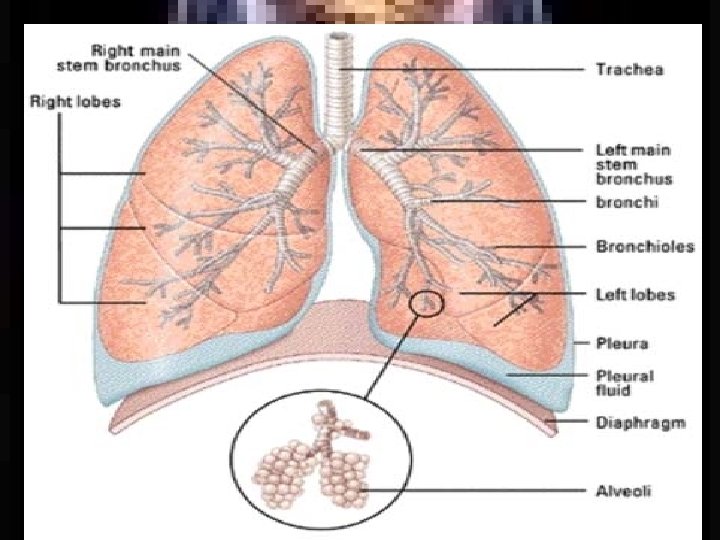
• RESPIRATORY SYSTEM • Process of gas exchange • Bring exchange of O 2 and CO 2 between blood, air and tissues
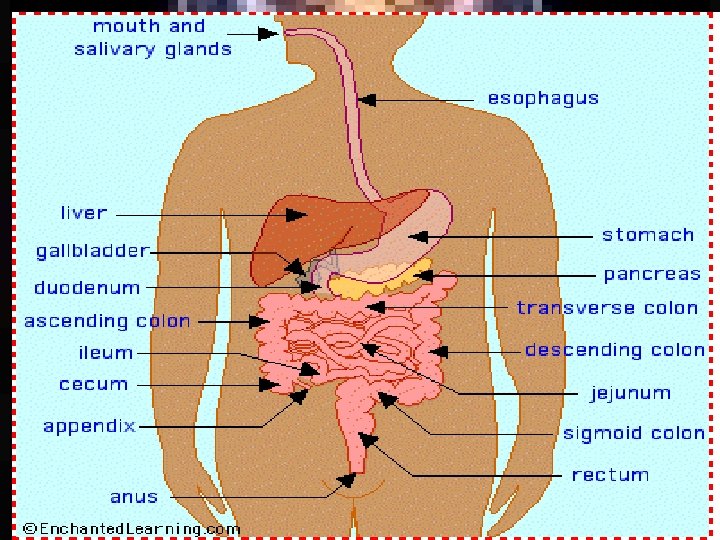
• DIGESTIVE SYSTEM • Mouth-mastication-chewing and chemical break down with ____________ • Esophagus-with muscular action food passes from mouth down to stomach • Stomach-Chemically HCl activates __________-digestive enzyme • Mechanically stomach churns and mixes fluids and foods into __________ and then empties into small intestine • Small intestine-1 st-____________ where almost all digestive enzymes enter-mix w/fluids from pancreas(an accessory digestive gland) and liver-bile disperses fat/then jejunum and illium-all main function absorption of nutrients • Next large intestine-minus chyme-functions in removing water from what is left • Next rectum pepsin Salivary amylase chyme duodenum
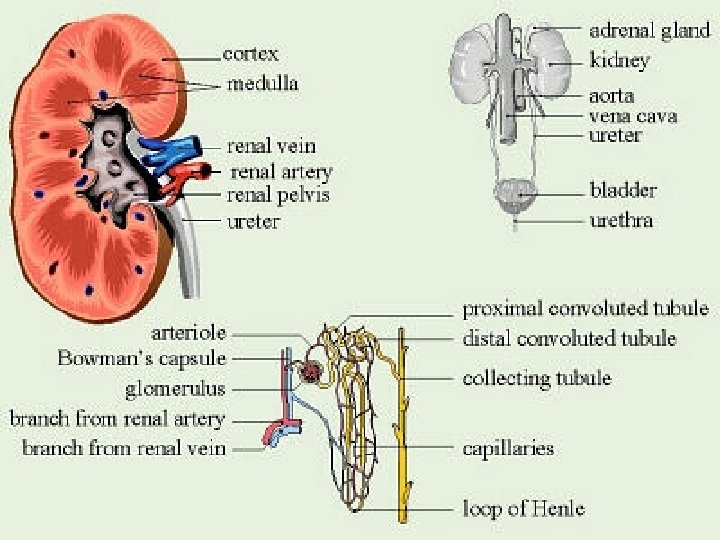
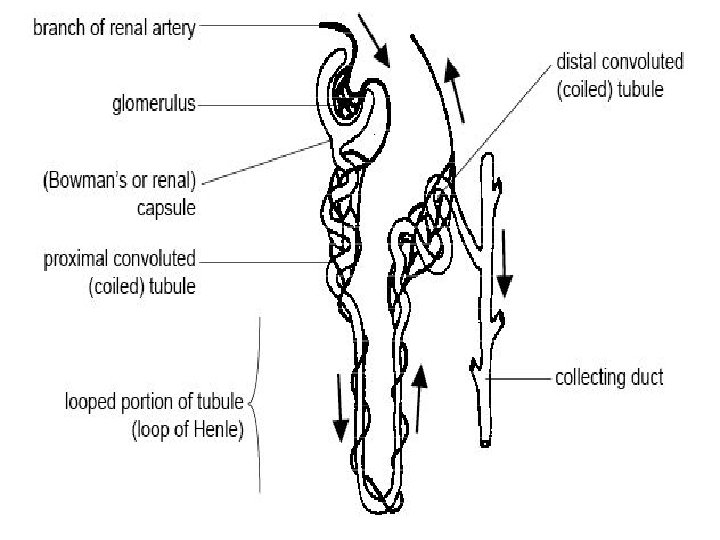
EXCRETORY SYSTEM- • Remove waste from blood, maintain p. H in blood, regulate water and blood volume • Kidney-functional units are______________each with its own blood supply-impurities are filtered out and enter collecting duct, purified blood exits • _________capillaries encased by bowman’s capsule-their filtrate enters-water, urea, glucose, salts, amino acids and vitamins-much renters blood • Remaining material is _________(inc. urea, salts and water)-collects in loop of Henle, where water is conserved and urine goes into bladder and out ________ • nephrons glomerulus urine urethra
- Slides: 42