
Human Body Organization Levels 1 Chemical 2 Cellular
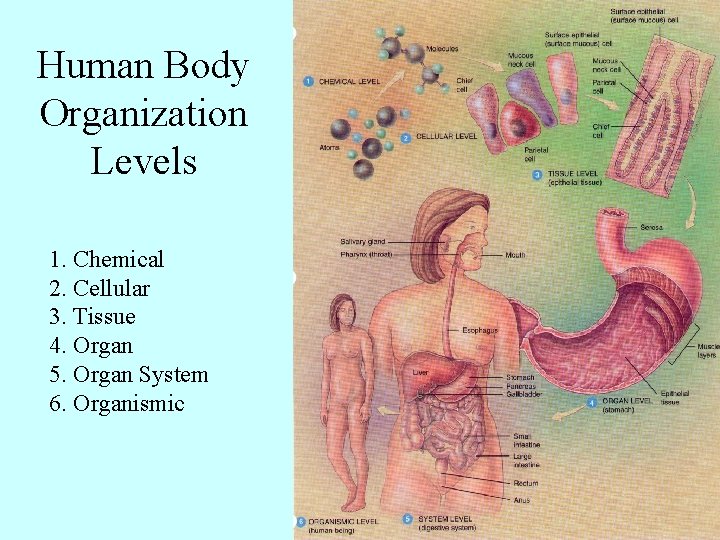
Human Body Organization Levels 1. Chemical 2. Cellular 3. Tissue 4. Organ 5. Organ System 6. Organismic
Chemical Bonds • A union between the electron structures of atoms • Atoms can have several orbiting shells that hold their electrons • the innermost shell holds a maximum of 2 electrons • the outer (or valence) shells can hold up to 8 electrons • If the outer shell is complete then the atom is not reactive • If the outer shell is not complete then the atom is reactive • It tries to fill its outer shell with the electrons from other atoms • This is the basis of Chemical Reactions and Chemical Bonds • There are three type of Chemical Bonds in the Human Body • Ionic • Covalent • Hydrogen
Chemical Level • Elements • H • C • O • Compounds • Na. Cl • KCl • Ions • Na+ • K + • Cl • Ca++ • Mg++ • Molecules • O 2 • C 6 H 12 O 6 • Macromolecules • Proteins • amino acids • Lipids • fatty Acids • Carbohydrates • monosaccharides • Nucleic Acids • nucleotides
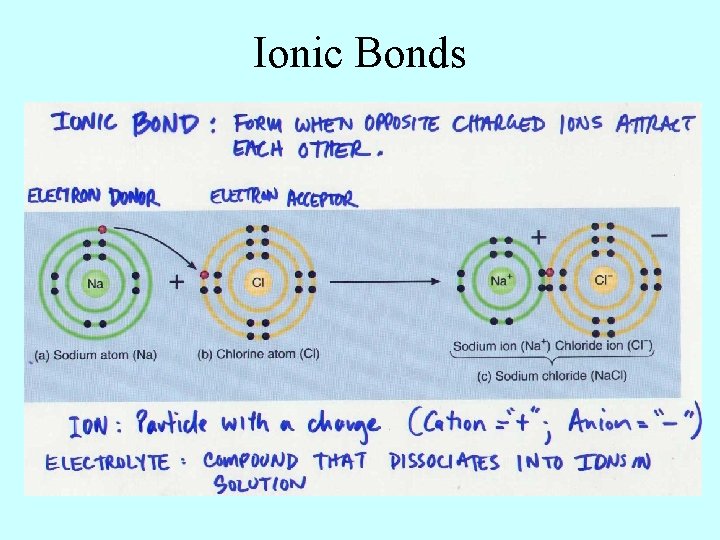
Ionic Bonds
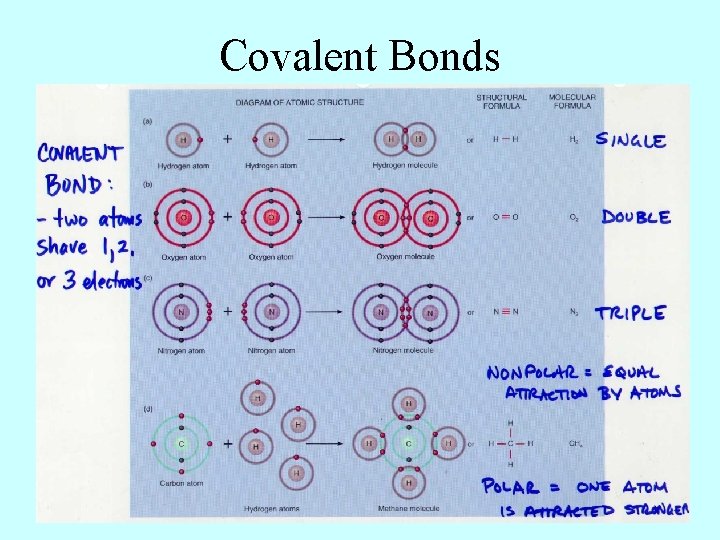
Covalent Bonds
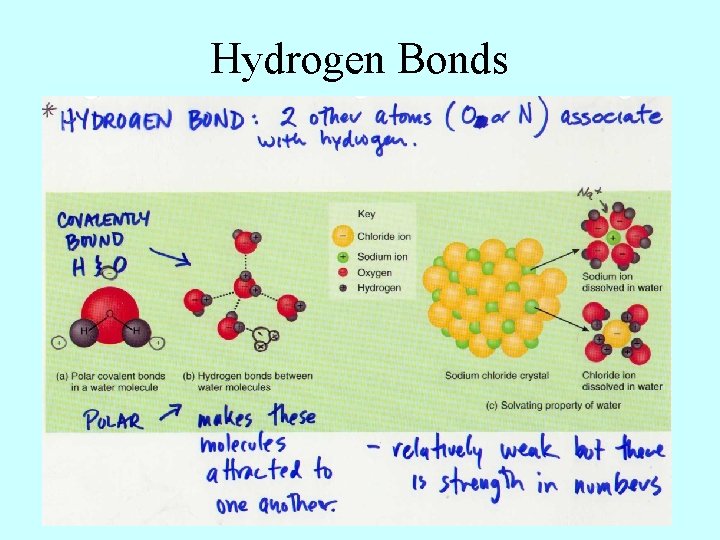
Hydrogen Bonds
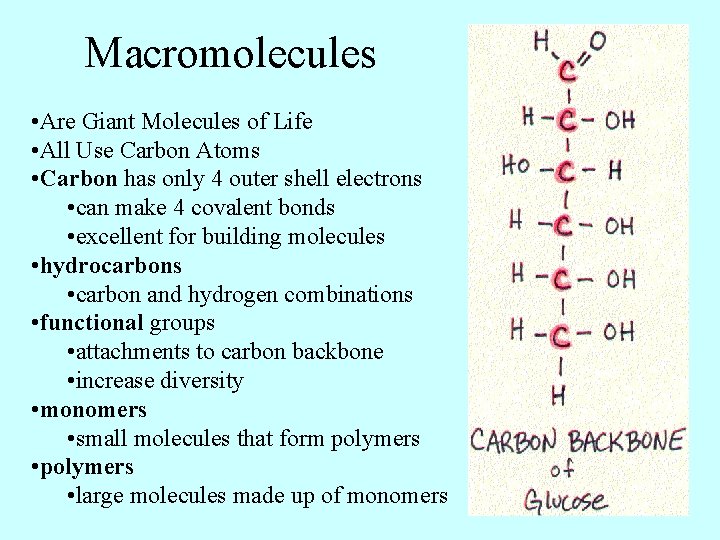
Macromolecules • Are Giant Molecules of Life • All Use Carbon Atoms • Carbon has only 4 outer shell electrons • can make 4 covalent bonds • excellent for building molecules • hydrocarbons • carbon and hydrogen combinations • functional groups • attachments to carbon backbone • increase diversity • monomers • small molecules that form polymers • large molecules made up of monomers
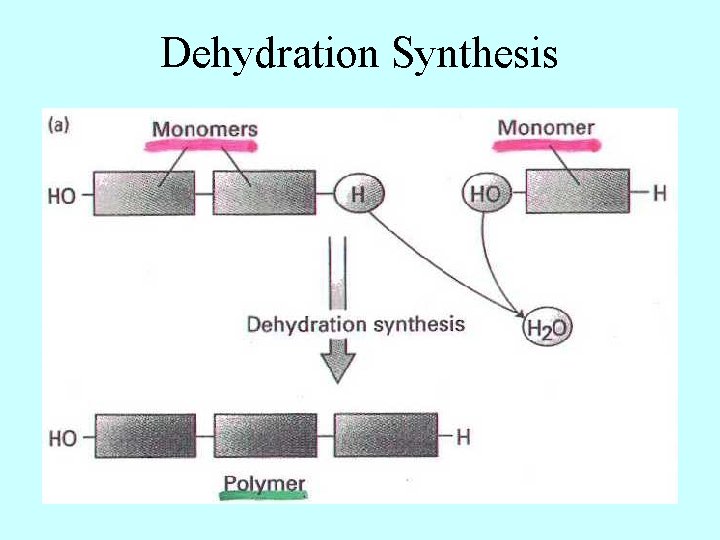
Dehydration Synthesis
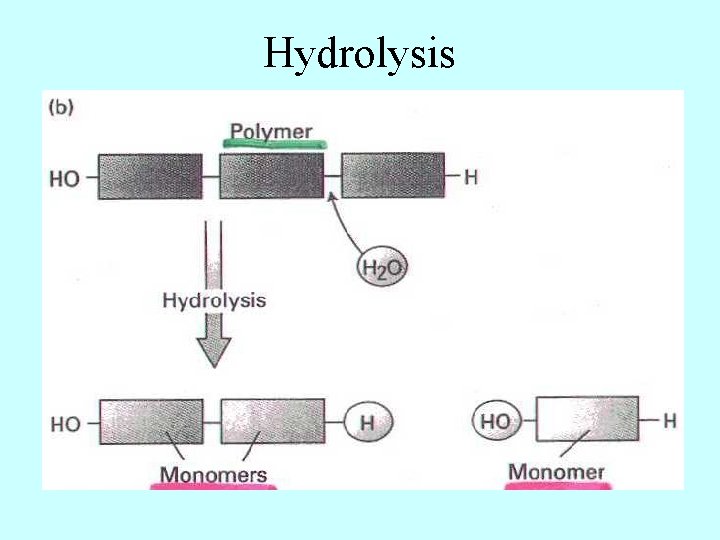
Hydrolysis
Metabolism • all the chemical reactions by which cells use and acquire energy. • Anabolism: • involves building of complex molecules from simple molecules • this requires energy • Catabolism: • involves the breaking down of complex molecules into smaller ones • this process results in the acquisition of energy • in the form of adenosine triphosphate or ATP • Cellular Metabolism (Cellular Respiration): • how each cell transfers glucose and oxygen into ATP
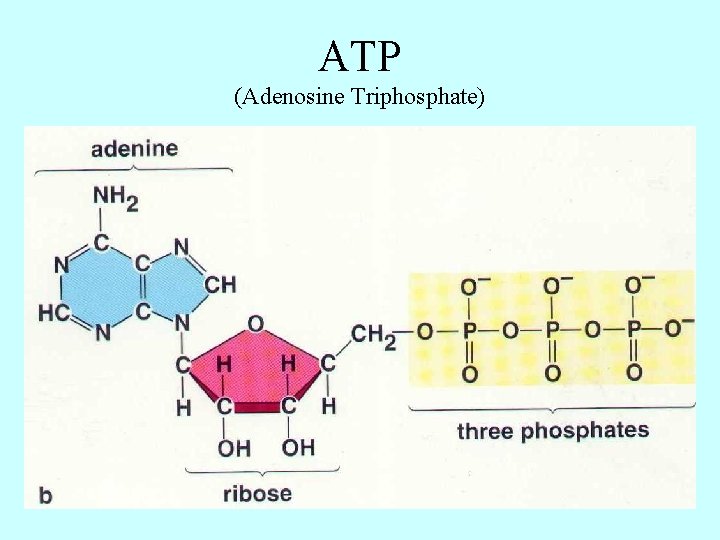
ATP (Adenosine Triphosphate)
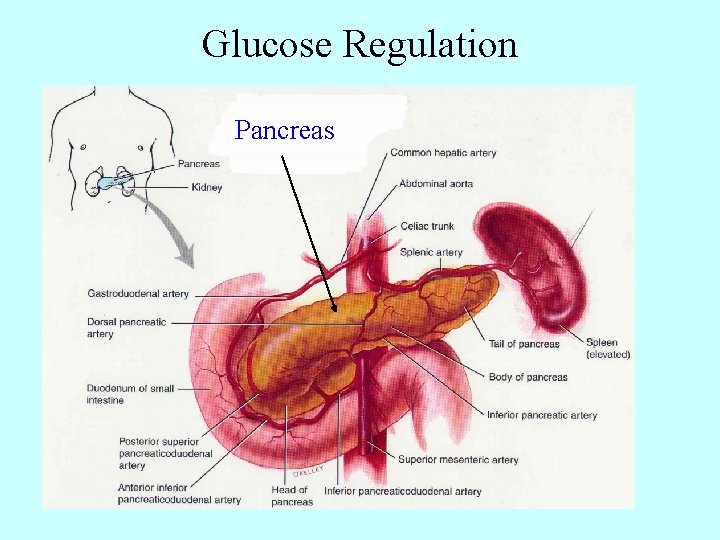
Glucose Regulation Pancreas

Pancreatic Cells
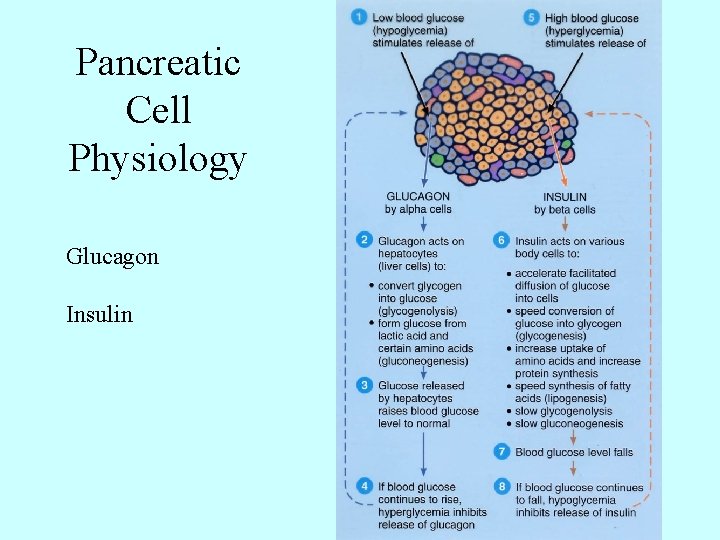
Pancreatic Cell Physiology Glucagon Insulin
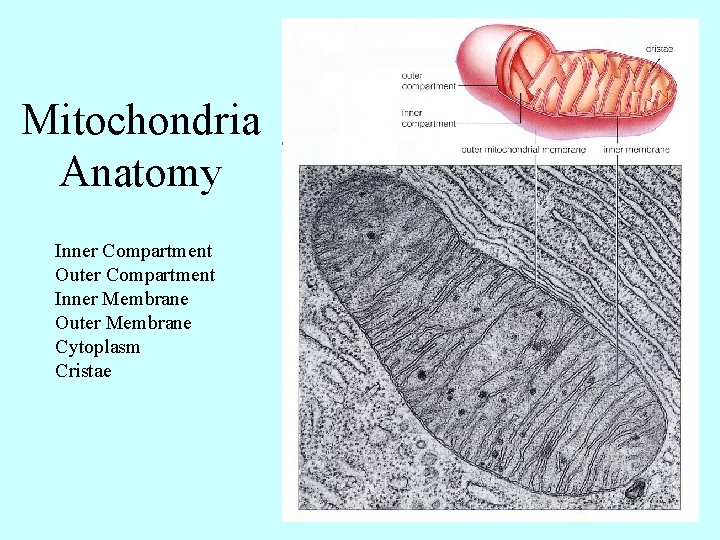
Mitochondria Anatomy Inner Compartment Outer Compartment Inner Membrane Outer Membrane Cytoplasm Cristae
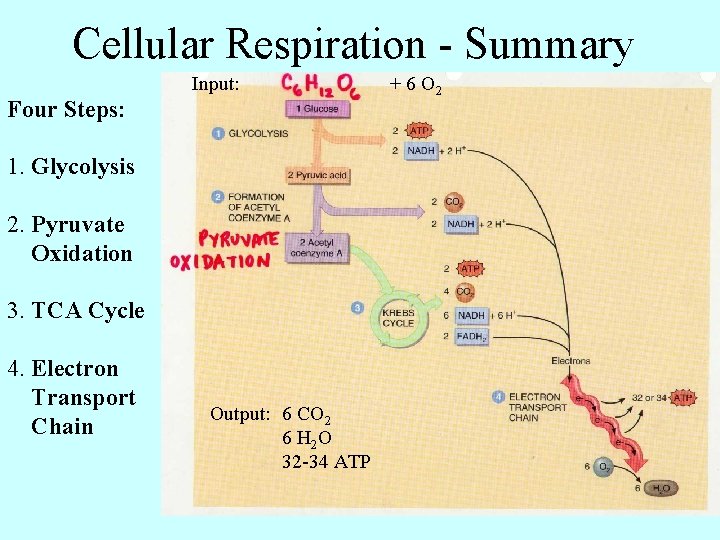
Cellular Respiration - Summary Input: Four Steps: 1. Glycolysis 2. Pyruvate Oxidation 3. TCA Cycle 4. Electron Transport Chain Output: 6 CO 2 6 H 2 O 32 -34 ATP + 6 O 2
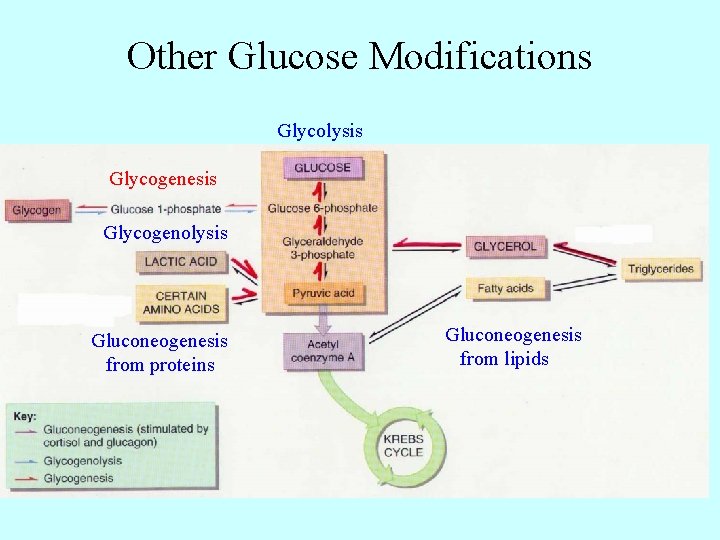
Other Glucose Modifications Glycolysis Glycogenesis Glycogenolysis Gluconeogenesis from proteins Gluconeogenesis from lipids
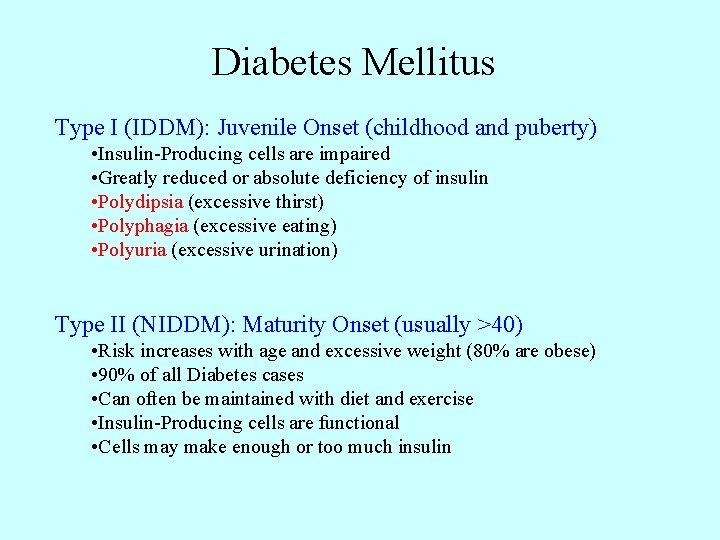
Diabetes Mellitus Type I (IDDM): Juvenile Onset (childhood and puberty) • Insulin-Producing cells are impaired • Greatly reduced or absolute deficiency of insulin • Polydipsia (excessive thirst) • Polyphagia (excessive eating) • Polyuria (excessive urination) Type II (NIDDM): Maturity Onset (usually >40) • Risk increases with age and excessive weight (80% are obese) • 90% of all Diabetes cases • Can often be maintained with diet and exercise • Insulin-Producing cells are functional • Cells may make enough or too much insulin
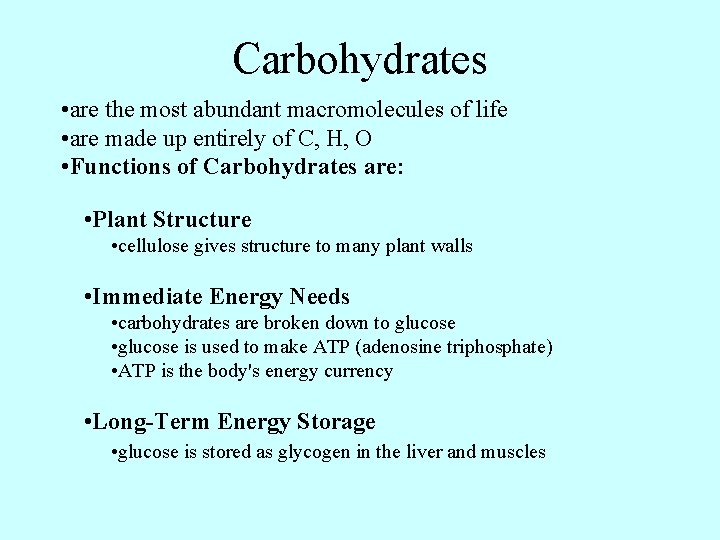
Carbohydrates • are the most abundant macromolecules of life • are made up entirely of C, H, O • Functions of Carbohydrates are: • Plant Structure • cellulose gives structure to many plant walls • Immediate Energy Needs • carbohydrates are broken down to glucose • glucose is used to make ATP (adenosine triphosphate) • ATP is the body's energy currency • Long-Term Energy Storage • glucose is stored as glycogen in the liver and muscles
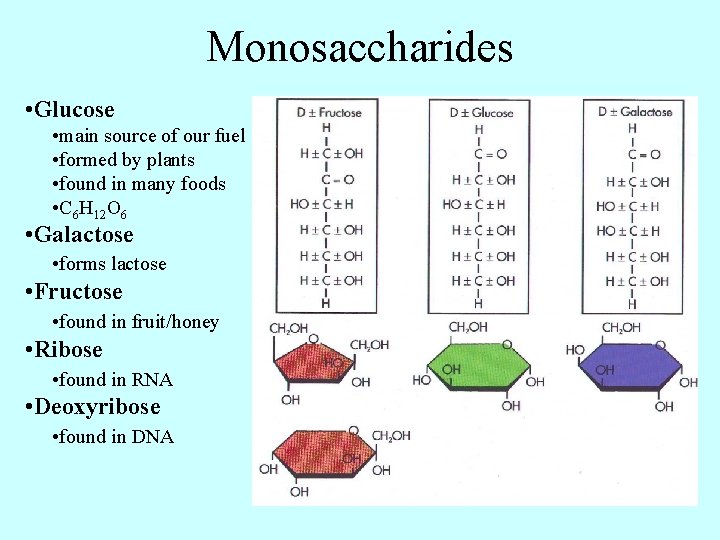
Monosaccharides • Glucose • main source of our fuel • formed by plants • found in many foods • C 6 H 12 O 6 • Galactose • forms lactose • Fructose • found in fruit/honey • Ribose • found in RNA • Deoxyribose • found in DNA
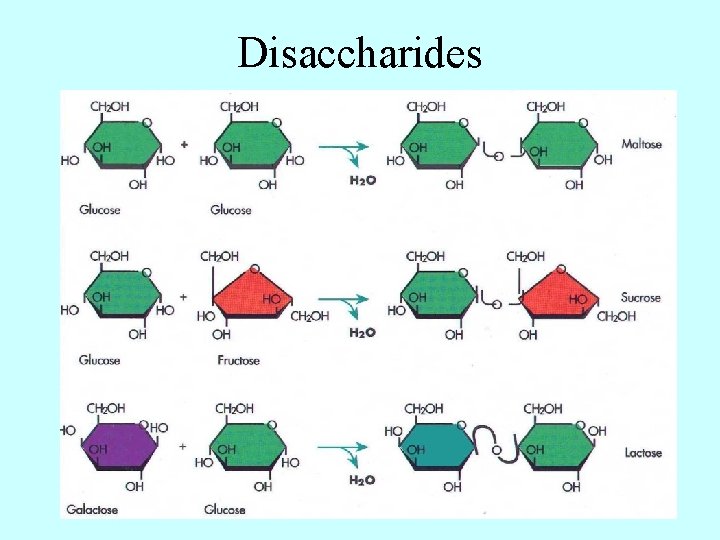
Disaccharides
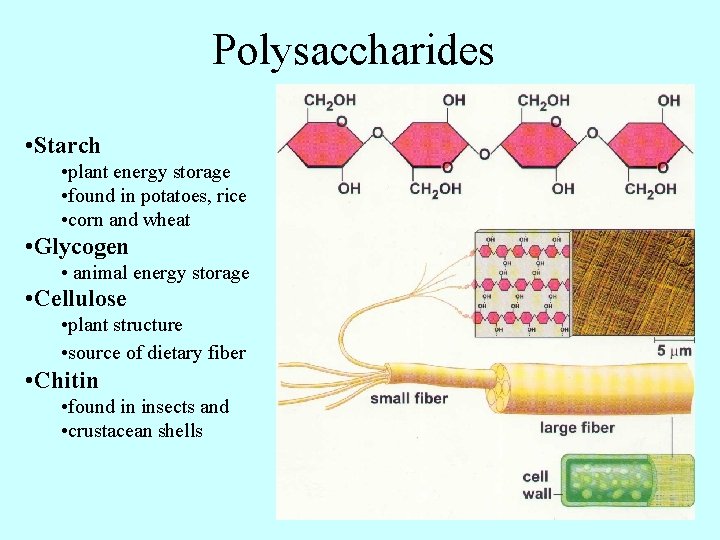
Polysaccharides • Starch • plant energy storage • found in potatoes, rice • corn and wheat • Glycogen • animal energy storage • Cellulose • plant structure • source of dietary fiber • Chitin • found in insects and • crustacean shells
Proteins • are composed of chains of amino acids held together by peptide bonds • are polymers made from a set of 20 monomers or amino acids • The Function of Proteins are: • Body and Cellular Support • collagen in your skin, hair, bones, and arteries provide strength • CAM (cell adhesion molecule) proteins anchor cells together • Organ and Body Movement • actin and myosin filaments in muscle regulate muscle contraction • Cellular Communication • receptors, hormones, and MHC proteins allow cellular communicate • Transportation of Nutrients • hemoglobin carries oxygen via red blood cells throughout the body • Regulation of Physiological Functions • enzymes, hormones, and neurotransmitters regulate many activities
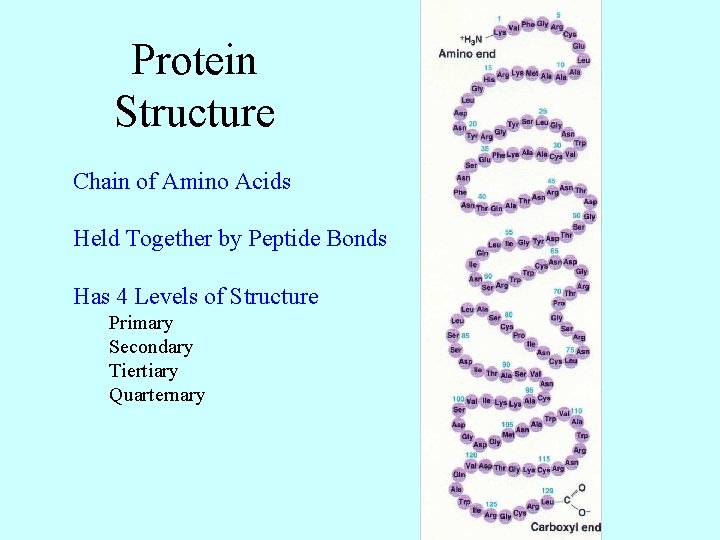
Protein Structure Chain of Amino Acids Held Together by Peptide Bonds Has 4 Levels of Structure Primary Secondary Tiertiary Quarternary
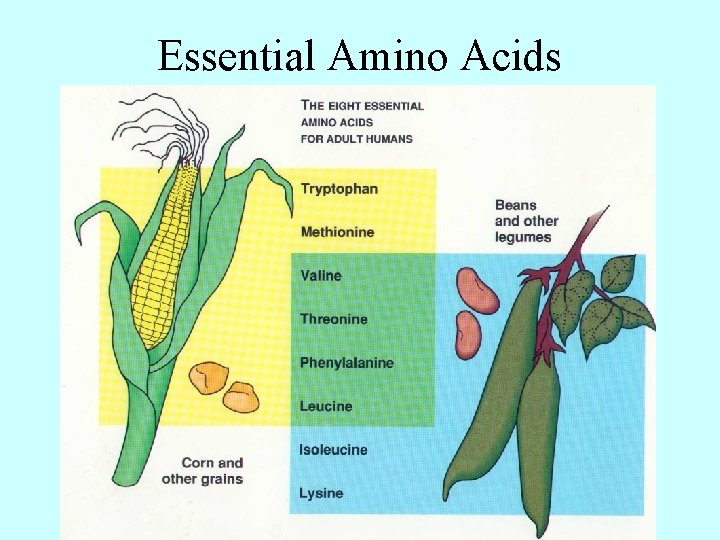
Essential Amino Acids
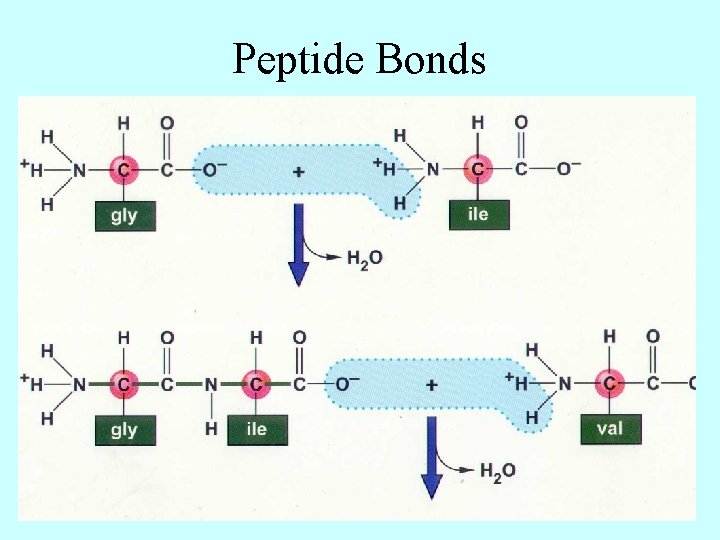
Peptide Bonds
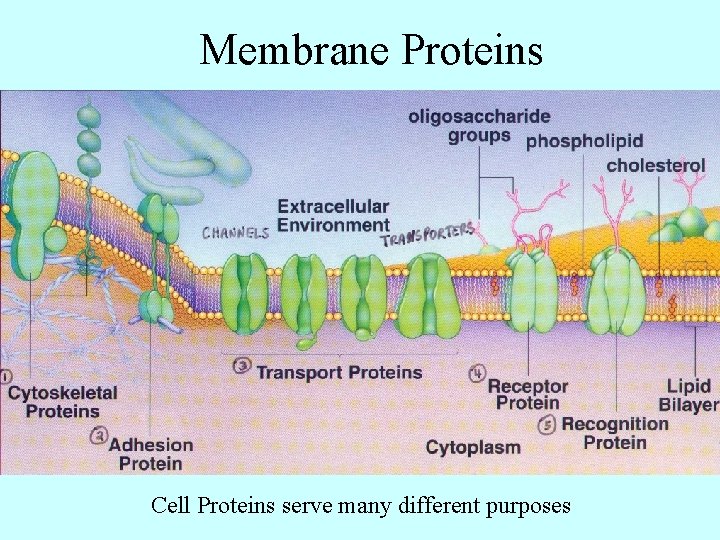
Membrane Proteins Cell Proteins serve many different purposes
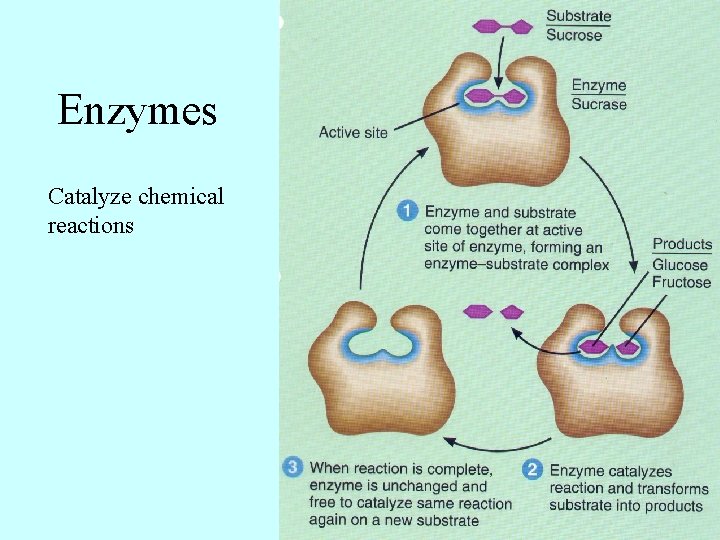
Enzymes Catalyze chemical reactions
Lipids • are non-polar molecules and are therefore not soluble in water • Functions of Lipids are: • Cell Structure • phospholipids and cholesterol make-up each cell's plasma membrane • Long-Term Energy Storage • triglycerides are stored in adipose or "fat" tissue • Hormonal Regulation • steroid hormones regulate reproduction • Organ Protection • fats surround organs and offer protection from wear and tear • Insulation • fats fill the outer layers of the body to insulate us from cold temperatures
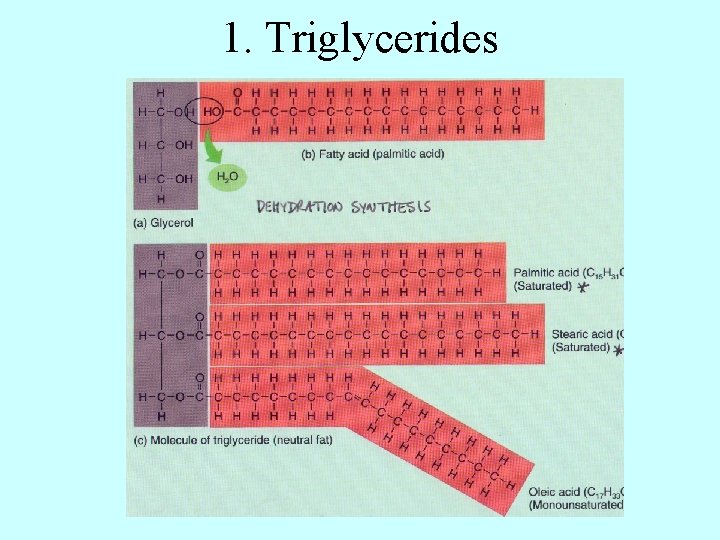
1. Triglycerides
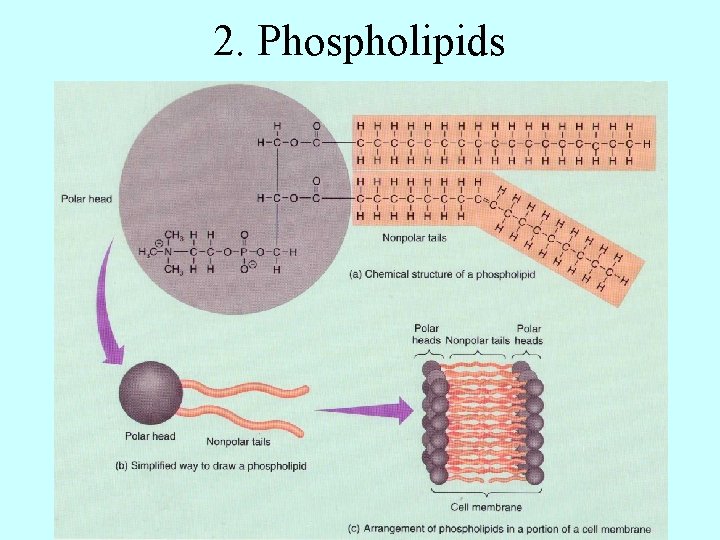
2. Phospholipids
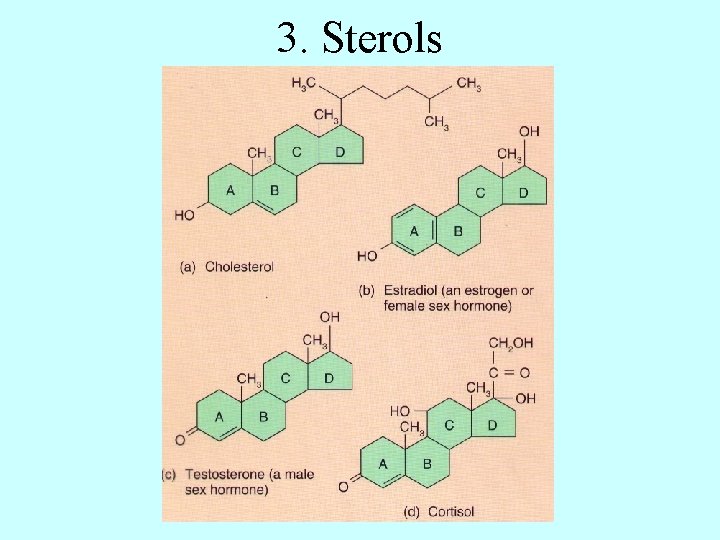
3. Sterols
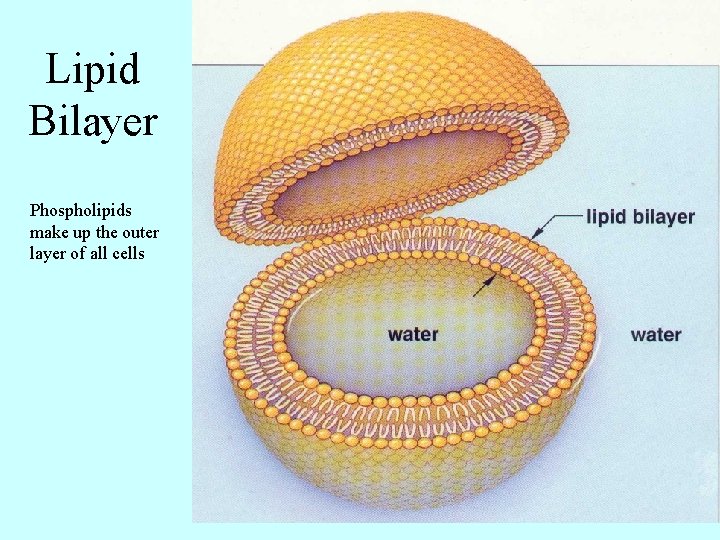
Lipid Bilayer Phospholipids make up the outer layer of all cells
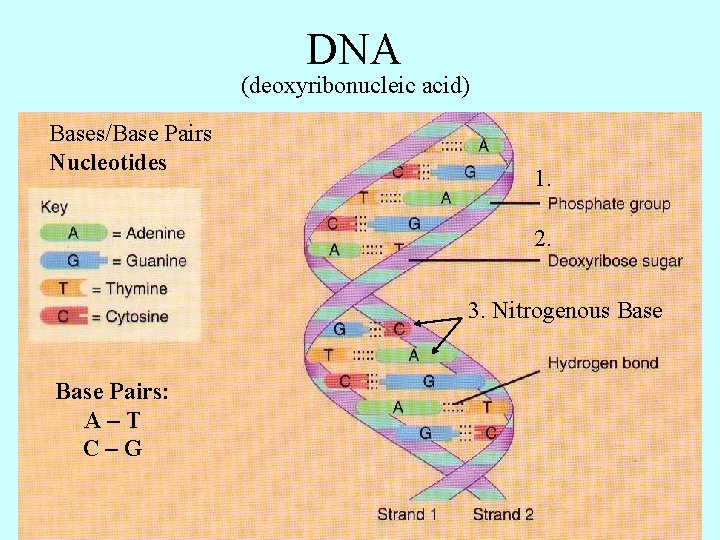
DNA (deoxyribonucleic acid) Bases/Base Pairs Nucleotides 1. 2. 3. Nitrogenous Base Pairs: A–T C–G
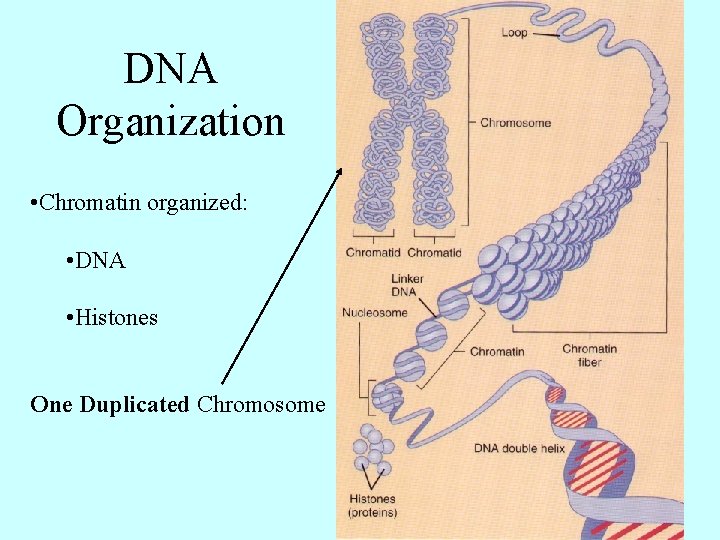
DNA Organization • Chromatin organized: • DNA • Histones One Duplicated Chromosome
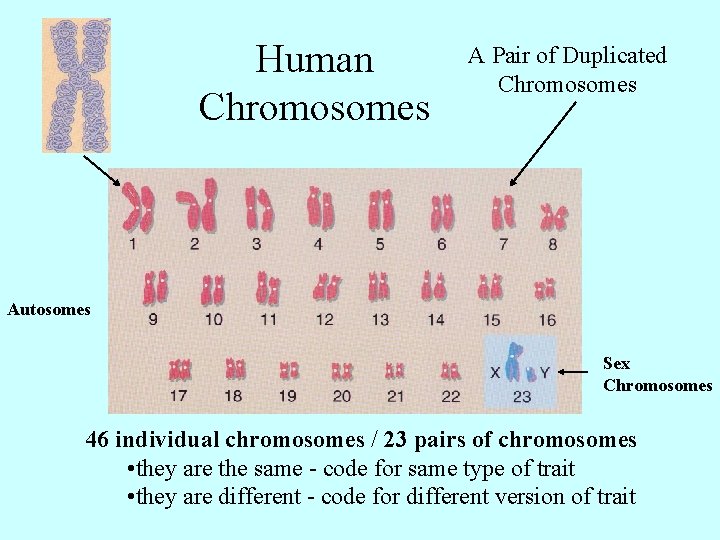
Human Chromosomes A Pair of Duplicated Chromosomes Autosomes Sex Chromosomes 46 individual chromosomes / 23 pairs of chromosomes • they are the same - code for same type of trait • they are different - code for different version of trait
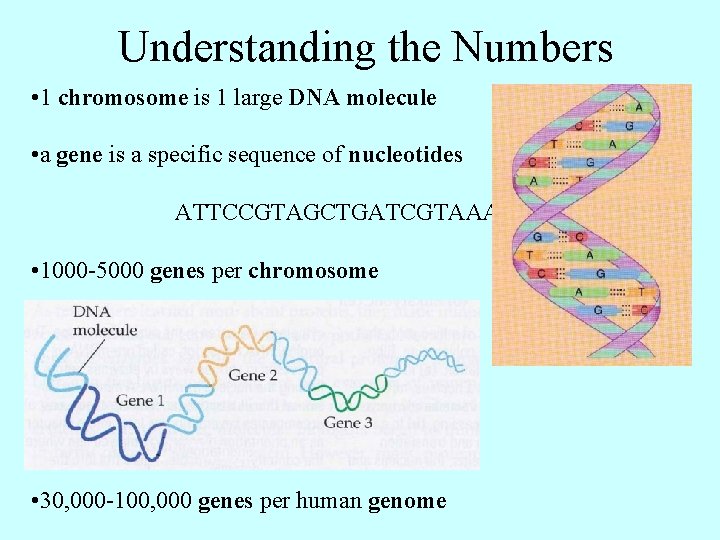
Understanding the Numbers • 1 chromosome is 1 large DNA molecule • a gene is a specific sequence of nucleotides ATTCCGTAGCTGATCGTAAAGGG • 1000 -5000 genes per chromosome • 30, 000 -100, 000 genes per human genome
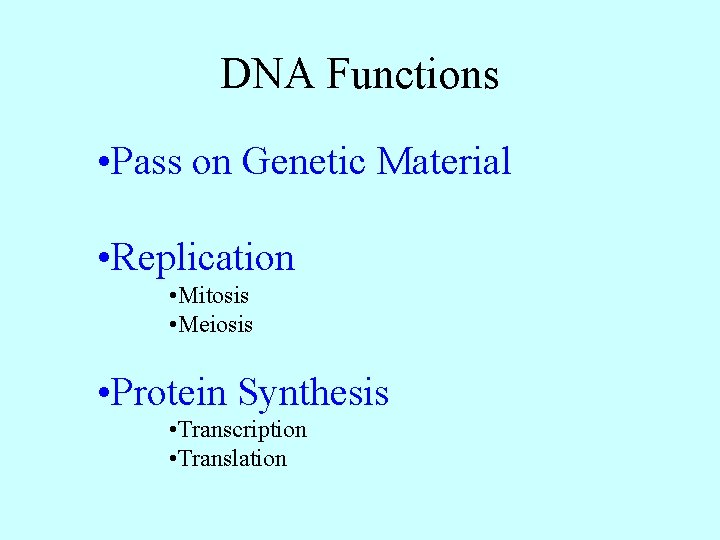
DNA Functions • Pass on Genetic Material • Replication • Mitosis • Meiosis • Protein Synthesis • Transcription • Translation
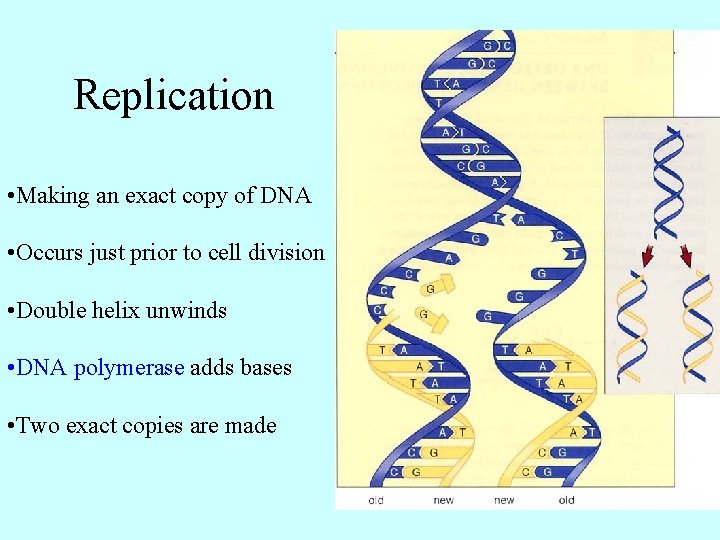
Replication • Making an exact copy of DNA • Occurs just prior to cell division • Double helix unwinds • DNA polymerase adds bases • Two exact copies are made
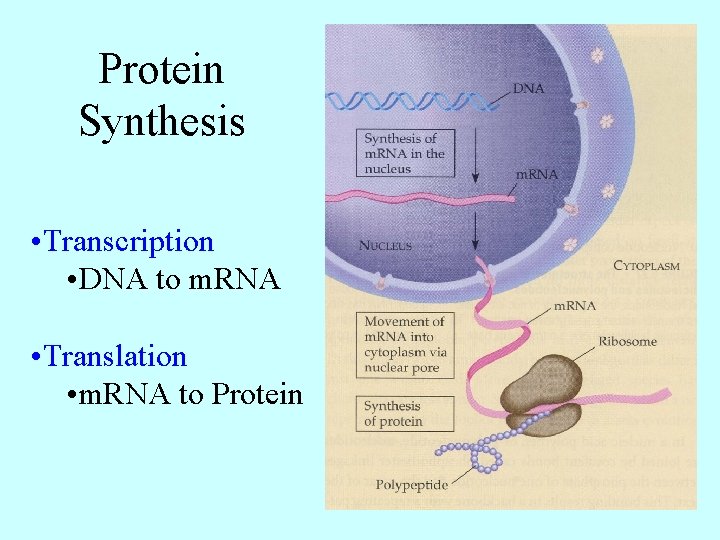
Protein Synthesis • Transcription • DNA to m. RNA • Translation • m. RNA to Protein
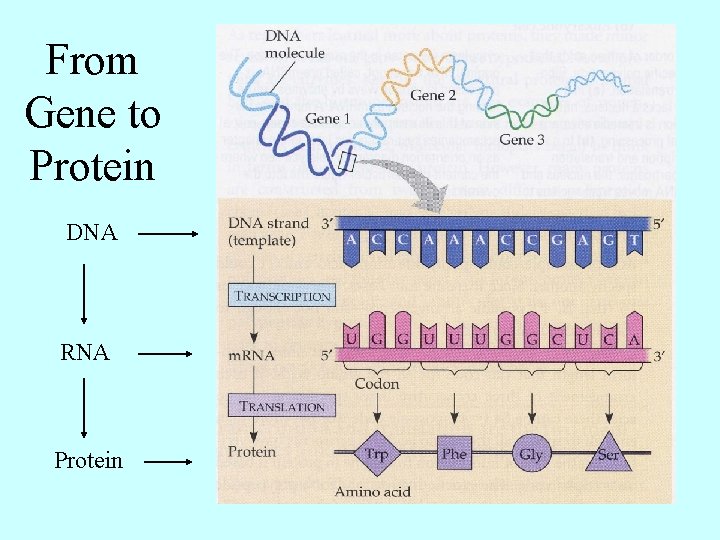
From Gene to Protein DNA RNA Protein
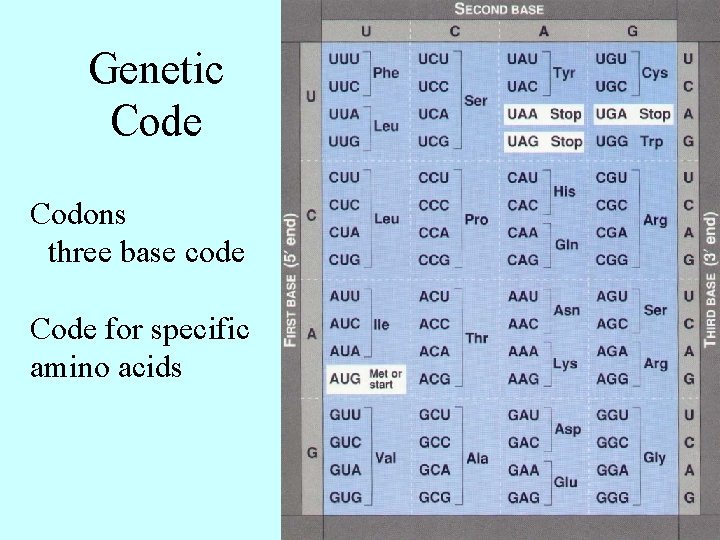
Genetic Code Codons three base code Code for specific amino acids
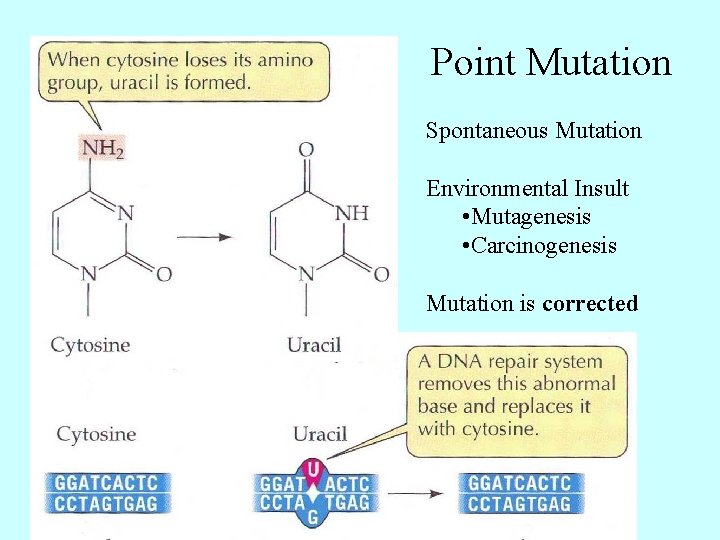
Point Mutation Spontaneous Mutation Environmental Insult • Mutagenesis • Carcinogenesis Mutation is corrected
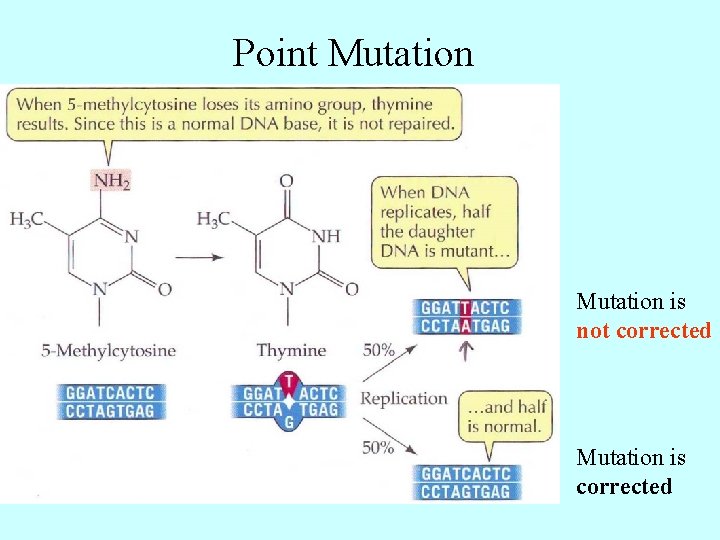
Point Mutation is not corrected Mutation is corrected
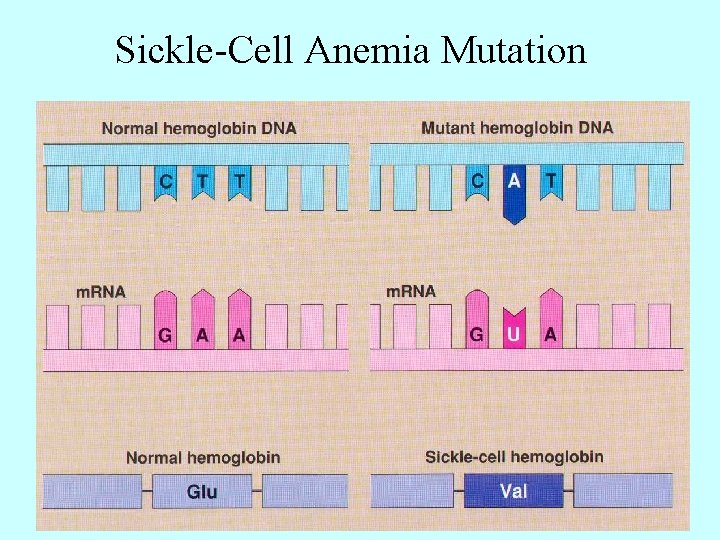
Sickle-Cell Anemia Mutation
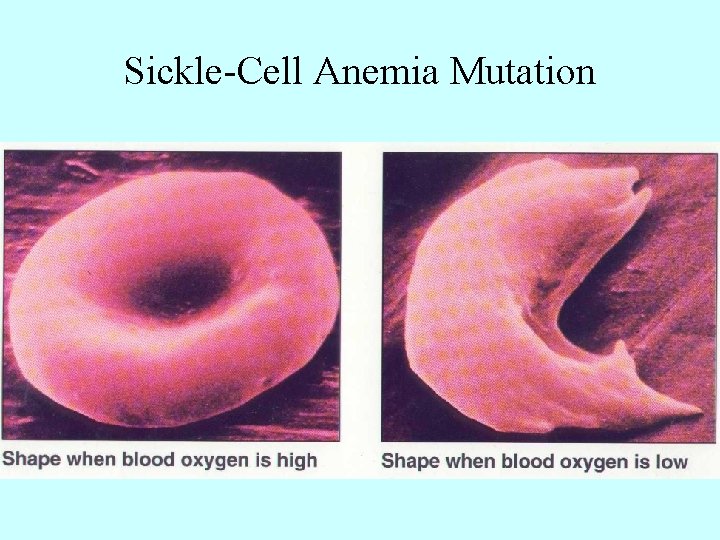
Sickle-Cell Anemia Mutation
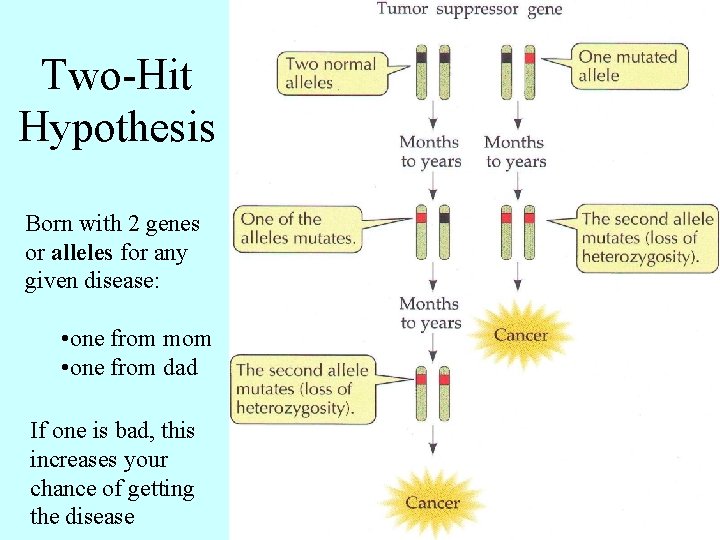
Two-Hit Hypothesis Born with 2 genes or alleles for any given disease: • one from mom • one from dad If one is bad, this increases your chance of getting the disease
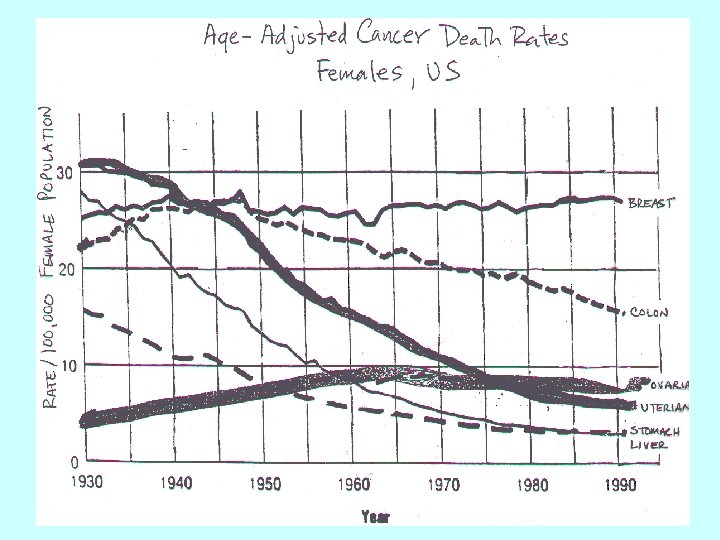
Cancer in Women
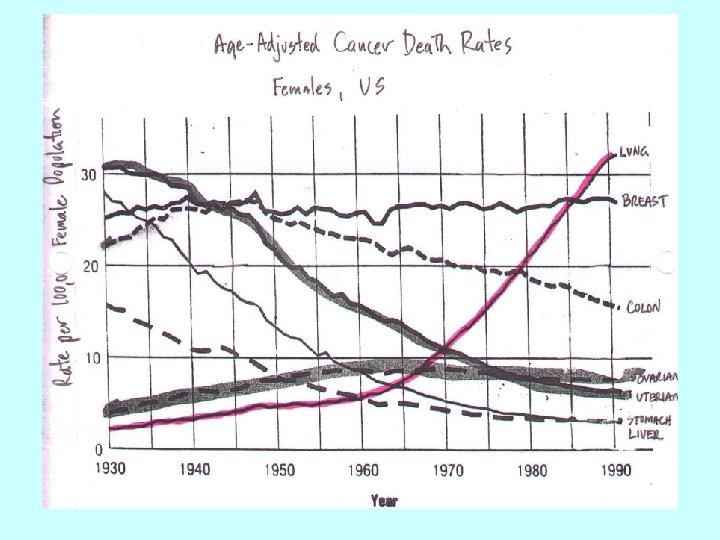
Lung Cancer
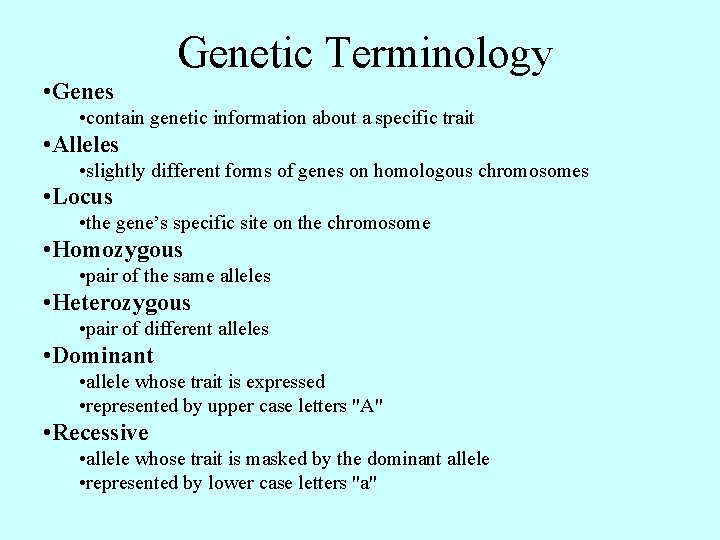
Genetic Terminology • Genes • contain genetic information about a specific trait • Alleles • slightly different forms of genes on homologous chromosomes • Locus • the gene’s specific site on the chromosome • Homozygous • pair of the same alleles • Heterozygous • pair of different alleles • Dominant • allele whose trait is expressed • represented by upper case letters "A" • Recessive • allele whose trait is masked by the dominant allele • represented by lower case letters "a"
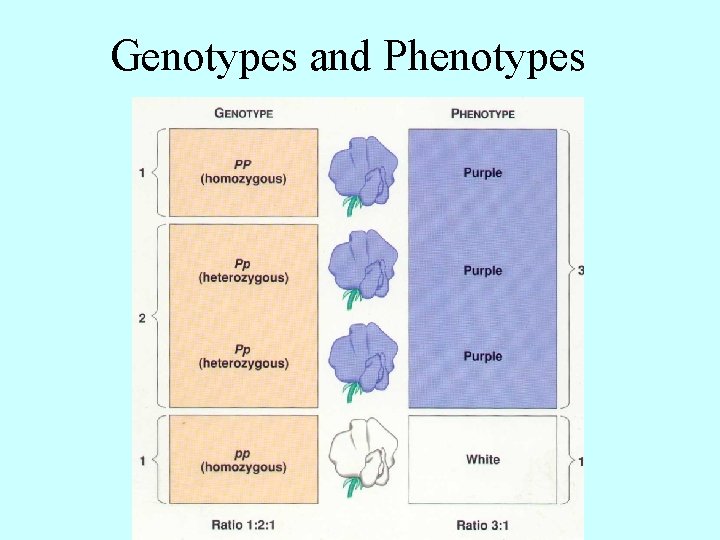
Genotypes and Phenotypes
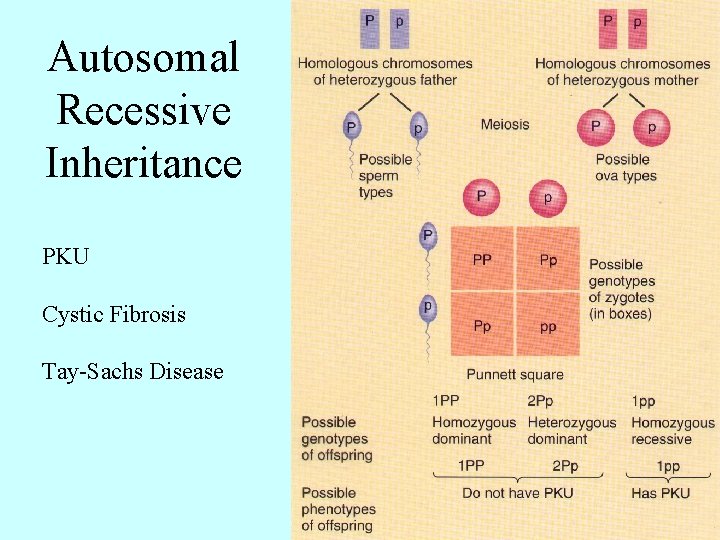
Autosomal Recessive Inheritance PKU Cystic Fibrosis Tay-Sachs Disease
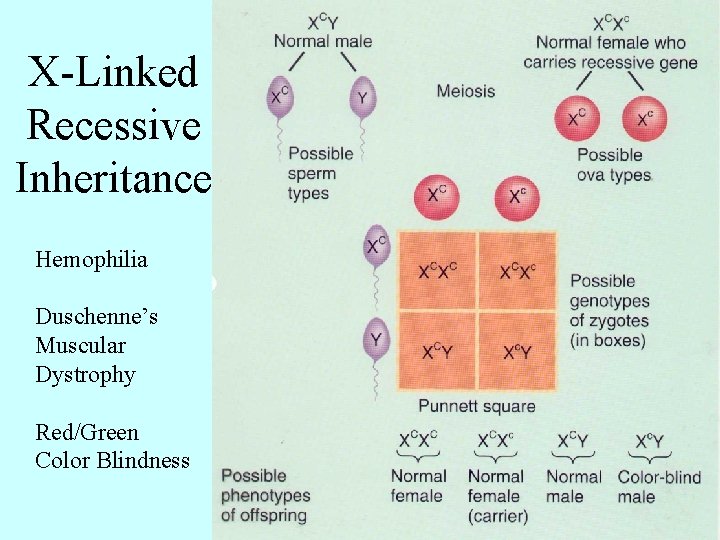
X-Linked Recessive Inheritance Hemophilia Duschenne’s Muscular Dystrophy Red/Green Color Blindness
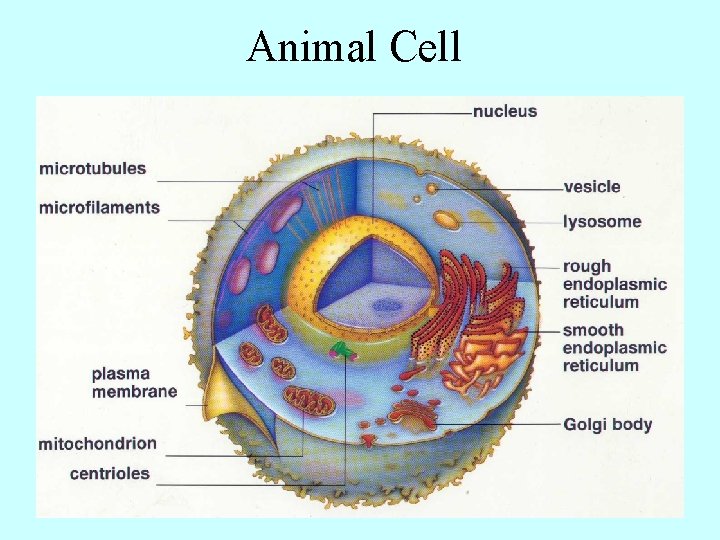
Animal Cell
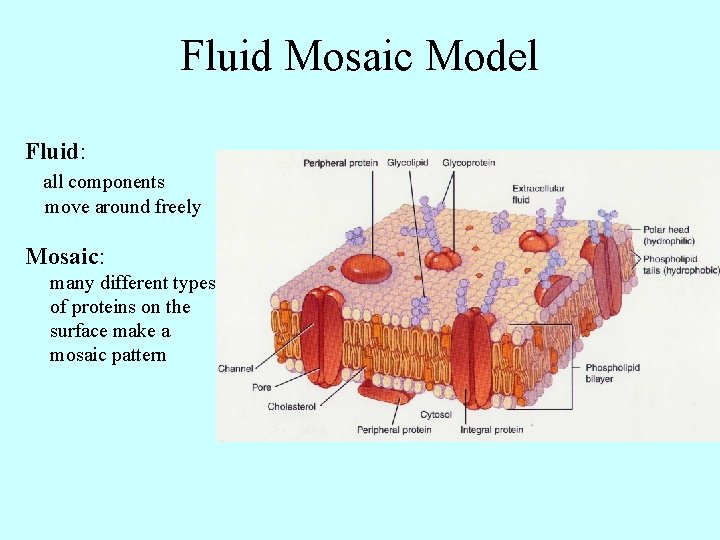
Fluid Mosaic Model Fluid: all components move around freely Mosaic: many different types of proteins on the surface make a mosaic pattern
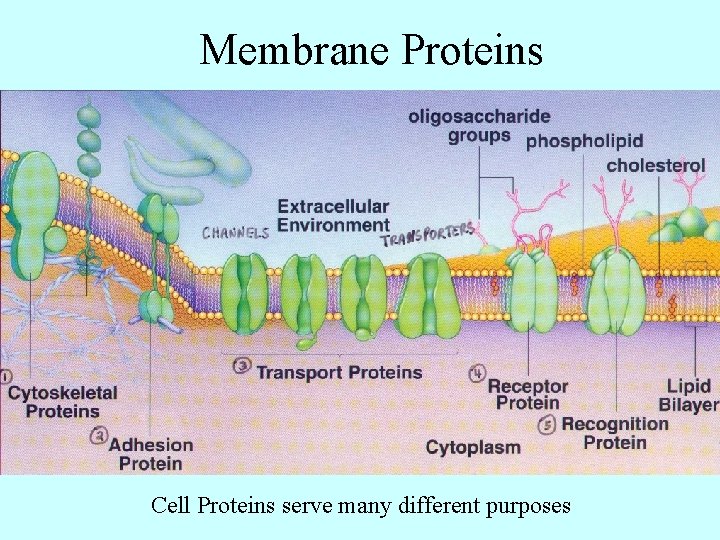
Membrane Proteins Cell Proteins serve many different purposes
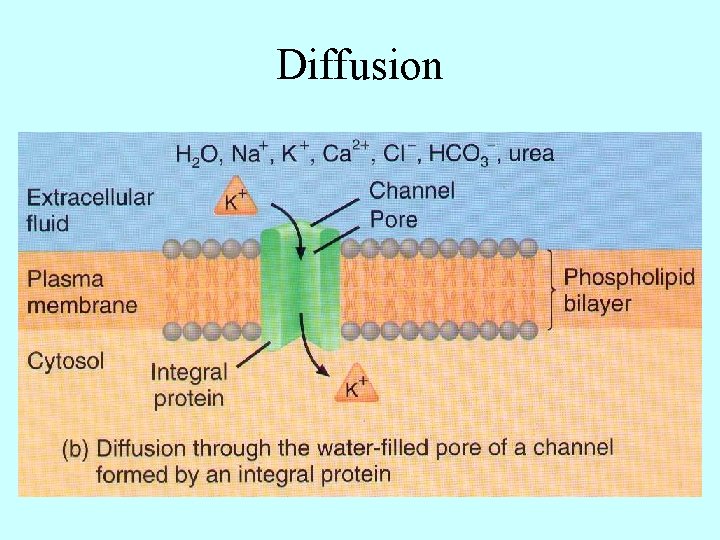
Diffusion
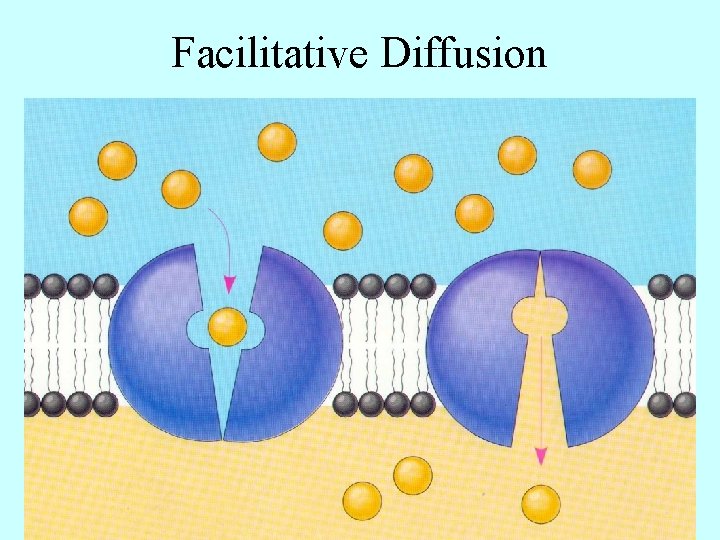
Facilitative Diffusion
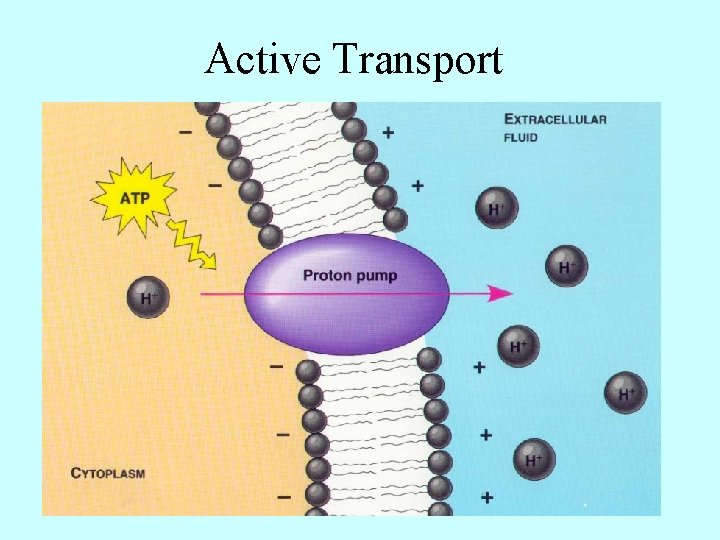
Active Transport
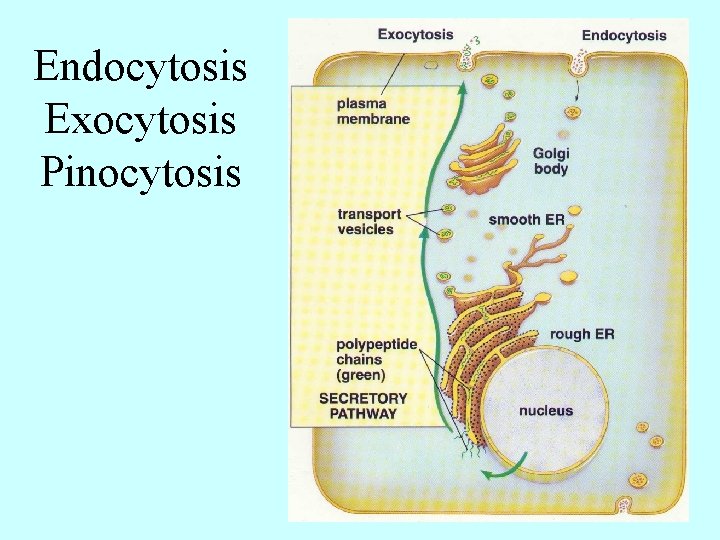
Endocytosis Exocytosis Pinocytosis
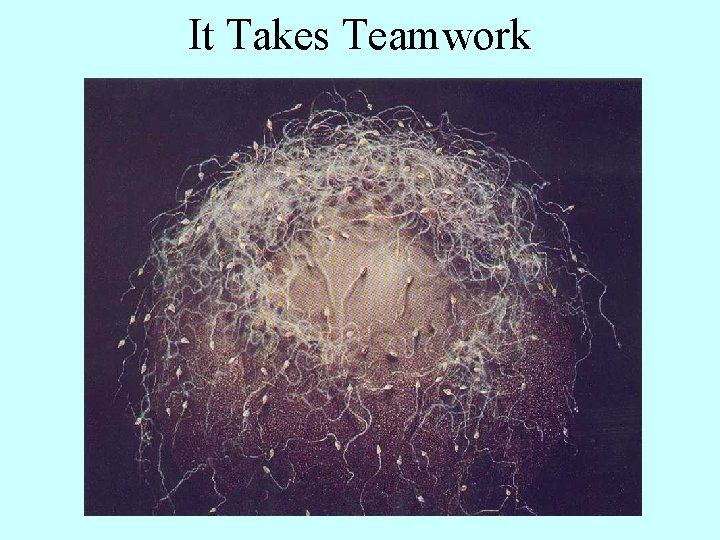
It Takes Teamwork
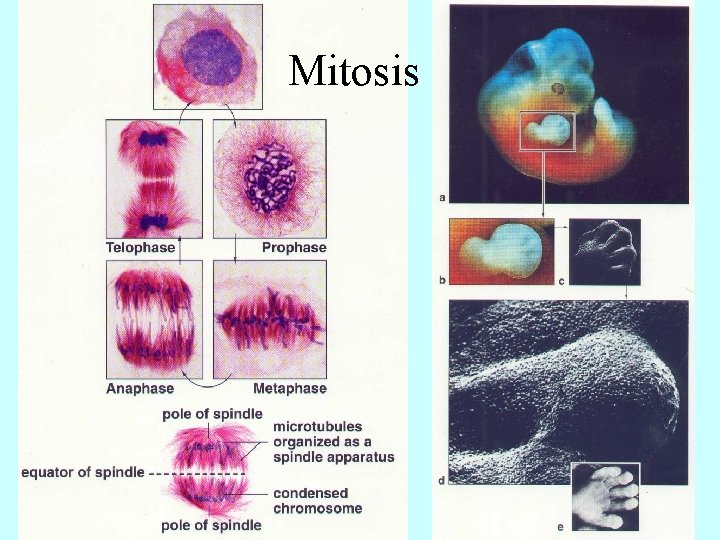
Mitosis
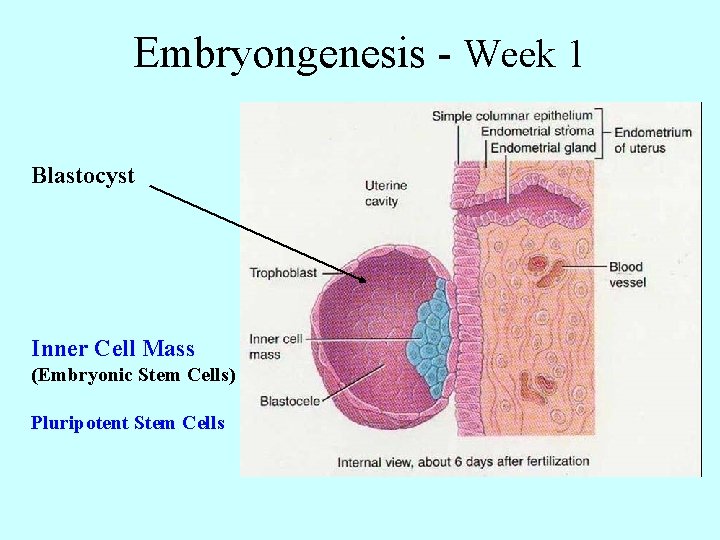
Embryongenesis - Week 1 Blastocyst Inner Cell Mass (Embryonic Stem Cells) Pluripotent Stem Cells
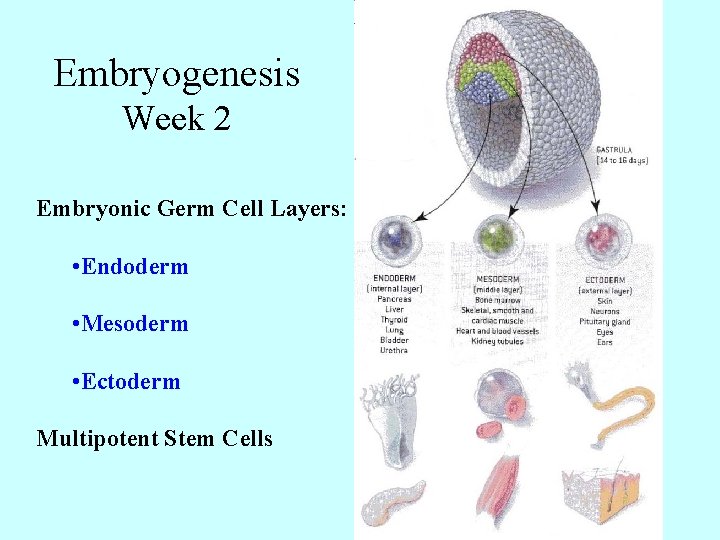
Embryogenesis Week 2 Embryonic Germ Cell Layers: • Endoderm • Mesoderm • Ectoderm Multipotent Stem Cells
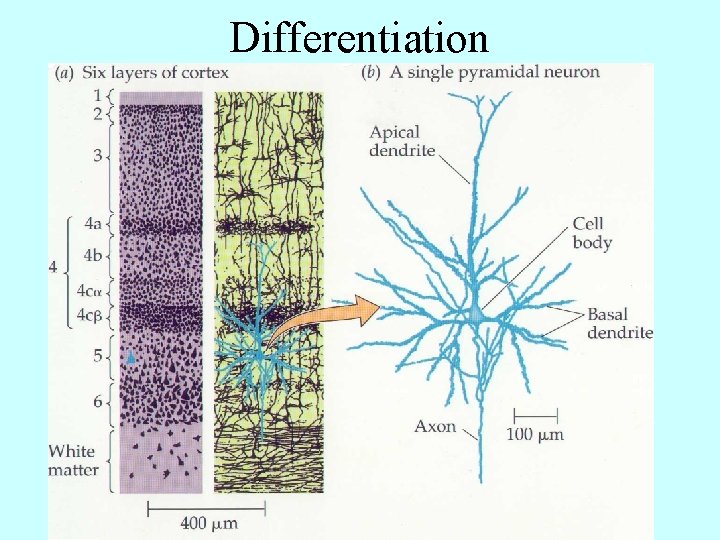
Differentiation
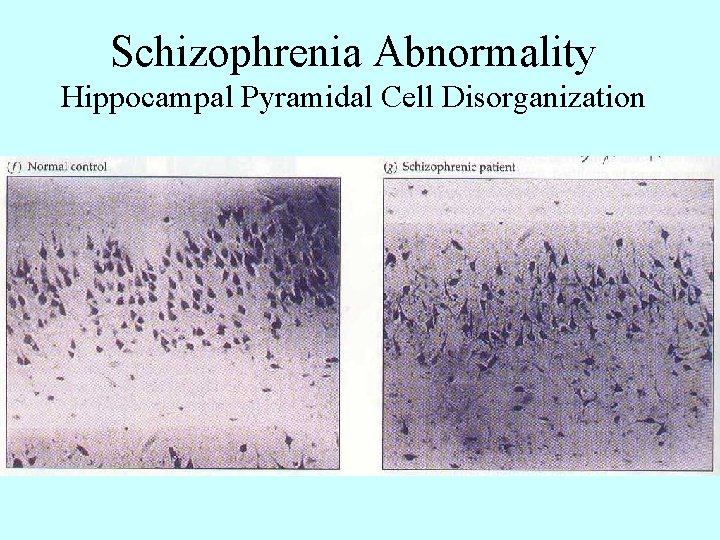
Schizophrenia Abnormality Hippocampal Pyramidal Cell Disorganization
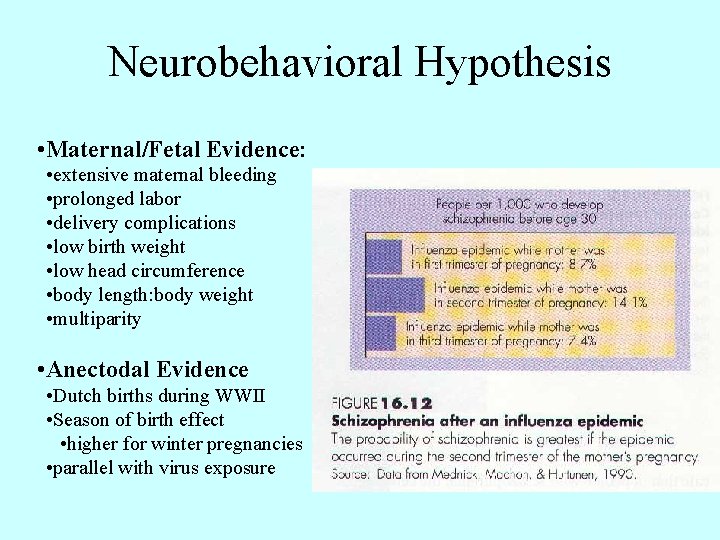
Neurobehavioral Hypothesis • Maternal/Fetal Evidence: • extensive maternal bleeding • prolonged labor • delivery complications • low birth weight • low head circumference • body length: body weight • multiparity • Anectodal Evidence • Dutch births during WWII • Season of birth effect • higher for winter pregnancies • parallel with virus exposure
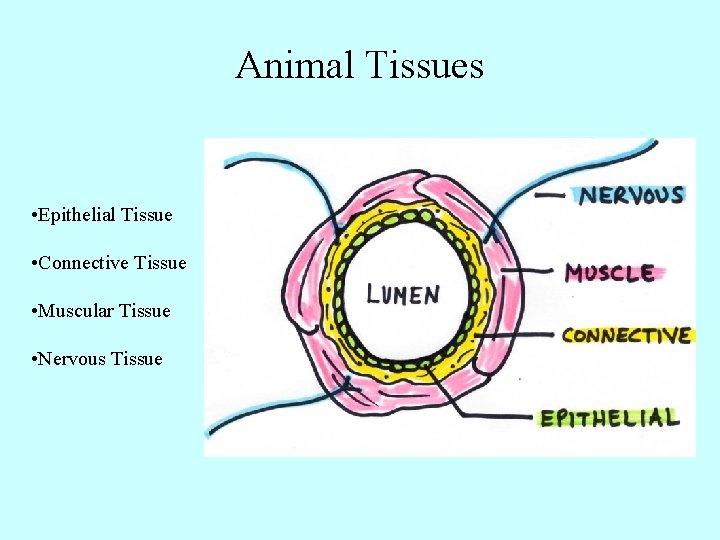
Animal Tissues • Epithelial Tissue • Connective Tissue • Muscular Tissue • Nervous Tissue
Epithelial Tissue • Function • filtration • lubrication • secretion • Classification • simple • stratified • squamous • cuboidal • columnar
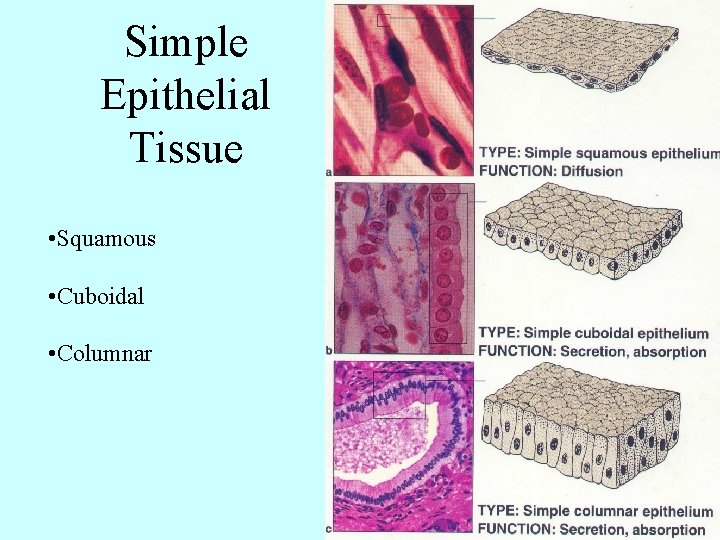
Simple Epithelial Tissue • Squamous • Cuboidal • Columnar
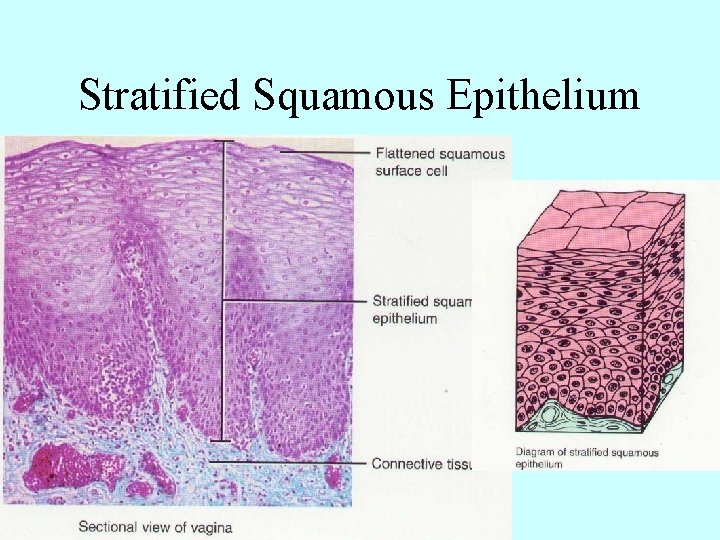
Stratified Squamous Epithelium
Connective Tissue • Function • binds together tissues and organs • supports tissues and organs • strengthens other tissues and organs • protects other tissues and organs • insulates other tissues and organs • Composed of • cells • matrix • ground substance • fibers (collagen, elastic, reticular)
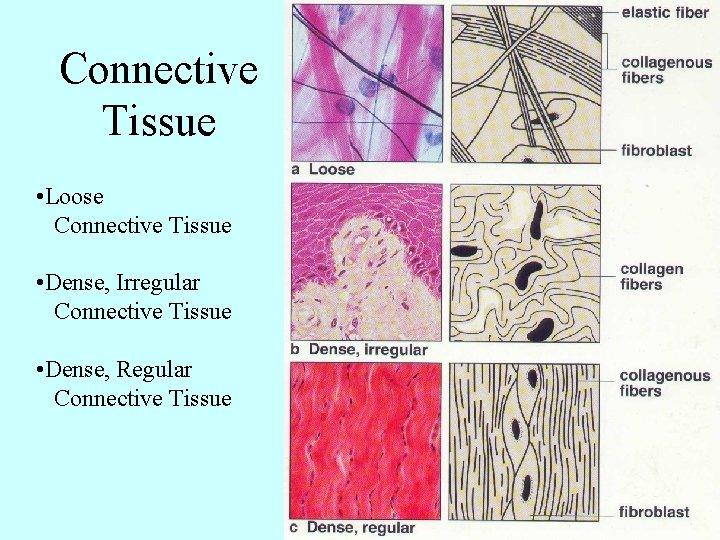
Connective Tissue • Loose Connective Tissue • Dense, Irregular Connective Tissue • Dense, Regular Connective Tissue
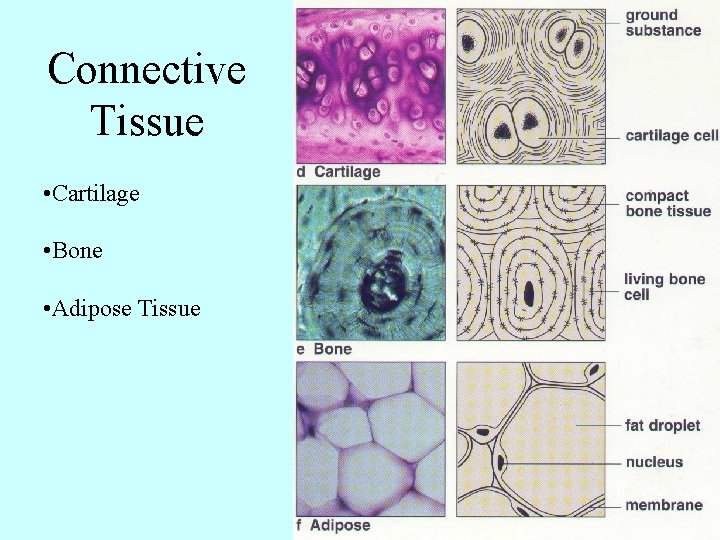
Connective Tissue • Cartilage • Bone • Adipose Tissue
Muscle Tissue • Function • provides organismic or organ movement • organismic posture • thermogenic • Classification • skeletal • smooth • cardiac
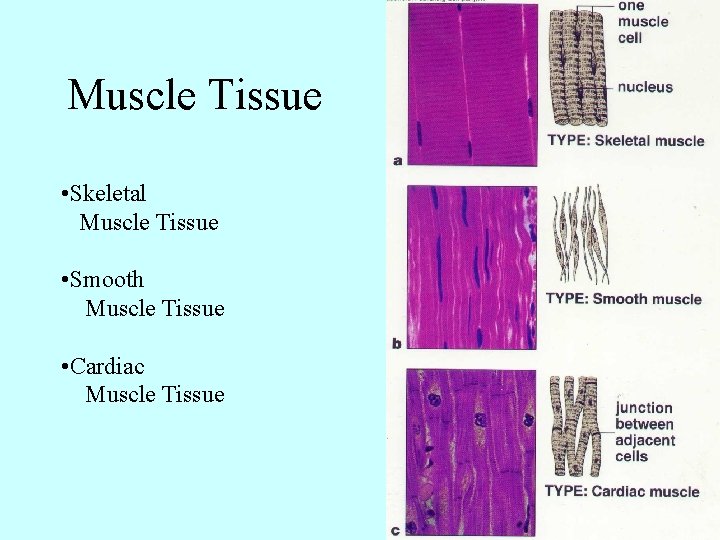
Muscle Tissue • Skeletal Muscle Tissue • Smooth Muscle Tissue • Cardiac Muscle Tissue
Nervous Tissue • Function • converts environmental and internal stimuli into nerve impulses • stimulates or inhibits cells or glands • Classification • neurons • neuroglia (glia)
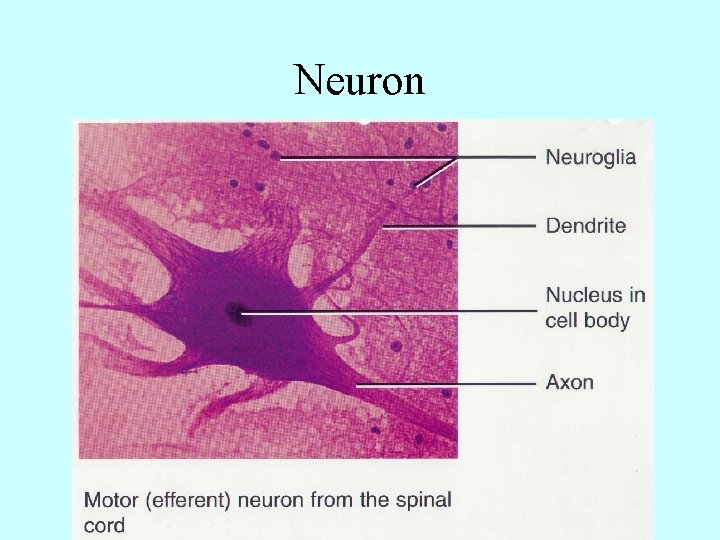
Neuron
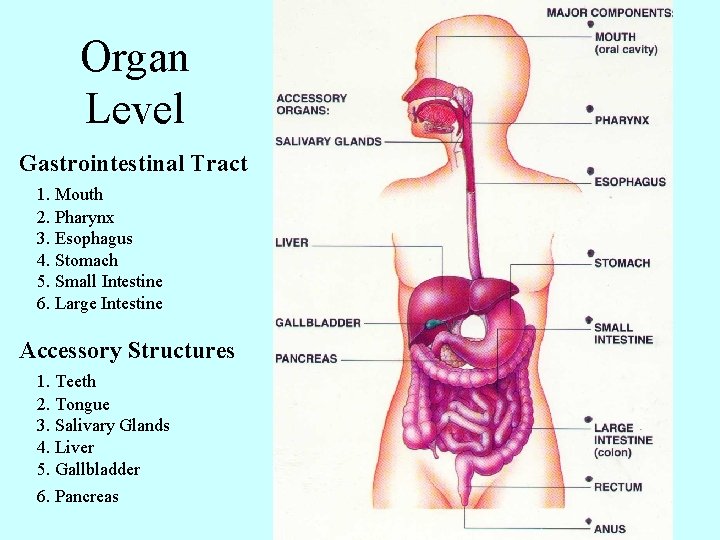
Organ Level Gastrointestinal Tract 1. Mouth 2. Pharynx 3. Esophagus 4. Stomach 5. Small Intestine 6. Large Intestine Accessory Structures 1. Teeth 2. Tongue 3. Salivary Glands 4. Liver 5. Gallbladder 6. Pancreas
The Processes of Digestion 1. Ingestion taking food into the mouth 2. Secretion GI tract and accessory cells secrete water, acid, buffers, and enzymes into lumen 3. Mixing and Propulsion alternating contraction and relaxation of smooth muscles in the walls of the GI tract 4. Digestion Breaking down of larger food particles into smaller molecules Mechanical Digestion Chemical Digestion 5. Absorption small molecules pass from the lumen into the blood and lymph 6. Defecation elimination of indigestible substances and bacteria from the GI tract
- Slides: 80