
HUMAN BODY BY CHRISTEENA S JOSEPH AND DEVIKA
HUMAN BODY BY CHRISTEENA S JOSEPH AND DEVIKA S Class 9 C SHIFT 1
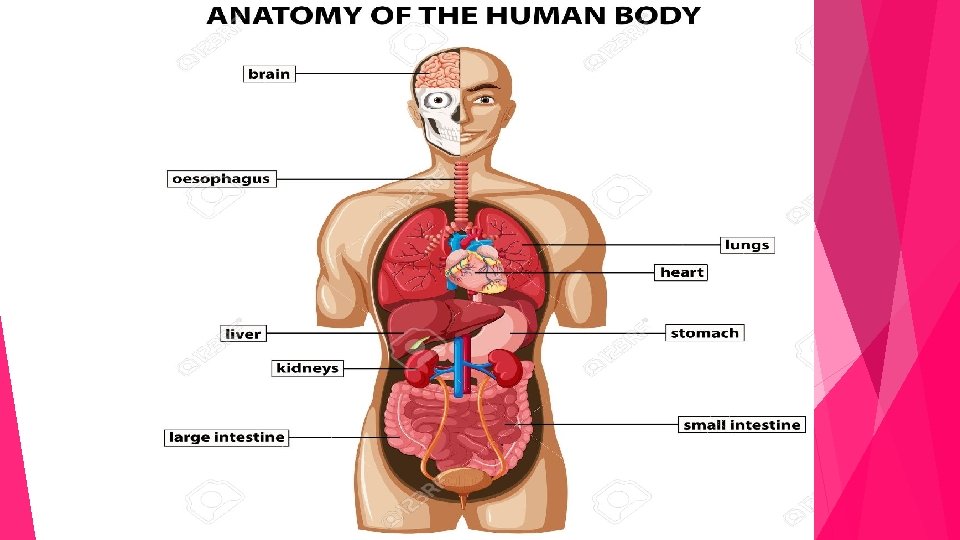
HUMAN BODY The human body is the entire structure of a human being. It is composed of many different types of cells that together create tissuesand subsequently organ systems. They ensure homeostasis and the viability of the human body. It comprises a head, neck, trunk (which includes the thorax and abdomen), arms and hands, legs and feet. The study of the human body involves anatomy, physiology, histology and embryology. The body varies anatomically in known ways. Physiology focuses on the systems and organs of the human body and their functions. Many systems and mechanisms interact in order to maintain homeostasis, with safe levels of substances such as sugar and oxygen in the blood. The body is studied by health professionals, physiologists, anatomists, and by artists to assist them in their work.
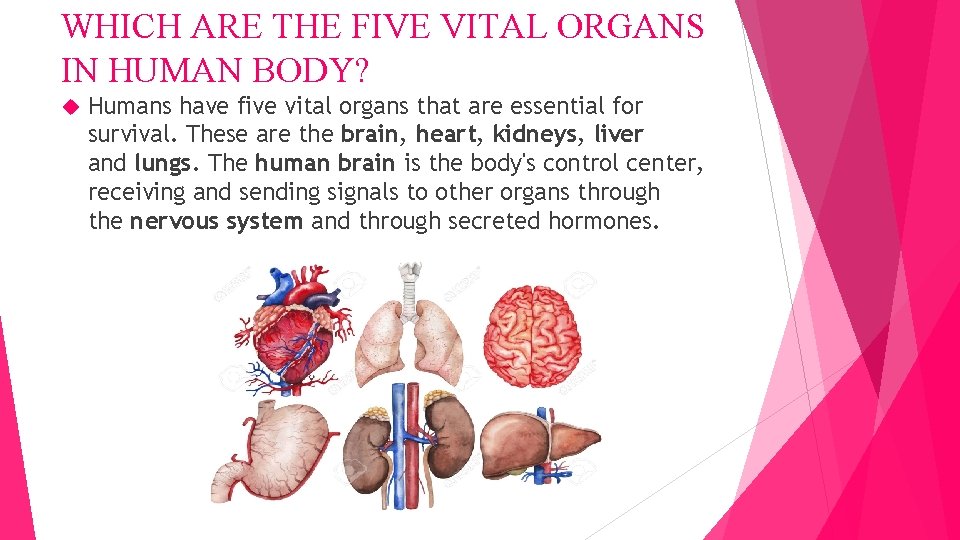
WHICH ARE THE FIVE VITAL ORGANS IN HUMAN BODY? Humans have five vital organs that are essential for survival. These are the brain, heart, kidneys, liver and lungs. The human brain is the body's control center, receiving and sending signals to other organs through the nervous system and through secreted hormones.
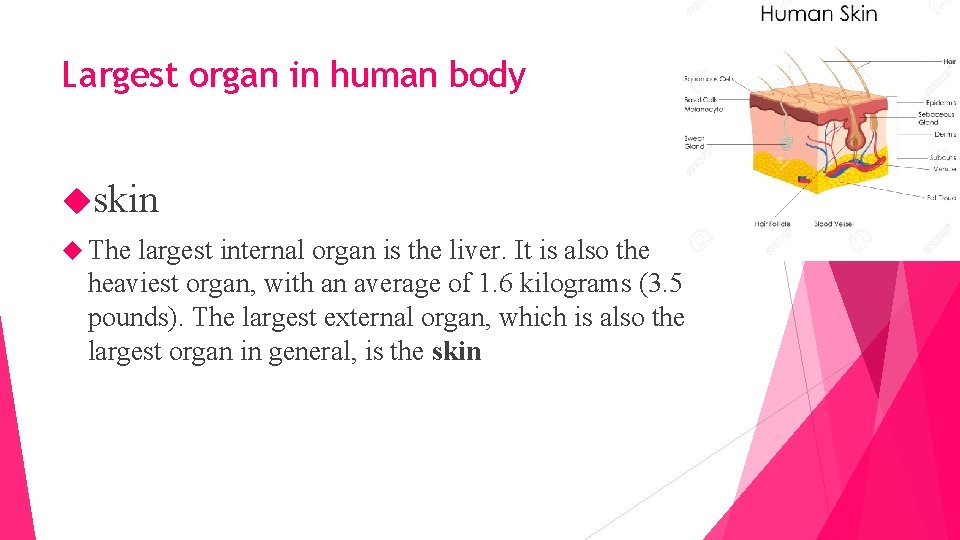
Largest organ in human body skin The largest internal organ is the liver. It is also the heaviest organ, with an average of 1. 6 kilograms (3. 5 pounds). The largest external organ, which is also the largest organ in general, is the skin
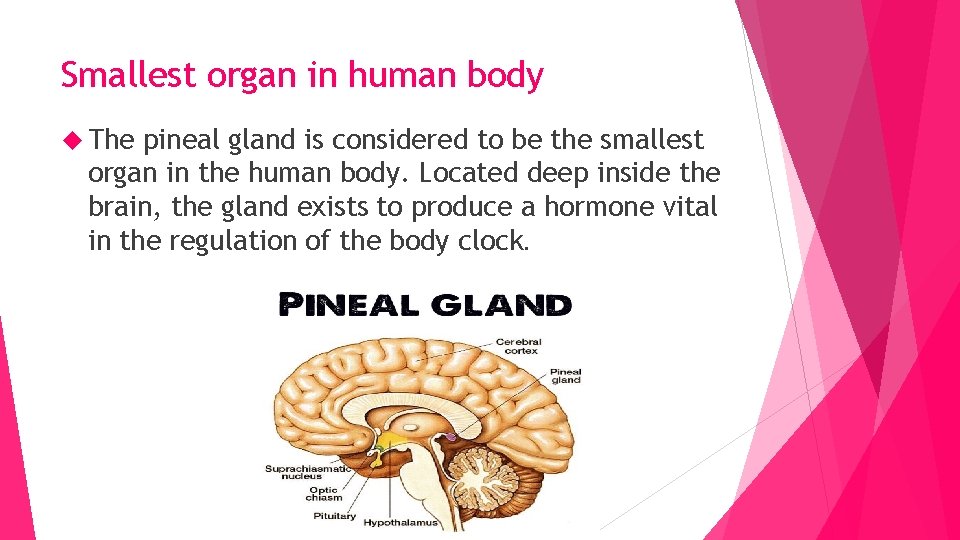
Smallest organ in human body The pineal gland is considered to be the smallest organ in the human body. Located deep inside the brain, the gland exists to produce a hormone vital in the regulation of the body clock.
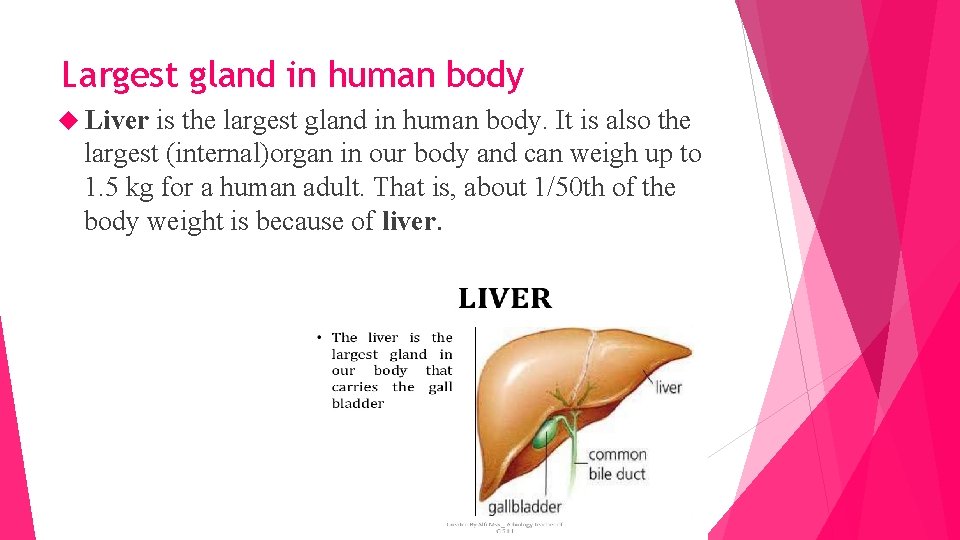
Largest gland in human body Liver is the largest gland in human body. It is also the largest (internal)organ in our body and can weigh up to 1. 5 kg for a human adult. That is, about 1/50 th of the body weight is because of liver.

What is the name of the outside layer of skin on the human body? Skin has three layers: The epidermis, the outermost layer of skin, provides a waterproof barrier and creates our skin tone. The dermis, beneath the epidermis, contains tough connective tissue, hair follicles, and sweat glands. The deeper subcutaneous tissue (hypodermis) is made of fat and connective tissue.
How many number of muscles are in the human body? 650 Contraction of the skeletal muscles helps limbs and other body parts move. Most sources state that there are over 650 named skeletal muscles in the human body,
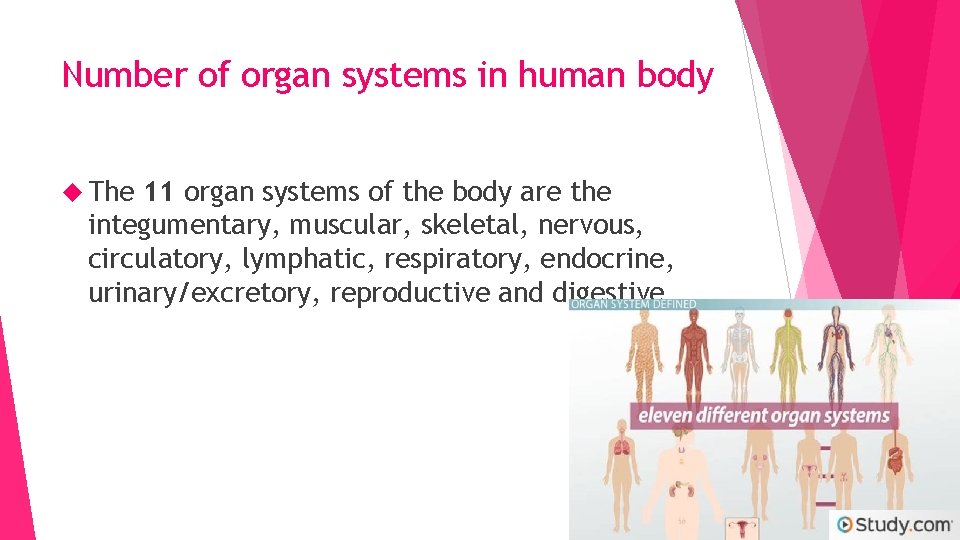
Number of organ systems in human body The 11 organ systems of the body are the integumentary, muscular, skeletal, nervous, circulatory, lymphatic, respiratory, endocrine, urinary/excretory, reproductive and digestive.
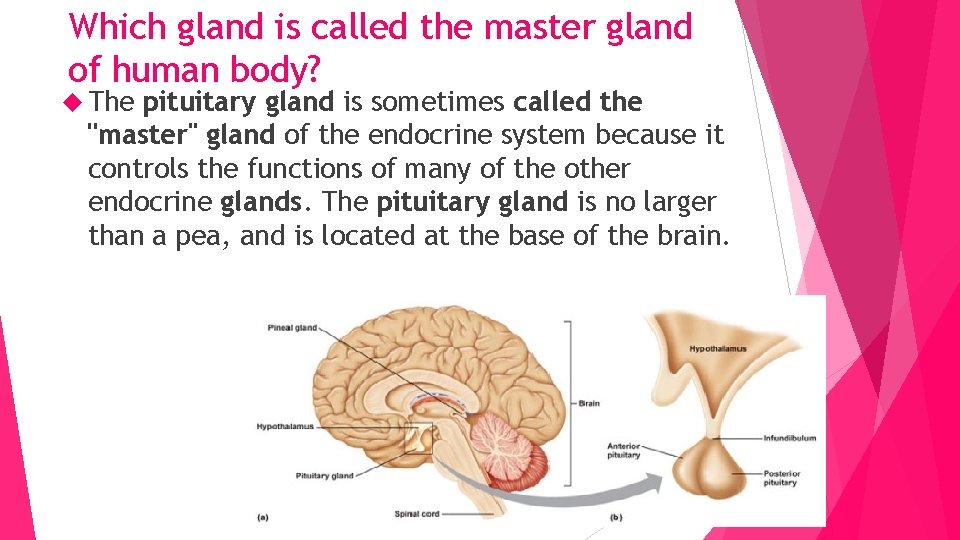
Which gland is called the master gland of human body? The pituitary gland is sometimes called the "master" gland of the endocrine system because it controls the functions of many of the other endocrine glands. The pituitary gland is no larger than a pea, and is located at the base of the brain.
NUMBER OF SPINAL NERVES IN OUR BODY 31 Spinal nerve, in vertebrates, any one of many paired peripheral nerves that arise from the spinal cord. In humans there are 31 pairs: 8 cervical, 12 thoracic, 5 lumbar, 5 sacral, and 1 coccygeal. Each pair connects the spinal cord with a specific region of the body.
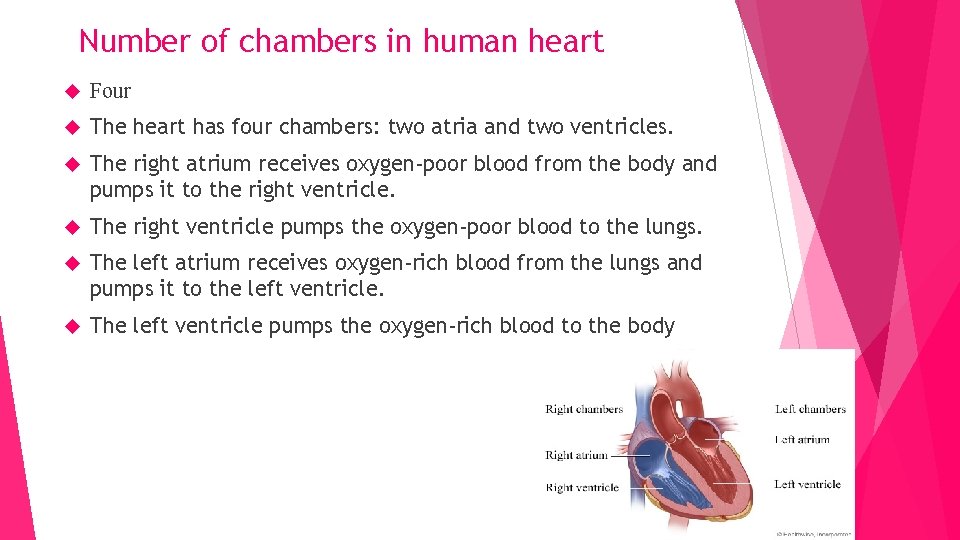
Number of chambers in human heart Four The heart has four chambers: two atria and two ventricles. The right atrium receives oxygen-poor blood from the body and pumps it to the right ventricle. The right ventricle pumps the oxygen-poor blood to the lungs. The left atrium receives oxygen-rich blood from the lungs and pumps it to the left ventricle. The left ventricle pumps the oxygen-rich blood to the body
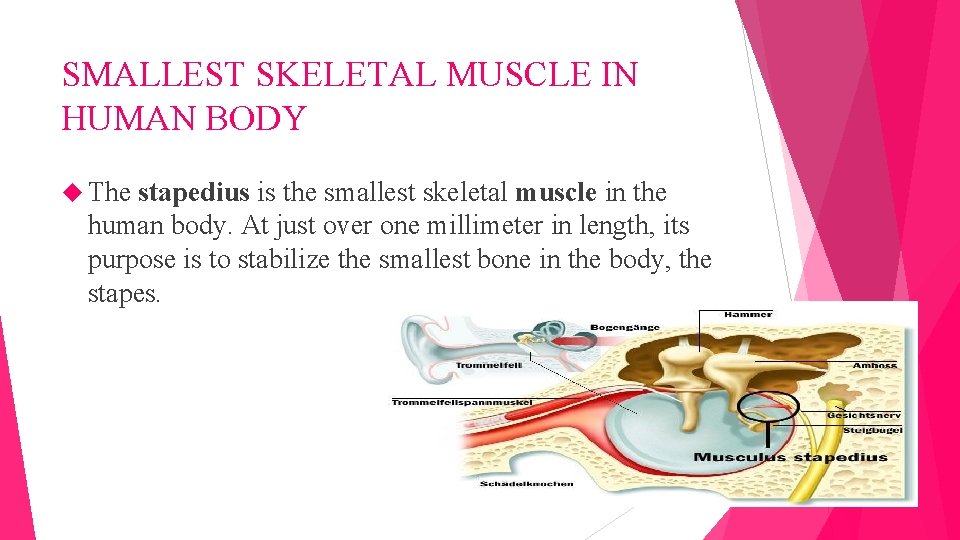
SMALLEST SKELETAL MUSCLE IN HUMAN BODY The stapedius is the smallest skeletal muscle in the human body. At just over one millimeter in length, its purpose is to stabilize the smallest bone in the body, the stapes.
What is the average blood clotting time for human being? Normal value of clotting time is 8 to 15 minutes
What is the total number of bones in human body? The human body has 206 bones - men and women have the same number of bones. As babies we are born with 300 bones, but as we age, some of those bones fuse together. Women tend to have lighter skeleton frames than men. Bones make up about 14 percent of our body weight.
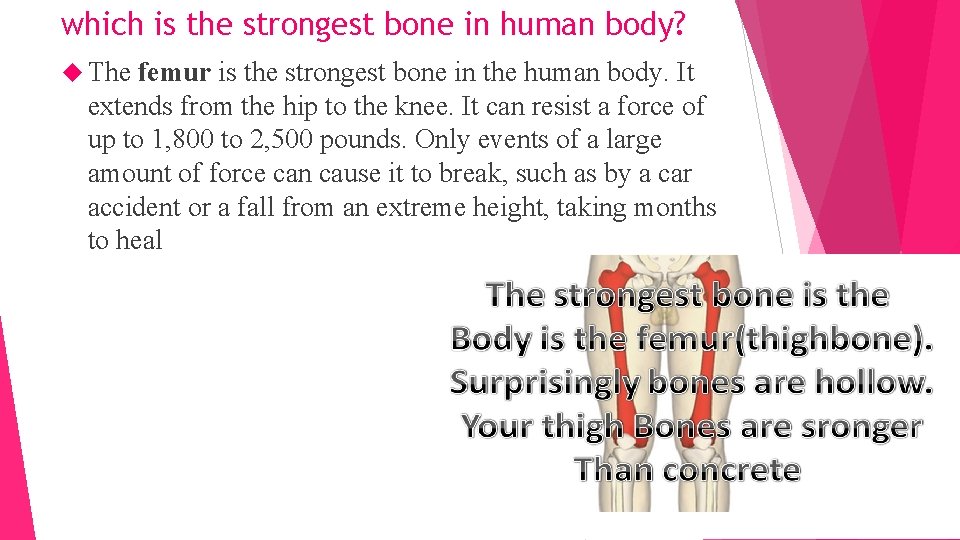
which is the strongest bone in human body? The femur is the strongest bone in the human body. It extends from the hip to the knee. It can resist a force of up to 1, 800 to 2, 500 pounds. Only events of a large amount of force can cause it to break, such as by a car accident or a fall from an extreme height, taking months to heal
In human body which body part has most bones? The hands have the most bones — 27 in each hand. The hands and feet together make up more than half the bones in the human body. There are 206 bones in the human body; 106 of these are in the hands and feet (27 in each hand 26 in each foot).
What is the p. H of bile? about 7 to 8 Its function is to aid in the digestion of fats in the duodenum. Bile is composed of bile acids and salts, phospholipids, cholesterol, pigments, water, and electrolyte chemicals that keep the total solution slightly alkaline (with a p. H of about 7 to 8)
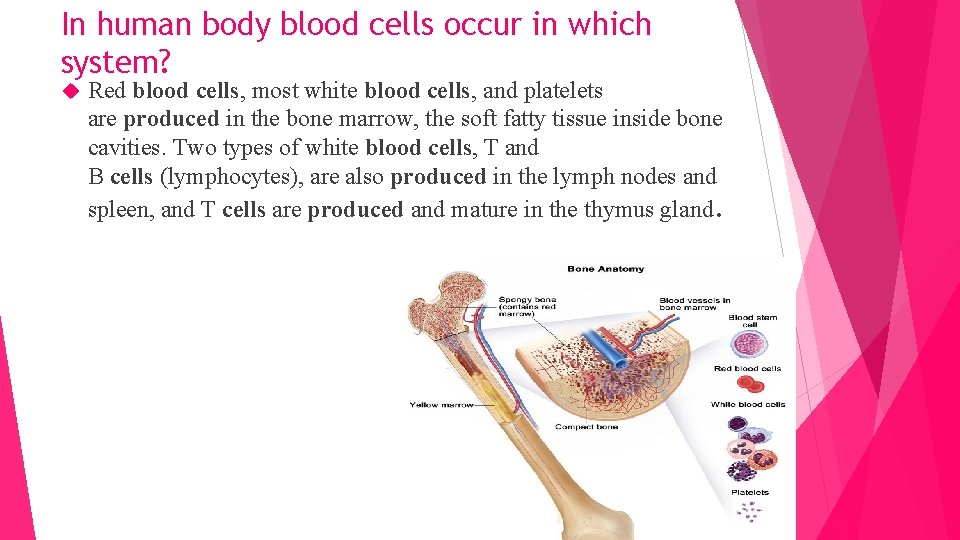
In human body blood cells occur in which system? Red blood cells, most white blood cells, and platelets are produced in the bone marrow, the soft fatty tissue inside bone cavities. Two types of white blood cells, T and B cells (lymphocytes), are also produced in the lymph nodes and spleen, and T cells are produced and mature in the thymus gland.
Which is the busiest organ of human body? Busiest organ of human body" Scientists have counted over 500 different liver functions making it one of the body's hardest working, largest and busiest organs.
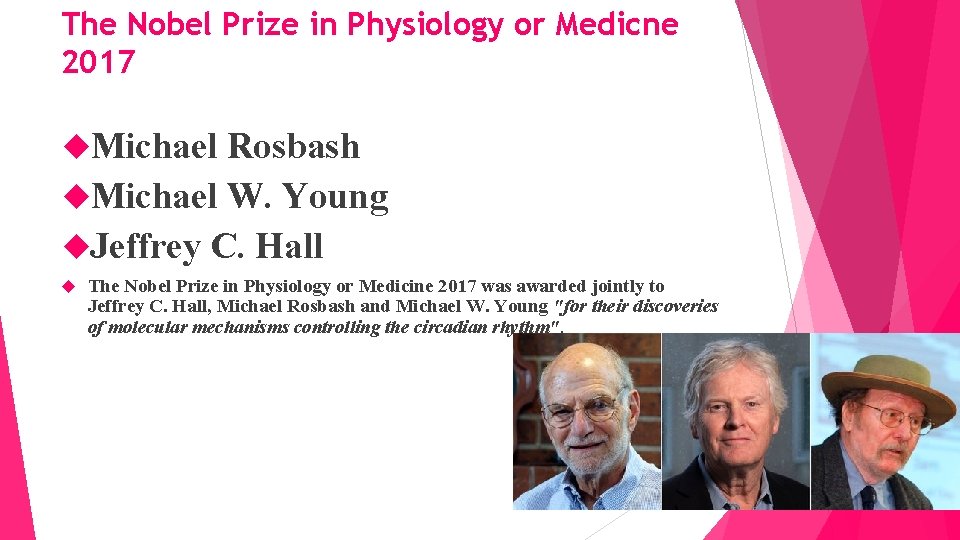
The Nobel Prize in Physiology or Medicne 2017 Michael Rosbash Michael W. Young Jeffrey C. Hall The Nobel Prize in Physiology or Medicine 2017 was awarded jointly to Jeffrey C. Hall, Michael Rosbash and Michael W. Young "for their discoveries of molecular mechanisms controlling the circadian rhythm".
Hardest working muscle in human body Heart The heart, which consists of cardiac muscle, is said to be the hardest working muscle in the body. The average adult heart beats 72 times a minute; 100, 000 times a day; 3, 600, 000 times a year; and 2. 5 billion times during a 70 -year span. This is a great example of dynamic strength as well as strength endurance.
FACTS ON HUMAN BODY The number of bacteria in a person’s mouth is equal to the number of people living on Earth, or even more. A human eye can distinguish up to 10 million different colors. But our brain can’t remember all of them The heart beats 35 million times a year. 1 square centimeter of your skin contains around a hundred pain sensors Over the course of just one day, our blood ’runs’ the distance of 19, 312 kilometers
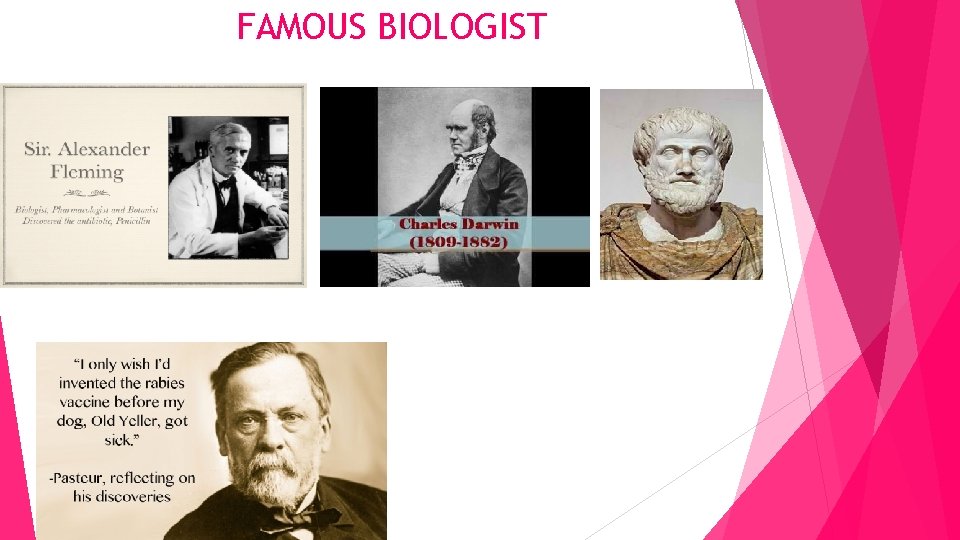
FAMOUS BIOLOGIST
- Slides: 25