
Human anatomy SHANDONG UNIVERSITY Liu Zhiyu Introduction Definition


- Slides: 47
Human anatomy SHANDONG UNIVERSITY Liu Zhiyu
Introduction
Definition: human anatomy is the science which deals with structures and functions of the human body, and it is the basic course of medicine 。 aims:
systematic anatomy : regional anatomy : : Surgical anatomy Sectional anatomy Surface anatomy X - ray anatomy X Locomotor
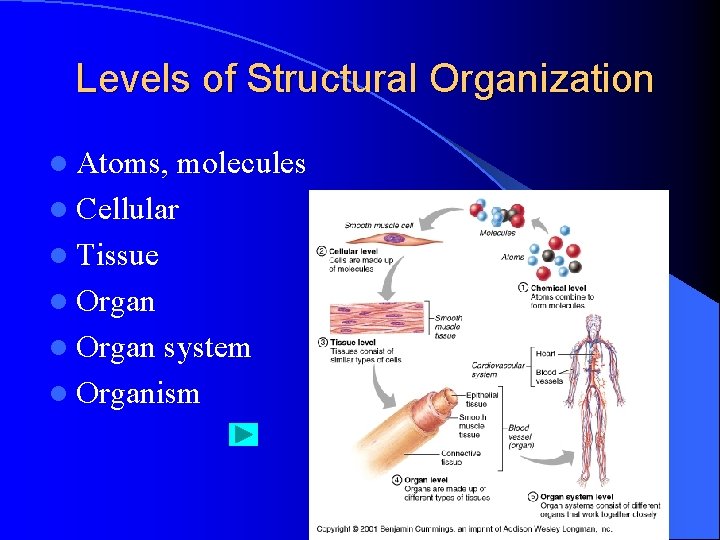
Levels of Structural Organization l Atoms, molecules l Cellular l Tissue l Organ system l Organism
There are nine systems in the human body: (1) locomotor system (2) alimentary system (3) respiratory system (4) urinary system (5) genital system (6) endocrine system (7) circulatory system(angiology) (8) nervous system (9) sense organs splanchnology
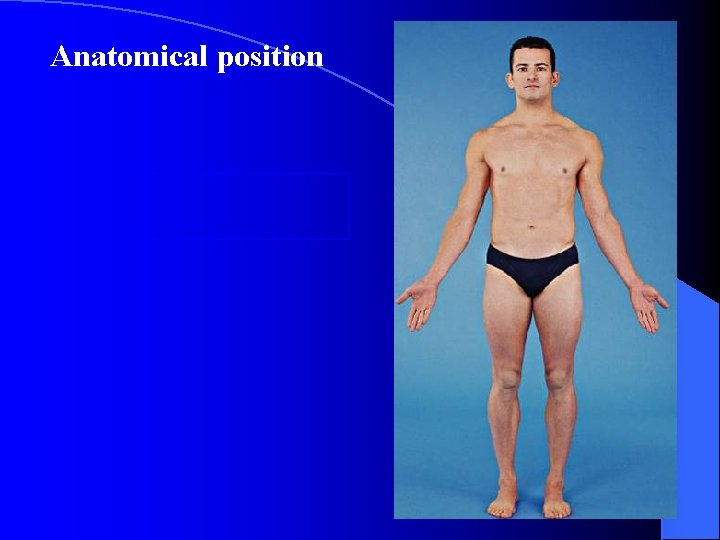
Anatomical position
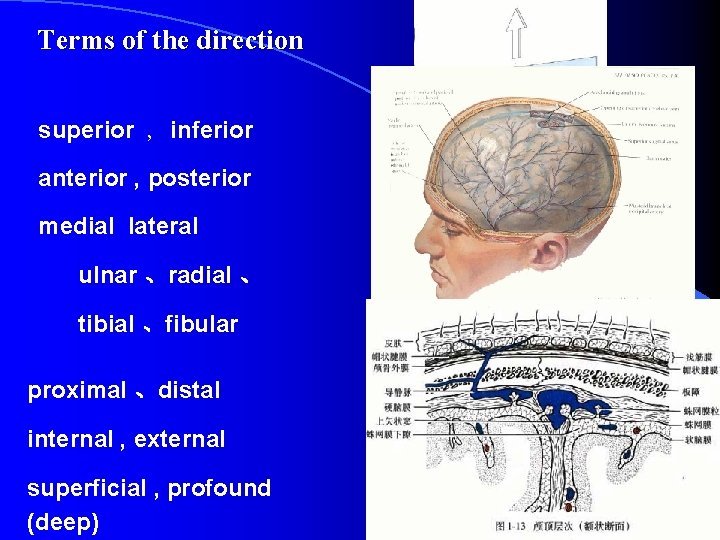
Terms of the direction superior , inferior anterior , posterior medial lateral ulnar 、radial 、 tibial 、fibular proximal 、distal internal , external superficial , profound (deep)
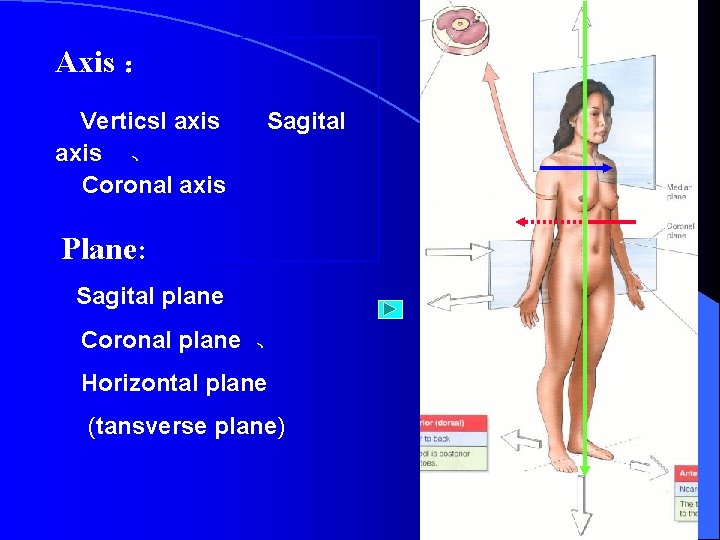
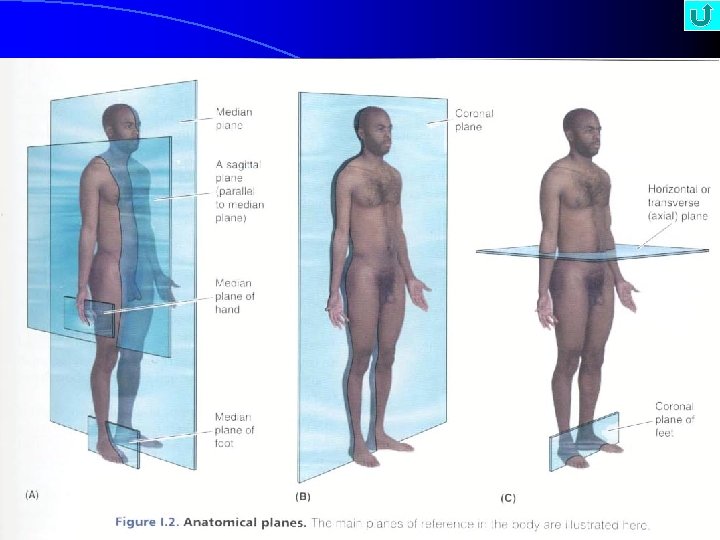
Axis : Verticsl axis Sagital axis 、 Coronal axis Plane: Sagital plane Coronal plane 、 Horizontal plane (tansverse plane)
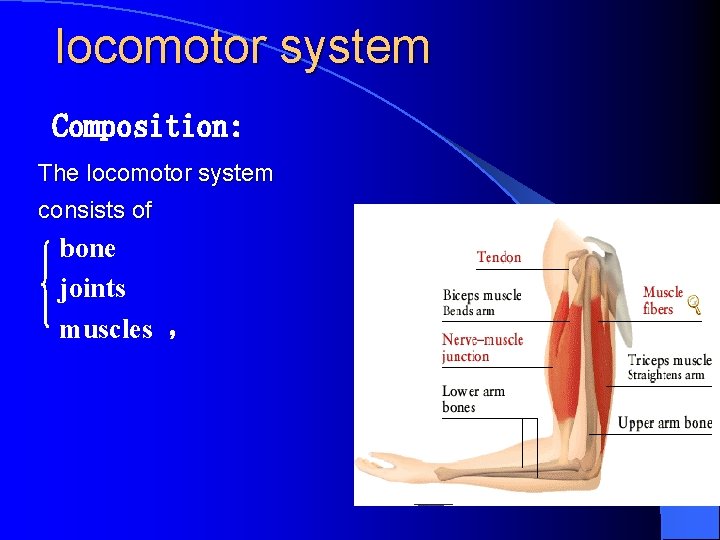
locomotor system Composition: The locomotor system consists of bone joints muscles ,
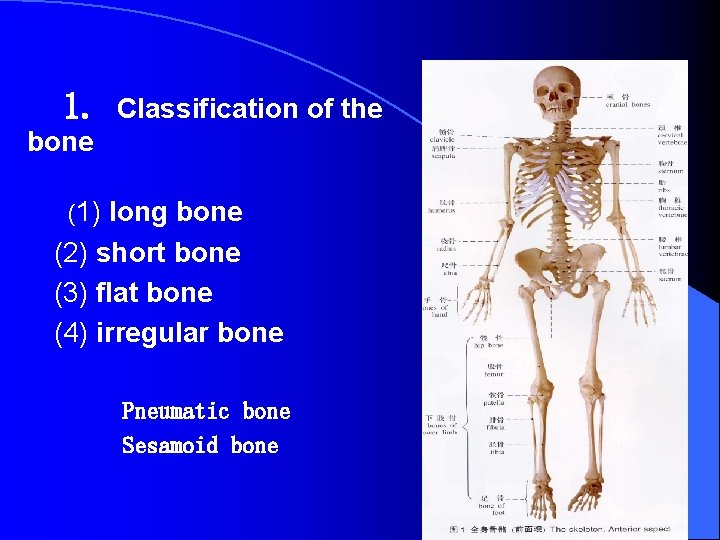
1. Classification of the bone (1) long bone (2) short bone (3) flat bone (4) irregular bone Pneumatic bone Sesamoid bone
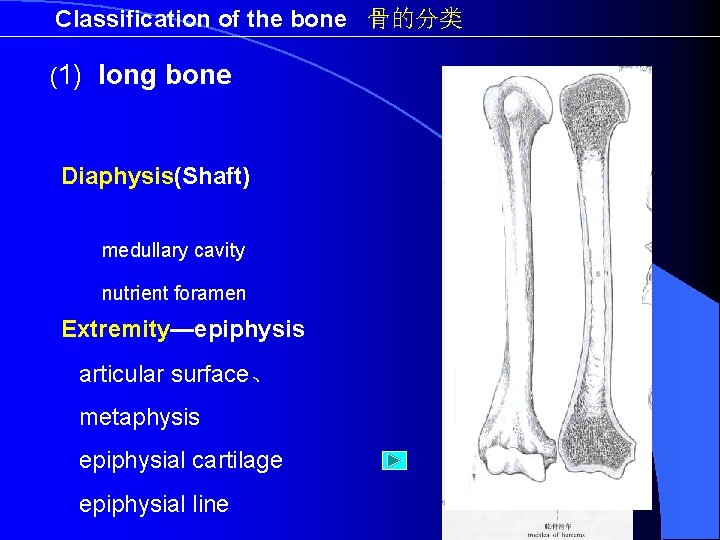
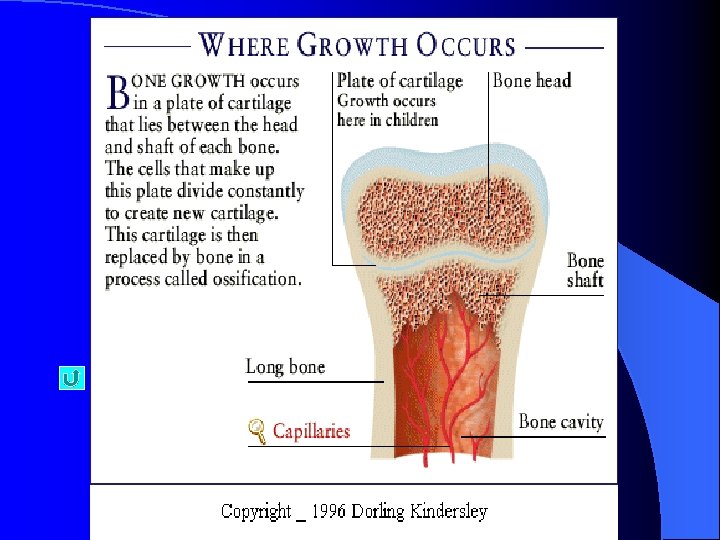
Classification of the bone 骨的分类 (1) long bone Diaphysis(Shaft) medullary cavity nutrient foramen Extremity—epiphysis articular surface、 metaphysis epiphysial cartilage epiphysial line
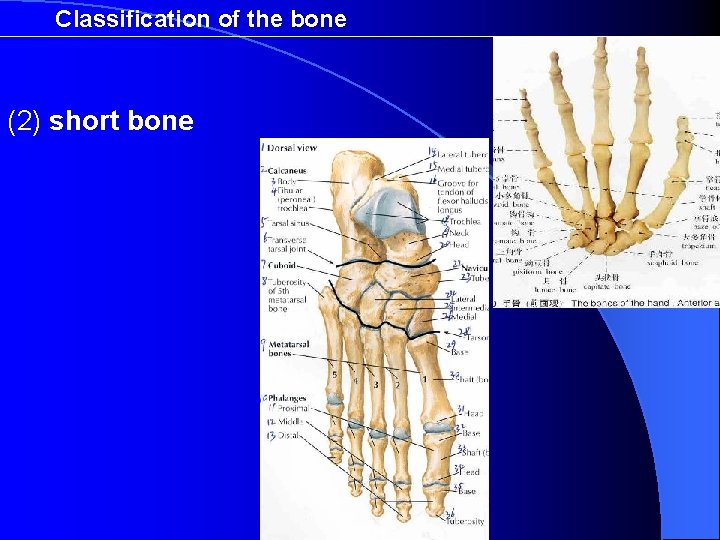
Classification of the bone (2) short bone
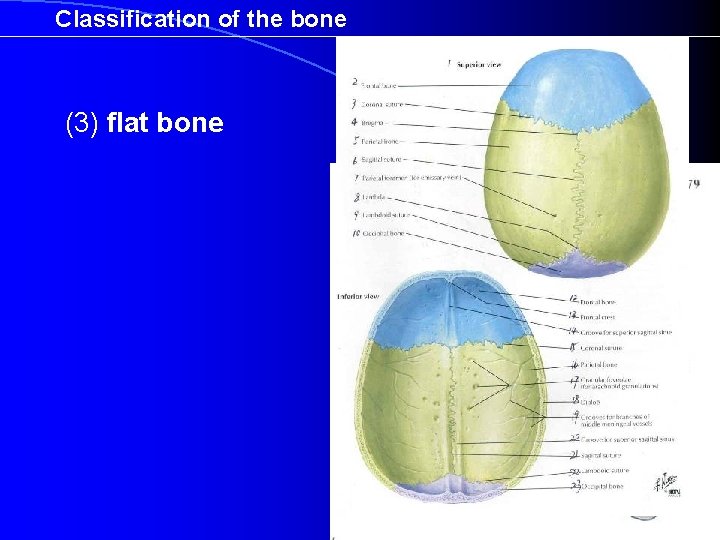
Classification of the bone (3) flat bone
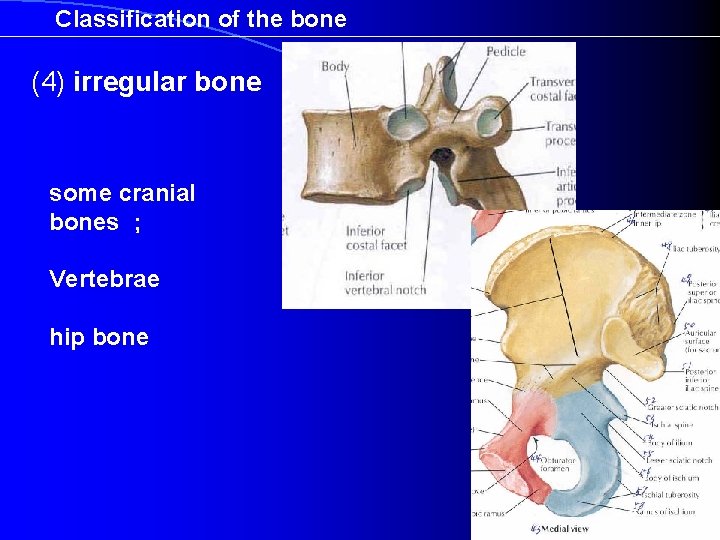
Classification of the bone (4) irregular bone some cranial bones ; Vertebrae hip bone
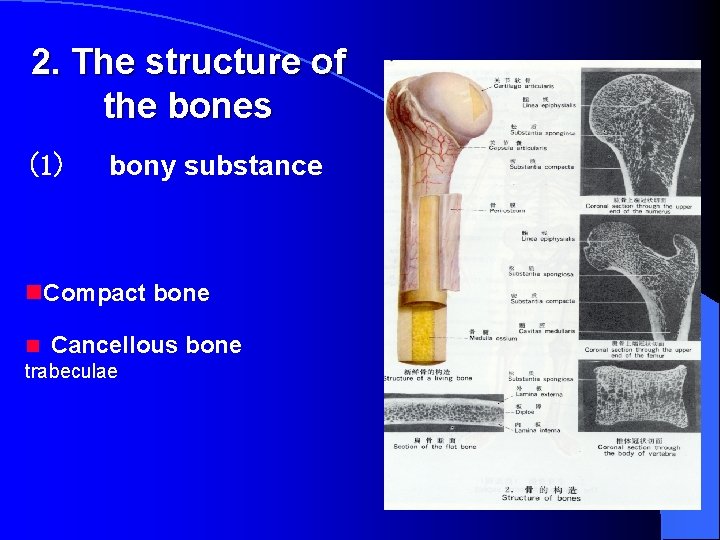
2. The structure of the bones (1) bony substance n. Compact bone n Cancellous bone trabeculae
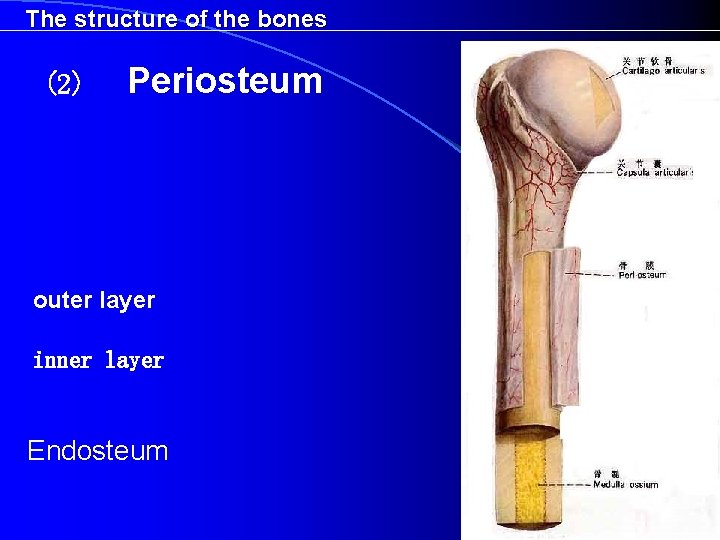
The structure of the bones (2) Periosteum outer layer inner layer Endosteum
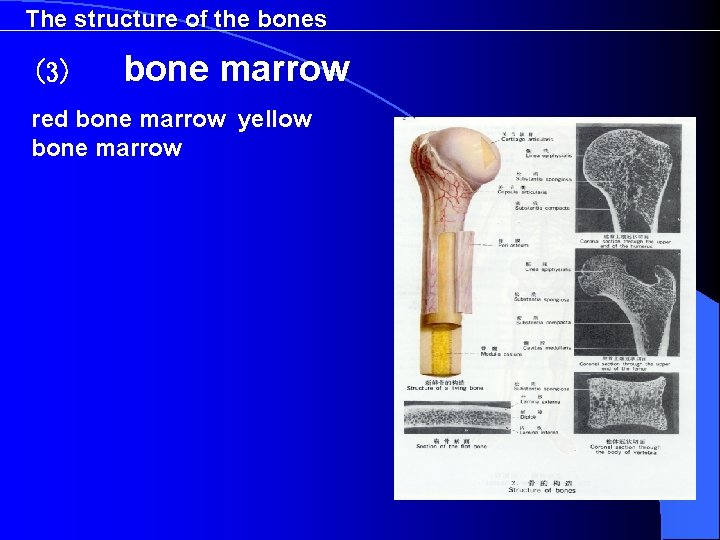
The structure of the bones (3) bone marrow red bone marrow yellow bone marrow
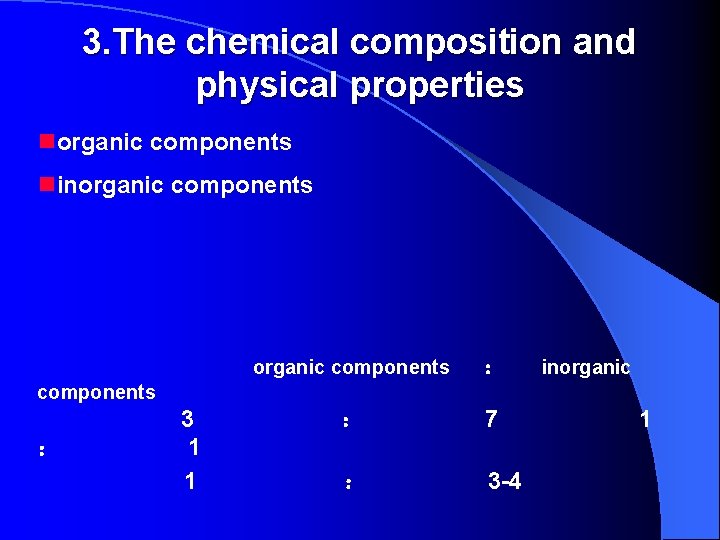
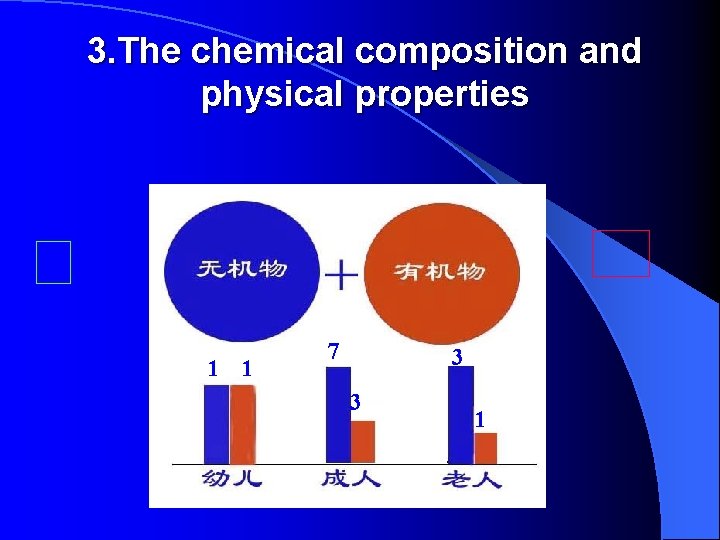
3. The chemical composition and physical properties norganic components ninorganic components : inorganic components 3 : 7 1 : 1 : 3 -4
3. The chemical composition and physical properties 1 1 7 3 3 1
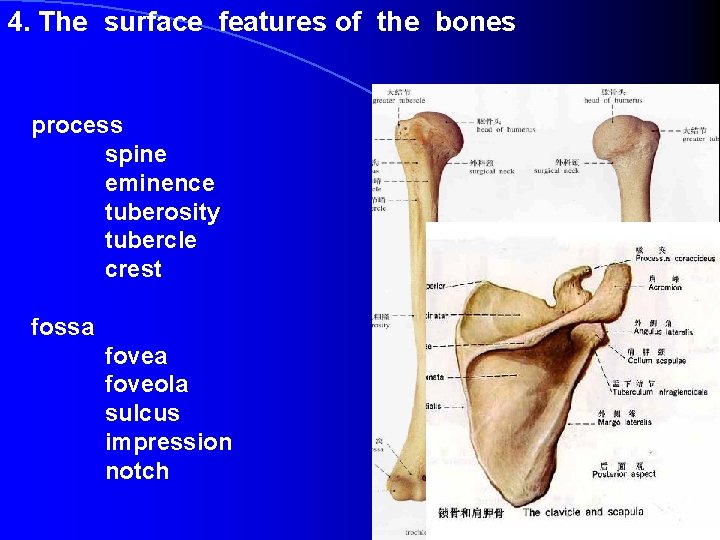
4. The surface features of the bones process spine eminence tuberosity tubercle crest fossa foveola sulcus impression notch
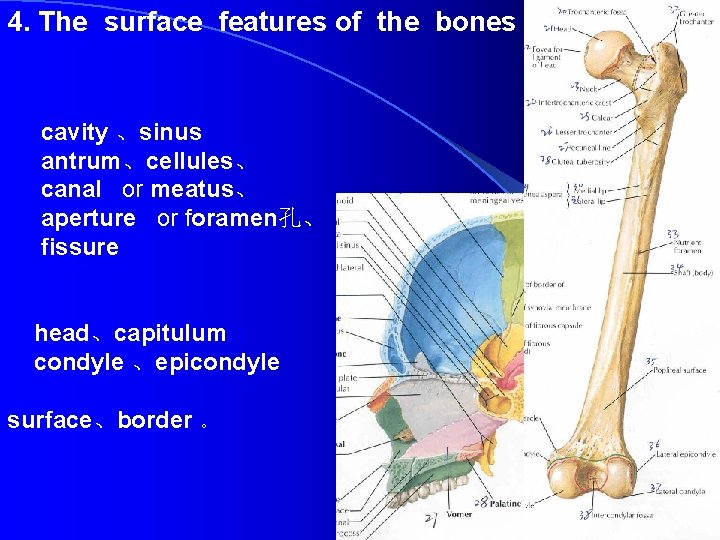
4. The surface features of the bones cavity 、sinus antrum、cellules、 canal or meatus、 aperture or foramen孔、 fissure head、capitulum condyle 、epicondyle surface、border 。
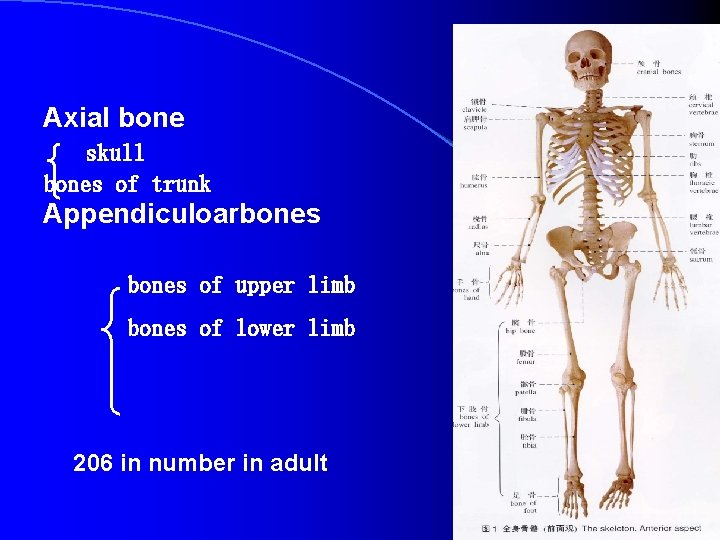
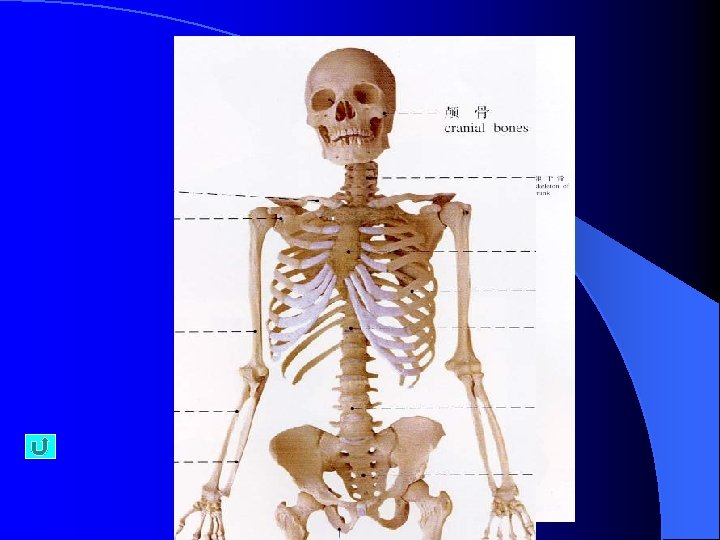
Axial bone skull bones of trunk Appendiculoarbones of upper limb bones of lower limb 206 in number in adult
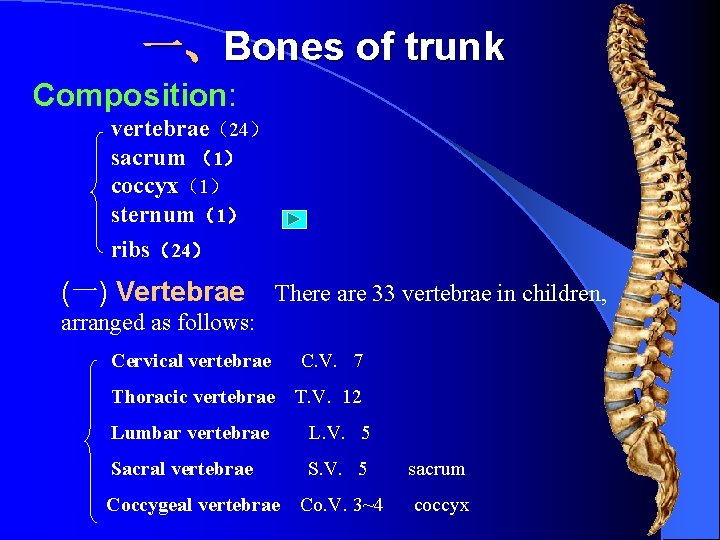
一、Bones of trunk Composition: vertebrae(24) sacrum (1) coccyx(1) sternum(1) ribs(24) (一) Vertebrae There are 33 vertebrae in children, arranged as follows: Cervical vertebrae C. V. 7 Thoracic vertebrae T. V. 12 Lumbar vertebrae L. V. 5 Sacral vertebrae S. V. 5 sacrum Co. V. 3~4 coccyx Coccygeal vertebrae
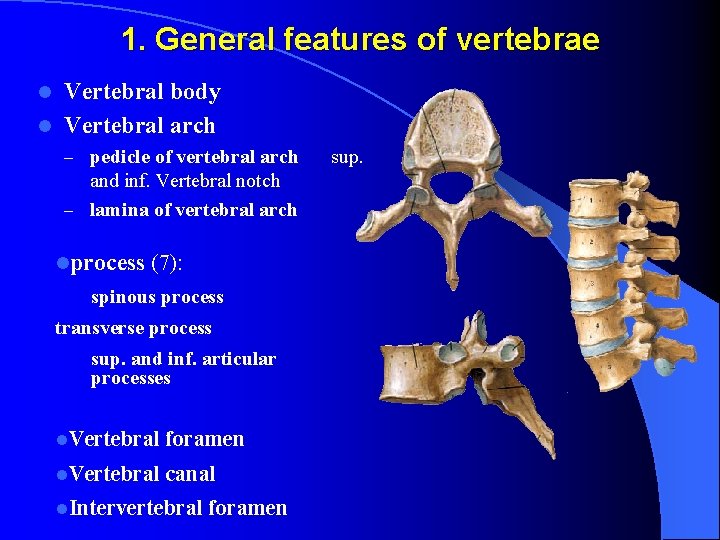
1. General features of vertebrae Vertebral body l Vertebral arch l – pedicle of vertebral arch and inf. Vertebral notch – lamina of vertebral arch lprocess (7): spinous process transverse process sup. and inf. articular processes l. Vertebral foramen l. Vertebral canal l. Intervertebral foramen sup.
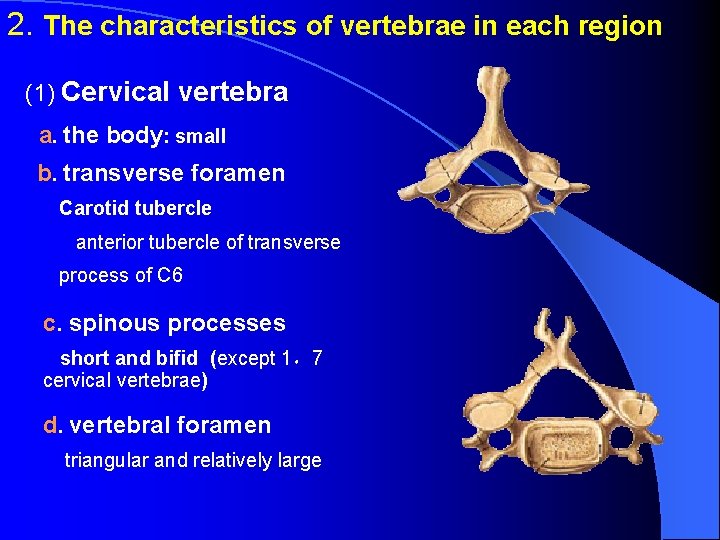
2. The characteristics of vertebrae in each region (1) Cervical vertebra a. the body: small b. transverse foramen Carotid tubercle anterior tubercle of transverse process of C 6 c. spinous processes short and bifid (except 1,7 cervical vertebrae) d. vertebral foramen triangular and relatively large
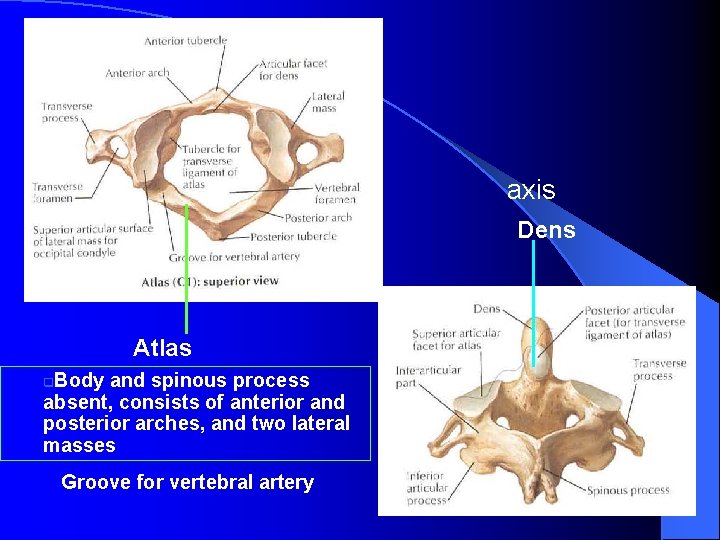
axis Dens Atlas Body and spinous process absent, consists of anterior and posterior arches, and two lateral masses q Groove for vertebral artery
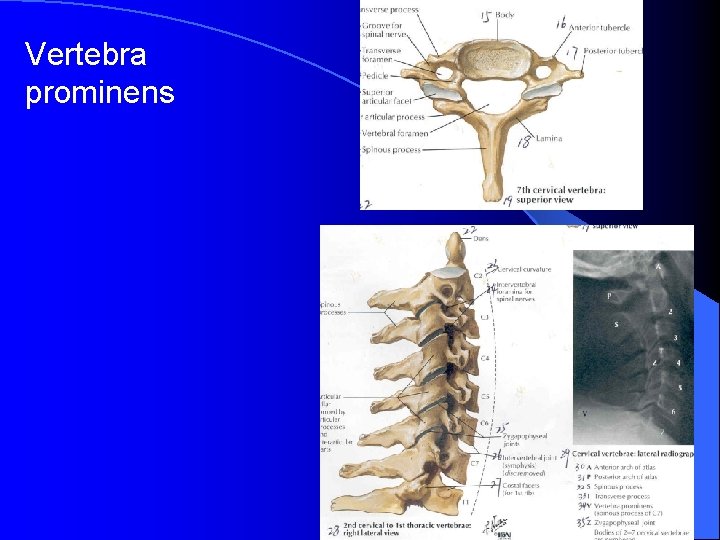
Vertebra prominens
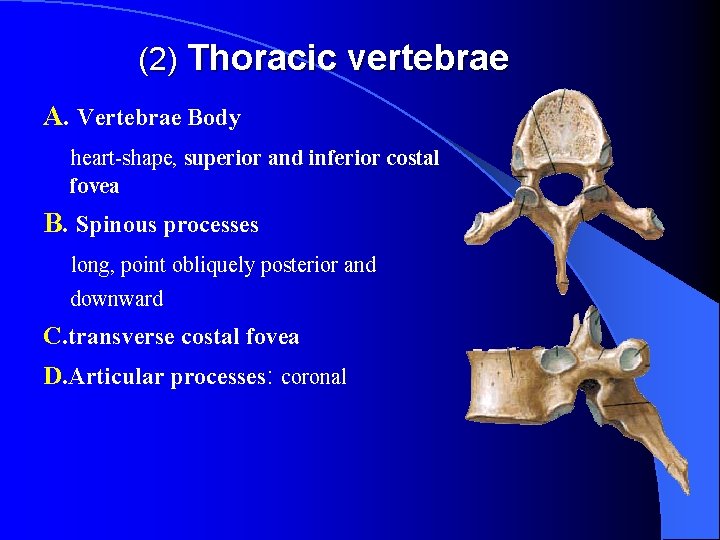
(2) Thoracic vertebrae A. Vertebrae Body heart-shape, superior and inferior costal fovea B. Spinous processes long, point obliquely posterior and downward C. transverse costal fovea D. Articular processes: coronal
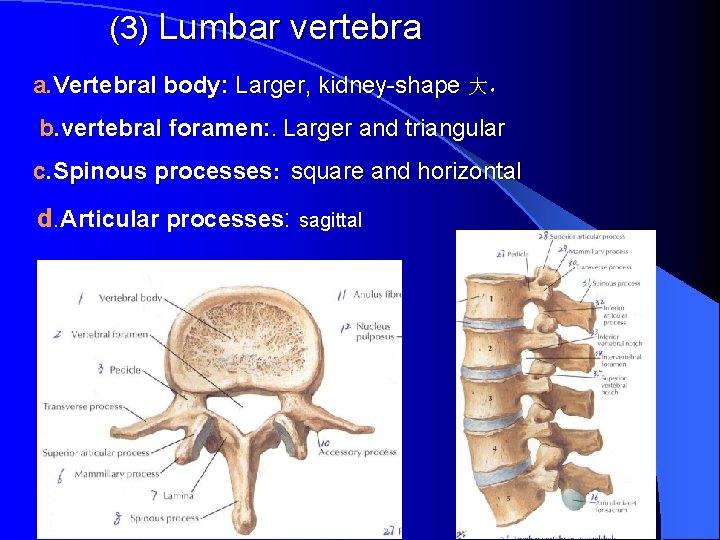
(3) Lumbar vertebra a. Vertebral body: Larger, kidney-shape 大, b. vertebral foramen: . Larger and triangular c. Spinous processes: square and horizontal d. Articular processes: sagittal
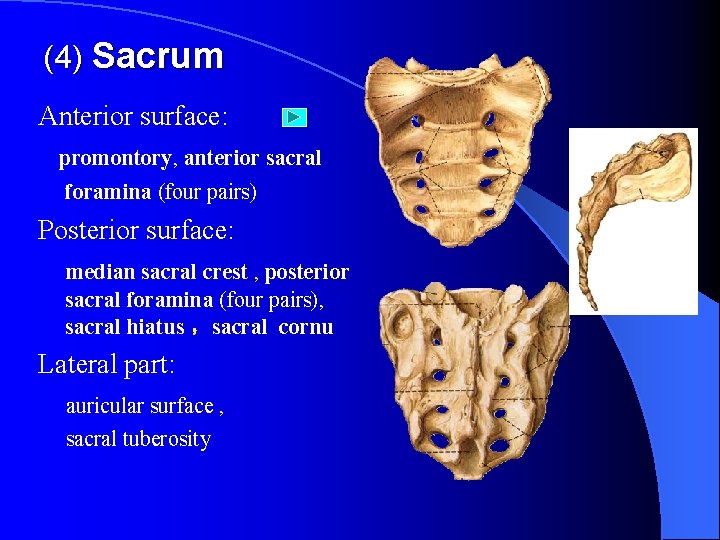
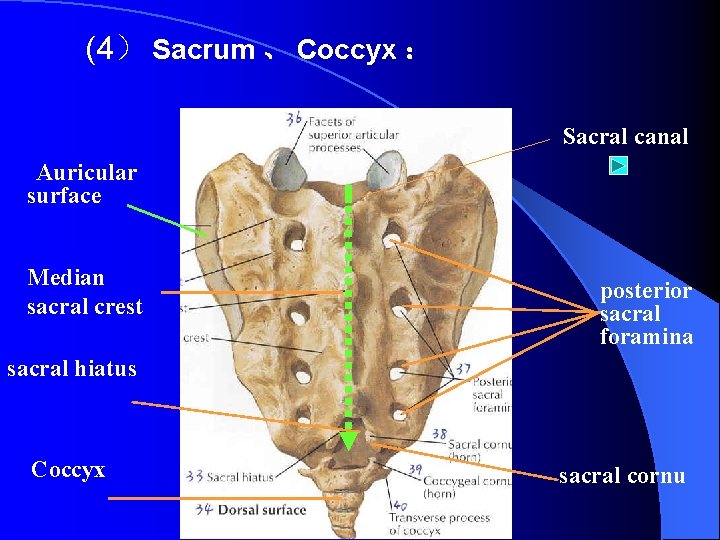
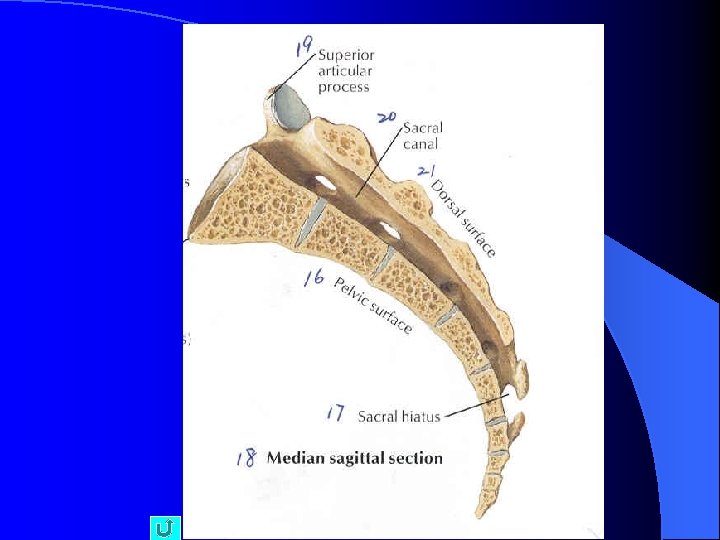
(4) Sacrum Anterior surface: promontory, anterior sacral foramina (four pairs) Posterior surface: median sacral crest , posterior sacral foramina (four pairs), sacral hiatus ,sacral cornu Lateral part: auricular surface , sacral tuberosity
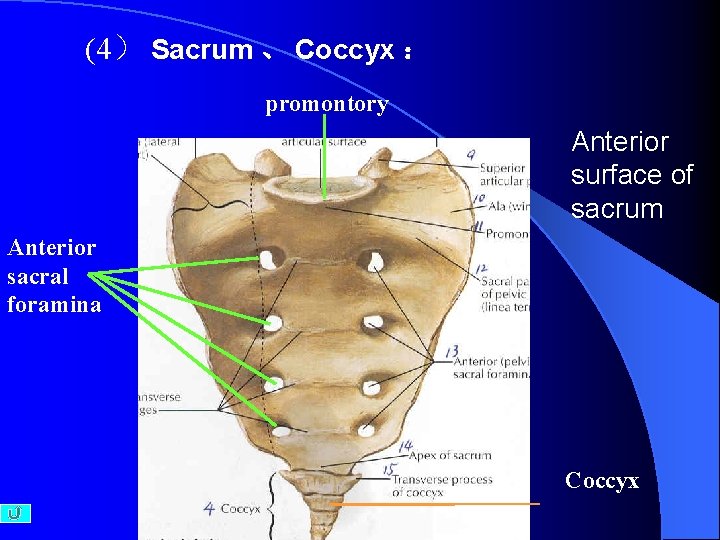
(4) Sacrum 、 Coccyx : promontory Anterior surface of sacrum Anterior sacral foramina Coccyx
(4) Sacrum 、 Coccyx : Sacral canal Auricular surface Median sacral crest sacral hiatus Coccyx posterior sacral foramina sacral cornu
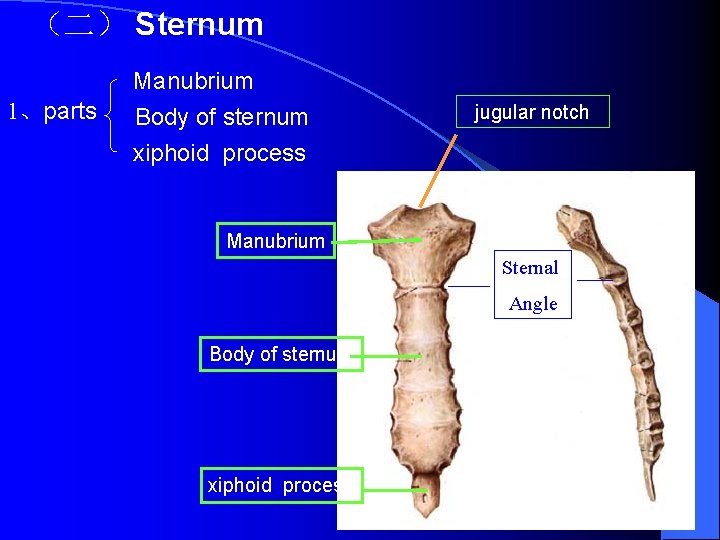
(二) Sternum Manubrium 1、parts Body of sternum jugular notch xiphoid process Manubrium Sternal Angle Body of sternum xiphoid process
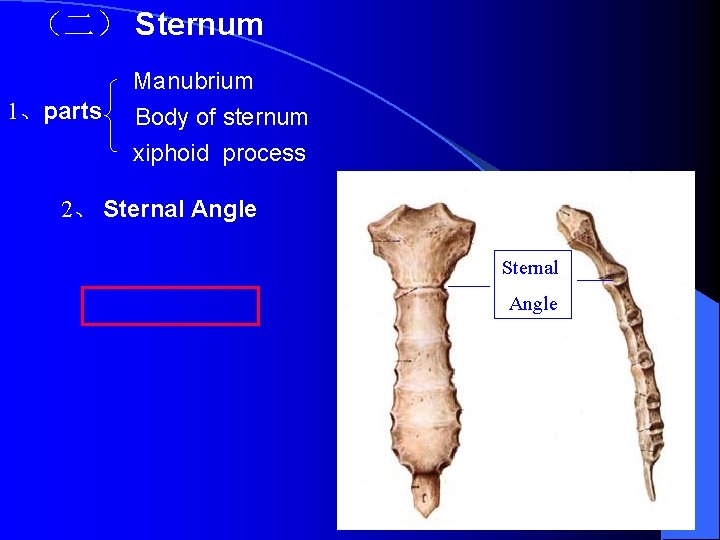
(二) Sternum Manubrium 1、parts Body of sternum xiphoid process 2、 Sternal Angle
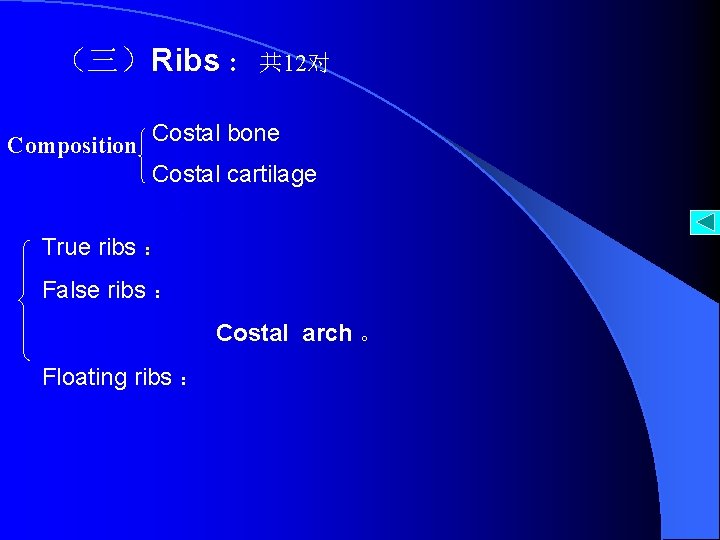
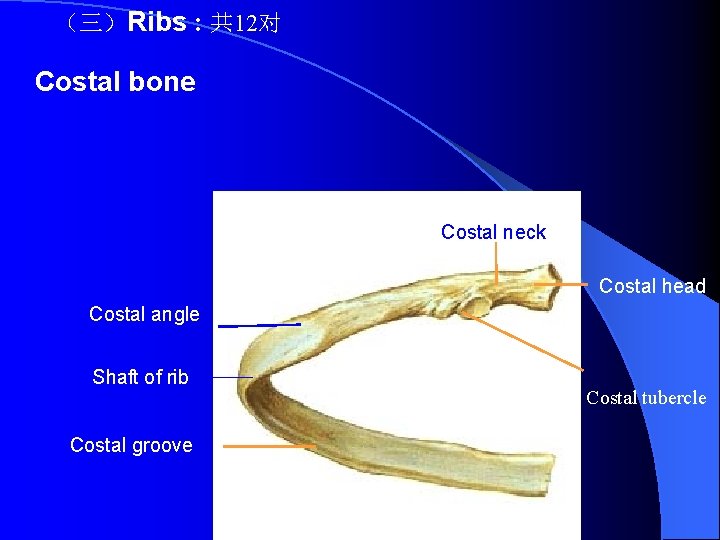
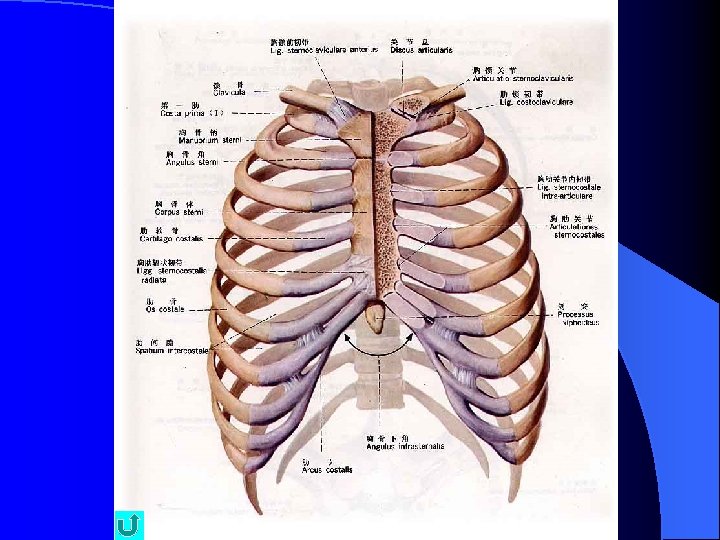
(三)Ribs : 共 12对 Composition Costal bone Costal cartilage True ribs : False ribs : Costal arch 。 Floating ribs :
(三)Ribs : 共 12对 Costal bone Costal neck Costal head Costal angle Shaft of rib Costal groove Costal tubercle
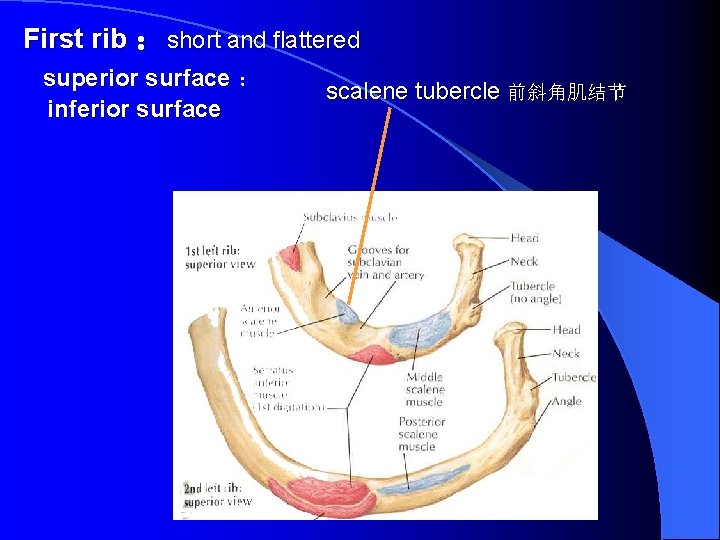
First rib :short and flattered superior surface : inferior surface scalene tubercle 前斜角肌结节
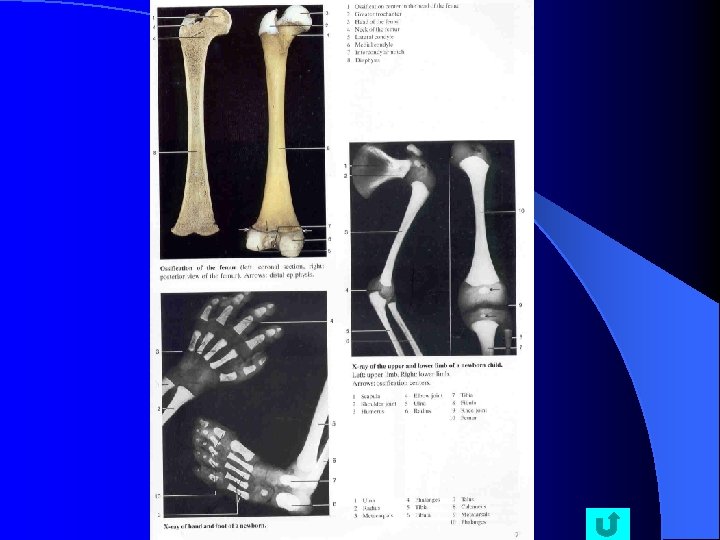
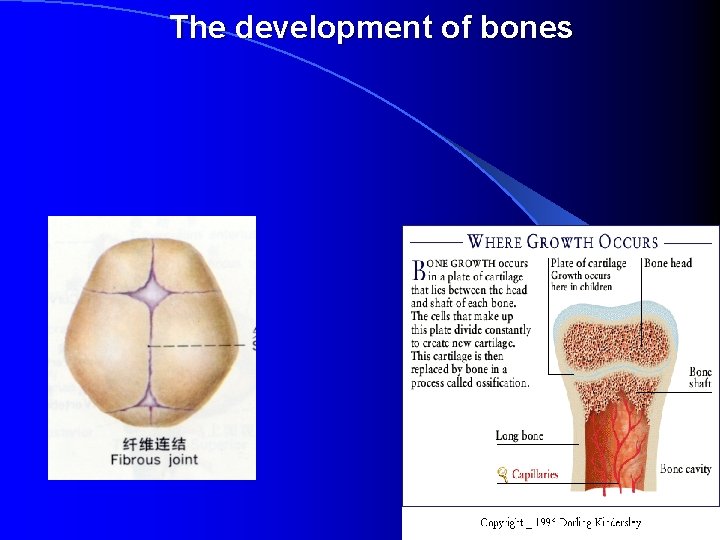
The development of bones