
Hubberts Peak The Coal Question and Climate Change
Hubbert’s Peak, The Coal Question, and Climate Change Dave Rutledge web: rutledge. caltech. edu email: rutledge@caltech. edu

The UN Panel on Climate Change (IPCC) • Released 4 th Assessment Report in 2007 • The IPCC works with scenarios “… alternative images of how the future might unfold. ” • “… 40 SRES [Special Report on Emissions Scenarios] scenarios together encompass the current range of uncertainties…” 2
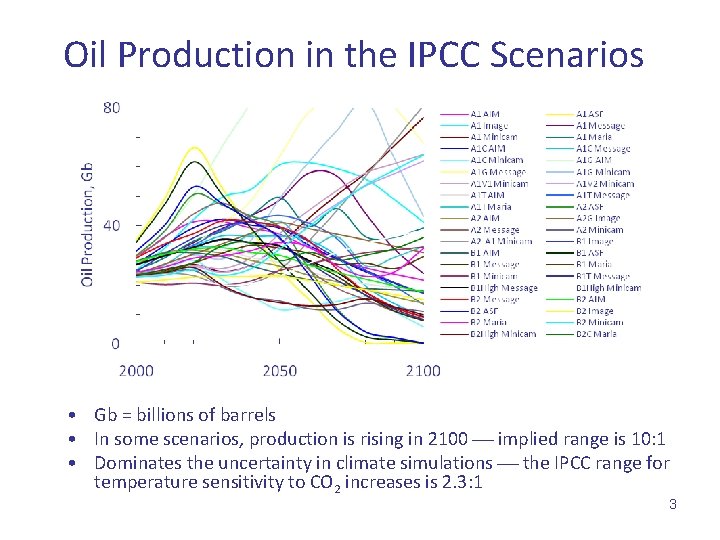
Oil Production in the IPCC Scenarios • Gb = billions of barrels • In some scenarios, production is rising in 2100 implied range is 10: 1 • Dominates the uncertainty in climate simulations the IPCC range for temperature sensitivity to CO 2 increases is 2. 3: 1 3
Goal is to Reduce the Uncertainty for Fossil -Fuel Production to below the Uncertainty for Temperature Sensitivity • Historical study of the two major national fossil-fuel resources with significant exhaustion – US oil Hubbert’s peak – British coal The Coal Question • Other examples – US whale oil – Pennsylvania anthracite • Projections for world oil, gas, and coal production • Implications for alternatives to fossil fuels • Simulations for CO 2 levels and temperatures 4
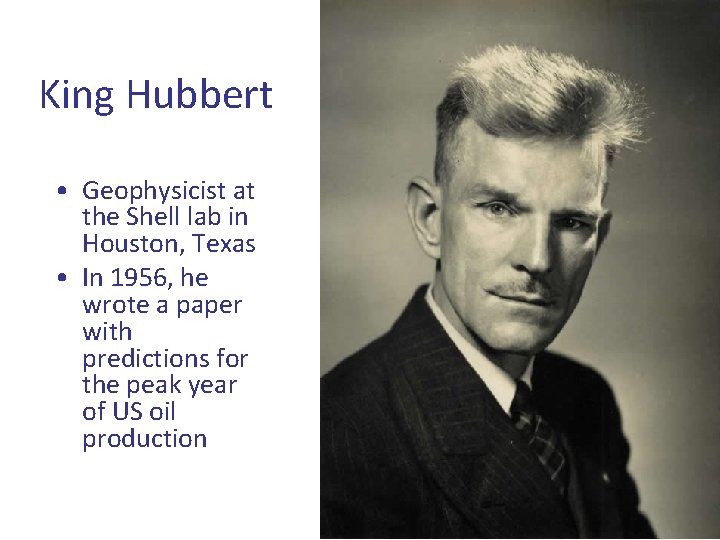
King Hubbert • Geophysicist at the Shell lab in Houston, Texas • In 1956, he wrote a paper with predictions for the peak year of US oil production 5
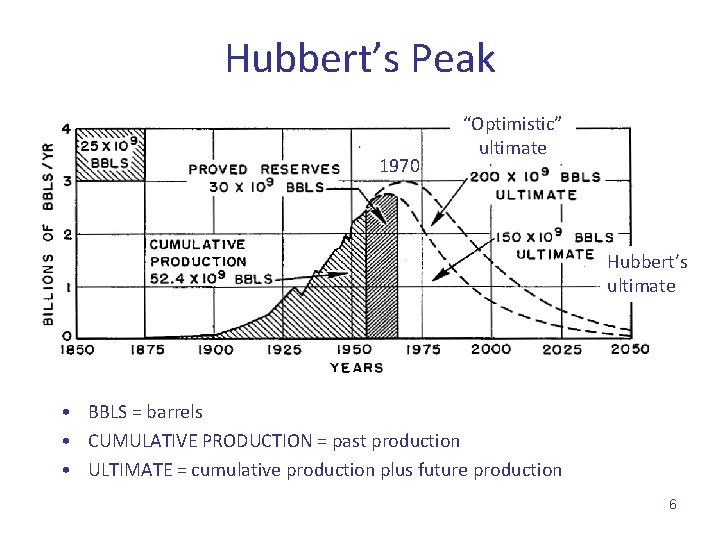
Hubbert’s Peak 1970 “Optimistic” ultimate Hubbert’s ultimate • BBLS = barrels • CUMULATIVE PRODUCTION = past production • ULTIMATE = cumulative production plus future production 6
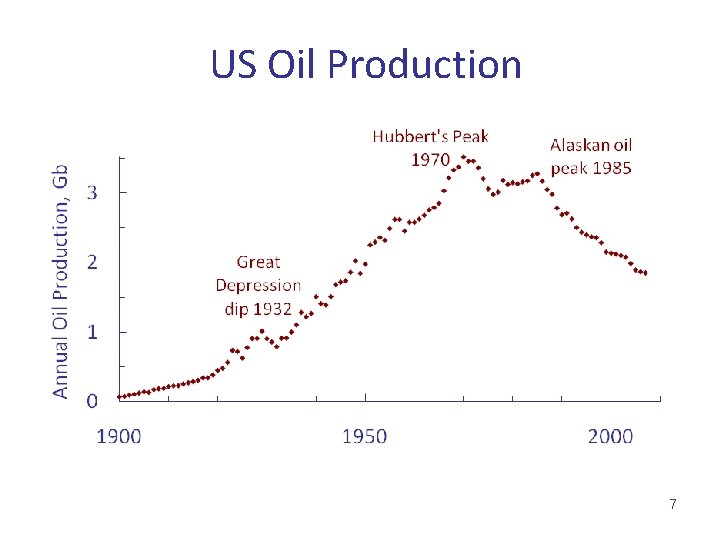
US Oil Production 7
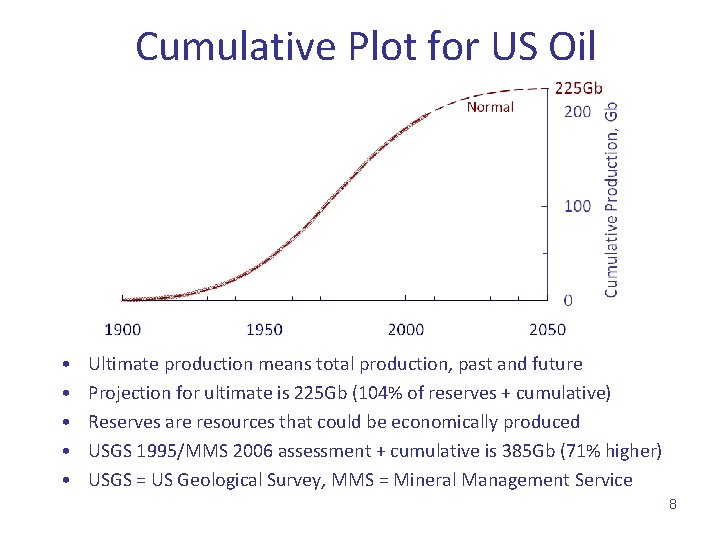
Cumulative Plot for US Oil • • • Ultimate production means total production, past and future Projection for ultimate is 225 Gb (104% of reserves + cumulative) Reserves are resources that could be economically produced USGS 1995/MMS 2006 assessment + cumulative is 385 Gb (71% higher) USGS = US Geological Survey, MMS = Mineral Management Service 8
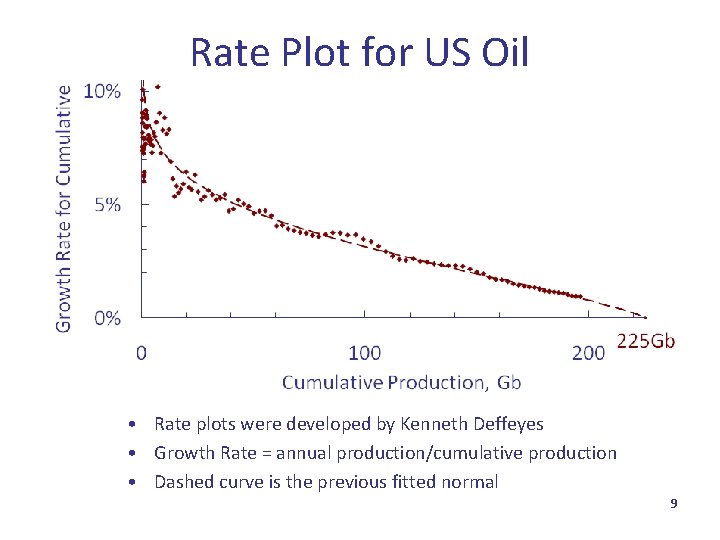
Rate Plot for US Oil • Rate plots were developed by Kenneth Deffeyes • Growth Rate = annual production/cumulative production • Dashed curve is the previous fitted normal 9
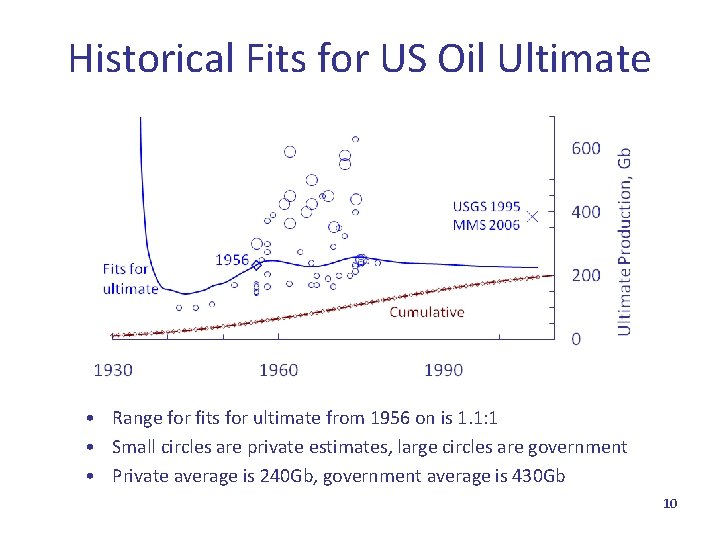
Historical Fits for US Oil Ultimate • Range for fits for ultimate from 1956 on is 1. 1: 1 • Small circles are private estimates, large circles are government • Private average is 240 Gb, government average is 430 Gb 10

Are the Government Assessments too High? “When USGS workers tried to estimate resources, they acted, well, like bureaucrats. Whenever a judgment call was made about choosing a statistical method, the USGS almost invariably tended to pick the one that gave the higher estimate. ” Kenneth Deffeyes Professor of Geology, emeritus, Princeton University Deffeyes’ Law of Bureaucratic Resource Estimates 11
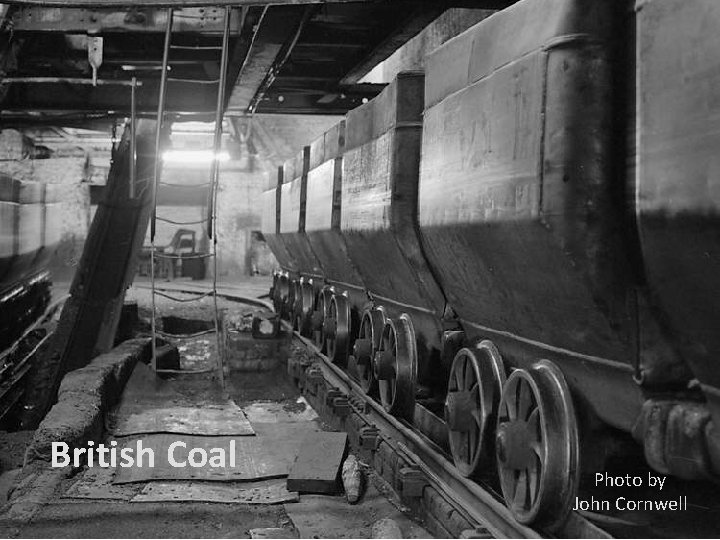
British Coal Photo by 12 John Cornwell
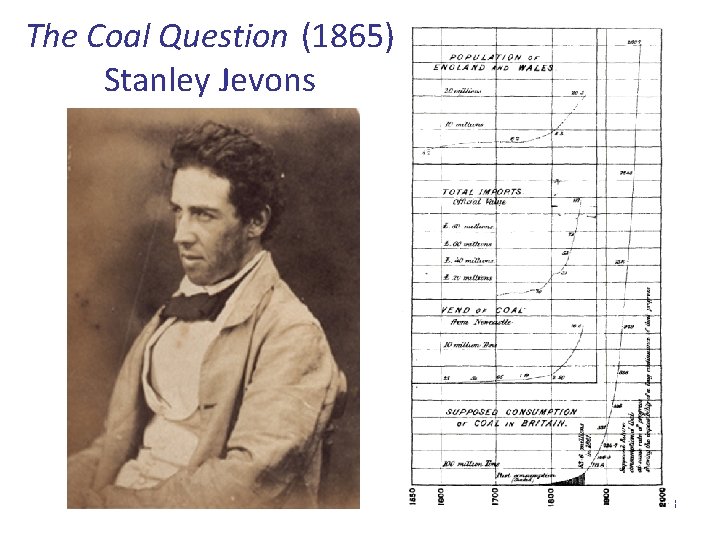
The Coal Question (1865) Stanley Jevons 13
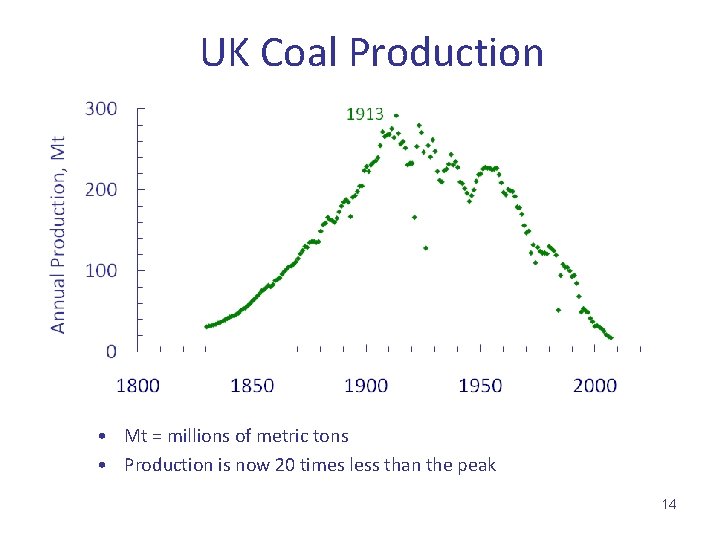
UK Coal Production • Mt = millions of metric tons • Production is now 20 times less than the peak 14
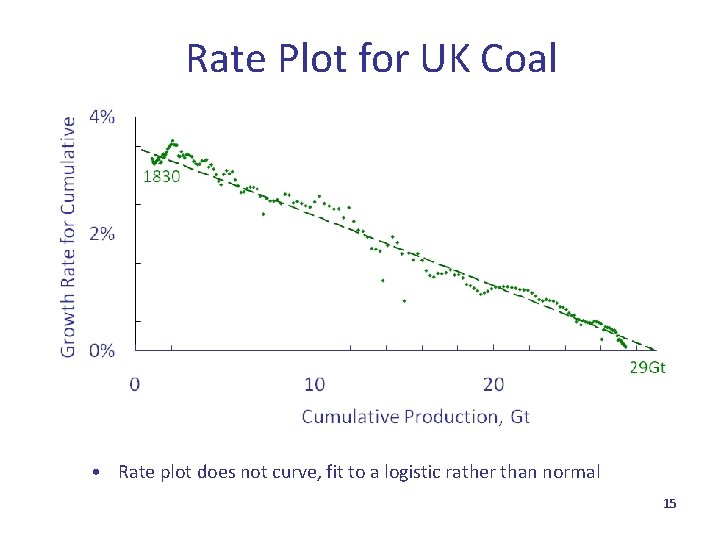
Rate Plot for UK Coal • Rate plot does not curve, fit to a logistic rather than normal 15
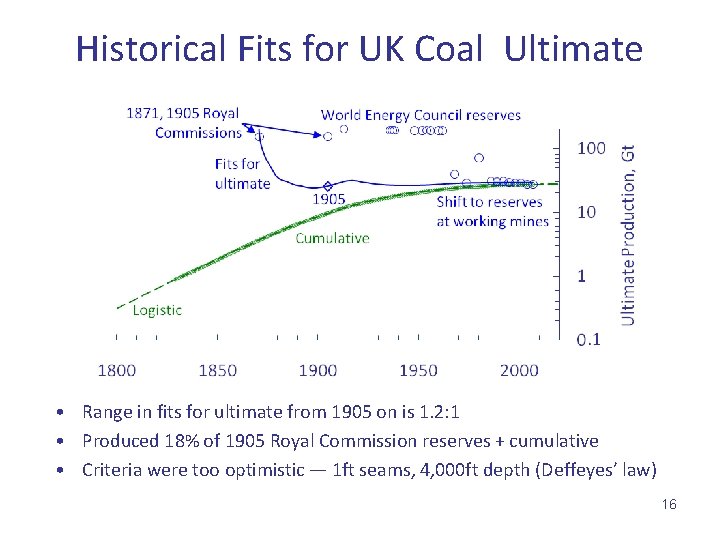
Historical Fits for UK Coal Ultimate • Range in fits for ultimate from 1905 on is 1. 2: 1 • Produced 18% of 1905 Royal Commission reserves + cumulative • Criteria were too optimistic ― 1 ft seams, 4, 000 ft depth (Deffeyes’ law) 16
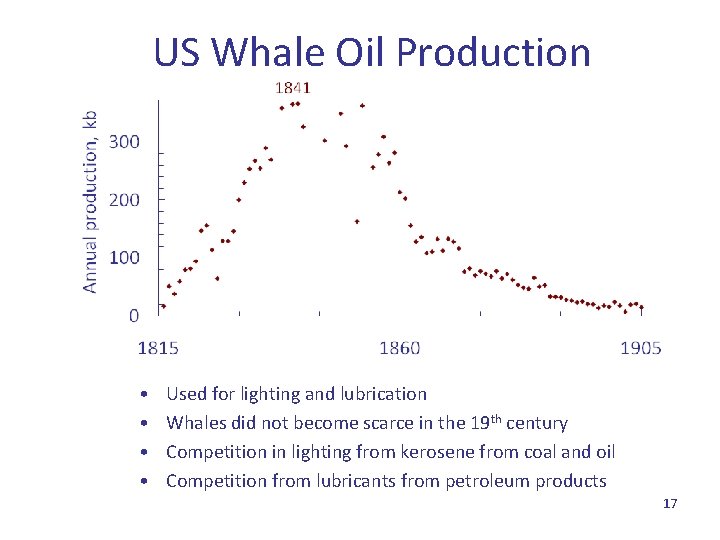
US Whale Oil Production • • Used for lighting and lubrication Whales did not become scarce in the 19 th century Competition in lighting from kerosene from coal and oil Competition from lubricants from petroleum products 17
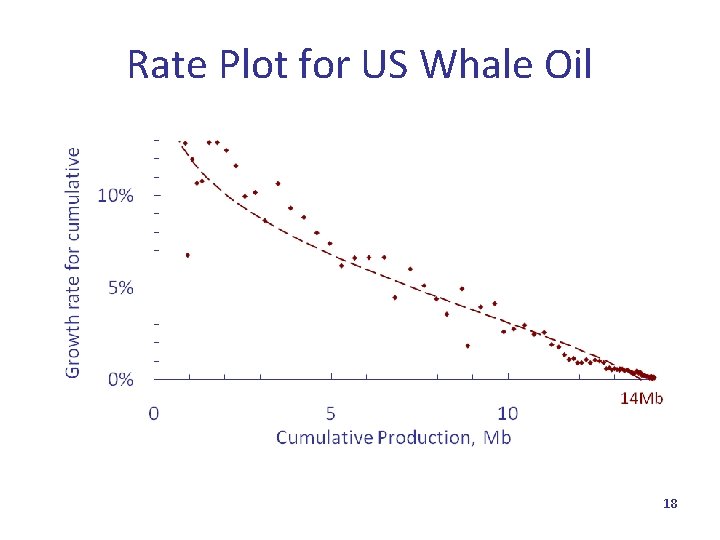
Rate Plot for US Whale Oil 18
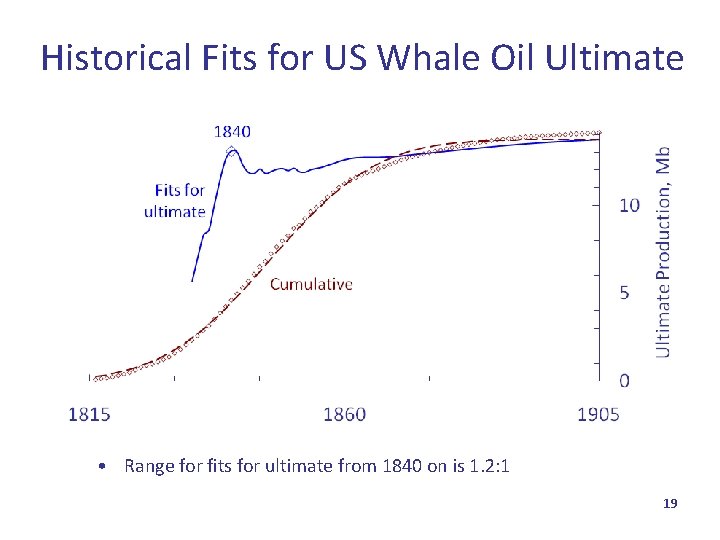
Historical Fits for US Whale Oil Ultimate • Range for fits for ultimate from 1840 on is 1. 2: 1 19
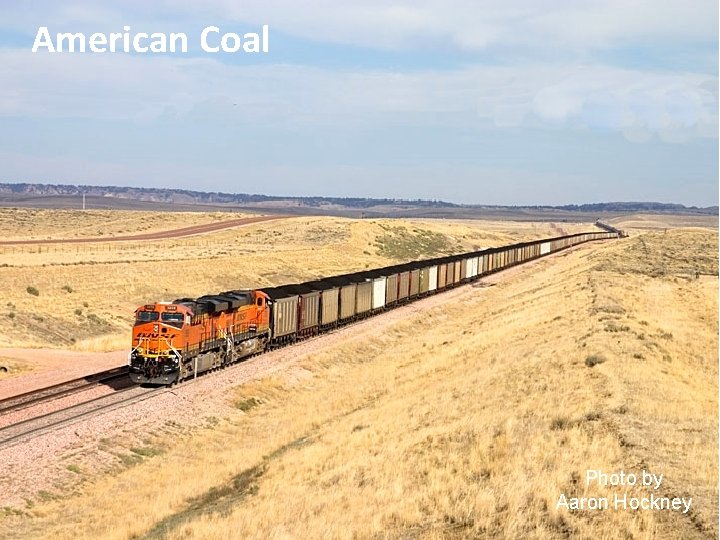
American Coal Photo by 20 Aaron Hockney
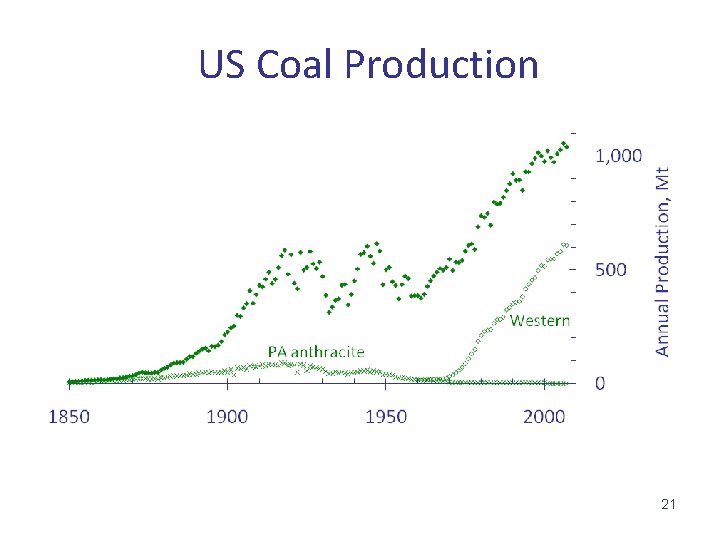
US Coal Production 21
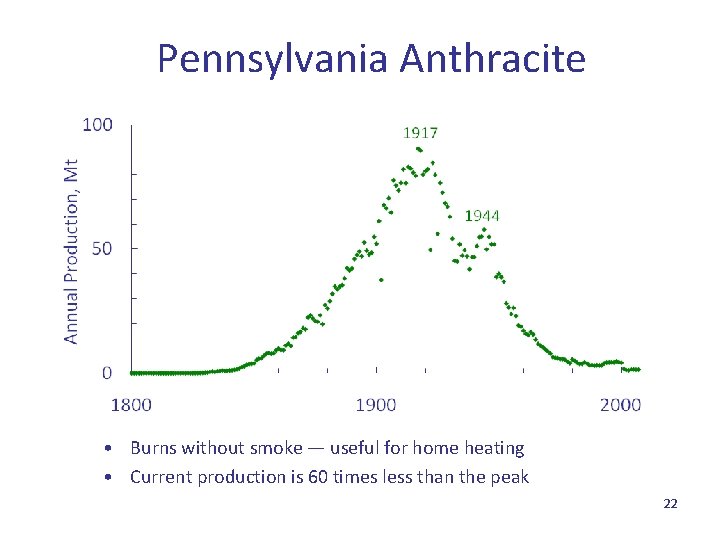
Pennsylvania Anthracite • Burns without smoke — useful for home heating • Current production is 60 times less than the peak 22
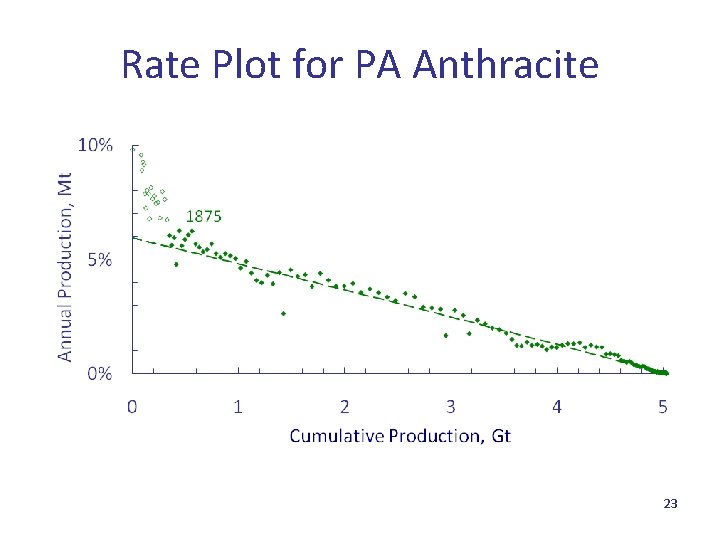
Rate Plot for PA Anthracite 23
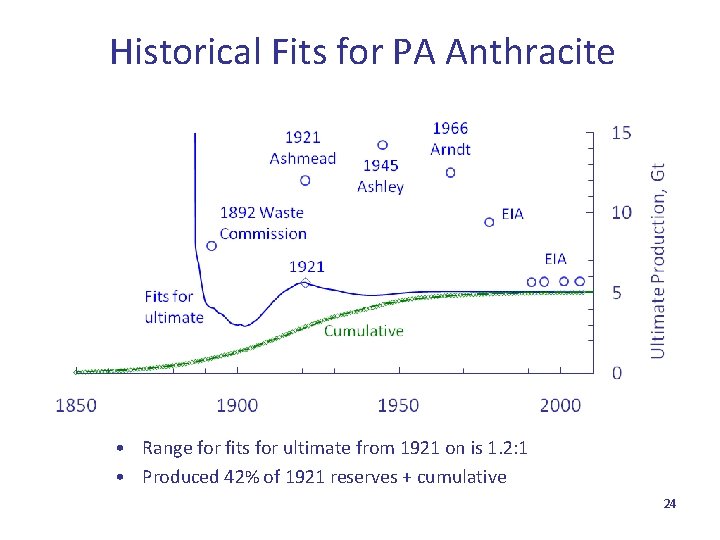
Historical Fits for PA Anthracite • Range for fits for ultimate from 1921 on is 1. 2: 1 • Produced 42% of 1921 reserves + cumulative 24
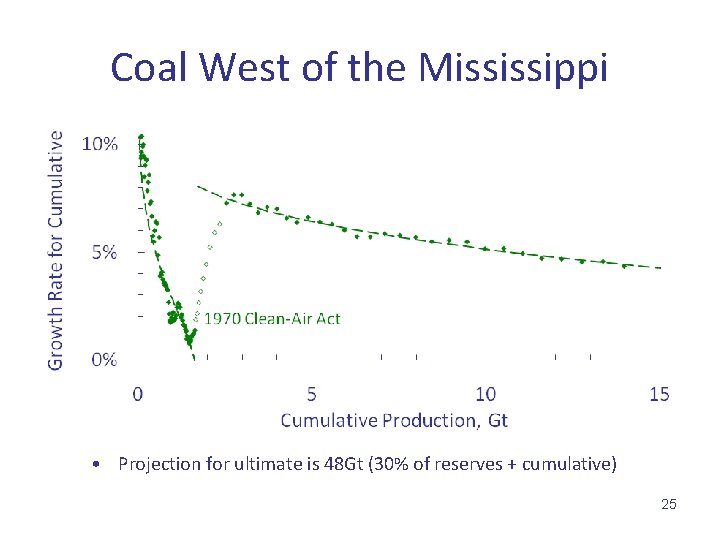
Coal West of the Mississippi • Projection for ultimate is 48 Gt (30% of reserves + cumulative) 25
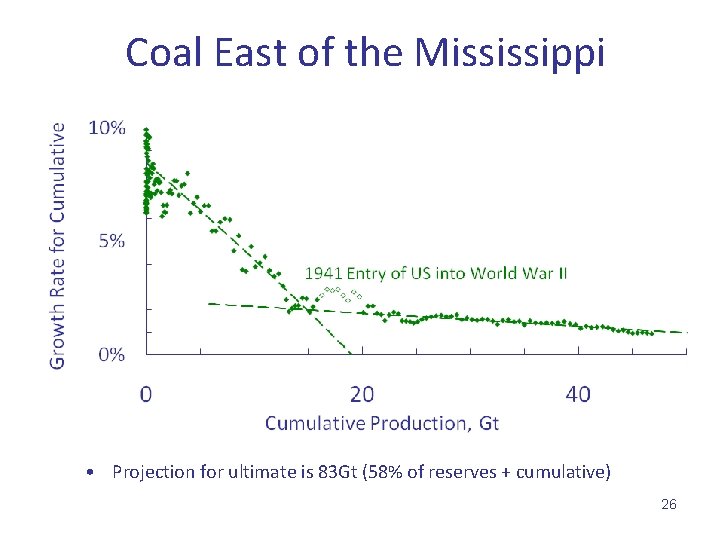
Coal East of the Mississippi • Projection for ultimate is 83 Gt (58% of reserves + cumulative) 26
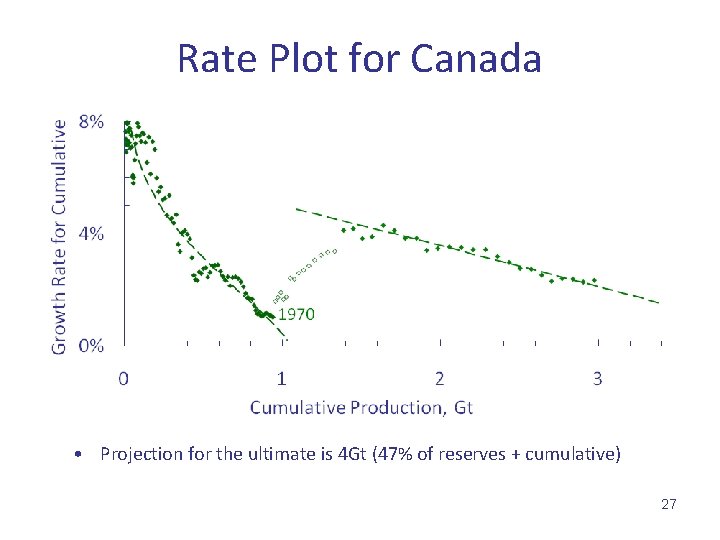
Rate Plot for Canada • Projection for the ultimate is 4 Gt (47% of reserves + cumulative) 27
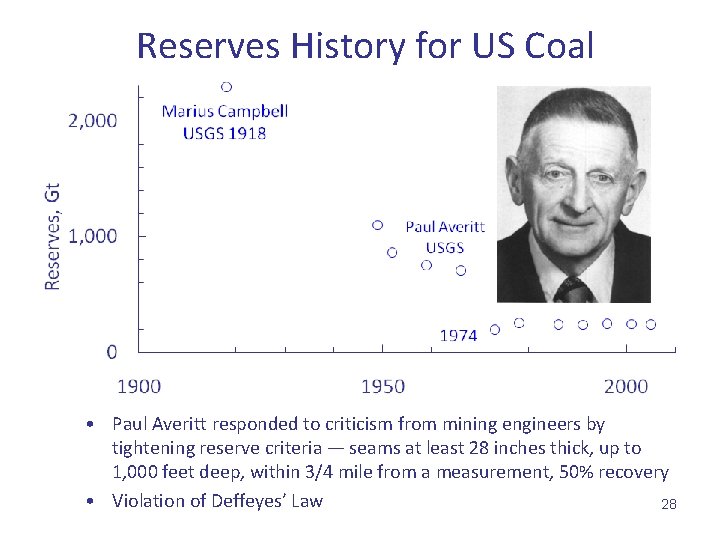
Reserves History for US Coal • Paul Averitt responded to criticism from mining engineers by tightening reserve criteria — seams at least 28 inches thick, up to 1, 000 feet deep, within 3/4 mile from a measurement, 50% recovery • Violation of Deffeyes’ Law 28
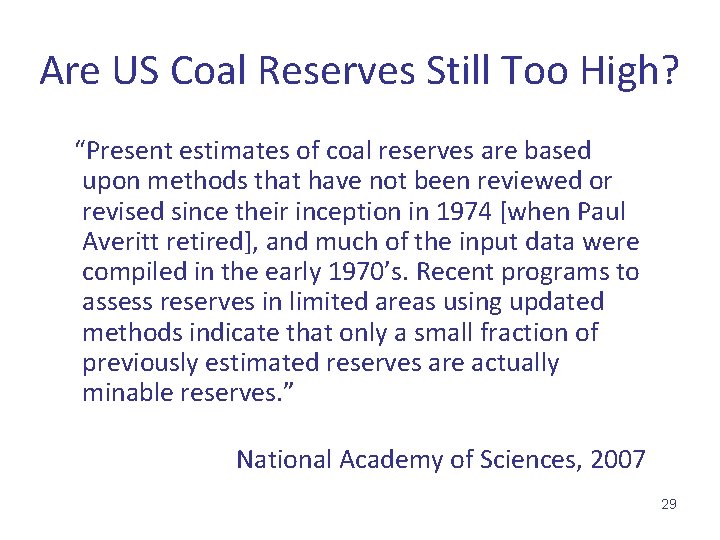
Are US Coal Reserves Still Too High? “Present estimates of coal reserves are based upon methods that have not been reviewed or revised since their inception in 1974 [when Paul Averitt retired], and much of the input data were compiled in the early 1970’s. Recent programs to assess reserves in limited areas using updated methods indicate that only a small fraction of previously estimated reserves are actually minable reserves. ” National Academy of Sciences, 2007 29
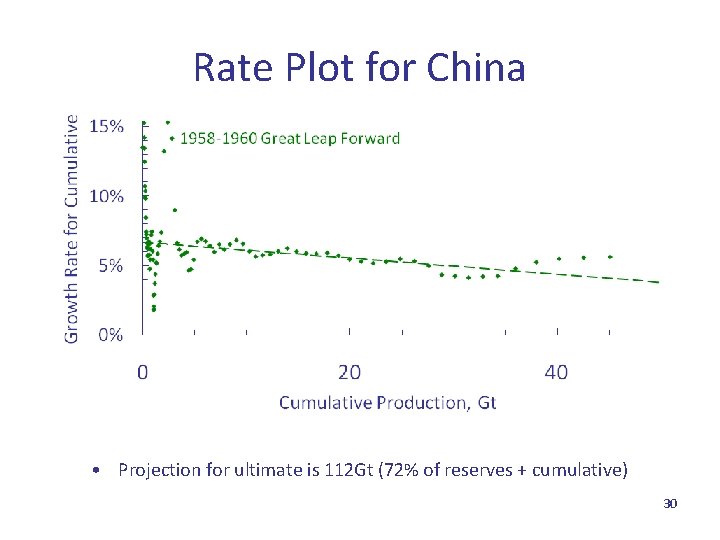
Rate Plot for China • Projection for ultimate is 112 Gt (72% of reserves + cumulative) 30
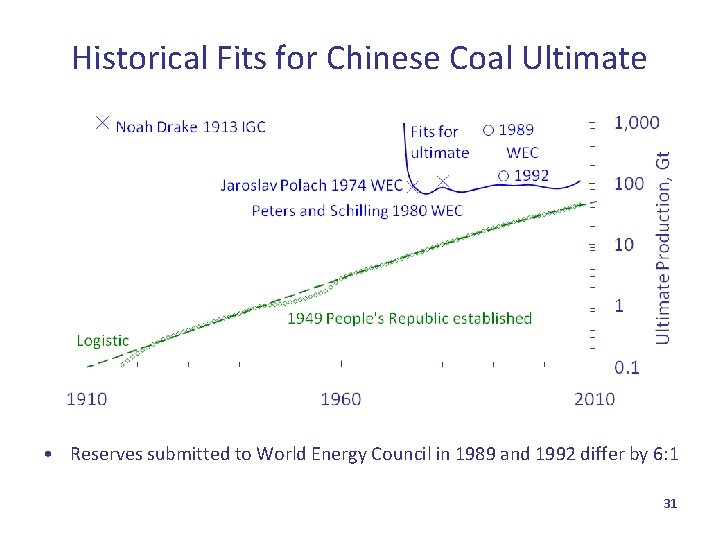
Historical Fits for Chinese Coal Ultimate • Reserves submitted to World Energy Council in 1989 and 1992 differ by 6: 1 31
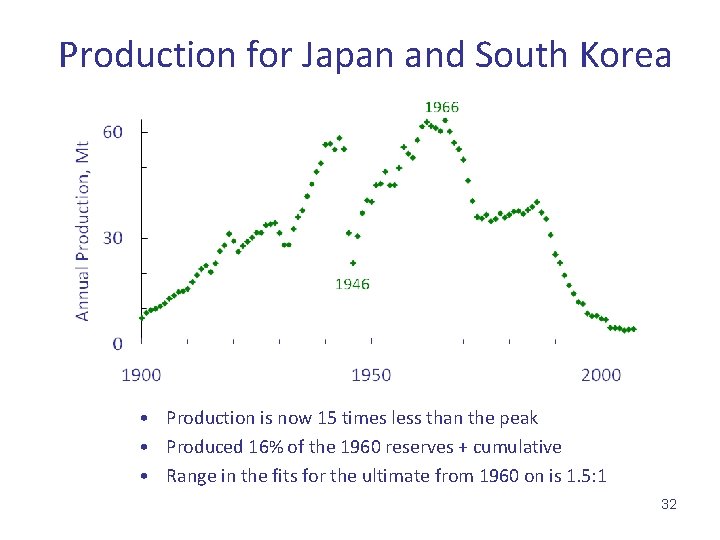
Production for Japan and South Korea • Production is now 15 times less than the peak • Produced 16% of the 1960 reserves + cumulative • Range in the fits for the ultimate from 1960 on is 1. 5: 1 32
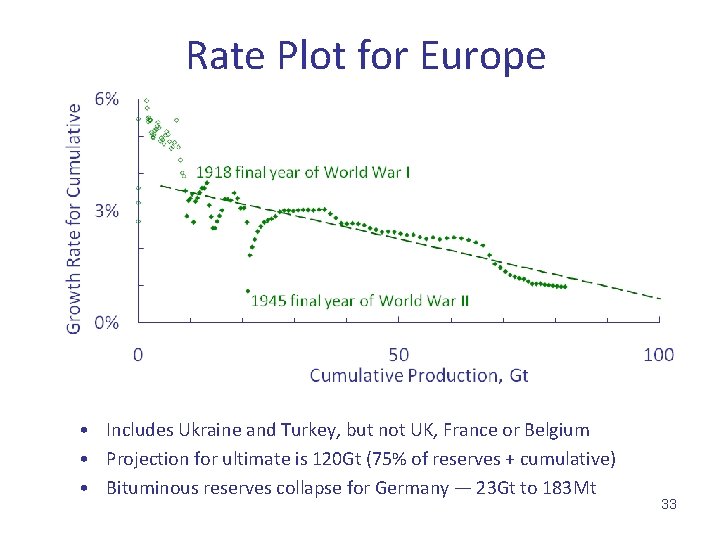
Rate Plot for Europe • Includes Ukraine and Turkey, but not UK, France or Belgium • Projection for ultimate is 120 Gt (75% of reserves + cumulative) • Bituminous reserves collapse for Germany — 23 Gt to 183 Mt 33
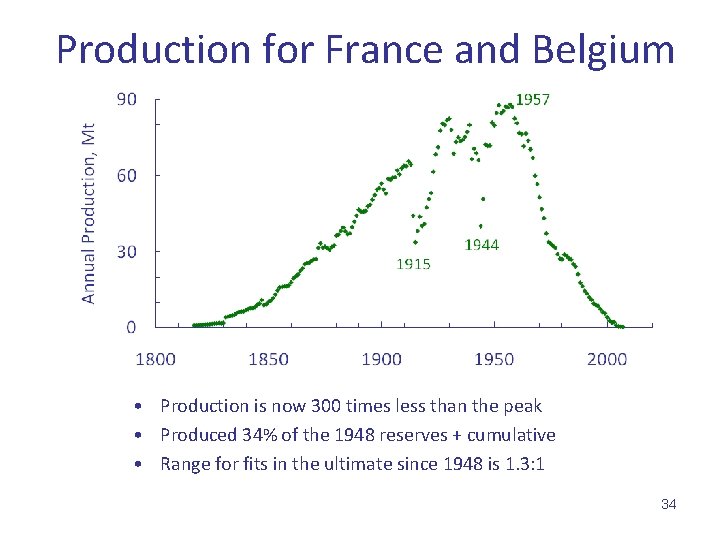
Production for France and Belgium • Production is now 300 times less than the peak • Produced 34% of the 1948 reserves + cumulative • Range for fits in the ultimate since 1948 is 1. 3: 1 34
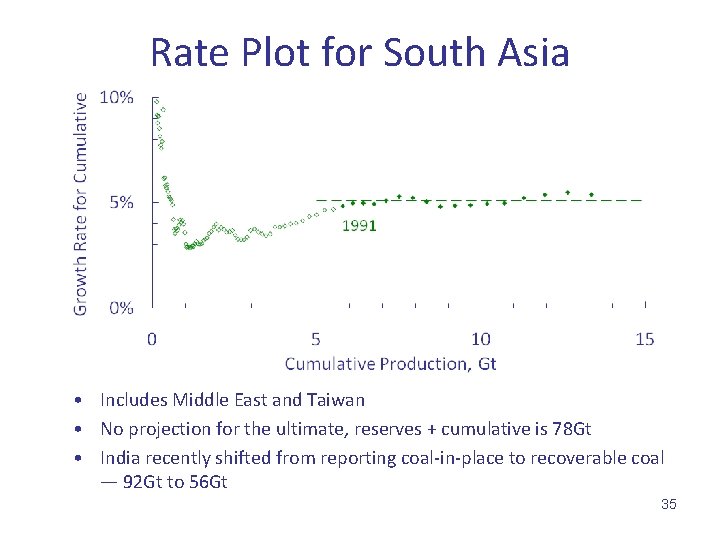
Rate Plot for South Asia • Includes Middle East and Taiwan • No projection for the ultimate, reserves + cumulative is 78 Gt • India recently shifted from reporting coal-in-place to recoverable coal ― 92 Gt to 56 Gt 35
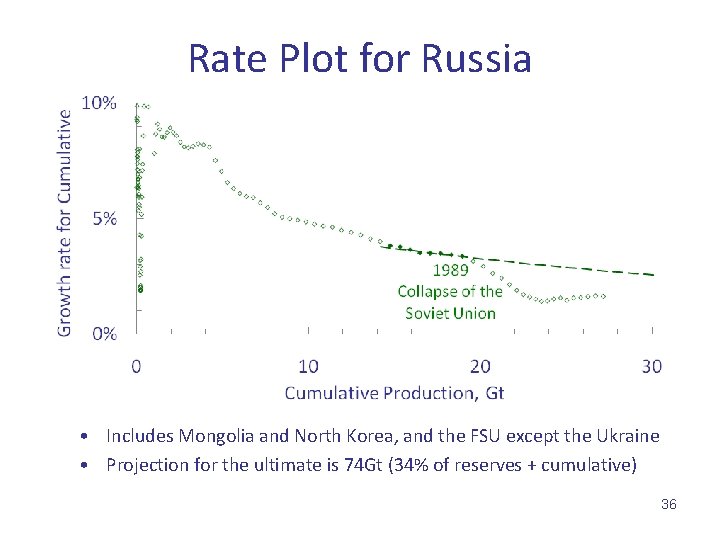
Rate Plot for Russia • Includes Mongolia and North Korea, and the FSU except the Ukraine • Projection for the ultimate is 74 Gt (34% of reserves + cumulative) 36
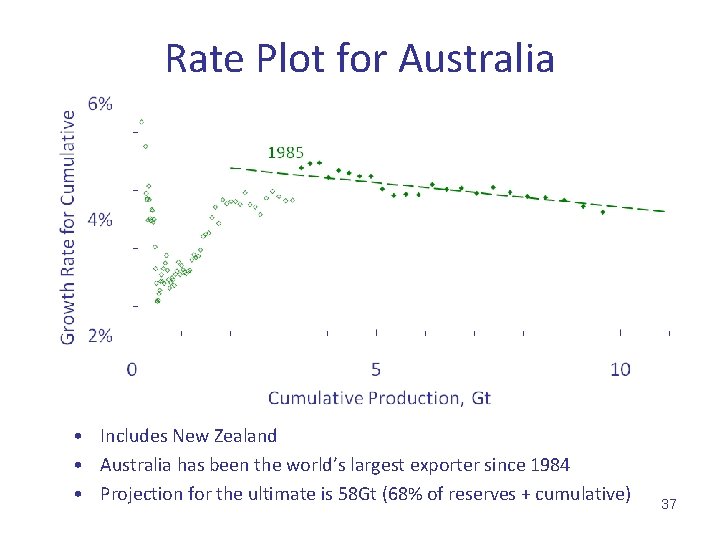
Rate Plot for Australia • Includes New Zealand • Australia has been the world’s largest exporter since 1984 • Projection for the ultimate is 58 Gt (68% of reserves + cumulative) 37
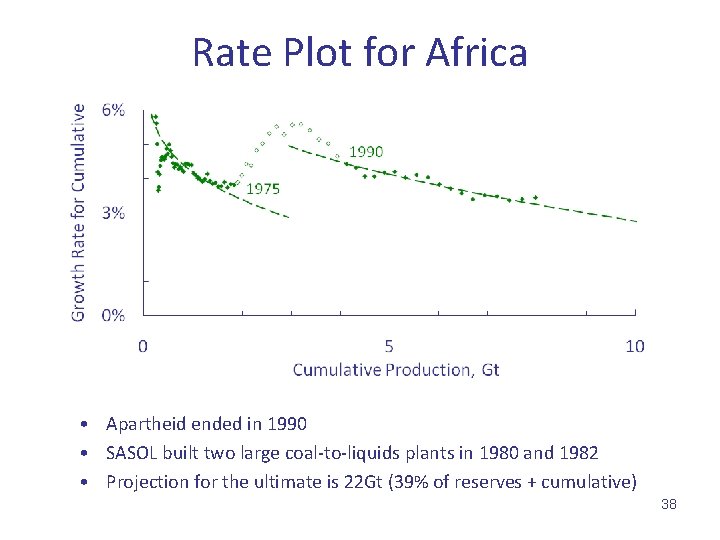
Rate Plot for Africa • Apartheid ended in 1990 • SASOL built two large coal-to-liquids plants in 1980 and 1982 • Projection for the ultimate is 22 Gt (39% of reserves + cumulative) 38
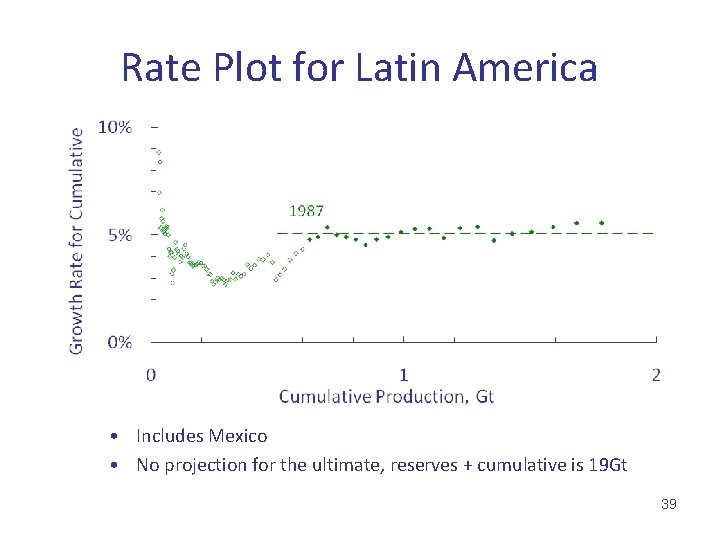
Rate Plot for Latin America • Includes Mexico • No projection for the ultimate, reserves + cumulative is 19 Gt 39
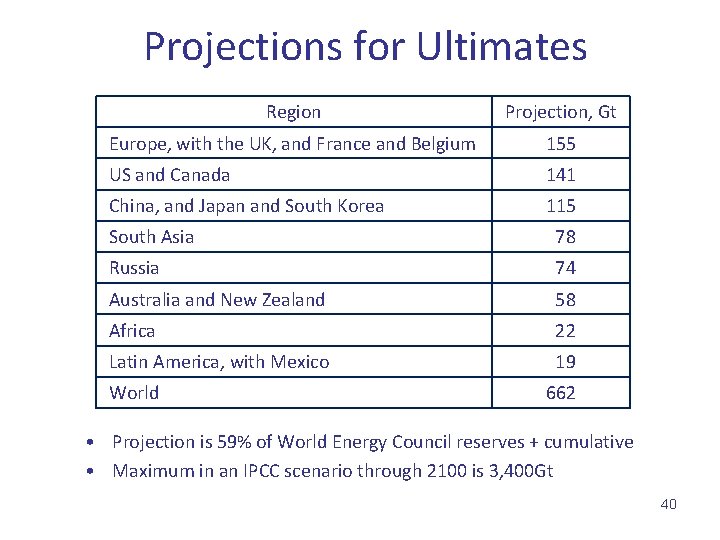
Projections for Ultimates Region Projection, Gt Europe, with the UK, and France and Belgium 155 US and Canada 141 China, and Japan and South Korea 115 South Asia 78 Russia 74 Australia and New Zealand 58 Africa 22 Latin America, with Mexico 19 World 662 • Projection is 59% of World Energy Council reserves + cumulative • Maximum in an IPCC scenario through 2100 is 3, 400 Gt 40
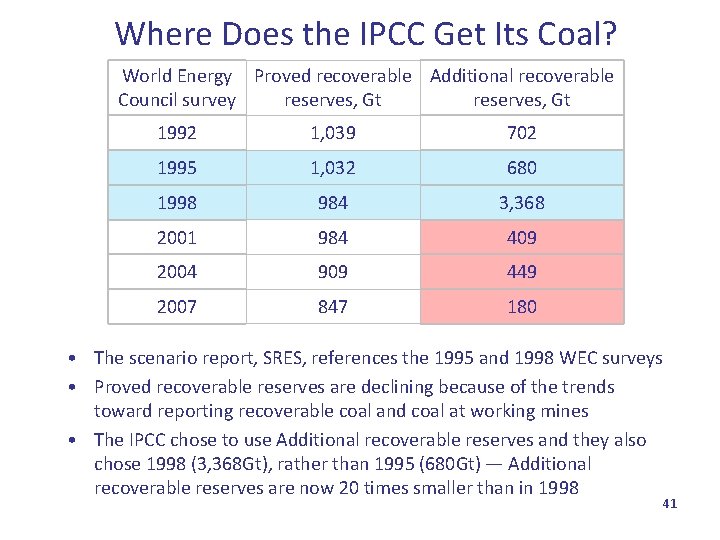
Where Does the IPCC Get Its Coal? World Energy Proved recoverable Additional recoverable Council survey reserves, Gt 1992 1, 039 702 1995 1, 032 680 1998 984 3, 368 2001 984 409 2004 909 449 2007 847 180 • The scenario report, SRES, references the 1995 and 1998 WEC surveys • Proved recoverable reserves are declining because of the trends toward reporting recoverable coal and coal at working mines • The IPCC chose to use Additional recoverable reserves and they also chose 1998 (3, 368 Gt), rather than 1995 (680 Gt) — Additional recoverable reserves are now 20 times smaller than in 1998 41
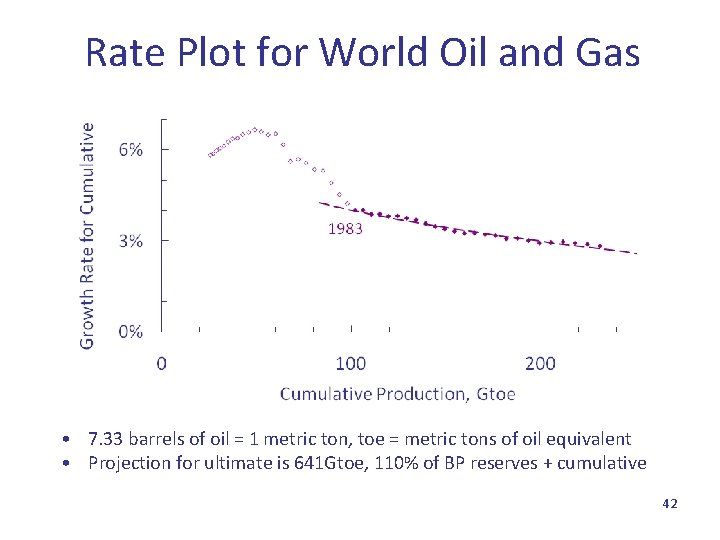
Rate Plot for World Oil and Gas • 7. 33 barrels of oil = 1 metric ton, toe = metric tons of oil equivalent • Projection for ultimate is 641 Gtoe, 110% of BP reserves + cumulative 42
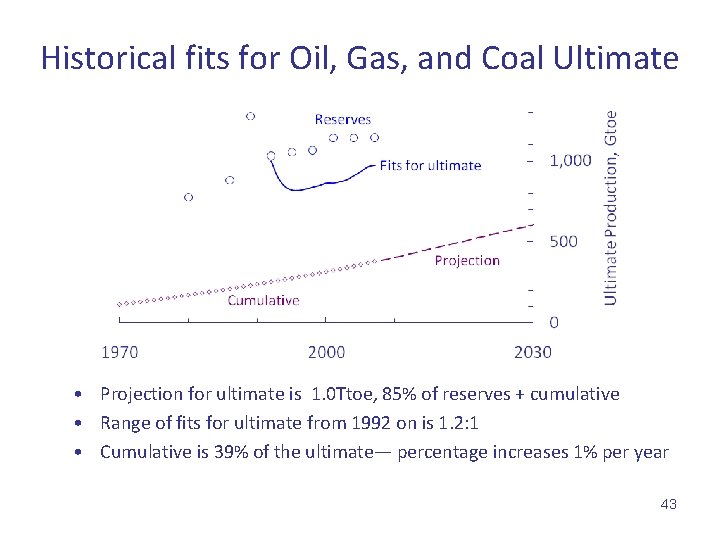
Historical fits for Oil, Gas, and Coal Ultimate • Projection for ultimate is 1. 0 Ttoe, 85% of reserves + cumulative • Range of fits for ultimate from 1992 on is 1. 2: 1 • Cumulative is 39% of the ultimate— percentage increases 1% per year 43
Alternatives for Oil • 5 -year world growth rate 2%/year • Ethanol has a 1% share – 5 -year growth rate is 20%/year these growth rates would give a 10% share by 2024 – 1% of world’s cultivated land is used for ethanol • Other prospects? Half of world oil is not used for transportation 44
Alternatives for Electricity • • 10 -year world growth rate is 4% per year Hydroelectric has a 16% share Nuclear has a 14% share Wind has a 1% share – 10 -year growth rate is 29% per year — these growth rates would give a 10% share by 2017 – 1/3 of new US capacity in 2007 • Solar photovoltaic is ten years behind wind – 10 -year growth rate is 37% per year — these growth rates would give a 10% share by 2026 – Local generation • Other prospects? 45

Concentrating Solar Thermal Photo: Schott Glass 46

Nevada Solar One Photo: Schott Glass 47
Concentrating Solar Thermal • Capacity 354 MW built from 1984 to 1990 in California – 75 MW in 2007 Nevada Solar One, PS 10 in Spain – 55 MW in 2008 Kimberlina in California, Andasol 1 in Spain • Andasol 1 plant has 8 hours of thermal storage solar thermal plants with storage could provide both peak capacity and base production • Construction takes one or two years main materials are glass and steel, could be built on any conceivable scale • Suitable only for regions without clouds, but could get continental reach through DC transmission lines loss is 4% per 1, 000 km, plus 0. 6% switch loss at each end 48
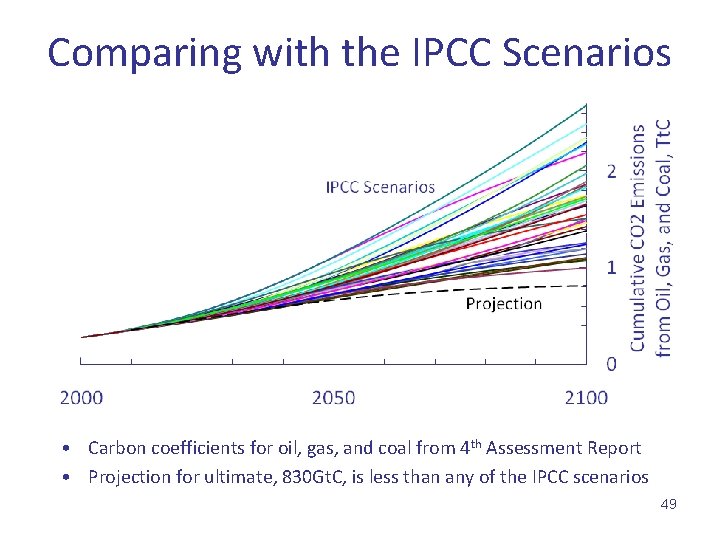
Comparing with the IPCC Scenarios • Carbon coefficients for oil, gas, and coal from 4 th Assessment Report • Projection for ultimate, 830 Gt. C, is less than any of the IPCC scenarios 49
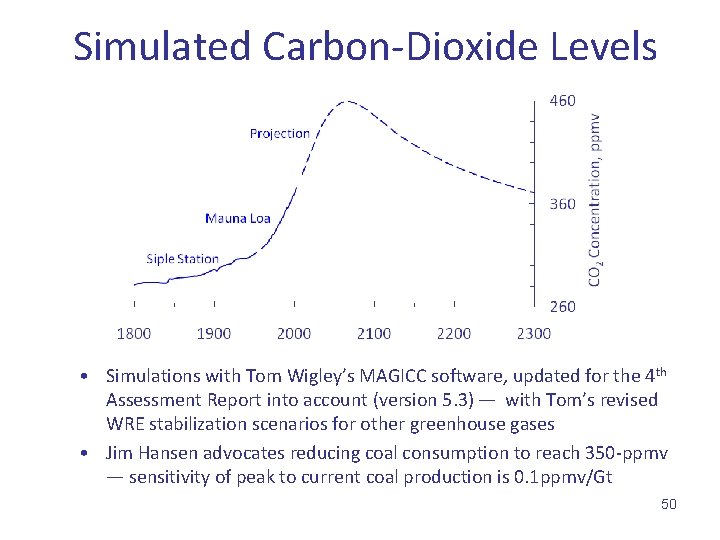
Simulated Carbon-Dioxide Levels • Simulations with Tom Wigley’s MAGICC software, updated for the 4 th Assessment Report into account (version 5. 3) — with Tom’s revised WRE stabilization scenarios for other greenhouse gases • Jim Hansen advocates reducing coal consumption to reach 350 -ppmv — sensitivity of peak to current coal production is 0. 1 ppmv/Gt 50
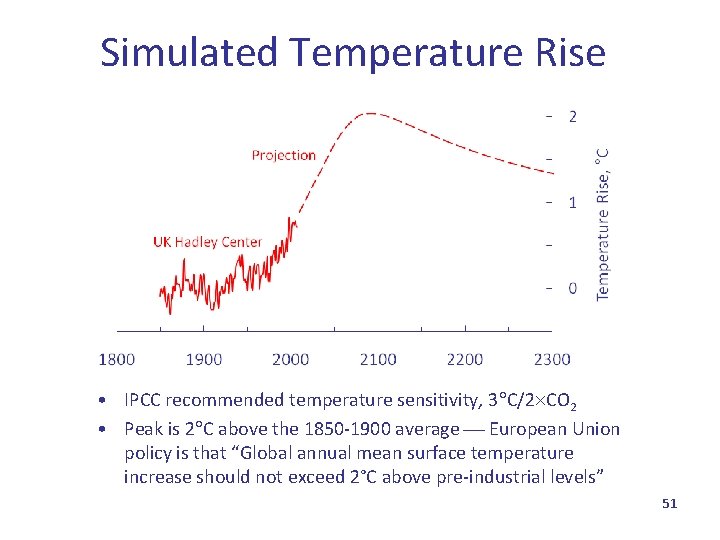
Simulated Temperature Rise • IPCC recommended temperature sensitivity, 3 C/2 CO 2 • Peak is 2 C above the 1850 -1900 average European Union policy is that “Global annual mean surface temperature increase should not exceed 2°C above pre-industrial levels” 51
Hypothesis: Curve-fits to cumulative production can give stable estimates for world ultimates • Major national fossil-fuel resources – US oil (1970 peak) 1. 1: 1 range since 1956 – British coal (1913 peak) 1. 2: 1 range since 1905 • Other examples – – US whale oil (1841 peak) 1. 2: 1 range since 1840 Pennsylvania anthracite (1917 peak) 1. 2: 1 range since 1921 Japan and South Korea coal (1966 peak) 1. 5: 1 range since 1960 France and Belgium coal (1957 peak) 1. 3: 1 range since 1948 • Projections for world ultimates 1. 2: 1 range since 1992 – Oil, gas, and coal is 1. 0 Ttoe (85% of reserves + cumulative) – Coal is 662 Gt (59% of reserves + cumulative) 52
Many Thanks for Help • • • Sandro Schmidt at the BGR (the German Resources Agency) Morgan Granger, Melissa Chan, Ed Rubin and Jay Apt at Carnegie-Mellon Charlie Kennel at the University of California at San Diego Kevin Bowman and Dimitri Antsos at the Jet Propulsion Laboratory John Rutledge at Freese and Nichols, Inc. in Fort Worth, Texas Kyle Saunders, Euan Mearns, and Dave Summers at The Oil Drum Andrew Ferguson at Optimum Population Trust Steve Mohr at the University of Newcastle, New South Wales Randy Udall at the Community Office for Resource Efficiency in Colorado Jim Murray at the University of Washington Many Caltech colleagues, but particularly Bill Bridges, Paul Dimotakis, David Goodstein, Melany Hunt, Kent Potter, Nadia Lapusta, John Ledyard, Carver Mead, Tapio Schneider, John Seinfeld, and Tombrello Special thanks to Sandy Garstang and Shady Peyvan in the Caltech Library, Tony Diaz in the Caltech Geology Library, and Dale Yee in the Caltech Engineering Division for their perseverance and ingenuity in locating historical coal production and reserves records 53
- Slides: 53