
http www authorstream comPresentationsandamichaela1966154 evora 1 Due to












- Slides: 61
http: //www. authorstream. com/Presentation/sandamichaela-1966154 -evora 1/
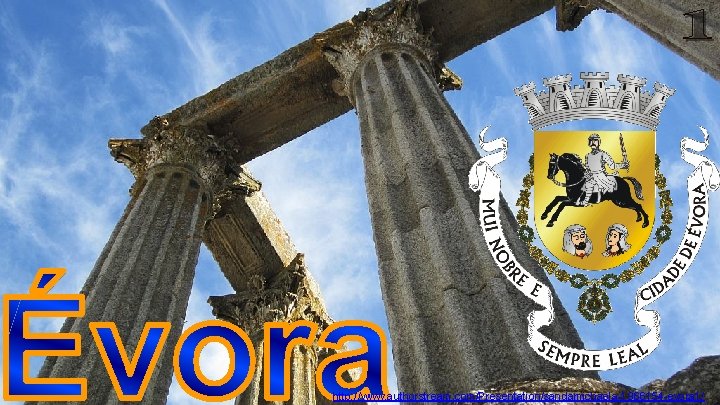
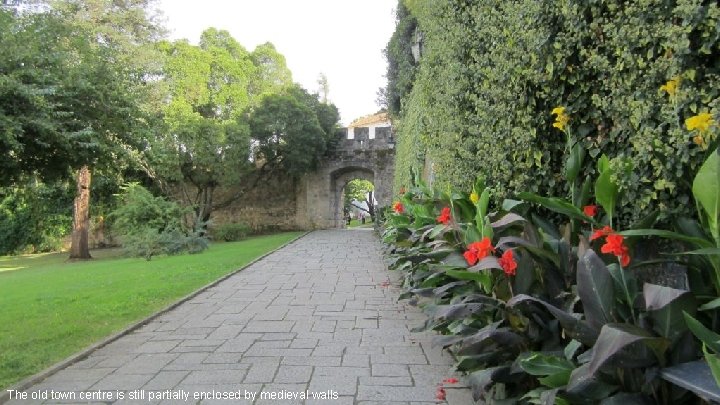
Due to its well-preserved old town centre, still partially enclosed by medieval walls, and a large number of monuments dating from various historical periods, including a Roman Temple, Évora is a UNESCO World Heritage Site. It is also a member of the Most Ancient European Towns Network
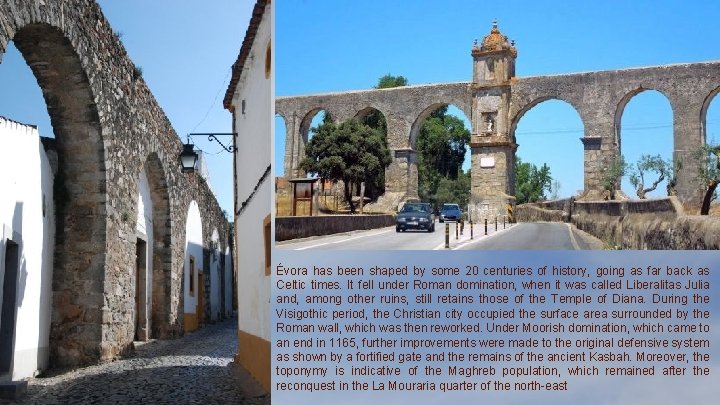
Évora has been shaped by some 20 centuries of history, going as far back as Celtic times. It fell under Roman domination, when it was called Liberalitas Julia and, among other ruins, still retains those of the Temple of Diana. During the Visigothic period, the Christian city occupied the surface area surrounded by the Roman wall, which was then reworked. Under Moorish domination, which came to an end in 1165, further improvements were made to the original defensive system as shown by a fortified gate and the remains of the ancient Kasbah. Moreover, the toponymy is indicative of the Maghreb population, which remained after the reconquest in the La Mouraria quarter of the north-east
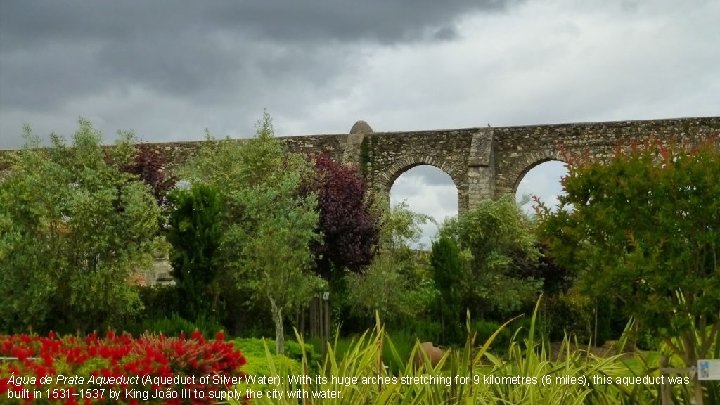
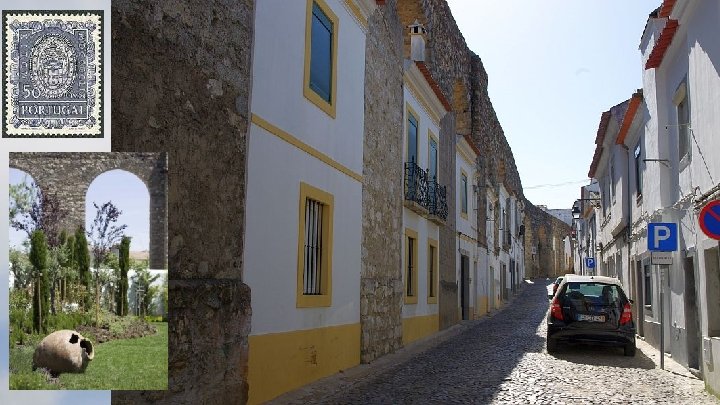
Água de Prata Aqueduct (Aqueduct of Silver Water): With its huge arches stretching for 9 kilometres (6 miles), this aqueduct was built in 1531– 1537 by King João III to supply the city with water.
Água de Prata Aqueduct (Aqueduct of Silver Water) from hotel’s garden
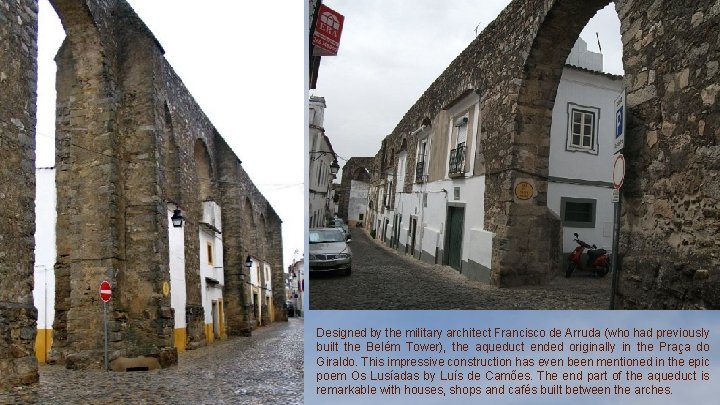
Designed by the military architect Francisco de Arruda (who had previously built the Belém Tower), the aqueduct ended originally in the Praça do Giraldo. This impressive construction has even been mentioned in the epic poem Os Lusíadas by Luís de Camões. The end part of the aqueduct is remarkable with houses, shops and cafés built between the arches.
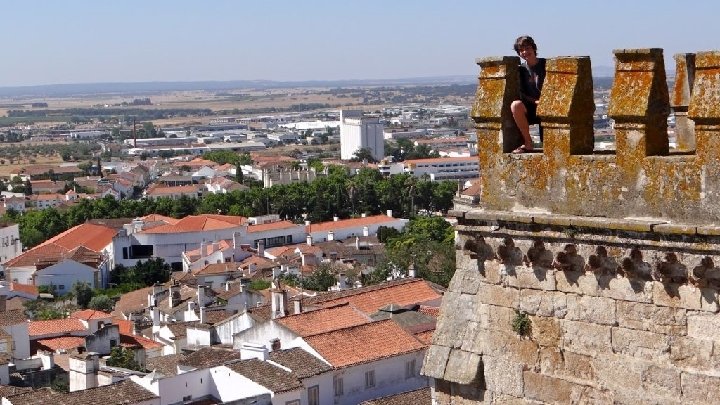
The old town centre is still partially enclosed by medieval walls
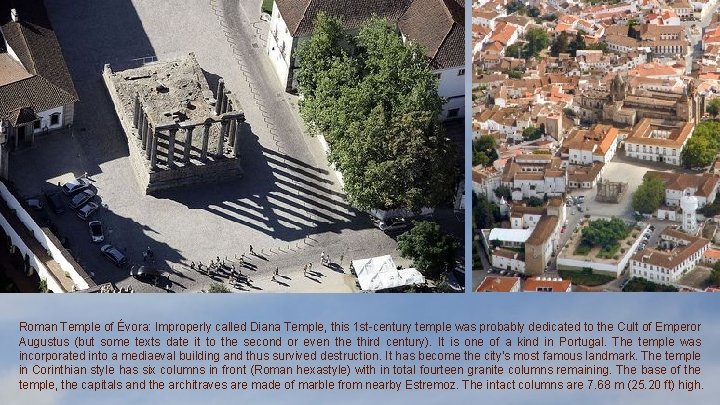
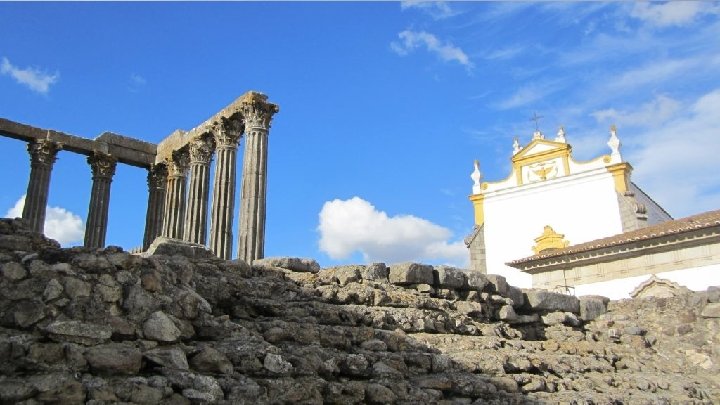
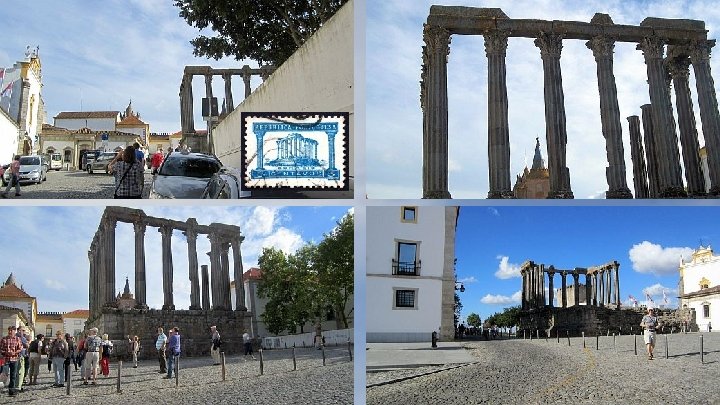
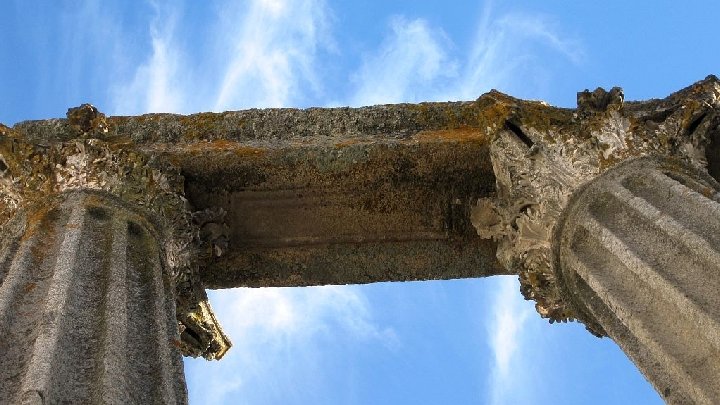
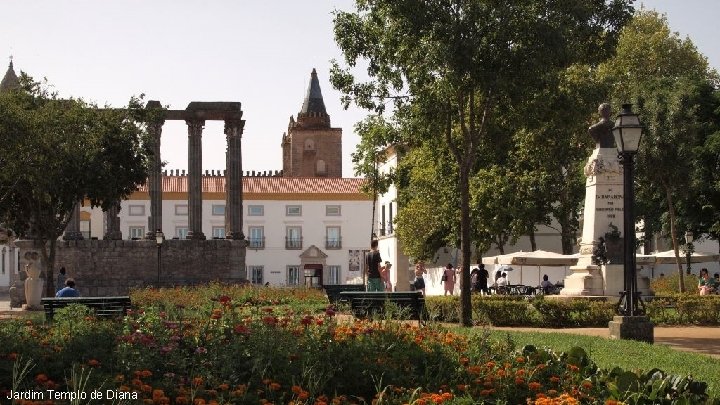
Roman Temple of Évora: Improperly called Diana Temple, this 1 st-century temple was probably dedicated to the Cult of Emperor Augustus (but some texts date it to the second or even the third century). It is one of a kind in Portugal. The temple was incorporated into a mediaeval building and thus survived destruction. It has become the city's most famous landmark. The temple in Corinthian style has six columns in front (Roman hexastyle) with in total fourteen granite columns remaining. The base of the temple, the capitals and the architraves are made of marble from nearby Estremoz. The intact columns are 7. 68 m (25. 20 ft) high.
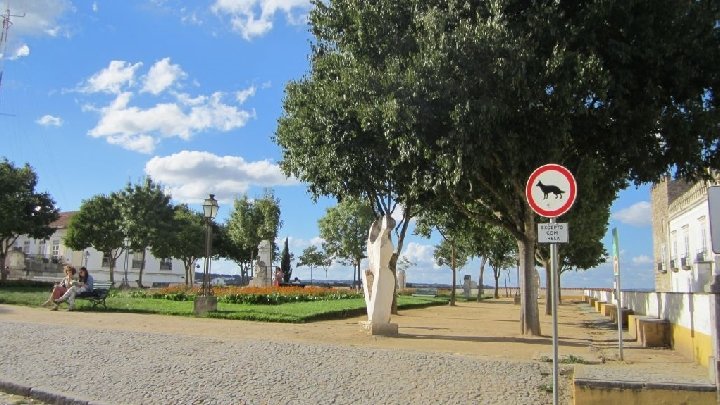
Jardim Templo de Diana
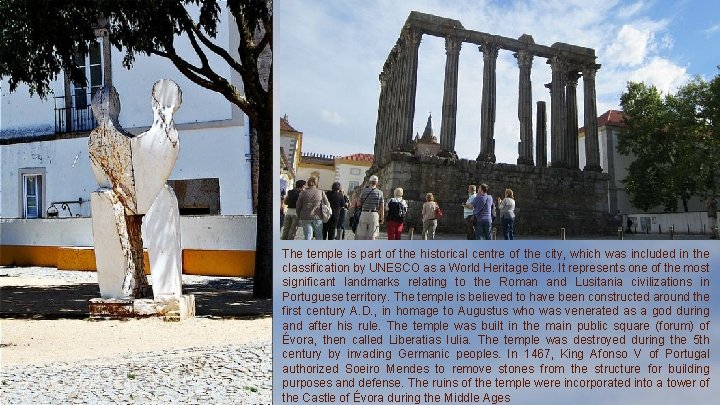
The temple is part of the historical centre of the city, which was included in the classification by UNESCO as a World Heritage Site. It represents one of the most significant landmarks relating to the Roman and Lusitania civilizations in Portuguese territory. The temple is believed to have been constructed around the first century A. D. , in homage to Augustus who was venerated as a god during and after his rule. The temple was built in the main public square (forum) of Évora, then called Liberatias Iulia. The temple was destroyed during the 5 th century by invading Germanic peoples. In 1467, King Afonso V of Portugal authorized Soeiro Mendes to remove stones from the structure for building purposes and defense. The ruins of the temple were incorporated into a tower of the Castle of Évora during the Middle Ages
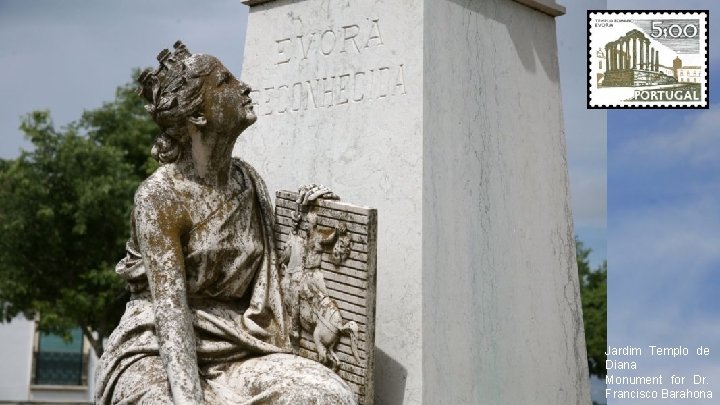
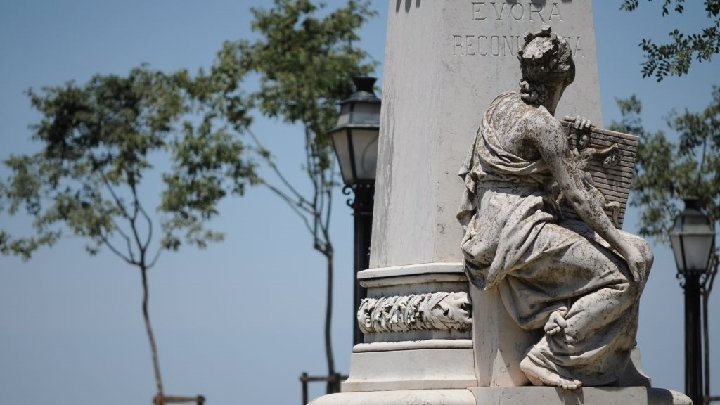
Jardim Templo de Diana Monument for Dr. Francisco Barahona
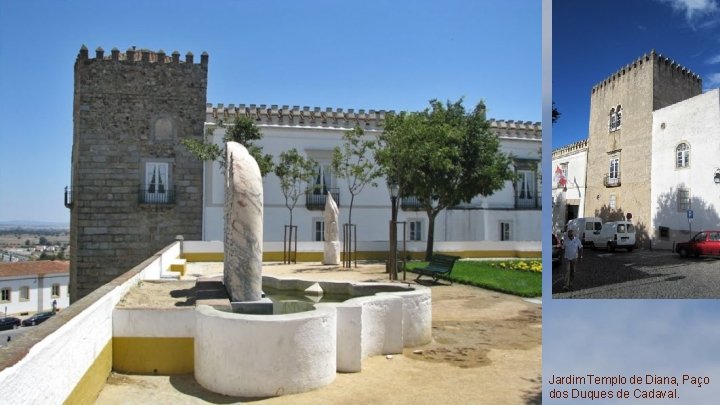
Jardim Templo de Diana, Paço dos Duques de Cadaval.
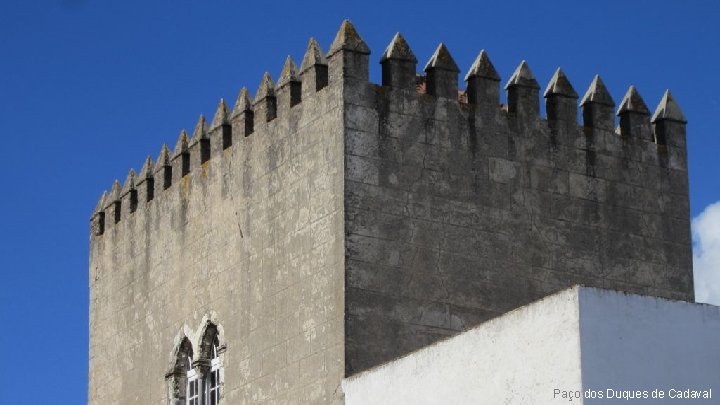
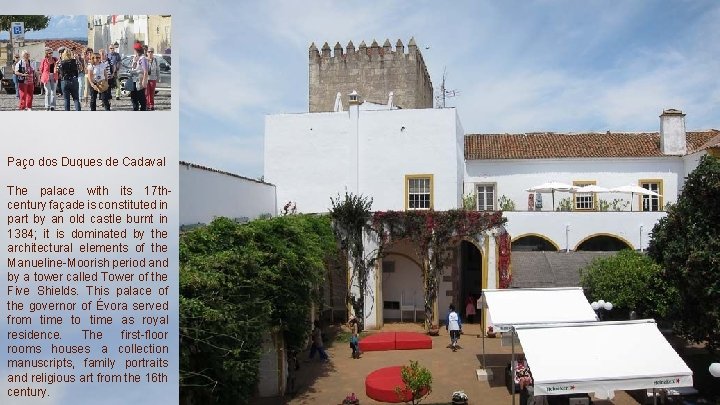
Paço dos Duques de Cadaval
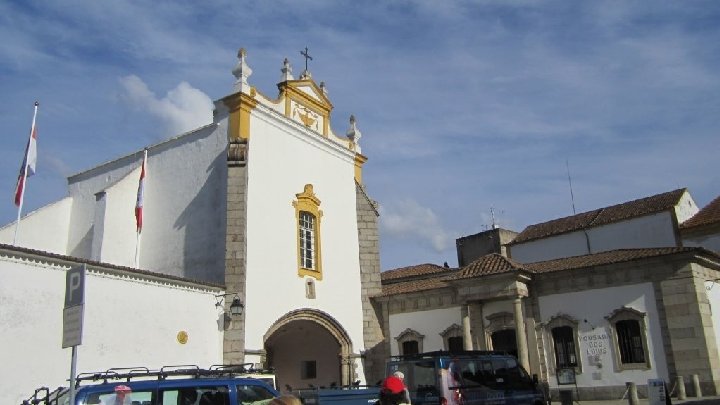
Paço dos Duques de Cadaval The palace with its 17 thcentury façade is constituted in part by an old castle burnt in 1384; it is dominated by the architectural elements of the Manueline-Moorish period and by a tower called Tower of the Five Shields. This palace of the governor of Évora served from time to time as royal residence. The first-floor rooms houses a collection manuscripts, family portraits and religious art from the 16 th century.
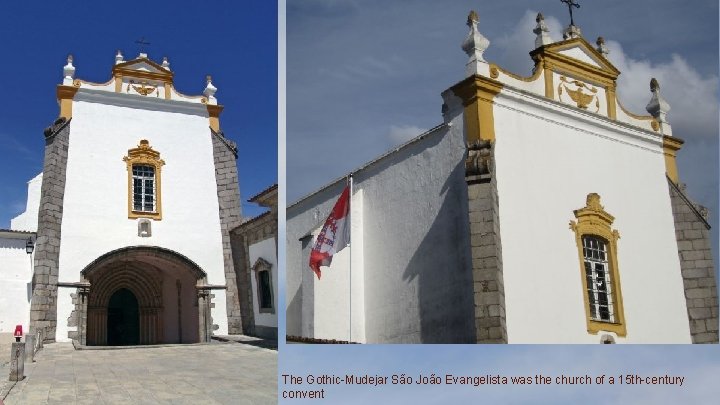
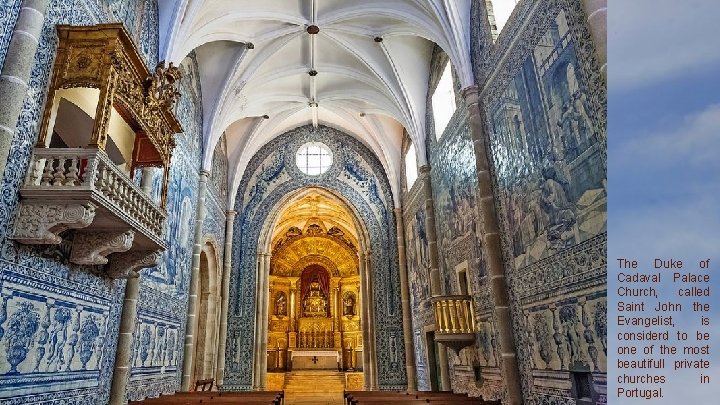
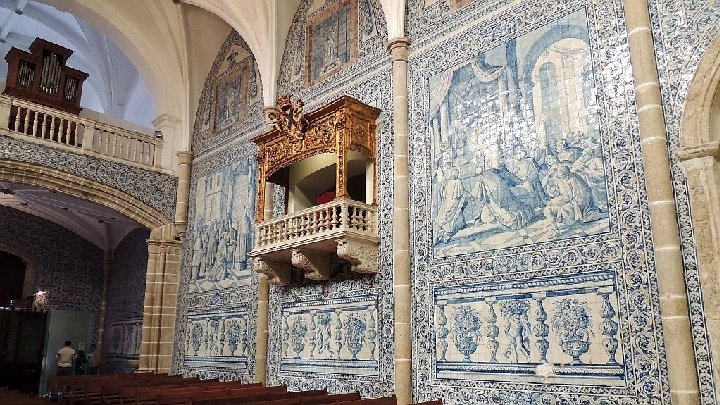
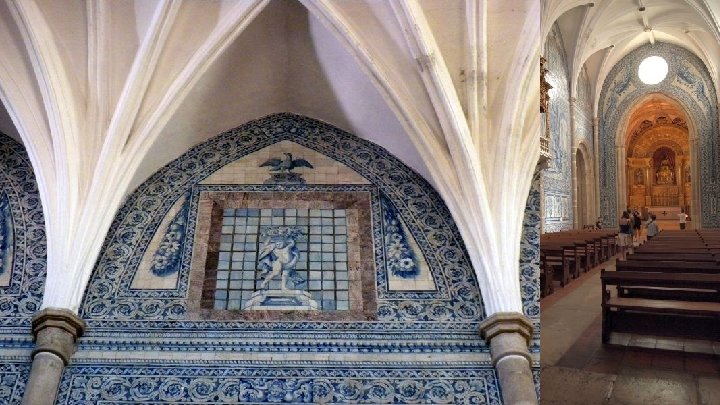
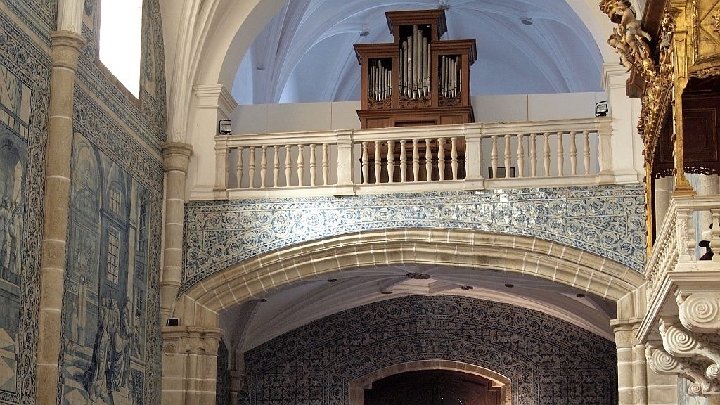
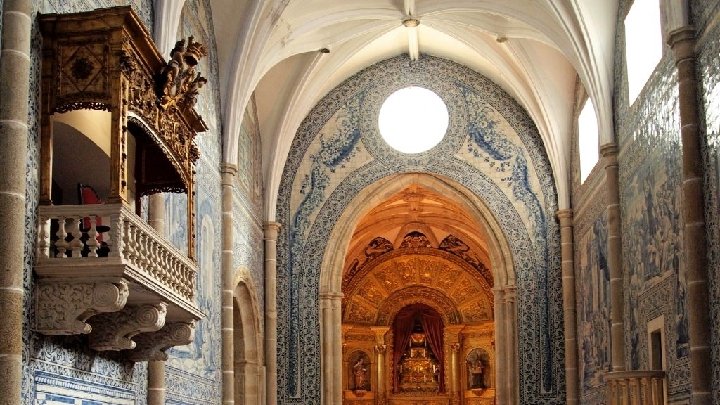
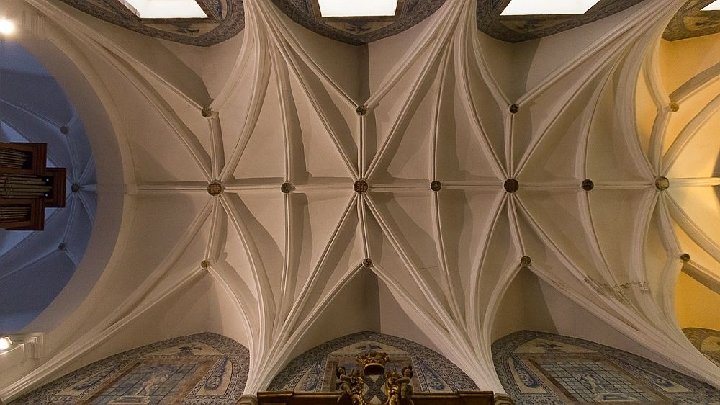
The Gothic-Mudejar São João Evangelista was the church of a 15 th-century convent
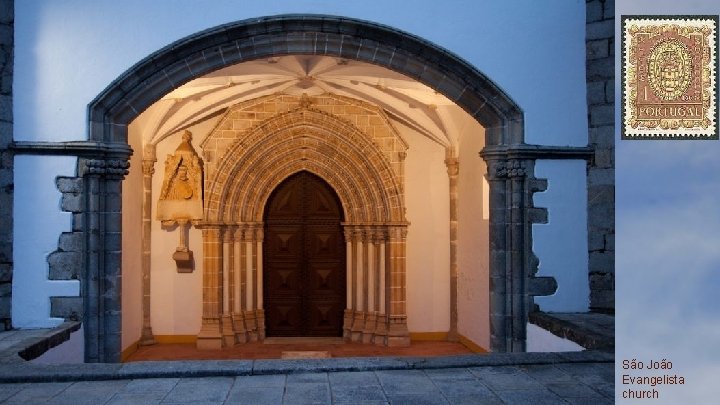
São João Evangelista church
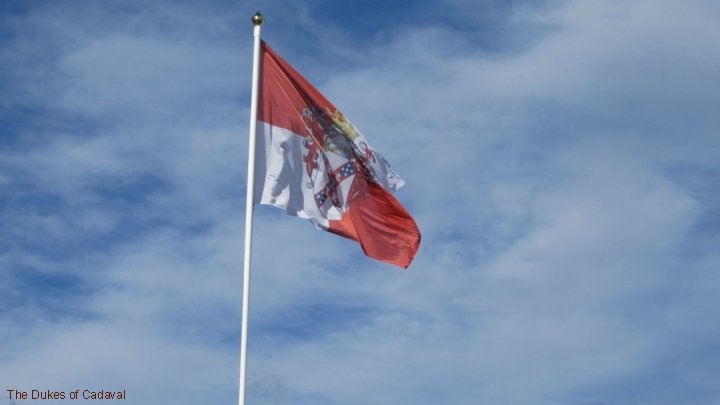
The Dukes of Cadaval
The Duke of Cadaval Palace Church, called Saint John the Evangelist, is considerd to be one of the most beautifull private churches in Portugal.
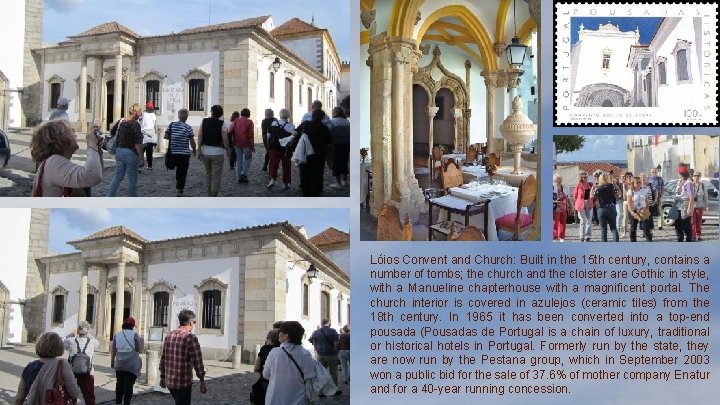
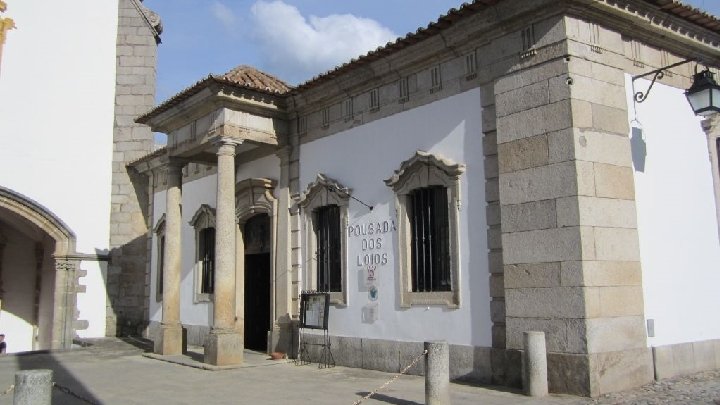
Lóios Convent and Church: Built in the 15 th century, contains a number of tombs; the church and the cloister are Gothic in style, with a Manueline chapterhouse with a magnificent portal. The church interior is covered in azulejos (ceramic tiles) from the 18 th century. In 1965 it has been converted into a top-end pousada (Pousadas de Portugal is a chain of luxury, traditional or historical hotels in Portugal. Formerly run by the state, they are now run by the Pestana group, which in September 2003 won a public bid for the sale of 37. 6% of mother company Enatur and for a 40 -year running concession.
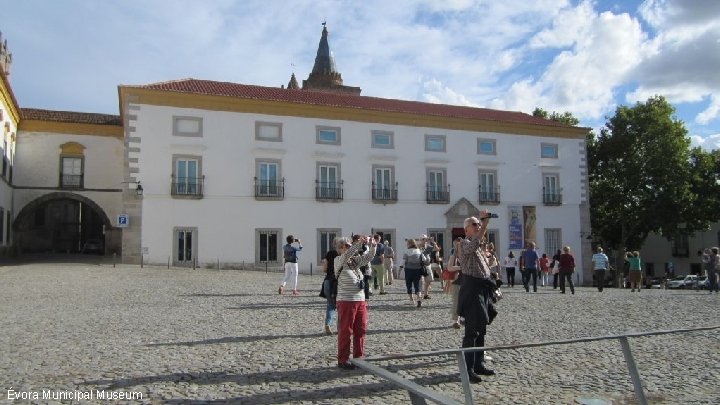
Évora Municipal Museum
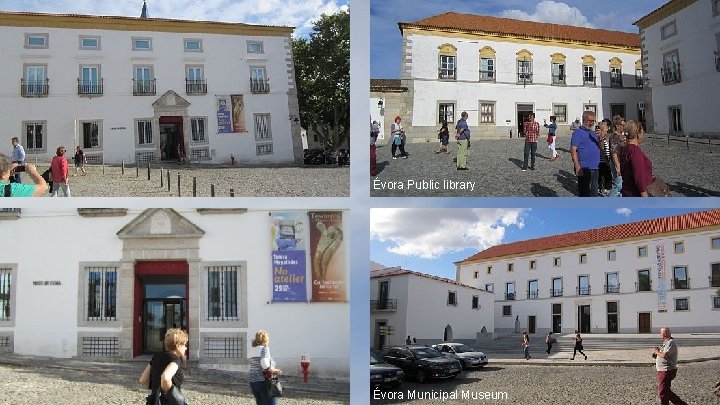
Évora Public library Évora Municipal Museum
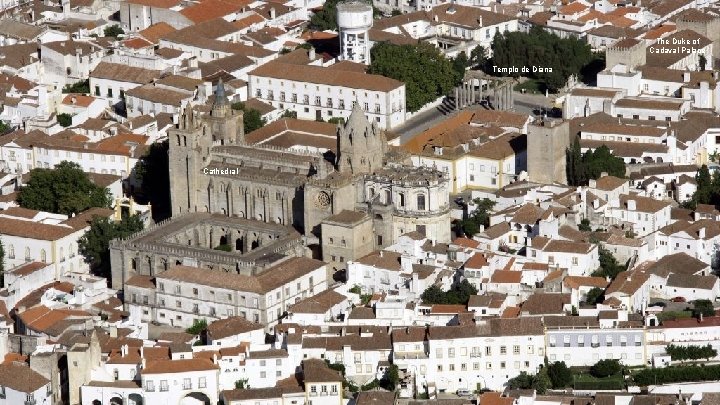
The Duke of Cadaval Palace Templo de Diana Cathedral
Blason on a cistern of the aqueduct
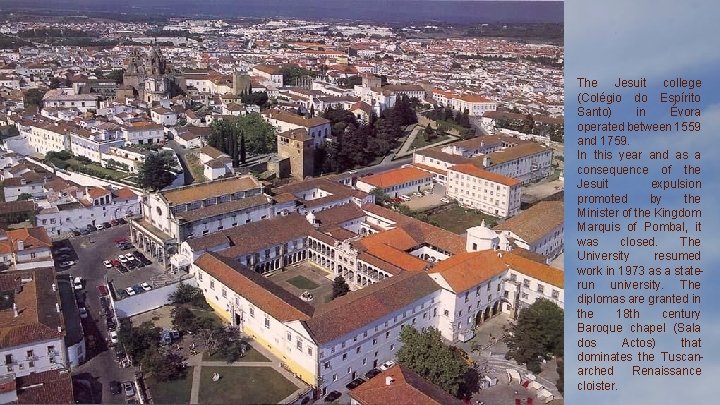
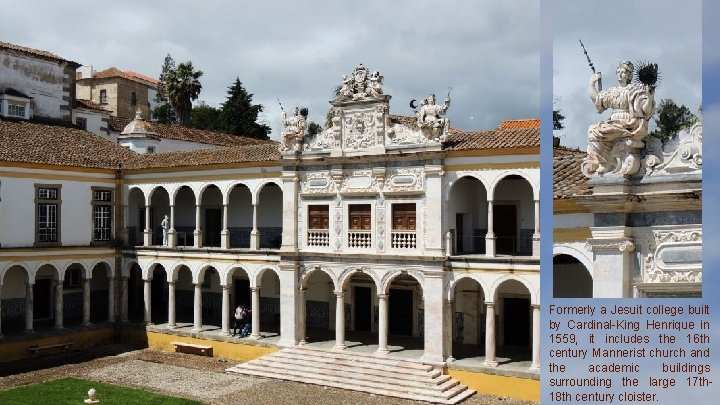
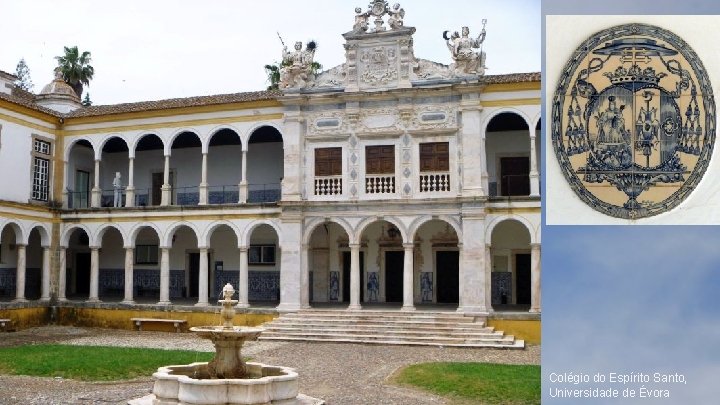
Colégio do Espírito Santo, Universidade de Évora
Colégio do Espírito Santo, Universidade de Évora
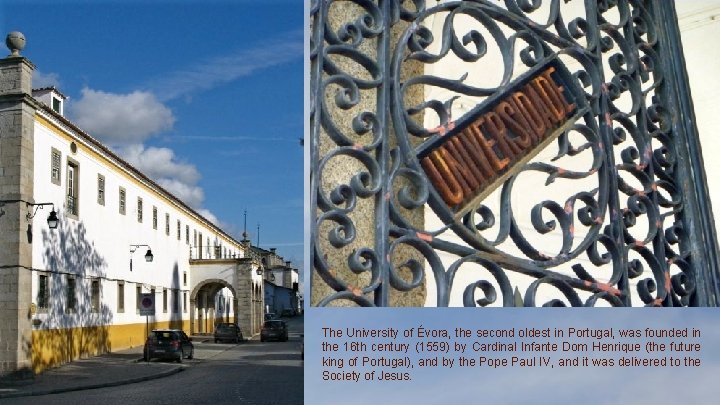
The University of Évora, the second oldest in Portugal, was founded in the 16 th century (1559) by Cardinal Infante Dom Henrique (the future king of Portugal), and by the Pope Paul IV, and it was delivered to the Society of Jesus.
The Jesuit college (Colégio do Espírito Santo) in Évora operated between 1559 and 1759. In this year and as a consequence of the Jesuit expulsion promoted by the Minister of the Kingdom Marquis of Pombal, it was closed. The University resumed work in 1973 as a staterun university. The diplomas are granted in the 18 th century Baroque chapel (Sala dos Actos) that dominates the Tuscanarched Renaissance cloister.
Formerly a Jesuit college built by Cardinal-King Henrique in 1559, it includes the 16 th century Mannerist church and the academic buildings surrounding the large 17 th 18 th century cloister.
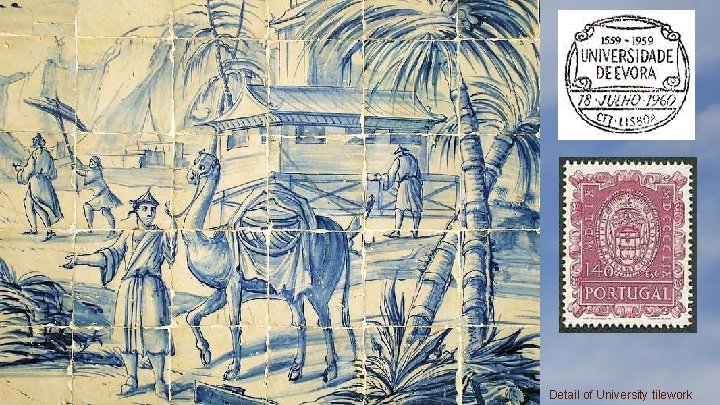
Detail of University tilework
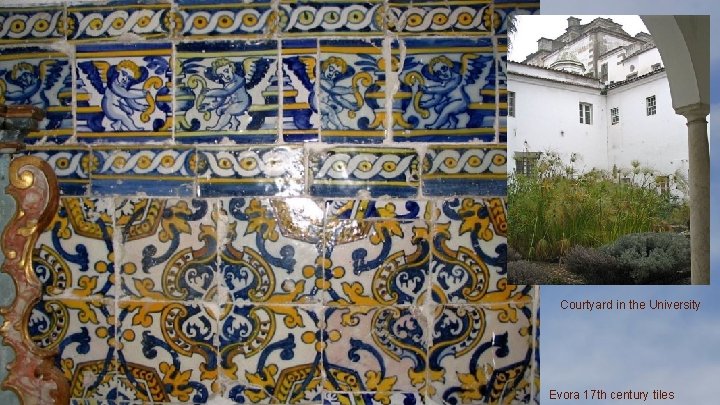
Courtyard in the University Evora 17 th century tiles
A representation of Aristotle and Plato discussing philosophy
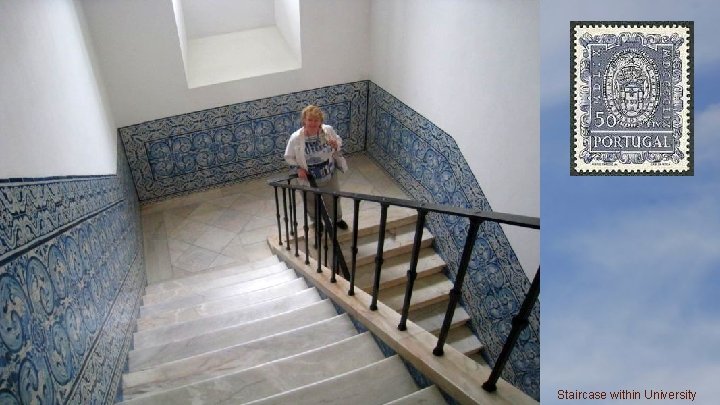
Staircase within University
Colégio do Espírito Santo, Universidade de Évora
Details of University tilework
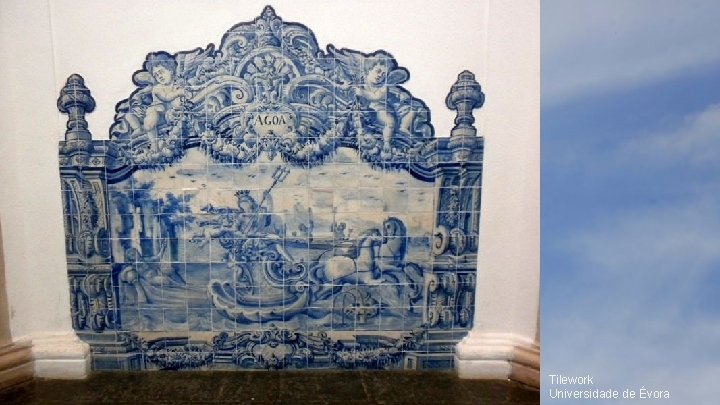
Tilework Universidade de Évora
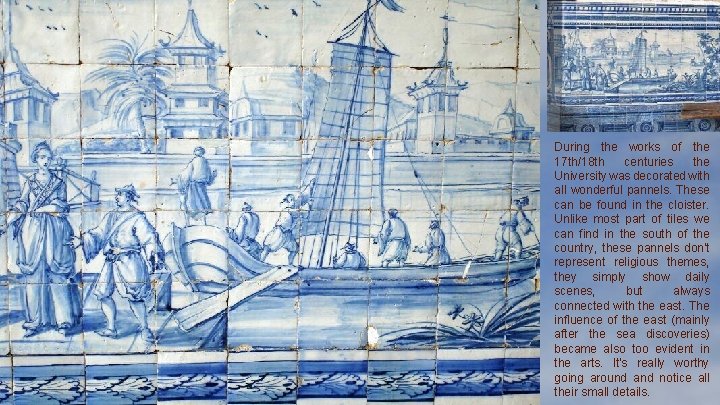
During the works of the 17 th/18 th centuries the University was decorated with all wonderful pannels. These can be found in the cloister. Unlike most part of tiles we can find in the south of the country, these pannels don't represent religious themes, they simply show daily scenes, but always connected with the east. The influence of the east (mainly after the sea discoveries) became also too evident in the arts. It's really worthy going around and notice all their small details.
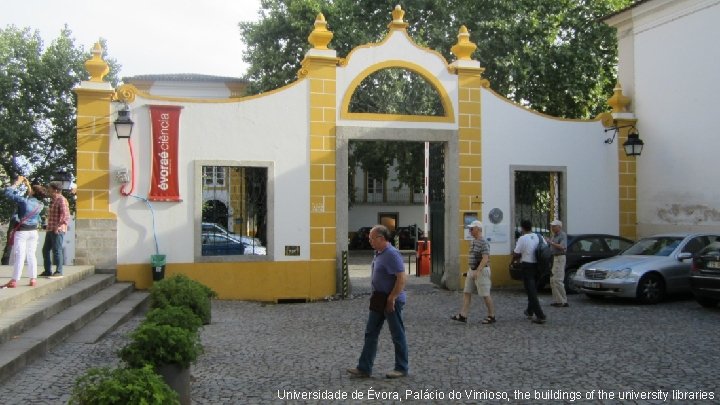
Universidade de Évora, Palácio do Vimioso, the buildings of the university libraries
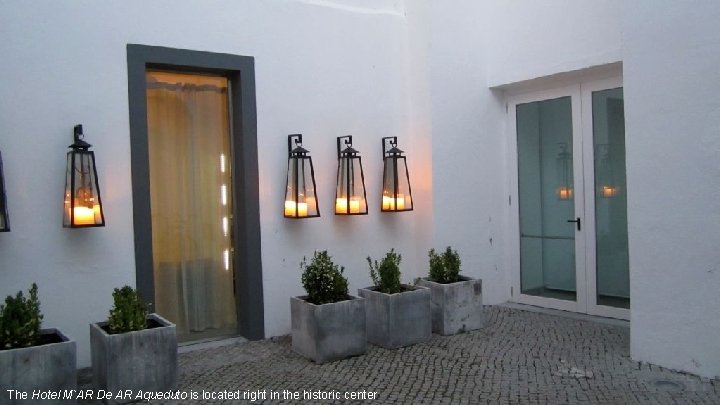
The Hotel M`AR De AR Aqueduto is located right in the historic center
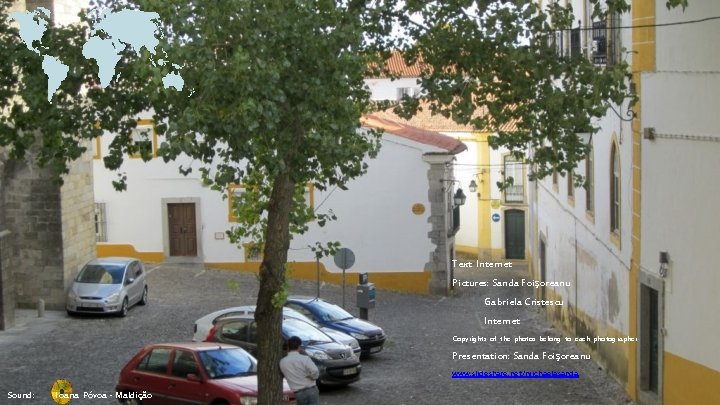
Text: Internet Pictures: Sanda Foişoreanu Gabriela Cristescu Internet Copyrights of the photos belong to each photographer Presentation: Sanda Foişoreanu www. slideshare. net/michaelasanda Sound: Ioana Póvoa - Maldição