
http cheng dlearn kmu edu tw Introduction the





- Slides: 46
課程網頁 http: //cheng. dlearn. kmu. edu. tw
Introduction: the use of animal cell culture What is cell culture? Cells removed from animal tissue or whole animals, will continue to grow if supplied with nutrients and growth factors Cells are selected and maintained as independent manner Cells in culture may be genetically identical or genetic variation
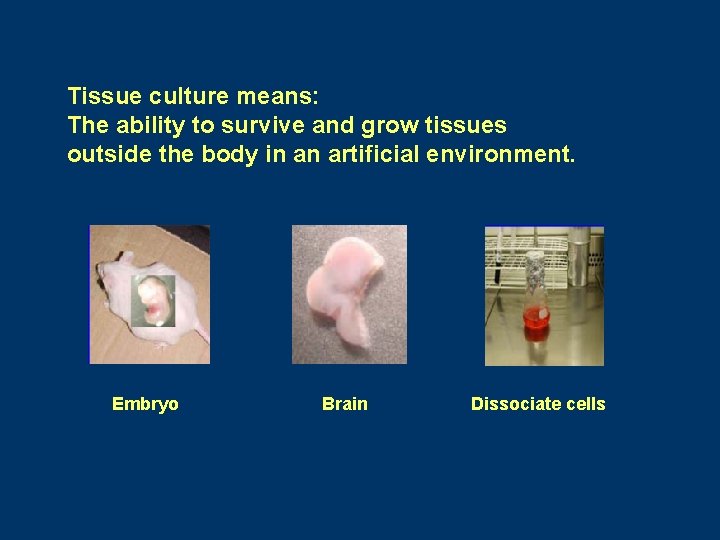
Tissue culture means: The ability to survive and grow tissues outside the body in an artificial environment. Embryo Brain Dissociate cells
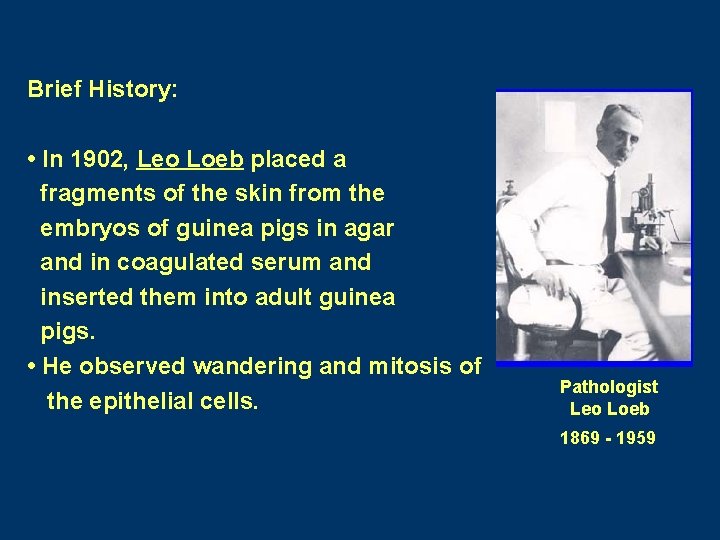
Brief History: • In 1902, Leo Loeb placed a fragments of the skin from the embryos of guinea pigs in agar and in coagulated serum and inserted them into adult guinea pigs. • He observed wandering and mitosis of the epithelial cells. Pathologist Leo Loeb 1869 - 1959
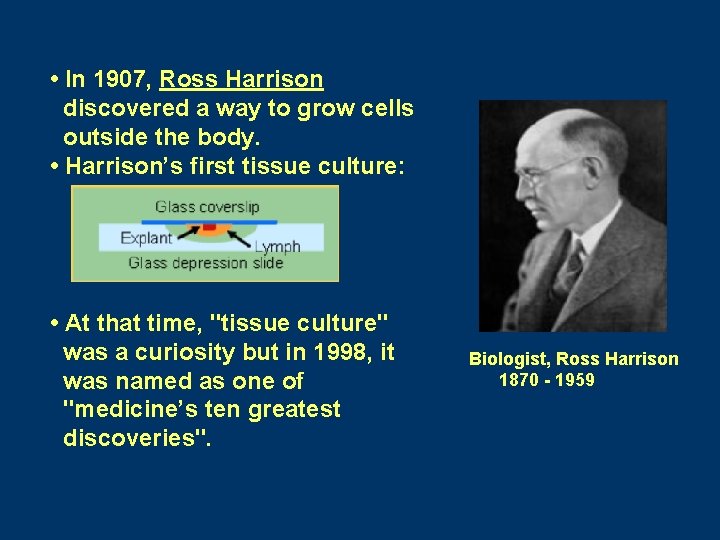
• In 1907, Ross Harrison discovered a way to grow cells outside the body. • Harrison’s first tissue culture: • At that time, "tissue culture" was a curiosity but in 1998, it was named as one of "medicine’s ten greatest discoveries". Biologist, Ross Harrison 1870 - 1959
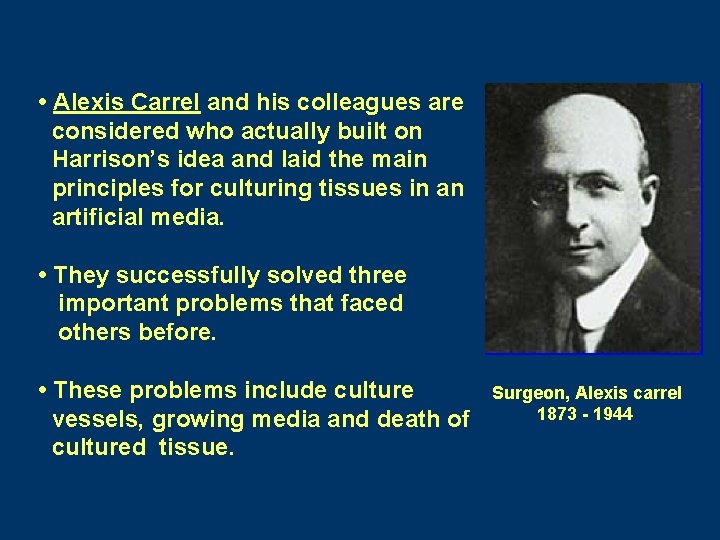
• Alexis Carrel and his colleagues are considered who actually built on Harrison’s idea and laid the main principles for culturing tissues in an artificial media. • They successfully solved three important problems that faced others before. • These problems include culture vessels, growing media and death of cultured tissue. Surgeon, Alexis carrel 1873 - 1944
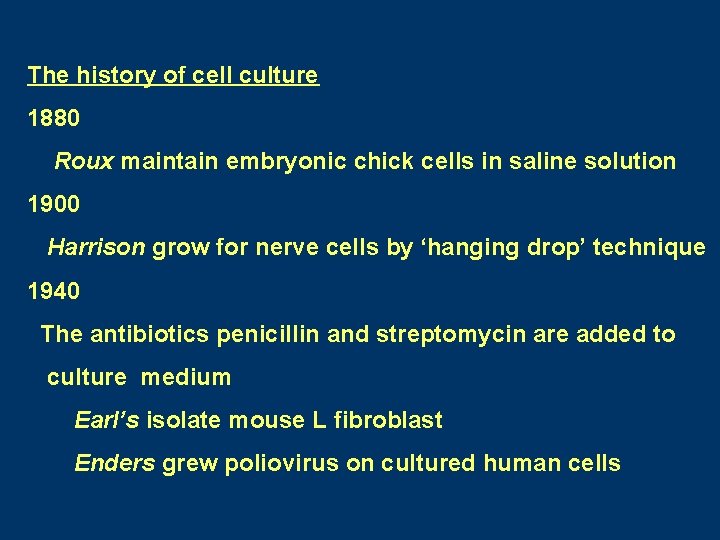
The history of cell culture 1880 Roux maintain embryonic chick cells in saline solution 1900 Harrison grow for nerve cells by ‘hanging drop’ technique 1940 The antibiotics penicillin and streptomycin are added to culture medium Earl’s isolate mouse L fibroblast Enders grew poliovirus on cultured human cells
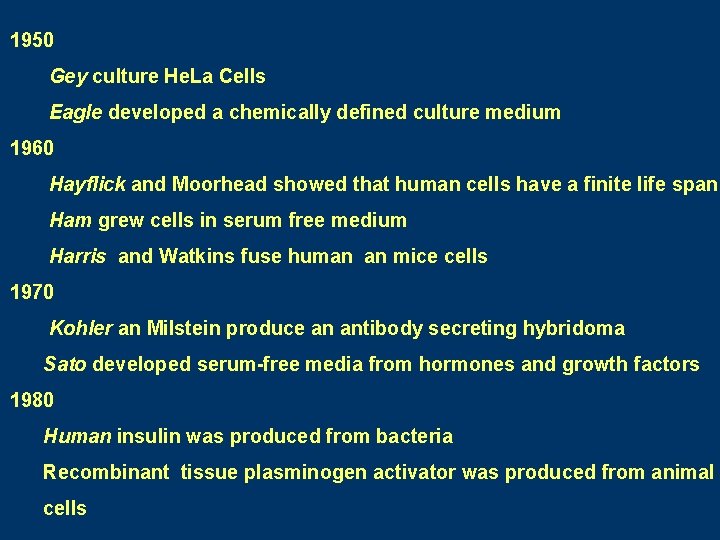
1950 Gey culture He. La Cells Eagle developed a chemically defined culture medium 1960 Hayflick and Moorhead showed that human cells have a finite life span Ham grew cells in serum free medium Harris and Watkins fuse human an mice cells 1970 Kohler an Milstein produce an antibody secreting hybridoma Sato developed serum-free media from hormones and growth factors 1980 Human insulin was produced from bacteria Recombinant tissue plasminogen activator was produced from animal cells
Freshney, Animal cell Culture
Freshney, Animal cell Culture
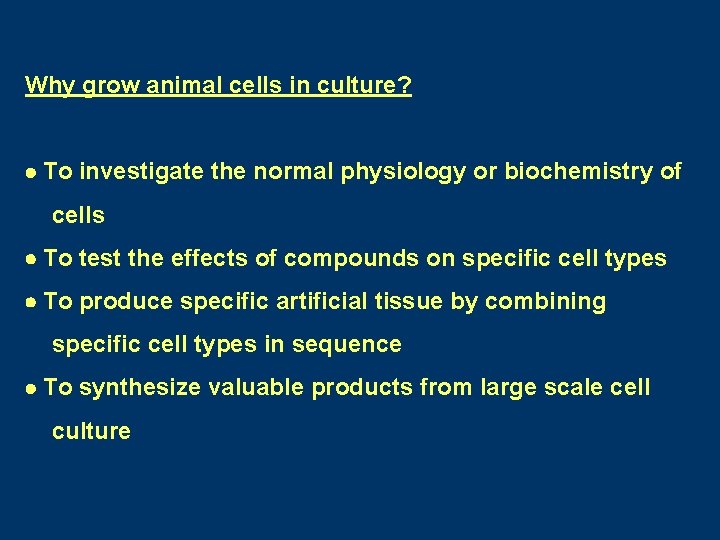
Why grow animal cells in culture? To investigate the normal physiology or biochemistry of cells To test the effects of compounds on specific cell types To produce specific artificial tissue by combining specific cell types in sequence To synthesize valuable products from large scale cell culture
Major differences in vitro 1. Specific cell interactions characteristic of the histology of the tissue are lost 2. Heterotypic interactions are lost 3. Loss of homeostatic regulation e. g. endocrine and nervous system
Definition of types of tissue culture 1. Organ culture *kept three dimensional structure of cells *uses fresh sample *cell structure should be supported by gel grid or raft 2. Primary explant culture *cells dissociated by enzyme or mechanical method 3. Cell strains( cell lines) *transformed by primary culture i) monolayer: anchorage dependent ii) suspension: anchorage independent
Freshney, Animal cell Culture
Applications of cell culture in modern biotechnology 1. Production of monoclone antibody 2. Viral vaccine production 3. DNA recombination 4. Pharmaceutical industry 5. Drug activity investigation 6. Tissue transplant( skin or congenital defect…) 7. Clinical investigation (amniocentesis, chromosome analysis)
Studies in cell culture: 1. Intracellular flux e. g. RNA , hormone, metabolites, signal transduction, membrane traffic 2. Intracellular activity e. g. DNA transcription, protein synthesis, energy metabolism, drug metabolism 3. Environmental interaction e. g. infection, drug action, ligand receptor interaction, carcinogenesis.
4. Cell-cell interaction e. g. embryo induction, metabolite cooperation, cell proliferation, contact inhibition/density limitation of growth, paracrine growth and differentiation, matrix interaction, invasion 5. Cell products e. g. product formation, exocytosis 6. Genetics e. g. genetic analysis, genetic manipulation/ intervention, transformation, immortalization
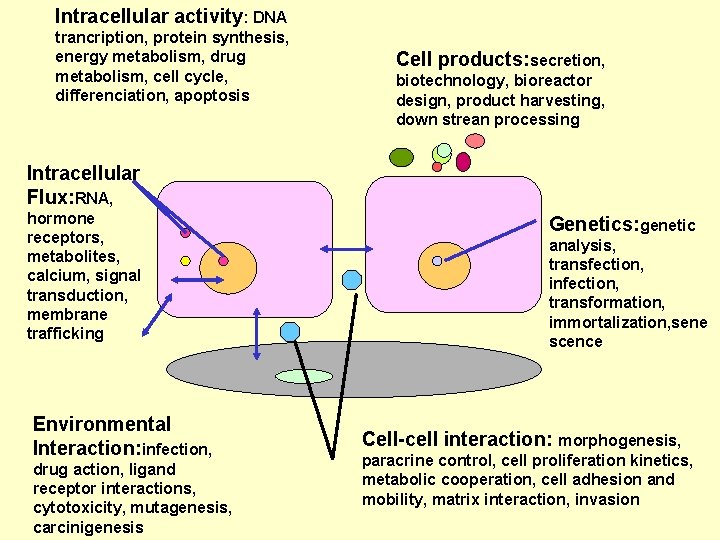
Intracellular activity: DNA trancription, protein synthesis, energy metabolism, drug metabolism, cell cycle, differenciation, apoptosis Cell products: secretion, biotechnology, bioreactor design, product harvesting, down strean processing Intracellular Flux: RNA, hormone receptors, metabolites, calcium, signal transduction, membrane trafficking Environmental Interaction: infection, drug action, ligand receptor interactions, cytotoxicity, mutagenesis, carcinigenesis Genetics: genetic analysis, transfection, infection, transformation, immortalization, sene scence Cell-cell interaction: morphogenesis, paracrine control, cell proliferation kinetics, metabolic cooperation, cell adhesion and mobility, matrix interaction, invasion
More recent development The three major categories of valuable products from animal cells: Viral vaccines Monoclonal antibody l Recombinant glycoproteins l Stem cell studies l Tissue engineering
Advantages of Tissue Culture 1. Control of environment, consistency and reproducibility e. g. p. H, temp, pressure, O 2, CO 2 2. Characterization and homogeneity of sample 3. Economy, scale and mechanization, less expensive reduction of animal use 4. In vivo modeling delivering of specific compound, regulation of concentration, duration of exposure time 5. Easier to deal with virus contamination compared to the animal experiment
Disadvantages of cell culture 1. Expertise 2. Quantity 3. Differentiation and selection characteristic change, adaptation to nutrient change 4. Origin of cells 5. Instability
Biology of Cultured Cells I. The culture environment the influence of environment on culture cells is expressed in four ways: 1. The nature of substance or phase in which the cell grow e. g. plastics, semisolid( gel, or agar), or liquid 2. The physiochemical and physiological institution of medium 3. The constitution of gas phase 4. The incubation temperature
Major differences of cultured environment and animal model: In Vivo 1. some cell type proliferate 2. cell/cell interacts 3. hormones and nutrient affect In Vitro cells does proliferate loss of cell interaction no effects of hormone
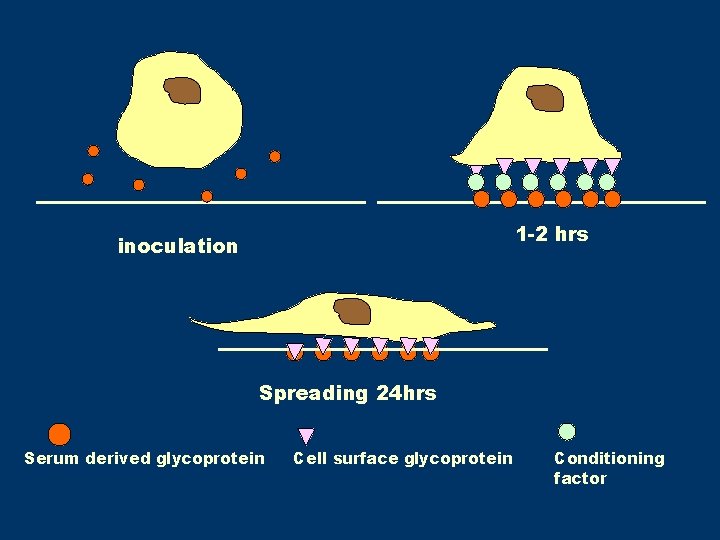
1 -2 hrs inoculation Spreading 24 hrs Serum derived glycoprotein Cell surface glycoprotein Conditioning factor
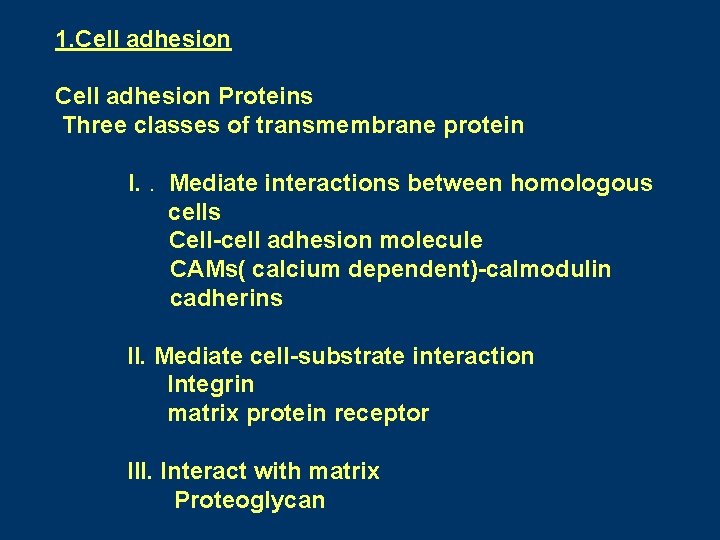
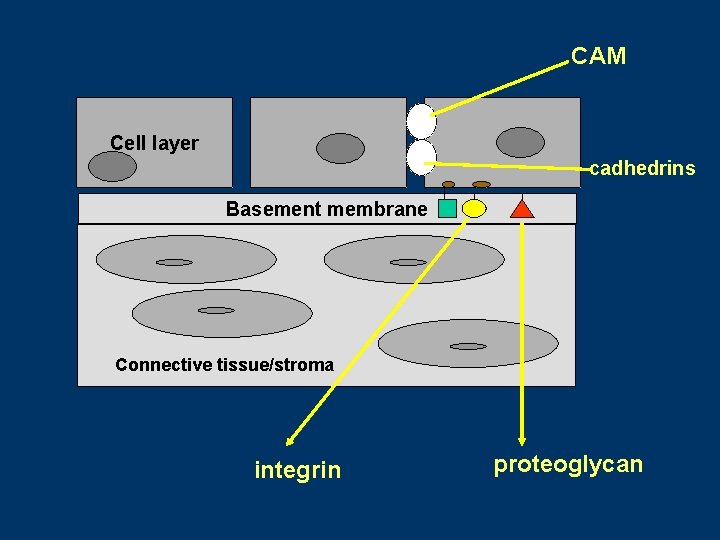
1. Cell adhesion Proteins Three classes of transmembrane protein I. . Mediate interactions between homologous cells Cell-cell adhesion molecule CAMs( calcium dependent)-calmodulin cadherins II. Mediate cell-substrate interaction Integrin matrix protein receptor III. Interact with matrix Proteoglycan
CAM Cell layer cadhedrins Basement membrane Connective tissue/stroma integrin proteoglycan
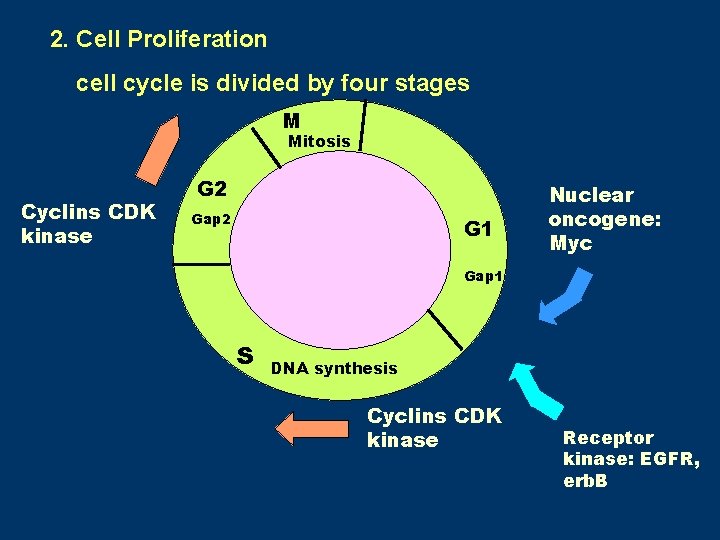
2. Cell Proliferation cell cycle is divided by four stages M Mitosis Cyclins CDK kinase G 2 Gap 2 G 1 Nuclear oncogene: Myc Gap 1 S DNA synthesis Cyclins CDK kinase Receptor kinase: EGFR, erb. B
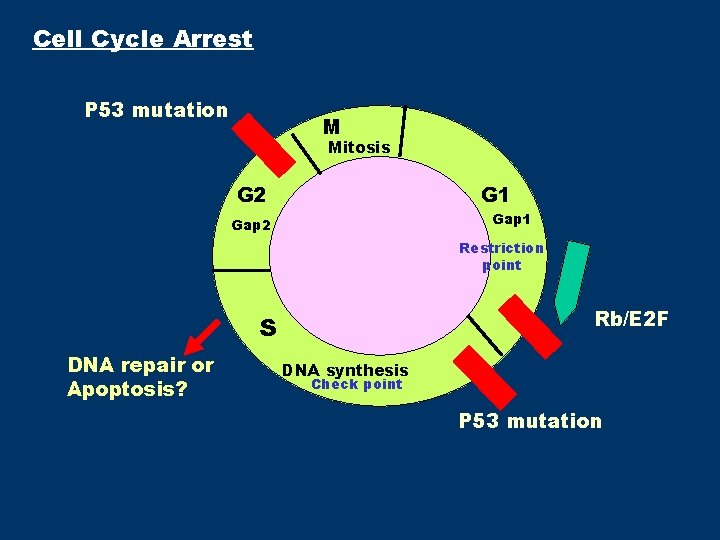
Cell Cycle Arrest P 53 mutation M Mitosis G 2 G 1 Gap 2 Restriction point Rb/E 2 F S DNA repair or Apoptosis? DNA synthesis Check point P 53 mutation
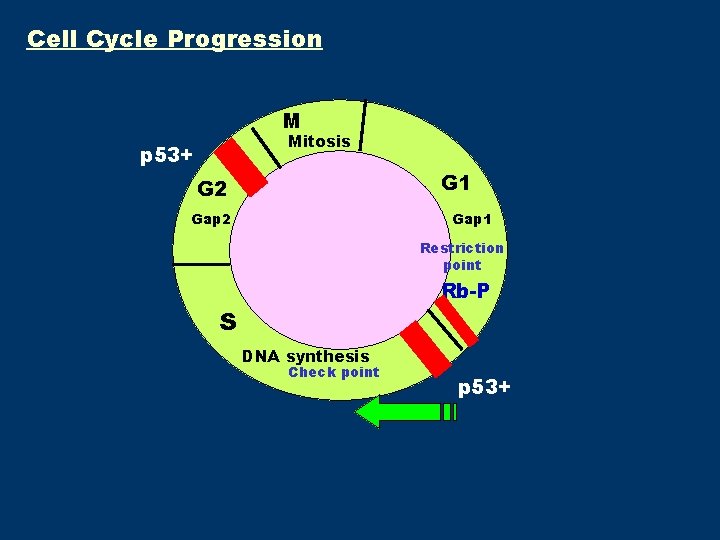
Cell Cycle Progression M Mitosis p 53+ G 1 G 2 Gap 1 Restriction point Rb-P S DNA synthesis Check point p 53+
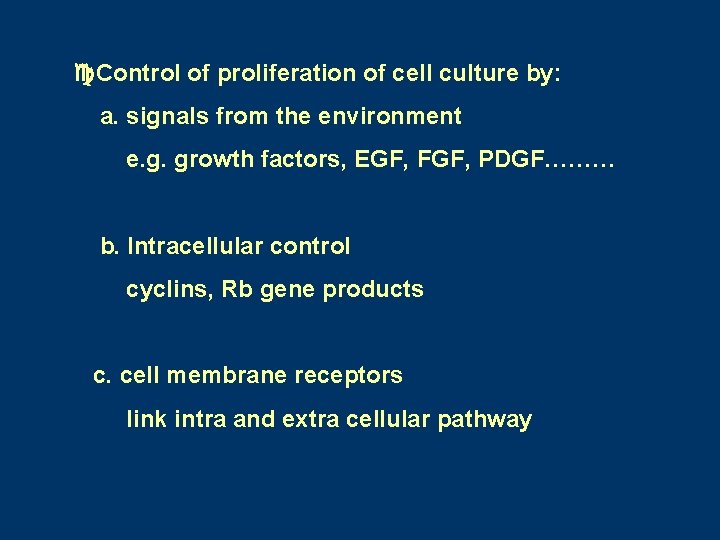
Control of proliferation of cell culture by: a. signals from the environment e. g. growth factors, EGF, FGF, PDGF……… b. Intracellular control cyclins, Rb gene products c. cell membrane receptors link intra and extra cellular pathway
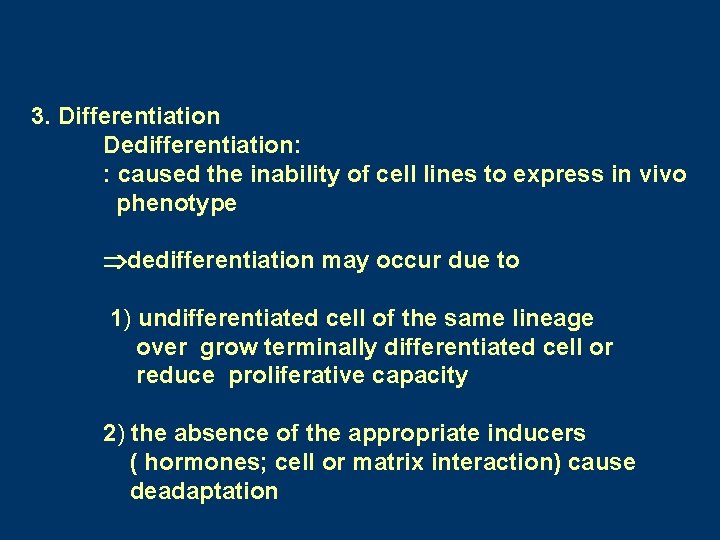
3. Differentiation Dedifferentiation: : caused the inability of cell lines to express in vivo phenotype dedifferentiation may occur due to 1) undifferentiated cell of the same lineage over grow terminally differentiated cell or reduce proliferative capacity 2) the absence of the appropriate inducers ( hormones; cell or matrix interaction) cause deadaptation
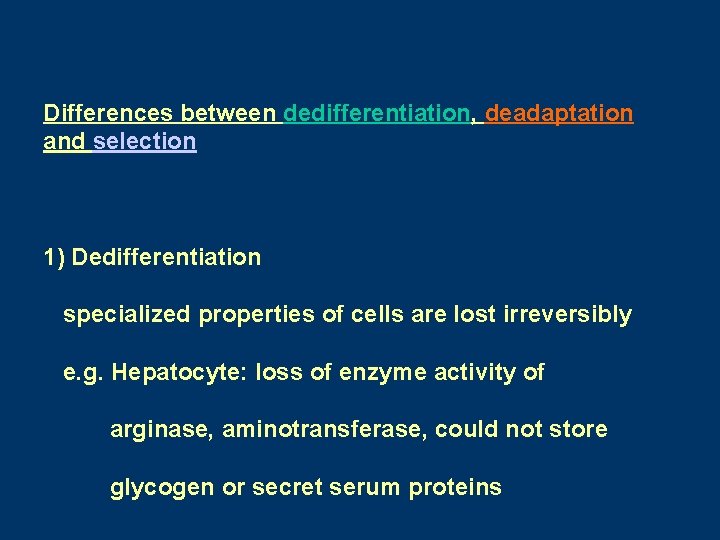
Differences between dedifferentiation, deadaptation and selection 1) Dedifferentiation specialized properties of cells are lost irreversibly e. g. Hepatocyte: loss of enzyme activity of arginase, aminotransferase, could not store glycogen or secret serum proteins
2) Deadaptation products re-induced by certain culture environment hormones, cell/cell interaction, cell/matrix interactions…. ) e. g. induction of tyrosine aminotransferase in hepatocyte by floating collagen raft)
3) Selection isolation of cultured cell type by specific methods e. g. confluent feeder layer or selection media for epidermal cells e. g. use of D-valine containing medium for growth of epithelium
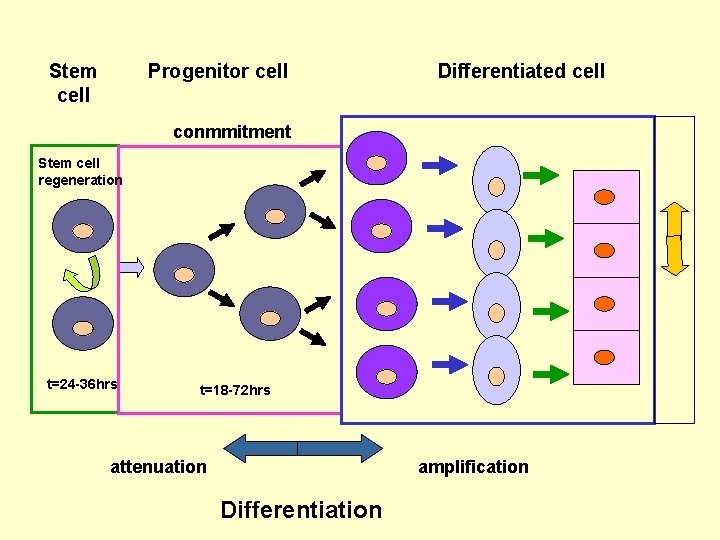
Stem cell Progenitor cell Differentiated cell conmmitment Stem cell regeneration t=24 -36 hrs t=18 -72 hrs attenuation amplification Differentiation
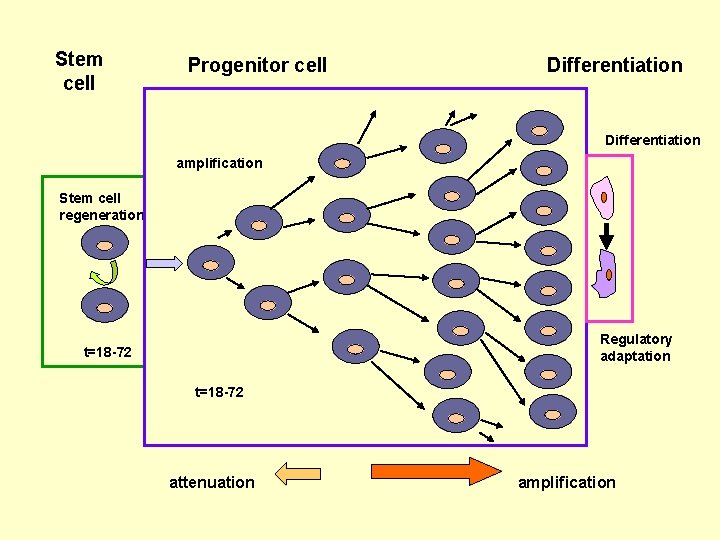
Stem cell Progenitor cell Differentiation amplification Stem cell regeneration Regulatory adaptation t=18 -72 attenuation amplification
Initiation of culture Cells form primary culture if: 1. Survive the disaggregation process 2. Adhere to the substrate or survive in suspension Cell lines may be established if cells are capable of proliferation
Freshney, Animal cell Culture
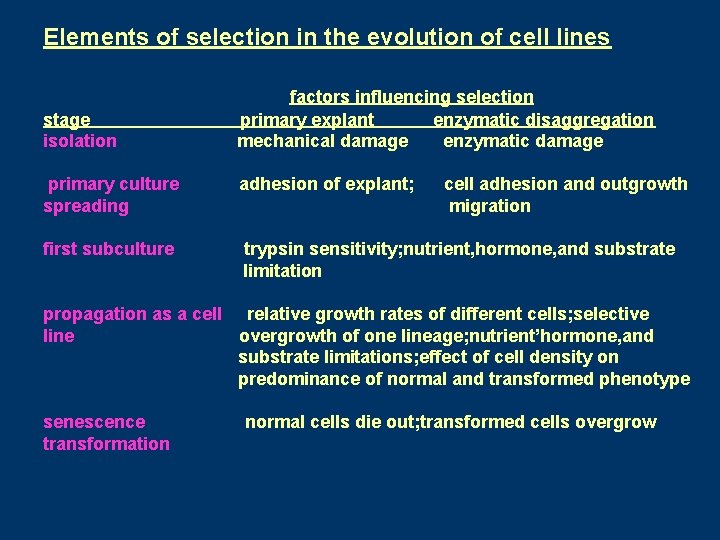
Elements of selection in the evolution of cell lines stage isolation factors influencing selection primary explant enzymatic disaggregation mechanical damage enzymatic damage primary culture spreading adhesion of explant; cell adhesion and outgrowth migration first subculture trypsin sensitivity; nutrient, hormone, and substrate limitation propagation as a cell relative growth rates of different cells; selective line overgrowth of one lineage; nutrient’hormone, and substrate limitations; effect of cell density on predominance of normal and transformed phenotype senescence transformation normal cells die out; transformed cells overgrow
Characteristics of continuous cell lines 1. Chromosomes are usually aneuploid 2. Chromosome numbers are always between diploid and tetraploid 3. Cells forming continuous cell lines are tansformed or preexisted 4. A number of properties of continuous cell lines are associated with malignant transformation
A cell culture contain: multiple stem cell · undifferentiated but committed cell · mature differentiated
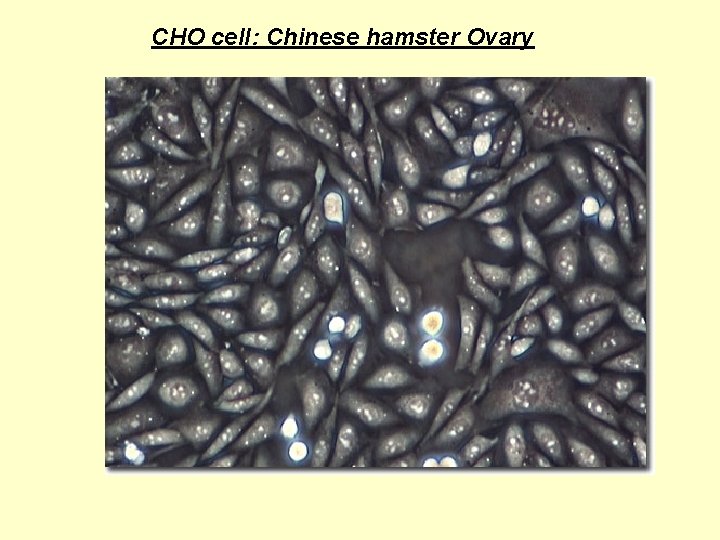
CHO cell: Chinese hamster Ovary
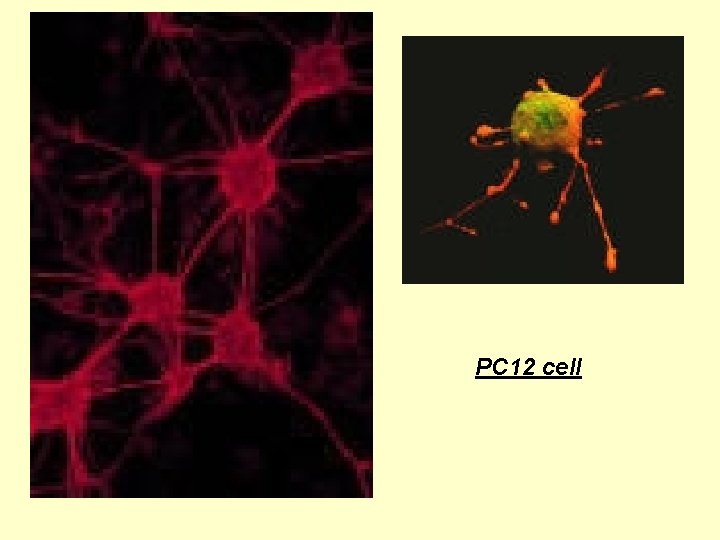
PC 12 cell
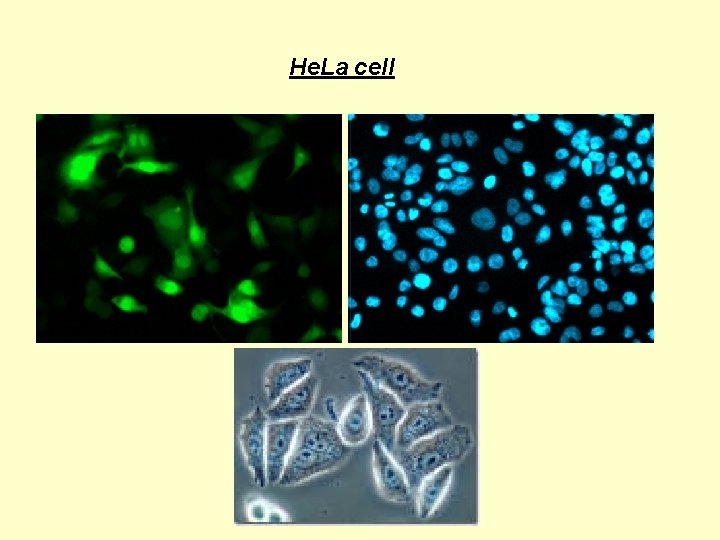
He. La cell
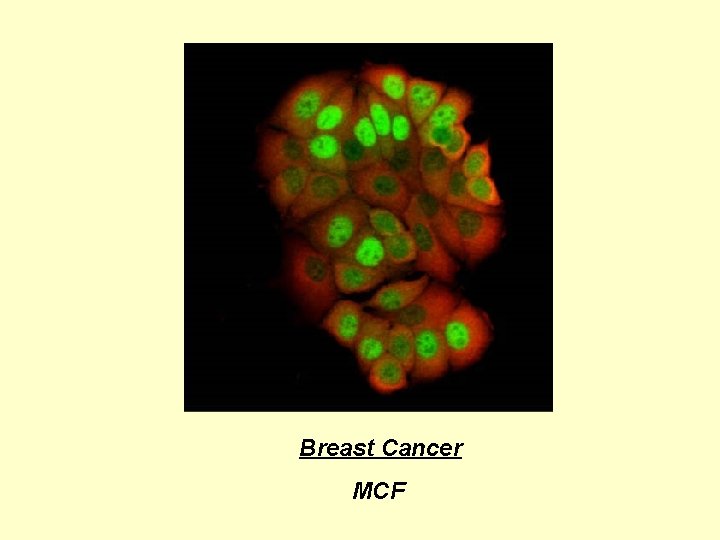
Breast Cancer MCF
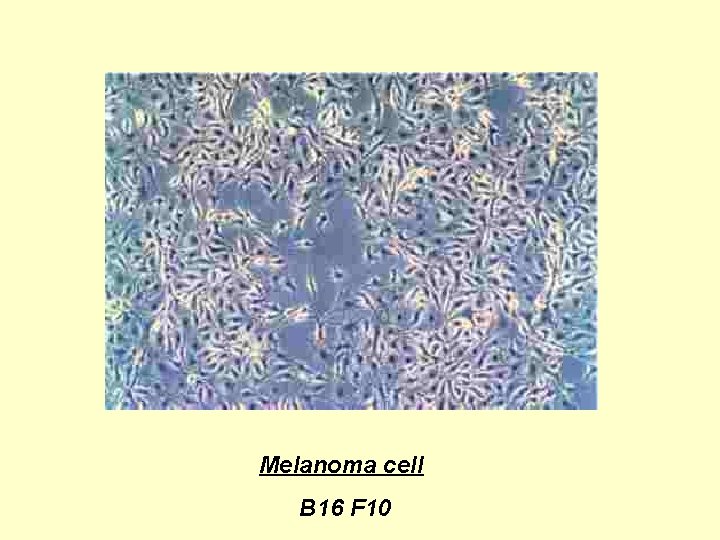
Melanoma cell B 16 F 10