
How to Open and Close the Meeting Audit

- Slides: 17
How to Open and Close the Meeting / Audit By TNV
Conducting opening meeting The purpose of the opening meeting is to: a) confirm the agreement of all participants (e. g. auditee, audit team) to the audit plan; b) introduce the audit team and their roles; c) ensure that all planned audit activities can be performed.
There are three clear steps to follow An opening meeting should be held with the auditee’s management and, where appropriate, those responsible for the functions or processes to be audited. During the meeting, an opportunity to ask questions should be provided. The degree of detail should be consistent with the familiarity of the auditee with the audit process. In many instances, e. g. internal audits in a small organization, the opening meeting may simply consist of communicating that an audit is being conducted and explaining the nature of the audit. For other audit situations, the meeting may be formal and records of attendance should be retained. The meeting should be chaired by the audit team leader.
Master Guideline Introduction of the following should be considered, as appropriate: — other participants, including observers and guides, interpreters and an outline of their roles; — the audit methods to manage risks to the organization which may result from the presence of the audit team members
Confirmation of the following items should be considered the audit objectives, scope and criteria; 1. the audit plan and other relevant arrangements with the auditee, such as the date and time for the closing meeting, 2. any interim meetings between the audit team and the auditee’s management, 3. and any change(s) needed; — formal communication channels between the audit team and the auditee; — 4. the language to be used during the audit; — 5. the auditee being kept informed of audit progress during the audit; — 6. the availability of the resources and facilities needed by the audit team; 7. matters relating to confidentiality and information security;
Confirmation of the following items should be considered 1. relevant access, health and safety, security, emergency and other arrangements for the audit team; 2. activities on site that can impact the conduct of the audit. 3. The presentation of information on the following items should be considered, as appropriate: 4. the method of reporting audit findings including criteria for grading, if any; 5. conditions under which the audit may be terminated; 6. how to deal with possible findings during the audit; 7. any system for feedback from the auditee on the findings or conclusions of the audit, including complaints or appeals
INTRODUCTION
CONFIRM SCOPE AND OBJECTIVES OF THE ASSESSMENT the audit objectives, scope and criteria;
VERIFY INFORMATION GIVEN TO CERTIFICATION BODY MAINLY CURRENT NUMBER OF EMPLOYEE We always check the numbers of employees for each company we audit at the opening meeting to ensure that we are tracking the size of the organisation.
Thank you Thanks to Client, observer, and other special attendee and define the role. . other participants, including observers and guides, interpreters and an outline of their roles; the audit methods to manage risks to the organization which may result from the presence of the audit team members.
Review the Audit plan the audit plan and other relevant arrangements with the auditee, such as the date and time for the closing meeting, any interim meetings between the audit team and the auditee’s management, and any change(s) needed;
CONFIRM COMMUNICATIONS, RESOURCES AND ESCORTS We always confirm who our lines of communication will be, who is available to help us to ensure that the audit runs smoothly and who will be showing us around and introducing us to the key audit personnel. relevant access, health and safety, security, emergency and other arrangements for the audit team; activities on site that can impact the conduct of the audit
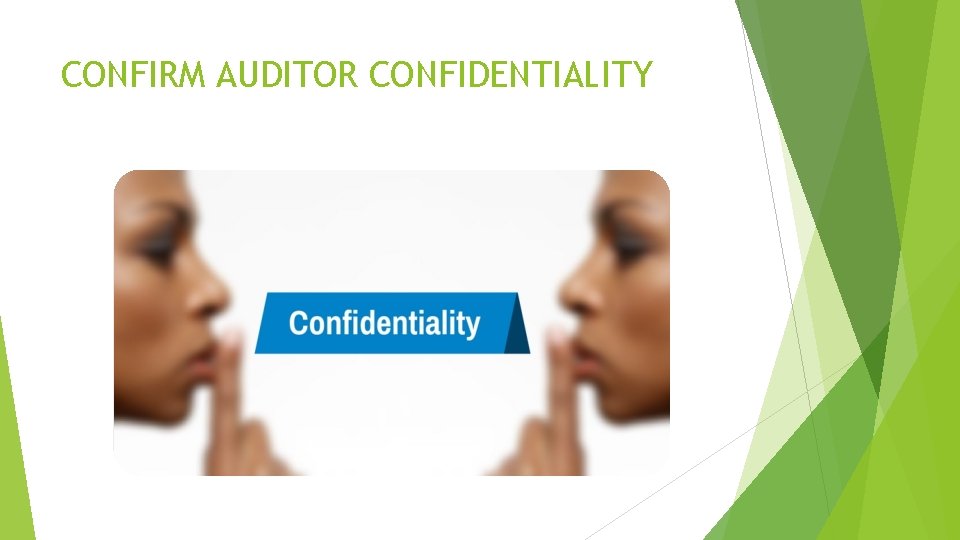
CONFIRM AUDITOR CONFIDENTIALITY
EXPLAIN THE AUDIT PROGRAM AND THE REPORTING PROCESS FOR DEFICIENCIES We feel it is important to run through the audit plan at the opening meeting to ensure that there is no surprises for the client, we give an overview of what we will be looking at throughout the course of the audit event. We should point out that if there are only Minor CARs at the end of the audit, then the client has to do nothing but commit to correcting the deficiencies and giving their responses as required. If there any Major CARs, then the client has to either complete the corrective action and have it re-audited to close out the CAR or do enough of the corrective action such that if the remaining problem were on its own, it would be graded as a Minor and as such the Major can now be downgraded to Minor status. Registration cannot proceed with open Major CARs or no responses to Minor CARs.
CONFIRM TIME AND PLACE FOR CLOSING MEETING We explain that the schedule is flexible and if managers or their employees are required to carry out certain tasks during the course of the audit, then the audit team will try to accommodate this as much as possible. It is essential that the closing meeting time is confirmed, this should have been printed on the assessment schedule sent to the client in advance of the audit. Under no circumstances should this meeting be late; if there are extenuating circumstances over which the audit team had no control, then the management team should be informed as early as possible of the new meeting time.
APPEALS PROCESS We always explain that if the client does not agree with any CARs that there is an appeals process that is outlined in the certification criteria that all clients are issued with. any system for feedback from the auditee on the findings or conclusions of the audit, including complaints or appeals.
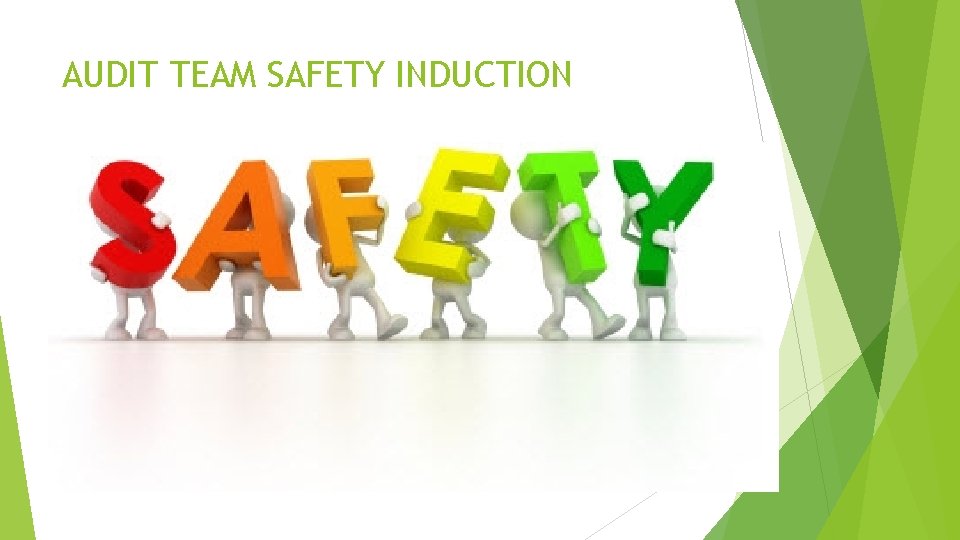
AUDIT TEAM SAFETY INDUCTION