
How to Implement The Decision Guide This presentation

- Slides: 24
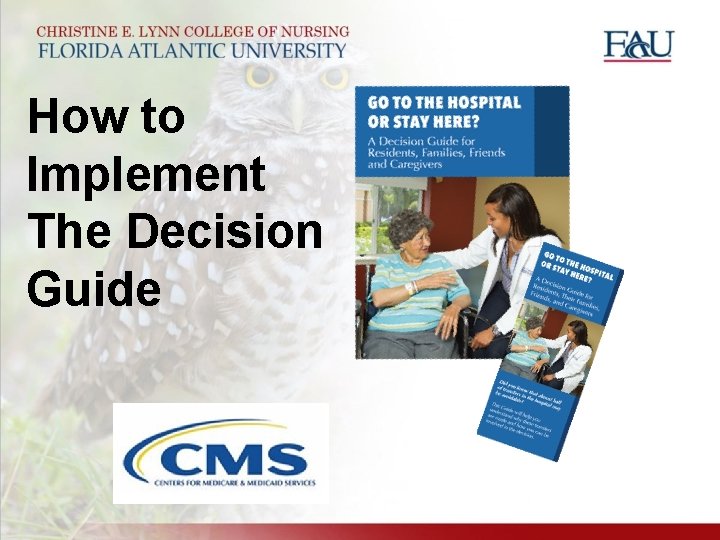
How to Implement The Decision Guide
This presentation provides ways that you can use the Decision Guide, as well as comments and data from Region IV Nursing Homes who used Guide.
Benefits of the Guide • It provides factual information about the care that can be provided in your facility • It addresses questions about that care in the right setting and the available choices when a resident’s condition changes • Our study demonstrated that facilities who include the Guide in their readmission strategy significantly reduced avoidable transfers
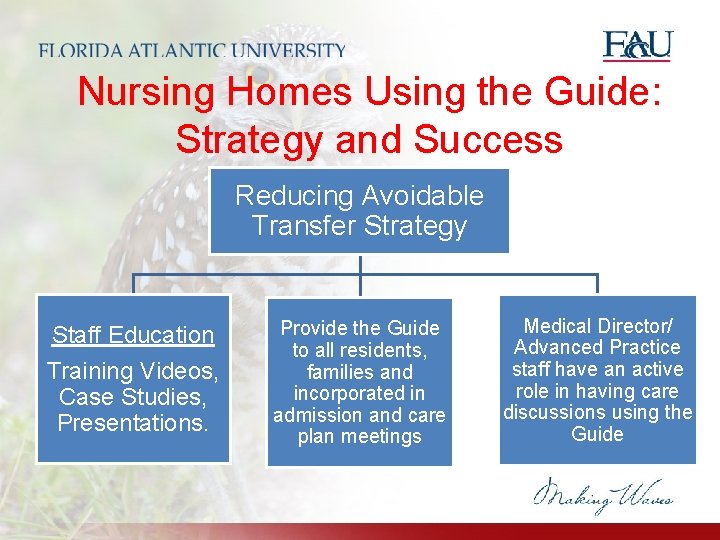
Nursing Homes Using the Guide: Strategy and Success Reducing Avoidable Transfer Strategy Staff Education Training Videos, Case Studies, Presentations. Provide the Guide to all residents, families and incorporated in admission and care plan meetings Medical Director/ Advanced Practice staff have an active role in having care discussions using the Guide
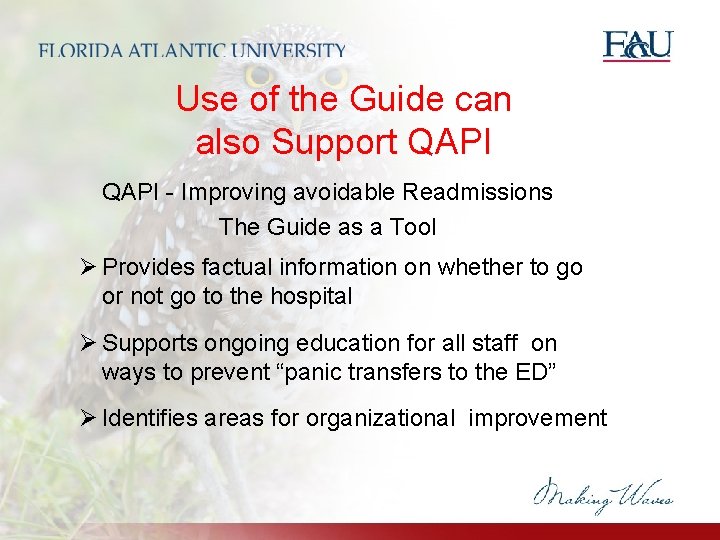
Use of the Guide can also Support QAPI - Improving avoidable Readmissions The Guide as a Tool Ø Provides factual information on whether to go or not go to the hospital Ø Supports ongoing education for all staff on ways to prevent “panic transfers to the ED” Ø Identifies areas for organizational improvement
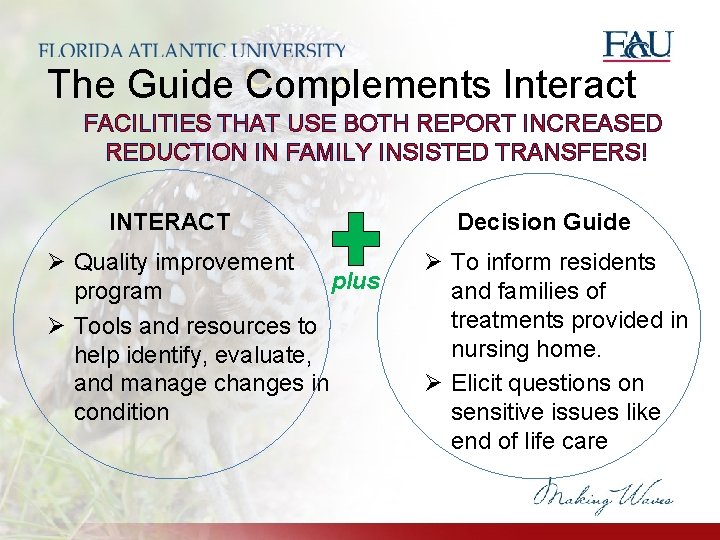
The Guide Complements Interact FACILITIES THAT USE BOTH REPORT INCREASED REDUCTION IN FAMILY INSISTED TRANSFERS! INTERACT Ø Quality improvement plus program Ø Tools and resources to help identify, evaluate, and manage changes in condition Decision Guide Ø To inform residents and families of treatments provided in nursing home. Ø Elicit questions on sensitive issues like end of life care
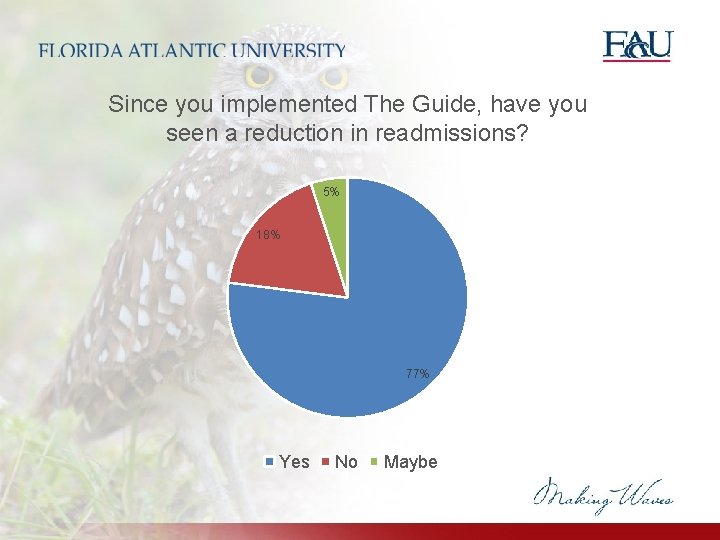
Since you implemented The Guide, have you seen a reduction in readmissions? 5% 18% 77% Yes No Maybe
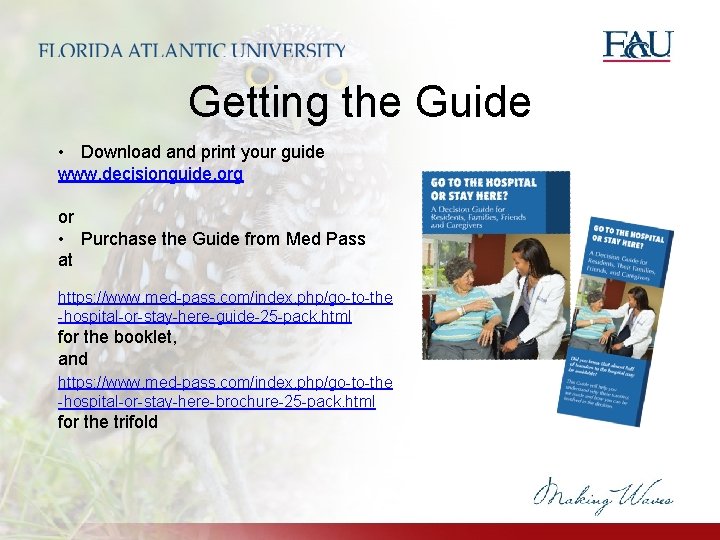
Getting the Guide • Download and print your guide www. decisionguide. org or • Purchase the Guide from Med Pass at https: //www. med-pass. com/index. php/go-to-the -hospital-or-stay-here-guide-25 -pack. html for the booklet, and https: //www. med-pass. com/index. php/go-to-the -hospital-or-stay-here-brochure-25 -pack. html for the trifold
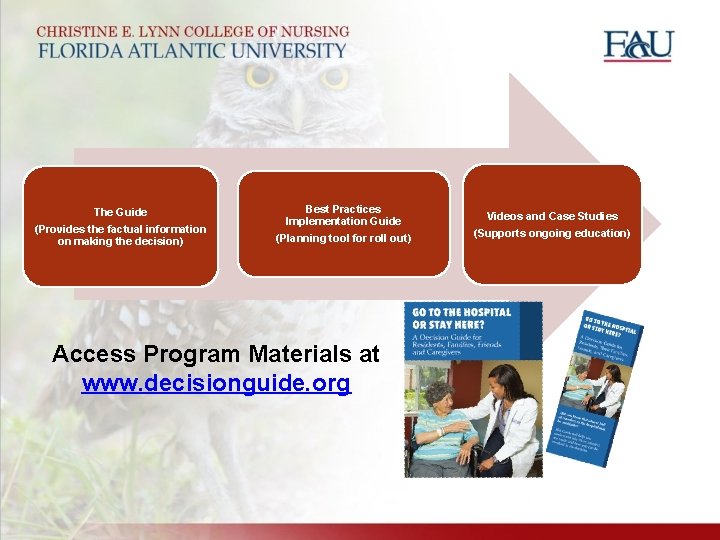
The Guide (Provides the factual information on making the decision) Best Practices Implementation Guide (Planning tool for roll out) Access Program Materials at www. decisionguide. org Videos and Case Studies (Supports ongoing education)
Getting Started • Use the Best Practices Guide for Implementation for planning rollout http: //www. decisionguide. org/docs/Implementation. Assistant • Training Videos and Case Studies are useful for staff education • Share the Guide with your Medical Staff, Leadership and Nursing staff • Many facilities use the Guide itself for staff education
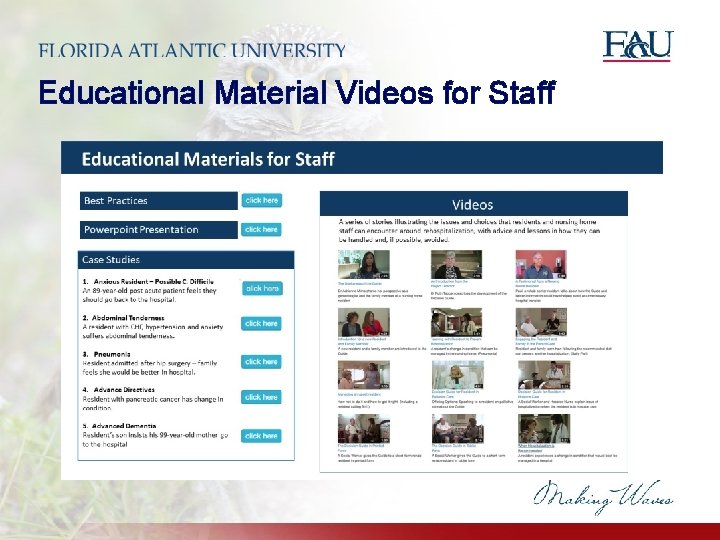
Educational Material Videos for Staff
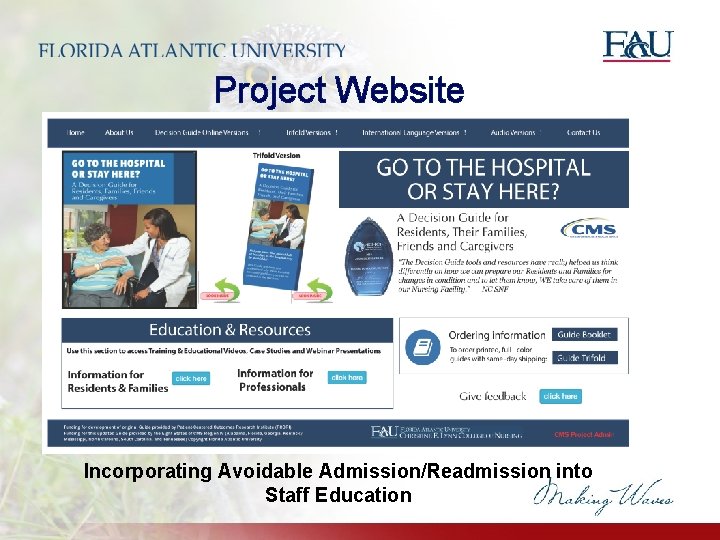
Project Website Incorporating Avoidable Admission/Readmission into Staff Education
What We Have Learned. Impact on Staff • Educational tool for staff nurses • Great for retraining staff • Helps staff initiate difficult conversations e. g. end of life care decision • Strengthens staff confidence in decisions and the follow-up measures necessary when a change in a resident’s condition occurs.
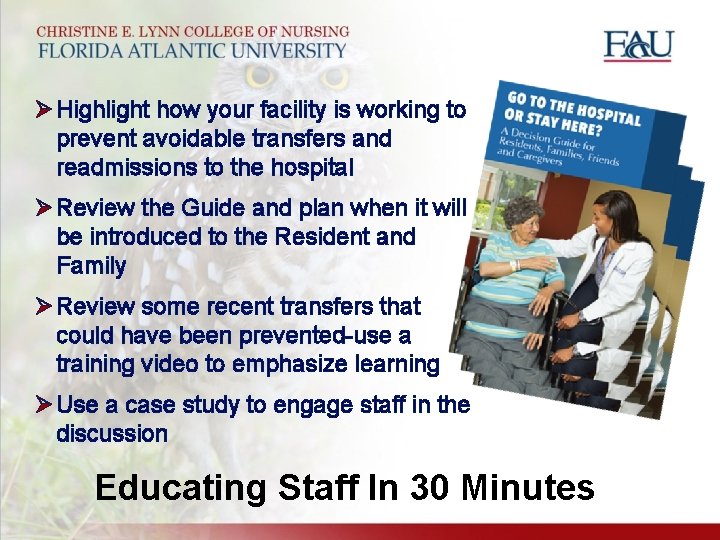
Ø Highlight how your facility is working to prevent avoidable transfers and readmissions to the hospital Ø Review the Guide and plan when it will be introduced to the Resident and Family Ø Review some recent transfers that could have been prevented-use a training video to emphasize learning Ø Use a case study to engage staff in the discussion Educating Staff In 30 Minutes
What We Have Learned Staff Experience The guide is a useful tool for clinicians (Physicians, Nurse Practitioners, and Nurses) to use during resident/familyclinician conversations related to going to the hospital or staying in the nursing home. Covers important facts on hospital transfers, transitional care, hospice care, and advance directives. “One more tool in our toolbox” NHA-Georgia
Helping Families Use the Guide Educational tool for residents and families to inform them on the treatment options that can be performed in the nursing home. “In a crisis, family members panic, staff panic. Just stop and think what we can do here. The guide is a great educational tool. ” NHA, Alabama
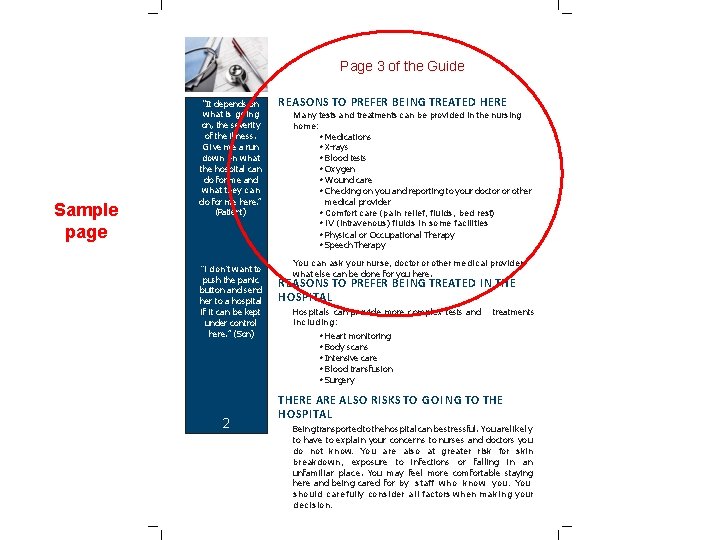
Page 3 of the Guide Sample page “It depends on what is going on, the severity of the illness. G ive me a run down on what the hospital can do for me and what they can do for me here. ” (Patient) “I don’t want to push the panic button and send her to a hospital if it can be kept under control here. ” (Son) 2 REASONS TO PREFER BEING TREATED HERE Many tests and treatments can be provided in the nursing home: • Medications • X-rays • Blood tests • Oxygen • Wound care • Checking on you and reporting to your doctor or other medical provider • Comfort care (pain relief, fluids, bed rest) • IV (intravenous) fluids in some facilities • Physical or Occupational Therapy • Speech Therapy You can ask your nurse, doctor or other medical provider what else can be done for you here. REASONS TO PREFER BEING TREATED IN THE HOSPITAL Hospitals can provide more complex tests and including: treatments • Heart monitoring • Body scans • Intensive care • Blood transfusion • Surgery THERE ALSO RISKS TO G O I N G TO THE HOSPITAL Being transported to the hospital can be stressful. You are likely to have to explain your concerns to nurses and doctors you do not know. You are also at greater risk for skin breakdown, exposure to infections or falling in an unfamiliar place. You may feel more comfortable staying here and being cared for by staff who know you. You should carefully consider all factors when making your decision.
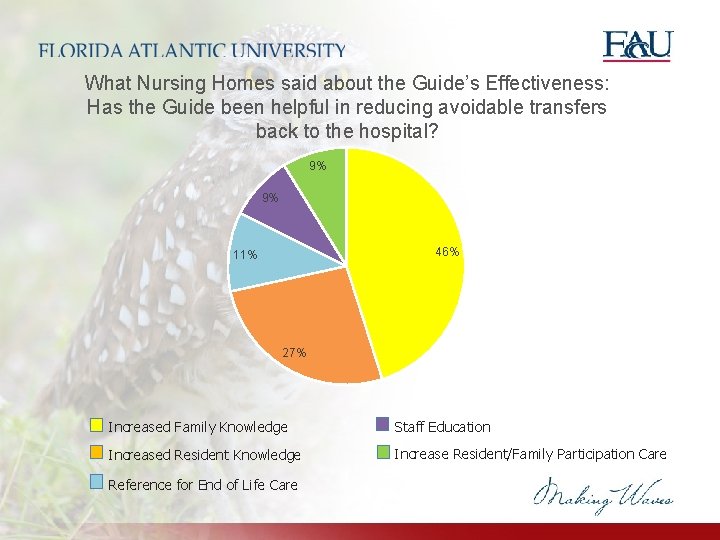
What Nursing Homes said about the Guide’s Effectiveness: Has the Guide been helpful in reducing avoidable transfers back to the hospital? 9% 9% 46% 11% 27% Increased Family Knowledge Staff Education Increased Resident Knowledge Increase Resident/Family Participation Care Reference for End of Life Care
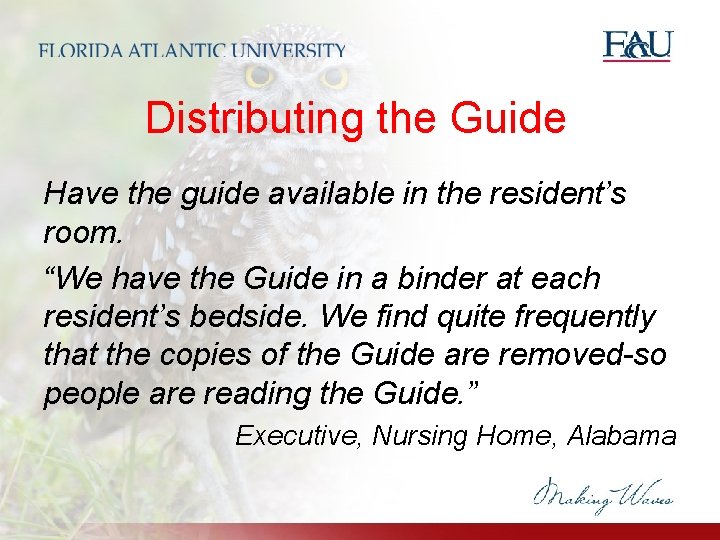
Distributing the Guide Have the guide available in the resident’s room. “We have the Guide in a binder at each resident’s bedside. We find quite frequently that the copies of the Guide are removed-so people are reading the Guide. ” Executive, Nursing Home, Alabama
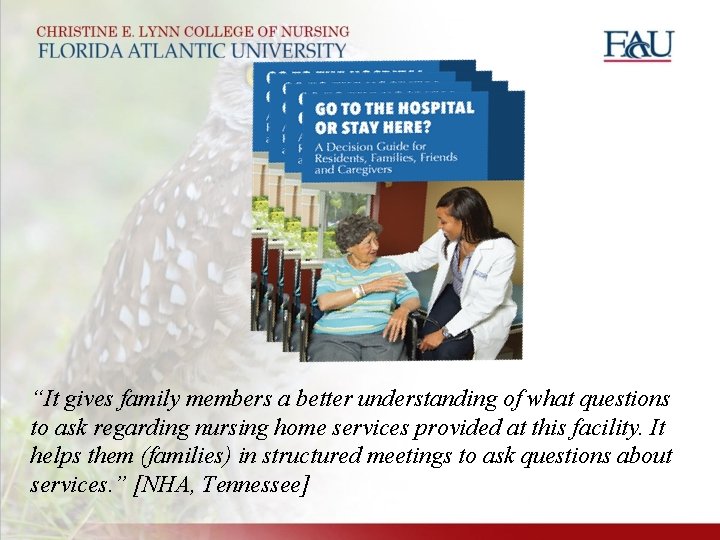
“It gives family members a better understanding of what questions to ask regarding nursing home services provided at this facility. It helps them (families) in structured meetings to ask questions about services. ” [NHA, Tennessee]
What We Have Learned: Helps with the End of Life Plan of Care Discussion Helps to set resident/family goals for care and support discussion of their expectations such as the quality of care for the resident versus quantity of care. “The Guide is very colorful and laid out in easy to read facts with resident and family quotes from interviews. It opens that dialogue for residents and families to have discussions around end of life care. DON, Alabama
• • • Successful Implementation Strategies Include in admission packet Use in conversation with families/residents Staff education on readmissions Use during care planning meetings Introduce during resident council meetings Sharing with hospital staff For additional strategies, see Best Practices for Guide Implementation on our website http: //decisionguide. org/
Working With Your Hospital • Distribute the guide to case managers at local hospitals. • Provide workshops to reinforce information -also support networking between nursing home personnel and hospital personnel • Create your own slogan for using the decision guide for your facility.
Thank You Florida Atlantic University Christine E. Lynn College of Nursing Boca Raton, Florida For more information contact: Florida Atlantic University Ruth M. Tappen, Ed. D, RN, FAAN 777 Glades Rd, Boca Raton, FL 33431 Phone: 561 -297 -2613 Email: rtappen@health. fau. edu Project Email: nurtappen@health. fau. edu