
How to help library patrons find good legal
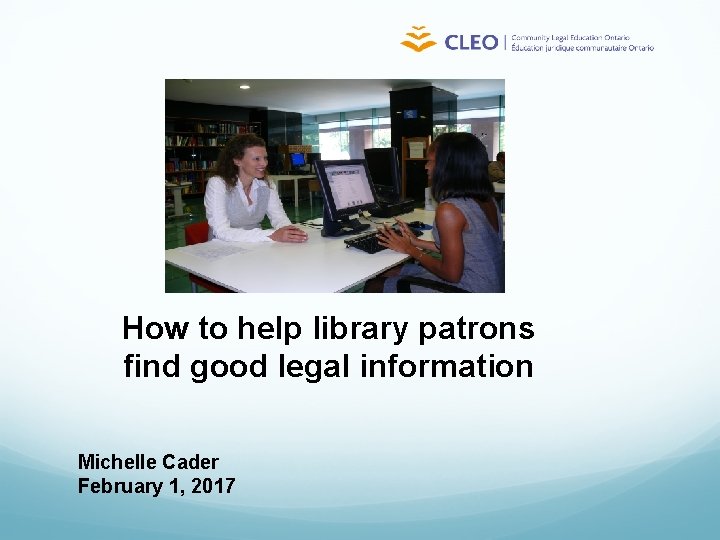
How to help library patrons find good legal information Michelle Cader February 1, 2017
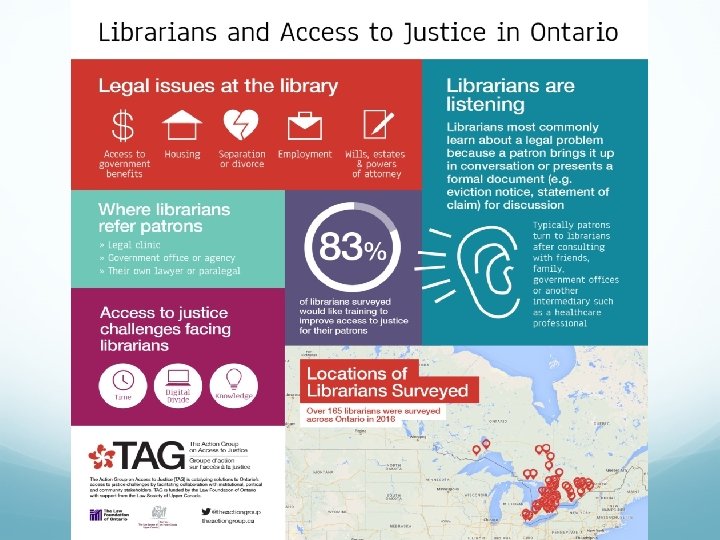
Outline 1. Who is CLEO? 2. Why legal information is key and what library staff’s role can be 3. Tools to help people find legal information 4. Legal information vs. legal advice 5. CLEO’s legal information 6. Making good referrals for legal advice and representation 7. Evaluation
Who is CLEO? • expertise in producing legal information • plain language and clear design • all resources free • in print, online, in multiple languages • over 70 legal resources • 9 subject areas – “poverty law” areas • legally accurate, up-to-date • focus on needs of low-income and marginalized communities • receive government funding 4
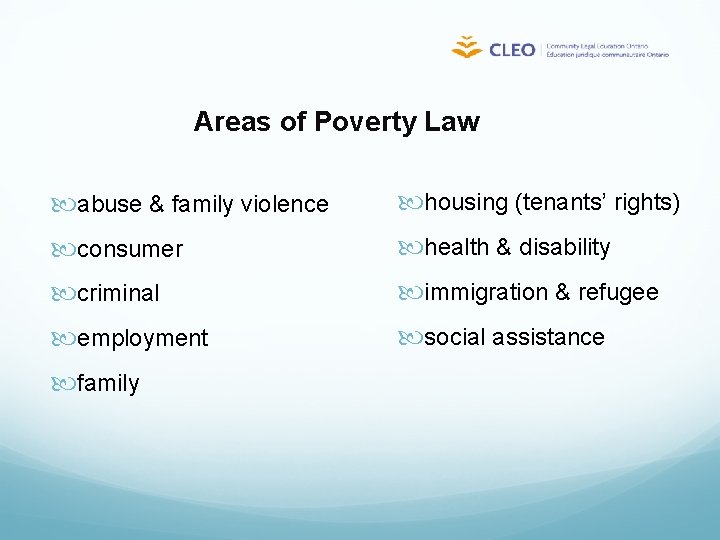
Areas of Poverty Law abuse & family violence housing (tenants’ rights) consumer health & disability criminal immigration & refugee employment social assistance family

Why is legal information important? • explains legal processes • helps maintain legal health (which impacts physical and mental health) • helps prevent legal conflict
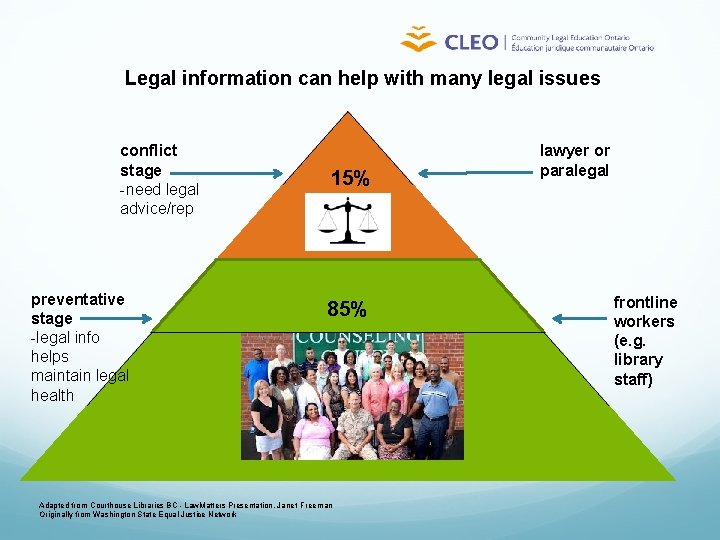
Legal information can help with many legal issues conflict stage -need legal advice/rep 15% lawyer or paralegal 5% - complex client advocacy preventative stage -legal info helps maintain legal health 10% - legal 85% representation - formal claim 35% - 3 rd party non-lawyer assistance e. g. librarians, service providers Adapted from Courthouse Libraries BC - Law. Matters Presentation, Janet Freeman Originally from Washington State Equal Justice Network frontline workers (e. g. library staff)
Why do library staff have a key role?
Tools to help people find legal information
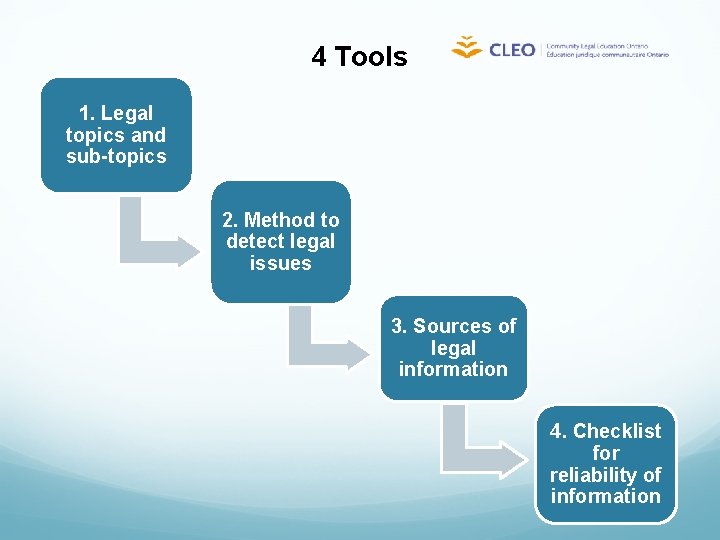
4 Tools 1. Legal topics and sub-topics 2. Method to detect legal issues 3. Sources of legal information 4. Checklist for reliability of information
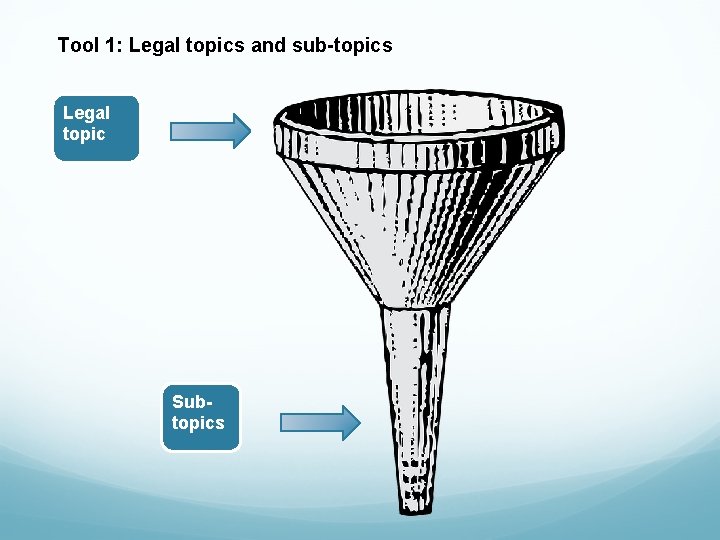
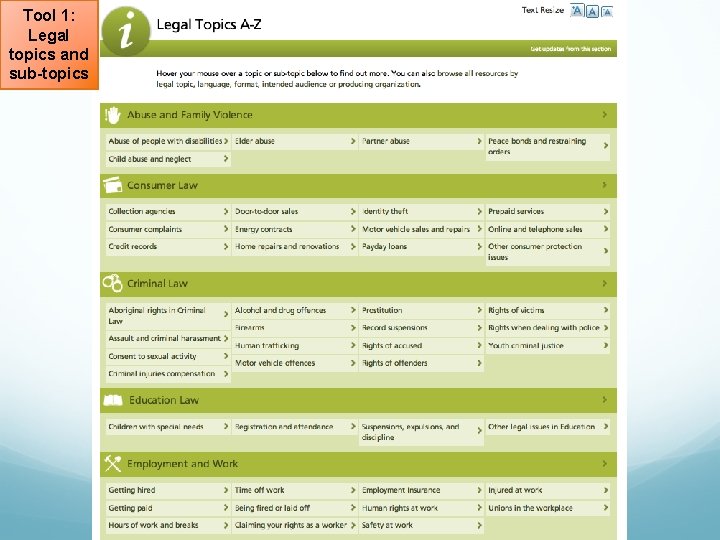
Tool 1: Legal topics and sub-topics Legal topic Subtopics
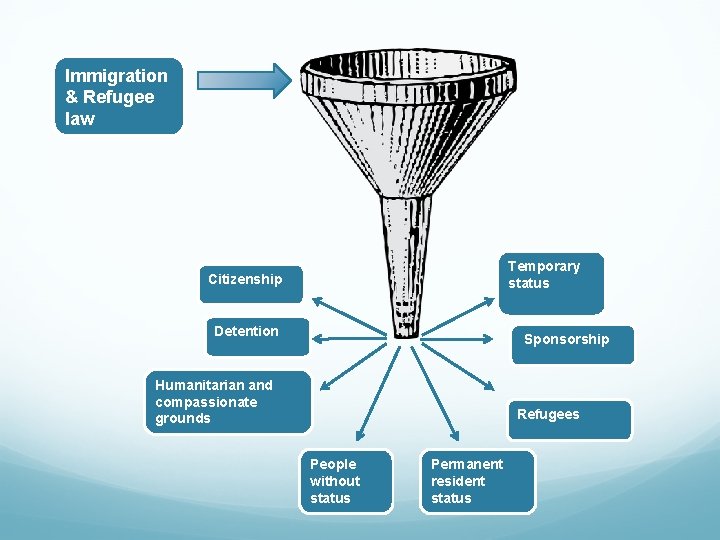
Immigration & Refugee law Temporary status Citizenship Detention Sponsorship Humanitarian and compassionate grounds Refugees People without status Permanent resident status
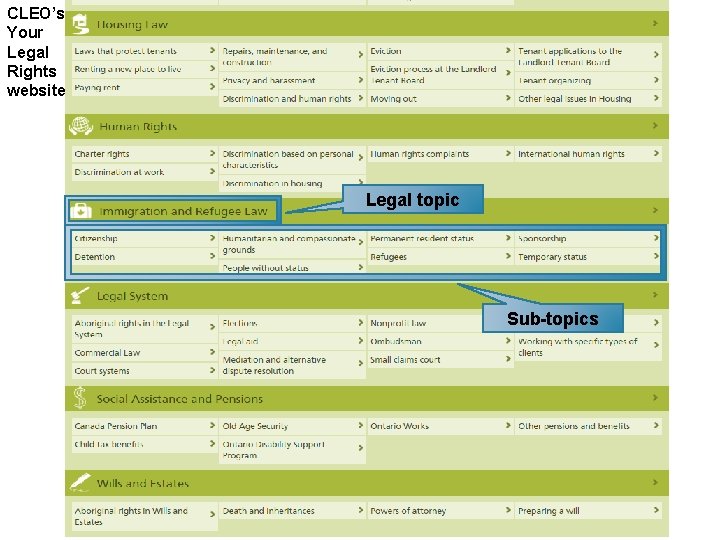
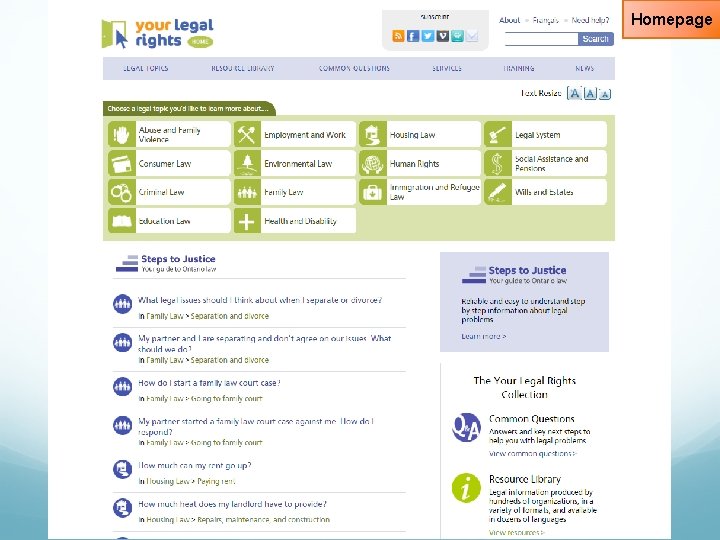
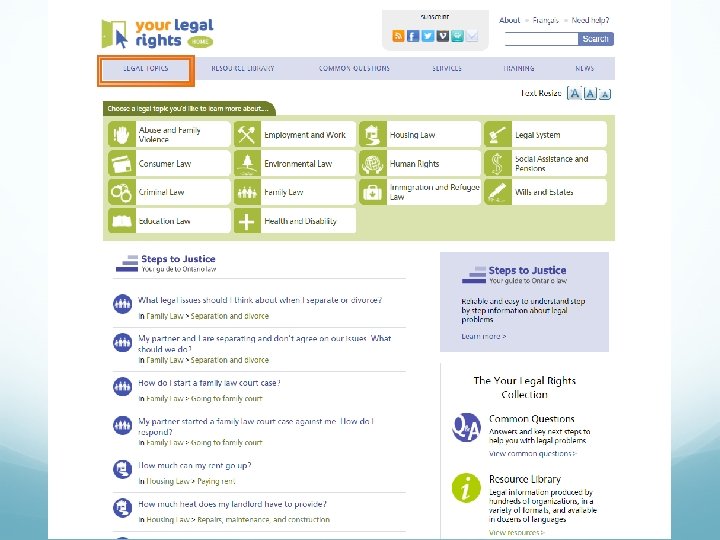
CLEO’s Your Legal Rights website Legal topic Sub-topics
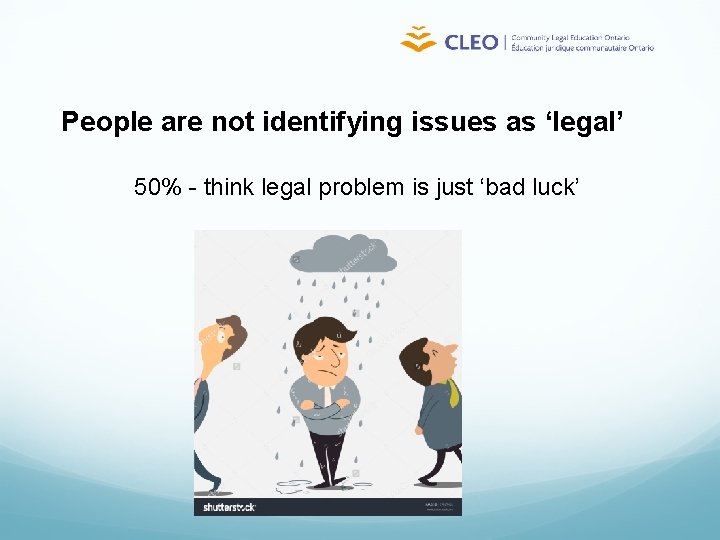
People are not identifying issues as ‘legal’ 50% - think legal problem is just ‘bad luck’
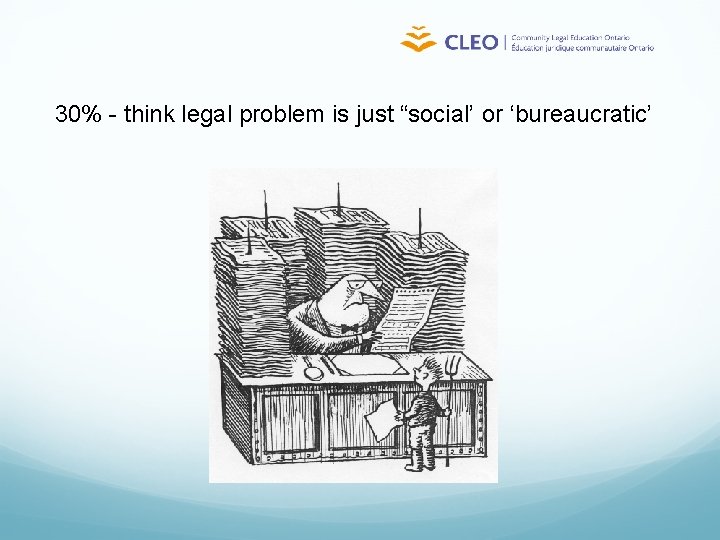
30% - think legal problem is just “social’ or ‘bureaucratic’
11% - identify problem as ‘legal’ *If problem isn’t identified as ‘legal, ’ people don’t seek legal information or legal help
Tool 2: Method to detect legal issues Process: 1. Person presents issue 2. You identify: a. b. main (obvious) legal topic then funnel it down sub-topic(s) 3. You ask questions to detect related legal issues
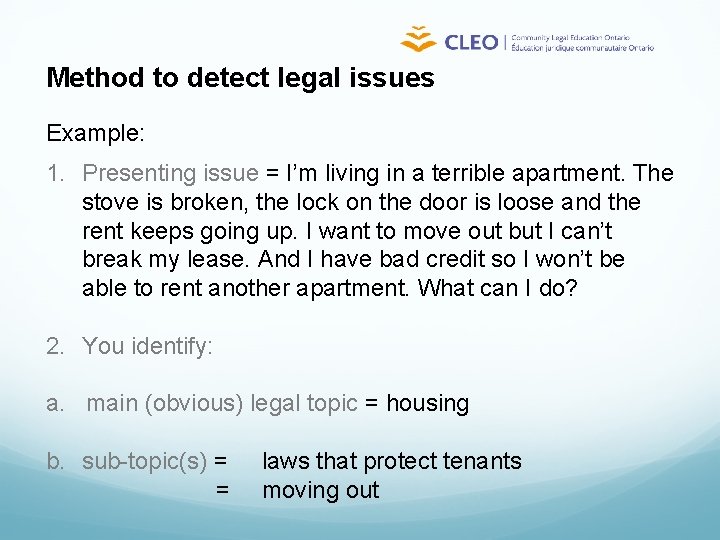
Method to detect legal issues Example: 1. Presenting issue = I’m living in a terrible apartment. The stove is broken, the lock on the door is loose and the rent keeps going up. I want to move out but I can’t break my lease. And I have bad credit so I won’t be able to rent another apartment. What can I do? 2. You identify: a. main (obvious) legal topic = housing b. sub-topic(s) = = laws that protect tenants moving out
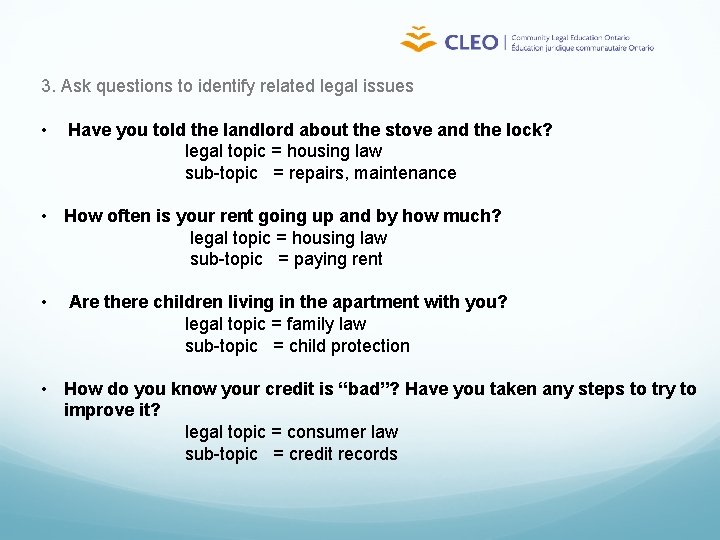
3. Ask questions to identify related legal issues • Have you told the landlord about the stove and the lock? legal topic = housing law sub-topic = repairs, maintenance • How often is your rent going up and by how much? legal topic = housing law sub-topic = paying rent • Are there children living in the apartment with you? legal topic = family law sub-topic = child protection • How do you know your credit is “bad”? Have you taken any steps to try to improve it? legal topic = consumer law sub-topic = credit records
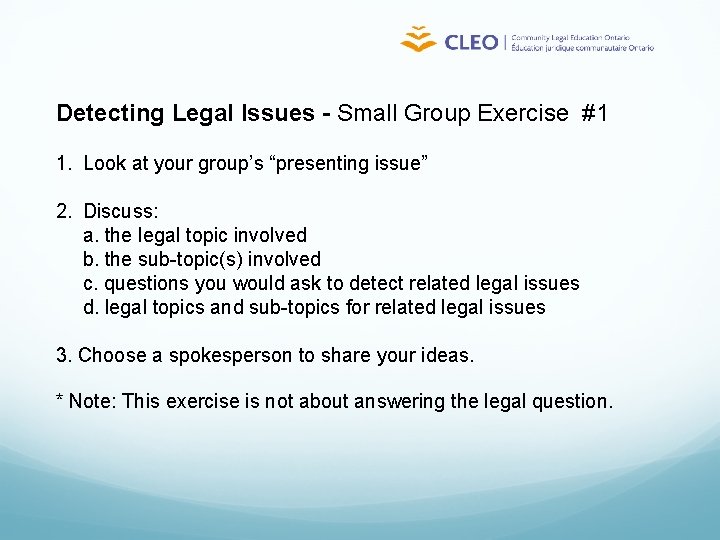
Detecting Legal Issues - Small Group Exercise #1 1. Look at your group’s “presenting issue” 2. Discuss: a. the legal topic involved b. the sub-topic(s) involved c. questions you would ask to detect related legal issues d. legal topics and sub-topics for related legal issues 3. Choose a spokesperson to share your ideas. * Note: This exercise is not about answering the legal question.
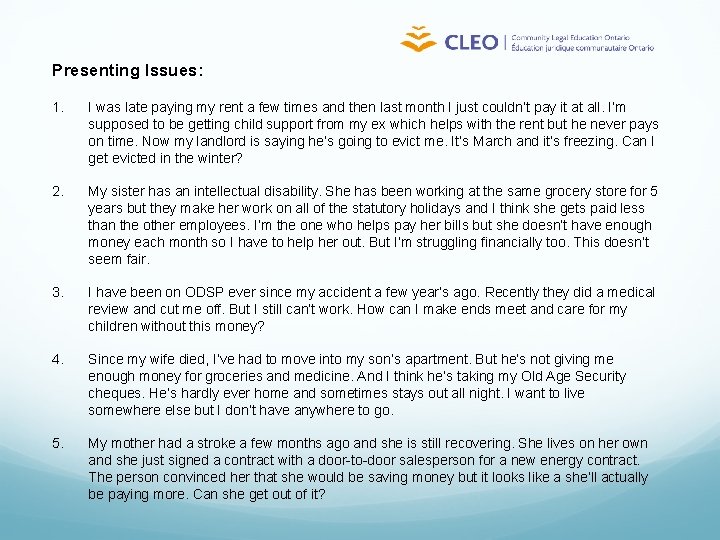
Presenting Issues: 1. I was late paying my rent a few times and then last month I just couldn’t pay it at all. I’m supposed to be getting child support from my ex which helps with the rent but he never pays on time. Now my landlord is saying he’s going to evict me. It’s March and it’s freezing. Can I get evicted in the winter? 2. My sister has an intellectual disability. She has been working at the same grocery store for 5 years but they make her work on all of the statutory holidays and I think she gets paid less than the other employees. I’m the one who helps pay her bills but she doesn’t have enough money each month so I have to help her out. But I’m struggling financially too. This doesn’t seem fair. 3. I have been on ODSP ever since my accident a few year’s ago. Recently they did a medical review and cut me off. But I still can’t work. How can I make ends meet and care for my children without this money? 4. Since my wife died, I’ve had to move into my son’s apartment. But he’s not giving me enough money for groceries and medicine. And I think he’s taking my Old Age Security cheques. He’s hardly ever home and sometimes stays out all night. I want to live somewhere else but I don’t have anywhere to go. 5. My mother had a stroke a few months ago and she is still recovering. She lives on her own and she just signed a contract with a door-to-door salesperson for a new energy contract. The person convinced her that she would be saving money but it looks like a she’ll actually be paying more. Can she get out of it?
Tool 3: Sources of Legal Information
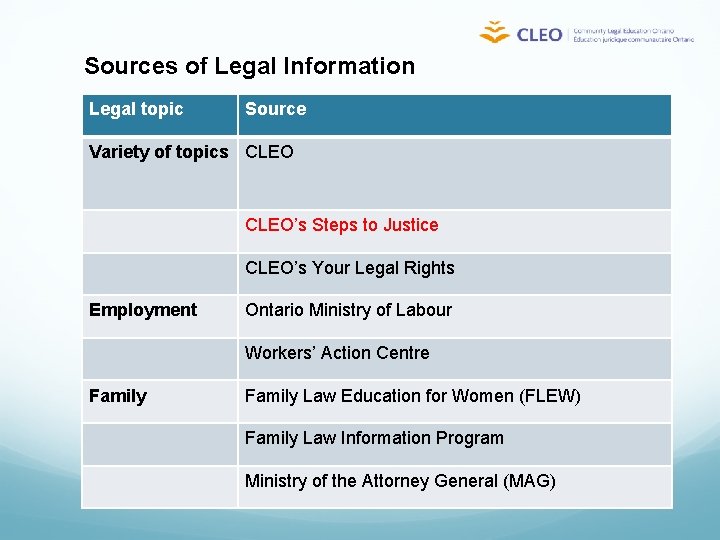
Sources of Legal Information Legal topic Source Variety of topics CLEO’s Steps to Justice CLEO’s Your Legal Rights Employment Ontario Ministry of Labour Workers’ Action Centre Family Law Education for Women (FLEW) Family Law Information Program Ministry of the Attorney General (MAG)
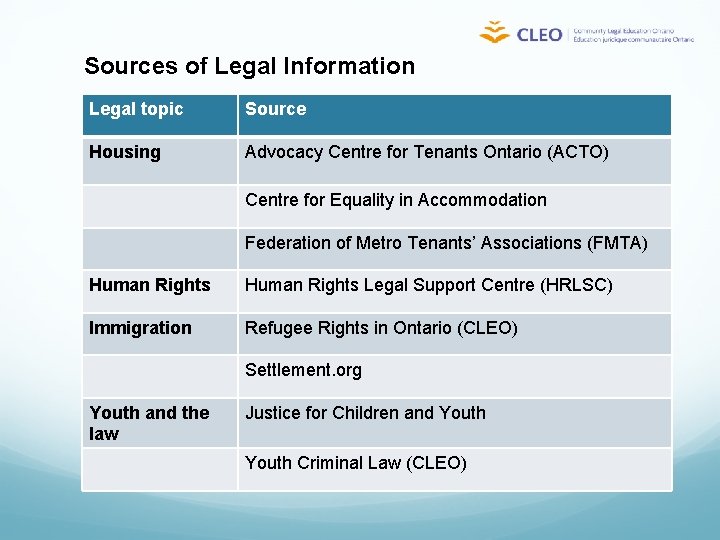
Sources of Legal Information Legal topic Source Housing Advocacy Centre for Tenants Ontario (ACTO) Centre for Equality in Accommodation Federation of Metro Tenants’ Associations (FMTA) Human Rights Legal Support Centre (HRLSC) Immigration Refugee Rights in Ontario (CLEO) Settlement. org Youth and the law Justice for Children and Youth Criminal Law (CLEO)
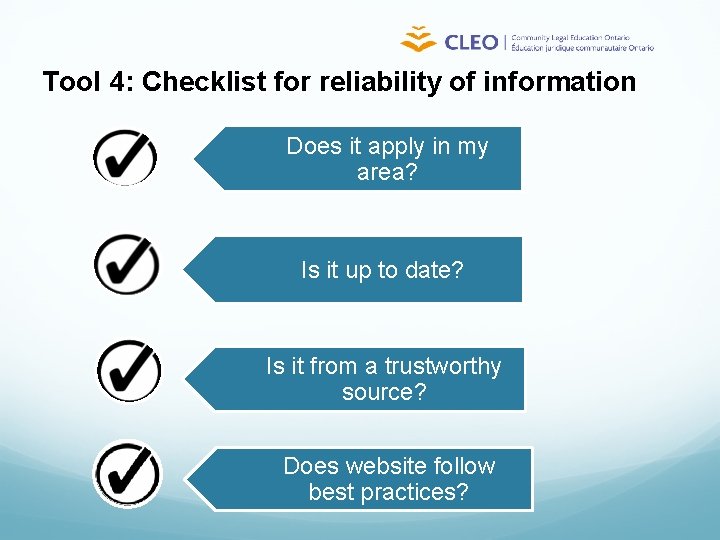
Tool 4: Checklist for reliability of information Does it apply in my area? Is it up to date? Is it from a trustworthy source? Does website follow best practices?
Legal Information vs. Legal Advice: Knowing the Difference
Legal Information Legal Advice
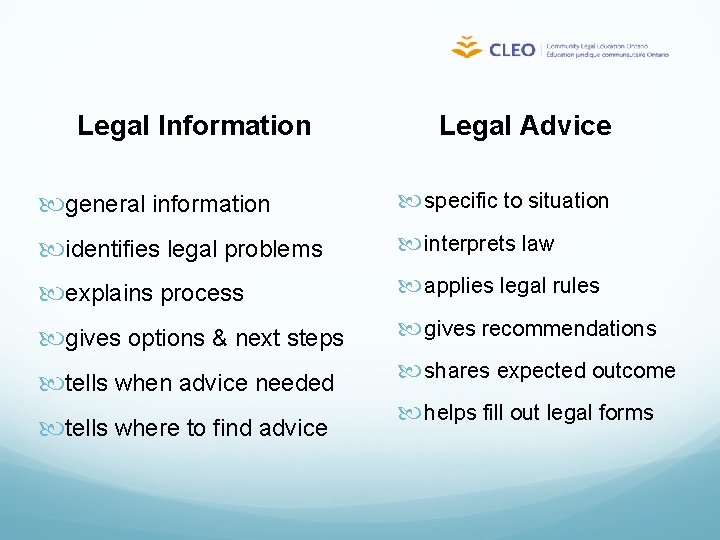
Legal Information Legal Advice general information specific to situation identifies legal problems interprets law explains process applies legal rules gives options & next steps gives recommendations tells when advice needed shares expected outcome tells where to find advice helps fill out legal forms
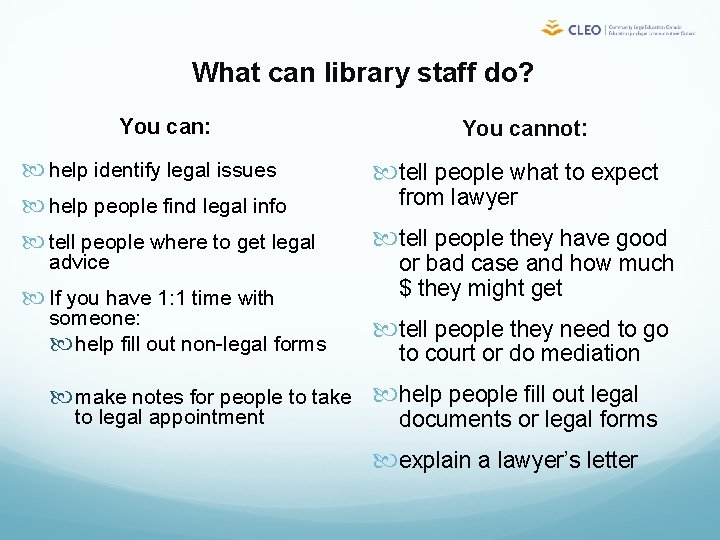
What can library staff do? You can: help identify legal issues help people find legal info tell people where to get legal advice If you have 1: 1 time with someone: help fill out non-legal forms You cannot: tell people what to expect from lawyer tell people they have good or bad case and how much $ they might get tell people they need to go to court or do mediation make notes for people to take help people fill out legal to legal appointment documents or legal forms explain a lawyer’s letter
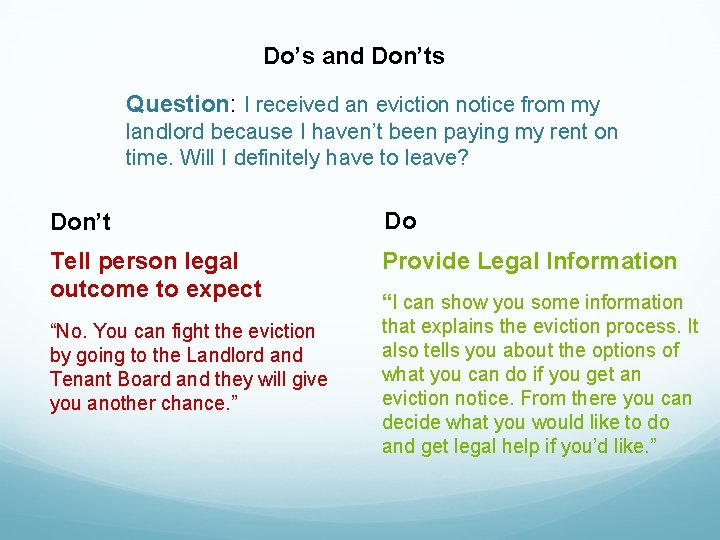
Do’s and Don’ts Question: I received an eviction notice from my landlord because I haven’t been paying my rent on time. Will I definitely have to leave? Don’t Do Tell person legal outcome to expect Provide Legal Information “No. You can fight the eviction by going to the Landlord and Tenant Board and they will give you another chance. ” “I can show you some information that explains the eviction process. It also tells you about the options of what you can do if you get an eviction notice. From there you can decide what you would like to do and get legal help if you’d like. ”
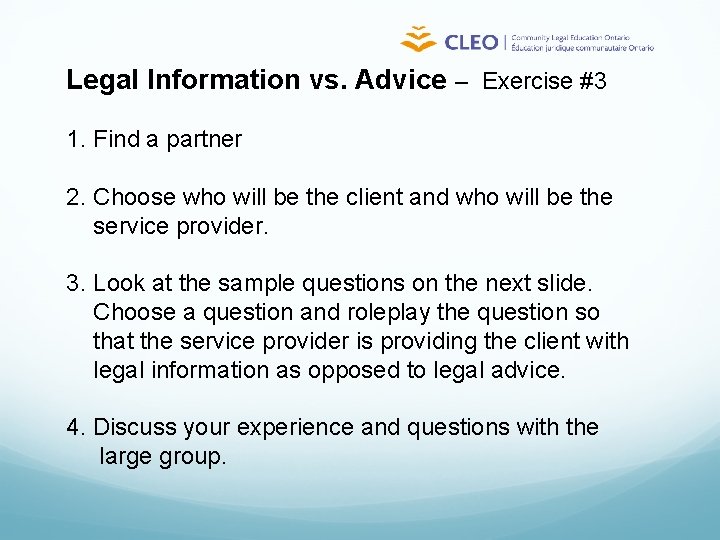
Legal Information vs. Advice – Exercise #3 1. Find a partner 2. Choose who will be the client and who will be the service provider. 3. Look at the sample questions on the next slide. Choose a question and roleplay the question so that the service provider is providing the client with legal information as opposed to legal advice. 4. Discuss your experience and questions with the large group.
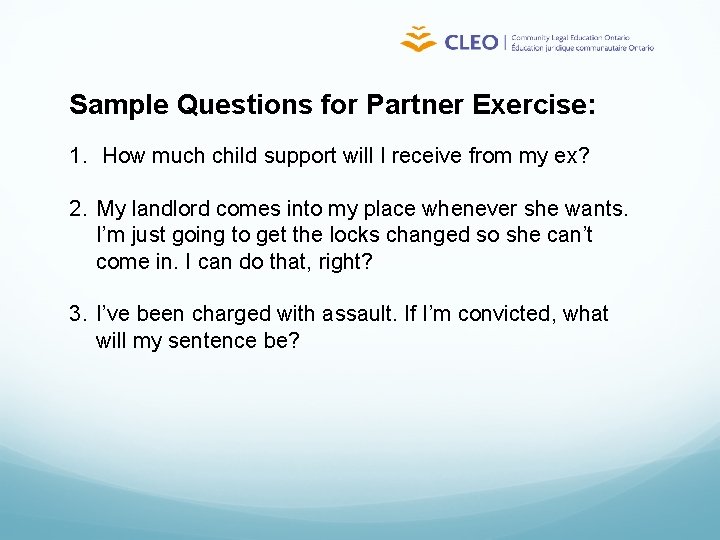
Sample Questions for Partner Exercise: 1. How much child support will I receive from my ex? 2. My landlord comes into my place whenever she wants. I’m just going to get the locks changed so she can’t come in. I can do that, right? 3. I’ve been charged with assault. If I’m convicted, what will my sentence be?
CLEO’s Legal Information: 3 main websites
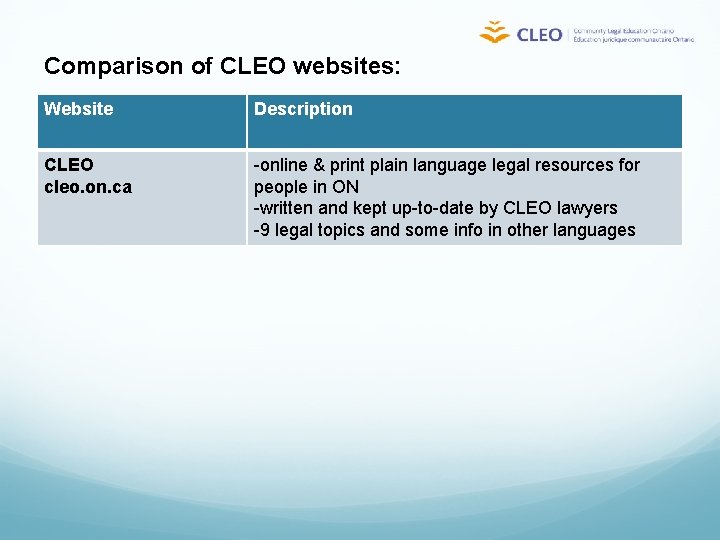
Comparison of CLEO websites: Website Description CLEO cleo. on. ca -online & print plain language legal resources for people in ON -written and kept up-to-date by CLEO lawyers -9 legal topics and some info in other languages
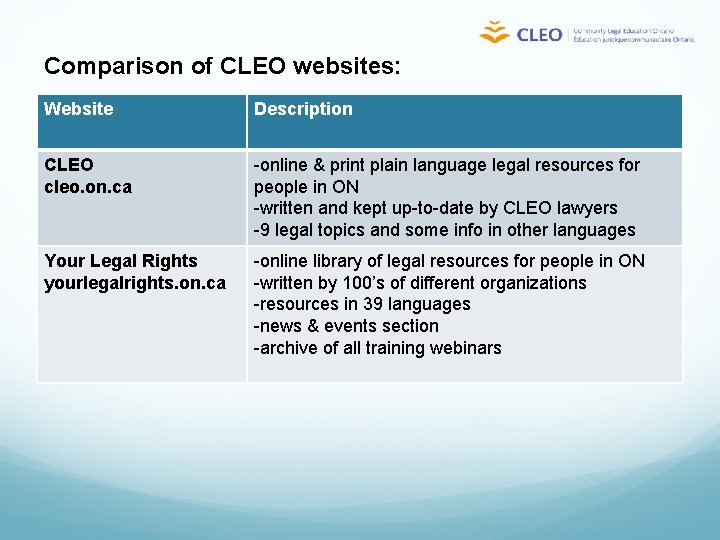
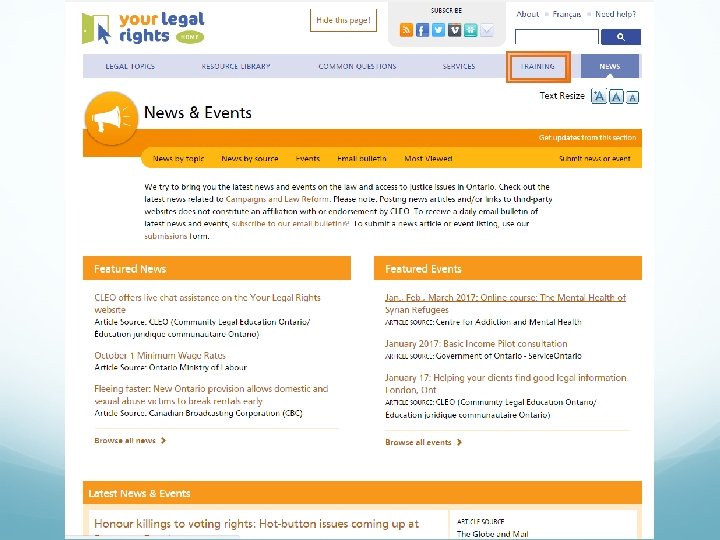
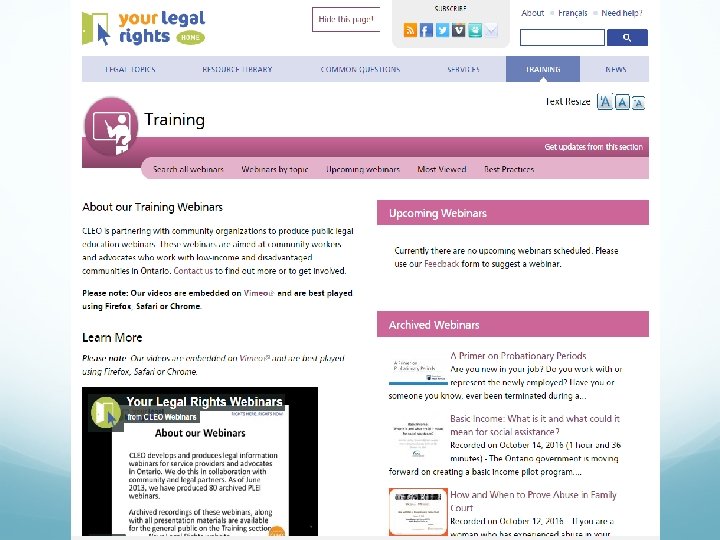
Comparison of CLEO websites: Website Description CLEO cleo. on. ca -online & print plain language legal resources for people in ON -written and kept up-to-date by CLEO lawyers -9 legal topics and some info in other languages Your Legal Rights yourlegalrights. on. ca -online library of legal resources for people in ON -written by 100’s of different organizations -resources in 39 languages -news & events section -archive of all training webinars
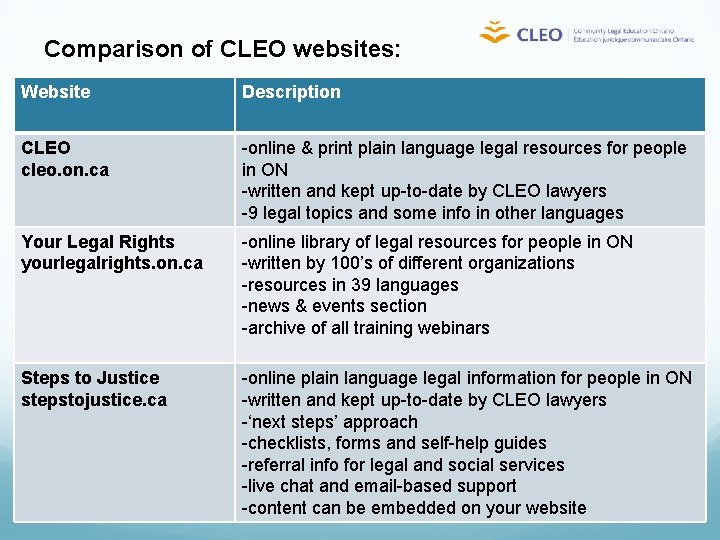
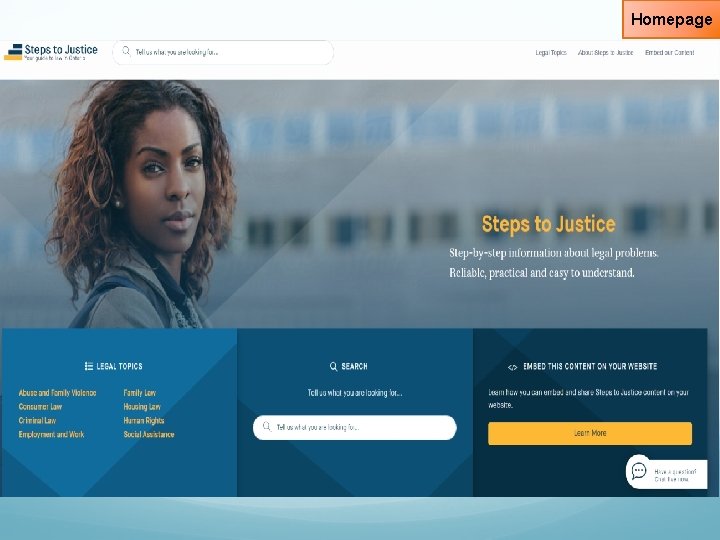
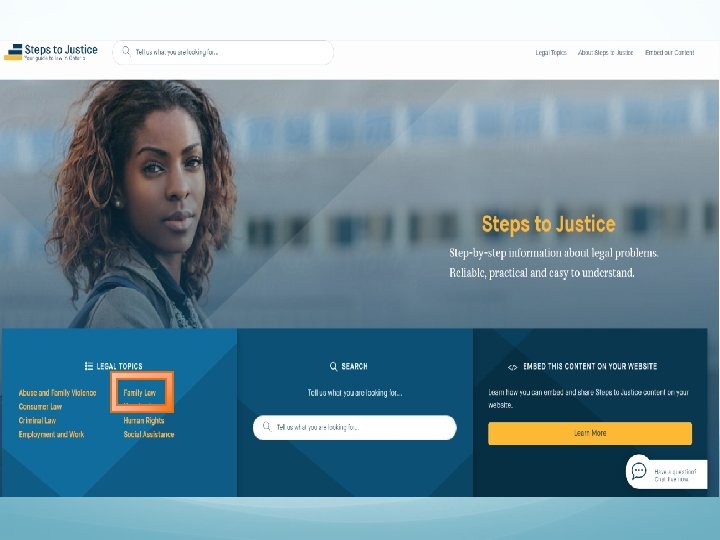
Comparison of CLEO websites: Website Description CLEO cleo. on. ca -online & print plain language legal resources for people in ON -written and kept up-to-date by CLEO lawyers -9 legal topics and some info in other languages Your Legal Rights yourlegalrights. on. ca -online library of legal resources for people in ON -written by 100’s of different organizations -resources in 39 languages -news & events section -archive of all training webinars Steps to Justice stepstojustice. ca -online plain language legal information for people in ON -written and kept up-to-date by CLEO lawyers -‘next steps’ approach -checklists, forms and self-help guides -referral info for legal and social services -live chat and email-based support -content can be embedded on your website
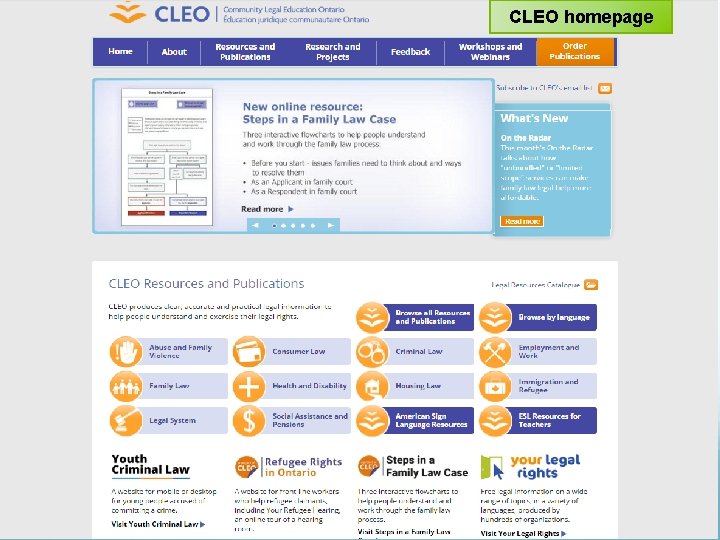
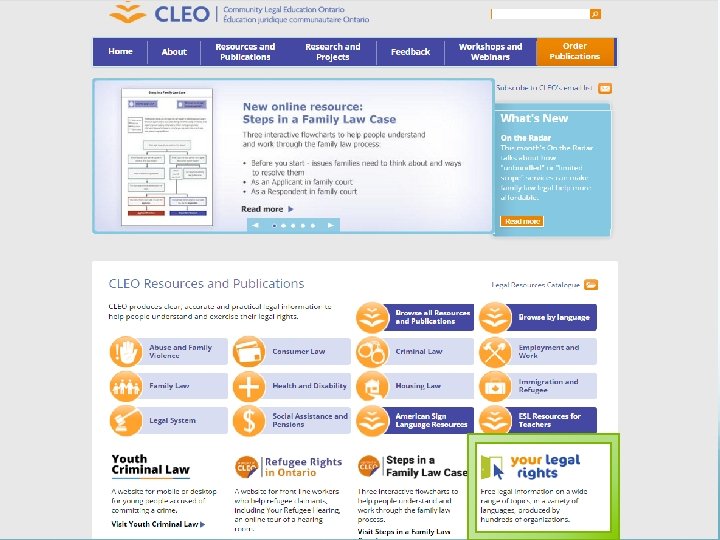
CLEO homepage
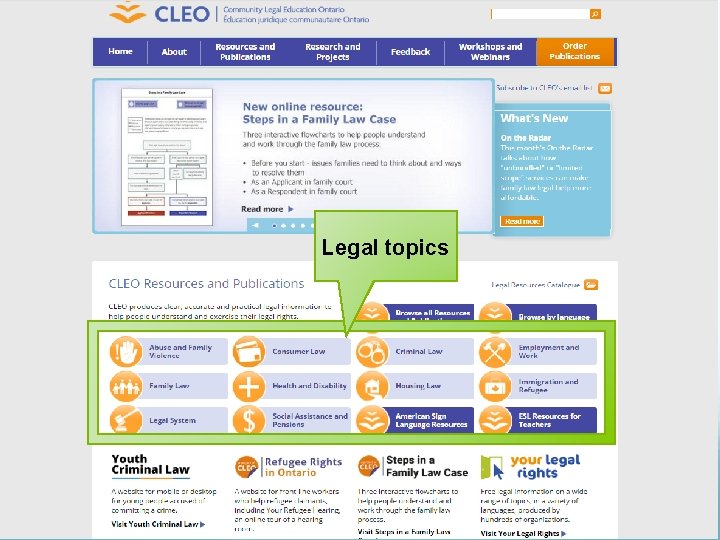
Legal topics
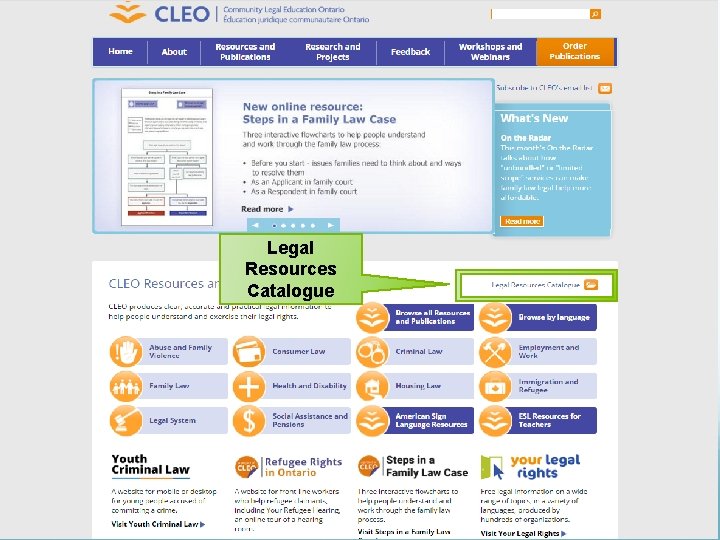
Legal Resources Catalogue
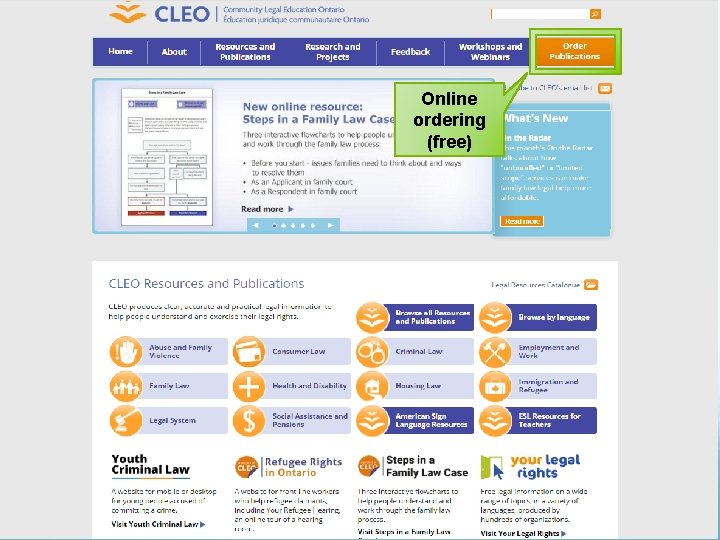
Online ordering (free)
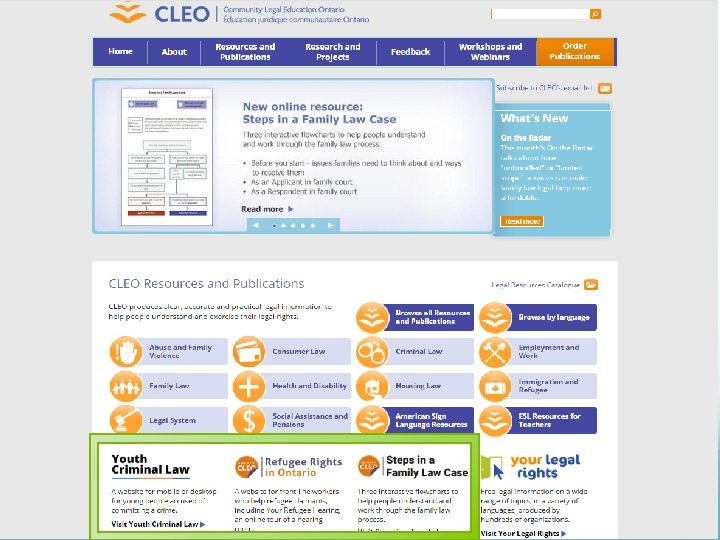
Homepage
Tool 1: Legal topics and sub-topics
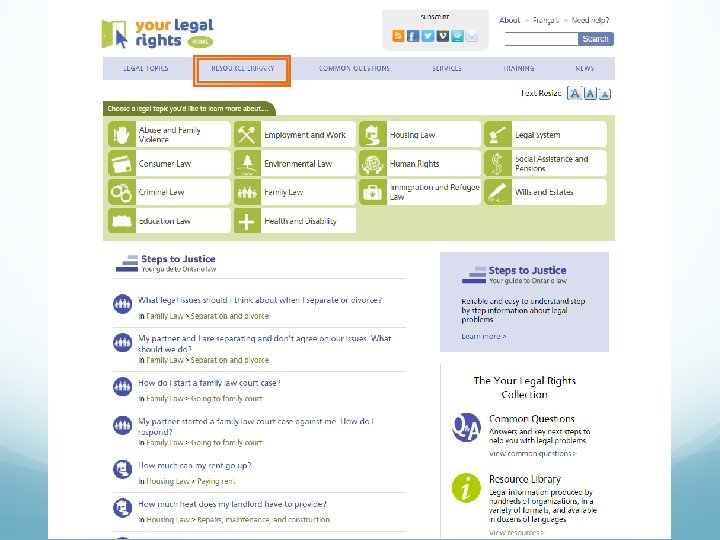
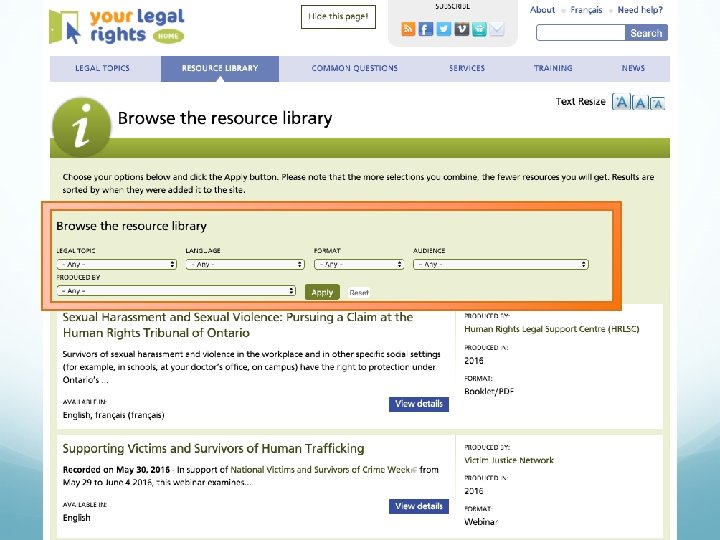
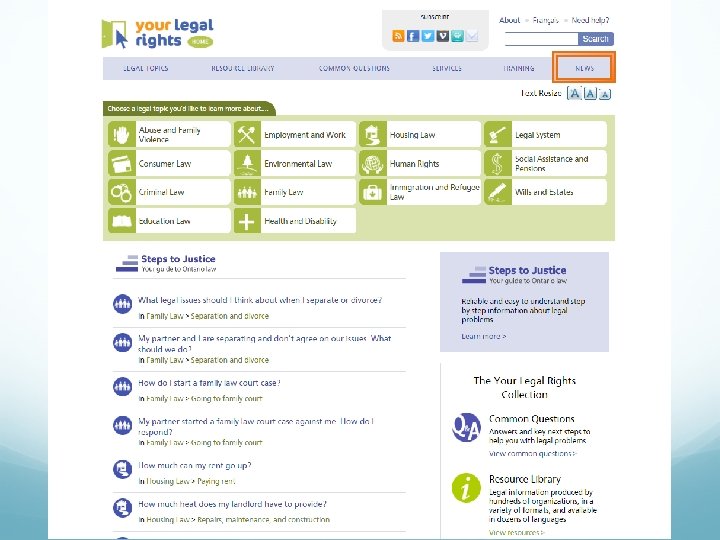
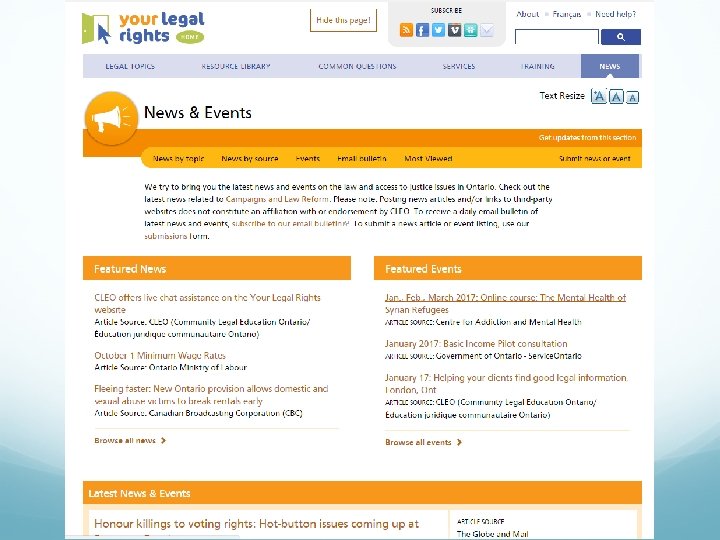
Homepage
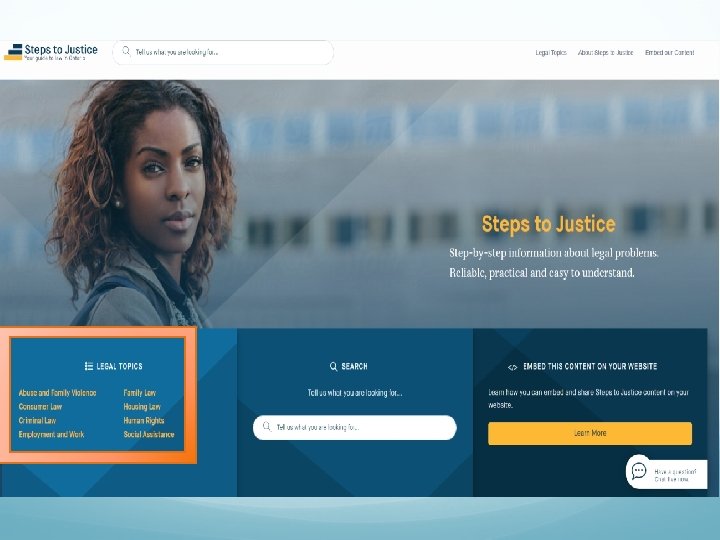
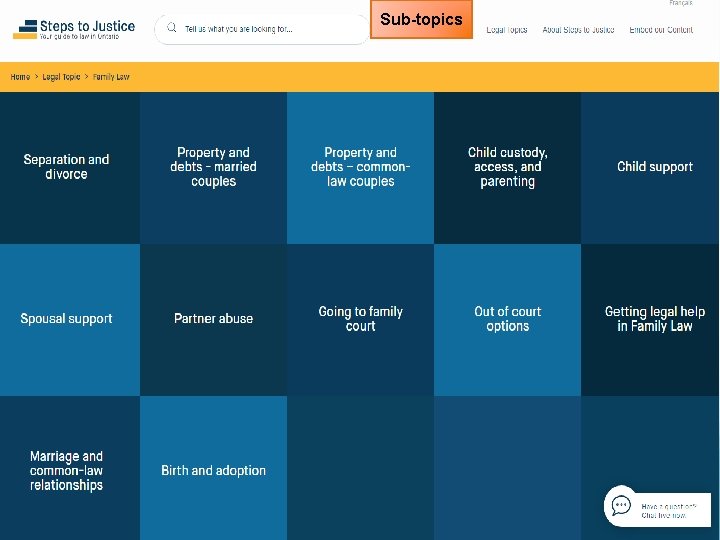
Sub-topics
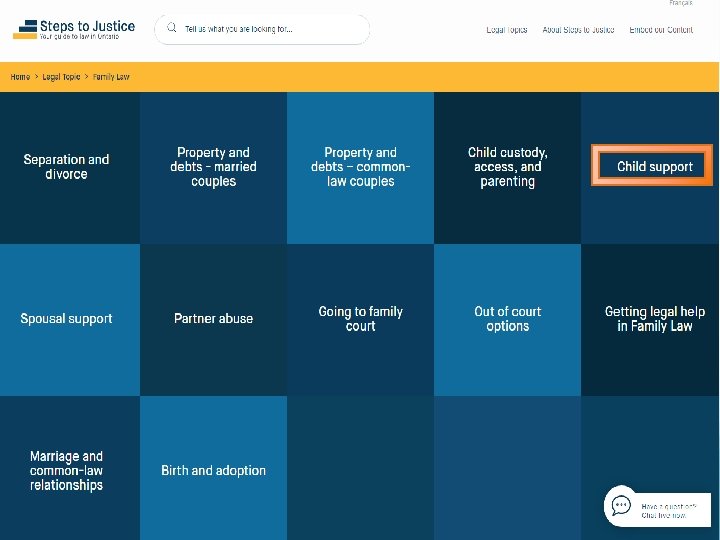
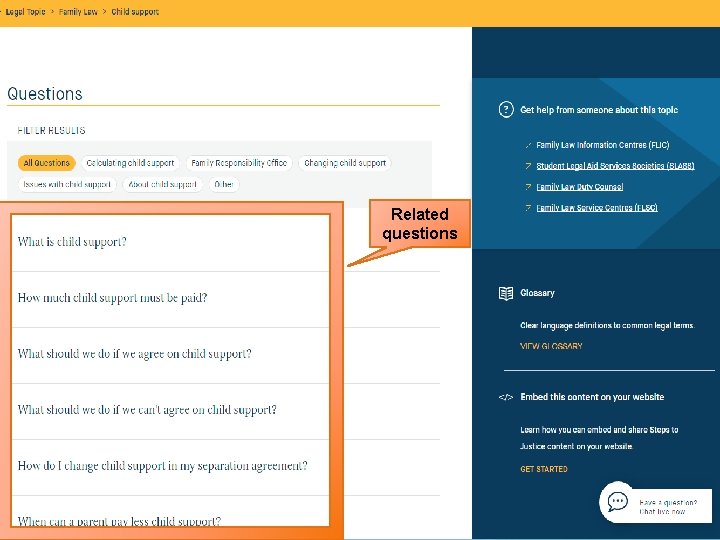
Related questions
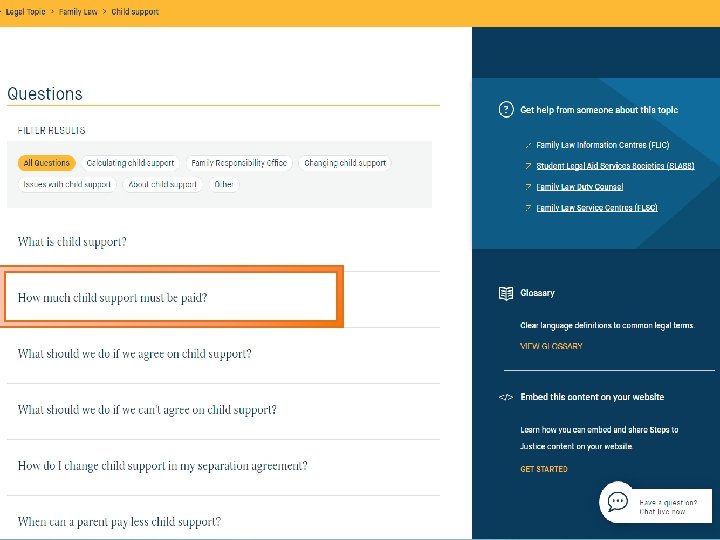
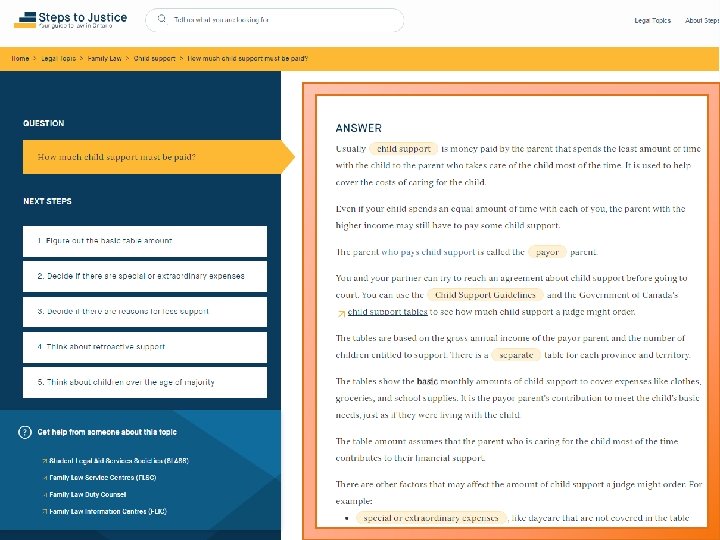
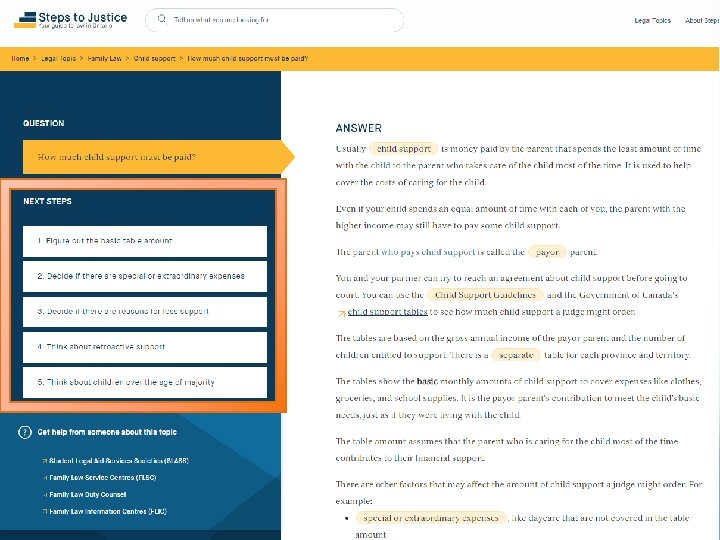
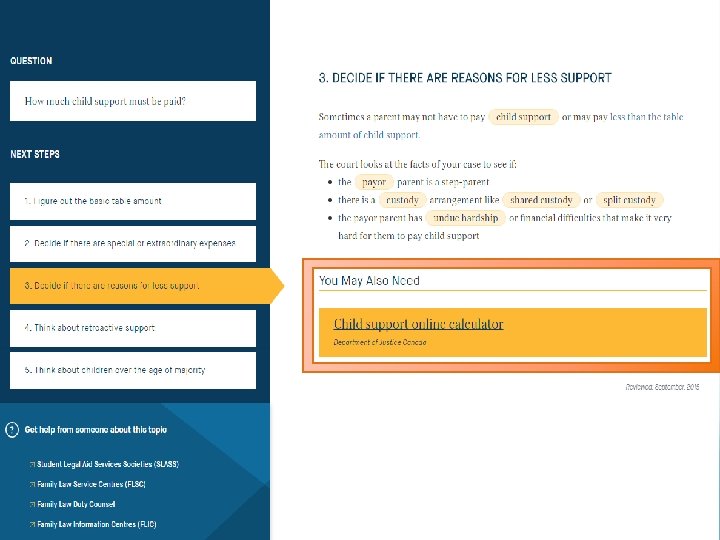
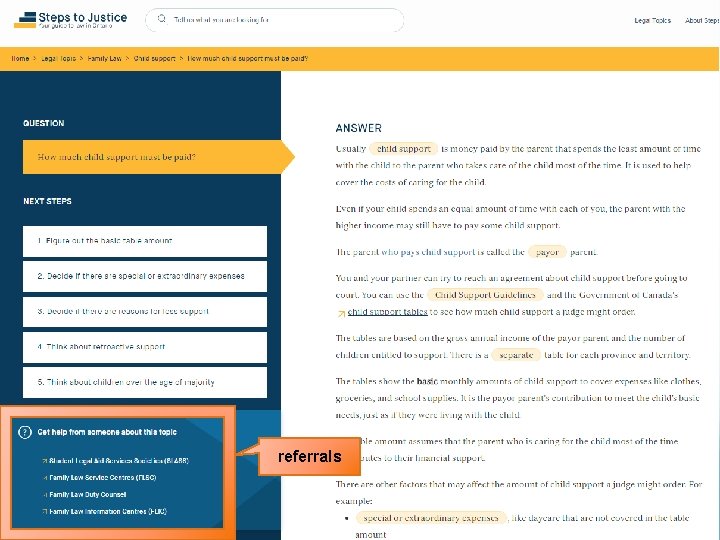
referrals
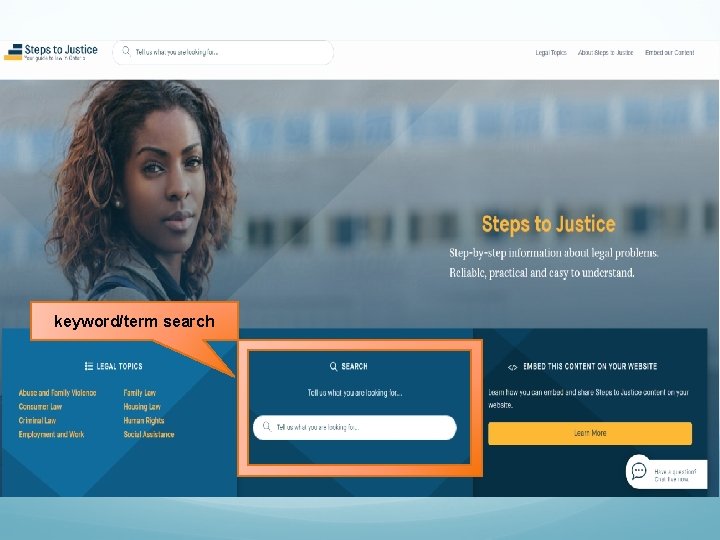
keyword/term search
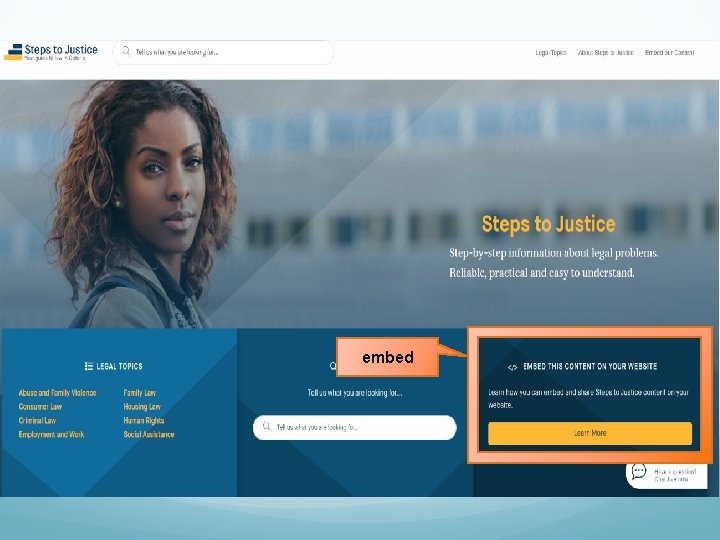
embed
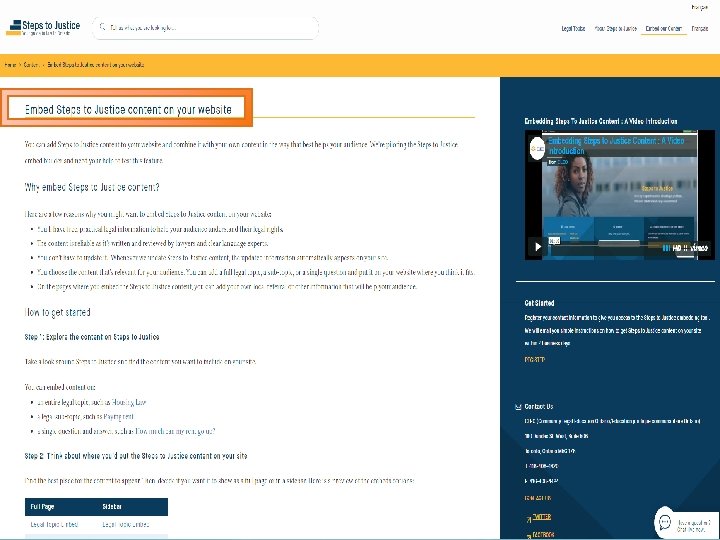
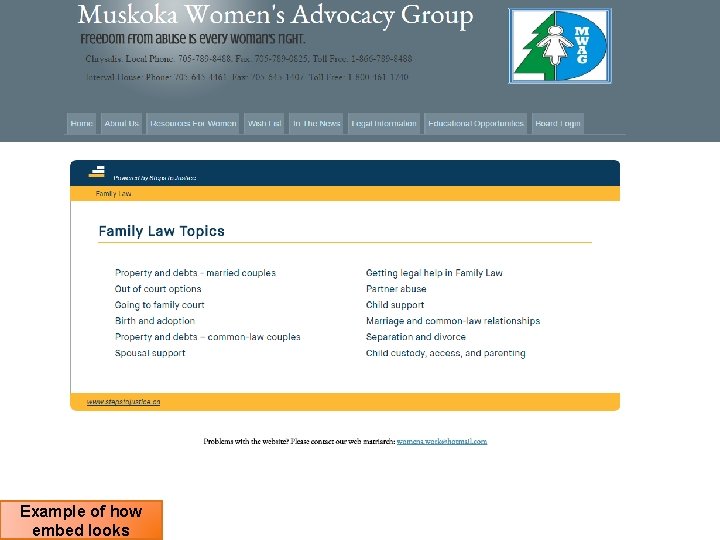
Example of how embed looks
Making good referrals for legal advice/representation
Legal advice/representation – See Handout Source
Legal advice/representation – See Handout Source Community Legal Clinics (general)
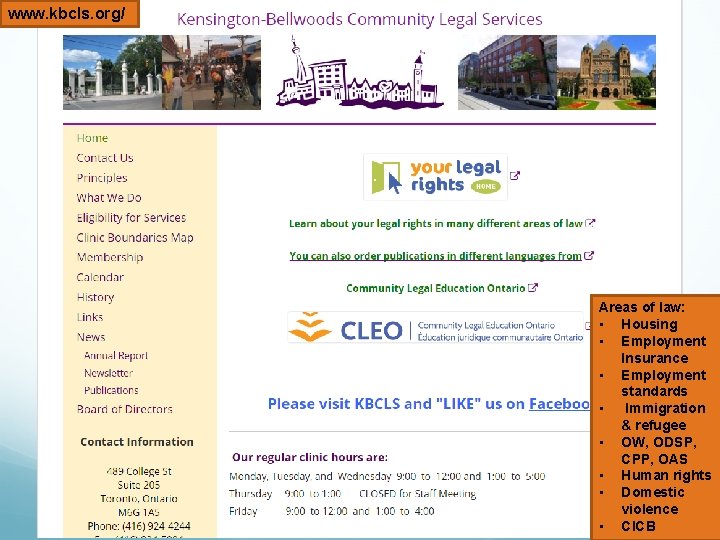
www. kbcls. org/ Areas of law: • Housing • Employment Insurance • Employment standards • Immigration & refugee • OW, ODSP, CPP, OAS • Human rights • Domestic violence • CICB
Legal advice/representation – See Handout Source Community Legal Clinics (general) Community Legal Clinics (specialty) – e. g. Advocacy Centre for the Elderly
Legal advice/representation – See Handout Source Community Legal Clinics (general) Community Legal Clinics (specialty) – e. g. Advocacy Centre for the Elderly Family Law Information Centres
Legal advice/representation – See Handout Source Community Legal Clinics (general) Community Legal Clinics (specialty) – e. g. Advocacy Centre for the Elderly Family Law Information Centres Human Rights Legal Support Centre
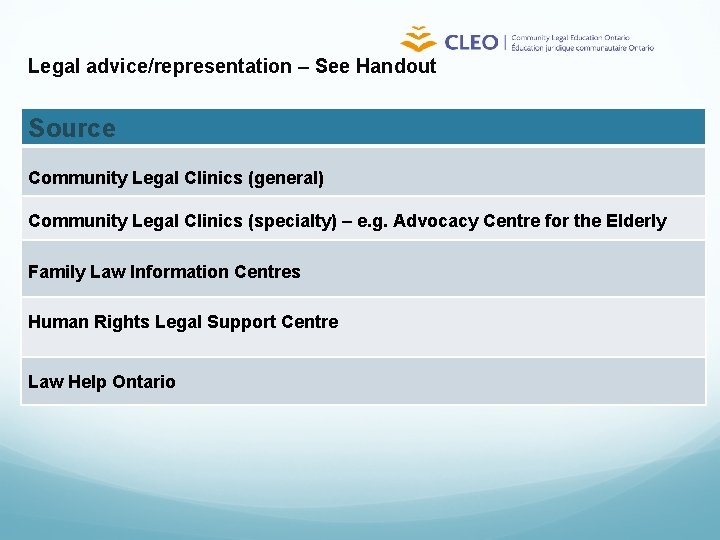
Legal advice/representation – See Handout Source Community Legal Clinics (general) Community Legal Clinics (specialty) – e. g. Advocacy Centre for the Elderly Family Law Information Centres Human Rights Legal Support Centre Law Help Ontario
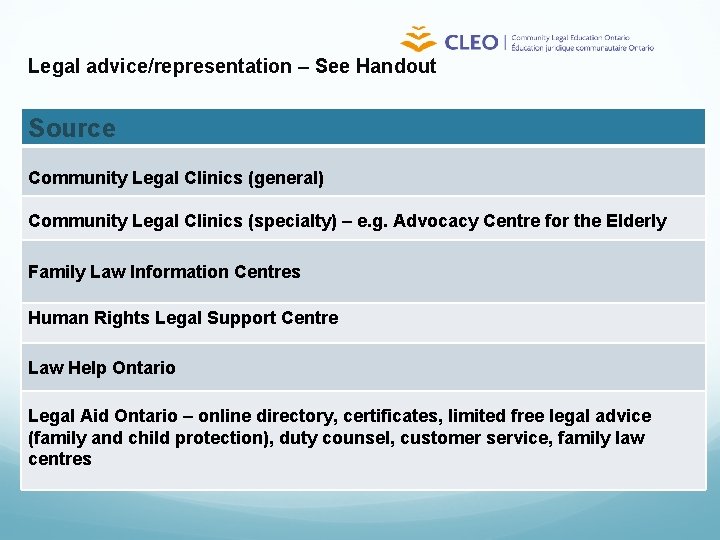
Legal advice/representation – See Handout Source Community Legal Clinics (general) Community Legal Clinics (specialty) – e. g. Advocacy Centre for the Elderly Family Law Information Centres Human Rights Legal Support Centre Law Help Ontario Legal Aid Ontario – online directory, certificates, limited free legal advice (family and child protection), duty counsel, customer service, family law centres
Legal advice/representation – See Handout Source Justice. Net
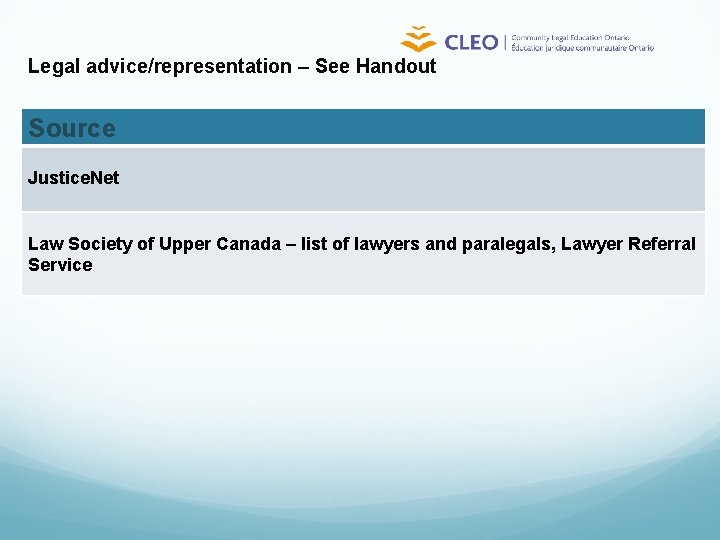
Legal advice/representation – See Handout Source Justice. Net Law Society of Upper Canada – list of lawyers and paralegals, Lawyer Referral Service
Legal advice/representation – See Handout Source Justice. Net Law Society of Upper Canada – list of lawyers and paralegals, Lawyer Referral Service Student Legal Aid Services Society –(Downtown Legal Services – U of T)
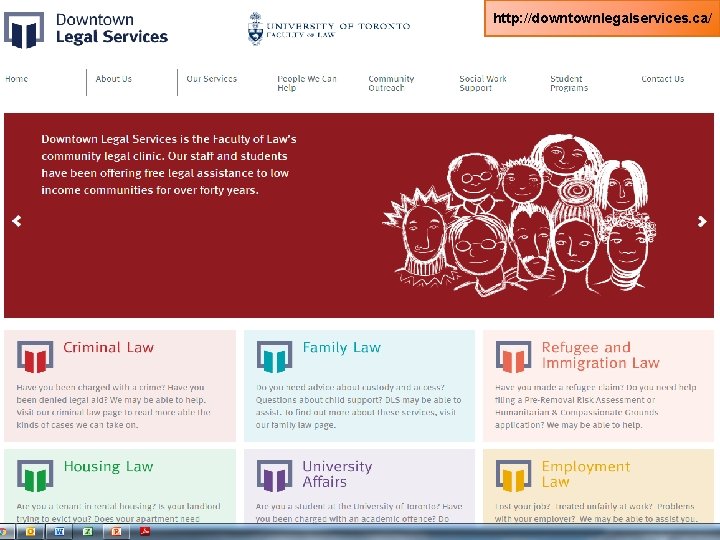
http: //downtownlegalservices. ca/
Finding Helpful Legal Information - Small Group Exercise #2 1. Form same groups of 4 -5 2. Identify an issue that people have asked you about or use one of the presenting issues from Exercise #1. 3. Using reliable legal information websites, a. find helpful legal information to help this person b. find a good referral for them if they need legal advice/ representation 4. Use handout to write the legal information you found. Include: • website(s) you used (e. g. Your Legal Rights) • title of the resource or the Question you found • one piece of useful legal information you found • where you would refer the person for legal advice/representation
Presenting Issues: 1. I was late paying my rent a few times and then last month I just couldn’t pay it at all. I’m supposed to be getting child support from my ex which helps with the rent but he never pays on time. Now my landlord is saying he’s going to evict me. It’s March and it’s freezing. Can I get evicted in the winter? 2. My sister has an intellectual disability. She has been working at the same grocery store for 5 years but they make her work on all of the statutory holidays and I think she gets paid less than the other employees. I’m the one who helps pay her bills but she doesn’t have enough money each month so I have to help her out. But I’m struggling financially too. This doesn’t seem fair. 3. I have been on ODSP ever since my accident a few year’s ago. Recently they did a medical review and cut me off. But I still can’t work. How can I make ends meet and care for my children without this money? 4. Since my wife died, I’ve had to move into my son’s apartment. But he’s not giving me enough money for groceries and medicine. And I think he’s taking my Old Age Security cheques. He’s hardly ever home and sometimes stays out all night. I want to live somewhere else but I don’t have anywhere to go. 5. My mother had a stroke a few months ago and she is still recovering. She lives on her own and she just signed a contract with a door-to-door salesperson for a new energy contract. The person convinced her that she would be saving money but it looks like a she’ll actually be paying more. Can she get out of it?
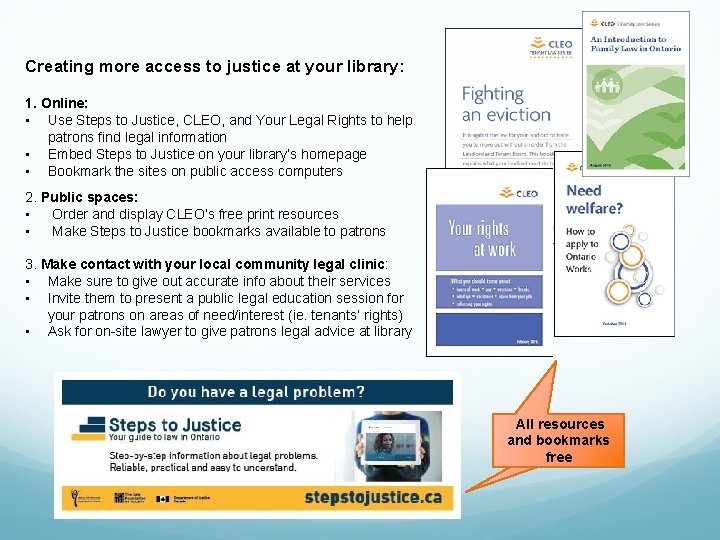
Creating more access to justice at your library: 1. Online: • Use Steps to Justice, CLEO, and Your Legal Rights to help patrons find legal information • Embed Steps to Justice on your library’s homepage • Bookmark the sites on public access computers 2. Public spaces: • Order and display CLEO’s free print resources • Make Steps to Justice bookmarks available to patrons 3. Make contact with your local community legal clinic: • Make sure to give out accurate info about their services • Invite them to present a public legal education session for your patrons on areas of need/interest (ie. tenants’ rights) • Ask for on-site lawyer to give patrons legal advice at library All resources and bookmarks / free
Contact: Michelle Cader Community Outreach Manager michelle. cader@cleo. on. ca 416 -408 -4420 x 826 Thank you!!
- Slides: 83