
How to Change Domestic Consumption Behavior of SingleUse
How to Change Domestic Consumption Behavior of Single-Use Plastic? 3. CONSUMPTION
What is Domestic Consumption Behavior? …how individual customers or households select, buy, use, and dispose ideas, goods and services to satisfy their needs and wants. Domestic consumption of plastic refers to these individual customers purchasing and using items such us plastic bags, PET bottles, plastic straws… Domestic consumers form the demand for plastics and companies are providing the supply of plastic-generating the plastic waste that we are trying to solve today
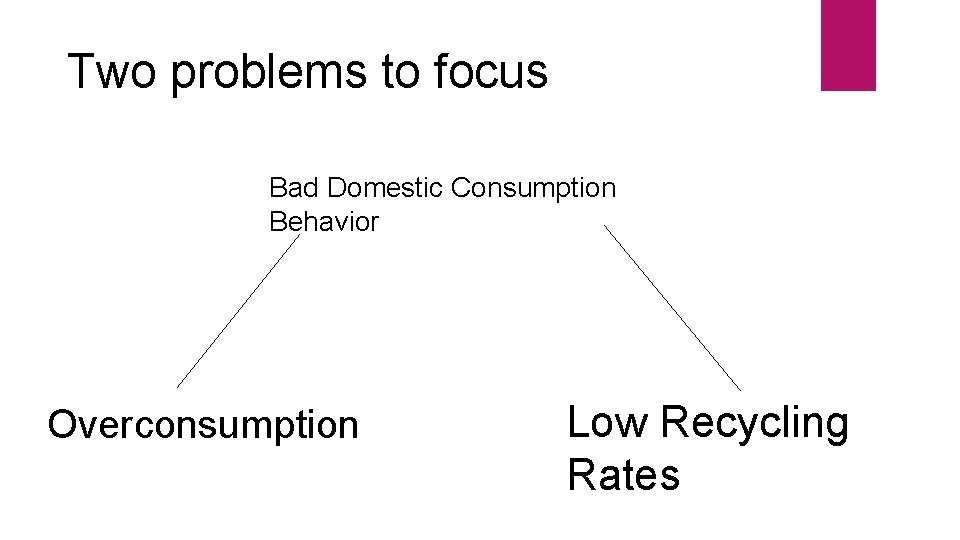
Two problems to focus Bad Domestic Consumption Behavior Overconsumption Low Recycling Rates
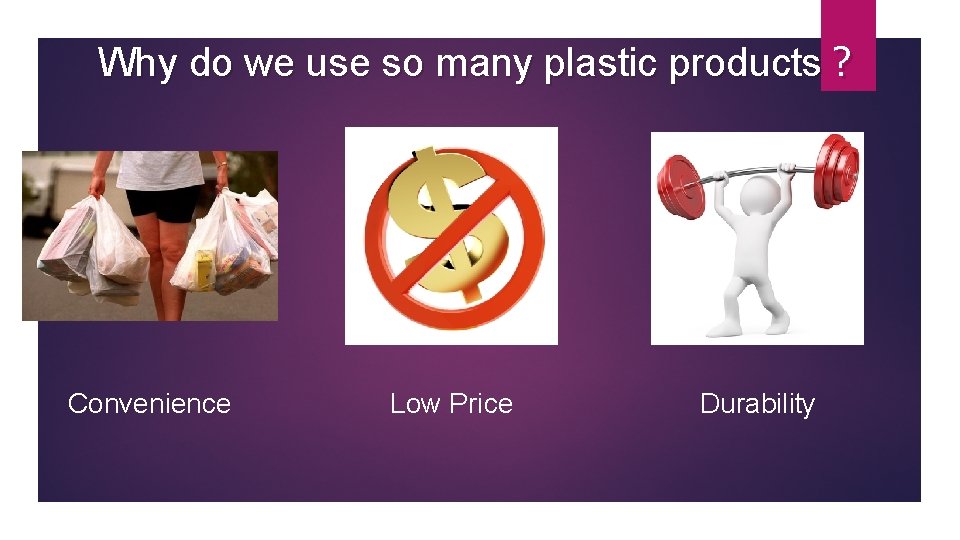
Why do we use so many plastic products? Convenience Low Price Durability
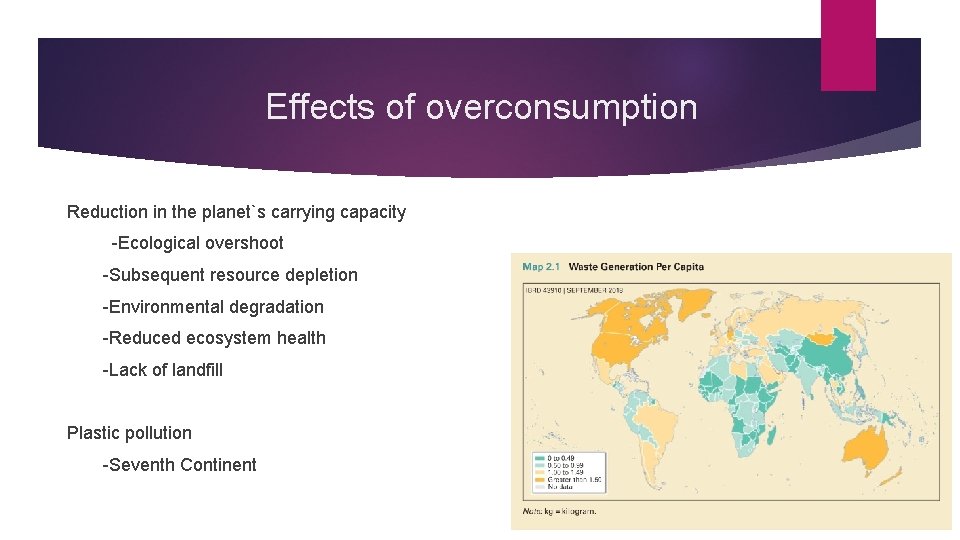
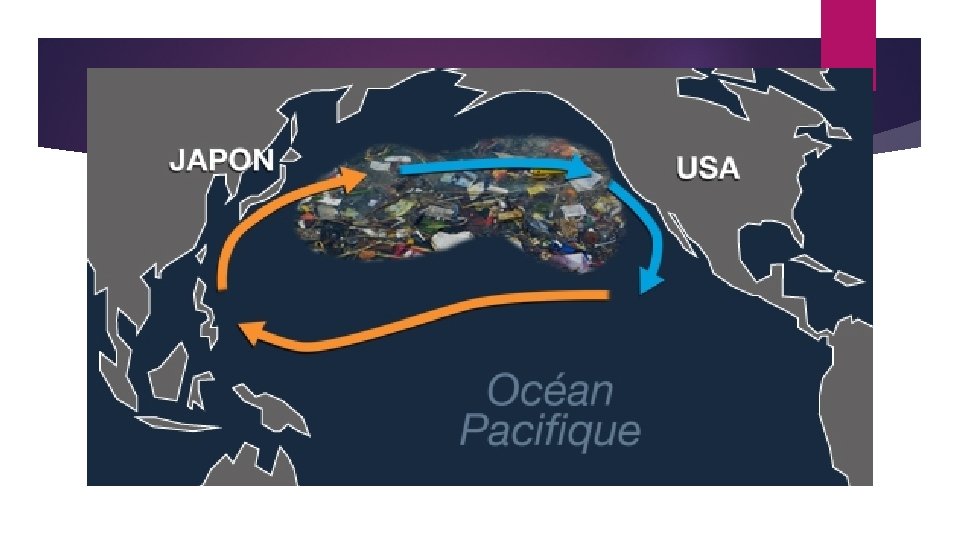
Effects of overconsumption Reduction in the planet`s carrying capacity -Ecological overshoot -Subsequent resource depletion -Environmental degradation -Reduced ecosystem health -Lack of landfill Plastic pollution -Seventh Continent
Solutions for Overconsumption

Raise Awareness
What can be done by the government Provide funds to several companies, NGOs and NPOs and school curriculums to promote education dealing with problems and solutions regarding plastic pollution.
Measures recommended for NGOs and NPOs They should focus at the societies where the availability of facilities is less and should reach out for more unique initiatives to aware people. They can create several trends like “#Trash. Tag” challenge as to enlighten people to save environment. They can organize several charity events about Plastic Drive and can reach out to schools having collaborations to aware people about Plastic Pollution. and Team Trees so
What can companies do: They should conduct commercials based on the usage of eco friendly products at media platform including celebrities so that people at global platform can understand how plastic consumption is harmful for the nature.
Steps that can be taken by Consumers We as consumers can perform awareness campaigns at our schools and colonies regarding the domestic consumption of plastics and can even tell them about the alternatives that can be used.

Levies and Legislations
More taxes should be imposed on over consumed single use plastics products. The governments can support the companies that are initiating environment friendly programs by slowly decreasing their tax. Implementing laws and policies mentioning the banning or putting a stop on problematic major singe use plastics like straws, plastic bags, plastic bottles etc.
Causes of Law Recycling Rates 1. Low awareness 2. Inconvenience of recycling
1. Low awareness Lack of education(Less developed countries) Poor knowledge of recycling Lack of understanding of severity of situation
2. Inconvenience of recycling Difficult recycling process ・Consumers believe that recycling is very troublesome. Ex. They don’t want to wash, separate the bottle into different parts Lack of proper infrastructure ・Recycling Bins ・No proper collecting system for recycled products
Effects of Low Recycling Rates Increase of improperly managed garbage
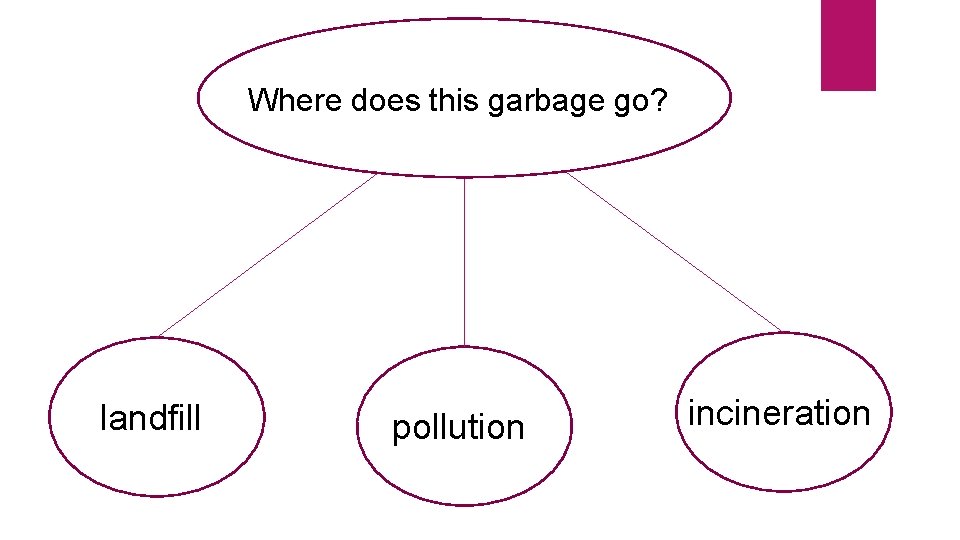
Where does this garbage go? landfill pollution incineration
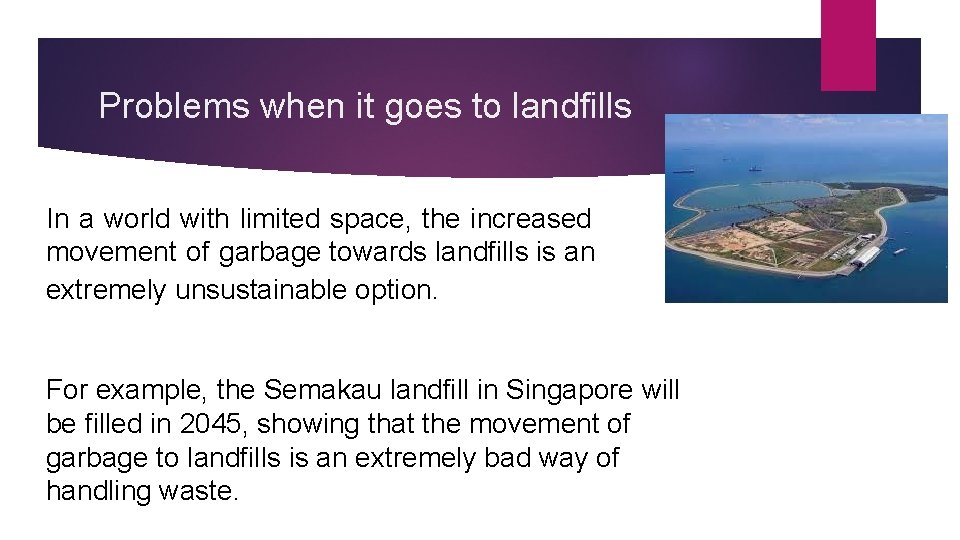
Problems when it goes to landfills In a world with limited space, the increased movement of garbage towards landfills is an extremely unsustainable option. For example, the Semakau landfill in Singapore will be filled in 2045, showing that the movement of garbage to landfills is an extremely bad way of handling waste.
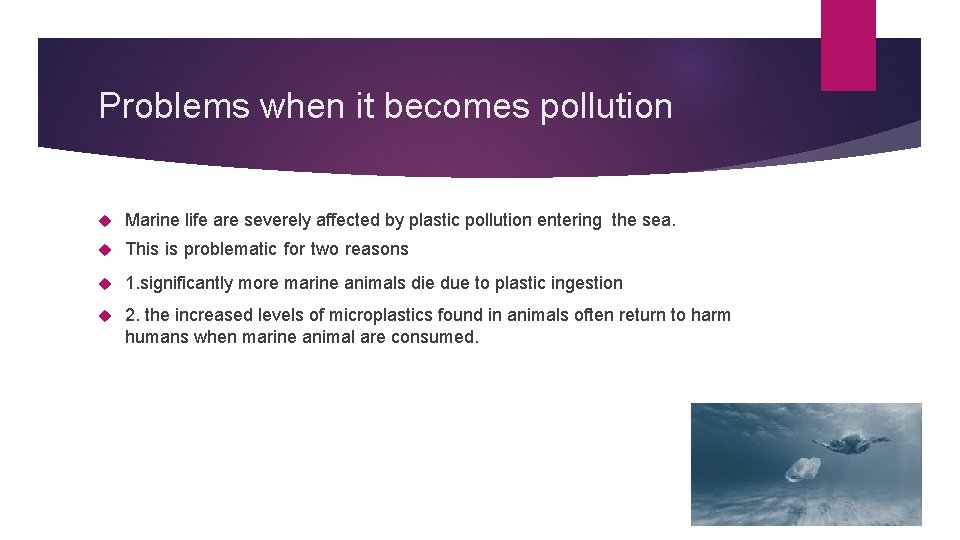
Problems when it becomes pollution Marine life are severely affected by plastic pollution entering the sea. This is problematic for two reasons 1. significantly more marine animals die due to plastic ingestion 2. the increased levels of microplastics found in animals often return to harm humans when marine animal are consumed.
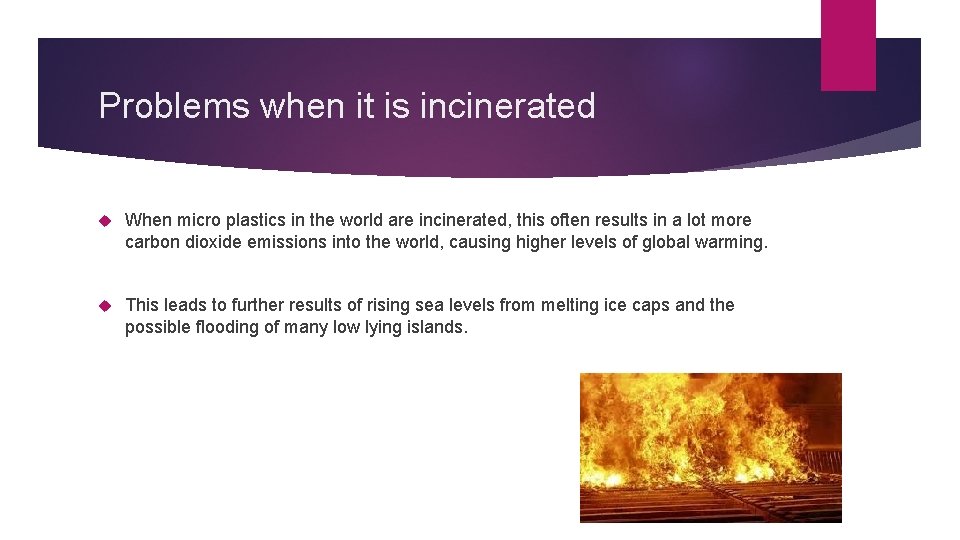
Problems when it is incinerated When micro plastics in the world are incinerated, this often results in a lot more carbon dioxide emissions into the world, causing higher levels of global warming. This leads to further results of rising sea levels from melting ice caps and the possible flooding of many low lying islands.
Solutions
1. Education by Government
1. 1 Lessons in school Ø How plastic is integrated into our lives Ø Impacts of single-use plastic on the environment Ø How to recycle single-use plastic
1. 1 Lessons in school Ø Students create posters Ø NGOs give educational talks on recycling Ø Fieldtrips to recycling facilities Ø Creative integration into school life
1. 2 Infographics Ø Inform the public and raise awareness on plastic consumption and its harms Ø Created or approved by committees in the government (eg. NEA in Singapore)
1. 2 Infographics Ø Ø Ø Public transportation Social media Garbage cans Flyers Merchandise
1. 3 Video Instructions Ø Purpose: To demonstrate how to properly recycle. Eg. Most efficient washing methods, How to sort and recycle parts of a drink bottle, etc.
1. 3 Video Instructions Platforms to spread video: Ø Social media Ø Conventional multimedia advertisements Ø On public transportation Ø Community centers
2. Innovation from Companies
2. 1 Incentive Structure Ø Companies can apply for special grants based on the recyclability of their product Ø Government to set specific targets for the companies Ø Upon reaching targets, companies no longer need to repay the government
2. 1 Tax Rebate Ø Companies with products that can be easily recycled will have taxes lifted from their products
Conclusion Overconsumption ・Raising the awareness ・Making laws Low Recycling Rates ・Education by the government ・Innovation from companies
- Slides: 34