
How To Be Successful Richard N Zare Department

How To Be Successful Richard N. Zare Department of Chemistry Stanford University Zare@stanford. edu

All The. About Road Problem Solving To Success
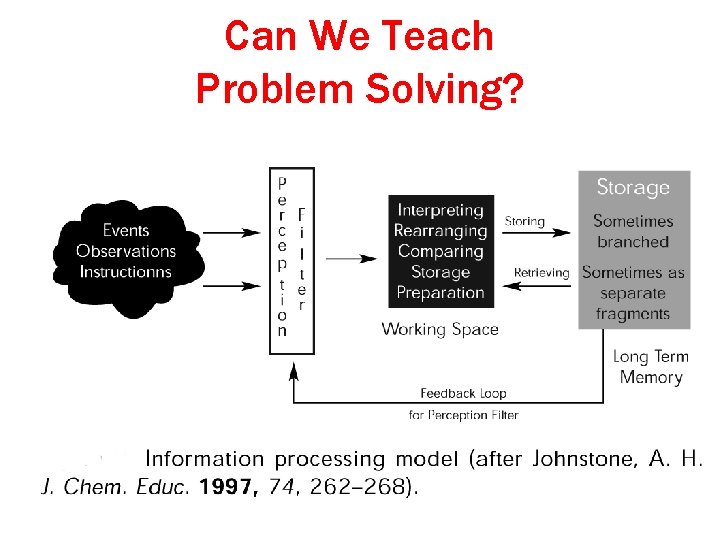
Can We Teach Problem Solving?


Background I • Students usually act like the solution is more important than the method of finding the solution.
Background II • Teachers seldom talk about how to find solutions to problems. • When teachers do, students usually see a clean, even elegant solution, having little in common with the fuzzy thinking that they experience when they try to solve problems by themselves.
Problem-Solving TIPS T – Thought Process: Think about the problem. Decide what you are being asked to find. I – Information: Write down or highlight the key words, numbers, and facts that need to be considered. P – Plan: Decide on a mathematical operation or strategy and set up how you will work out the problem. S – Solution: Solve the problem by performing the strategy you chose. Don’t forget to make sure your answer makes sense by estimating and checking in your head.
Some More Tips • Decompose problem into smaller problems • If the problem is too hard, think of a similar problem that you can solve. • Draw diagrams, make tables, list facts. • Examine possible limiting cases. • Make guesses and approach solution by iteration.
What Do The Experts Say? Textbook solutions to problems provide no indication of the false starts, dead ends, illogical attempts, and wrong solutions that characterize the efforts of students when they work in problem solving. J. D. Herron “Research in chemical education: results and directions, ” In M. Gardner et al. , (eds), Toward a scientific practice of science education, Erlbaum, Hillsdale, NJ, p. 35 (1990). G. M. Bodner, “Problem solving: the difference between what we do and what we tell students to do, ” University Chemistry Education 7, 37 (2003).
What Bodner Tells Us An experienced teacher uses a linear, “forwardchaining” method, stringing together a logical sequence of steps and progressing smoothly from the initial information to the answer. But — a routine exercise for a teacher using a simple algorithm — becomes a challenging novel problem for a student who encounters this task for the first time.
More On What Bodner Tells Us Bodner found that an “anarchistic” model describes what successful problem-solvers do when they work on novel problems in chemistry. You try something and then you try something else if the first try fails. Watching an instructor wade effortlessly through the task is not usually a sufficient teaching tactic. The student must stumble on his or her own personal algorithm for completing the task.

The Take-Home Message This process of trial and error may appear disorganized or even irrational to the teacher, so that intervening to show the student the “correct” way of obtaining the answer is tempting. While intervention may make the teacher feel good, it does not necessarily help the student!
One Problem-Solving Strategy: Working Backwards • Working Backwards has its philosophical origins in the work of the great Stanford mathematician, G. Polya, who wrote How to Solve It (Princeton University Press, 1957). • Polya thought that a problem is best addressed by examining what it is that the question asks us to find, the objective, and by working backwards to the information given in the question.
• We are interested in creating a problemsolving pathway that travels from the objective to the givens. • Interestingly, the same strategy is often used in synthetic chemistry (E. J. Corey, Nobel Prize) and is called retrosynthesis.

Travel Problem You travel by car, starting in Provo, Utah, through all the 48 states in the US. You can only enter and leave a state once, staying within the US. What is the second to last state you will visit?
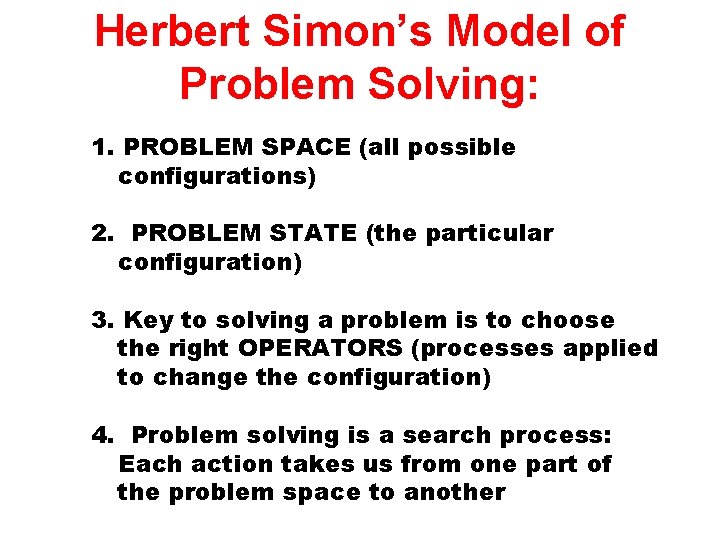
Herbert Simon’s Model of Problem Solving: 1. PROBLEM SPACE (all possible configurations) 2. PROBLEM STATE (the particular configuration) 3. Key to solving a problem is to choose the right OPERATORS (processes applied to change the configuration) 4. Problem solving is a search process: Each action takes us from one part of the problem space to another
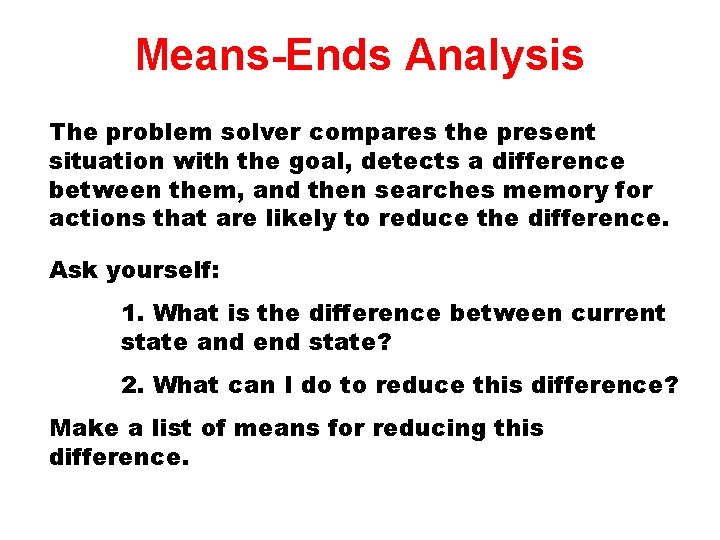
Means-Ends Analysis The problem solver compares the present situation with the goal, detects a difference between them, and then searches memory for actions that are likely to reduce the difference. Ask yourself: 1. What is the difference between current state and end state? 2. What can I do to reduce this difference? Make a list of means for reducing this difference.

And The Beat Goes On … • Mary L. Gick, Educational Psychologist 21, 99 -120 (1986). • A distinction is made between schemadriven and search-based problem-solving strategies, and expert-novice differences in the use of these strategies are discussed.
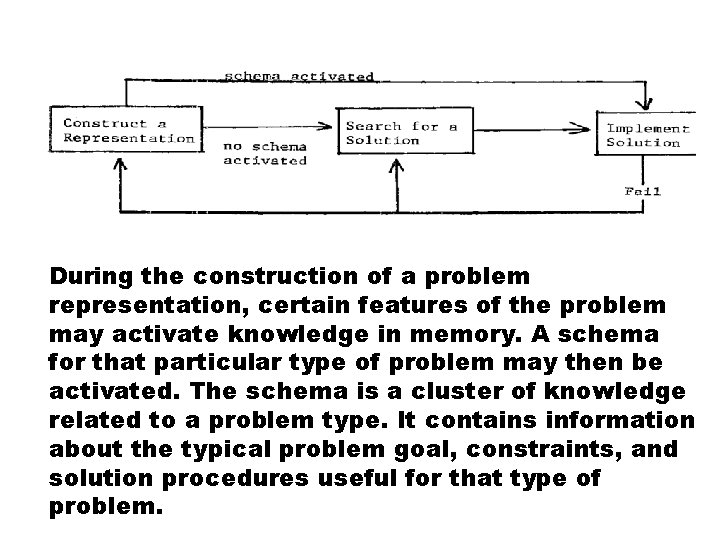
During the construction of a problem representation, certain features of the problem may activate knowledge in memory. A schema for that particular type of problem may then be activated. The schema is a cluster of knowledge related to a problem type. It contains information about the typical problem goal, constraints, and solution procedures useful for that type of problem.
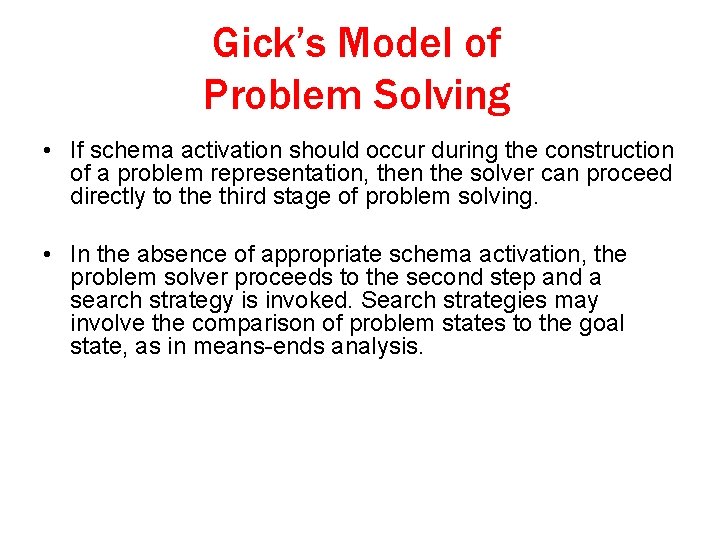
Gick’s Model of Problem Solving • If schema activation should occur during the construction of a problem representation, then the solver can proceed directly to the third stage of problem solving. • In the absence of appropriate schema activation, the problem solver proceeds to the second step and a search strategy is invoked. Search strategies may involve the comparison of problem states to the goal state, as in means-ends analysis.

What Is The Next Member Of This Coded Series? Look For Symmetry The answer is 88

Still Another Approach
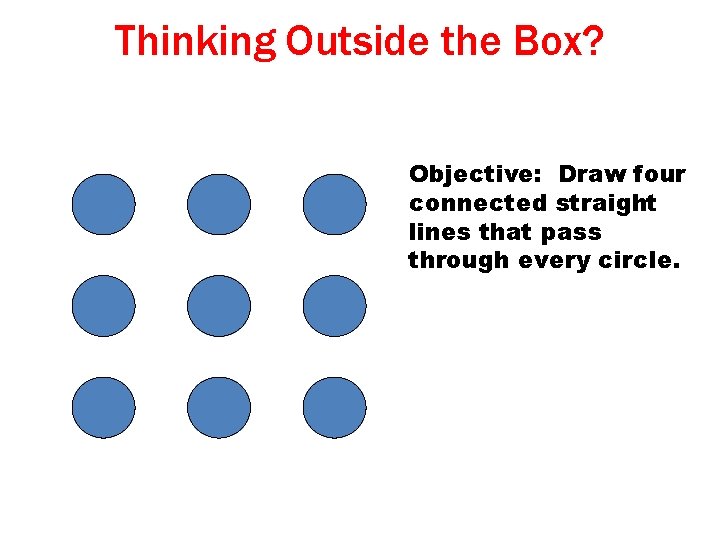
Thinking Outside the Box? Objective: Draw four connected straight lines that pass through every circle.
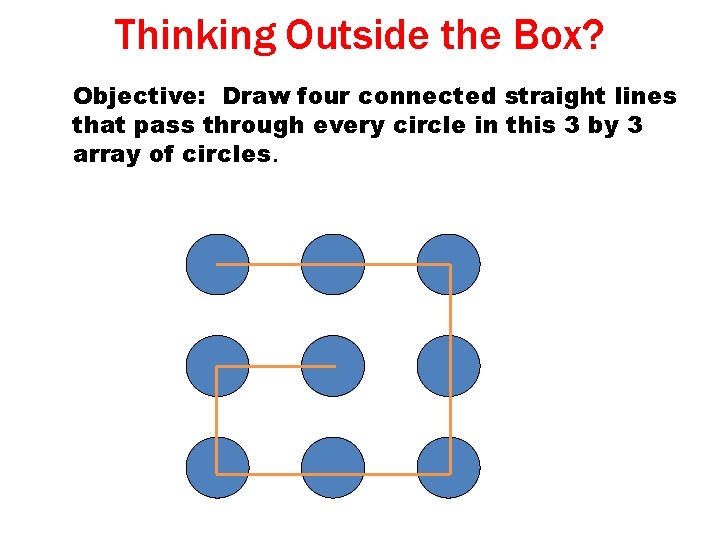
Thinking Outside the Box? Objective: Draw four connected straight lines that pass through every circle in this 3 by 3 array of circles.
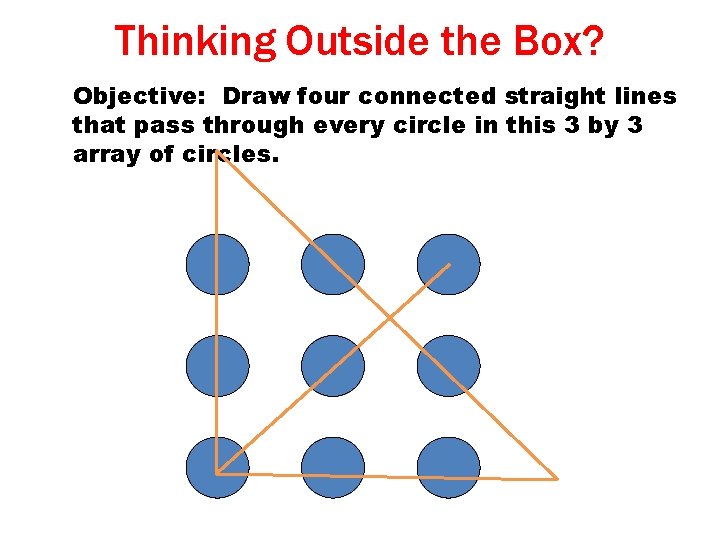
Thinking Outside the Box? Objective: Draw four connected straight lines that pass through every circle in this 3 by 3 array of circles.
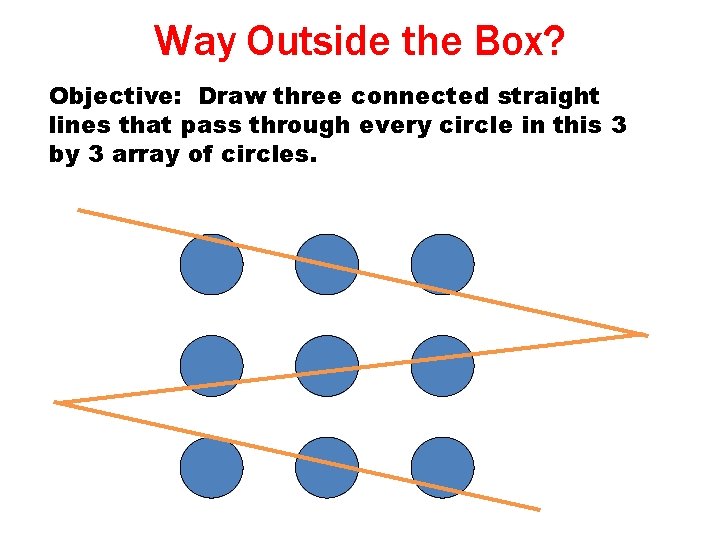
Way Outside the Box? Objective: Draw three connected straight lines that pass through every circle in this 3 by 3 array of circles.
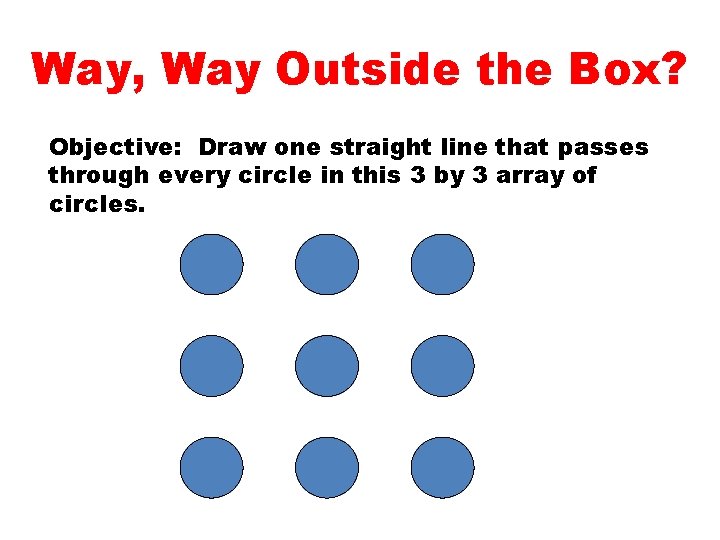
Way, Way Outside the Box? Objective: Draw one straight line that passes through every circle in this 3 by 3 array of circles.
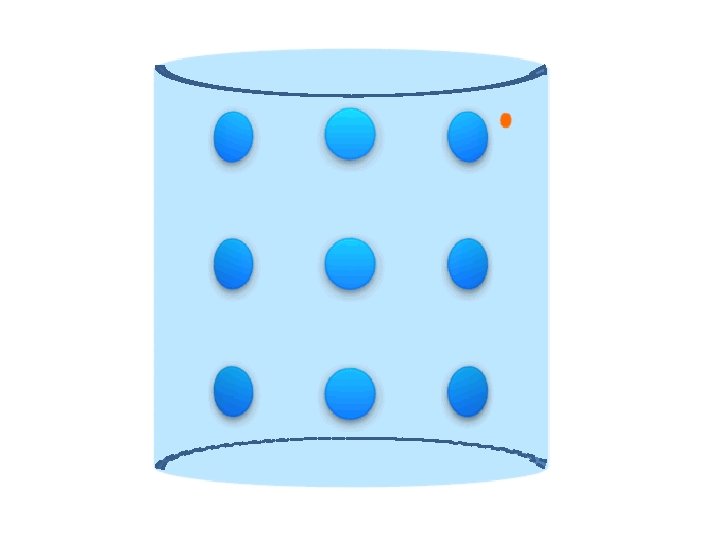
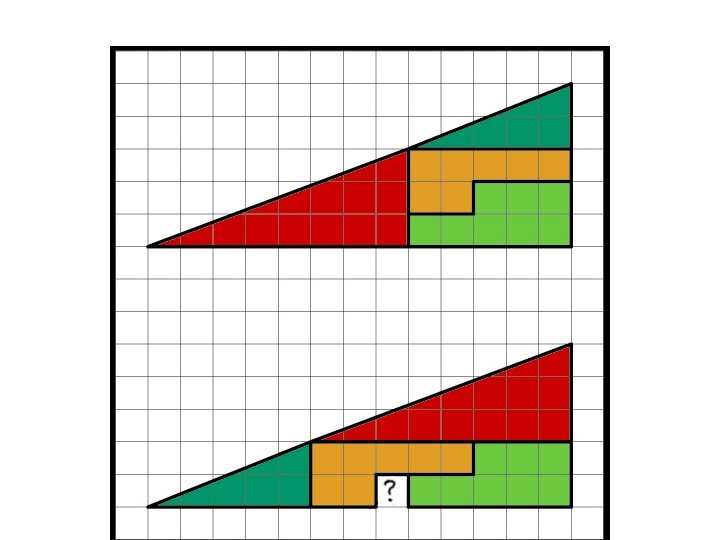
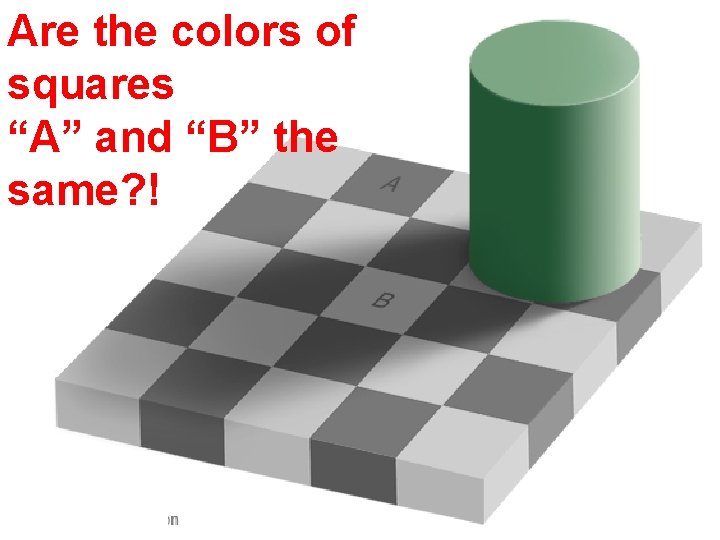
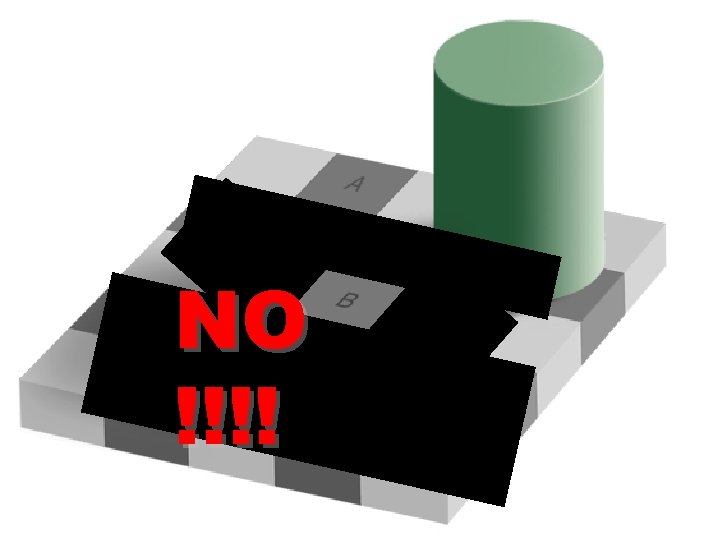
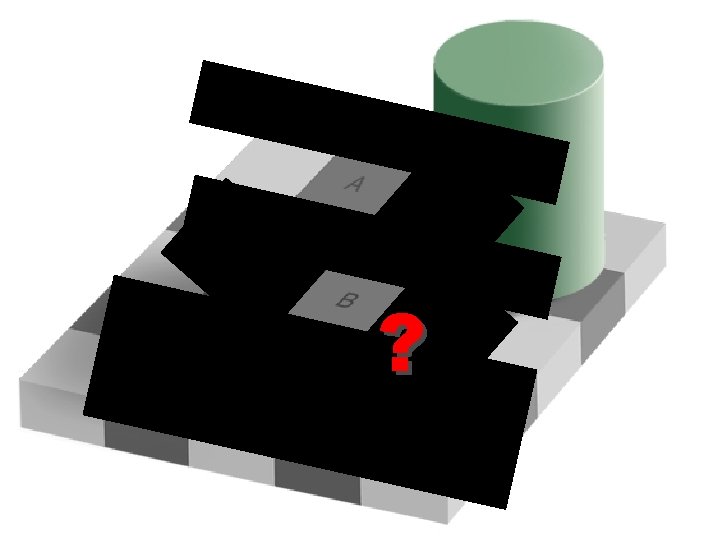
Are the colors of squares “A” and “B” the same? !
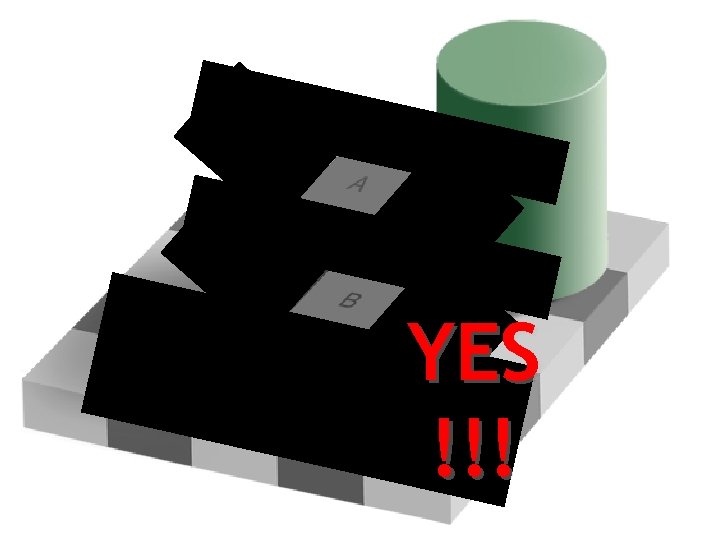
YES !!!

How Many Coin Moves Are Needed? A move consists of sliding one coin to a new position, where the moved coin must touch two other coins, and no other coins are allowed to move.
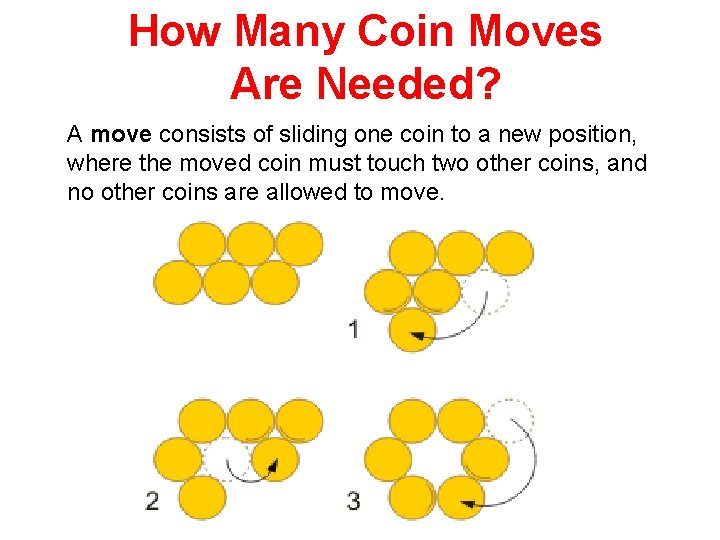
How Many Coin Moves Are Needed? A move consists of sliding one coin to a new position, where the moved coin must touch two other coins, and no other coins are allowed to move.
Problem Posed To Me By Liberato Cardellini Two Italian meet who have not seen each other in many years. While catching up on each other’s news, the first discovers that the second has married and has three daughters. The first asks their ages. The second answers – “The product of their ages is 36, and their sum is equal to that house number over there” – pointing to the number under the porch of the house. The first one replies, “I can barely see the number, but if what I see is correct, then this information is insufficient to know their ages. ” “Oh, yes, ” replies the first, “I forgot to tell you that my youngest daughter still has blue eyes. ”
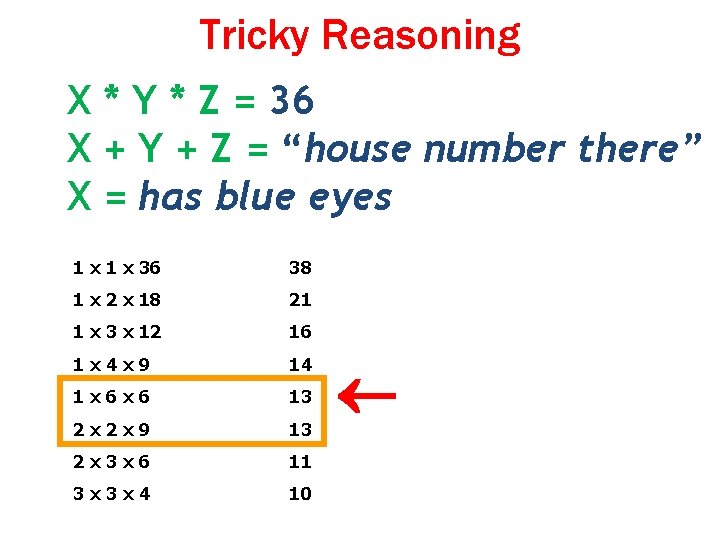
Tricky Reasoning X * Y * Z = 36 X + Y + Z = “house number there” X = has blue eyes 1 x 36 38 1 x 2 x 18 21 1 x 3 x 12 16 1 x 4 x 9 14 1 x 6 x 6 13 2 x 2 x 9 13 2 x 3 x 6 11 3 x 3 x 4 10
Problem I Made Up An aqueous solution of hydrochloric acid is electrolyzed, causing the release of hydrogen gas at one electrode and chlorine gas at the other electrode. This electrolytic cell is placed in a closed, sealed room having only one entrance. Wires lead to the electrodes and there are three switches outside the room, but only one switch is connected to the electrolysis cell.
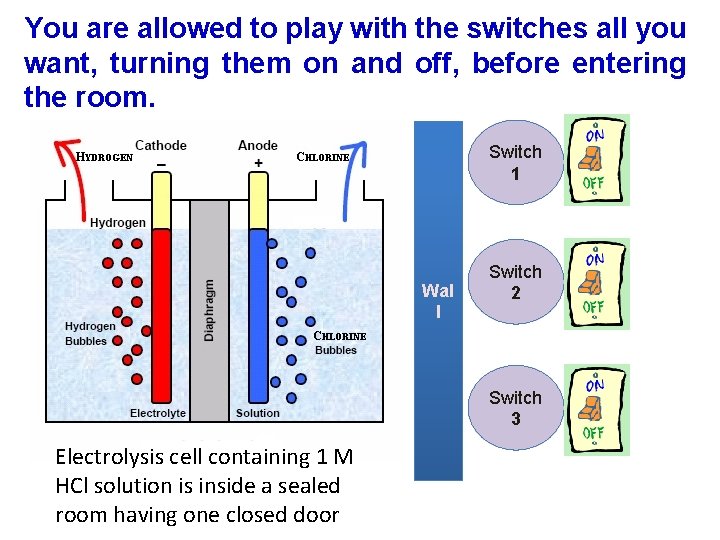
You are allowed to play with the switches all you want, turning them on and off, before entering the room. Switch 1 Wal l Switch 2 Switch 3 Electrolysis cell containing 1 M HCl solution is inside a sealed room having one closed door
Problem I Made Up You are allowed to enter the room only once. How do you determine which of the three switches is connected to the electrolysis cell?
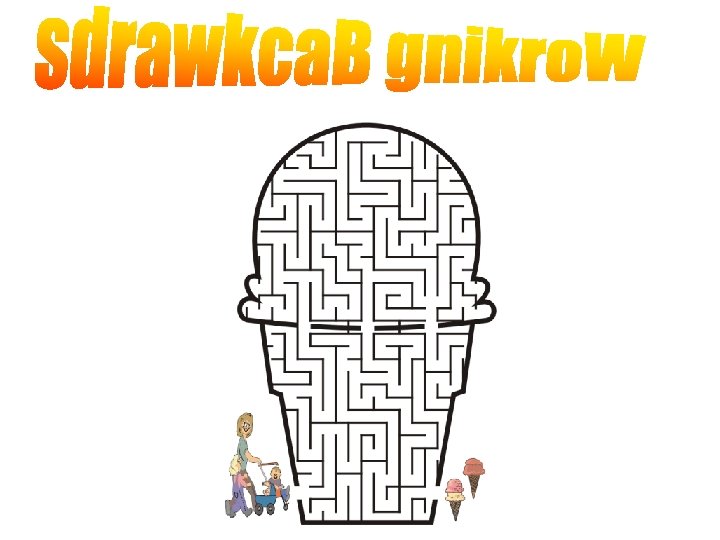
Belief that a Problem Can Be Solved • Ice cream story • Intermittent failure story
Problem-Solving Skills Can Be Developed • The world is a wondrous place. We advance our understand of it by posing questions and seeking answers. • Celebrate the joy of aha! a thrilling moment of discovery and insight. It is one of the most personally rewarding aspects of teaching and learning
The Real Challenge ! • Are the givens sufficient to solve the problem? • Are the givens as stated? • Is the objective worth attaining? Are we asking the right question?

Elements Of A Successful Career Top Ten List:
Take responsibility for managing your own career. No one else will! Avoid the trap of getting caught up in the expectations of others. Polonius said it -to thine own self be true.
Plan your career. As Yogi Berra said, "If you don't know where you're going, you might end up someplace else. " But life is more a stochastic process than is first imagined. One crazy thing after another keeps happening to you. Consequently, longterm planning is less useful than it might seem. When opportunity knocks, open the door. Always make plans but be flexible and be willing to reassess your plans.
Practice persistence. You may or you may not need a Ph. D. , but you do need dogged persistence in solving problems. Good things never come easily.
Don’t grow up! Peter Pan was right. A child-like sense of wonder allows great creativity and invites discovery. You were born with this sense of wonder; don’t lose it because it is not regarded as adult behavior. Serendipity can be made to happen. Unlike lightning, once it strikes, it can be made to strike again and again.
Become a happy, contented schizophrenic, believing and not believing at the same time. If you believe too easily, then you will delude yourself; if you are too critical, you will never try the outlandish. Become your own worst critic but simultaneously dare to try something different.
Embark on a program of continuous self-improvement. Remember that a dull axe requires great strength to chop wood. Be wise and sharpen the blade.
Seek challenges. A little known secret is that it takes about as much effort to solve a hard problem as an easy one. Don't wait for your ship to come in. Row out to meet it.
Go to people you trust and respect for career advice. Recruit mentors and make friends. I cannot emphasize enough the importance of the value of critical friends, someone who will not simply tell you what you want to hear, but who will speak the plain unvarnished truth, even if it hurts. Critical friends are priceless. Of course, when you ask this of others, you must be willing to offer the same quality of friendship to others.

Keep your life in balance. No job should serve as a substitute for your family or for a rich personal life. Make your work something you love. Life is short and a career is even shorter. If you don’t love your job, you better think about leaving it for some other job that you do love. Be aware that no perfect job exists. Every task has its drudgery and its frustrations. No situation is free of politics. What is important is to be able to pass through the negative so that you can dwell happily in the land of the positive. Blessed are those who achieve equanimity in this age of angst, stress, and false gods.

Have a dream and do something that you love. Build sandcastles in the sky. Their foundations will follow. Select something that you love -- something that you value. Study it. Live it. Work at it. Work harder at it than you have ever worked before. Immerse yourself totally in it. In that immersion you will find happiness and contentment in a life truly well lived.
- Slides: 57