
How to Approach Abdominal Radiographs in Adults A
How to Approach Abdominal Radiographs in Adults – A Primer Authors: Dhakshina Ganeshan, MD MD Anderson Cancer Center Houston TX Ashish P. Wasnik, MD Michigan Medicine University of Michigan, Ann Arbor, MI
Introduction • Although advanced imaging techniques such as CT and ultrasound have a higher diagnostic accuracy, abdominal radiographs are often the initial imaging study performed in the emergency room for non-traumatic acute abdominal pain • Objectives of this module is to Ø Review the indications and contraindications of abdominal radiographs Ø Discuss the technique of acquiring abdominal radiographs Ø Describe how to systematically interpret abdominal radiographs Ø Illustrate common and uncommon pathologies that cane be diagnosed on abdominal radiographs
Indications & Contraindications • Common indications for abdominal radiographs in adults include: – Evaluation and follow-up of abdominal distension, bowel obstruction, or nonobstructive ileus – Follow-up of the postoperative patient, including suspected retained foreign bodies – Evaluation and follow-up of urinary tract calculi – Evaluation of ingested or other introduced foreign bodies – Evaluation of the placement of medical devices – Evaluation of pneumoperitoneum, toxic megacolon etc. 1. ACR-SPR practice parameter for the performance of abdominal radiography. 2016; https: //www. acr. org/-/media/ACR/Files/Practice. Parameters/Rad. Abd. pdf; 2. ACR Appropriateness Criteria. https: //www. acr. org/Clinical-Resources/ACR-Appropriateness-Criteria

Indications & Contraindications • ACR reports abdominal radiographs “may be appropriate” for initial evaluation of “non-localized acute abdominal pain” but not for suspected appendicitis, diverticulitis or right upper quadrant pain of suspected biliary origin • Abdominal radiographs may also be appropriate for initial evaluation of palpable abdominal mass when bowel obstruction or constipation is suspected as the source of the palpable abnormality – However, CT, ultrasound or MR would be more appropriate in all the above indications • Pregnancy is a relative contraindication for abdominal radiographs (consider alternative tests such as ultrasound or MR, if appropriate) 1. ACR-SPR practice parameter for the performance of abdominal radiography. 2016; https: //www. acr. org/-/media/ACR/Files/Practice. Parameters/Rad. Abd. pdf; 2. ACR Appropriateness Criteria. https: //www. acr. org/Clinical-Resources/ACR-Appropriateness-Criteria
Technique • No prior patient preparation required • low k. Vp around 60 to 75 k. Vp is typically used, although this can vary according to patient size and other parameters • Use of grid and gonadal shielding is desirable for adult abdominal radiographs • Typical radiation dose for abdominal radiographs is around 0. 1– 1. 0 m. Sv, compared to 10– 15 m. Sv for CT of the abdomen and pelvis • Depending upon the indication for abdominal radiography, either single or multiple views of the abdomen may be obtained – supine anteroposterior, upright, decubitus, or cross-table lateral projections) ACR-SPR practice parameter for the performance of abdominal radiography. 2016; https: //www. acr. org/-/media/ACR/Files/Practice. Parameters/Rad. Abd. pdf;

Technique • Supine AP radiograph should cover the area from the diaphragm to the ischial tuberosities, including both flanks • Upright radiograph may be obtained in the AP or PA projection (lower gonadal dose with PA view) • Lateral decubitus views may help when upright views are not possible – Left lateral decubitus position is preferred since free air in the abdomen is more readily detected adjacent to the liver • Although often not feasible, placing the patient in the upright or decubitus position for at least 5 minutes before exposing the radiograph can improve sensitivity for detecting pneumoperitoneum • Cross-table lateral projection is very rarely used in extremely ill adults in whom an upright or decubitus view cannot be obtained
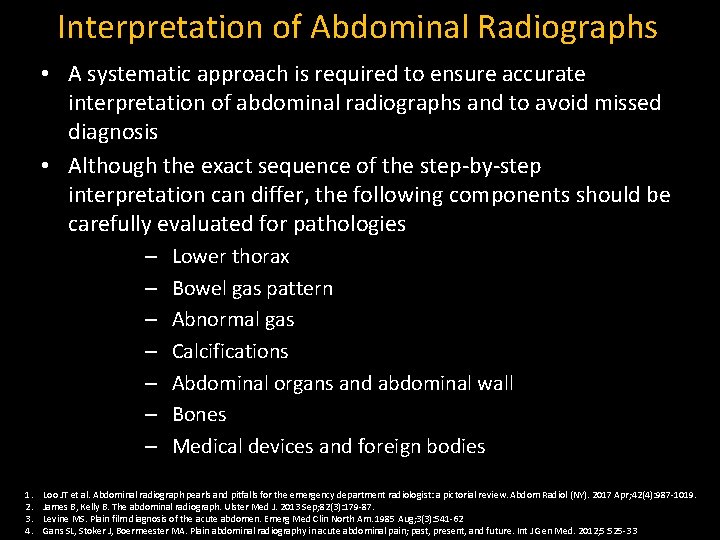
Interpretation of Abdominal Radiographs • A systematic approach is required to ensure accurate interpretation of abdominal radiographs and to avoid missed diagnosis • Although the exact sequence of the step-by-step interpretation can differ, the following components should be carefully evaluated for pathologies – – – – 1. 2. 3. 4. Lower thorax Bowel gas pattern Abnormal gas Calcifications Abdominal organs and abdominal wall Bones Medical devices and foreign bodies Loo JT et al. Abdominal radiograph pearls and pitfalls for the emergency department radiologist: a pictorial review. Abdom Radiol (NY). 2017 Apr; 42(4): 987 -1019. James B, Kelly B. The abdominal radiograph. Ulster Med J. 2013 Sep; 82(3): 179 -87. Levine MS. Plain film diagnosis of the acute abdomen. Emerg Med Clin North Am. 1985 Aug; 3(3): 541 -62 Gans SL, Stoker J, Boermeester MA. Plain abdominal radiography in acute abdominal pain; past, present, and future. Int J Gen Med. 2012; 5: 525 -33
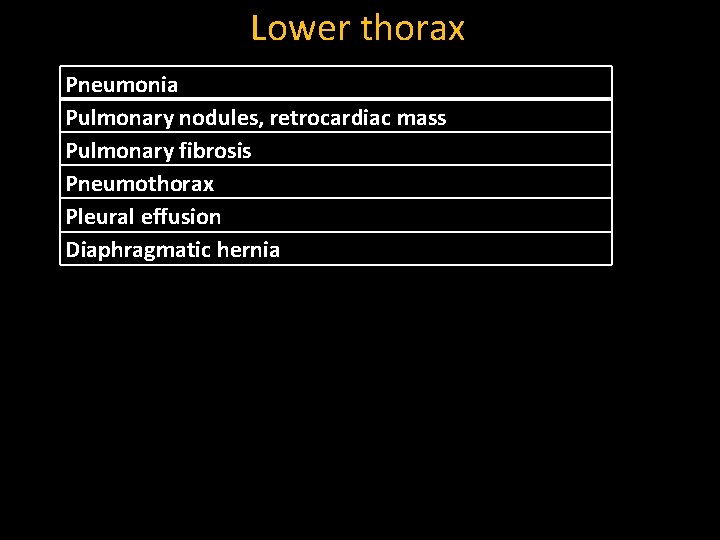
Lower thorax Pneumonia Pulmonary nodules, retrocardiac mass Pulmonary fibrosis Pneumothorax Pleural effusion Diaphragmatic hernia
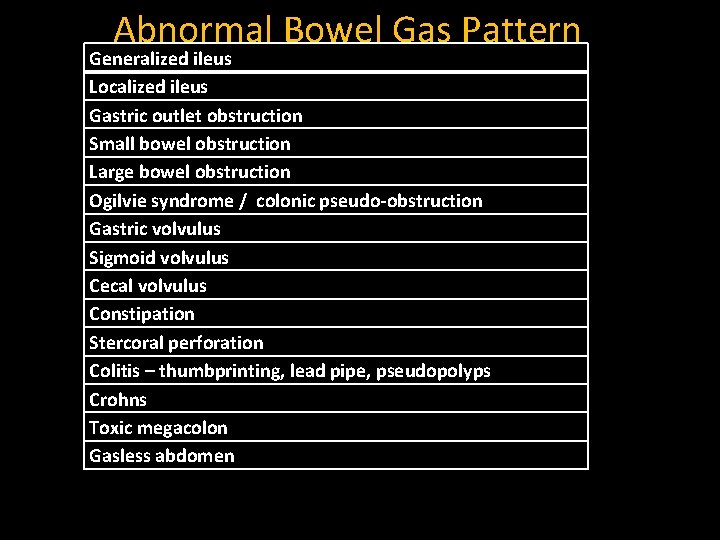
Abnormal Bowel Gas Pattern Generalized ileus Localized ileus Gastric outlet obstruction Small bowel obstruction Large bowel obstruction Ogilvie syndrome / colonic pseudo-obstruction Gastric volvulus Sigmoid volvulus Cecal volvulus Constipation Stercoral perforation Colitis – thumbprinting, lead pipe, pseudopolyps Crohns Toxic megacolon Gasless abdomen
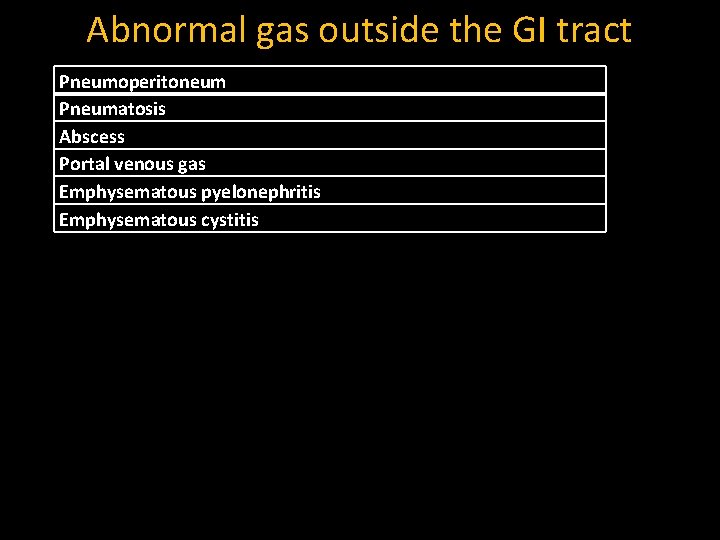
Abnormal gas outside the GI tract Pneumoperitoneum Pneumatosis Abscess Portal venous gas Emphysematous pyelonephritis Emphysematous cystitis
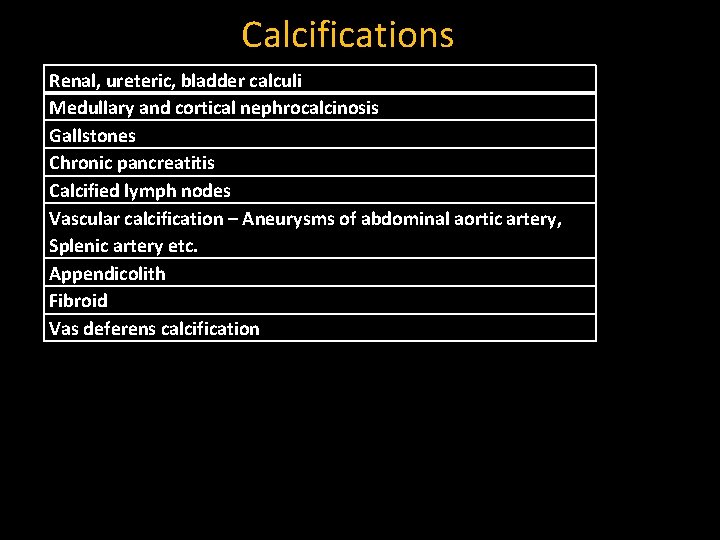
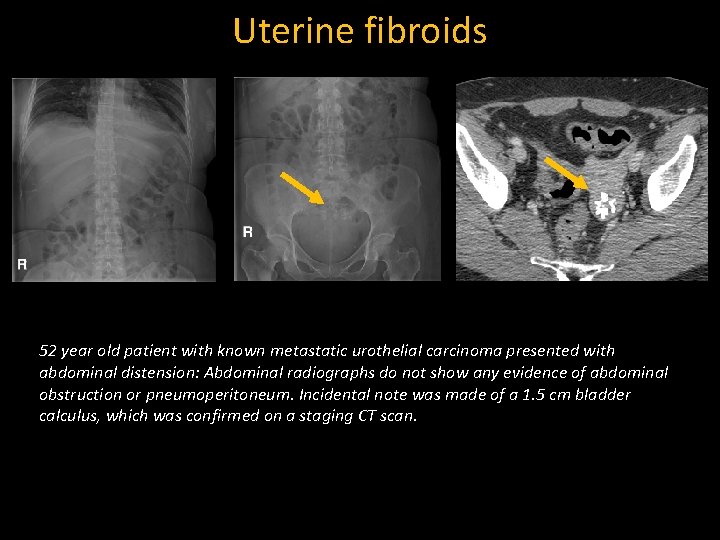
Calcifications Renal, ureteric, bladder calculi Medullary and cortical nephrocalcinosis Gallstones Chronic pancreatitis Calcified lymph nodes Vascular calcification – Aneurysms of abdominal aortic artery, Splenic artery etc. Appendicolith Fibroid Vas deferens calcification
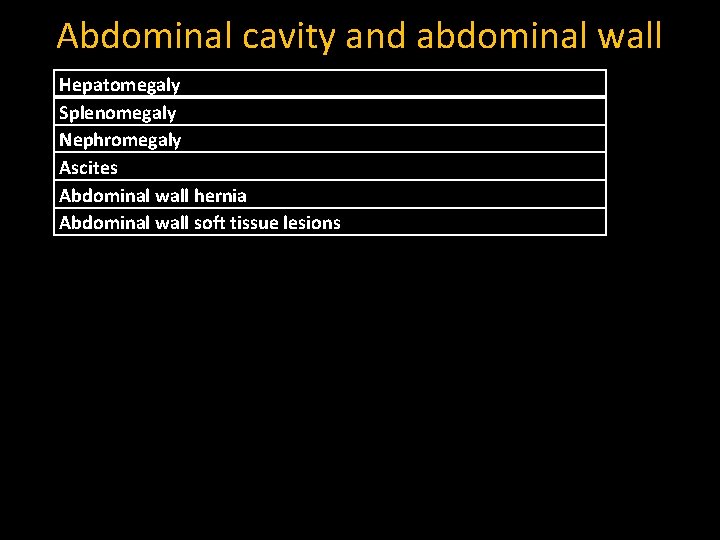
Abdominal cavity and abdominal wall Hepatomegaly Splenomegaly Nephromegaly Ascites Abdominal wall hernia Abdominal wall soft tissue lesions
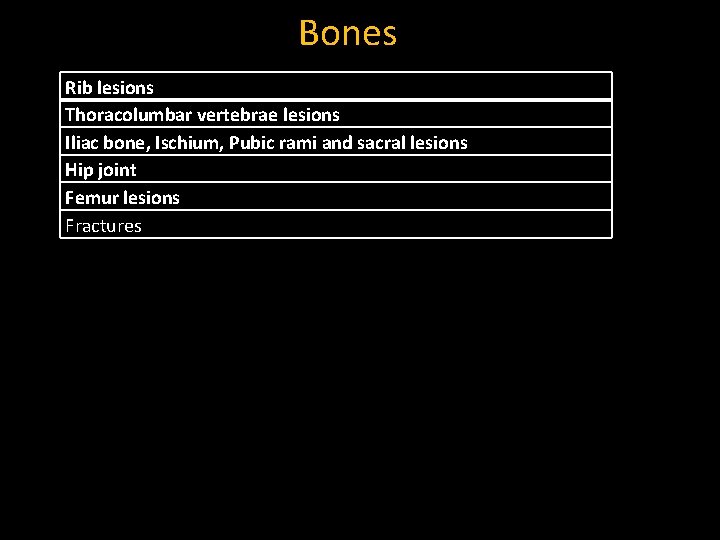
Bones Rib lesions Thoracolumbar vertebrae lesions Iliac bone, Ischium, Pubic rami and sacral lesions Hip joint Femur lesions Fractures
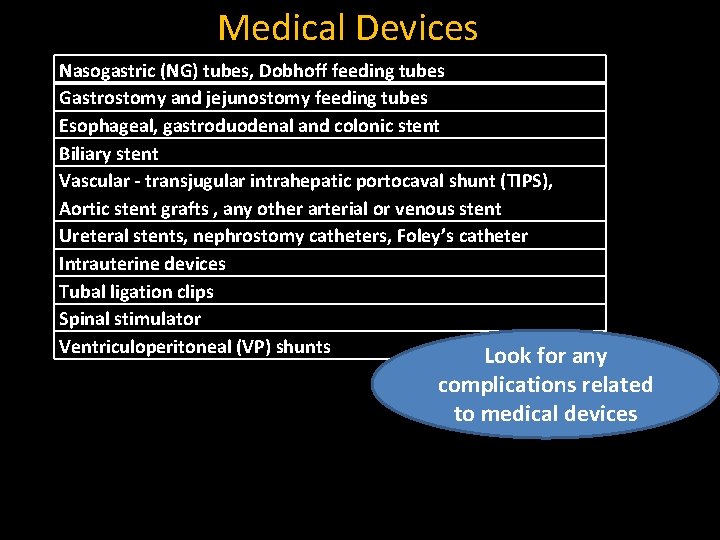
Medical Devices Nasogastric (NG) tubes, Dobhoff feeding tubes Gastrostomy and jejunostomy feeding tubes Esophageal, gastroduodenal and colonic stent Biliary stent Vascular - transjugular intrahepatic portocaval shunt (TIPS), Aortic stent grafts , any other arterial or venous stent Ureteral stents, nephrostomy catheters, Foley’s catheter Intrauterine devices Tubal ligation clips Spinal stimulator Ventriculoperitoneal (VP) shunts Look for any complications related to medical devices
Foreign Bodies Ingested foreign bodies Foreign bodies introduced via other routes Inadvertent retained foreign objects following surgery
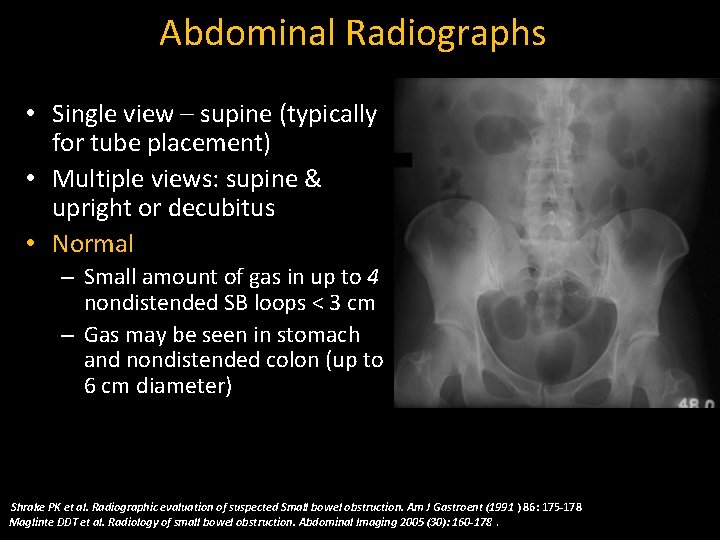
Abdominal Radiographs • Single view – supine (typically for tube placement) • Multiple views: supine & upright or decubitus • Normal – Small amount of gas in up to 4 nondistended SB loops < 3 cm – Gas may be seen in stomach and nondistended colon (up to 6 cm diameter) Shrake PK et al. Radiographic evaluation of suspected Small bowel obstruction. Am J Gastroent (1991 ) 86: 175 -178 Maglinte DDT et al. Radiology of small bowel obstruction. Abdominal Imaging 2005 (30): 160 -178.
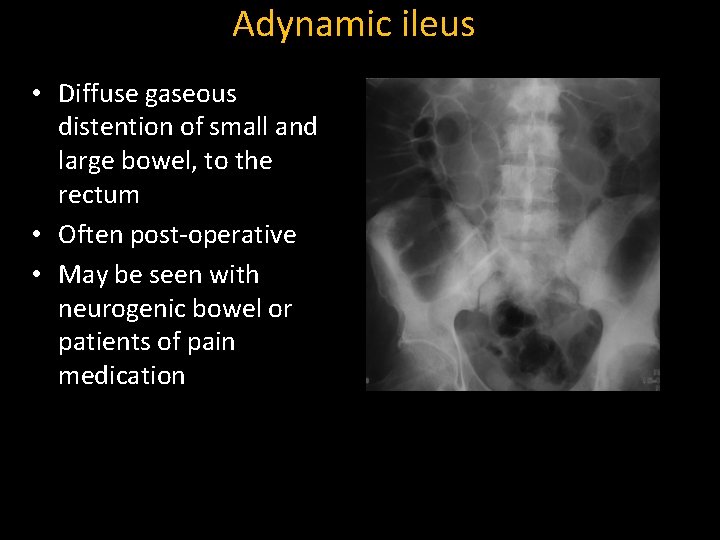
Adynamic ileus • Diffuse gaseous distention of small and large bowel, to the rectum • Often post-operative • May be seen with neurogenic bowel or patients of pain medication
SBO on Abdominal Radiographs • What to look for– Small bowel distention (> 3 cm) – > 2 AF level, AF level > 2. 5 cm, AF level differing > 2 cm in height from one another in same small bowel loop – Small bowel to colonic diameter ratio > 0. 5 • Diagnostic accuracy in 50 -60% • Sensitivity of 66% in proven SBO Baker SR. ACR Appropriateness Criteria on SBO- A critique of term and its terms. ACR 2007; 443 -445. Silva AC, et al. Small bowel obstruction: what to look for. Radio. Graphics 2009; 29: 423– 439.
SBO on Abdominal Radiographs • Abnormal – nonspecific (equivocal) gas pattern: – At least 1 loop of borderline or mildly dilated (3 cm or more) – 3 or more AF level, colonic and fecal distribution normal – (reactive or reflex ileus (stasis), low grade obstruction, medication induced) • Probable SBO: – Multiple dilated gas filled SB, relatively small or moderate colonic gas – (acute inflammation, appy, divert- warrant CT) • Unequivocal SBO: – Multiple dilated gas filled SBO in gasless colon- urgent attention • [dilated colon and SB= colonic ileus or obstruction] Maglinte DDT et al. Radiology of small bowel obstruction. Abdominal Imaging 2005 (30): 160 -178.
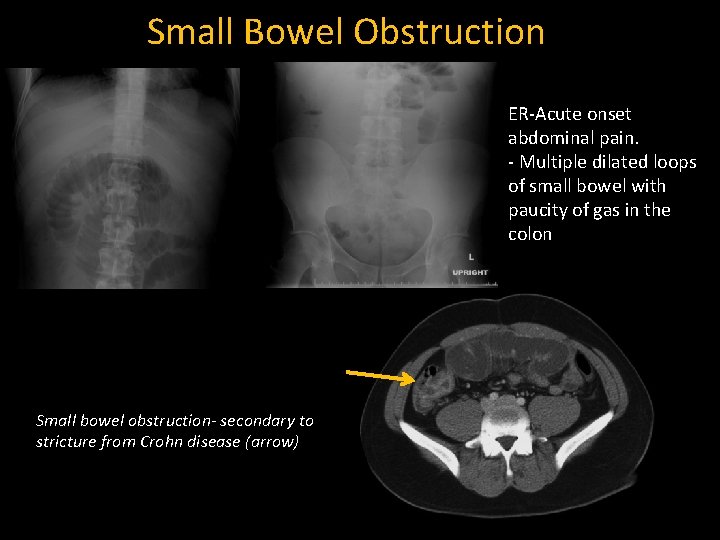
Small Bowel Obstruction ER-Acute onset abdominal pain. - Multiple dilated loops of small bowel with paucity of gas in the colon Small bowel obstruction- secondary to stricture from Crohn disease (arrow)
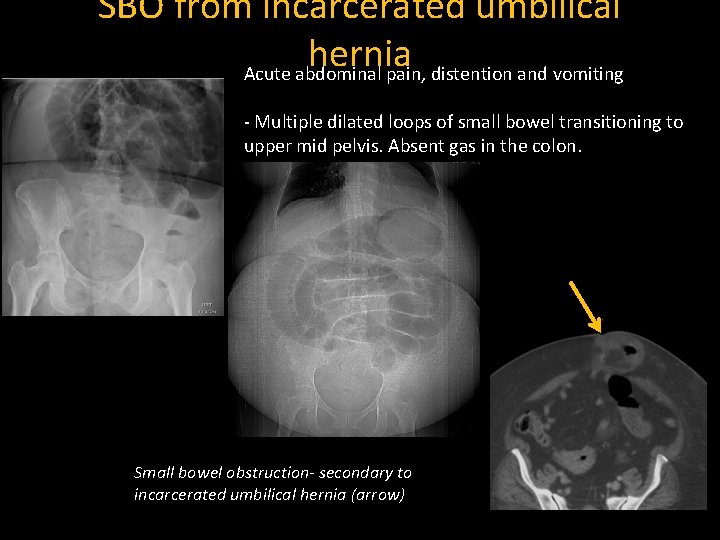
SBO from incarcerated umbilical hernia Acute abdominal pain, distention and vomiting - Multiple dilated loops of small bowel transitioning to upper mid pelvis. Absent gas in the colon. Small bowel obstruction- secondary to incarcerated umbilical hernia (arrow)
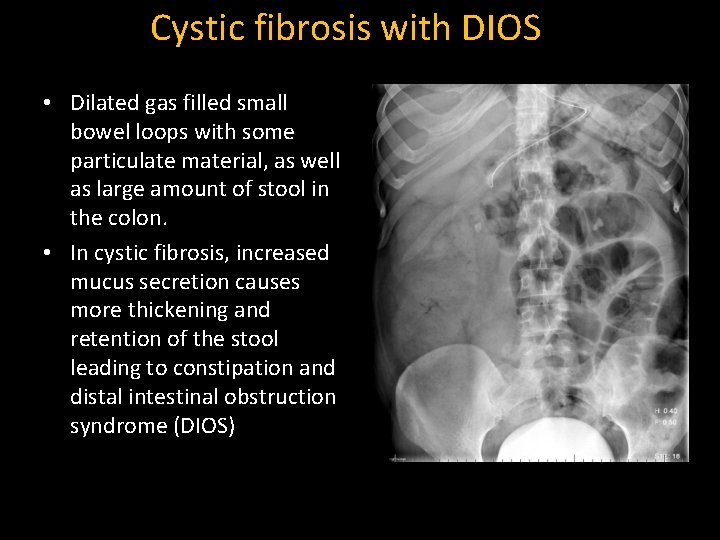
Cystic fibrosis with DIOS • Dilated gas filled small bowel loops with some particulate material, as well as large amount of stool in the colon. • In cystic fibrosis, increased mucus secretion causes more thickening and retention of the stool leading to constipation and distal intestinal obstruction syndrome (DIOS)
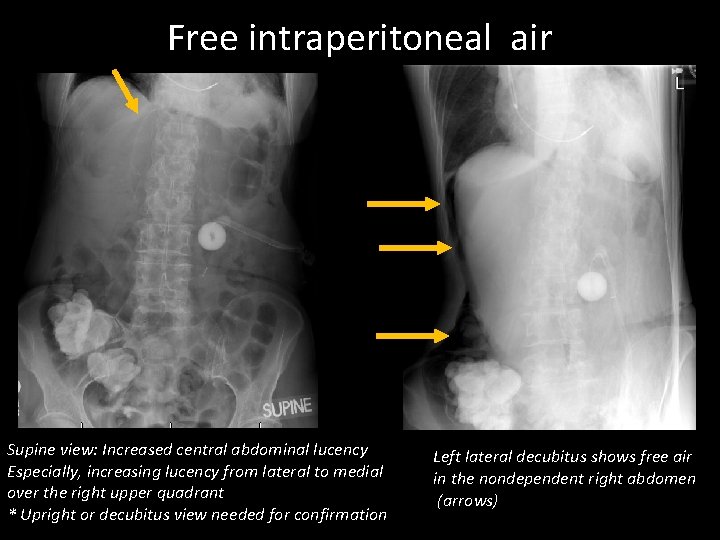
Free intraperitoneal air Supine view: Increased central abdominal lucency Especially, increasing lucency from lateral to medial over the right upper quadrant * Upright or decubitus view needed for confirmation Left lateral decubitus shows free air in the nondependent right abdomen (arrows)
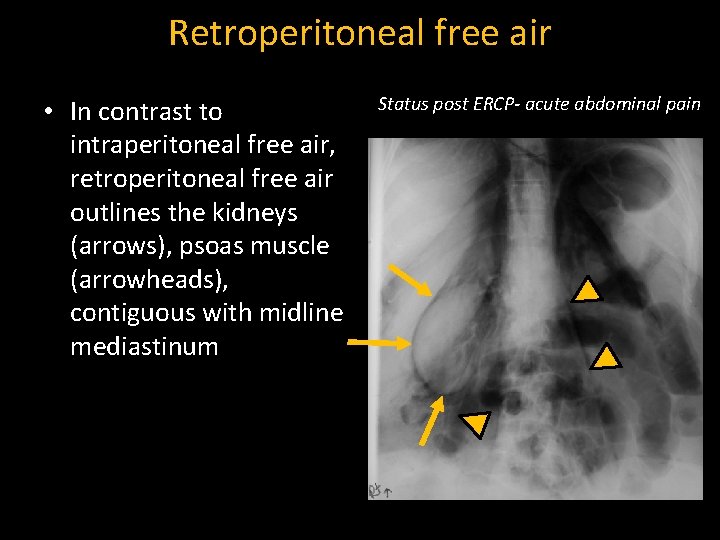
Retroperitoneal free air • In contrast to intraperitoneal free air, retroperitoneal free air outlines the kidneys (arrows), psoas muscle (arrowheads), contiguous with midline mediastinum Status post ERCP- acute abdominal pain
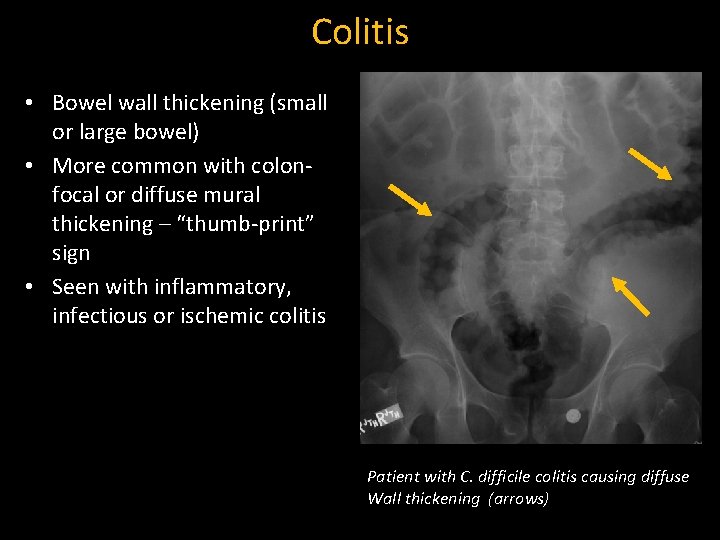
Colitis • Bowel wall thickening (small or large bowel) • More common with colonfocal or diffuse mural thickening – “thumb-print” sign • Seen with inflammatory, infectious or ischemic colitis Patient with C. difficile colitis causing diffuse Wall thickening (arrows)
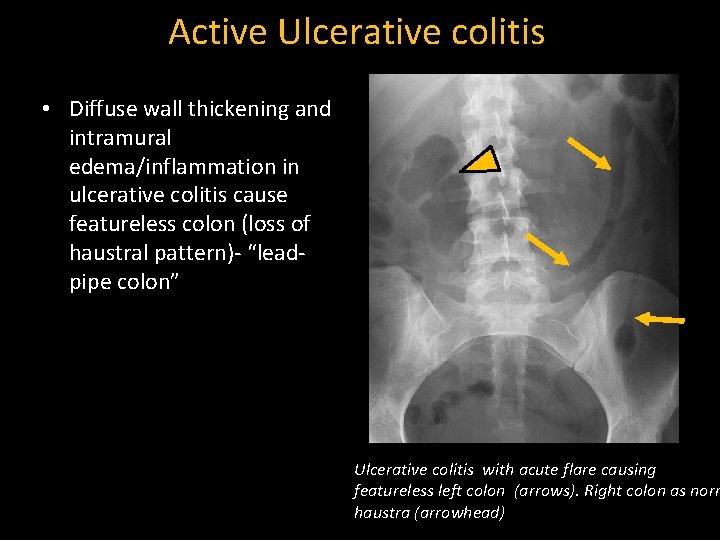
Active Ulcerative colitis • Diffuse wall thickening and intramural edema/inflammation in ulcerative colitis cause featureless colon (loss of haustral pattern)- “leadpipe colon” Ulcerative colitis with acute flare causing featureless left colon (arrows). Right colon as norm haustra (arrowhead)
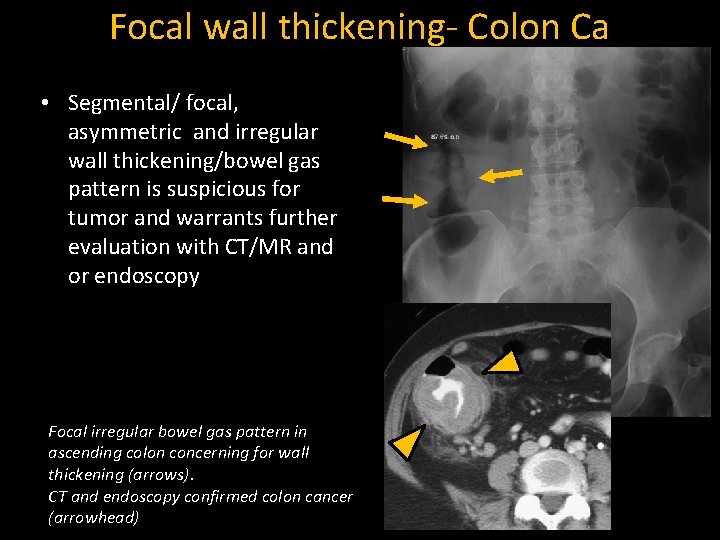
Focal wall thickening- Colon Ca • Segmental/ focal, asymmetric and irregular wall thickening/bowel gas pattern is suspicious for tumor and warrants further evaluation with CT/MR and or endoscopy Focal irregular bowel gas pattern in ascending colon concerning for wall thickening (arrows). CT and endoscopy confirmed colon cancer (arrowhead)
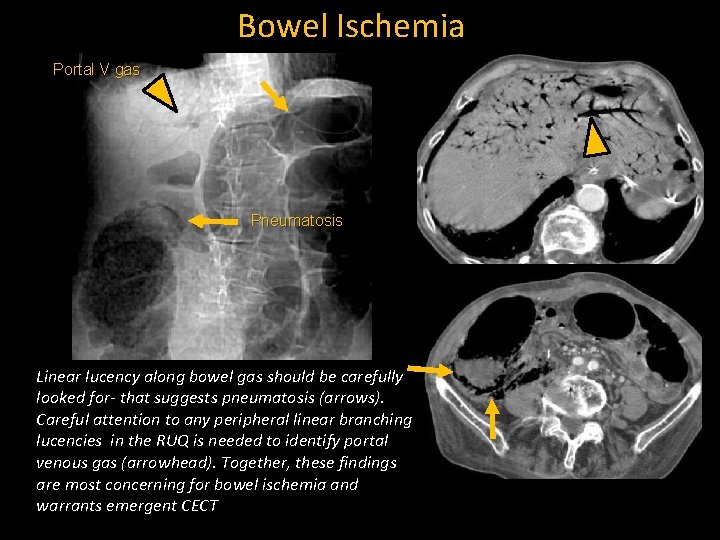
Bowel Ischemia Portal V gas Pneumatosis Linear lucency along bowel gas should be carefully looked for- that suggests pneumatosis (arrows). Careful attention to any peripheral linear branching lucencies in the RUQ is needed to identify portal venous gas (arrowhead). Together, these findings are most concerning for bowel ischemia and warrants emergent CECT
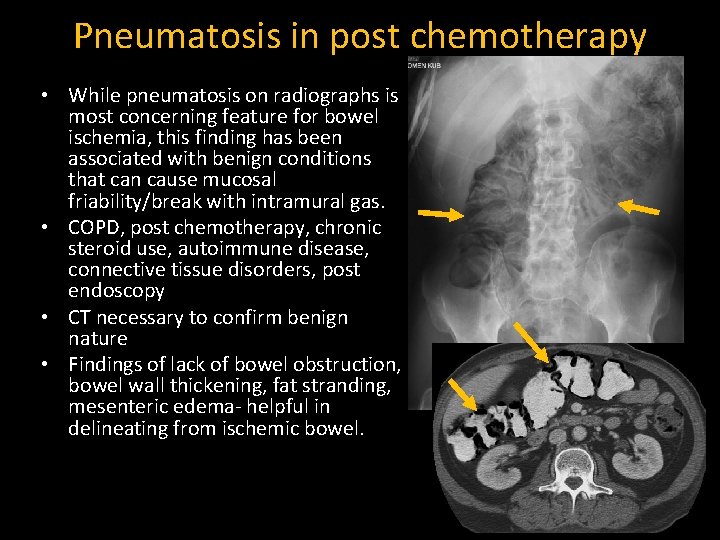
Pneumatosis in post chemotherapy • While pneumatosis on radiographs is most concerning feature for bowel ischemia, this finding has been associated with benign conditions that can cause mucosal friability/break with intramural gas. • COPD, post chemotherapy, chronic steroid use, autoimmune disease, connective tissue disorders, post endoscopy • CT necessary to confirm benign nature • Findings of lack of bowel obstruction, bowel wall thickening, fat stranding, mesenteric edema- helpful in delineating from ischemic bowel.
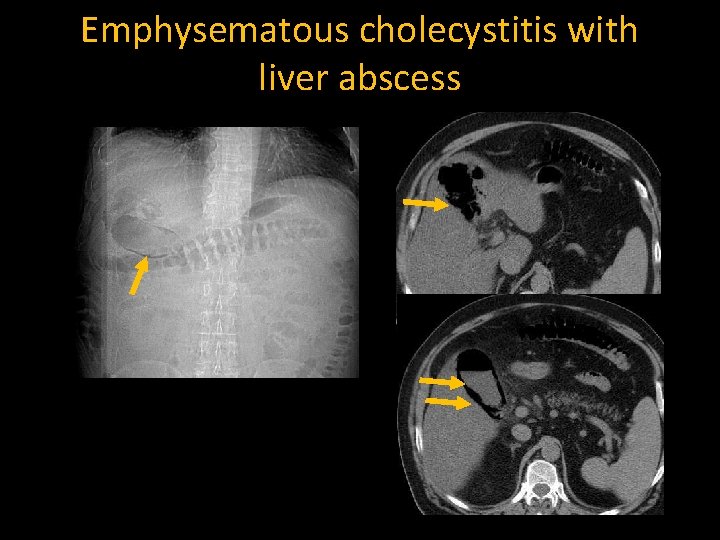
Emphysematous cholecystitis with liver abscess
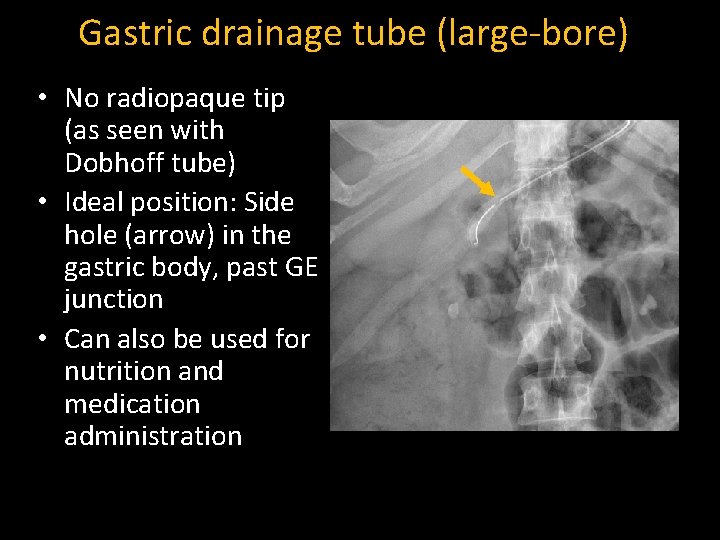
Gastric drainage tube (large-bore) • No radiopaque tip (as seen with Dobhoff tube) • Ideal position: Side hole (arrow) in the gastric body, past GE junction • Can also be used for nutrition and medication administration
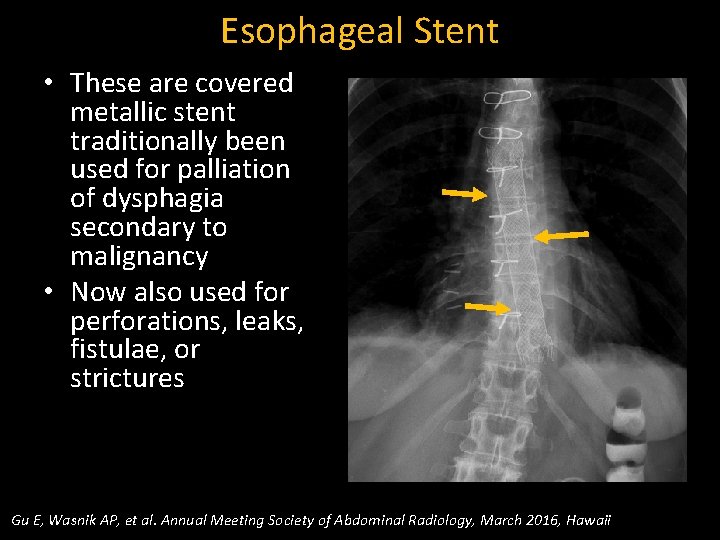
Esophageal Stent • These are covered metallic stent traditionally been used for palliation of dysphagia secondary to malignancy • Now also used for perforations, leaks, fistulae, or strictures Gu E, Wasnik AP, et al. Annual Meeting Society of Abdominal Radiology, March 2016, Hawaii
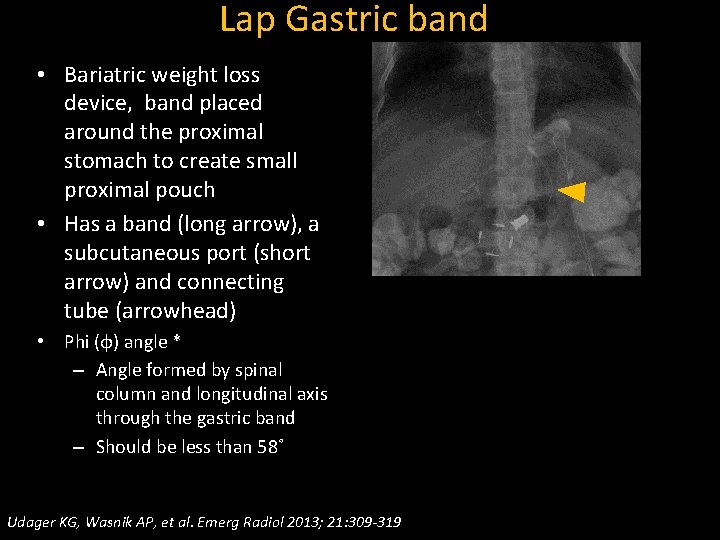
Lap Gastric band • Bariatric weight loss device, band placed around the proximal stomach to create small proximal pouch • Has a band (long arrow), a subcutaneous port (short arrow) and connecting tube (arrowhead) • Phi (φ) angle * – Angle formed by spinal column and longitudinal axis through the gastric band – Should be less than 58˚ Udager KG, Wasnik AP, et al. Emerg Radiol 2013; 21: 309 -319
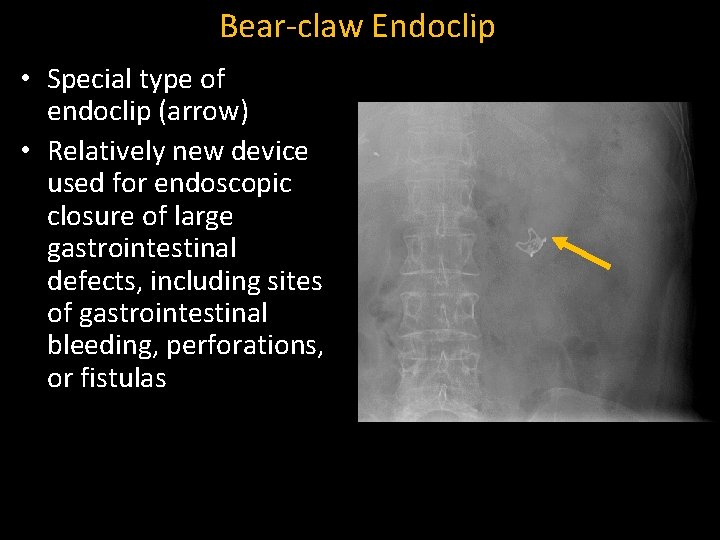
Bear-claw Endoclip • Special type of endoclip (arrow) • Relatively new device used for endoscopic closure of large gastrointestinal defects, including sites of gastrointestinal bleeding, perforations, or fistulas
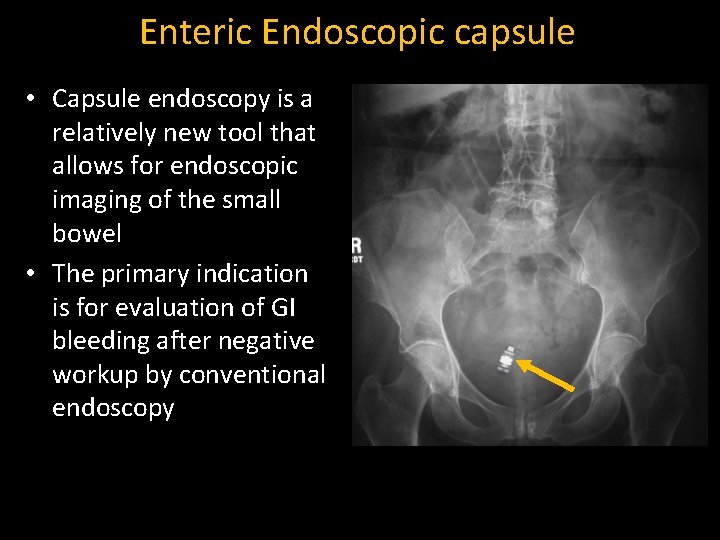
Enteric Endoscopic capsule • Capsule endoscopy is a relatively new tool that allows for endoscopic imaging of the small bowel • The primary indication is for evaluation of GI bleeding after negative workup by conventional endoscopy
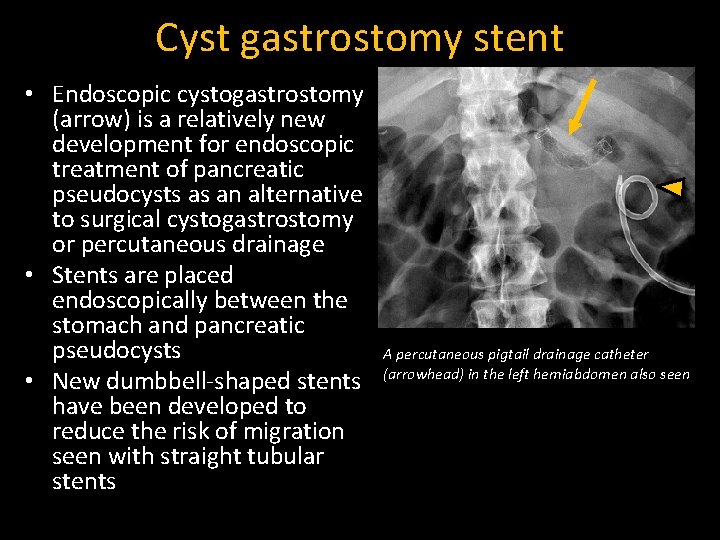
Cyst gastrostomy stent • Endoscopic cystogastrostomy (arrow) is a relatively new development for endoscopic treatment of pancreatic pseudocysts as an alternative to surgical cystogastrostomy or percutaneous drainage • Stents are placed endoscopically between the stomach and pancreatic pseudocysts • New dumbbell-shaped stents have been developed to reduce the risk of migration seen with straight tubular stents A percutaneous pigtail drainage catheter (arrowhead) in the left hemiabdomen also seen
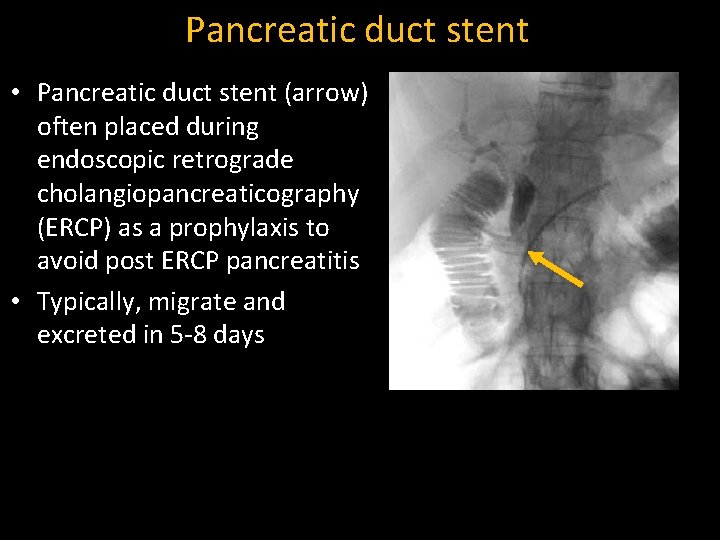
Pancreatic duct stent • Pancreatic duct stent (arrow) often placed during endoscopic retrograde cholangiopancreaticography (ERCP) as a prophylaxis to avoid post ERCP pancreatitis • Typically, migrate and excreted in 5 -8 days
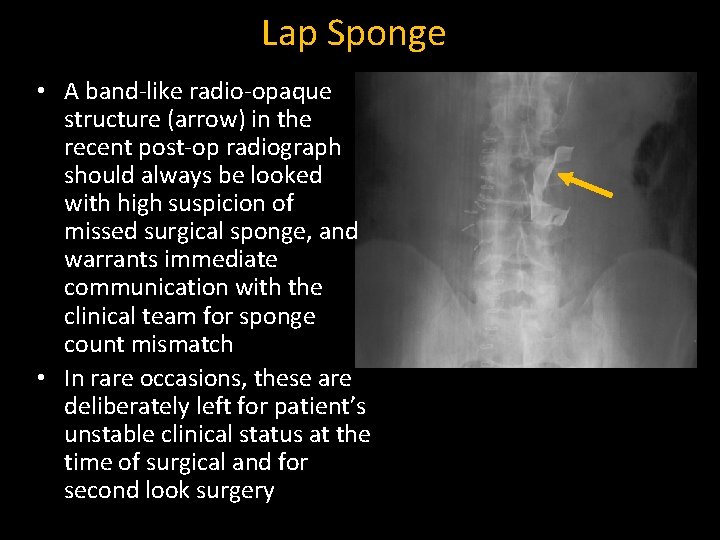
Lap Sponge • A band-like radio-opaque structure (arrow) in the recent post-op radiograph should always be looked with high suspicion of missed surgical sponge, and warrants immediate communication with the clinical team for sponge count mismatch • In rare occasions, these are deliberately left for patient’s unstable clinical status at the time of surgical and for second look surgery
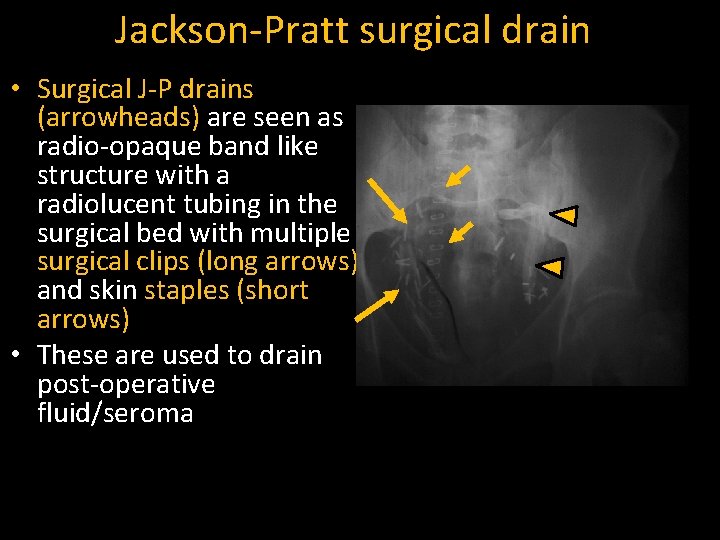
Jackson-Pratt surgical drain • Surgical J-P drains (arrowheads) are seen as radio-opaque band like structure with a radiolucent tubing in the surgical bed with multiple surgical clips (long arrows) and skin staples (short arrows) • These are used to drain post-operative fluid/seroma
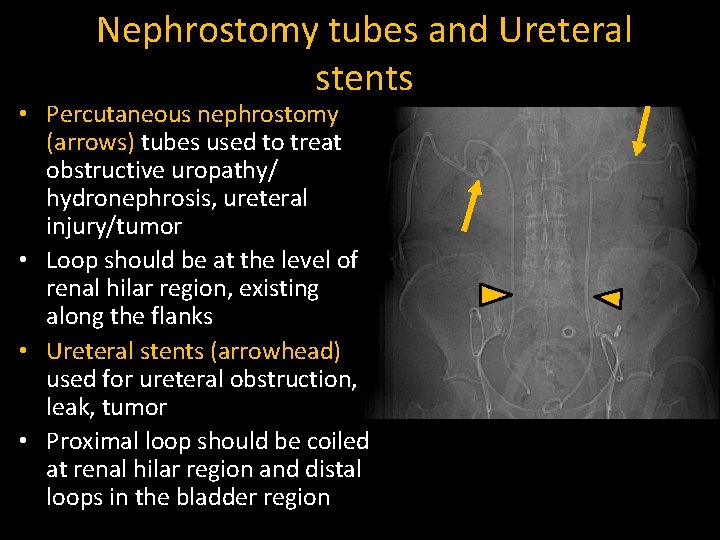
Nephrostomy tubes and Ureteral stents • Percutaneous nephrostomy (arrows) tubes used to treat obstructive uropathy/ hydronephrosis, ureteral injury/tumor • Loop should be at the level of renal hilar region, existing along the flanks • Ureteral stents (arrowhead) used for ureteral obstruction, leak, tumor • Proximal loop should be coiled at renal hilar region and distal loops in the bladder region
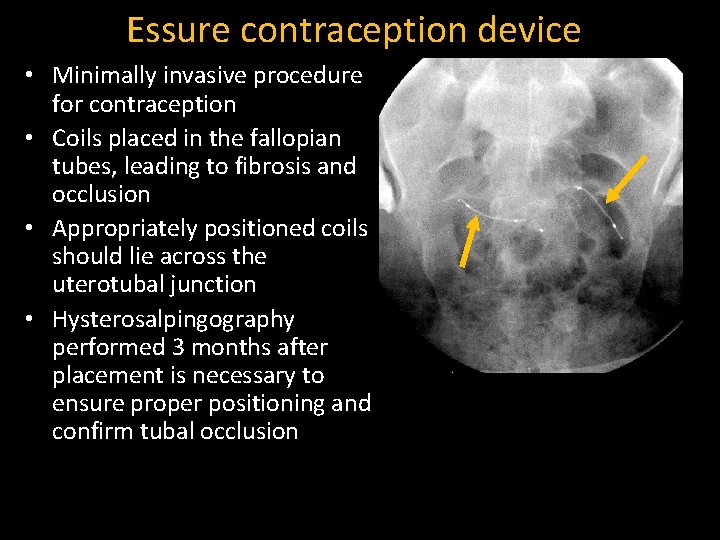
Essure contraception device • Minimally invasive procedure for contraception • Coils placed in the fallopian tubes, leading to fibrosis and occlusion • Appropriately positioned coils should lie across the uterotubal junction • Hysterosalpingography performed 3 months after placement is necessary to ensure proper positioning and confirm tubal occlusion
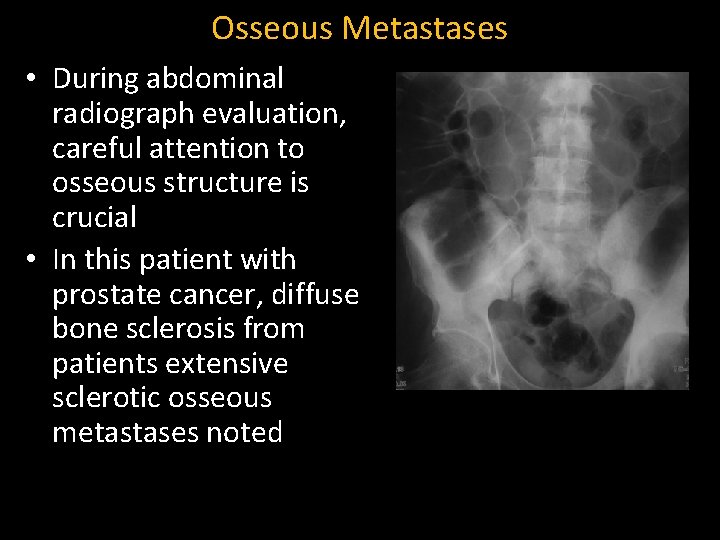
Osseous Metastases • During abdominal radiograph evaluation, careful attention to osseous structure is crucial • In this patient with prostate cancer, diffuse bone sclerosis from patients extensive sclerotic osseous metastases noted
Urinary Tract Calculi • Calcifications in the urinary tract should be actively sought out in abdominal radiographs • Clinical history can be often helpful • Patients may present with loin pain, with or without radiating pain to groin; hematuria is another useful feature which should make the radiologist to assess for urinary tract calculi • However, bladder calculi may be asymptomatic
Urinary Tract Calculi • Radiographs have lower sensitivity for detecting urinary tract calculi ( less than 60%) • The ability to detect urolithiasis on abdominal radiographs depend on its content • Urinary tract calculi made of uric acid tend to be radiolucent, while those composed of calcium tend to be radiopaque
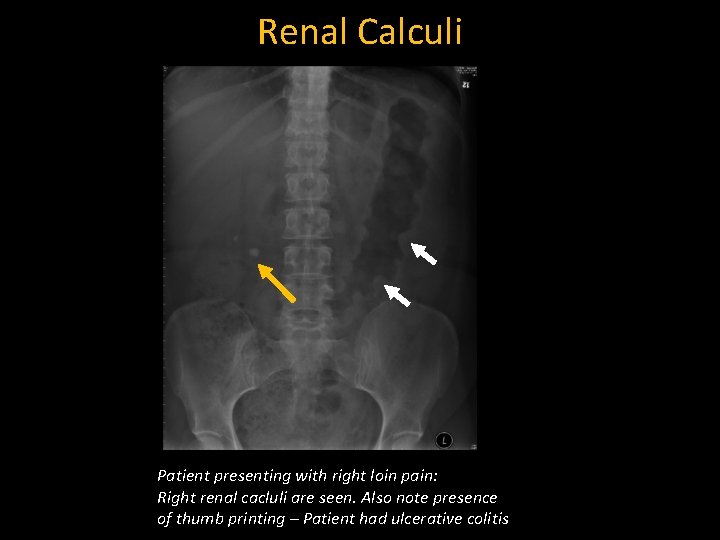
Renal Calculi Patient presenting with right loin pain: Right renal cacluli are seen. Also note presence of thumb printing – Patient had ulcerative colitis
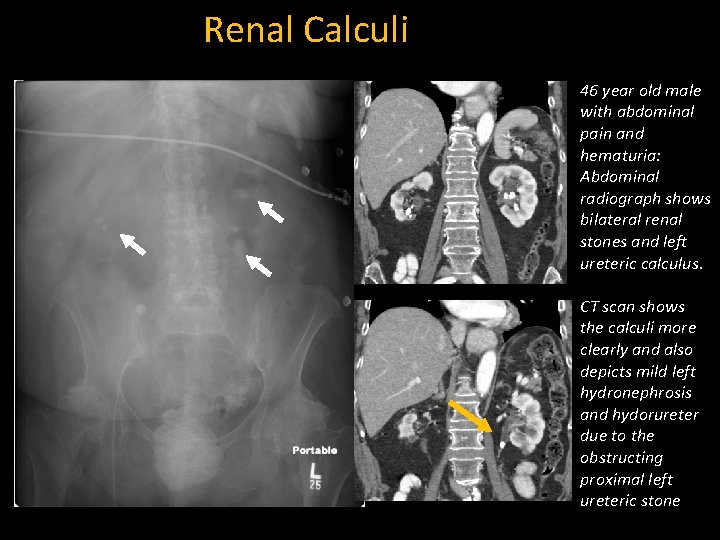
Renal Calculi 46 year old male with abdominal pain and hematuria: Abdominal radiograph shows bilateral renal stones and left ureteric calculus. CT scan shows the calculi more clearly and also depicts mild left hydronephrosis and hydorureter due to the obstructing proximal left ureteric stone
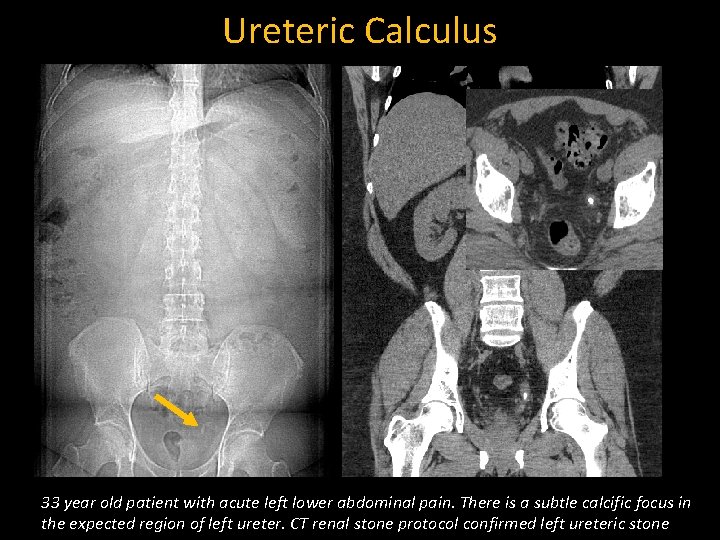
Ureteric Calculus 33 year old patient with acute left lower abdominal pain. There is a subtle calcific focus in the expected region of left ureter. CT renal stone protocol confirmed left ureteric stone
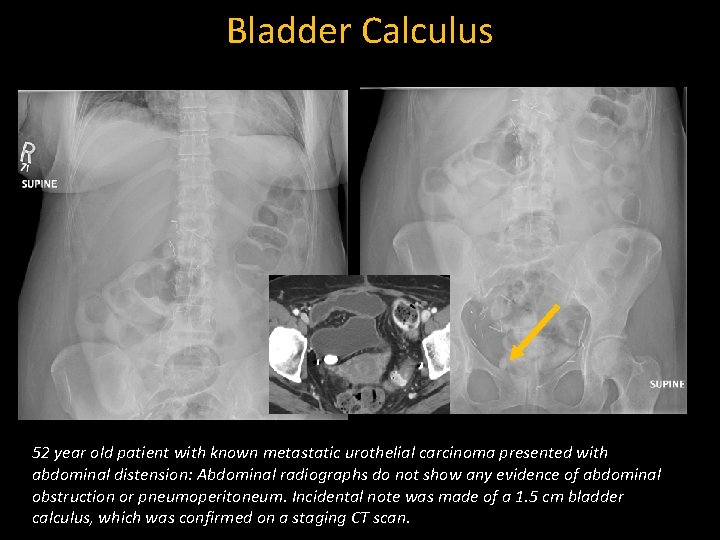
Bladder Calculus 52 year old patient with known metastatic urothelial carcinoma presented with abdominal distension: Abdominal radiographs do not show any evidence of abdominal obstruction or pneumoperitoneum. Incidental note was made of a 1. 5 cm bladder calculus, which was confirmed on a staging CT scan.
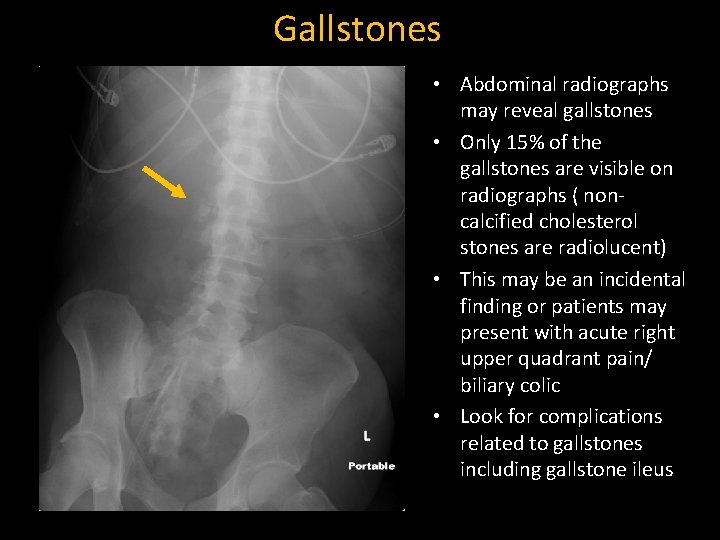
Gallstones • Abdominal radiographs may reveal gallstones • Only 15% of the gallstones are visible on radiographs ( noncalcified cholesterol stones are radiolucent) • This may be an incidental finding or patients may present with acute right upper quadrant pain/ biliary colic • Look for complications related to gallstones including gallstone ileus
Uterine fibroids 52 year old patient with known metastatic urothelial carcinoma presented with abdominal distension: Abdominal radiographs do not show any evidence of abdominal obstruction or pneumoperitoneum. Incidental note was made of a 1. 5 cm bladder calculus, which was confirmed on a staging CT scan.
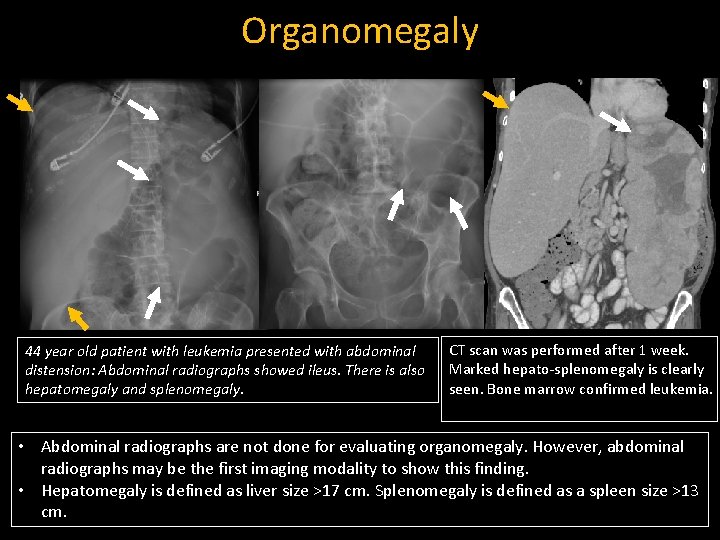
Organomegaly 44 year old patient with leukemia presented with abdominal distension: Abdominal radiographs showed ileus. There is also hepatomegaly and splenomegaly. CT scan was performed after 1 week. Marked hepato-splenomegaly is clearly seen. Bone marrow confirmed leukemia. • Abdominal radiographs are not done for evaluating organomegaly. However, abdominal radiographs may be the first imaging modality to show this finding. • Hepatomegaly is defined as liver size >17 cm. Splenomegaly is defined as a spleen size >13 cm.
Summary • Attention to technique and clinical questions is important. Clinical history is often helpful • Apart for bowel findings and gas patterns, careful attention to lower chest, solid viscera, calcifications, bones and medical devices is needed • In cases with findings of unclear etiology, discussion with referring team is helpful • Unexpected or urgent radiographic findings should be promptly conveyed to the service as these may need further cross-sectional imaging
- Slides: 52