
HOW PREDATORY PUBLISHERS THREATEN RESEARCH AND RESEARCHERS Jeffrey
HOW PREDATORY PUBLISHERS THREATEN RESEARCH AND RESEARCHERS Jeffrey Beall University of Colorado Denver ORCID number 0000 -0001 -9012 -5330
Publishing models for scholarly journals • Traditional (subscription) model • Hybrid open-access • Platinum open-access = free to author, free to reader • Delayed open access = subscription model but OA after some time • Gold open access = free to reader, author pays a fee
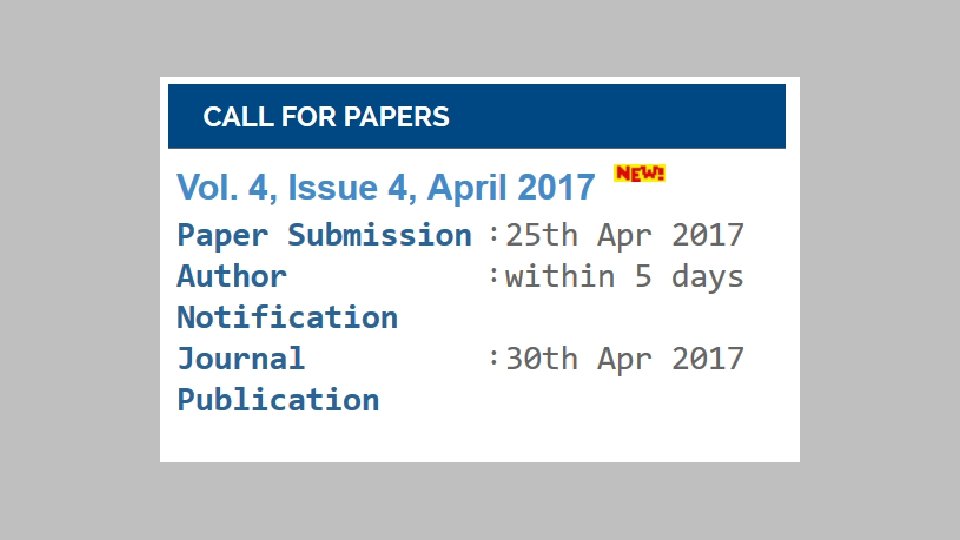
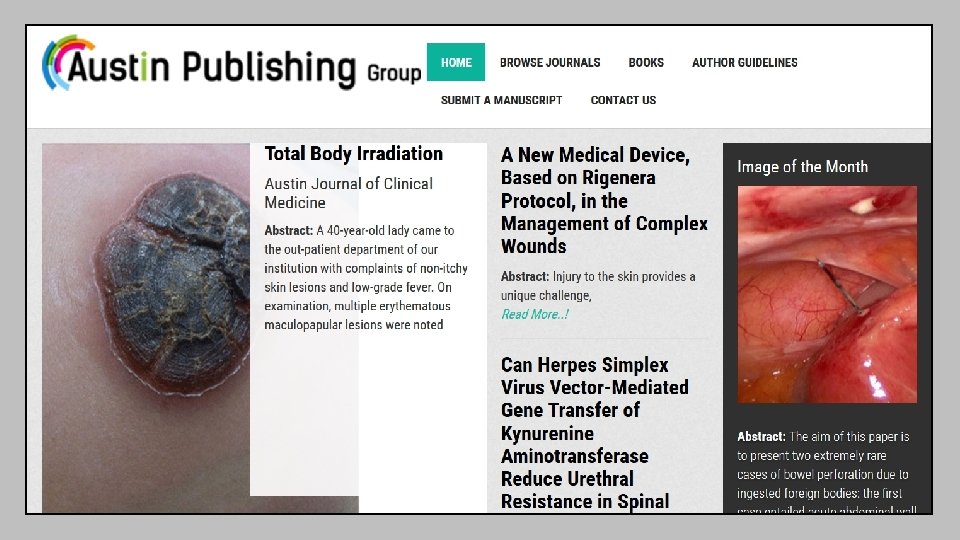
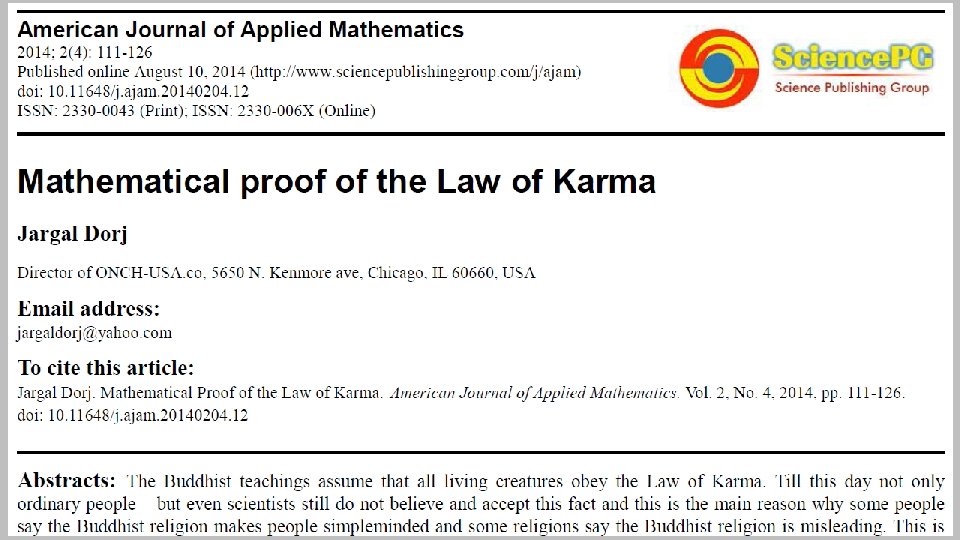
Predatory publishers and journals • Predatory publishers (journals) are those that exploit the gold openaccess model for their own profit • They take advantage of, exploit, and pander to scholarly authors • They pretend to be legitimate, copying established and respected journals' websites and practices • Many do a poor or fake peer review • Some name themselves as "Institutes, " "Associations, " or "Centers" • Some operate as single mega-journals
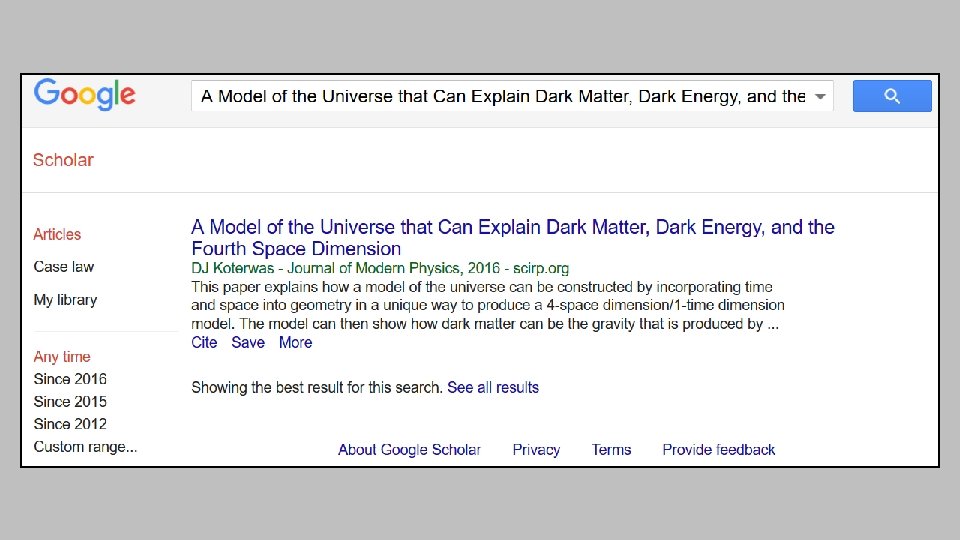
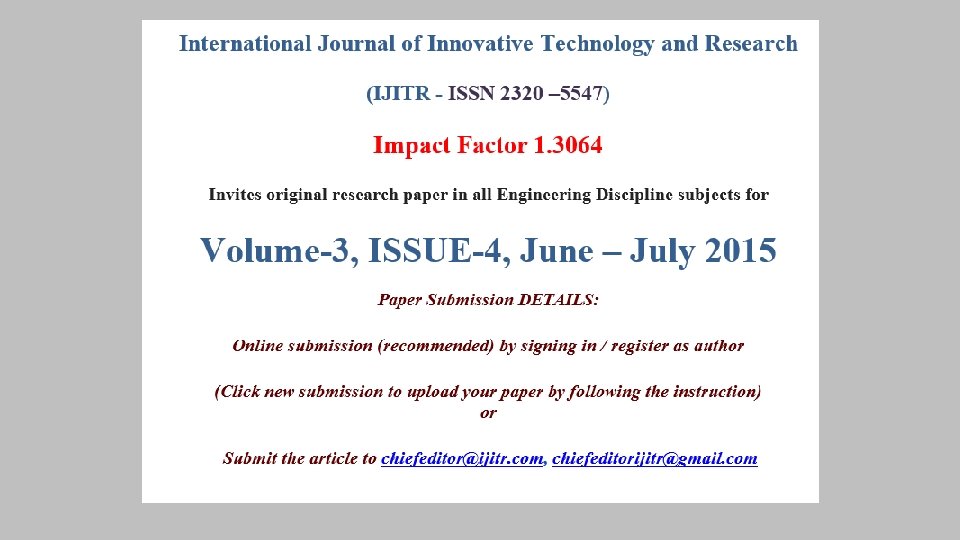
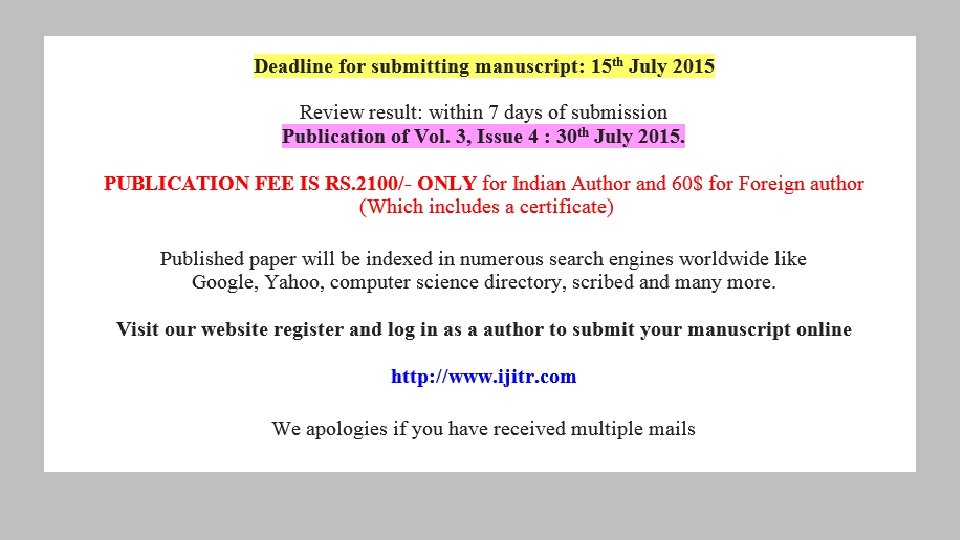
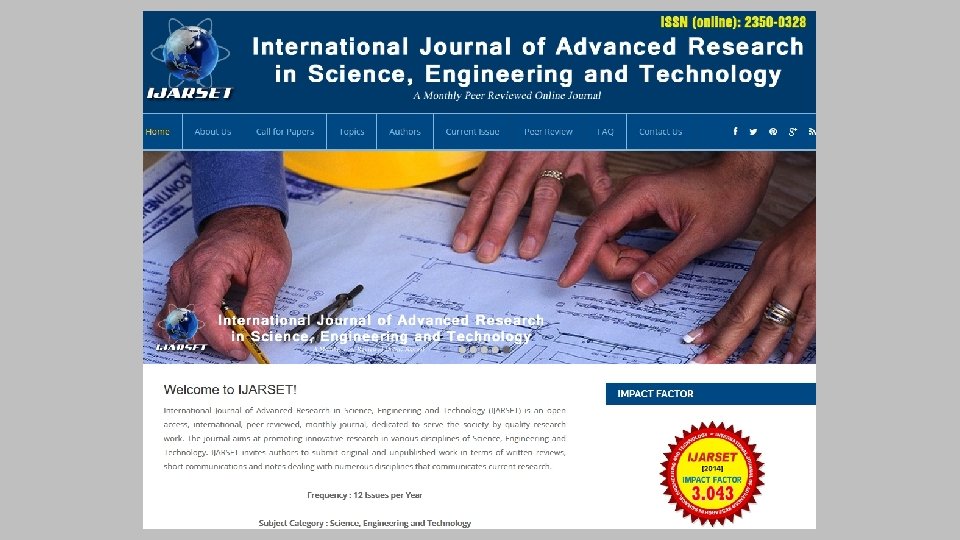
History of predatory publishers • I first started to receive spam email solicitations from publishers in 2008 and 2009 • My first publication about a predatory publisher was in 2009 • I coined the term "predatory publisher" in summer 2010 • I started my current blog in early 2012 • Not all open-access journals are predatory
Breakdown of research cultures • Many have earned tenure and promotion through easy articles in predatory journals • The role of merit in academic evaluation is disappearing • Corrupt journals only care about their revenue • Never before has so much pseudo-science been published that looks like real science • Many researchers now expect cheap, easy, and fast publishing
![How predatory publishers damage science [1] • They've increased published research misconduct, such as](http://slidetodoc.com/presentation_image_h2/f6326510d698811fb81ee62aeb26b5c4/image-13.jpg "How predatory publishers damage science [1] • They've increased published research misconduct, such as")
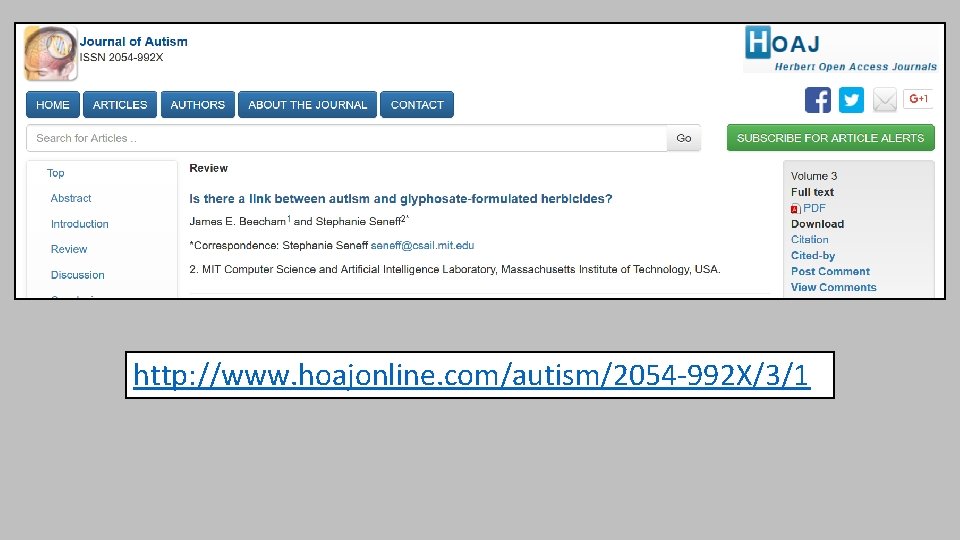
How predatory publishers damage science [1] • They've increased published research misconduct, such as plagiarism • The pseudo-science they publish gets indexed in Google Scholar and other academic indexes • They threaten demarcation, the division between science and pseudo-science, the cumulative nature of research • They feed bogus research to societal institutions that depend on authentic science • They publish activist science and conspiracy-theory science
![How predatory publishers damage science [2] • They are polluting taxonomy • Many also](http://slidetodoc.com/presentation_image_h2/f6326510d698811fb81ee62aeb26b5c4/image-14.jpg "How predatory publishers damage science [2] • They are polluting taxonomy • Many also")
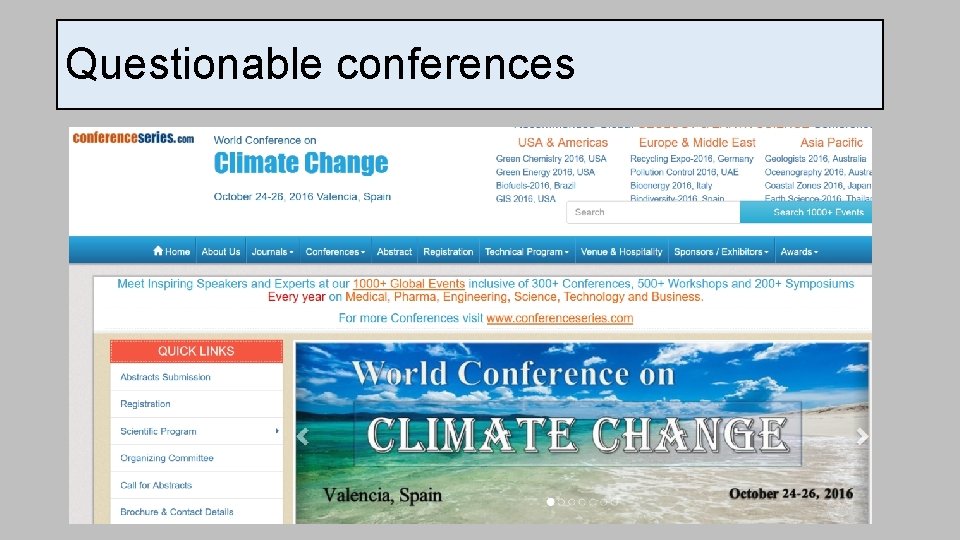
How predatory publishers damage science [2] • They are polluting taxonomy • Many also sponsor bogus scholarly conferences • Pharmaceutical entrepreneurs are using predatory publishers to make invented compounds appear efficacious • Author fees may prevent some authors from being able to publish their work, especially in middle-income countries and for unaffiliated researchers
http: //www. hoajonline. com/autism/2054 -992 X/3/1
My work
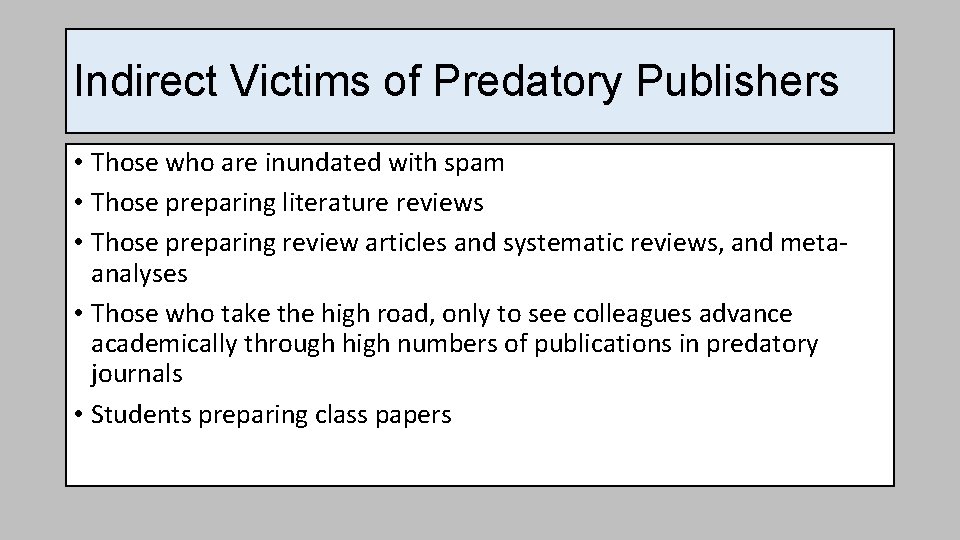
Indirect Victims of Predatory Publishers • Those who are inundated with spam • Those preparing literature reviews • Those preparing review articles and systematic reviews, and metaanalyses • Those who take the high road, only to see colleagues advance academically through high numbers of publications in predatory journals • Students preparing class papers
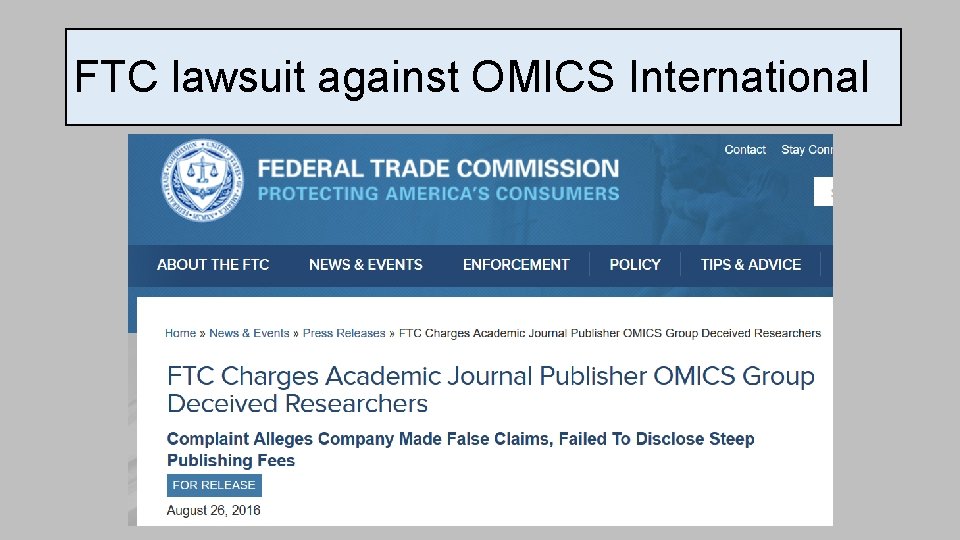
FTC lawsuit against OMICS International
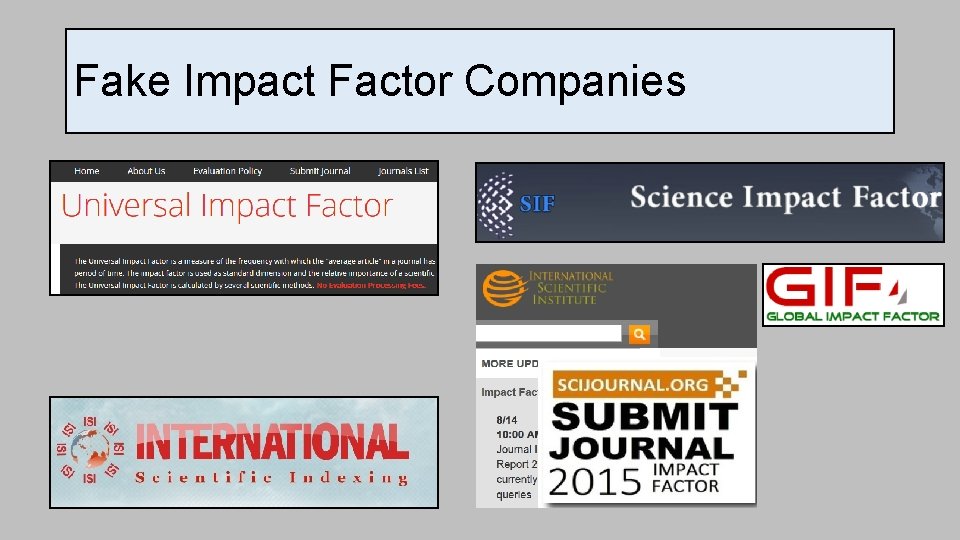
Fake Impact Factor Companies
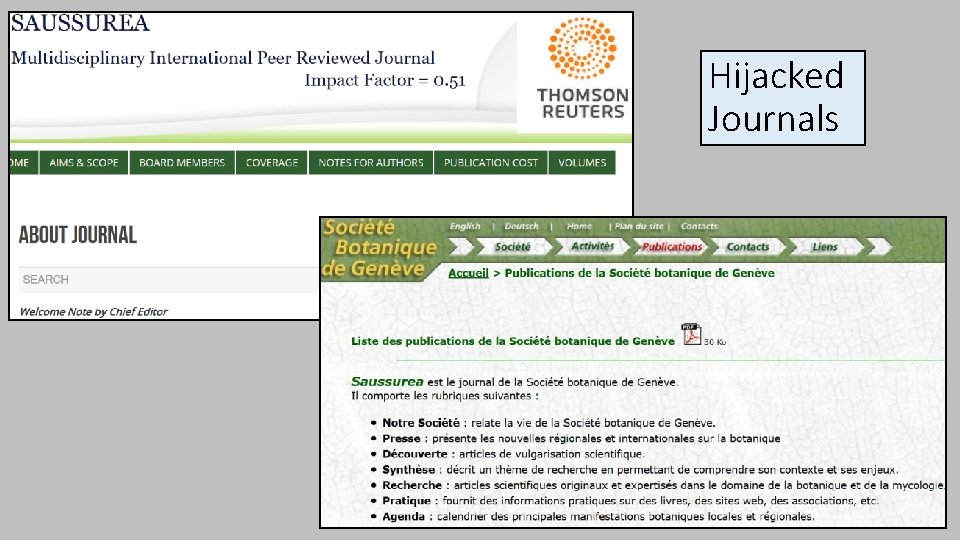
Hijacked Journals
The stigma of predatory publishers • Publishing an article in a predatory journal can harm a researcher's reputation • Membership on a predatory journal's editorial board reflects poorly on the individual and his institution • Articles published in legitimate journals that cite conclusions from earlier articles in predatory journals may be seen as questionable • A single predatory or low-quality journal can damage the reputation of a publisher's entire fleet of journals
Questionable conferences
Science “Since science is our most reliable source of knowledge, in a wide variety of areas, we need to distinguish scientific knowledge from its look-alikes. ” —S. O. Hansson.
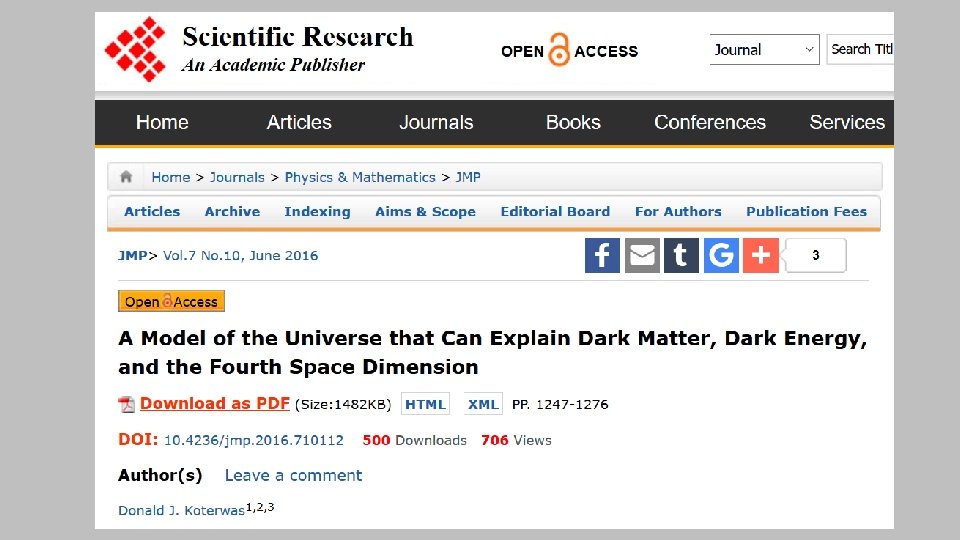
Conclusion • The author-pays model is a major cultural change in scholarly publishing that has led to the creation of many scams • We have given up on selectivity in scholarly publishing • Predatory journals threaten the integrity of science • Scholarly authors are now consumers of publishing services, but there's no organization that looks out for their interests • The scientific consensus is that we don’t know the nature of dark matter and energy, yet articles in predatory journals say we do
Thank you • Jeffrey Beall, jeffrey. beall@ucdenver. edu
- Slides: 26