
How practices based on ACEs science and ACEs
How practices based on ACEs science and ACEs Connection Network… …. can help build healthy communities
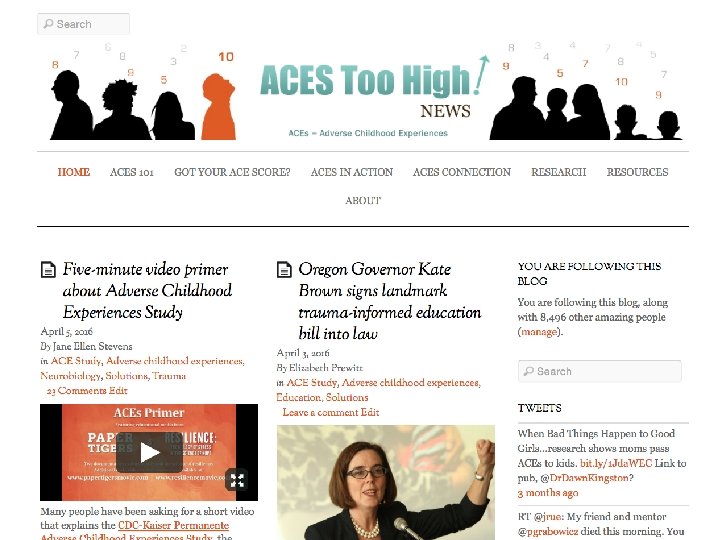
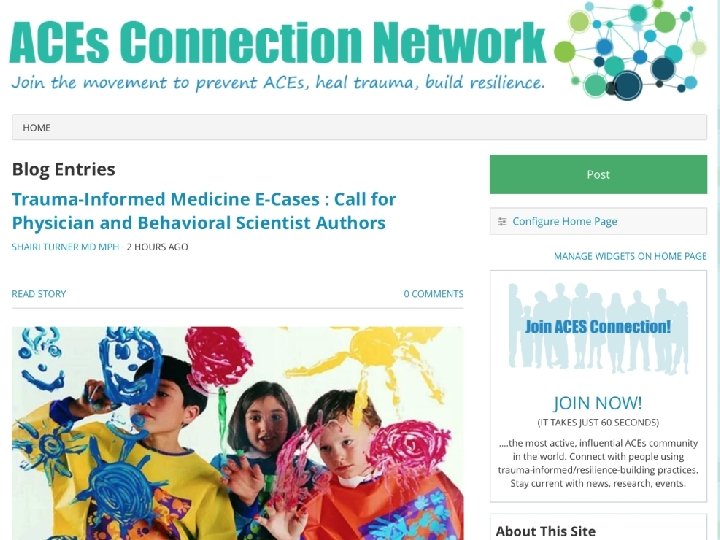
ACEs. Connection. com

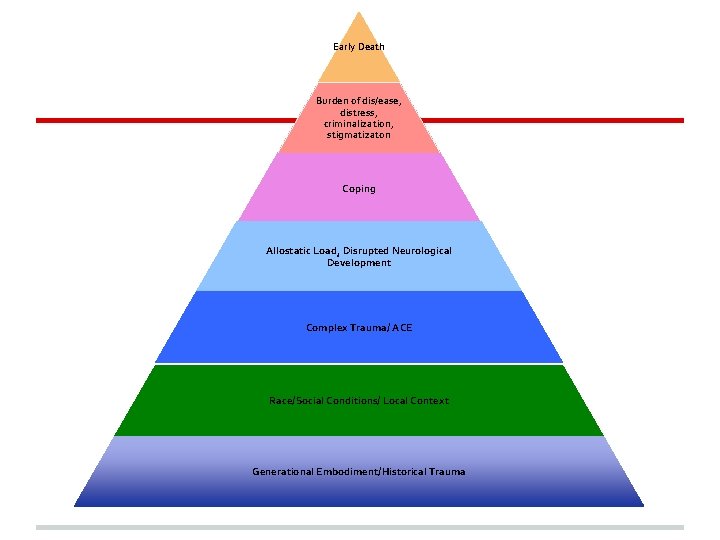
Early Death Burden of dis/ease, distress, criminalization, stigmatizaton Coping Allostatic Load, Disrupted Neurological Development Complex Trauma/ ACE Race/Social Conditions/ Local Context Generational Embodiment/Historical Trauma
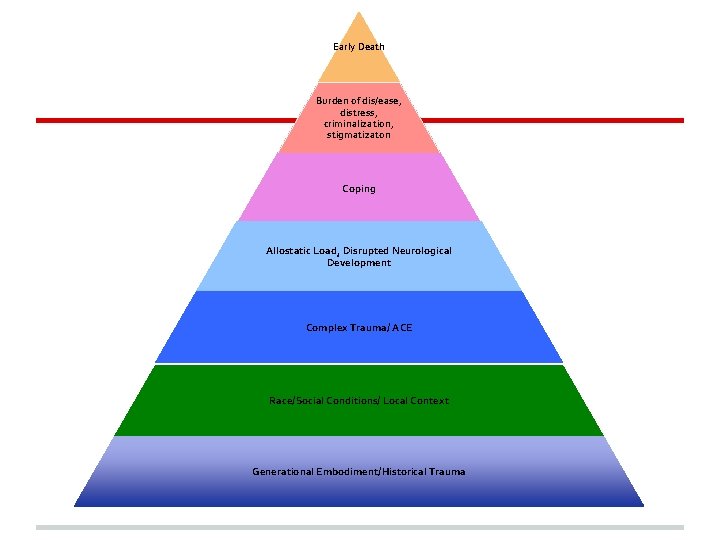
Early Death Burden of dis/ease, distress, criminalization, stigmatizaton Coping Allostatic Load, Disrupted Neurological Development Complex Trauma/ ACE Race/Social Conditions/ Local Context Generational Embodiment/Historical Trauma
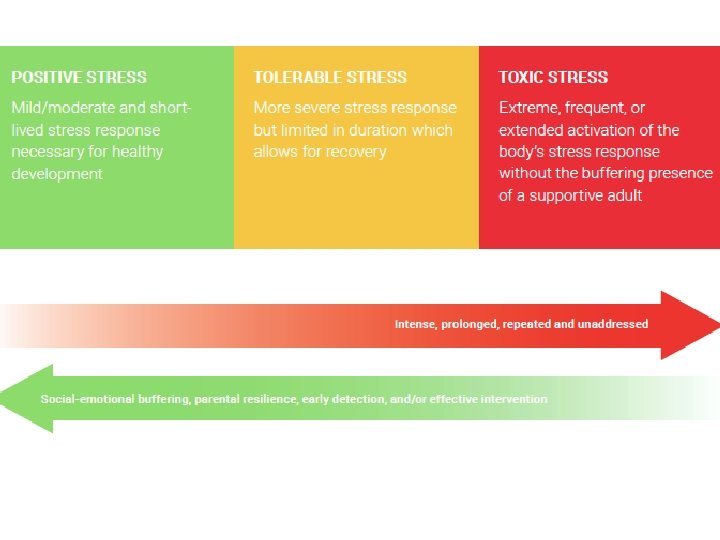
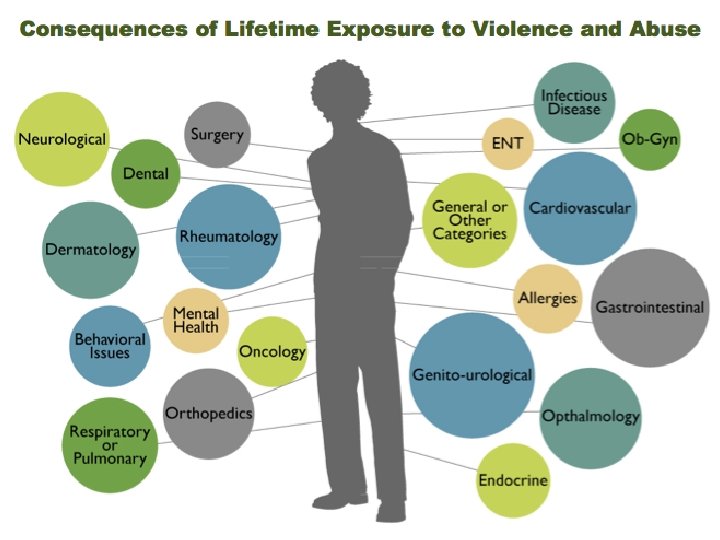

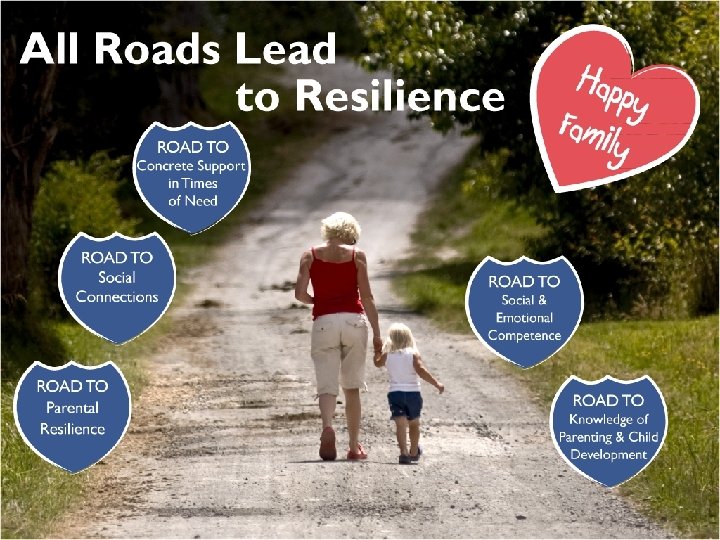
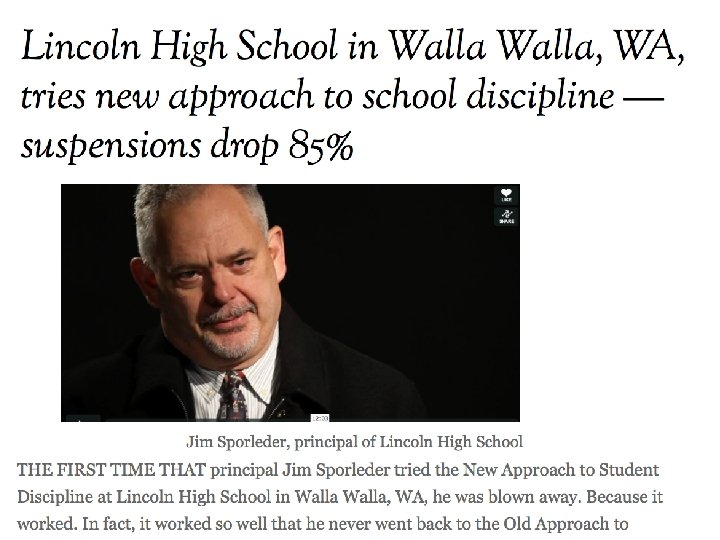
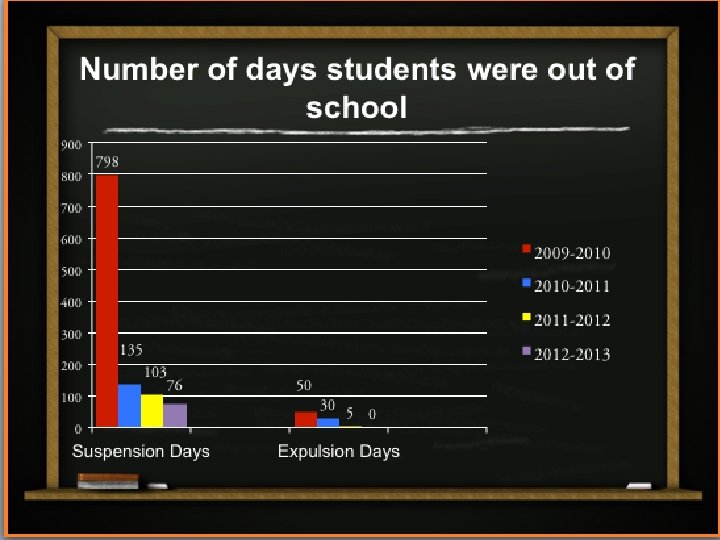
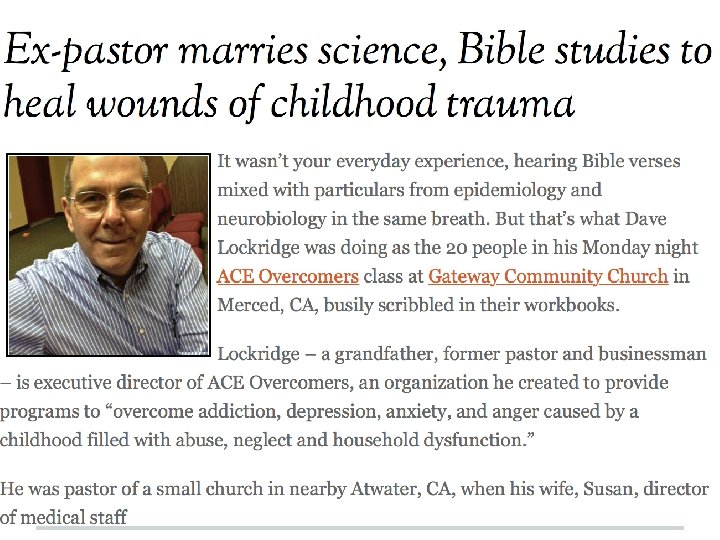
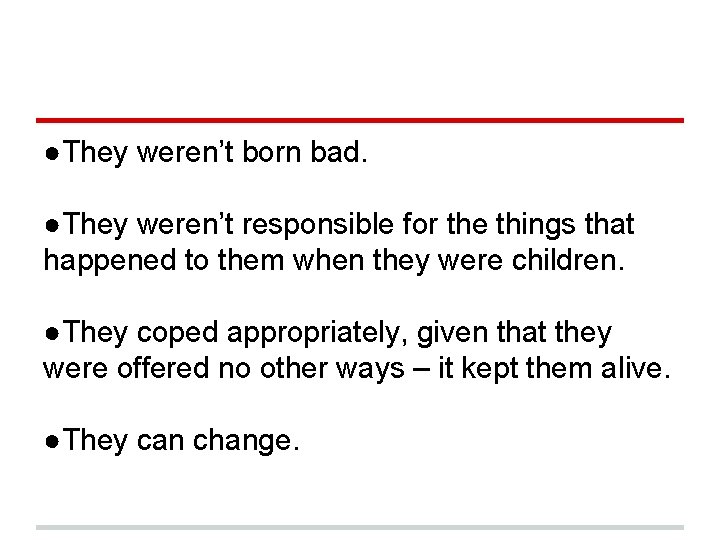
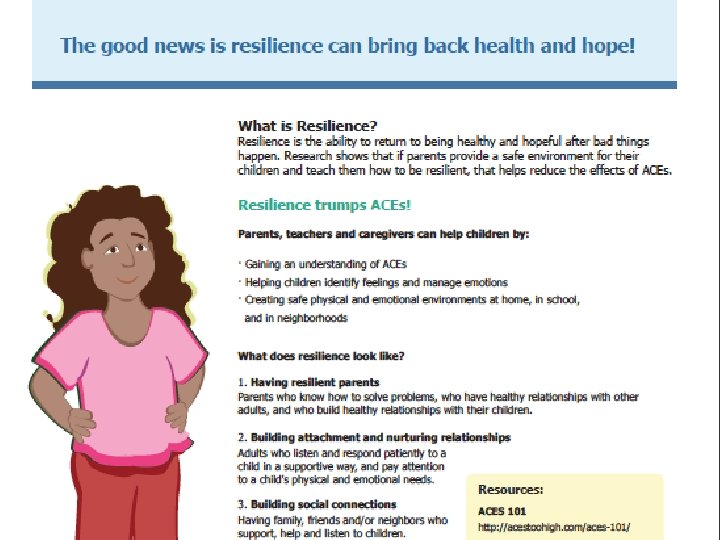
●They weren’t born bad. ●They weren’t responsible for the things that happened to them when they were children. ●They coped appropriately, given that they were offered no other ways – it kept them alive. ●They can change.
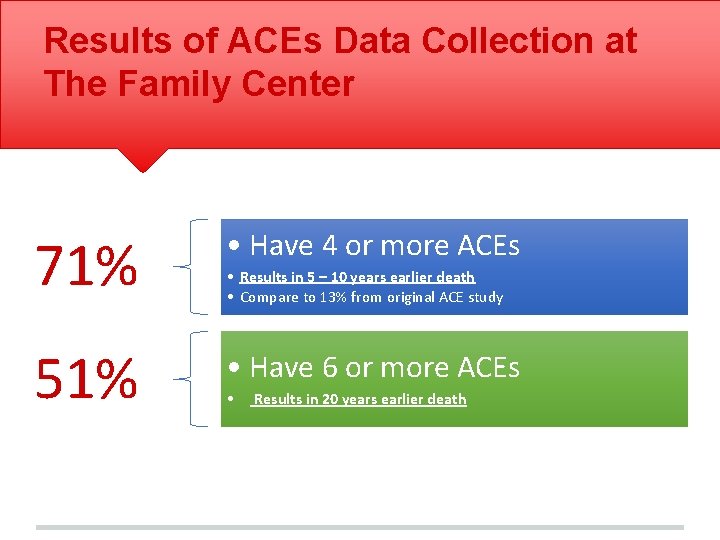
Results of ACEs Data Collection at The Family Center 71% • Have 4 or more ACEs 51% • Have 6 or more ACEs • Results in 5 – 10 years earlier death • Compare to 13% from original ACE study • Results in 20 years earlier death
Educating people about ACEs science…. ●It engages the people you serve by helping them understand their own lives and behavior. ●It empowers people. ●It changes their understanding of others’ behavior. ●It opens a channel for them to tell you what they need.
●All organizations must implement traumainformed, resilience-building practices for themselves… …especially the organizations that are caring for people or directing other people-caring organizations.
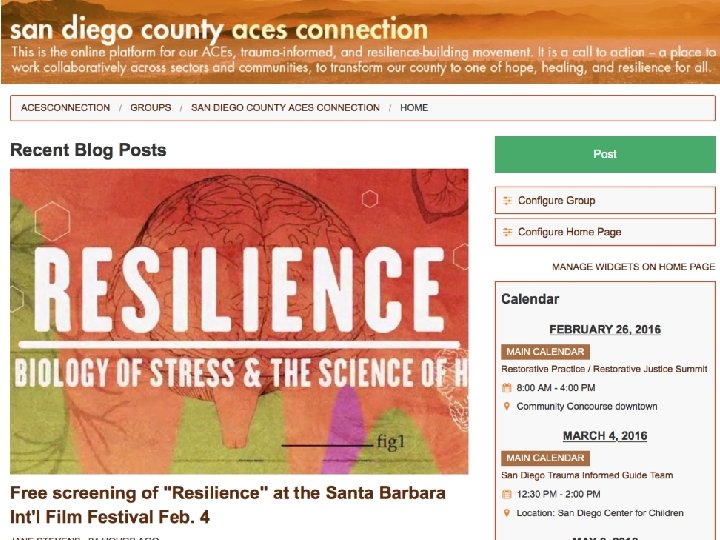
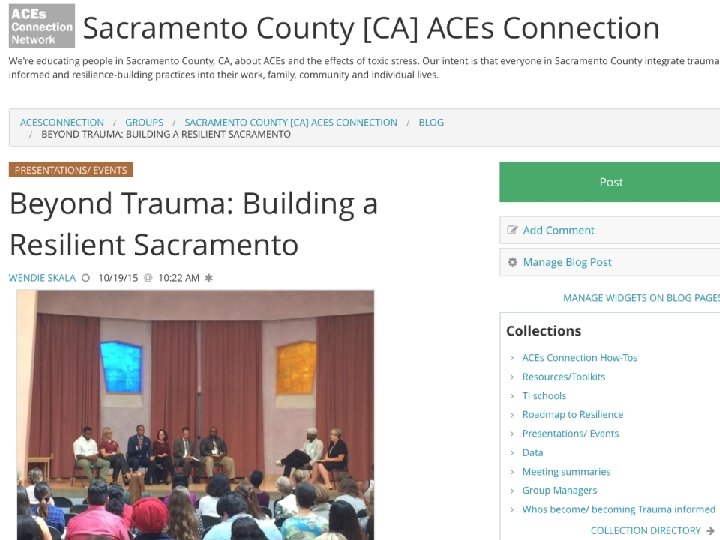
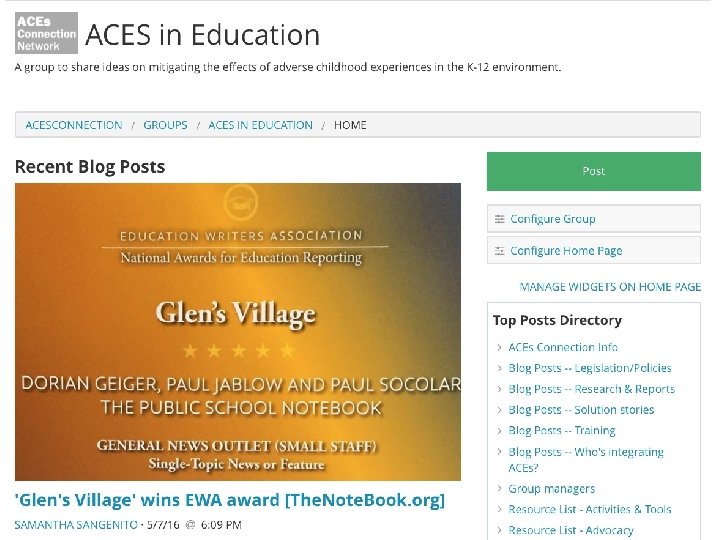
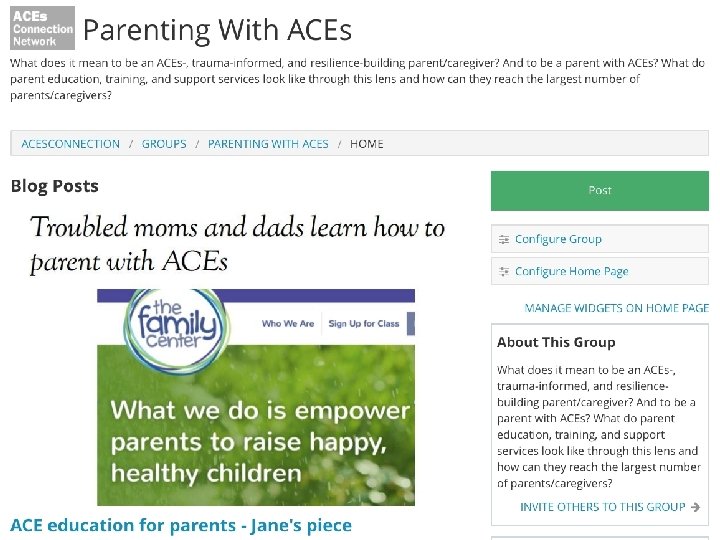
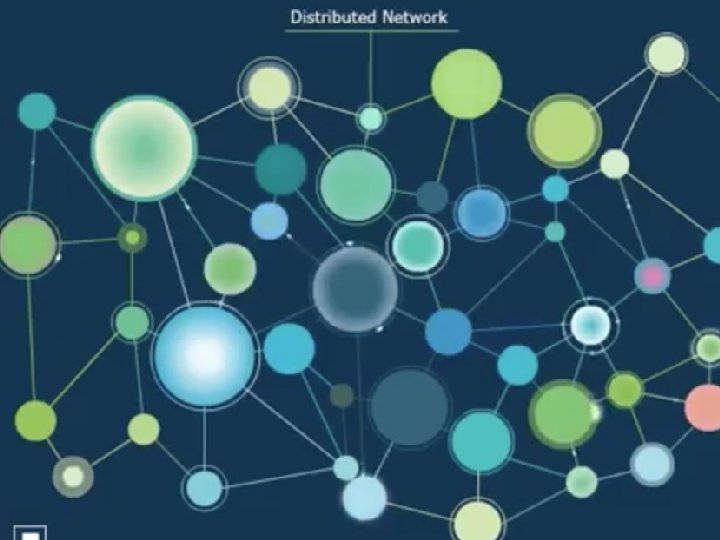
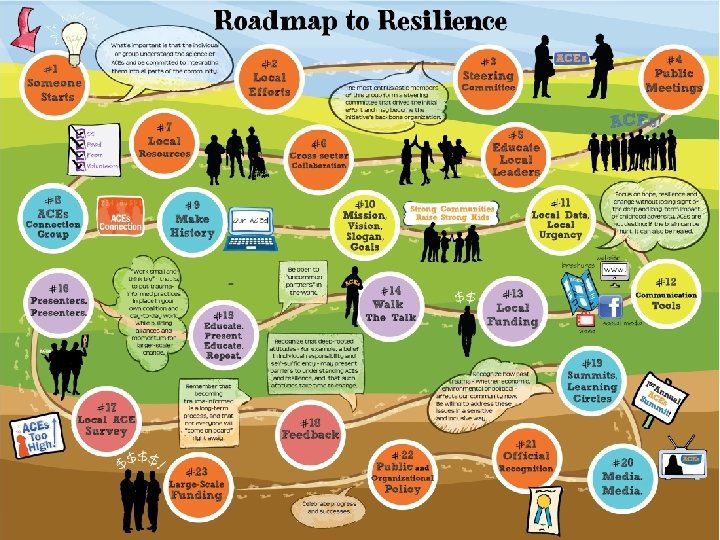
The goal…. . The entire community… …integrates trauma-informed/resiliencebuilding practices… …based on ACEs science.
The process… Educate…. Engage…. . Activate……. Celebrate!
The process… Educate…. Engage…. . Activate……. Celebrate!
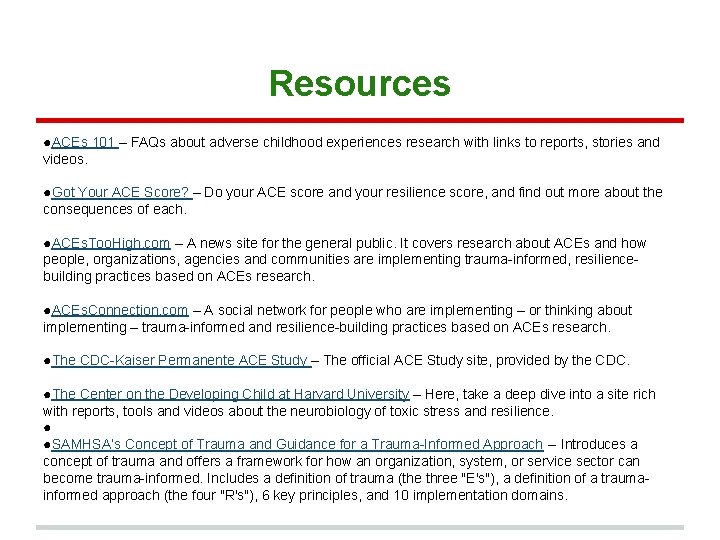
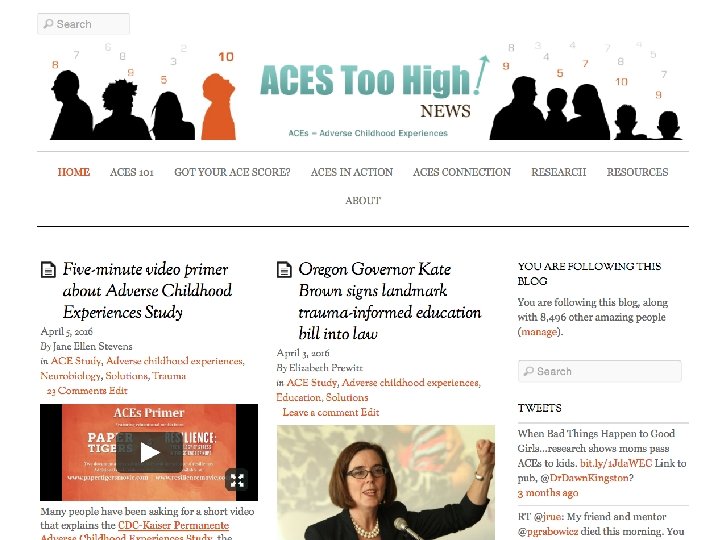
Resources ●ACEs 101 – FAQs about adverse childhood experiences research with links to reports, stories and videos. ●Got Your ACE Score? – Do your ACE score and your resilience score, and find out more about the consequences of each. ●ACEs. Too. High. com – A news site for the general public. It covers research about ACEs and how people, organizations, agencies and communities are implementing trauma-informed, resiliencebuilding practices based on ACEs research. ●ACEs. Connection. com – A social network for people who are implementing – or thinking about implementing – trauma-informed and resilience-building practices based on ACEs research. ●The CDC-Kaiser Permanente ACE Study – The official ACE Study site, provided by the CDC. ●The Center on the Developing Child at Harvard University – Here, take a deep dive into a site rich with reports, tools and videos about the neurobiology of toxic stress and resilience. ● ●SAMHSA’s Concept of Trauma and Guidance for a Trauma-Informed Approach -- Introduces a concept of trauma and offers a framework for how an organization, system, or service sector can become trauma-informed. Includes a definition of trauma (the three "E's"), a definition of a traumainformed approach (the four "R's"), 6 key principles, and 10 implementation domains.
- Slides: 37