
How Neurons Communicate Communication Between Neurons Neurotransmitters A

How Neurons Communicate: Communication Between Neurons

Neurotransmitters • A chemical messenger that travels across the synapse from one neuron to the next • Can influence whether the second neuron will generate an action potential or not
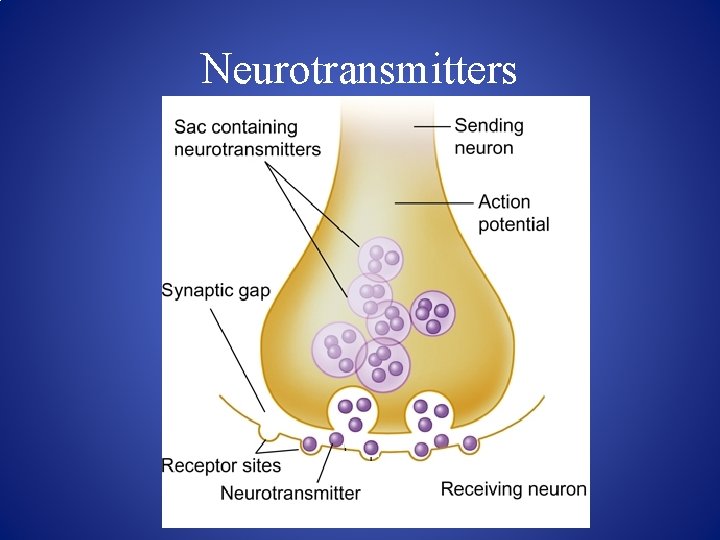
Neurotransmitters
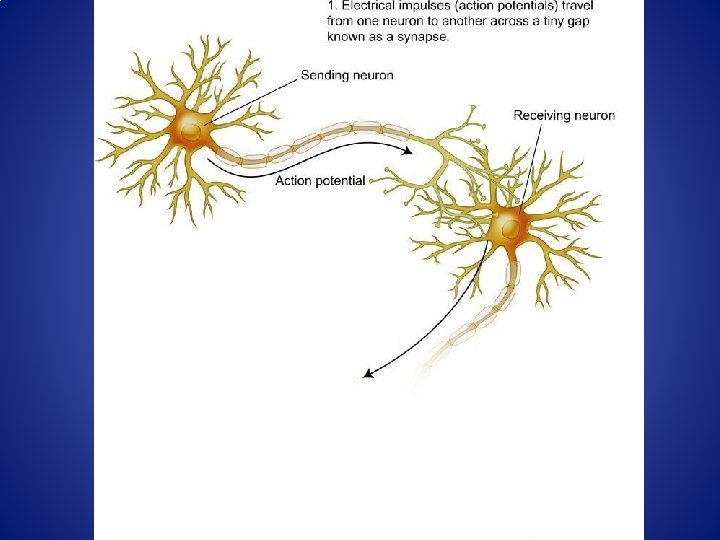
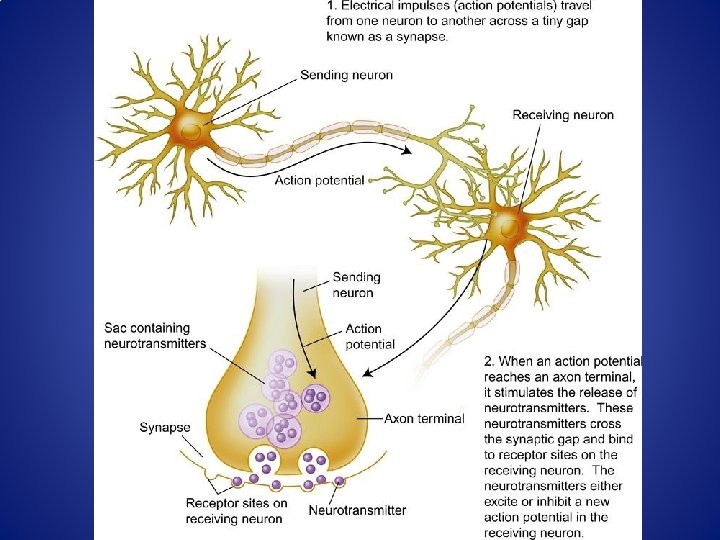
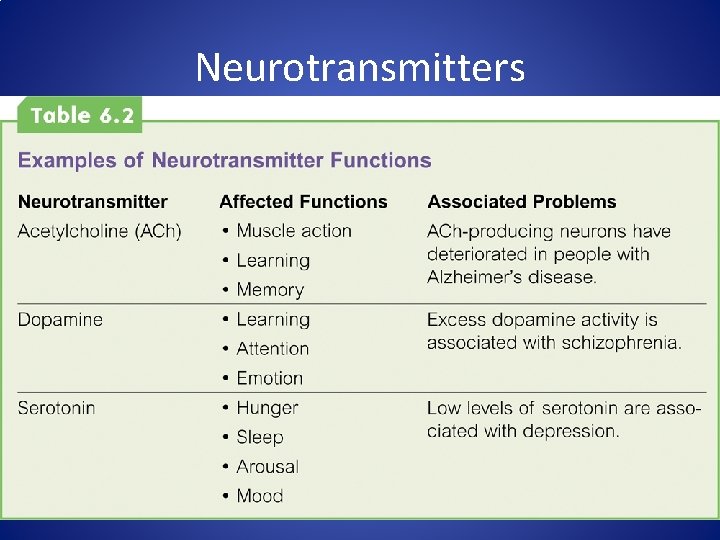
Neurotransmitters
The Structure of the Nervous System
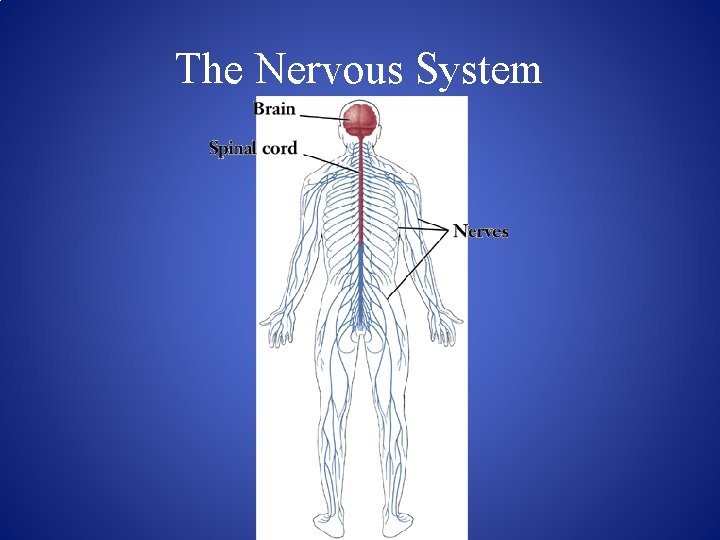
The Nervous System
Central Nervous System (CNS) • The brain and spinal cord • The brain is the location of most information processing. • The spinal cord is the main pathway to and from the brain.
Sympathetic Nervous System • The part of the autonomic nervous system that arouses the body to deal with perceived threats • Fight or flight response
Parasympathetic Nervous System • The part of the autonomic nervous system that calms the body • Brings the body back down to a relaxed state
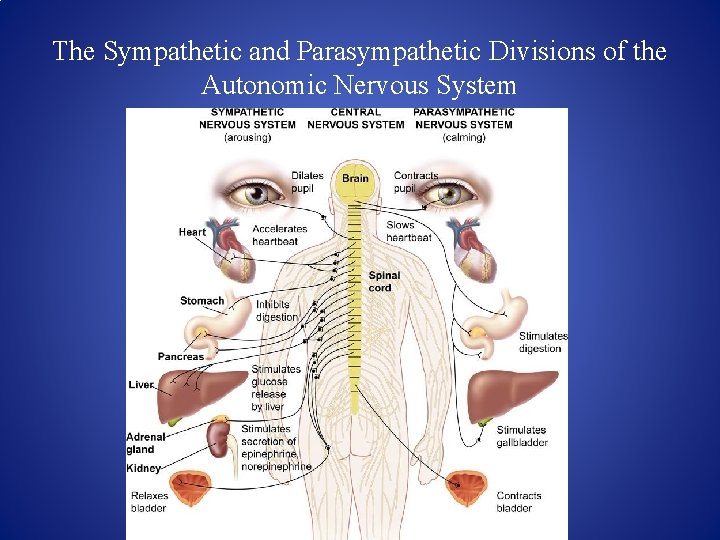
The Sympathetic and Parasympathetic Divisions of the Autonomic Nervous System
The Brain
Lower-Level Brain Structures: The Brainstem
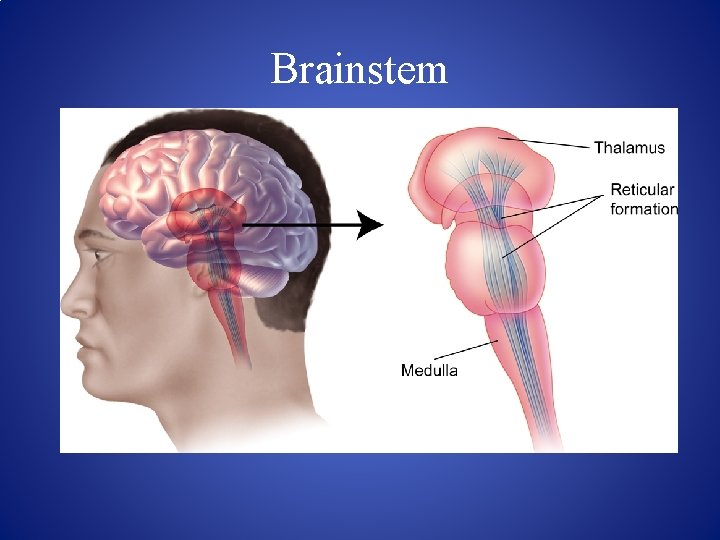
Brainstem • The oldest part and central core of the brain; • It begins where the spinal cord swells as it enters the skull • Is responsible for automatic survival functions
Brainstem
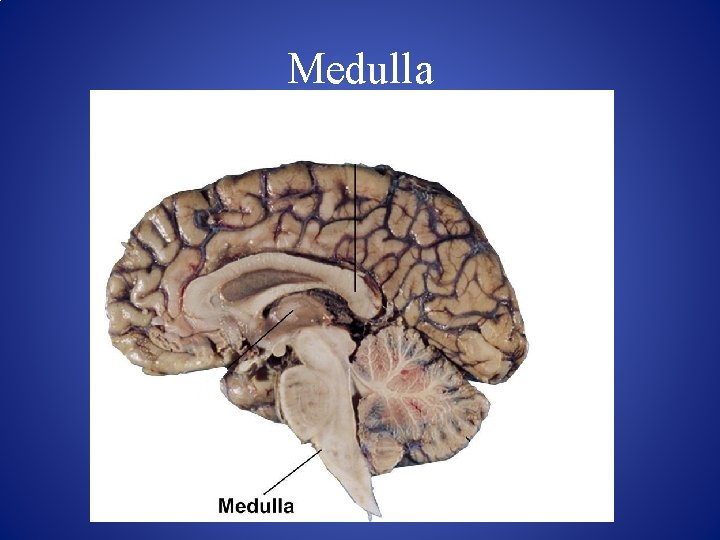
Medulla • Located at the base of the brainstem • Controls life-supporting functions like heartbeat and breathing • Damage to this area can lead to death.
Medulla
Reticular Formation • A nerve network in the brainstem that plays an important role in controlling wakefulness and arousal • Extending up and down the spinal cord into the brain • Controls an organism’s level of alertness • Damage to this area can cause a coma.
Lower-Level Brain Structures: The Thalamus
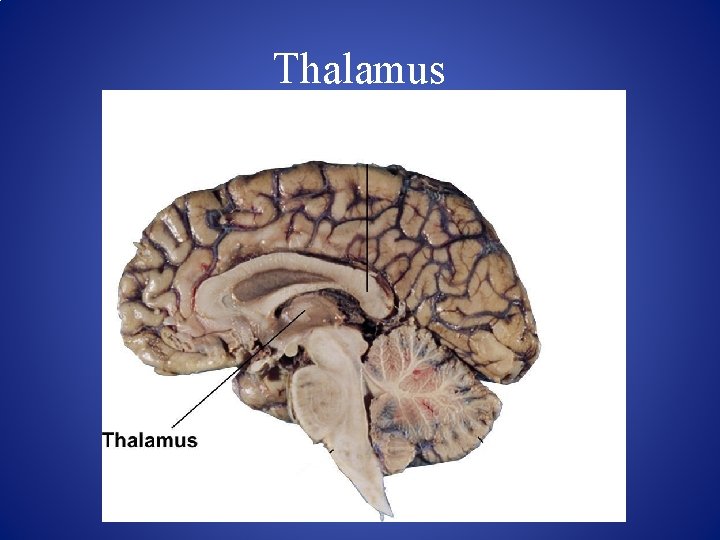
Thalamus • Sits atop the brainstem • The brain’s sensory switchboard – • Directs messages to the sensory receiving areas in the cortex • Thalamus is Greek for “inner chamber. ”
Thalamus
Lower-Level Brain Structures: The Cerebellum
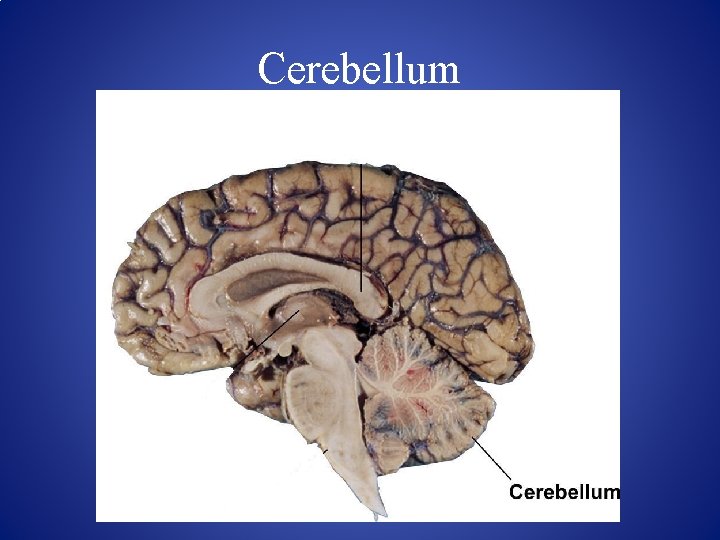
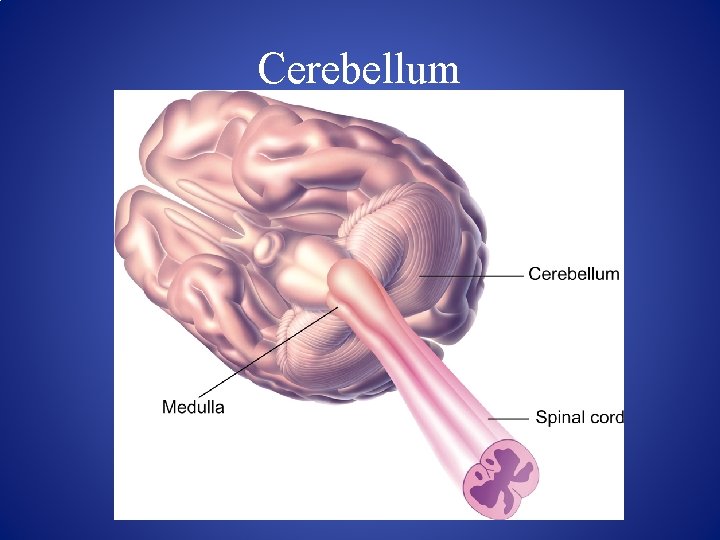
Cerebellum • Latin for the “little brain” • Attached to the rear of the brain • Helps coordinate voluntary movements and balance • If damaged, the person could perform basic movements but would lose fine coordination skills.
Cerebellum
Cerebellum
Lower-Level Brain Structures: The Limbic System
Limbic System • A ring of structures at the border of the brainstem and cerebral cortex • Helps regulate memory, aggression, fear, hunger, and thirst • Includes the hypothalamus, hippocampus, and amygdala
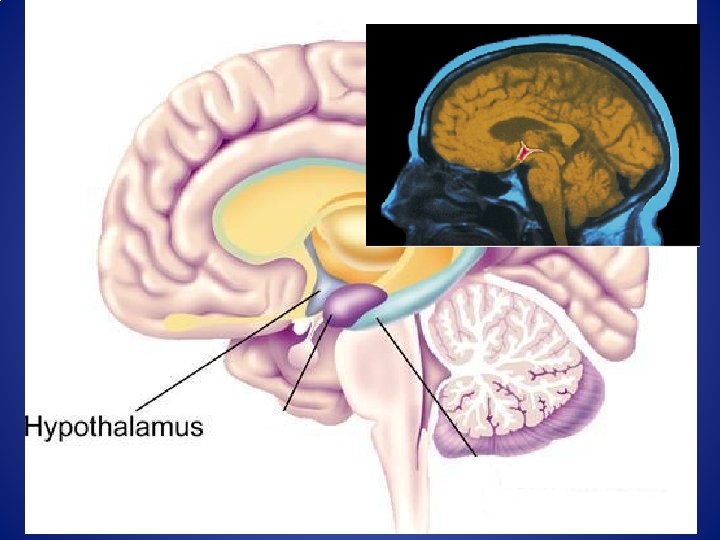
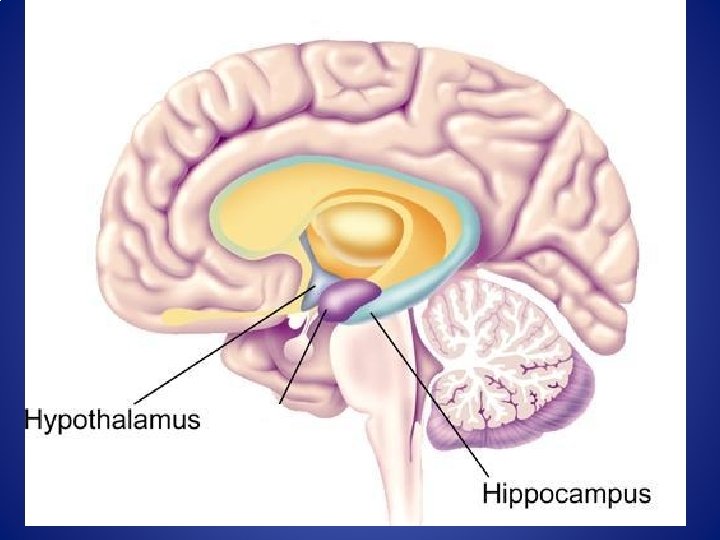
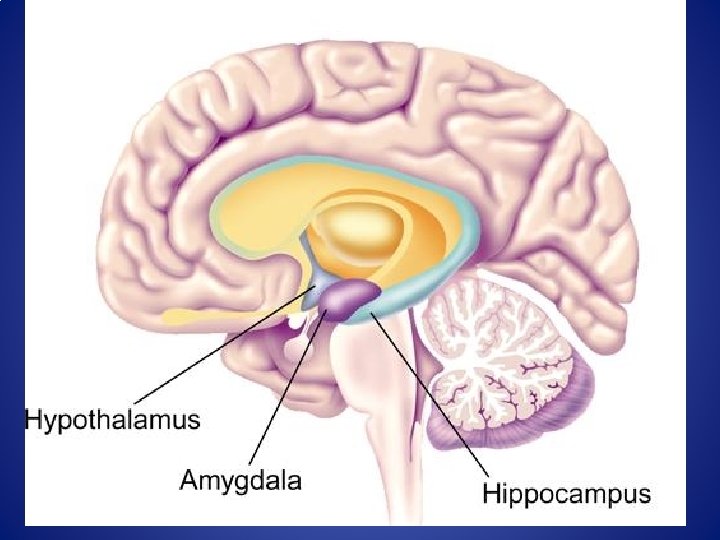
Hypothalamus • A neural structure lying below the thalamus • Regulates the body’s maintenance activities such as; eating, drinking, body temperature, and it linked to emotion • Plays a role in emotions, pleasure, and sexual function
Hippocampus • A neural center located in the limbic system that wraps around the back of the thalamus • Helps processing new memories for permanent storage • Looks something like a seahorse – Hippo is Greek for “horse. ”
Amygdala • Two almond shaped neural cluster in the limbic system • Controls emotional responses such as fear and anger
The Cerebral Cortex
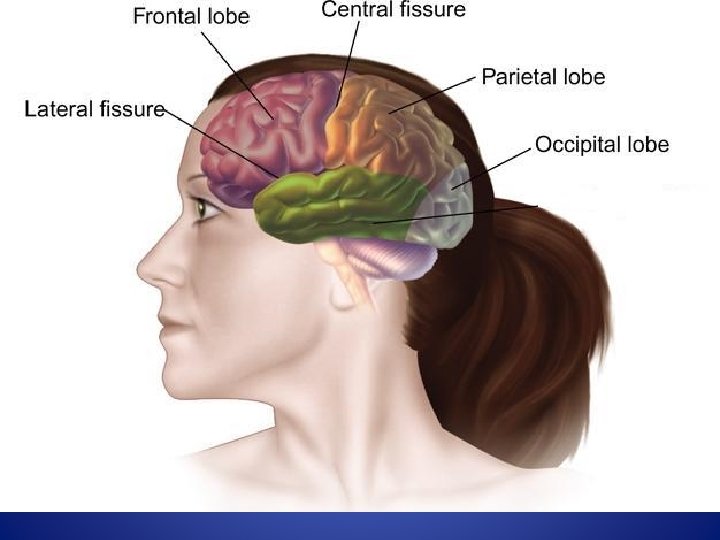
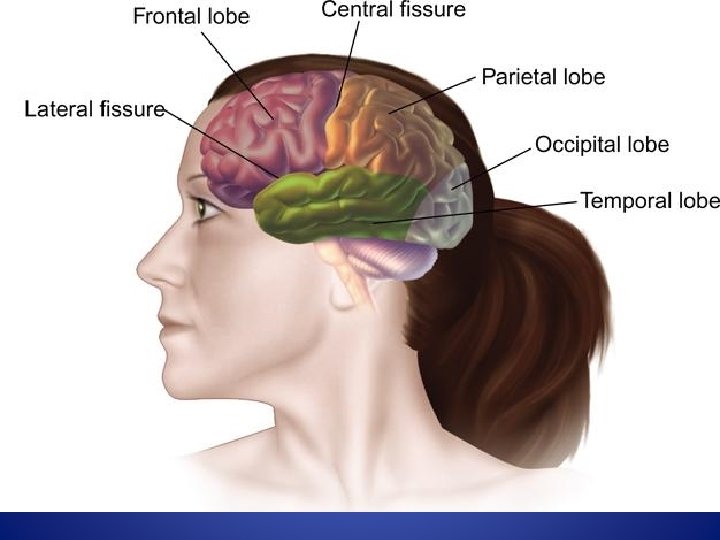
Cerebral Cortex • The intricate fabric of interconnected neurons that form the body’s ultimate control and information processing center • Covers the brain’s lower level structures • Contains an estimated 30 billion nerve cells • Divided into four lobes
Corpus Callosum • The large band of neural fibers that connects the two brain hemispheres and allows them to communicate with each other • Is sometimes cut to prevent seizures
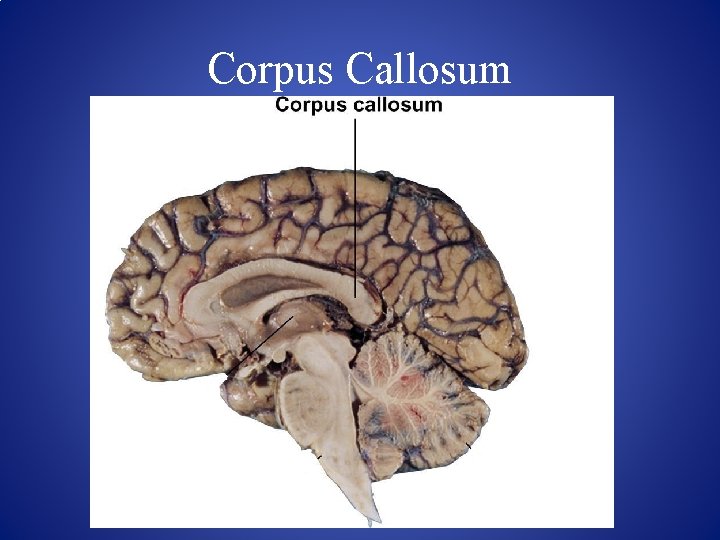
Corpus Callosum
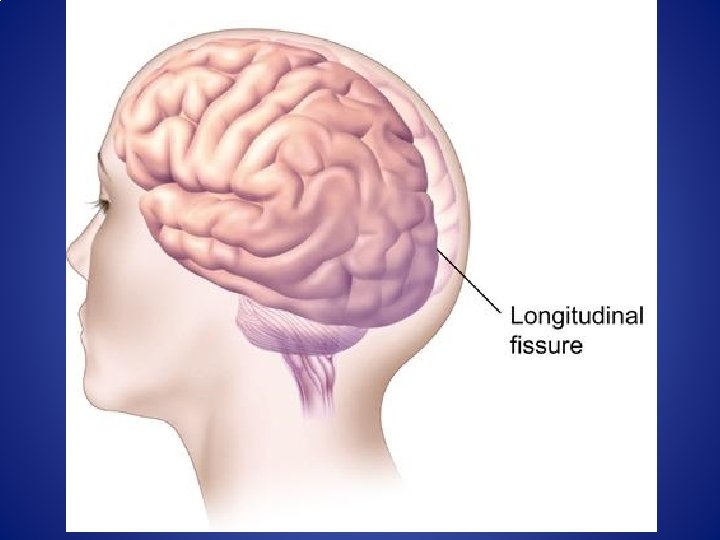
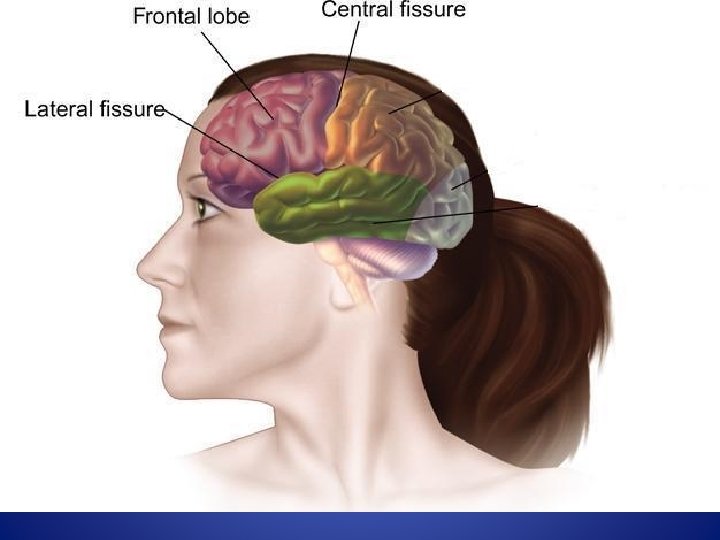
Longitudinal Fissure • The long crevice that divides the cerebral cortex into left and right hemispheres • This and other fissures in the brain create major divisions in the brain called lobes
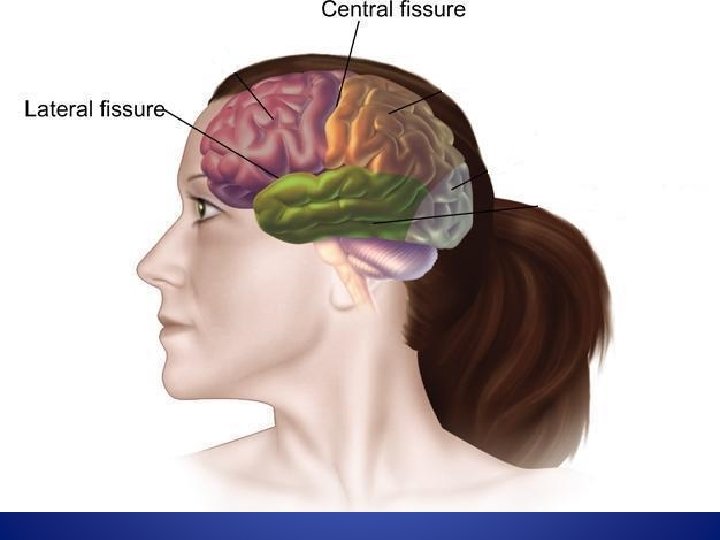
Frontal Lobes • The portion of the cerebral cortex lying just behind the forehead • Is involved in planning and judgments • Includes the motor cortex • http: //www. learner. org/vod_windo w. html? pid=1592
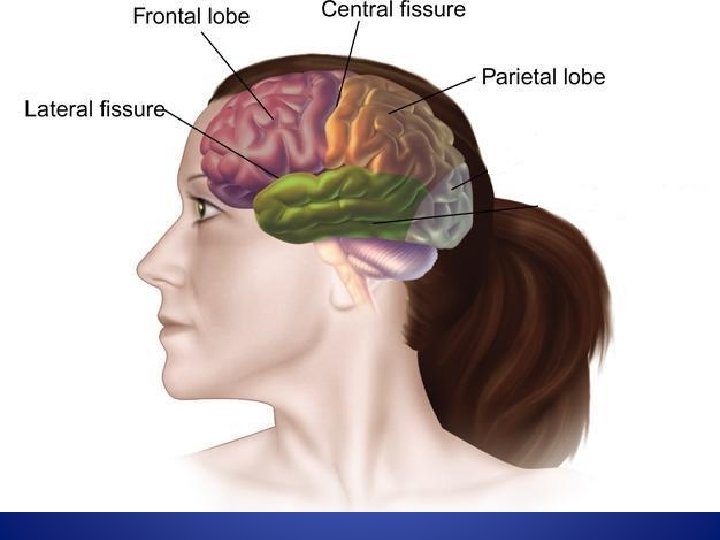
Parietal Lobes • The portion of the cerebral cortex lying on the top of the head and toward the rear • Includes the somatosensory cortex and general association areas used in processing information • Regions available for general processing, including mathematical reasoning • Designated as the association lobes • Behind the frontal lobes
Occipital Lobe • The portion of the cerebral cortex lying at the back of the head • It includes the primary visual processing areas of the brain
Temporal Lobes • Includes the auditory (hearing) areas of the brain • Where sound information is processed • Located roughly above the ears
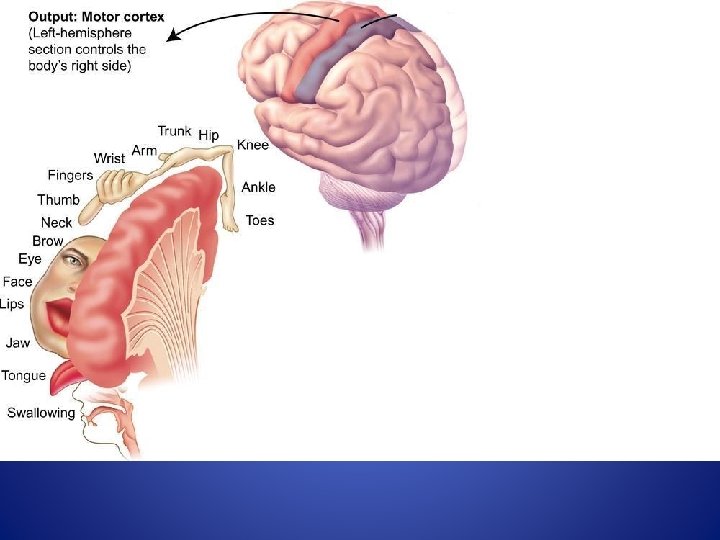
Motor Cortex • The strip of brain tissue at the rear of the frontal lobes • Controls voluntary movement • Different parts of the cortex control different parts of the body. • The motor cortex in the left hemisphere controls the right side of the body and visa versa.
Differences Between the Two Hemispheres
Hemispheric Differences • “Left-brained” and “right-brained” debunked • Brain is divided into two hemispheres but works as a single entity. • Both sides continually communicate via the corpus callosum, except in those with split brains.
Differences Between the Two Hemispheres: Language and Spatial Abilities
The Brain’s Left Hemisphere • For most people, language functions are in the left hemisphere. • For a small percentage of people, language functions are in the right hemisphere.
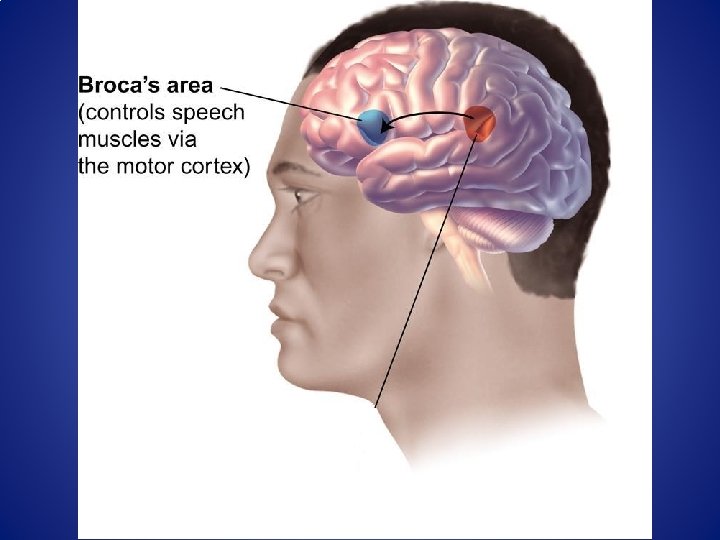
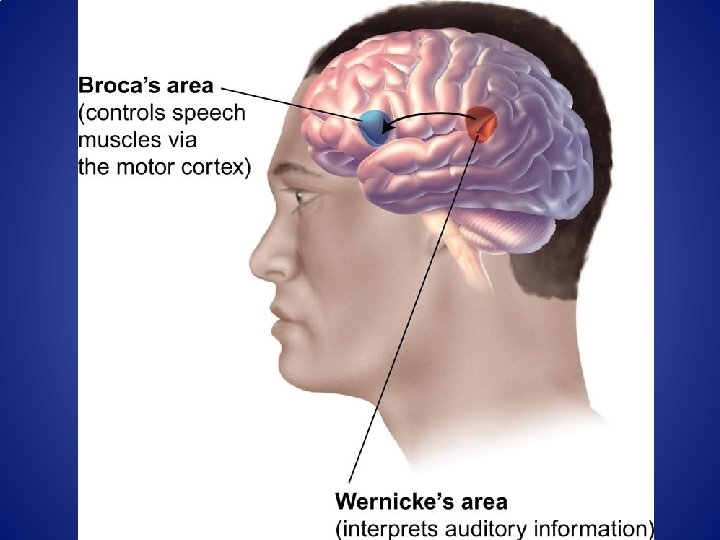
Broca’s Area • The brain area of the left frontal lobe • Directs the muscle movements involve in speech • If damaged the person can form the ideas but cannot express them as speech
Wernicke’s Area • A brain area of the left temporal lobe • Involved in language comprehension and expression • Our ability to understand what is said to us • Usually in the left temporal lobe
The Brain’s Right Hemisphere • Houses the brain’s spatial abilities • Our spatial ability allows us to perceive or organize things in a given space, judge distance, etc. • Helps in making connections between words
Split brain patients • https: //www. youtube. com/watch? v=a. Cv 4 K 5 a Std. U
The Endocrine System
Endocrine System • One of the body’s two communication systems • A set of glands that produce hormones-chemical messengers that circulate in the blood
Hormone • Chemical messengers produced by the endocrine glands and circulated in the blood • Similar to neurotransmitters in that they are also messengers • Slower communication system, but with longer lasting effects
Pituitary Gland • The endocrine system’s gland that, in conjunction with the brain, controls the other endocrine glands • Called the “master gland” • Located at the base of the brain and connects to the hypothalamus
Thyroid Gland • Endocrine gland that helps regulate the energy level in the body • Located in the neck
Adrenal Gland • Endocrine glands that help to arouse the body in times of stress • Located just above the kidneys • Release epinephrine (adrenaline) and norepinephrine (noradrenaline)
Sex Glands • Ovaries (females) and testes (males) are the glands that influence emotion and physical development. • Testosterone – primary males hormone • Estrogen – primary female hormone • Males and females have both estrogen and testosterone in their systems.
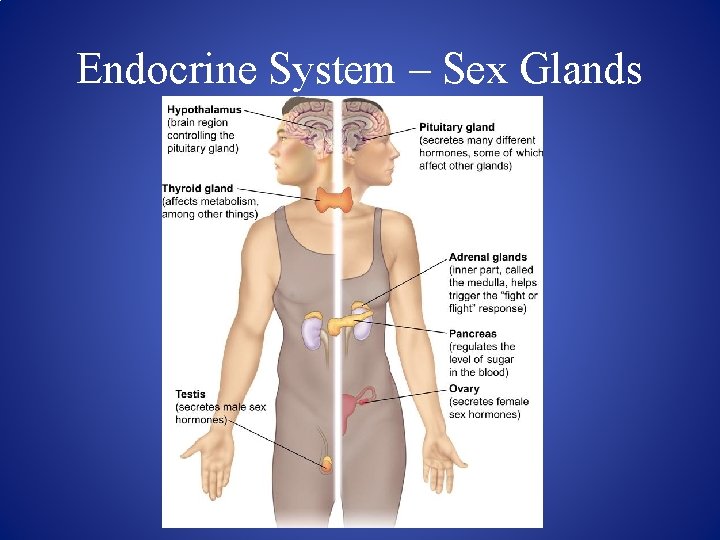
Endocrine System – Sex Glands
- Slides: 69