
How many stages of cell division do you
- Slides: 19
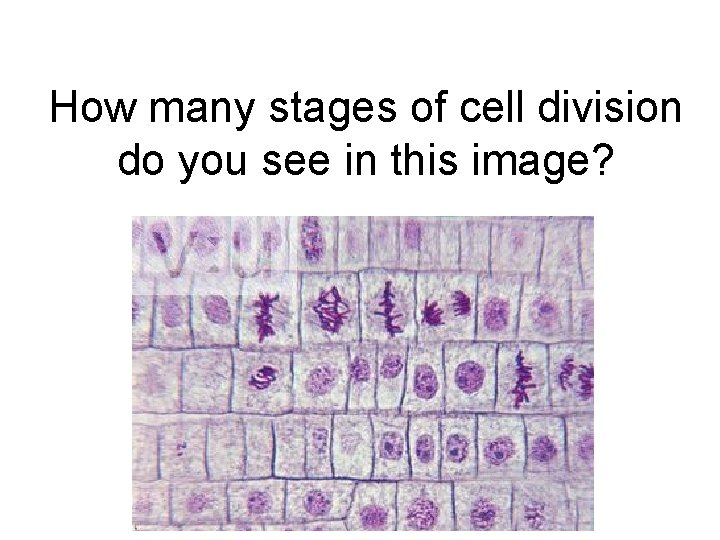
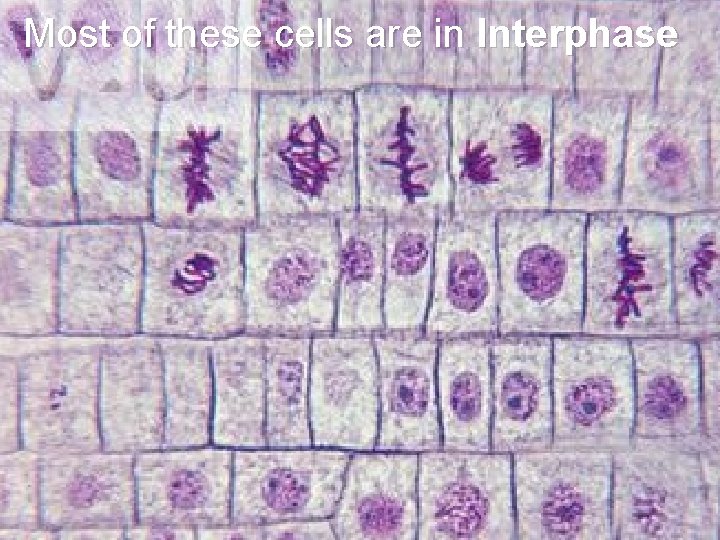
How many stages of cell division do you see in this image?
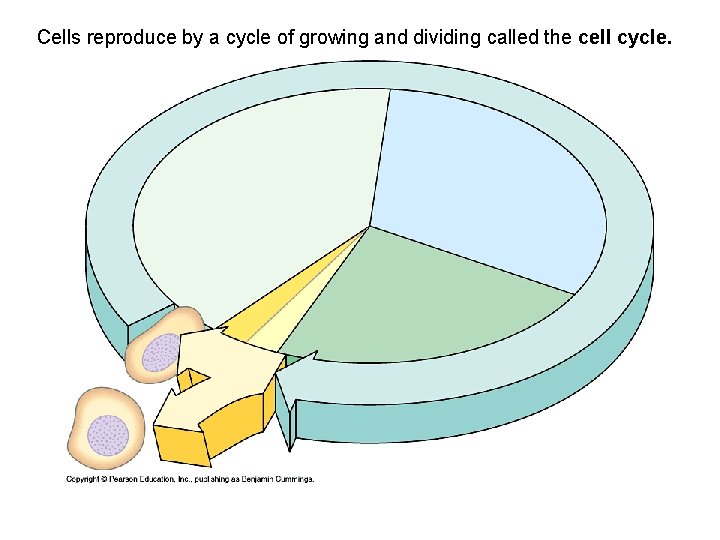
Cells reproduce by a cycle of growing and dividing called the cell cycle.
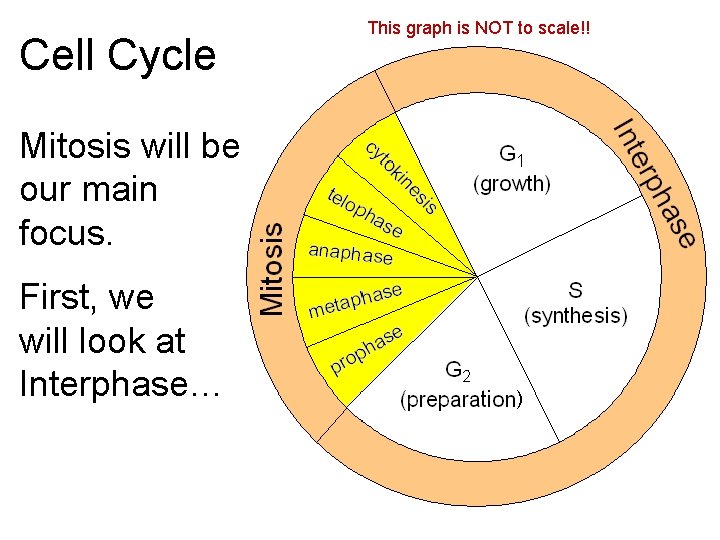
Cell Cycle This graph is NOT to scale!! Mitosis will be our main focus. First, we will look at Interphase… )
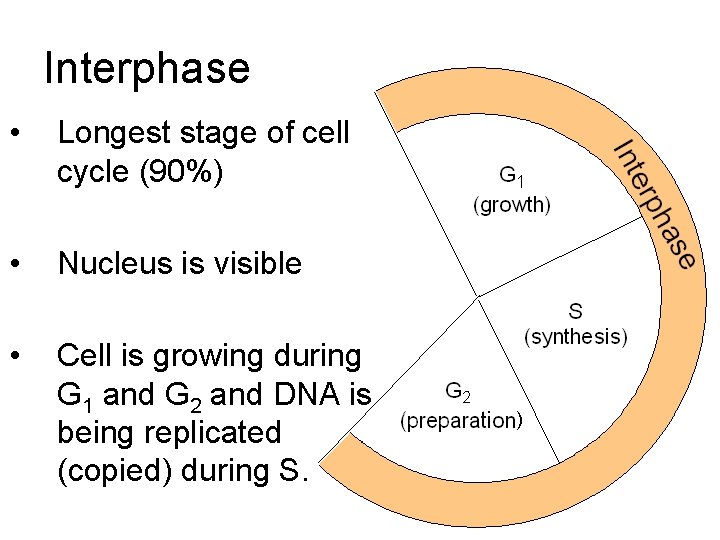
Interphase • Longest stage of cell cycle (90%) • Nucleus is visible • Cell is growing during G 1 and G 2 and DNA is being replicated (copied) during S. )
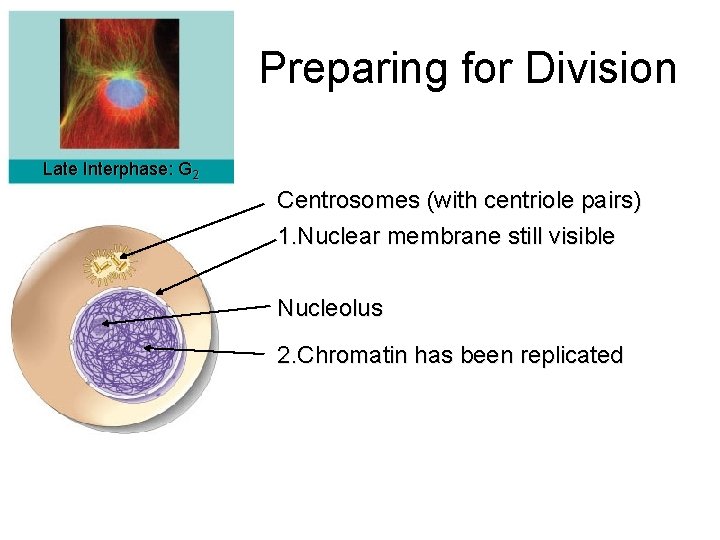
Most of these cells are in Interphase: 3 Phases 1. G 1: Cell is Growing 2. S: DNA is Synthesized (DNA Replication) 3. G 2: Cell growth; Organelles duplicate in preparation for division )
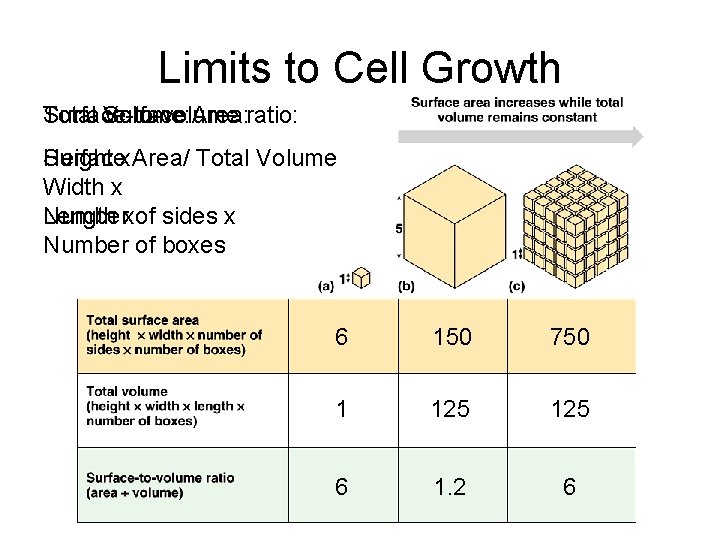
Limits to Cell Growth Surface-to-volume Total Volume: Surface Area: ratio: Surface Height x Area/ Total Volume Width x Numberxof sides x Length Number of boxes 6 150 750 1 125 6 1. 2 6
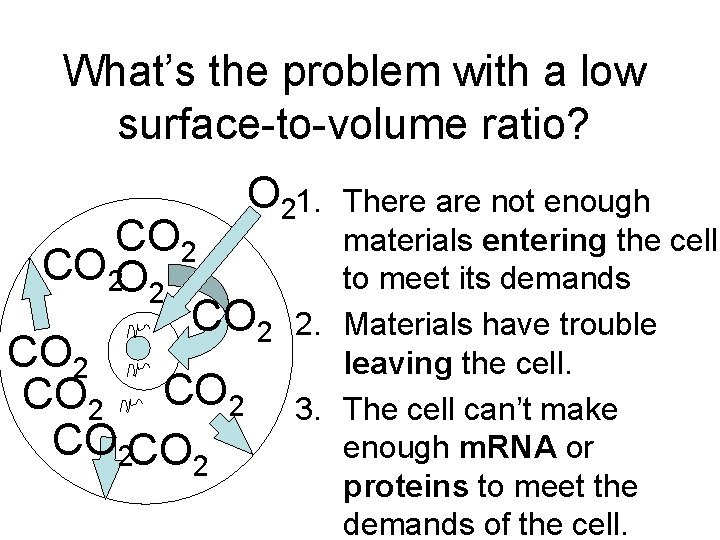
What’s the problem with a low surface-to-volume ratio? O 21. There are not enough materials entering the cell CO 2 O to meet its demands 2 CO 2 2. Materials have trouble CO 2 leaving the cell. CO 2 3. The cell can’t make CO 2 enough m. RNA or proteins to meet the demands of the cell.
What are the key roles of cell division? • Cell division functions in: – Reproduction for some organisms – Growth of an organism from a fertilized egg – Repair of cells that die from normal wear and tear or accidents • Cell division distributes identical sets of chromosomes to daughter cells
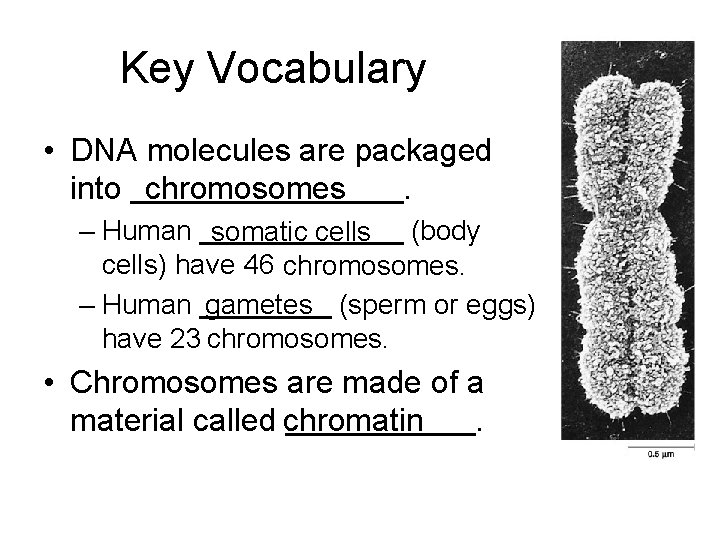
Key Vocabulary • DNA molecules are packaged into chromosomes. – Human somatic cells (body cells) have 46 chromosomes. – Human gametes (sperm or eggs) have 23 chromosomes. • Chromosomes are made of a material called chromatin.
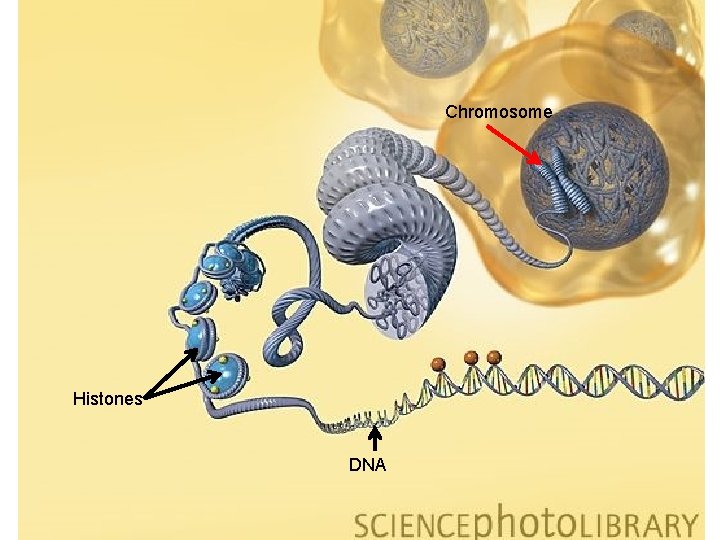
Key Vocabulary Chromosome • Chromatin is composed of DNA and proteins. • DNA is supercoiled around proteins called. histones • Together the DNA and histone proteins form bead-like structures called nucleosomes Histones DNA
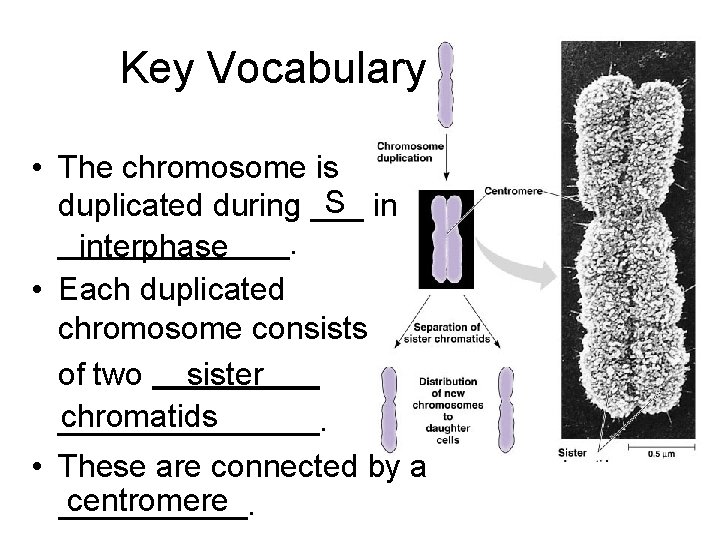
Key Vocabulary • The chromosome is S in duplicated during ________. interphase • Each duplicated chromosome consists of two sister chromatids. • These are connected by a centromere.
Mitosis (M Phase) The M Phase consists of: • Mitosis and Cytokinesis Four Stages of Mitosis: Prophase Metaphase Anaphase Telophase
Preparing for Division Late Interphase: G 2 Centrosomes (with centriole pairs) 1. Nuclear membrane still visible Nucleolus 2. Chromatin has been replicated
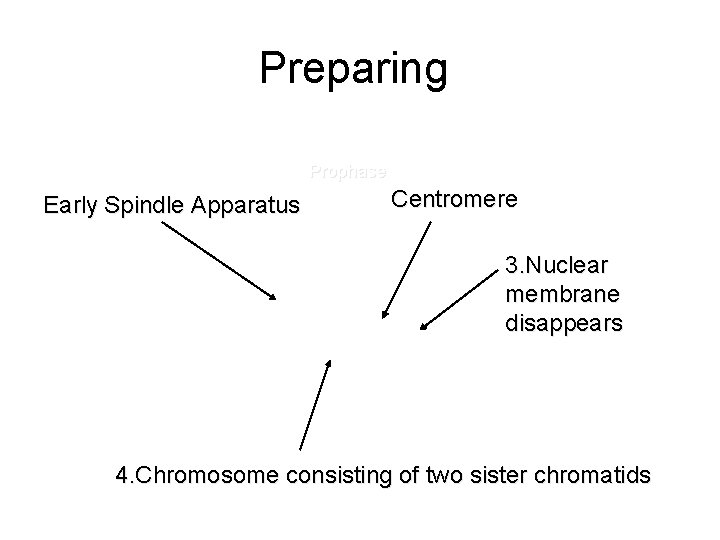
Preparing for Division Late Interphase: G 2 Early Spindle Apparatus Prophase Centromere 3. Nuclear membrane disappears 4. Chromosome consisting of two sister chromatids
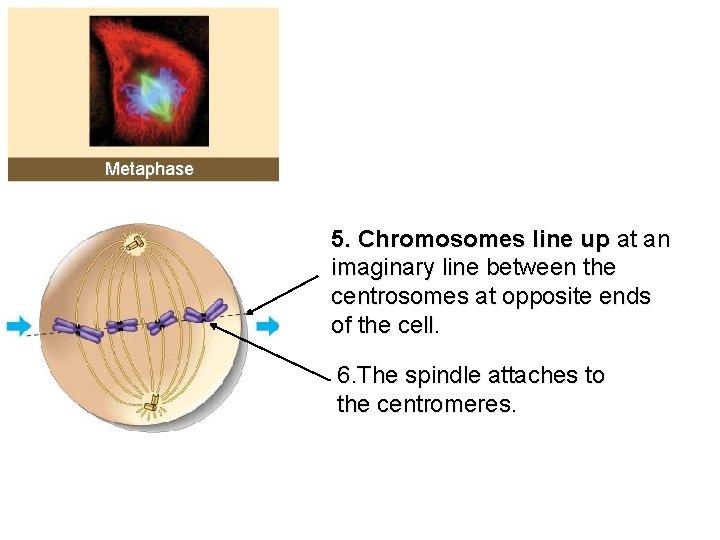
Metaphase 5. Chromosomes line up at an imaginary line between the centrosomes at opposite ends of the cell. 6. The spindle attaches to the centromeres.
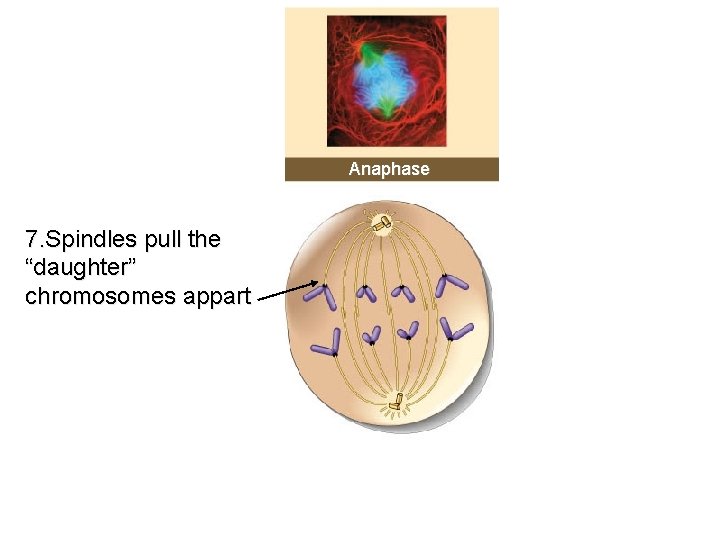
Anaphase 7. Spindles pull the “daughter” chromosomes appart
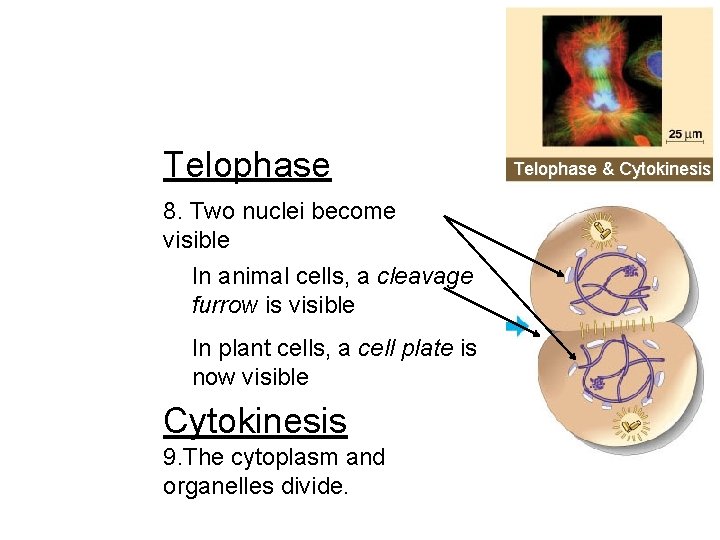
Telophase 8. Two nuclei become visible In animal cells, a cleavage furrow is visible In plant cells, a cell plate is now visible Cytokinesis 9. The cytoplasm and organelles divide. Telophase & Cytokinesis
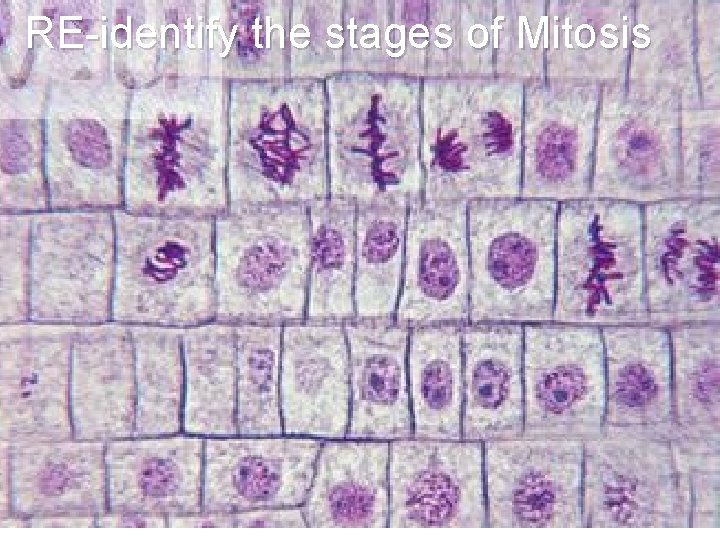
RE-identify the stages of Mitosis Interphase: 3 Phases 1. G 1: Cell is Growing 2. S: DNA is Synthesized (DNA Replication) 3. G 2: Organelles duplicate in preparation for division )
What’s the end product? • Two identical daughter cells ready to start the cycle again… or not. • Some cells (like your nerve and muscle cells) do not undergo division. • For those that do (your skin and the lining of your intestinal tract) how would you know how quickly division takes place?