
How long will your sentence be Image source
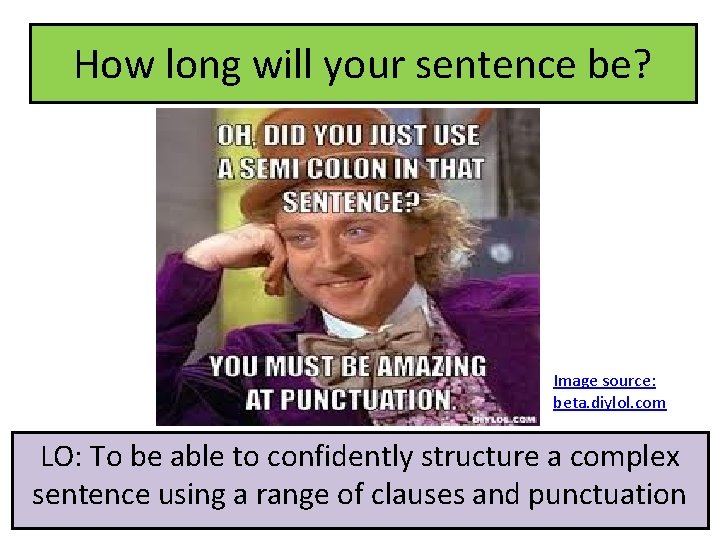
How long will your sentence be? Image source: beta. diylol. com LO: To be able to confidently structure a complex sentence using a range of clauses and punctuation
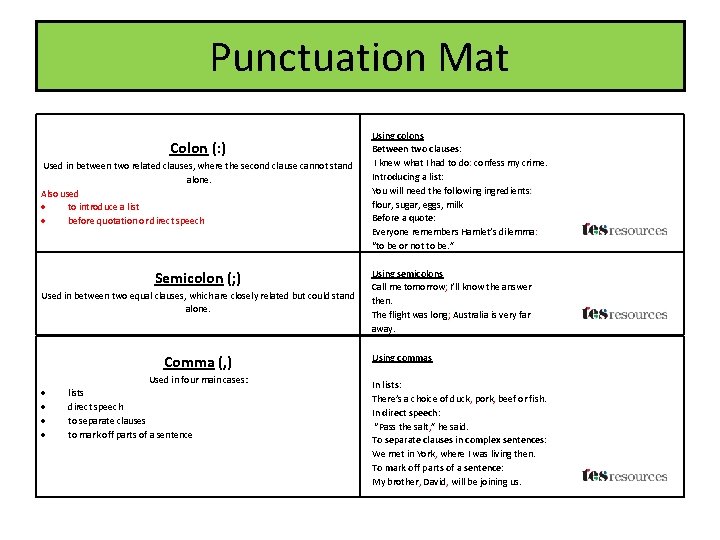
Punctuation Mat Colon (: ) Used in between two related clauses, where the second clause cannot stand alone. Also used to introduce a list before quotation or direct speech Semicolon (; ) Used in between two equal clauses, which are closely related but could stand alone. Comma (, ) Used in four main cases: lists direct speech to separate clauses to mark off parts of a sentence Using colons Between two clauses: I knew what I had to do: confess my crime. Introducing a list: You will need the following ingredients: flour, sugar, eggs, milk Before a quote: Everyone remembers Hamlet’s dilemma: “to be or not to be. ” Using semicolons Call me tomorrow; I’ll know the answer then. The flight was long; Australia is very far away. Using commas In lists: There’s a choice of duck, pork, beef or fish. In direct speech: “Pass the salt, ” he said. To separate clauses in complex sentences: We met in York, where I was living then. To mark off parts of a sentence: My brother, David, will be joining us.
Putting a Sentence Together Her bottom plate was not in, and her upper lip protruded; from time to time she would draw her nether lip to her upper plate and carry her chin with it. farrahplatedds. com
Checking Your Work Her bottom plate was not in, and her upper lip protruded; from time to time she would draw her nether lip to her upper plate and carry her chin with it. curatorofmrsdubose. tumblr. com farrahplatedds. com

Putting a Sentence Together who limped, and shivered, and glared and growled; A man who had been soaked in water, and cut by flints, and stung by nettles, and smothered in mud, and lamed by stones, and torn by briars; and whose teeth chattered in his head as he seized me by the chin.
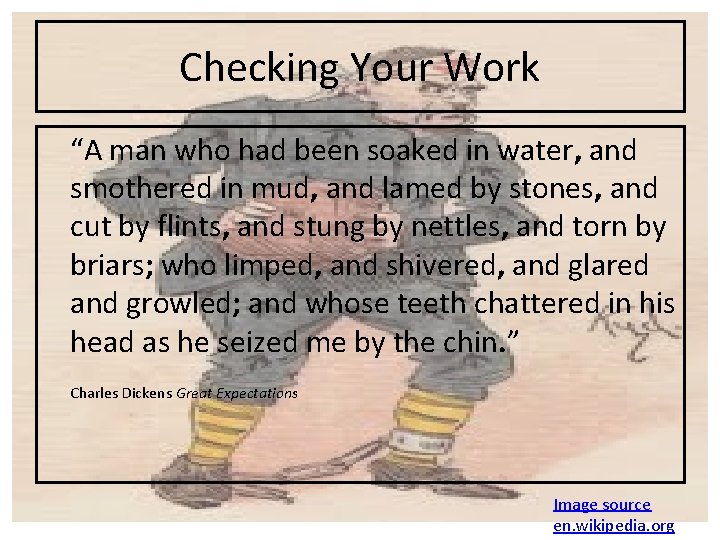
Checking Your Work “A man who had been soaked in water, and smothered in mud, and lamed by stones, and cut by flints, and stung by nettles, and torn by briars; who limped, and shivered, and glared and growled; and whose teeth chattered in his head as he seized me by the chin. ” Charles Dickens Great Expectations Image source en. wikipedia. org
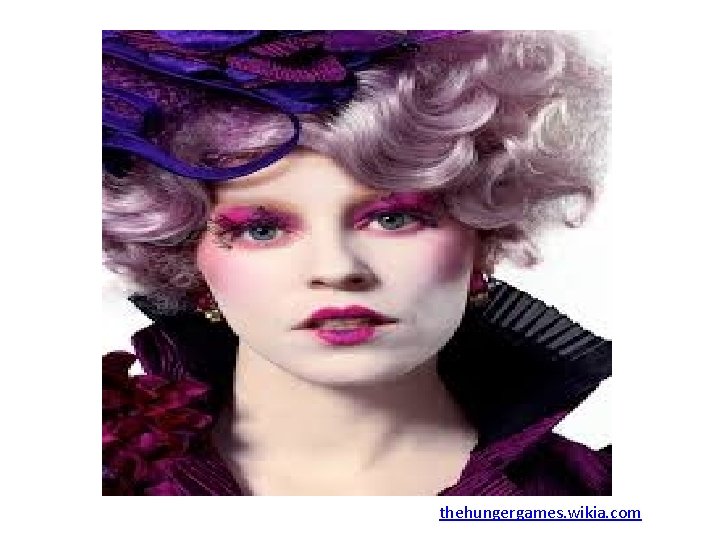
thehungergames. wikia. com
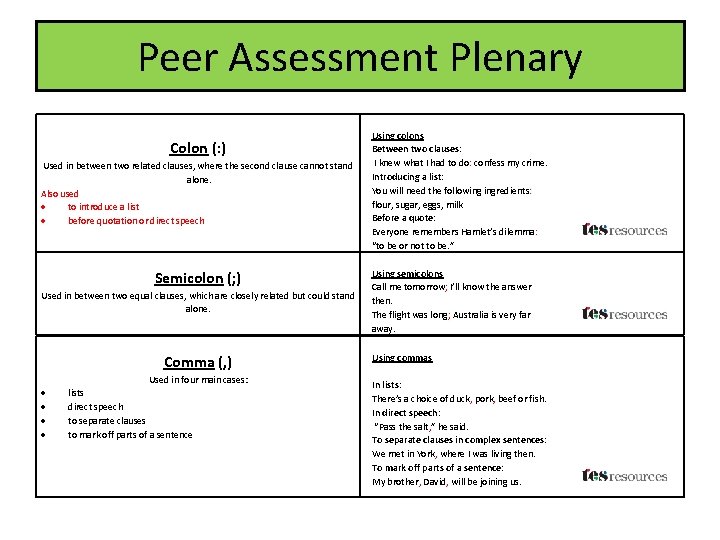
Peer Assessment Plenary Colon (: ) Used in between two related clauses, where the second clause cannot stand alone. Also used to introduce a list before quotation or direct speech Semicolon (; ) Used in between two equal clauses, which are closely related but could stand alone. Comma (, ) Used in four main cases: lists direct speech to separate clauses to mark off parts of a sentence Using colons Between two clauses: I knew what I had to do: confess my crime. Introducing a list: You will need the following ingredients: flour, sugar, eggs, milk Before a quote: Everyone remembers Hamlet’s dilemma: “to be or not to be. ” Using semicolons Call me tomorrow; I’ll know the answer then. The flight was long; Australia is very far away. Using commas In lists: There’s a choice of duck, pork, beef or fish. In direct speech: “Pass the salt, ” he said. To separate clauses in complex sentences: We met in York, where I was living then. To mark off parts of a sentence: My brother, David, will be joining us.
- Slides: 8