
How is behavior altered by classical conditioning Paradigms
How is behavior altered by classical conditioning? • Paradigms of classical conditioning • Aversive vs. appetitive conditioning • Conditioning and extinction • Generalization and discrimination • Conditioning and “belongingness”
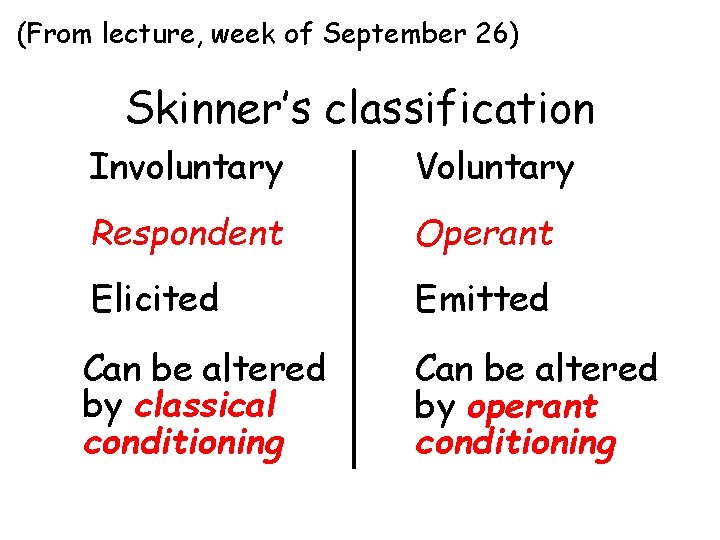
(From lecture, week of September 26) Skinner’s classification Involuntary Voluntary Respondent Operant Elicited Emitted Can be altered by classical conditioning Can be altered by operant conditioning
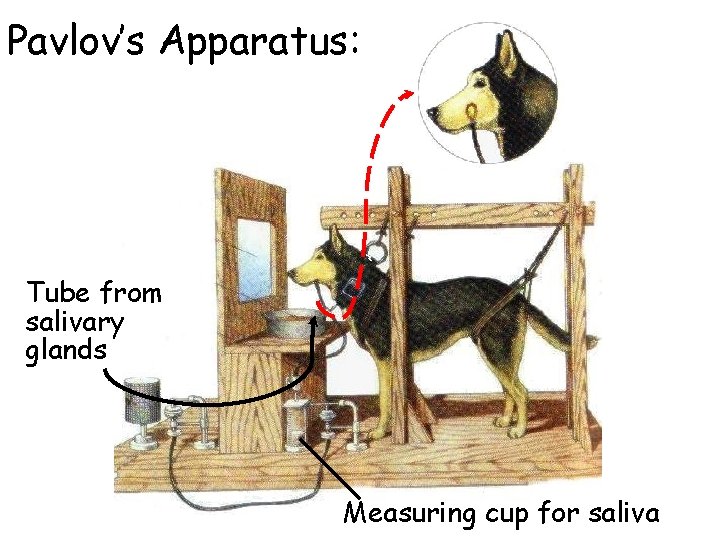
Pavlov’s Apparatus: Tube from salivary glands Measuring cup for saliva
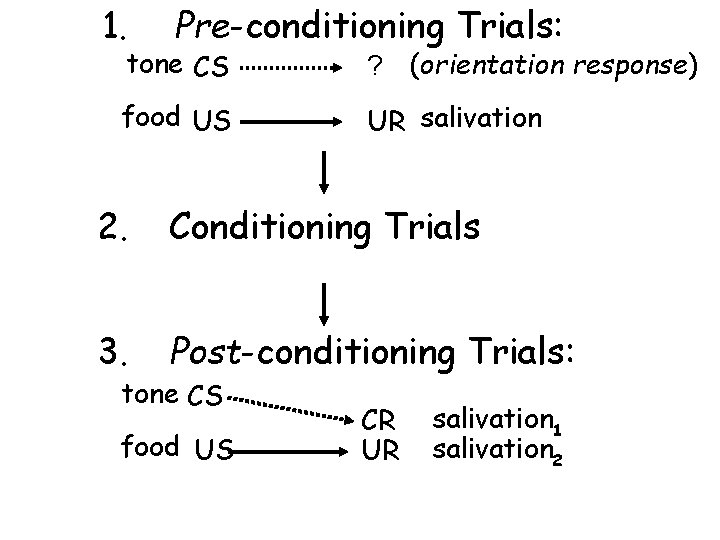
1. Pre-conditioning Trials: tone CS ? (orientation response) food US UR salivation 2. Conditioning Trials 3. Post-conditioning Trials: tone CS food US CR UR salivation 1 salivation 2
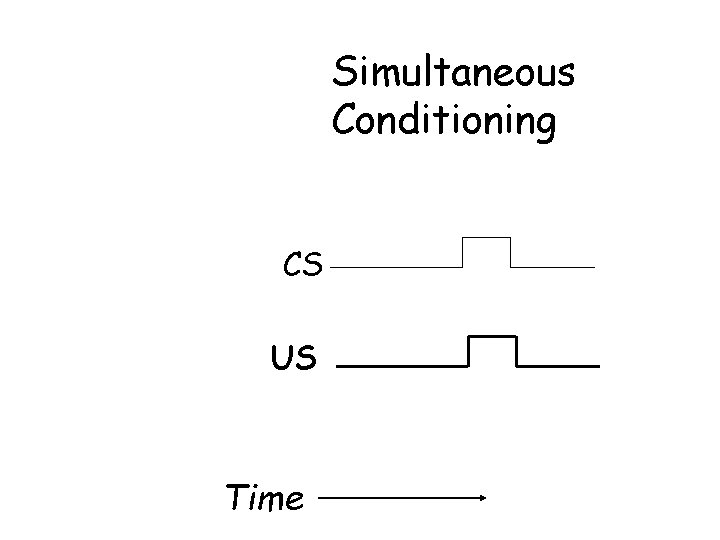
Simultaneous Conditioning CS US Time
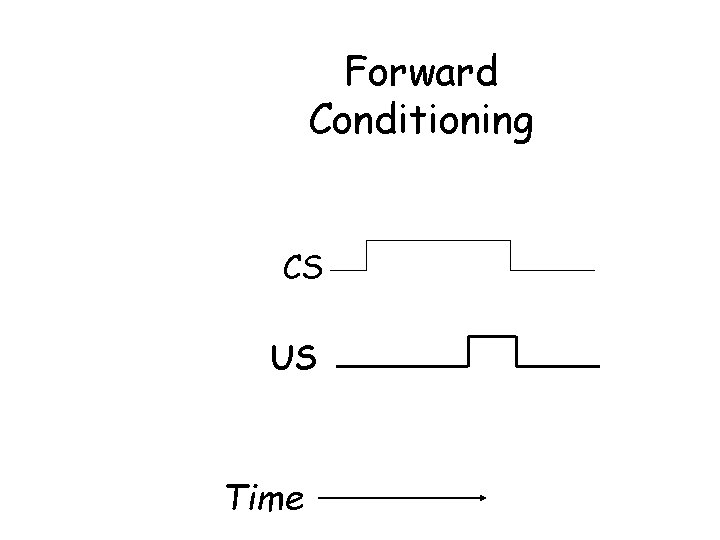
Forward Conditioning CS US Time
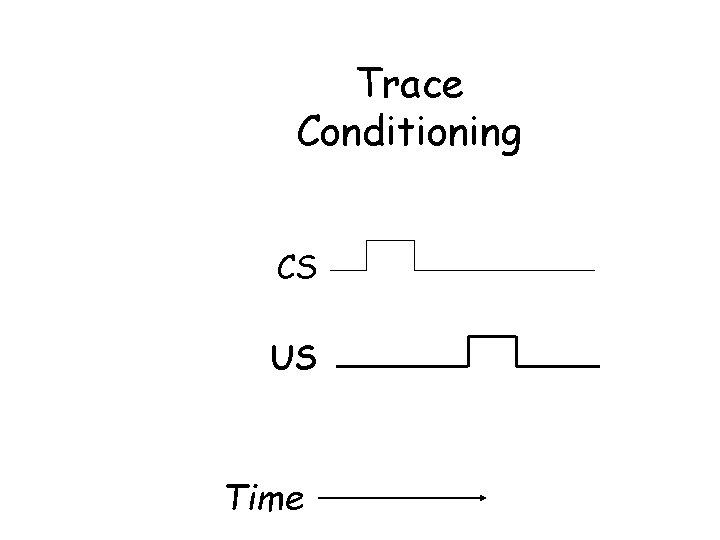
Trace Conditioning CS US Time
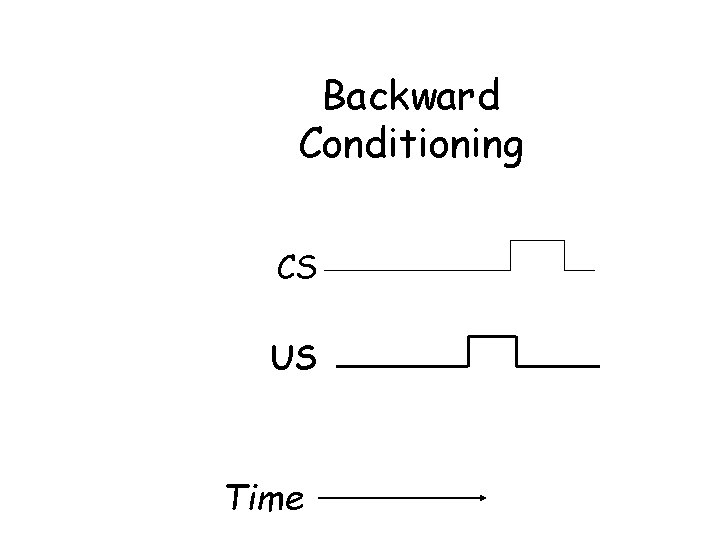
Backward Conditioning CS US Time
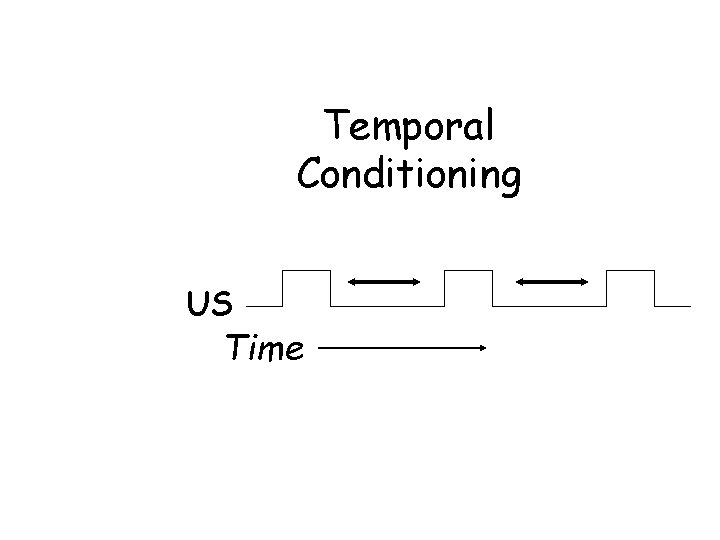
Temporal Conditioning US Time
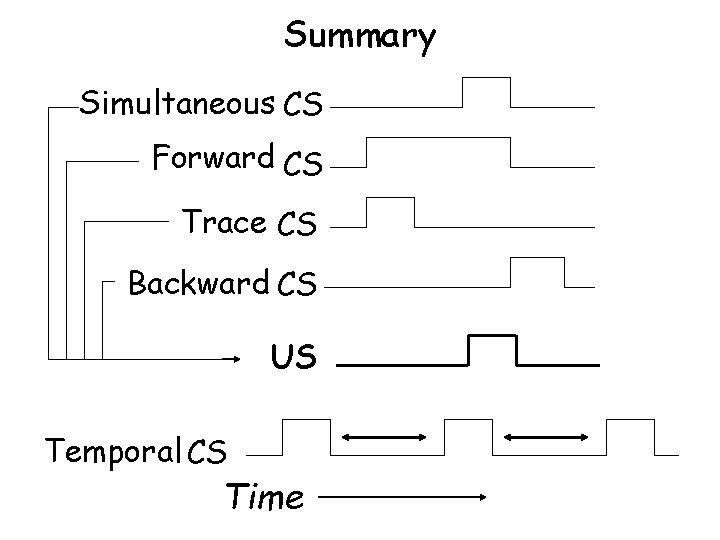
Summary Simultaneous CS Forward CS Trace CS Backward CS US Temporal CS Time
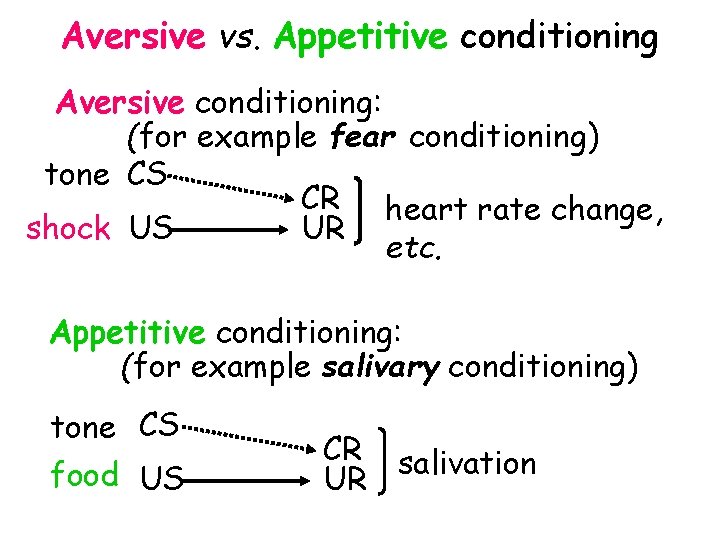
Aversive vs. Appetitive conditioning Aversive conditioning: (for example fear conditioning) tone CS CR heart rate change, shock US UR etc. Appetitive conditioning: (for example salivary conditioning) tone CS food US CR salivation UR
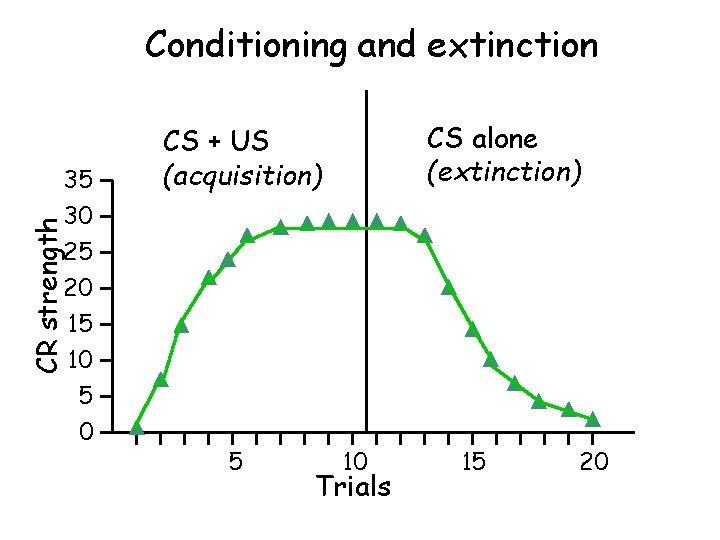
Conditioning and extinction 35 CS alone (extinction) CS + US (acquisition) CR strength 30 25 20 15 10 Trials 15 20
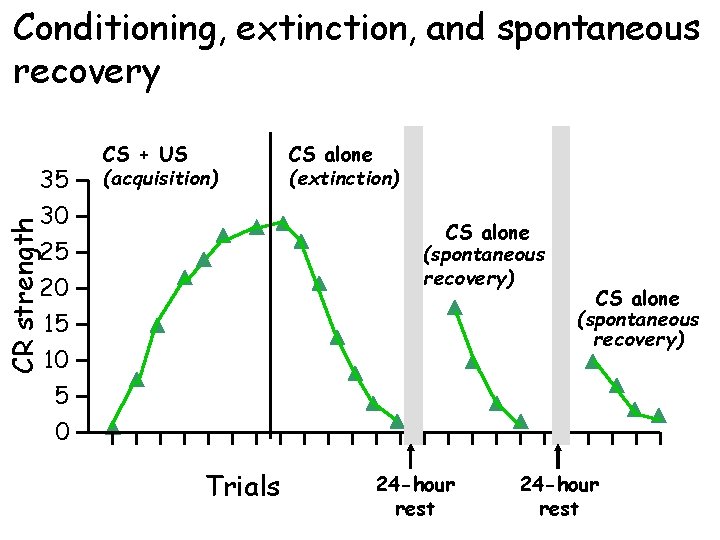
Conditioning, extinction, and spontaneous recovery CS alone (extinction) CS alone (spontaneous recovery) CR strength 35 30 25 CS + US (acquisition) 20 15 10 5 CS alone (spontaneous recovery) 0 Trials 24 -hour rest
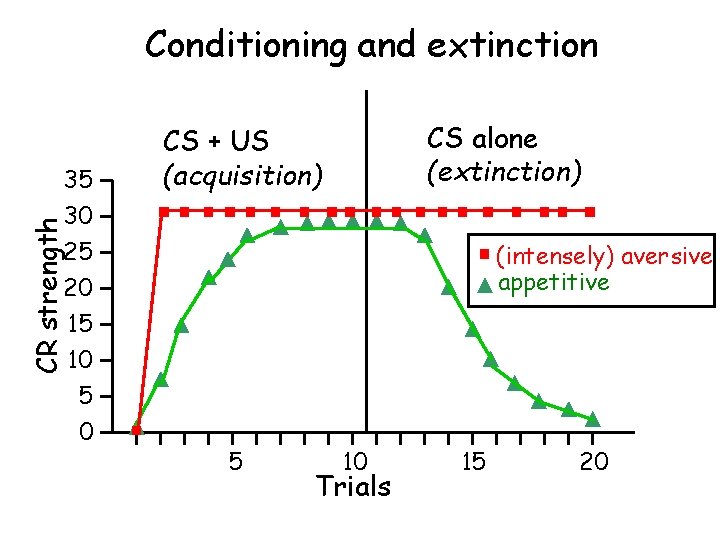
Conditioning and extinction 35 CS alone (extinction) CS + US (acquisition) CR strength 30 25 (intensely) aversive appetitive 20 15 10 Trials 15 20
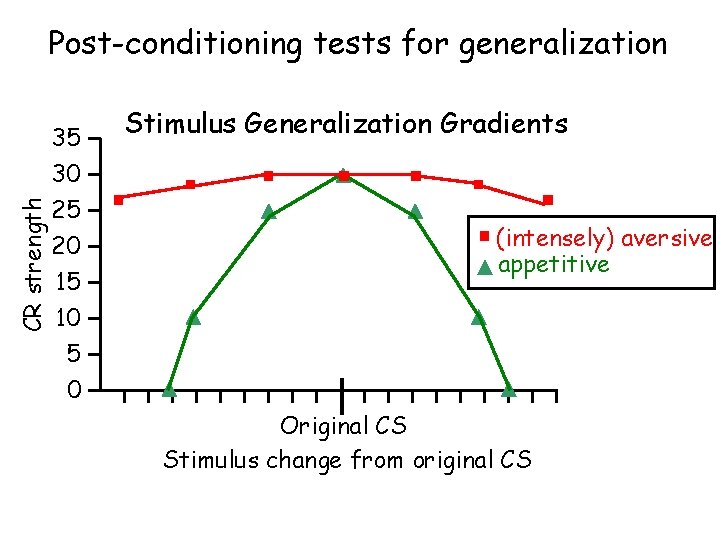
Post-conditioning tests for generalization CR strength 35 30 25 20 15 Stimulus Generalization Gradients (intensely) aversive appetitive 10 5 0 Original CS Stimulus change from original CS
- Slides: 15