
How Human Energy Systems depend on CARBON and
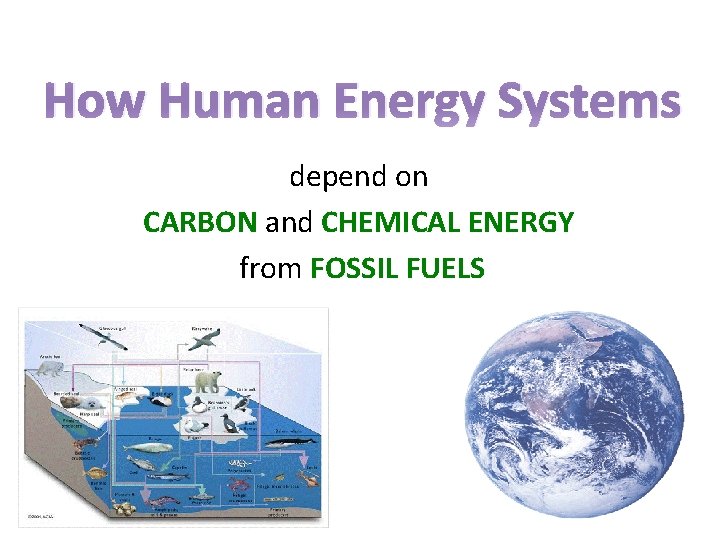
How Human Energy Systems depend on CARBON and CHEMICAL ENERGY from FOSSIL FUELS
Driving question What are fossil fuels?
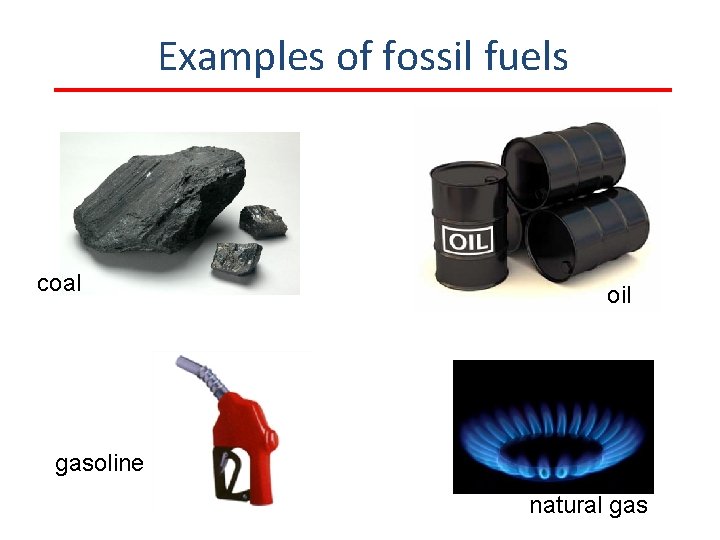
Examples of fossil fuels coal oil gasoline natural gas
Is gasoline organic or inorganic?
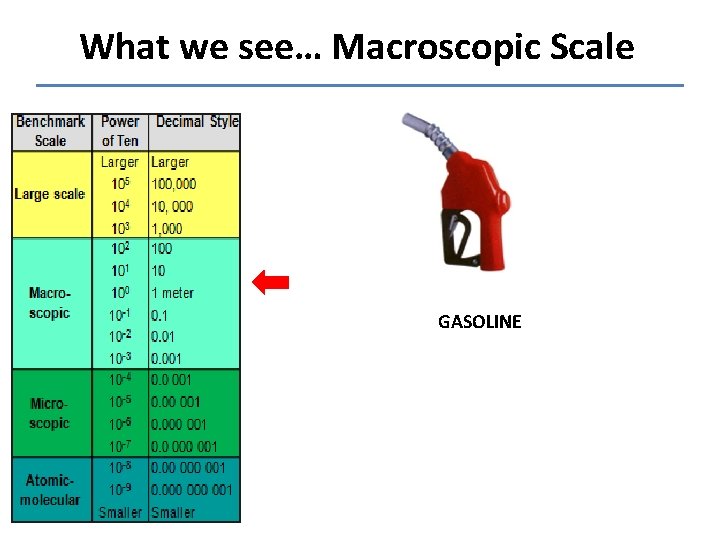
What we see… Macroscopic Scale GASOLINE
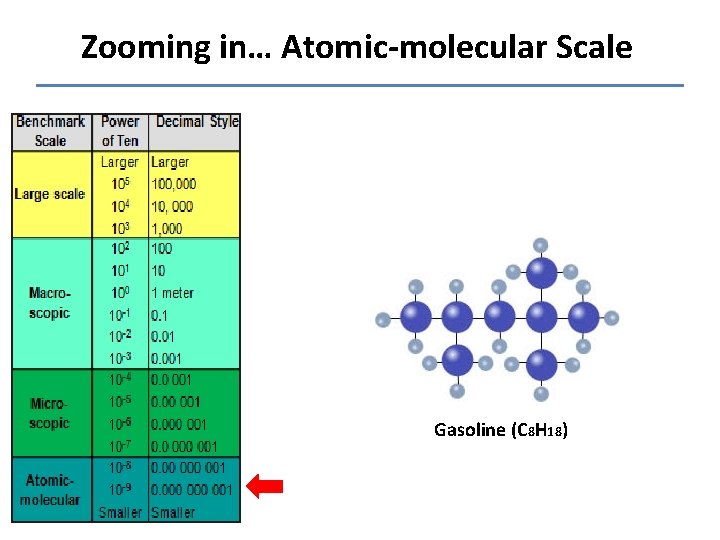
Zooming in… Atomic-molecular Scale Gasoline (C 8 H 18)
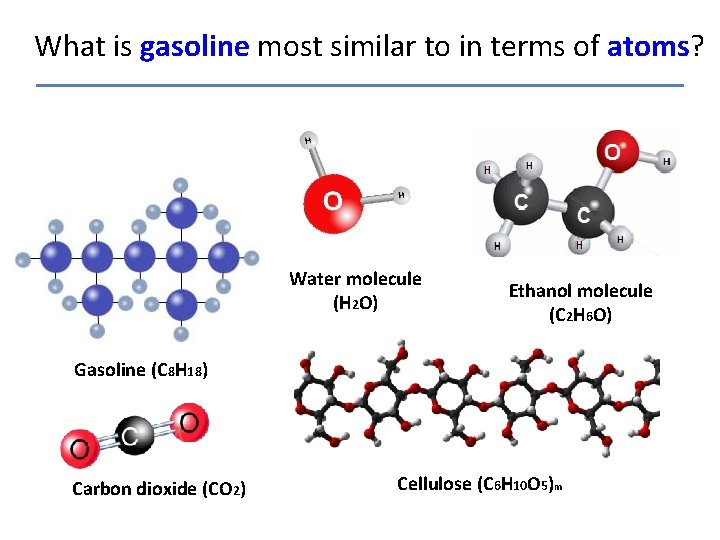
What is gasoline most similar to in terms of atoms? Water molecule (H 2 O) Ethanol molecule (C 2 H 6 O) Gasoline (C 8 H 18) Carbon dioxide (CO 2) Cellulose (C 6 H 10 O 5)m
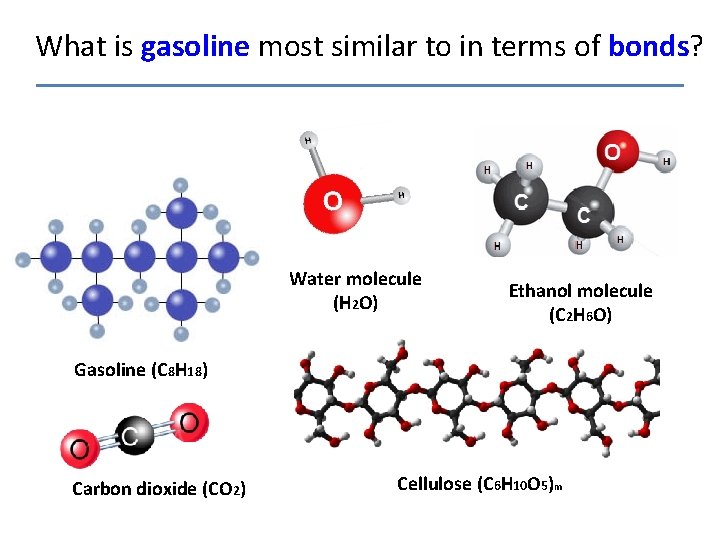
What is gasoline most similar to in terms of bonds? Water molecule (H 2 O) Ethanol molecule (C 2 H 6 O) Gasoline (C 8 H 18) Carbon dioxide (CO 2) Cellulose (C 6 H 10 O 5)m
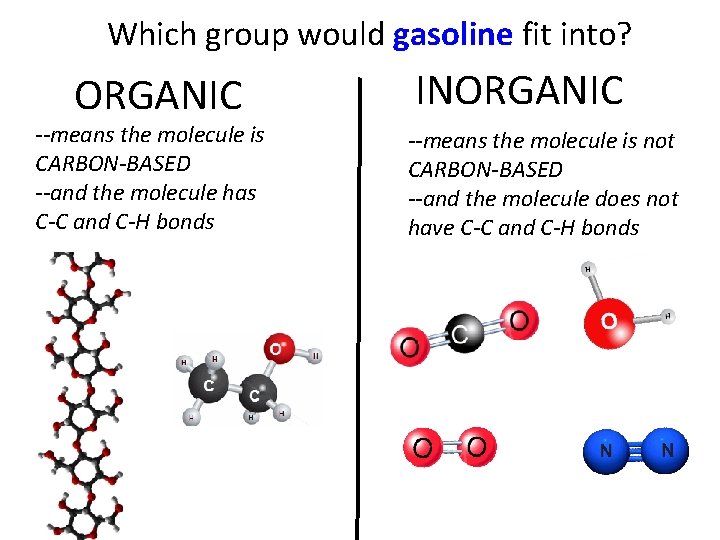
Which group would gasoline fit into? ORGANIC --means the molecule is CARBON-BASED --and the molecule has C-C and C-H bonds INORGANIC --means the molecule is not CARBON-BASED --and the molecule does not have C-C and C-H bonds
How did fossil fuels form?
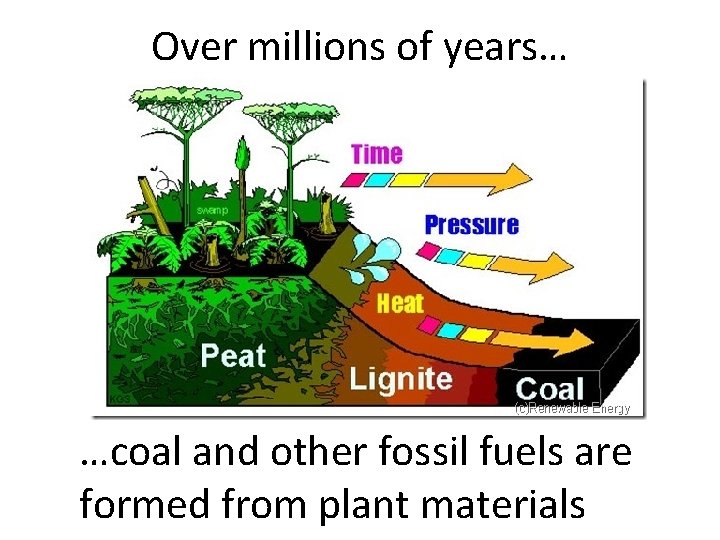
Over millions of years… …coal and other fossil fuels are formed from plant materials
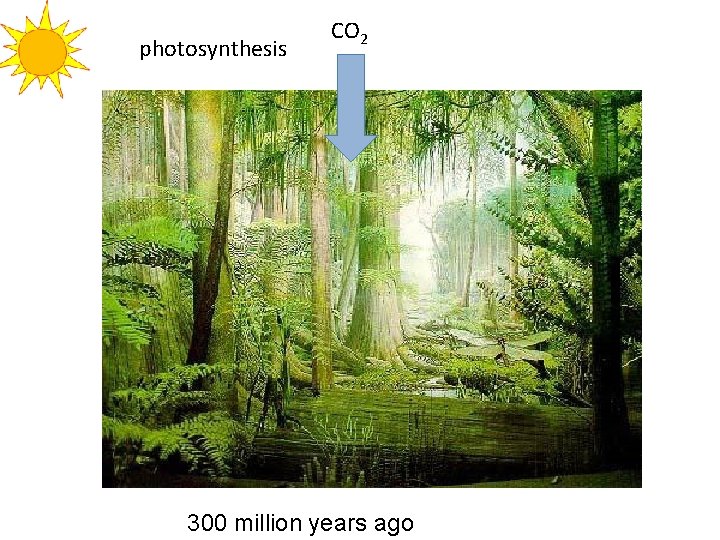
photosynthesis CO 2 300 million years ago
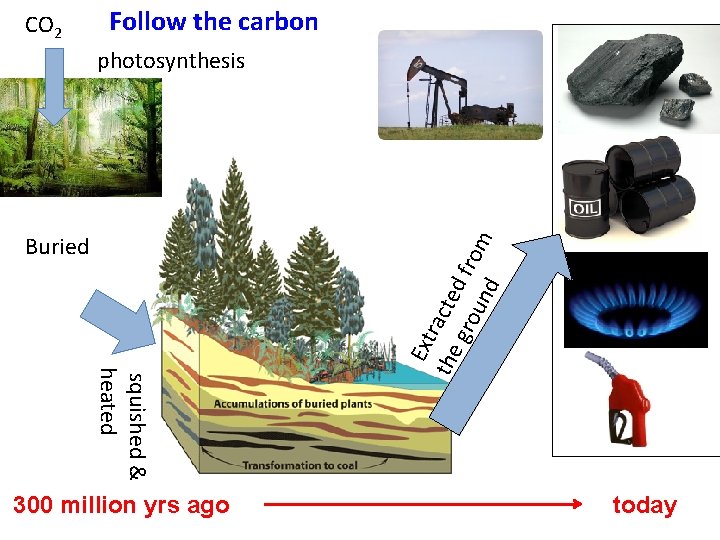
CO 2 Follow the carbon Buried squished & heated 300 million yrs ago Ext the racte gro d fro un d m photosynthesis today
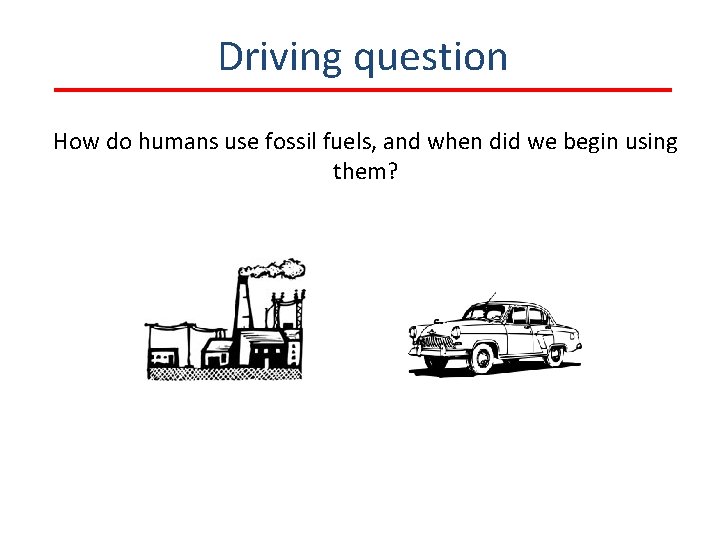
Driving question How do humans use fossil fuels, and when did we begin using them?
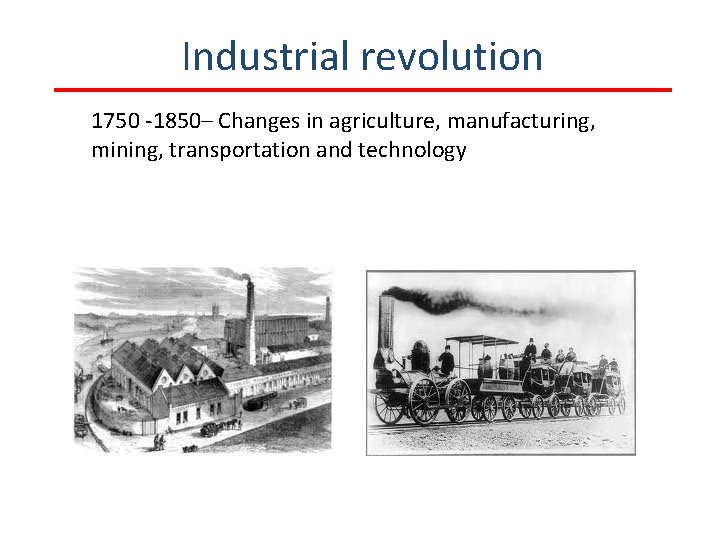
Industrial revolution 1750 -1850– Changes in agriculture, manufacturing, mining, transportation and technology
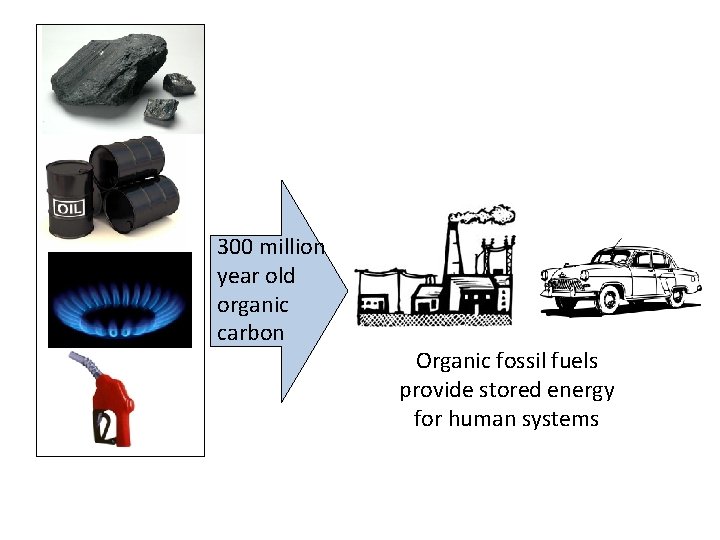
300 million year old organic carbon Organic fossil fuels provide stored energy for human systems
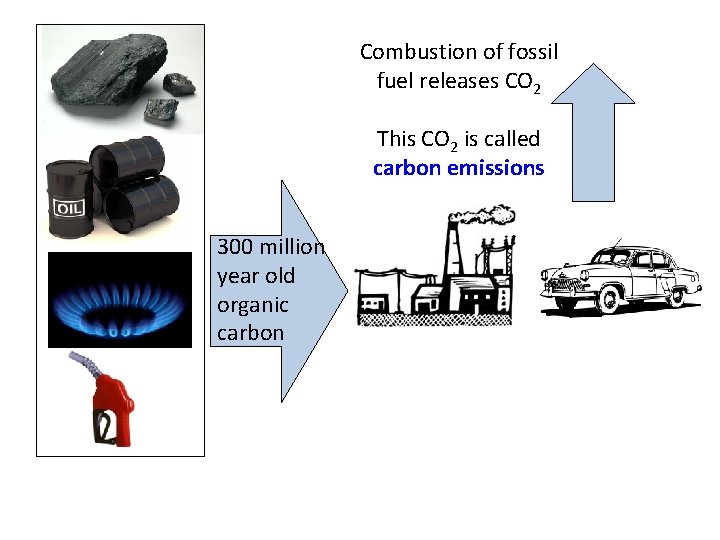
Combustion of fossil fuel releases CO 2 This CO 2 is called carbon emissions 300 million year old organic carbon
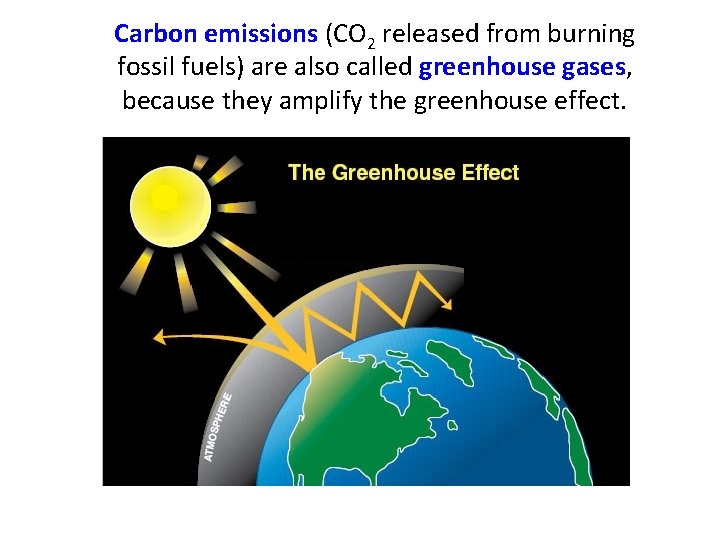
Carbon emissions (CO 2 released from burning fossil fuels) are also called greenhouse gases, because they amplify the greenhouse effect.
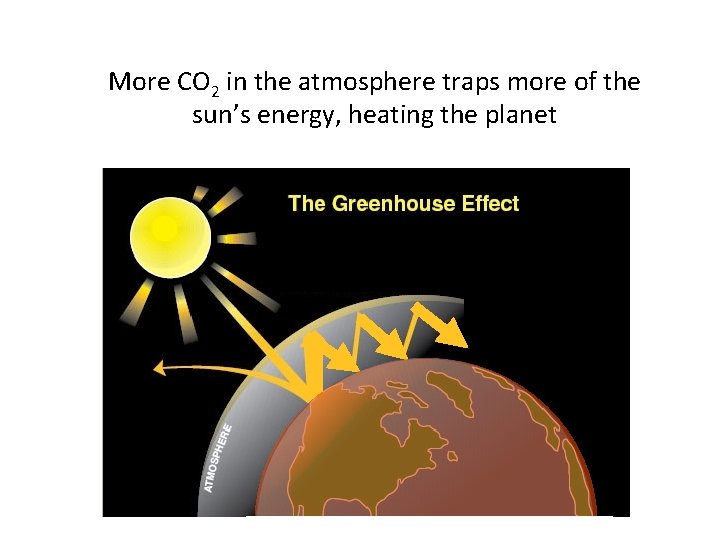
More CO 2 in the atmosphere traps more of the sun’s energy, heating the planet
- Slides: 19