
How do you revise Draw around your hand
- Slides: 15
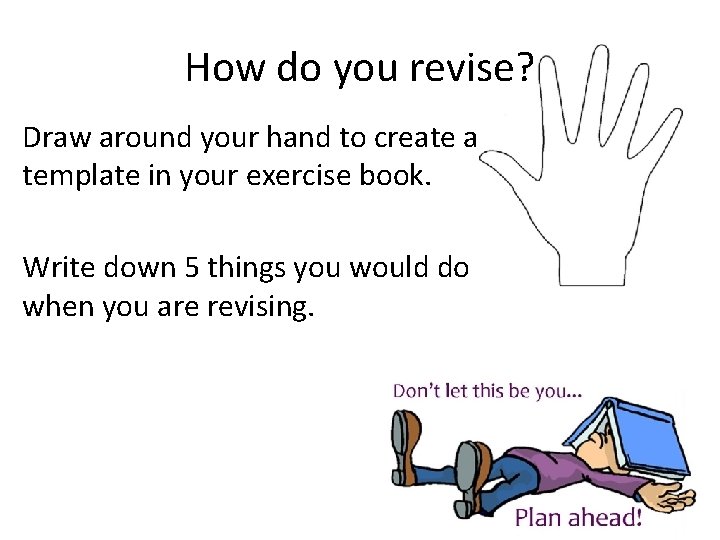
How do you revise? Draw around your hand to create a template in your exercise book. Write down 5 things you would do when you are revising.
A study in conducted in 2013 found that the top revision techniques were: Distributed practice – spreading out study over time Practice testing Self-testing to check knowledge – especially using flashcards Elaborative interrogation – being able to explain a point or fact to another person
Distributed practice If you were doing a play or a dance recital you wouldn’t start practising an hour before, yet some students like to cram for an exam. Bottom line – this wont work. The best strategy is to plan ahead and not do all your revision on one subject in a block before moving on to the next.
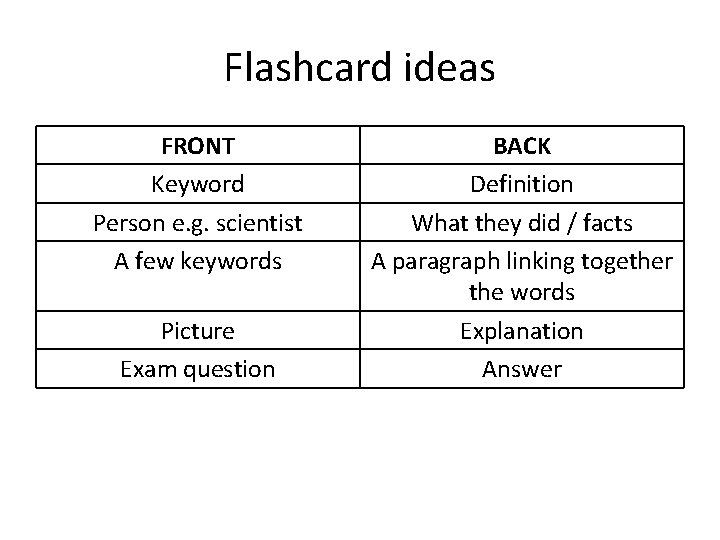
Flashcard ideas FRONT Keyword Person e. g. scientist A few keywords Picture Exam question BACK Definition What they did / facts A paragraph linking together the words Explanation Answer
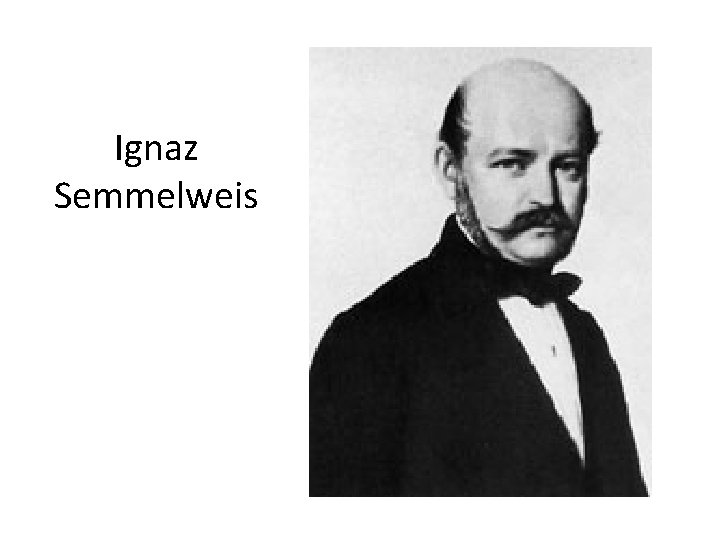
Ignaz Semmelweis
Ignaz Semmelweis Was a doctor in the mid 1850’s. He worked out that washing hands reduced the number of women dying in childbirth from child bed fever (blood poisoning). Doctors worked on dead bodies and then delivered babies without washing their hands. Women were more likely to survive if they had their babies delivered by midwives as they didn’t work on cadavers (dead bodies). People didn’t believe him as they couldn’t see the bacteria and viruses that caused disease. Many doctors thought that childbed fever was God’s punishment to the women.
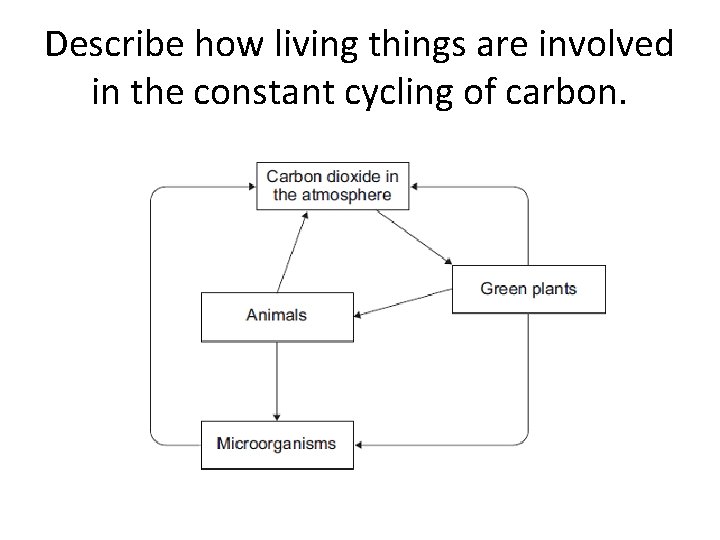
Describe how living things are involved in the constant cycling of carbon.
Describe how living things are involved in the constant cycling of carbon. Green plants use sunlight to carry out photosynthesis. Photosynthesis needs water from the roots and carbon dioxide absorbed through the leaves to produce glucose. This glucose (containing carbon) is transferred to animals when they eat the plants. Animals as well as all other living organisms constantly respire which returns carbon dioxide to the atmosphere. When animals and plants die the carbon trapped inside them is released by the action of microorganisms. Microorganisms decompose the dead organism and return carbon dioxide through respiration.
Define the word: Synapse
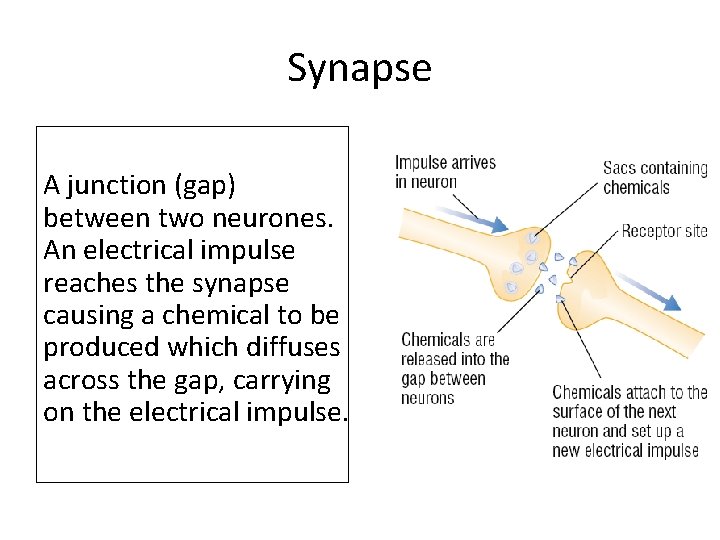
Synapse A junction (gap) between two neurones. An electrical impulse reaches the synapse causing a chemical to be produced which diffuses across the gap, carrying on the electrical impulse.
Link together the words: Antibody Antigen Pathogen
Link together the words: A pathogen is a microorganism, such as bacteria that cause disease. Bacteria have markers on the outside called antigens and white blood cells produce antibodies that have a complementary shape to them in order to destroy the bacteria.
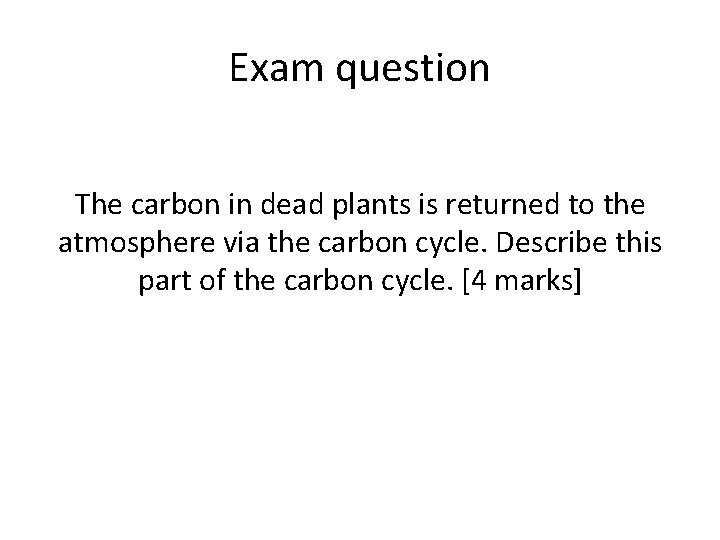
Exam question The carbon in dead plants is returned to the atmosphere via the carbon cycle. Describe this part of the carbon cycle. [4 marks]
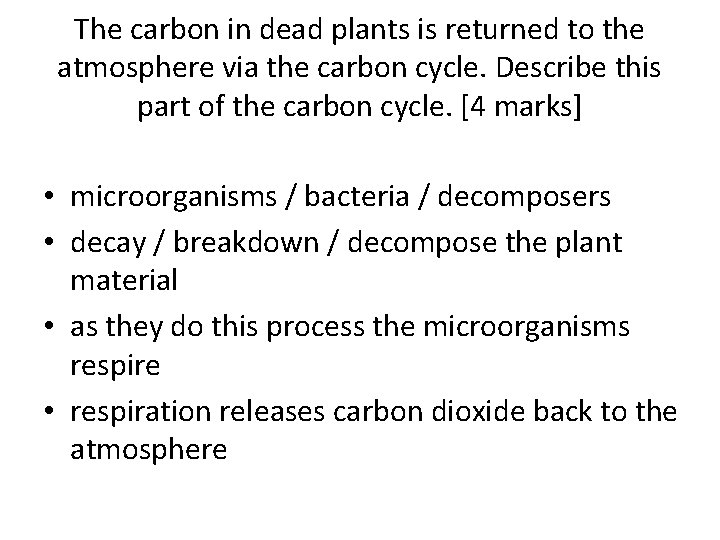
The carbon in dead plants is returned to the atmosphere via the carbon cycle. Describe this part of the carbon cycle. [4 marks] • microorganisms / bacteria / decomposers • decay / breakdown / decompose the plant material • as they do this process the microorganisms respire • respiration releases carbon dioxide back to the atmosphere
Using the card provided… Task: 1. Make 2 flashcards using the chemistry textbook pages 2. Pair up / create a small group and test each other with the flash cards.