
How do we perceive what we see Gestalt







- Slides: 39
How do we perceive what we see? Gestalt -perception and closure through Emergence, Reification, and Multi-stability. -Figure - ground reversal. -Negative and Positive shapes. How do we draw what we see? • Contour line : inline / outline. A spatial construct. Character of line around the subject, enveloping the subject. • Sighting: measuring and aligning parts. Compare once, compare always. • Structural lines: the professional’s preference.
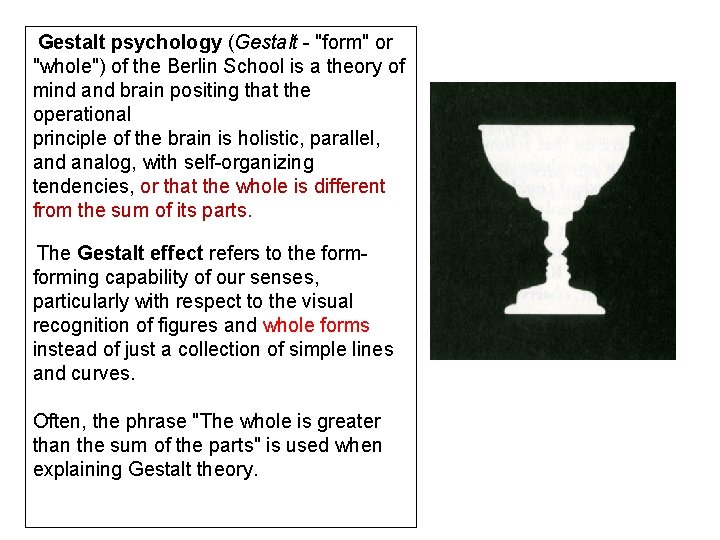
Gestalt psychology (Gestalt - "form" or "whole") of the Berlin School is a theory of mind and brain positing that the operational principle of the brain is holistic, parallel, and analog, with self-organizing tendencies, or that the whole is different from the sum of its parts. The Gestalt effect refers to the forming capability of our senses, particularly with respect to the visual recognition of figures and whole forms instead of just a collection of simple lines and curves. Often, the phrase "The whole is greater than the sum of the parts" is used when explaining Gestalt theory.
What is in a shape?
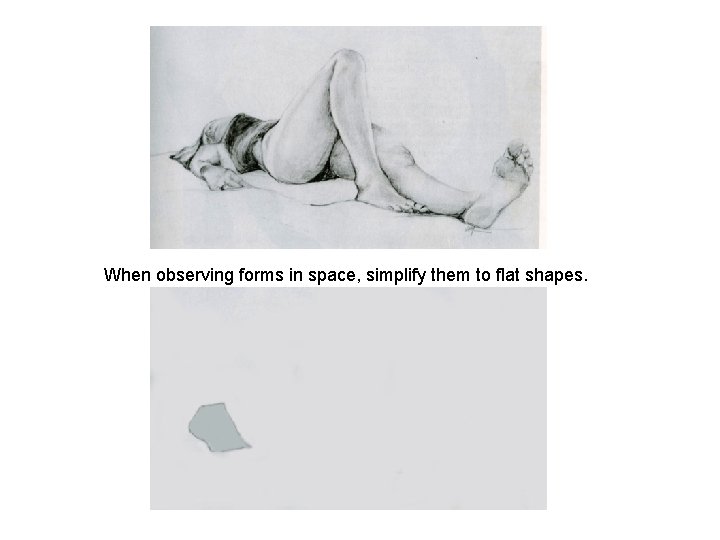
When observing forms in space, simplify them to flat shapes.
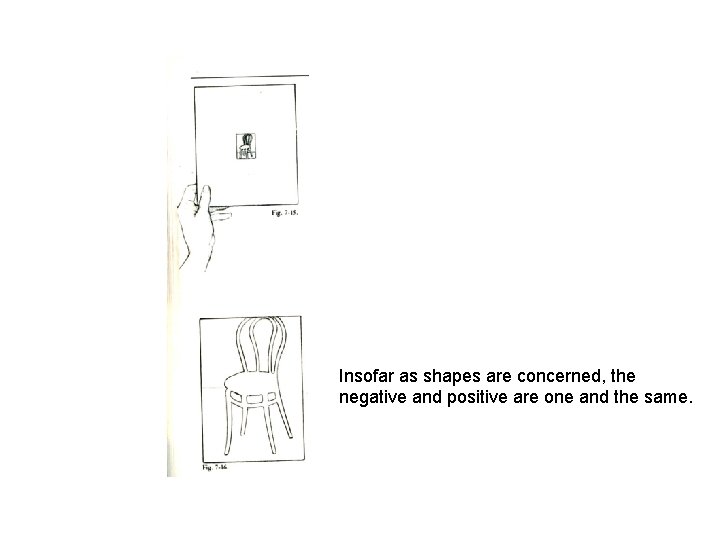
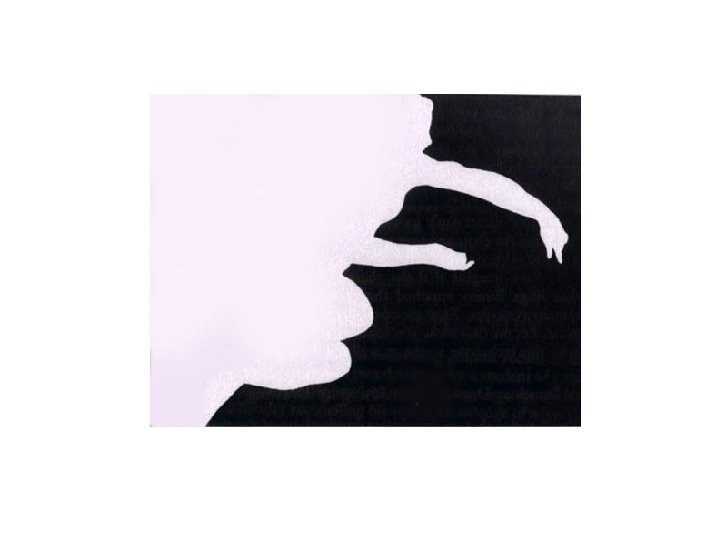
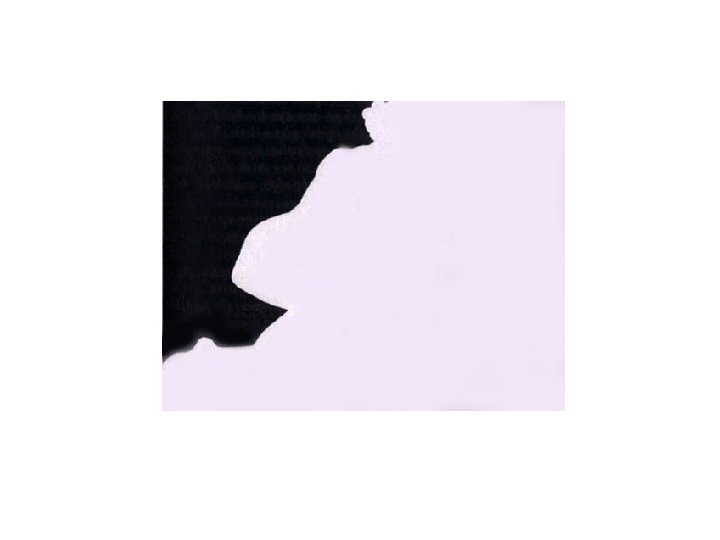
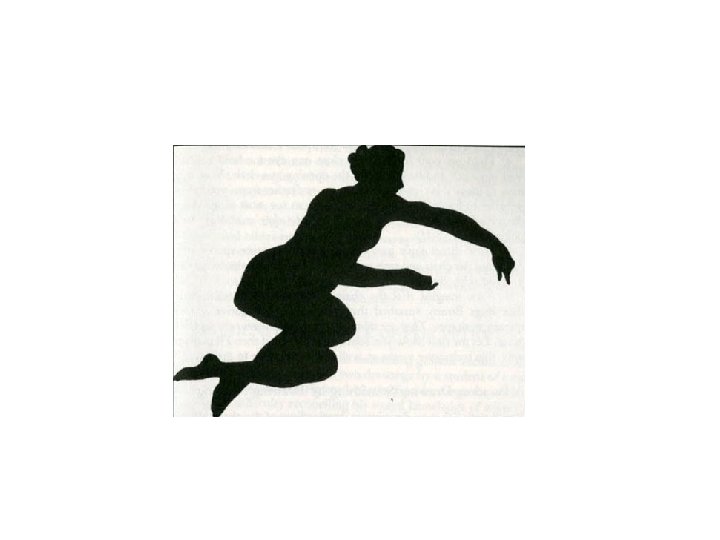
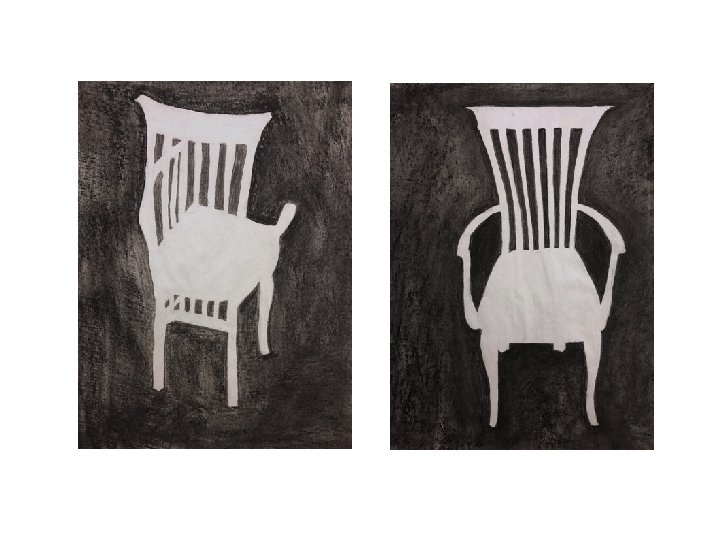
Insofar as shapes are concerned, the negative and positive are one and the same.
Pay attention to negative areas.
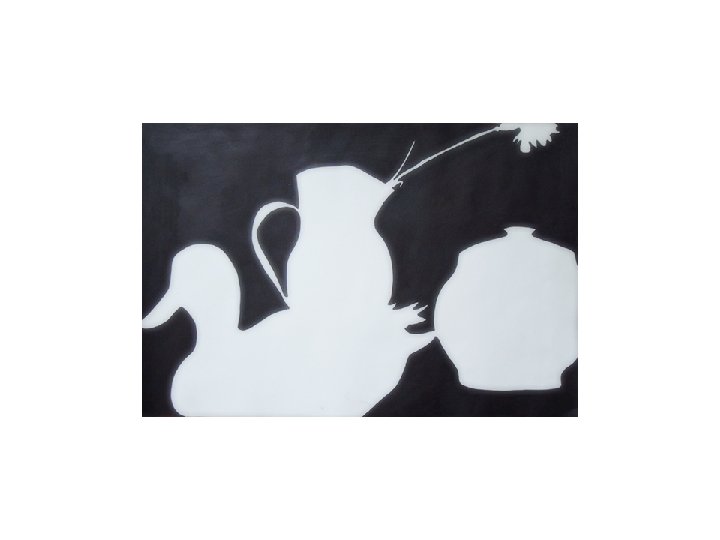
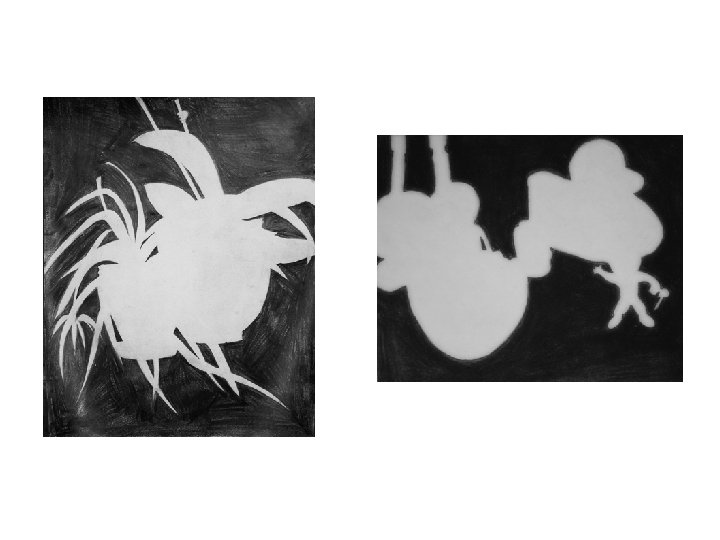
Negative Space Drawing – What is Negative Space? Definition: the areas of an image not occupied by shapes or forms. Often neglected by beginners or filled with aimless scribbles. Negative space drawing involves concentrating on drawing the background, leaving the object white - an excellent exercise in observation. Examples: "A hole can itself have as much shape-meaning as a solid mass. " - Henry Moore , 19 th century artist
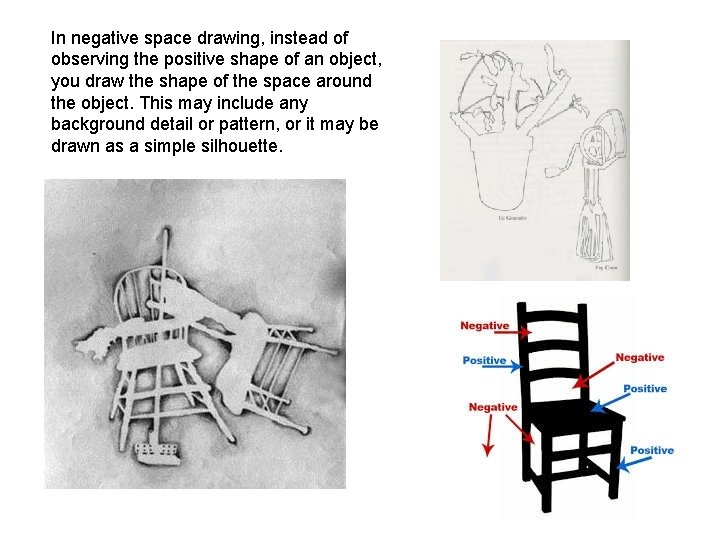
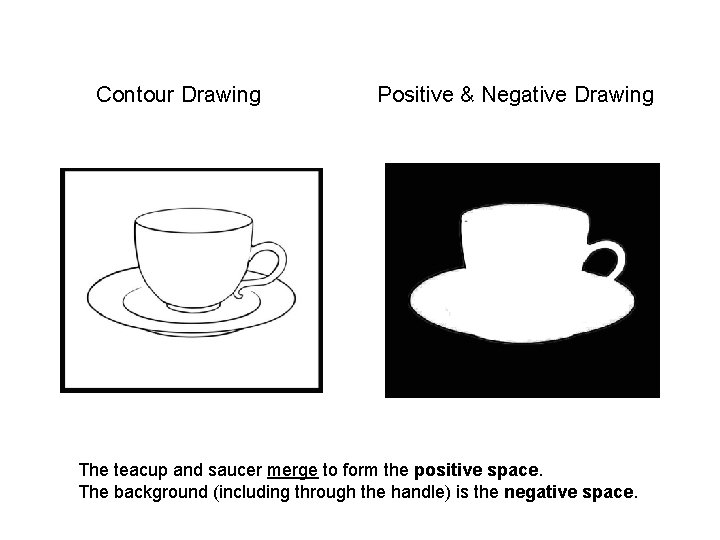
In negative space drawing, instead of observing the positive shape of an object, you draw the shape of the space around the object. This may include any background detail or pattern, or it may be drawn as a simple silhouette.
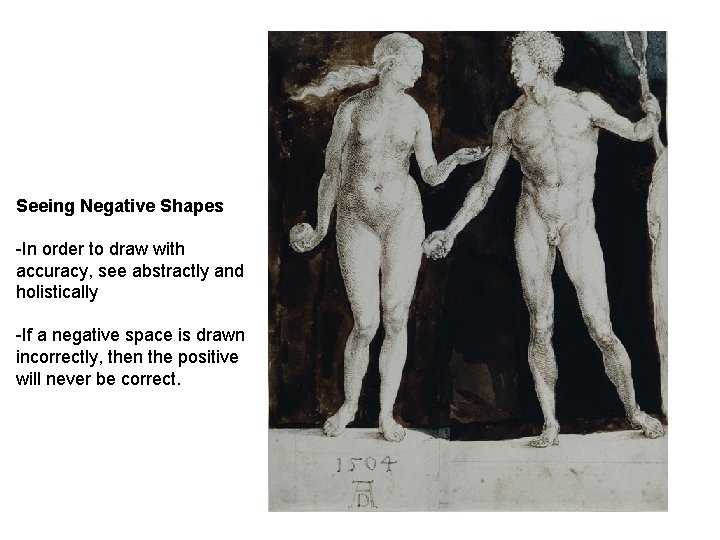
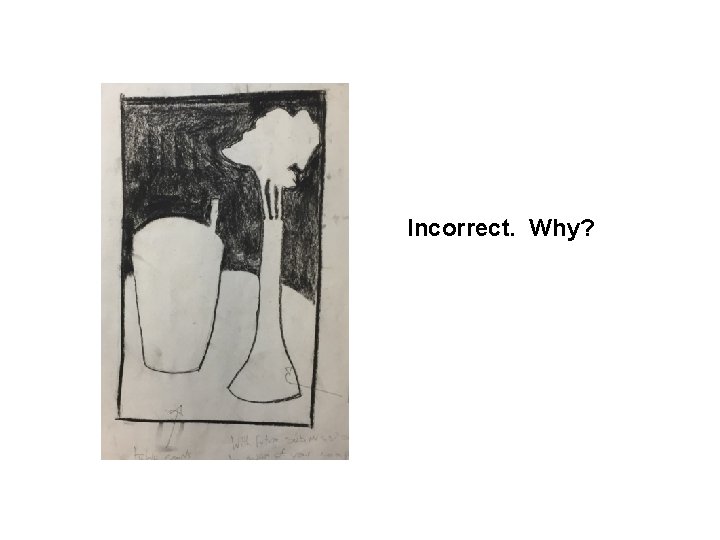
Seeing Negative Shapes -In order to draw with accuracy, see abstractly and holistically -If a negative space is drawn incorrectly, then the positive will never be correct.
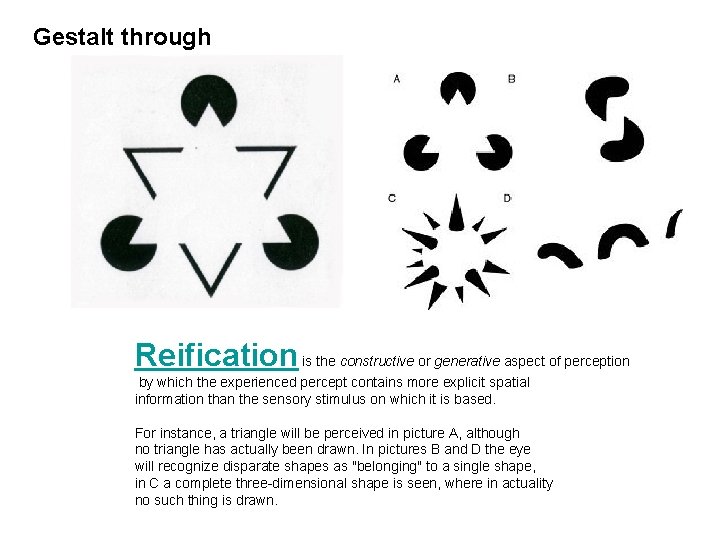
Gestalt through Reification is the constructive or generative aspect of perception by which the experienced percept contains more explicit spatial information than the sensory stimulus on which it is based. For instance, a triangle will be perceived in picture A, although no triangle has actually been drawn. In pictures B and D the eye will recognize disparate shapes as "belonging" to a single shape, in C a complete three-dimensional shape is seen, where in actuality no such thing is drawn.
(1/2)
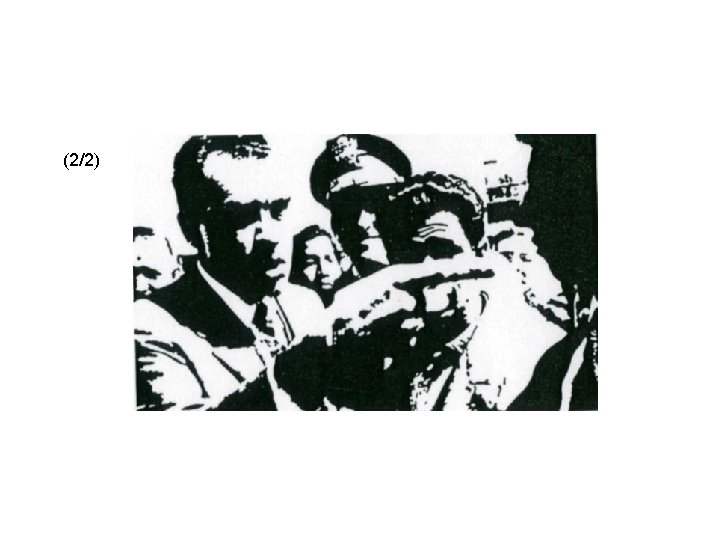
(2/2)
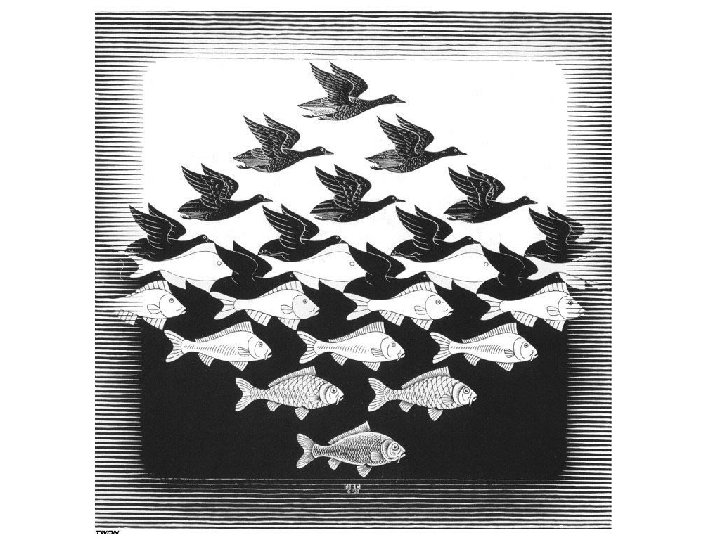
Gestalt through Multistability (or multistable perception) is the tendency of ambiguous perceptual experiences to pop back and forth unstably between two or more alternative interpretations. This is seen for example in the Necker cube, and in Rubin's Figure / Vase illusion shown to the left. Other examples include the 'three pronged widget' and artist M. C. Escher's artwork and the appearance of flashing marquee lights moving first one direction and then suddenly the other. Again, Gestalt does not explain how images appear multistable, only that they do.
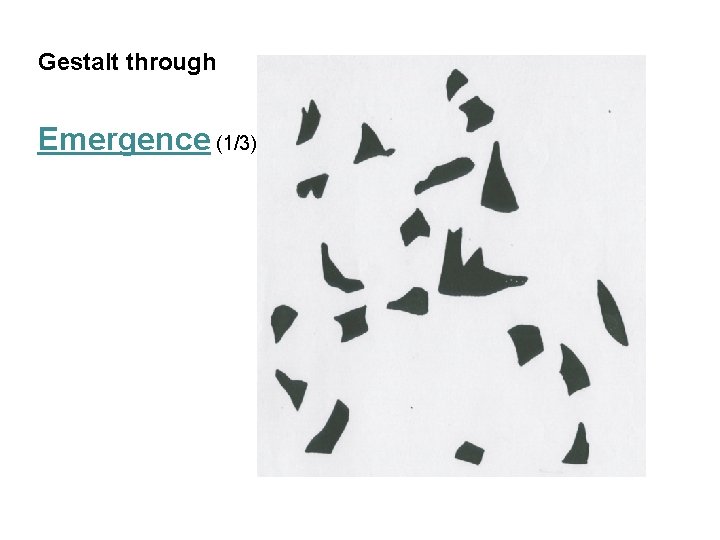
Gestalt through Emergence (1/3)
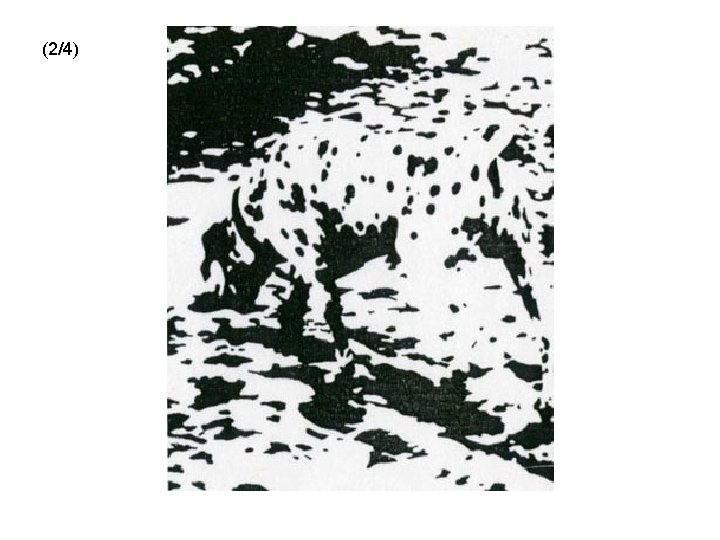
(2/4)
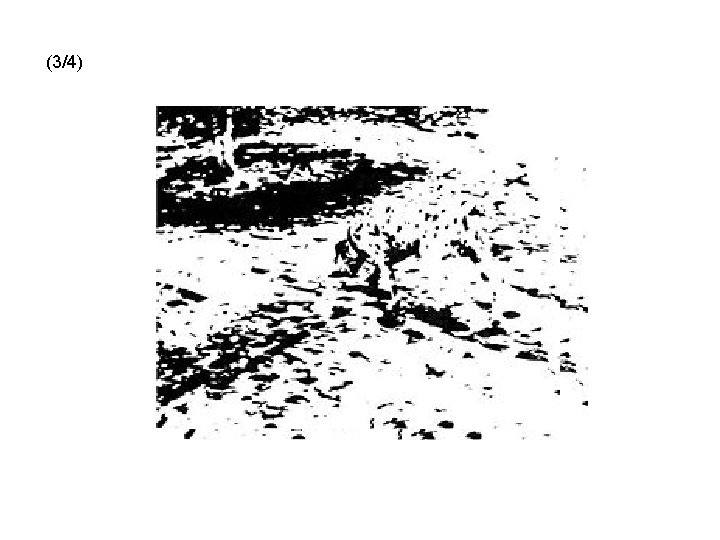
(3/4)
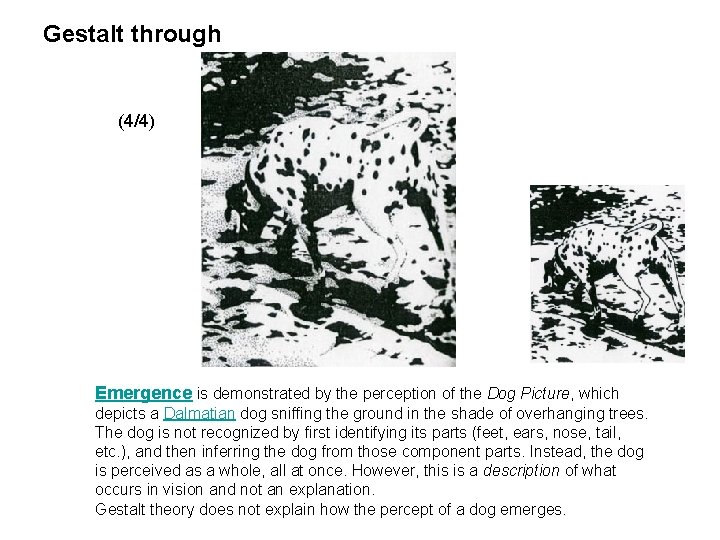
Gestalt through (4/4) Emergence is demonstrated by the perception of the Dog Picture, which depicts a Dalmatian dog sniffing the ground in the shade of overhanging trees. The dog is not recognized by first identifying its parts (feet, ears, nose, tail, etc. ), and then inferring the dog from those component parts. Instead, the dog is perceived as a whole, all at once. However, this is a description of what occurs in vision and not an explanation. Gestalt theory does not explain how the percept of a dog emerges.
Becoming aware of positive & negative space
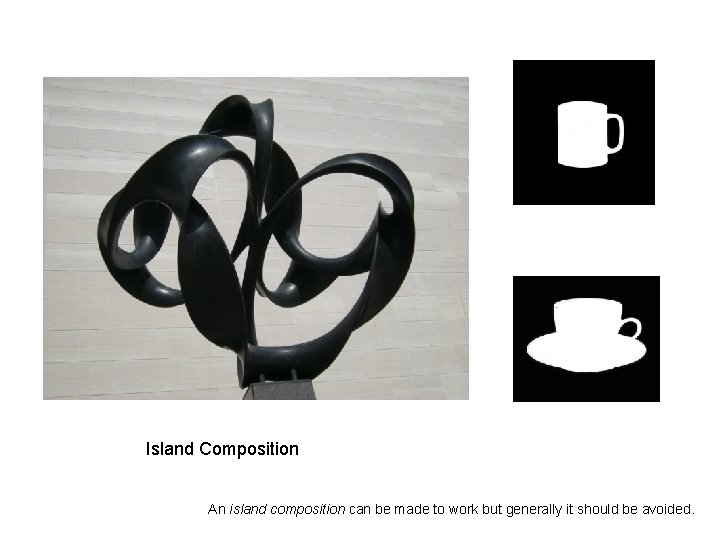
Contour Drawing Positive & Negative Drawing The mug is the positive space. The background (including through the handle) is the negative space.
Contour Drawing Positive & Negative Drawing The teacup and saucer merge to form the positive space. The background (including through the handle) is the negative space.
Incorrect. Why?
Island Composition An island composition can be made to work but generally it should be avoided.
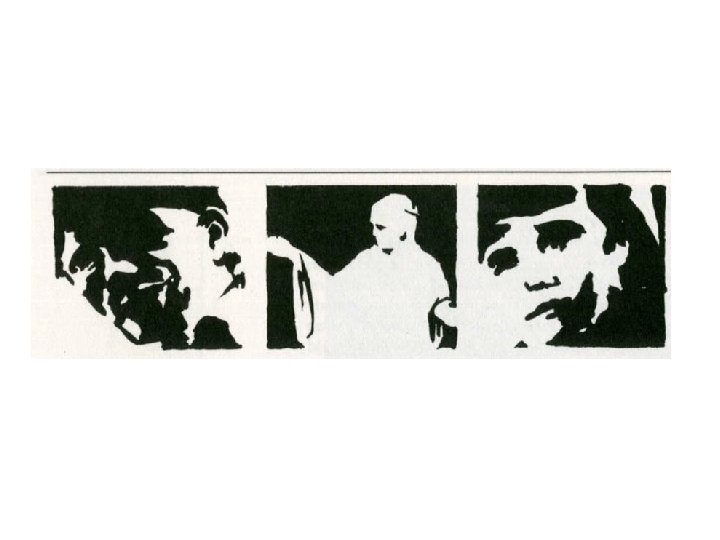
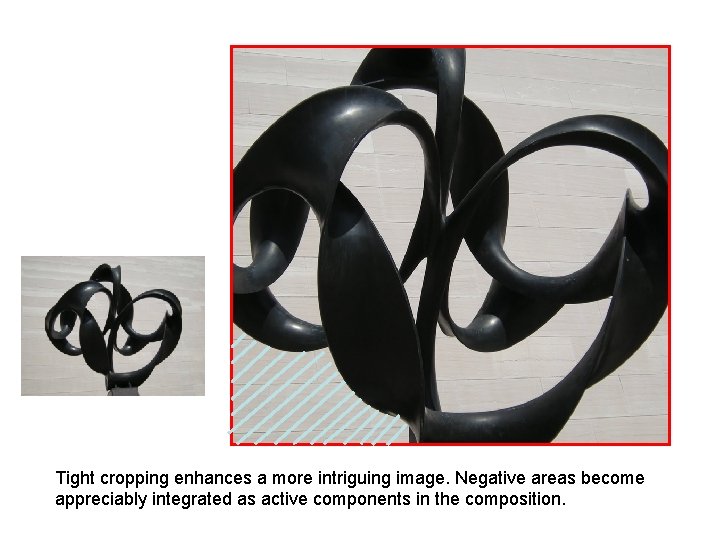
Tight cropping enhances a more intriguing image. Negative areas become appreciably integrated as active components in the composition.
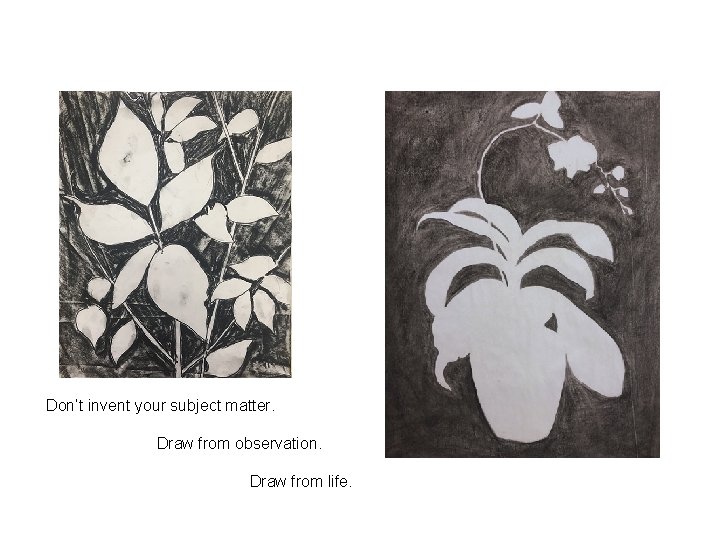
Don’t invent your subject matter. Draw from observation. Draw from life.
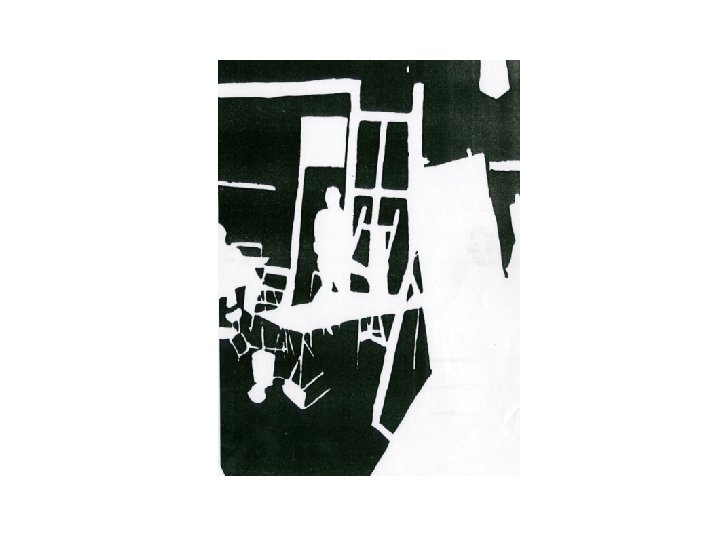
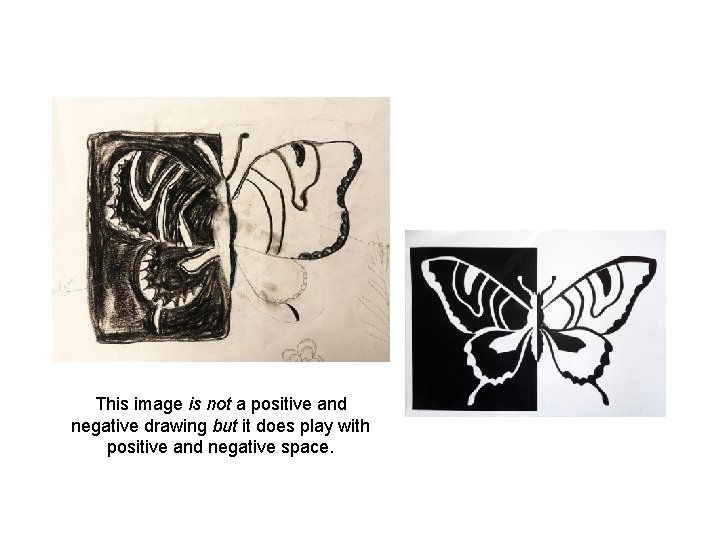
This image is not a positive and negative drawing but it does play with positive and negative space.
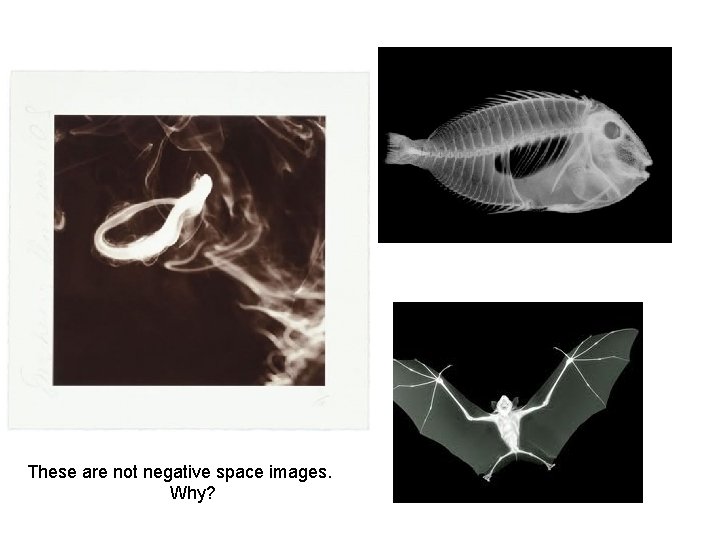
These are not negative space images. Why?
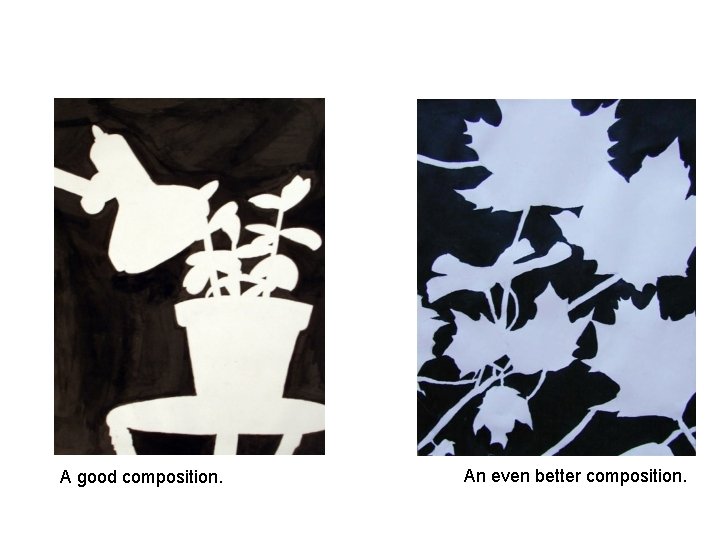
A good composition. An even better composition.
A strong composition often breaks up the positive and negative space in your picture plane.