
How do we define life Properties of Life
- Slides: 19
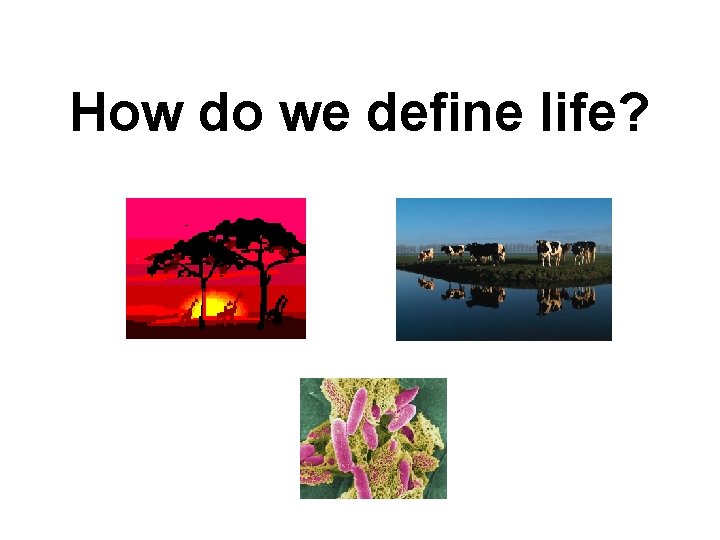
How do we define life?
Properties of Life • Are organized, and are made of one or more cells (Cellular Organization) • Maintain stable internal conditions (Homeostasis) • Are capable of Reproduction • Exhibit Growth and development
• Respond to their environment (Responsiveness) • Pass traits to offspring (Heredity) • Use energy. Metabolism is the sum of all chemical reactions carried out in an organism.
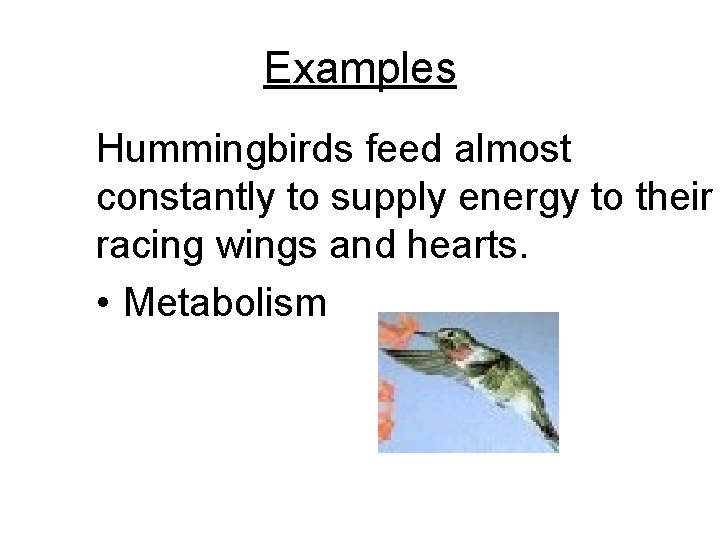
Examples Hummingbirds feed almost constantly to supply energy to their racing wings and hearts. • Metabolism
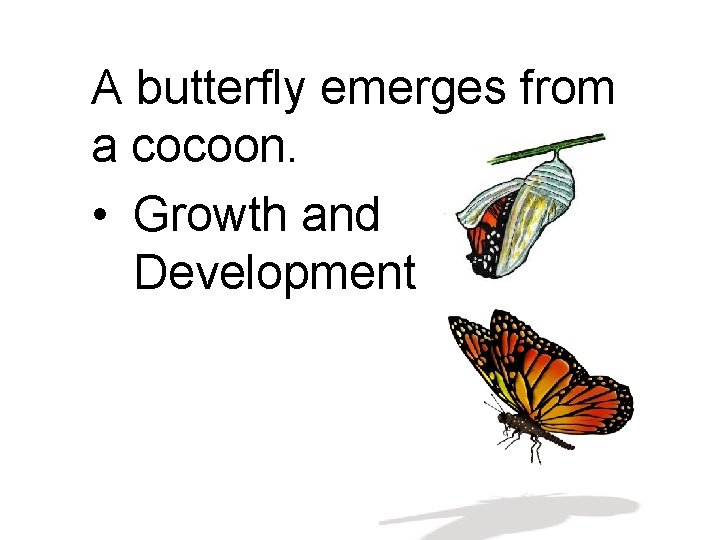
A butterfly emerges from a cocoon. • Growth and Development
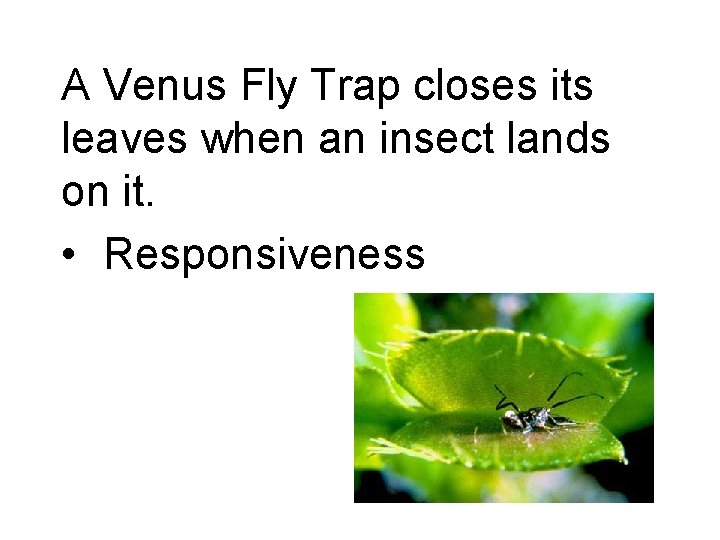
A Venus Fly Trap closes its leaves when an insect lands on it. • Responsiveness
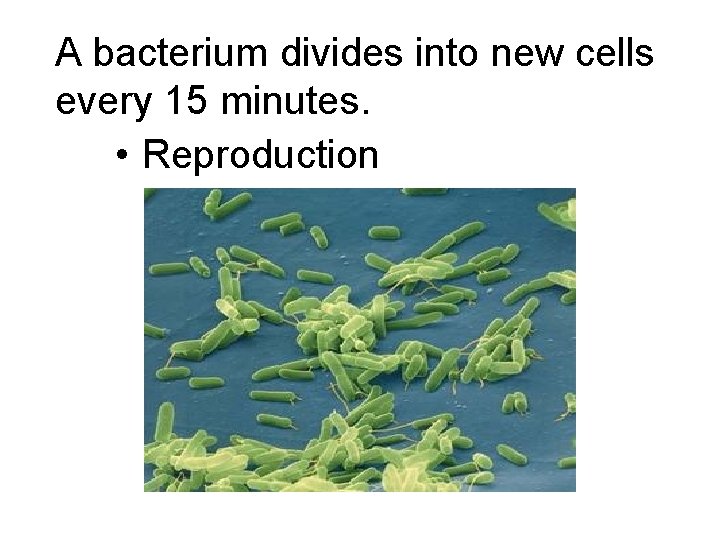
A bacterium divides into new cells every 15 minutes. • Reproduction
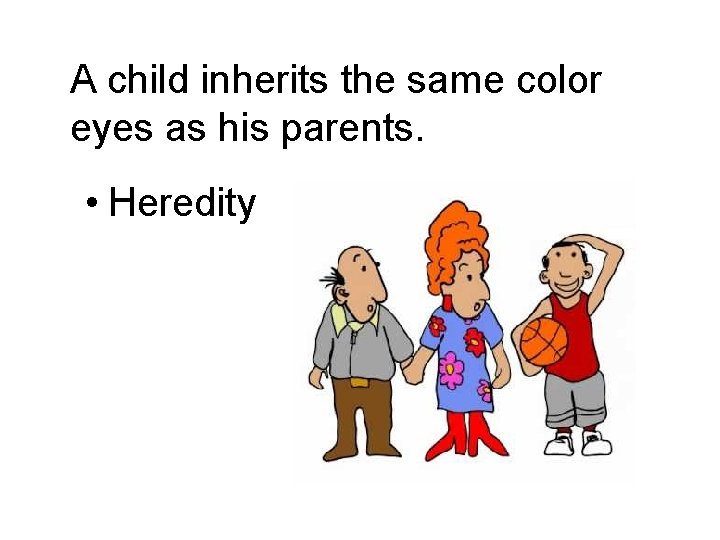
A child inherits the same color eyes as his parents. • Heredity
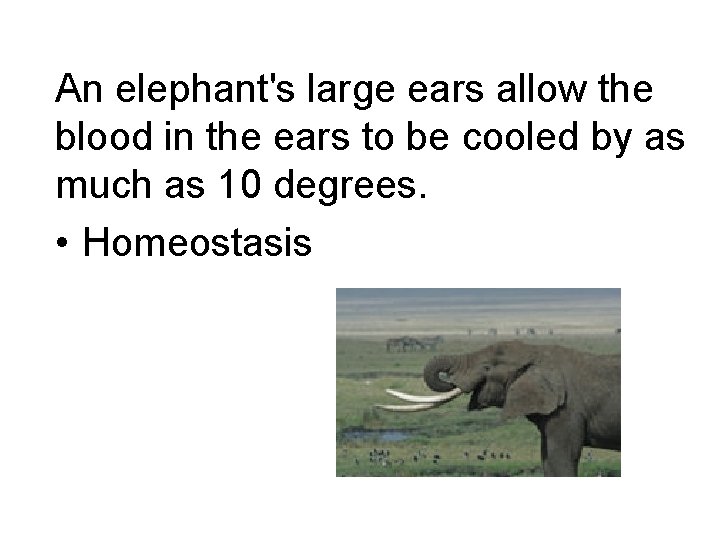
An elephant's large ears allow the blood in the ears to be cooled by as much as 10 degrees. • Homeostasis
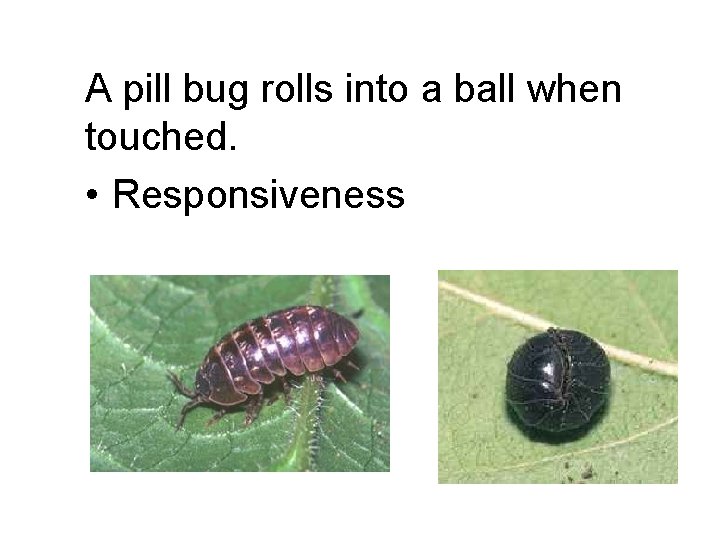
A pill bug rolls into a ball when touched. • Responsiveness
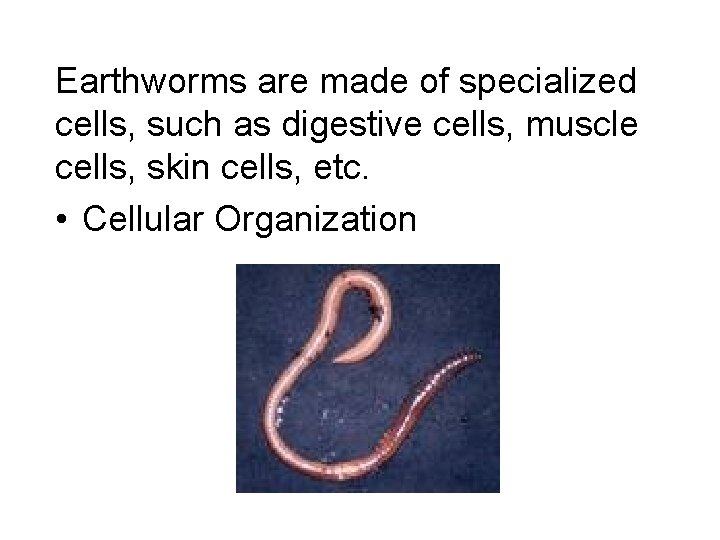
Earthworms are made of specialized cells, such as digestive cells, muscle cells, skin cells, etc. • Cellular Organization
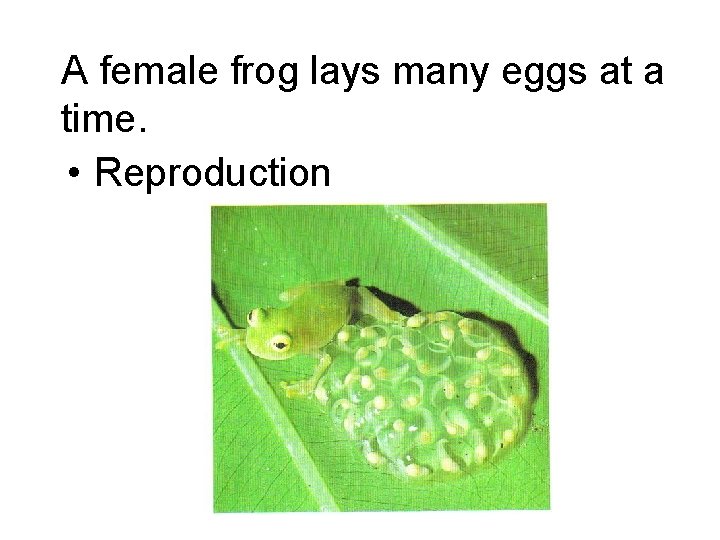
A female frog lays many eggs at a time. • Reproduction
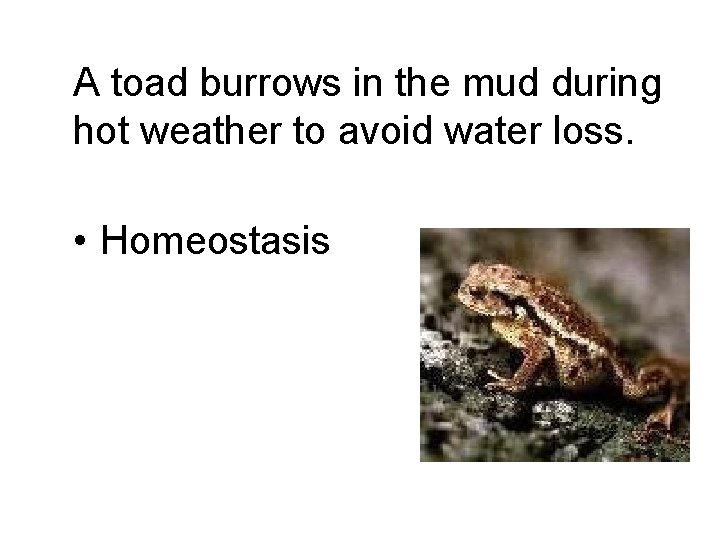
A toad burrows in the mud during hot weather to avoid water loss. • Homeostasis
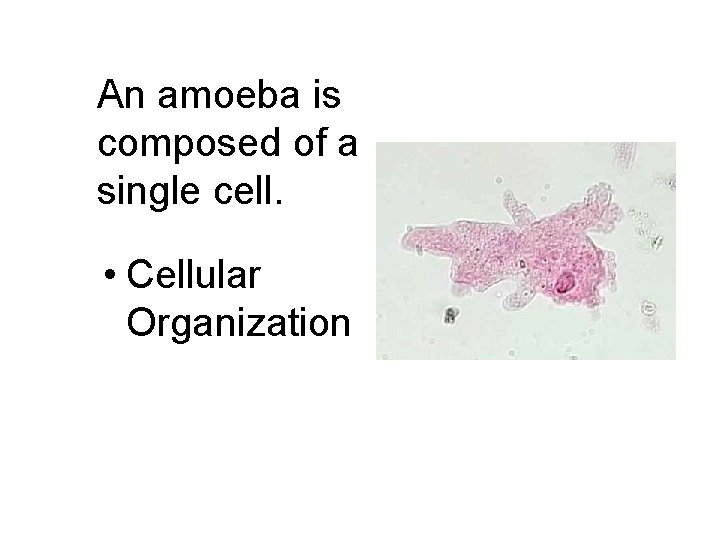
An amoeba is composed of a single cell. • Cellular Organization
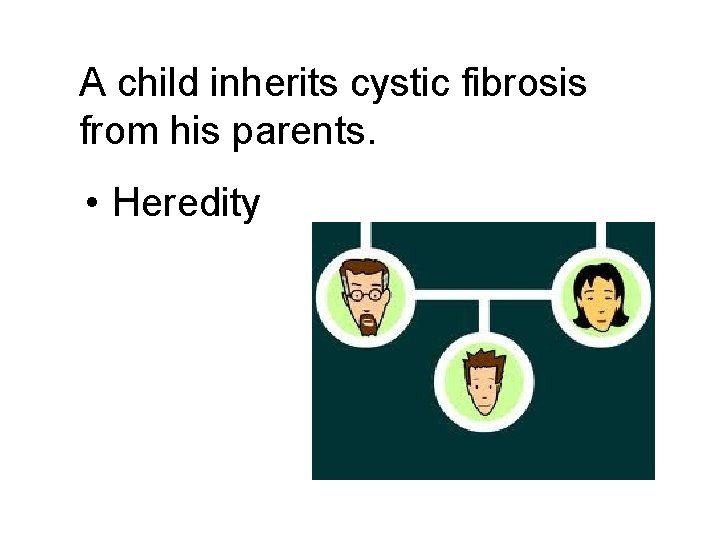
A child inherits cystic fibrosis from his parents. • Heredity
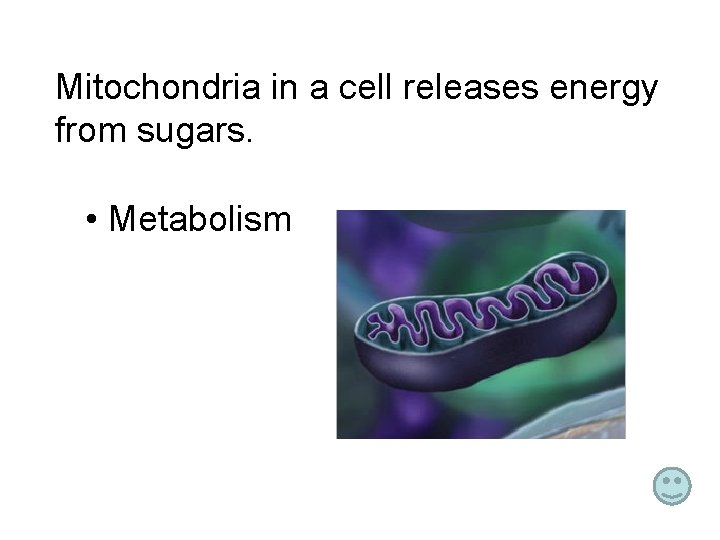
Mitochondria in a cell releases energy from sugars. • Metabolism
Stimulus or Response? • The bell rings at the end of a class period • Your dog runs into the kitchen when you open a can • A paramecium backs up and moves away when it encounters an obstacle. • A plant grows toward the window • A baby hears a loud noise • You pull your hand away after touching the hot oven
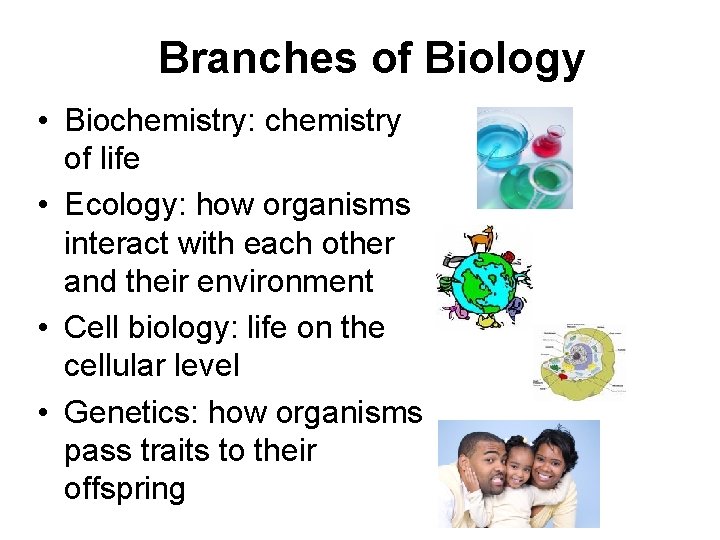
Branches of Biology • Biochemistry: chemistry of life • Ecology: how organisms interact with each other and their environment • Cell biology: life on the cellular level • Genetics: how organisms pass traits to their offspring
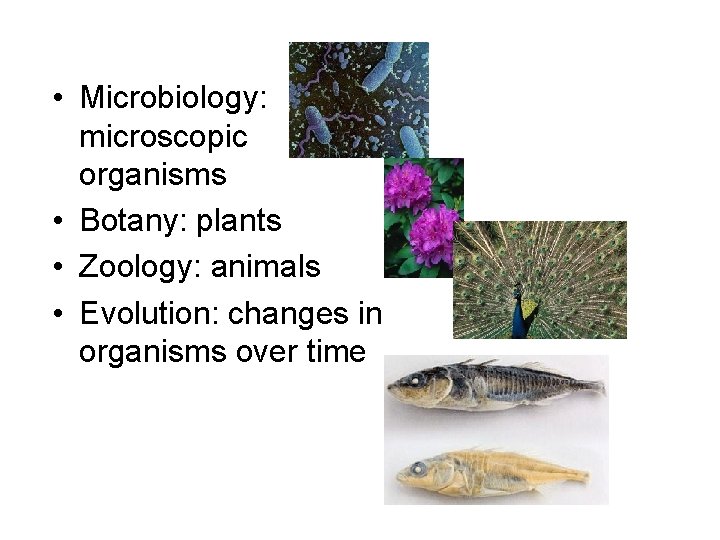
• Microbiology: microscopic organisms • Botany: plants • Zoology: animals • Evolution: changes in organisms over time