
HOW DO PLANTS REPRODUCE SEXUALLY Germination Seed Dispersal
- Slides: 10
HOW DO PLANTS REPRODUCE SEXUALLY?
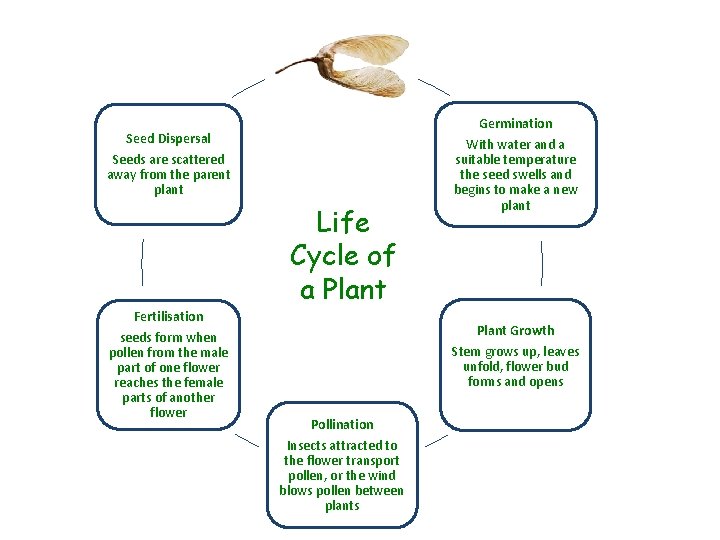
Germination Seed Dispersal Seeds are scattered away from the parent plant Life Cycle of a Plant Fertilisation seeds form when pollen from the male part of one flower reaches the female parts of another flower With water and a suitable temperature the seed swells and begins to make a new plant Plant Growth Stem grows up, leaves unfold, flower bud forms and opens Pollination Insects attracted to the flower transport pollen, or the wind blows pollen between plants
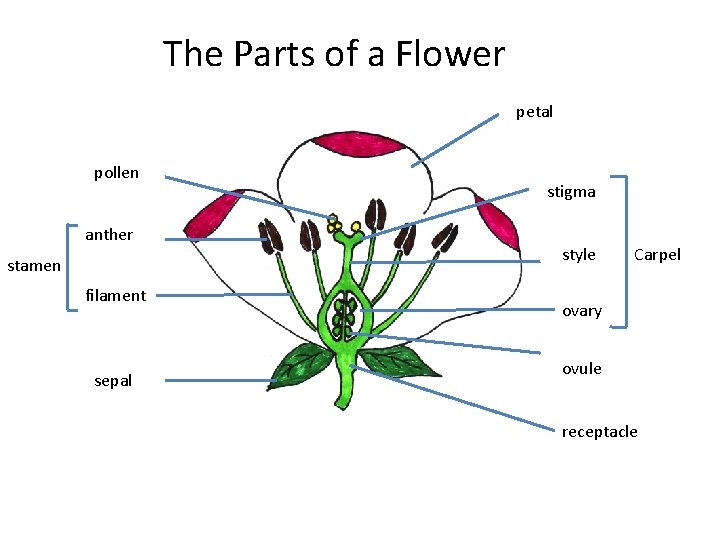
The Parts of a Flower petal pollen anther stamen filament sepal stigma style Carpel ovary ovule receptacle
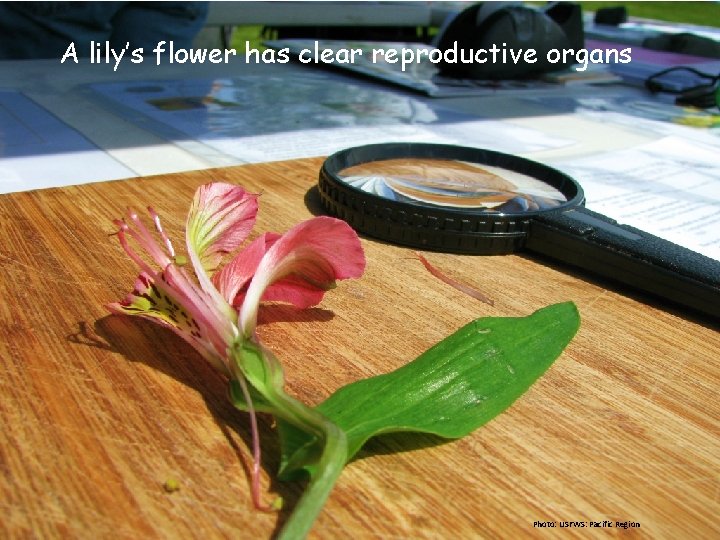
A lily’s flower has clear reproductive organs Photo: USFWS: Pacific Region
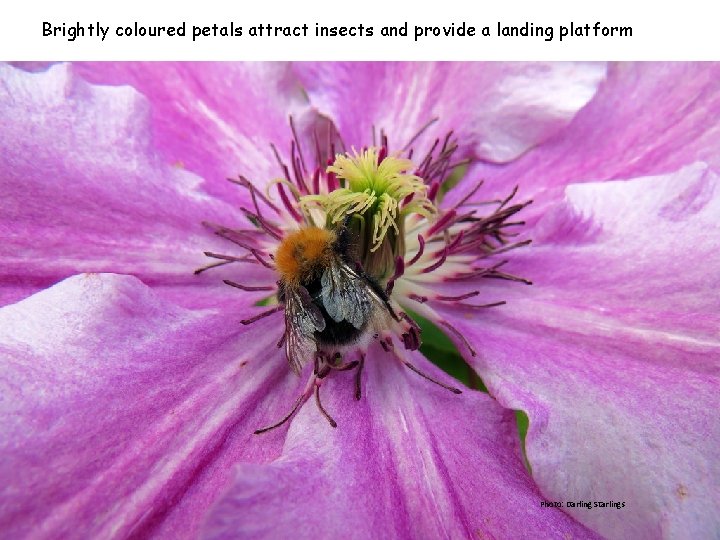
Brightly coloured petals attract insects and provide a landing platform Photo: Darling Starlings
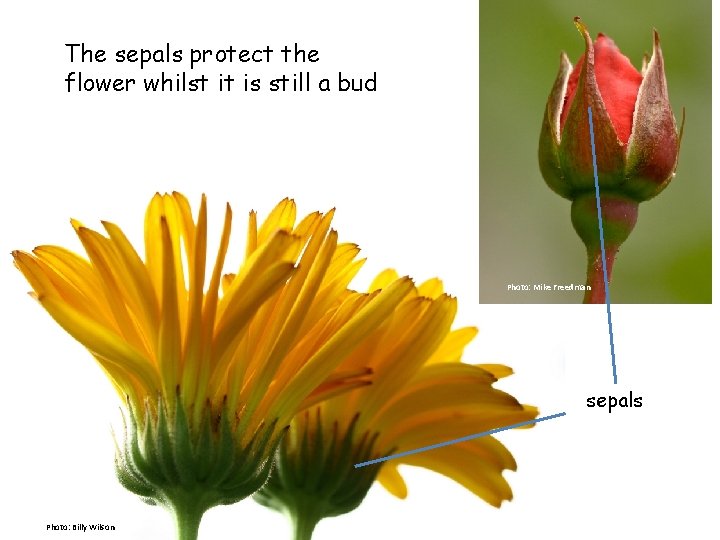
The sepals protect the flower whilst it is still a bud Photo: Mike Freedman sepals Photo: Billy Wilson
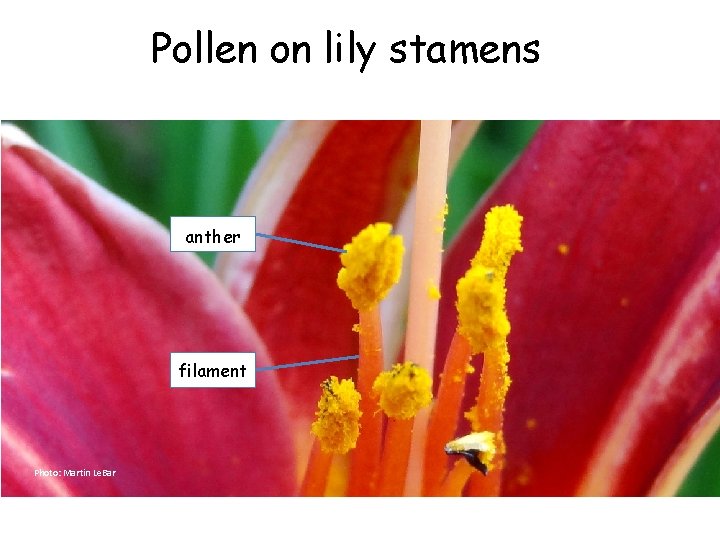
Pollen on lily stamens anther filament Photo: Martin Le. Bar
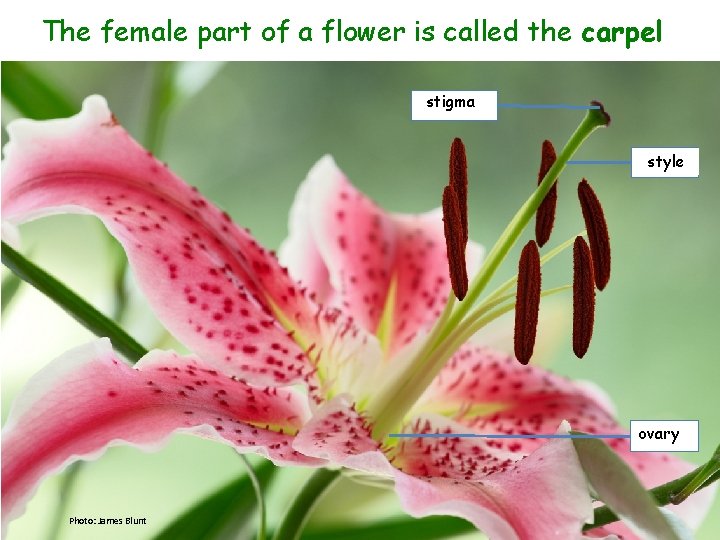
The female part of a flower is called the carpel stigma style ovary Photo: James Blunt
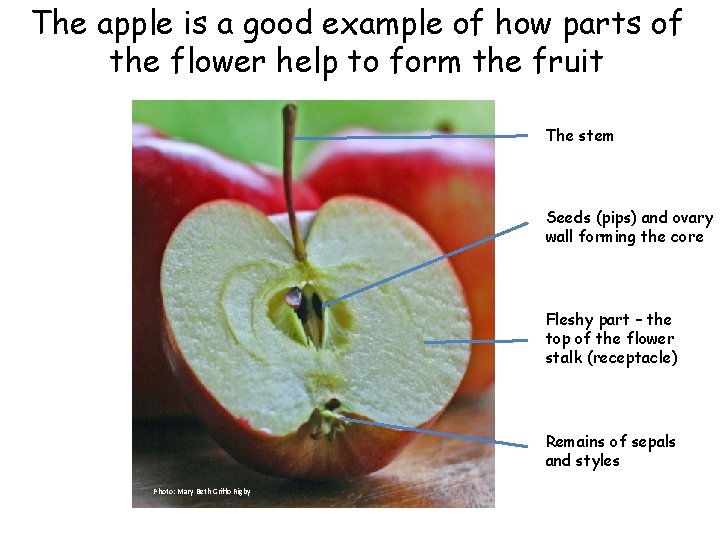
The apple is a good example of how parts of the flower help to form the fruit The stem Seeds (pips) and ovary wall forming the core Fleshy part – the top of the flower stalk (receptacle) Remains of sepals and styles Photo: Mary Beth Griffo Rigby
PLANT REPRODUCTION UPPER KEY STAGE 2 Registered charity number 1153740