
How do Erosion Weathering Deposition alter the earths

- Slides: 18
How do Erosion, Weathering, & Deposition alter the earth’s surface? SPI 0407. 7. 1 Design a simple model to illustrate how the wind and movement of water alter the earth’s surface.
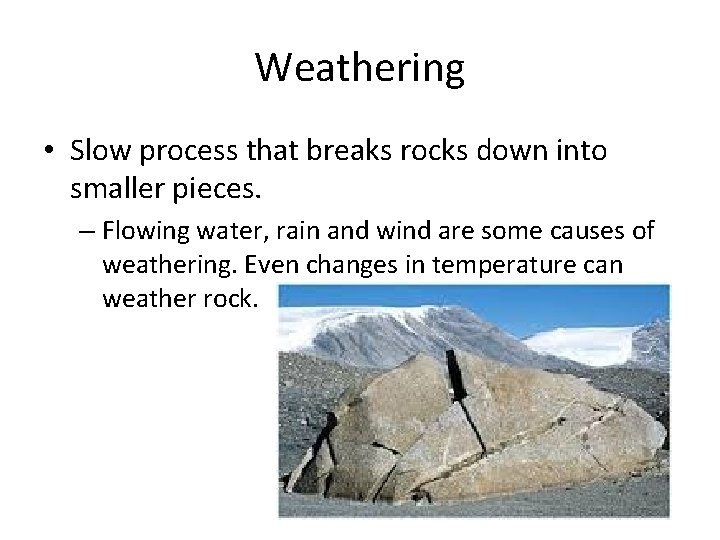
Weathering • Slow process that breaks rocks down into smaller pieces. – Flowing water, rain and wind are some causes of weathering. Even changes in temperature can weather rock.
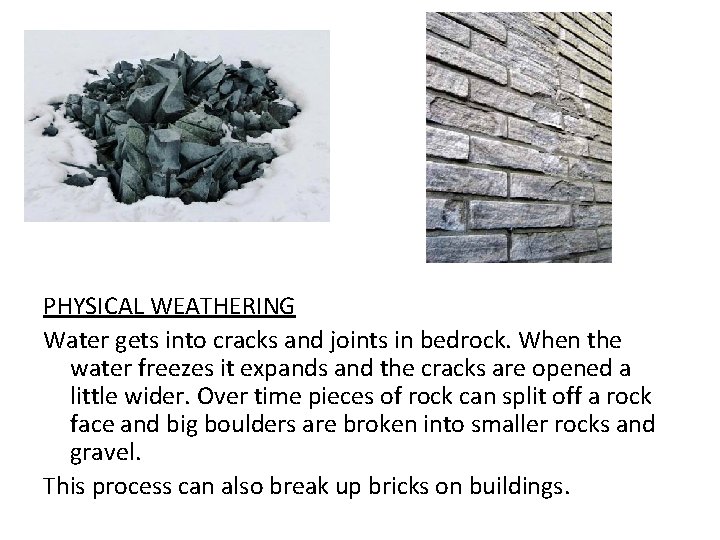
PHYSICAL WEATHERING Water gets into cracks and joints in bedrock. When the water freezes it expands and the cracks are opened a little wider. Over time pieces of rock can split off a rock face and big boulders are broken into smaller rocks and gravel. This process can also break up bricks on buildings.
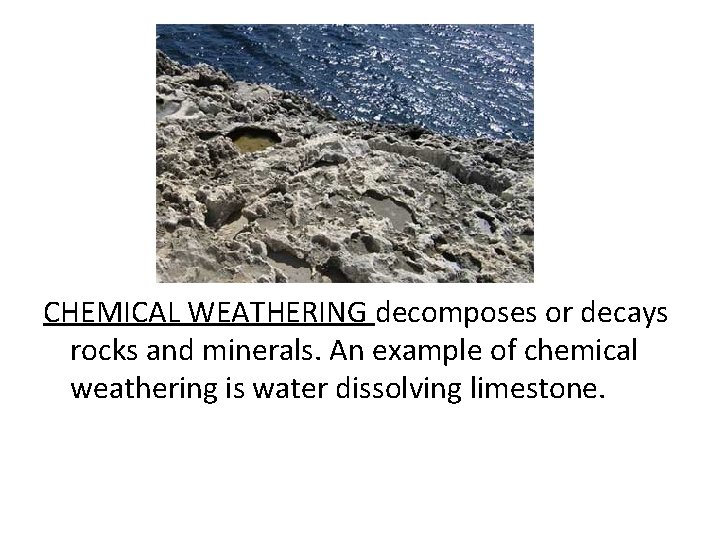
CHEMICAL WEATHERING decomposes or decays rocks and minerals. An example of chemical weathering is water dissolving limestone.
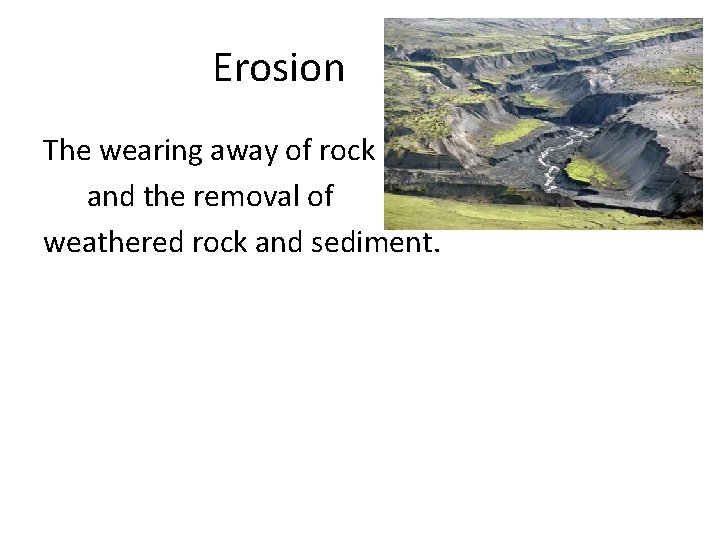
Erosion The wearing away of rock and the removal of weathered rock and sediment.
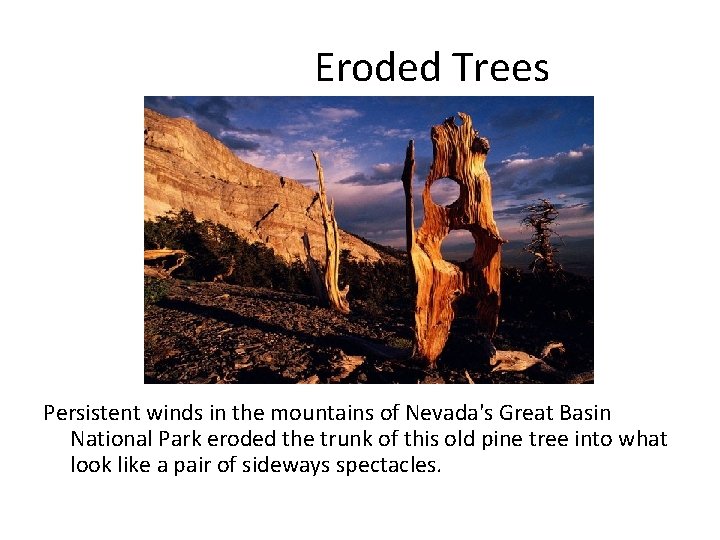
Eroded Trees Persistent winds in the mountains of Nevada's Great Basin National Park eroded the trunk of this old pine tree into what look like a pair of sideways spectacles.
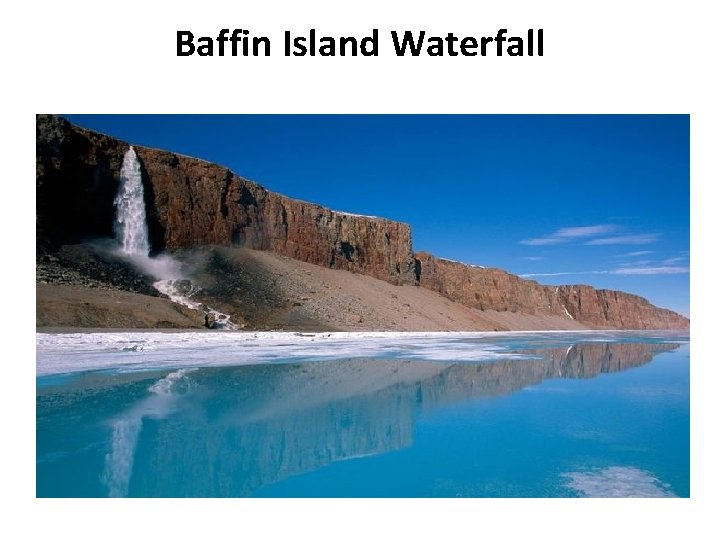
Baffin Island Waterfall
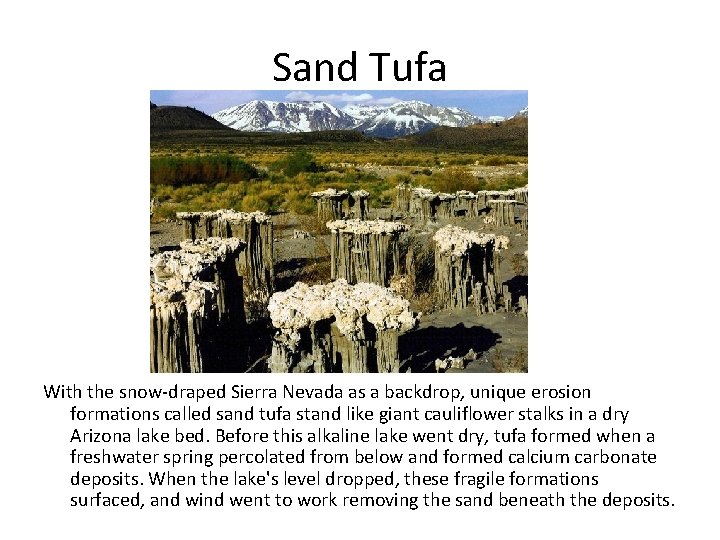
Sand Tufa With the snow-draped Sierra Nevada as a backdrop, unique erosion formations called sand tufa stand like giant cauliflower stalks in a dry Arizona lake bed. Before this alkaline lake went dry, tufa formed when a freshwater spring percolated from below and formed calcium carbonate deposits. When the lake's level dropped, these fragile formations surfaced, and wind went to work removing the sand beneath the deposits.
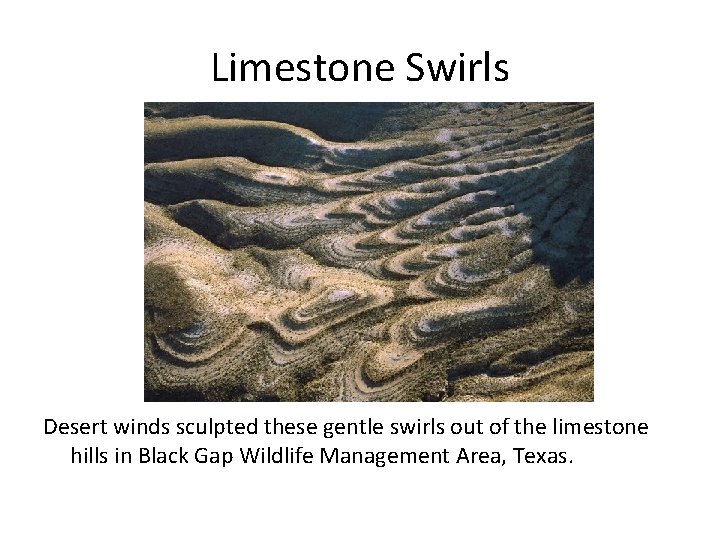
Limestone Swirls Desert winds sculpted these gentle swirls out of the limestone hills in Black Gap Wildlife Management Area, Texas.
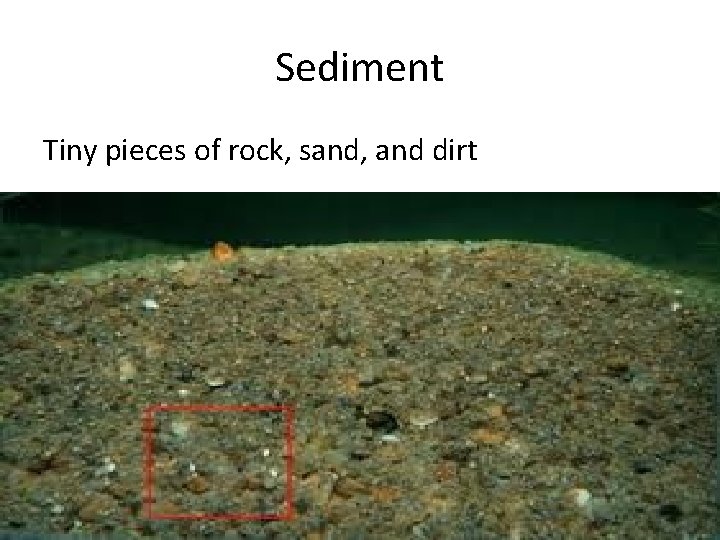
Sediment Tiny pieces of rock, sand, and dirt
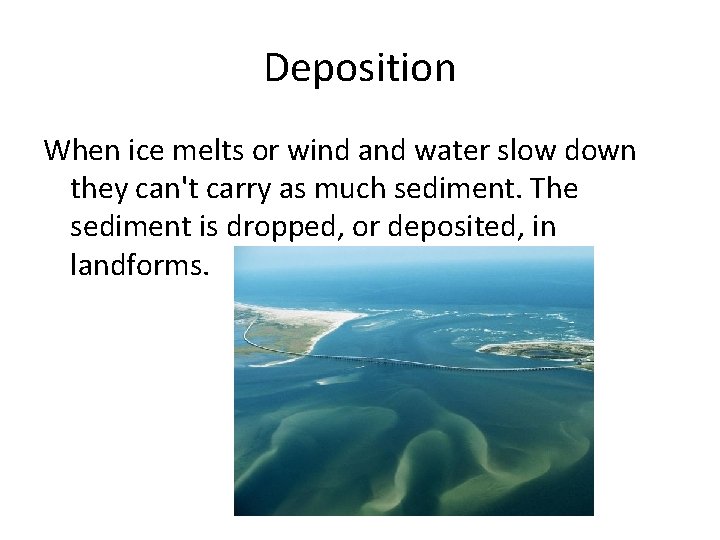
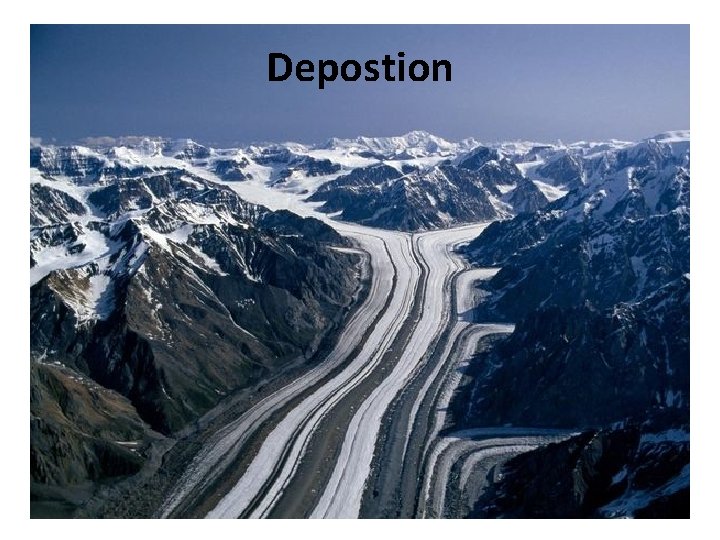
Deposition When ice melts or wind and water slow down they can't carry as much sediment. The sediment is dropped, or deposited, in landforms.
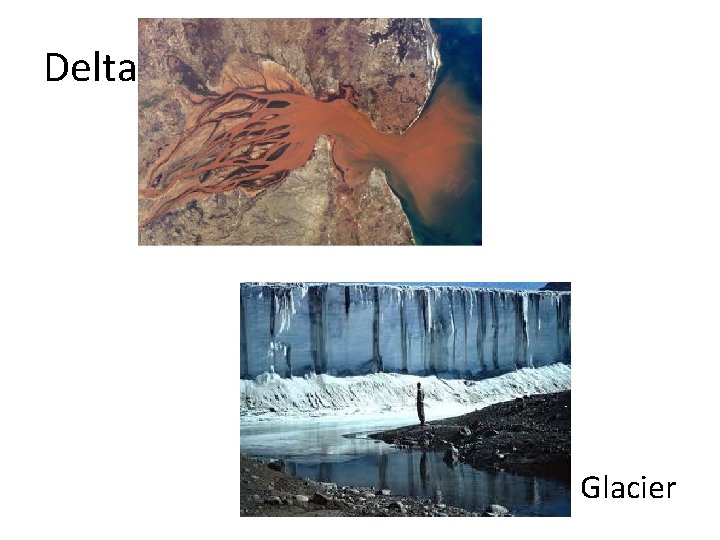
Delta Glacier
How do you think the following land formations were created? Erosion -OR- Weathering
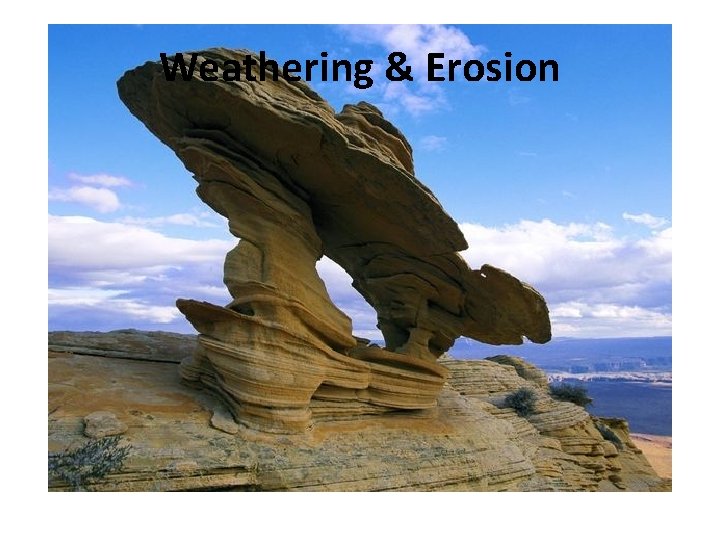
Weathering & Erosion
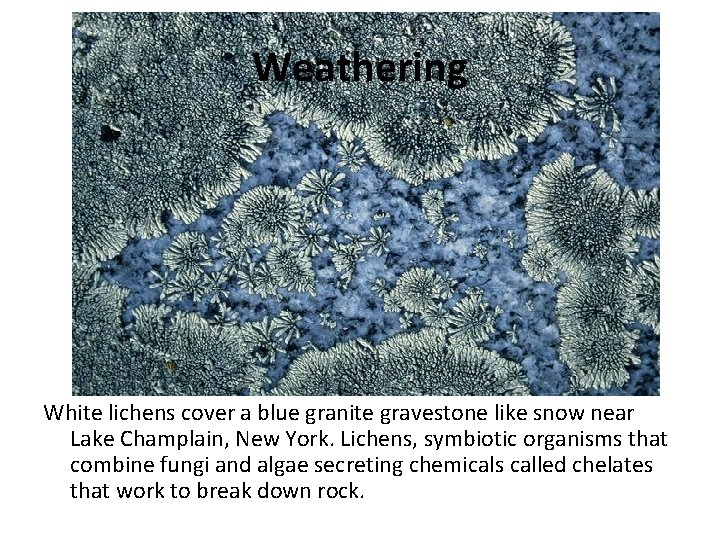
Weathering White lichens cover a blue granite gravestone like snow near Lake Champlain, New York. Lichens, symbiotic organisms that combine fungi and algae secreting chemicals called chelates that work to break down rock.
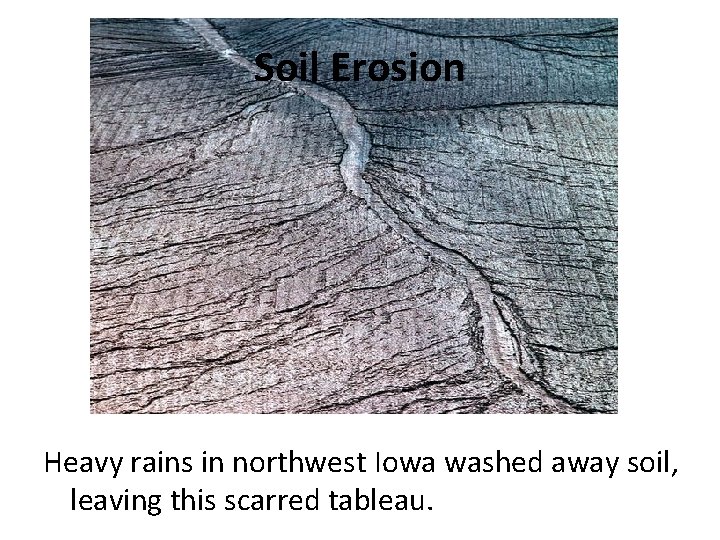
Soil Erosion Heavy rains in northwest Iowa washed away soil, leaving this scarred tableau.
Depostion
Let’s see what you learned!