
HOW DO CLOUDS FORM 0 1 Hygroscopic vs

- Slides: 24
HOW DO CLOUDS FORM?
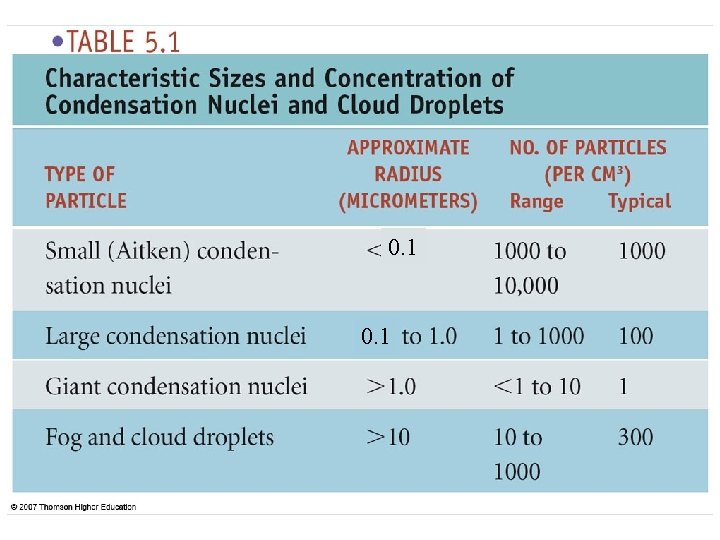
0. 1
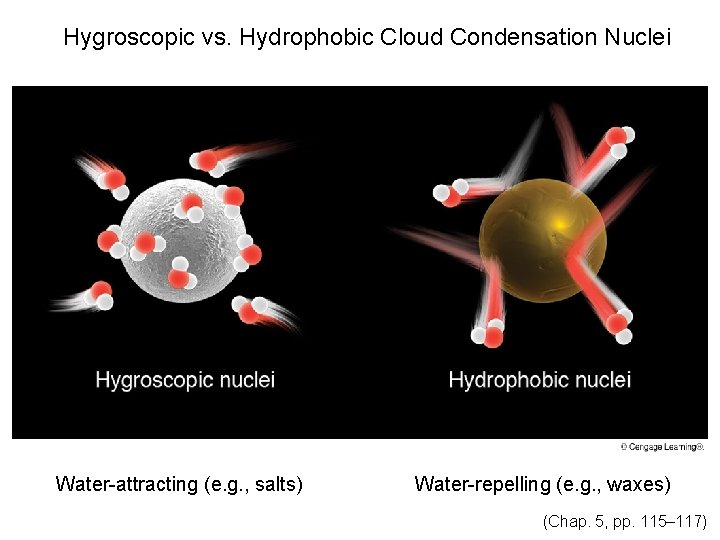
Hygroscopic vs. Hydrophobic Cloud Condensation Nuclei Water-attracting (e. g. , salts) Water-repelling (e. g. , waxes) (Chap. 5, pp. 115– 117)
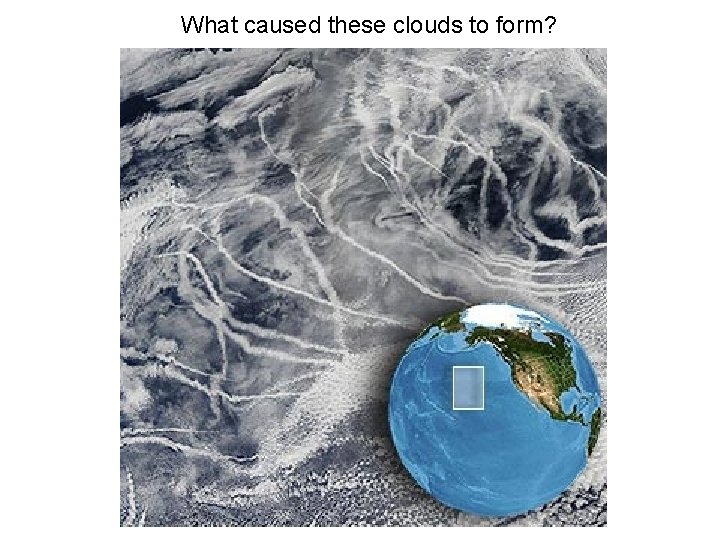
What caused these clouds to form?
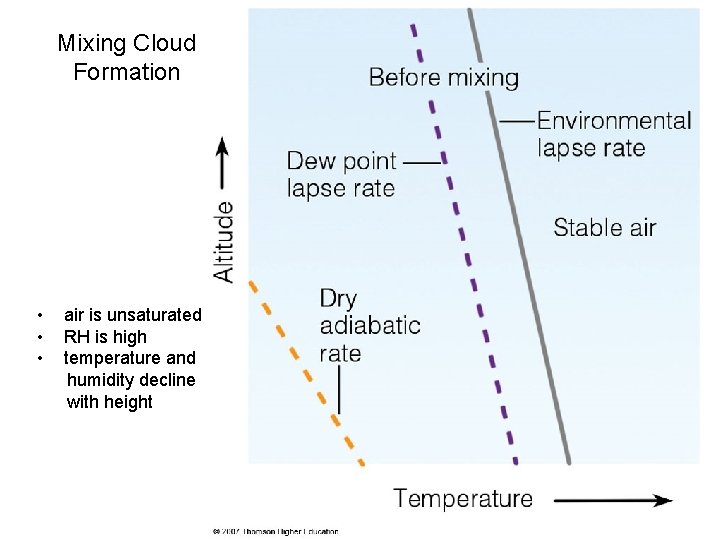
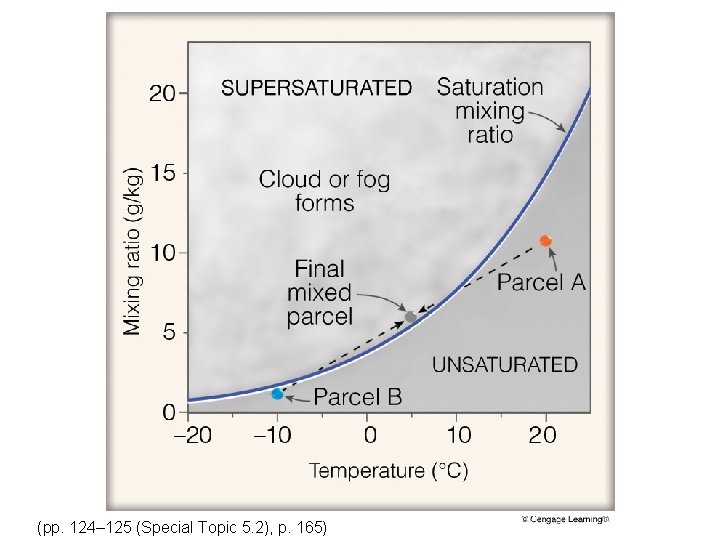
Mixing Cloud Formation • • • air is unsaturated RH is high temperature and humidity decline with height
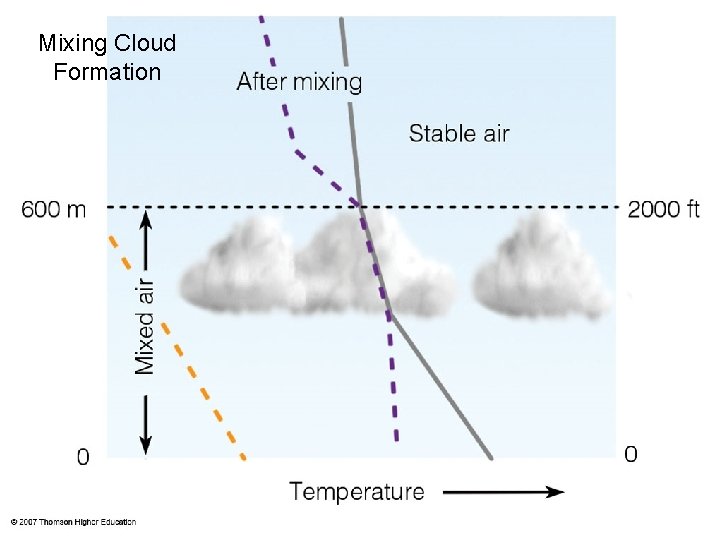
Mixing Cloud Formation
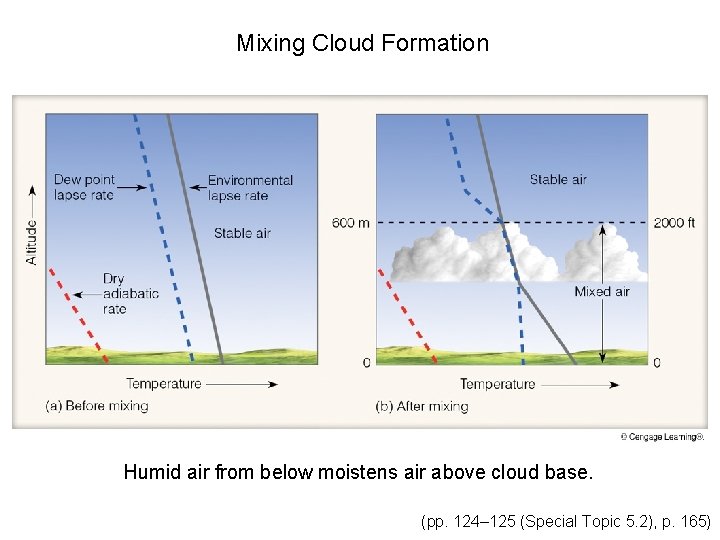
Mixing Cloud Formation Humid air from below moistens air above cloud base. (pp. 124– 125 (Special Topic 5. 2), p. 165)
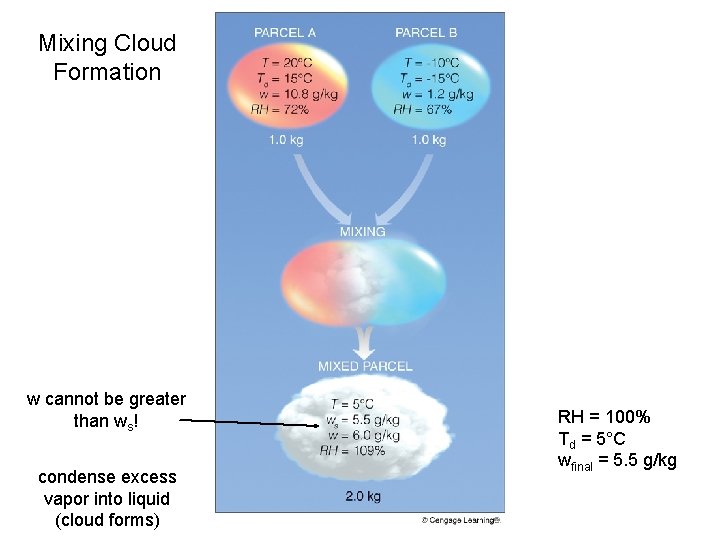
Mixing Cloud Formation w cannot be greater than ws! condense excess vapor into liquid (cloud forms) RH = 100% Td = 5°C wfinal = 5. 5 g/kg
(pp. 124– 125 (Special Topic 5. 2), p. 165)
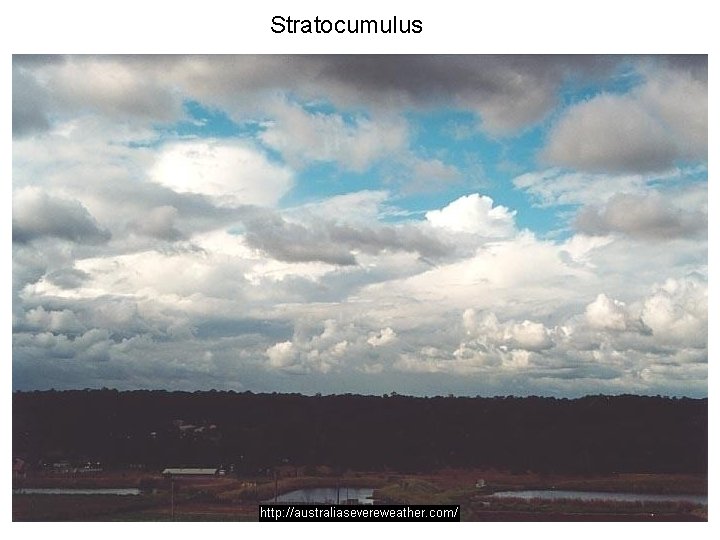
Stratocumulus
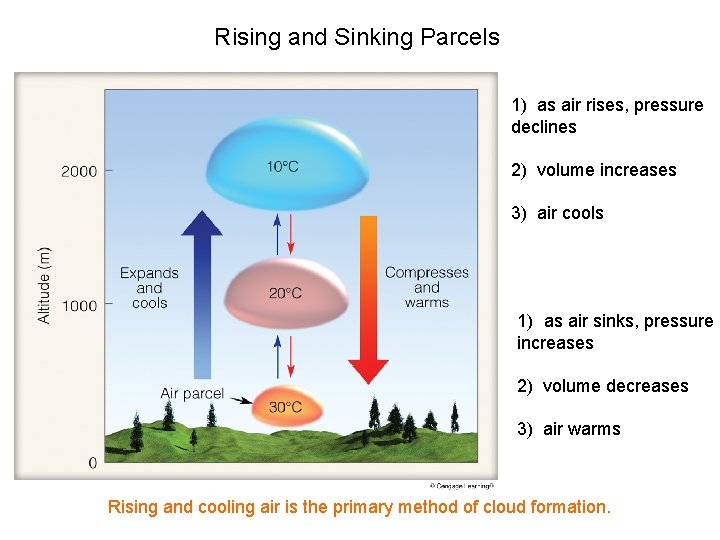
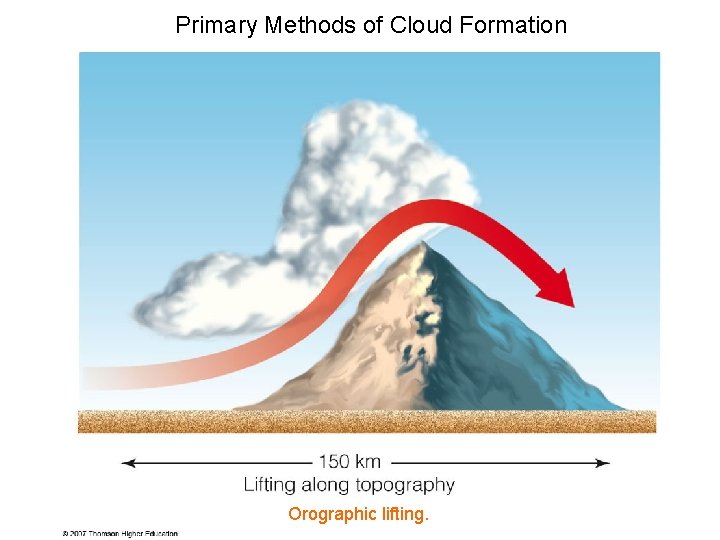
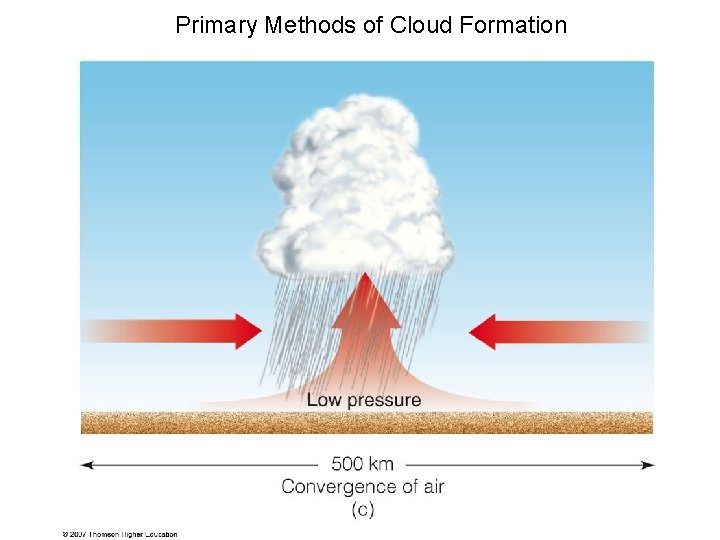
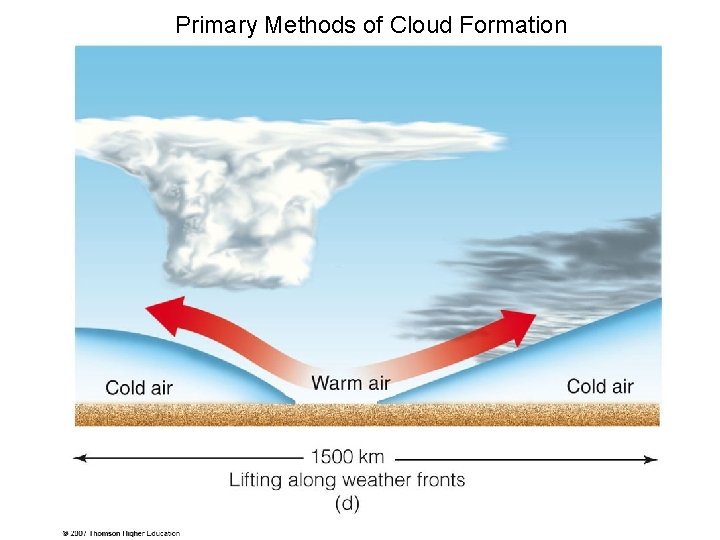
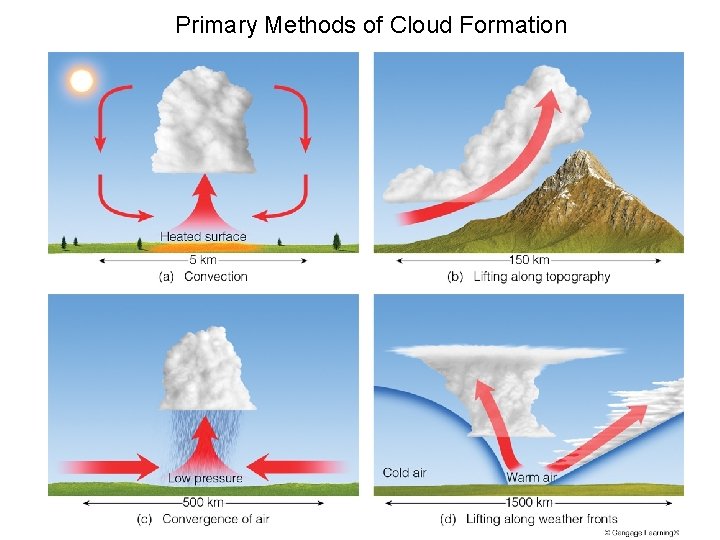
Rising and Sinking Parcels 1) as air rises, pressure declines 2) volume increases 3) air cools 1) as air sinks, pressure increases 2) volume decreases 3) air warms Rising and cooling air is the primary method of cloud formation.
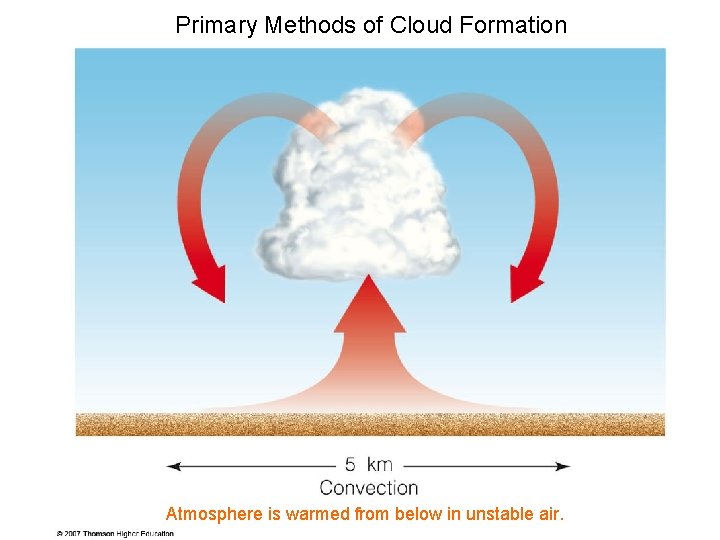
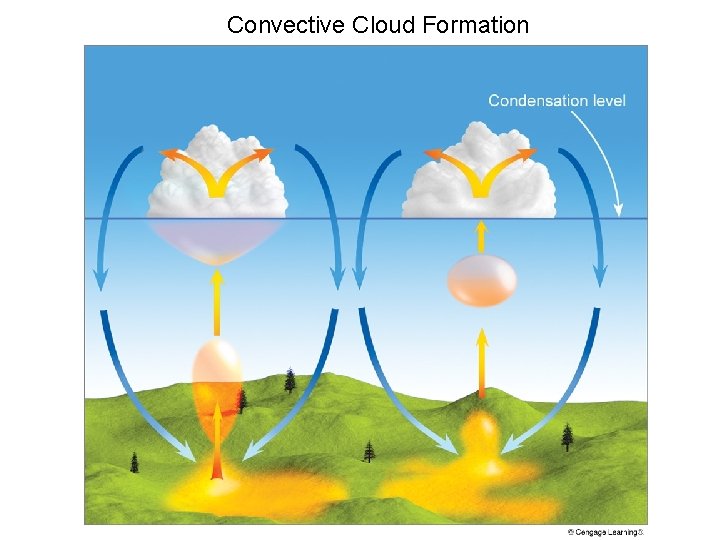
Primary Methods of Cloud Formation Atmosphere is warmed from below in unstable air.
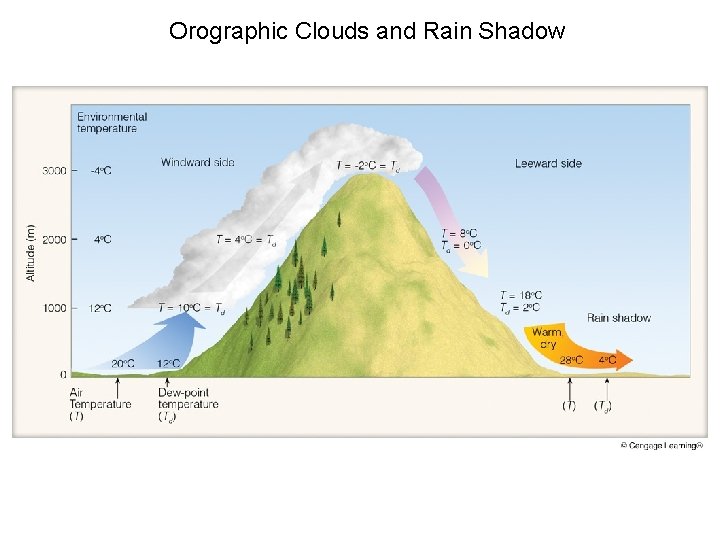
Primary Methods of Cloud Formation Orographic lifting.
Primary Methods of Cloud Formation
Primary Methods of Cloud Formation
Primary Methods of Cloud Formation
Orographic Clouds and Rain Shadow
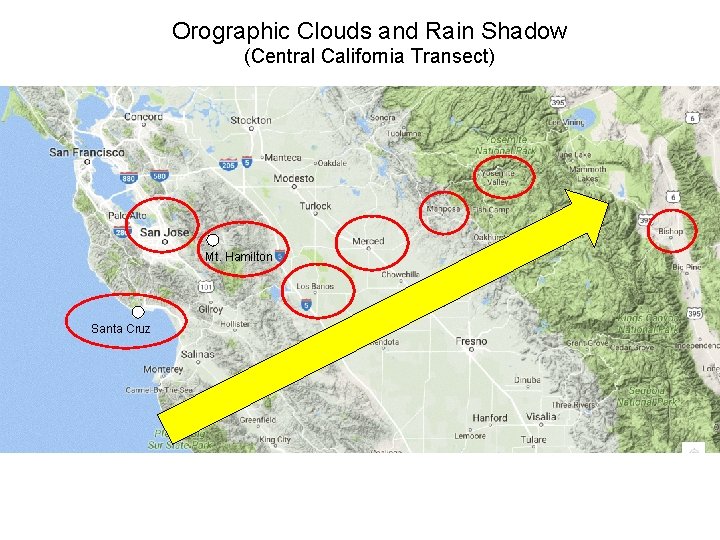
Orographic Clouds and Rain Shadow (Central California Transect) Mt. Hamilton Santa Cruz
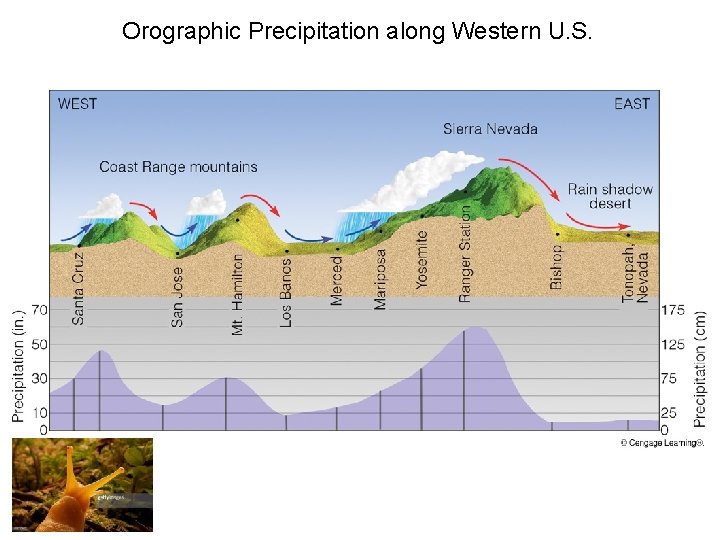
Orographic Precipitation along Western U. S.
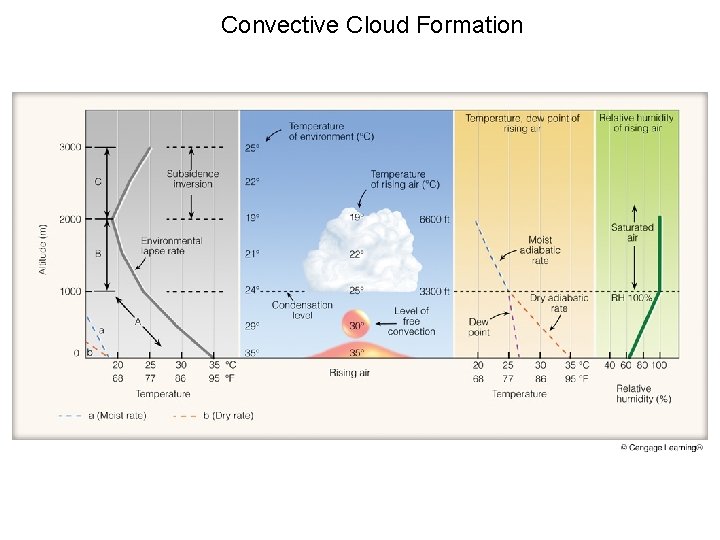
Convective Cloud Formation
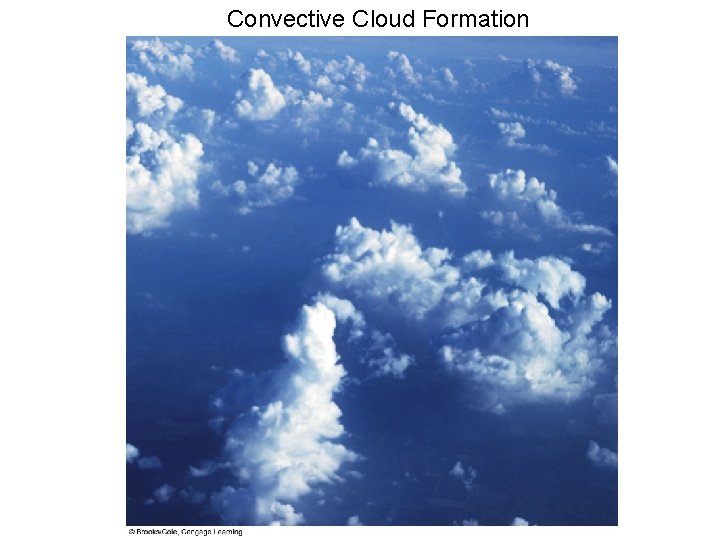
Convective Cloud Formation
Convective Cloud Formation
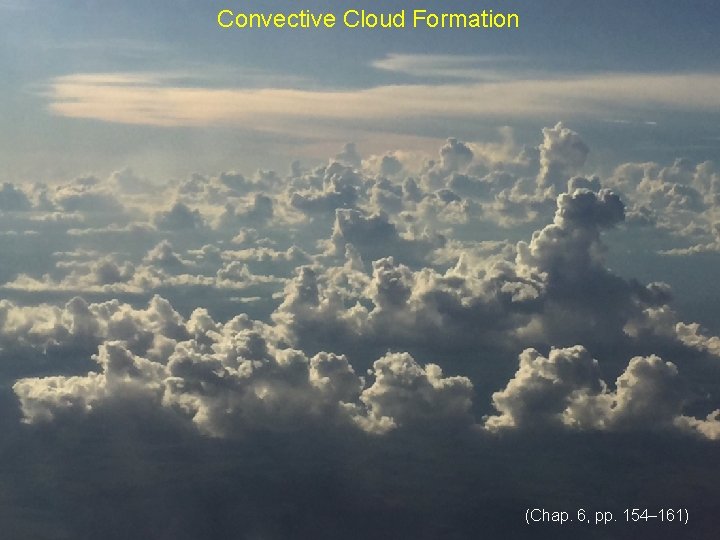
Convective Cloud Formation (Chap. 6, pp. 154– 161)