
How did viruses originate Viral Mutation Evolved Media
- Slides: 30
How did viruses originate? “Viral Mutation Evolved” Media: Pastel on paper WALTER DUPRIEST acanthusarts. org 1
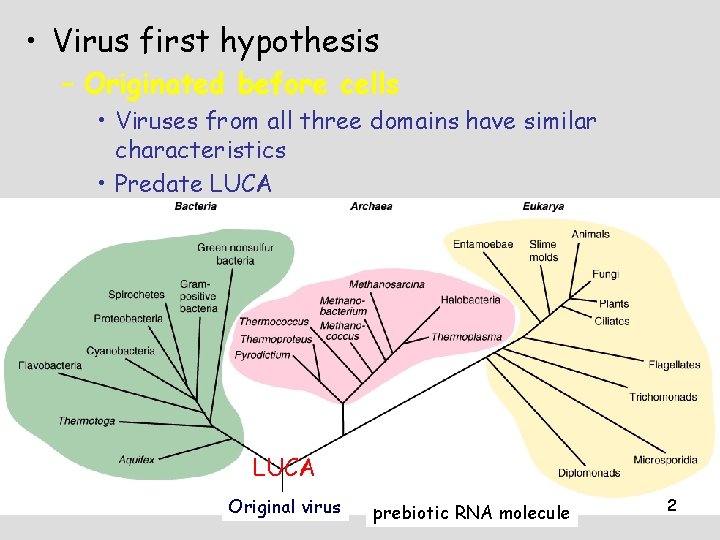
• Virus first hypothesis – Originated before cells • Viruses from all three domains have similar characteristics • Predate LUCA Original virus prebiotic RNA molecule 2
• Escape hypothesis – Fragments of escaped genome • Bacteriophages originated in the prokaryotic genome – Derived from an autonomously replicated plasmid • Eukaryotic viruses originated from the eukaryotic genome • Archaean viruses originated from the Archaean genome – DNA developed from RNA viruses 3
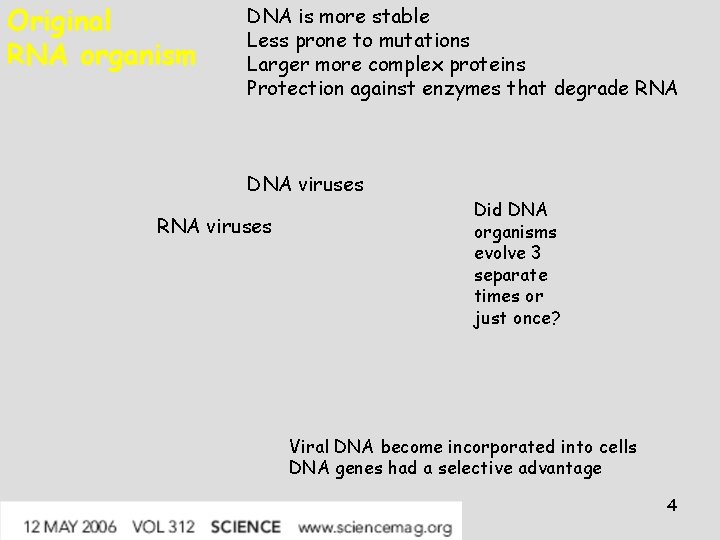
Original RNA organism DNA is more stable Less prone to mutations Larger more complex proteins Protection against enzymes that degrade RNA DNA viruses RNA viruses Did DNA organisms evolve 3 separate times or just once? Viral DNA become incorporated into cells DNA genes had a selective advantage 4
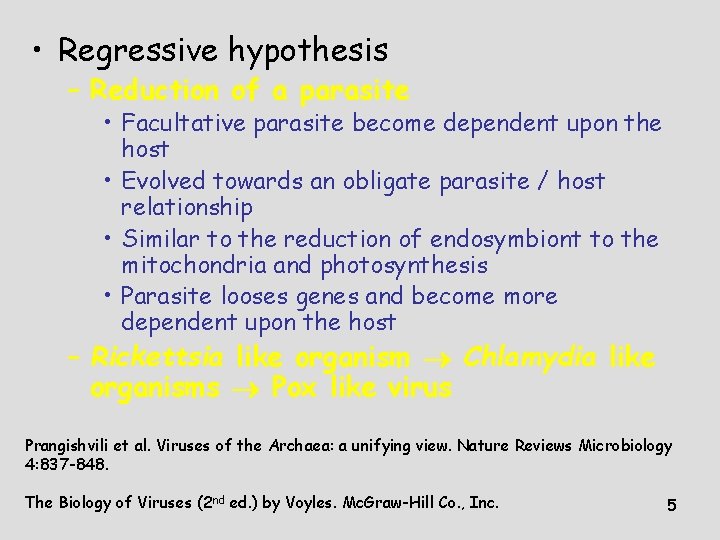
• Regressive hypothesis – Reduction of a parasite • Facultative parasite become dependent upon the host • Evolved towards an obligate parasite / host relationship • Similar to the reduction of endosymbiont to the mitochondria and photosynthesis • Parasite looses genes and become more dependent upon the host – Rickettsia like organism Chlamydia like organisms Pox like virus Prangishvili et al. Viruses of the Archaea: a unifying view. Nature Reviews Microbiology 4: 837 -848. The Biology of Viruses (2 nd ed. ) by Voyles. Mc. Graw-Hill Co. , Inc. 5
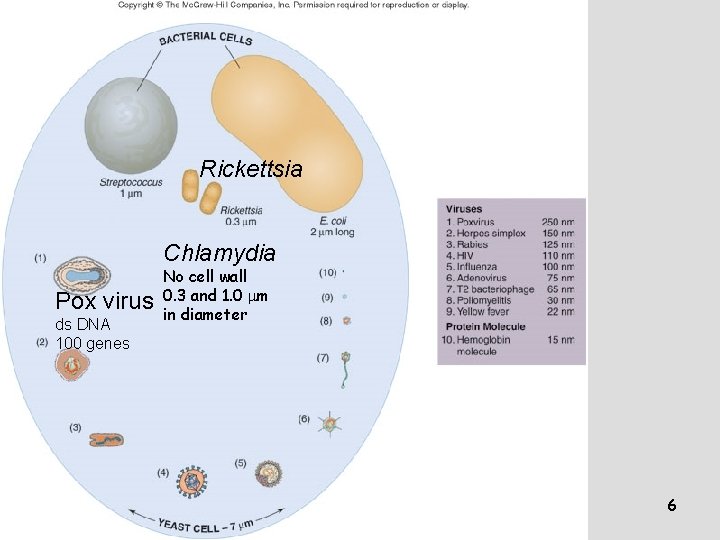
Rickettsia Chlamydia Pox virus ds DNA 100 genes No cell wall 0. 3 and 1. 0 mm in diameter 6
Mimivirus A unique virus 7
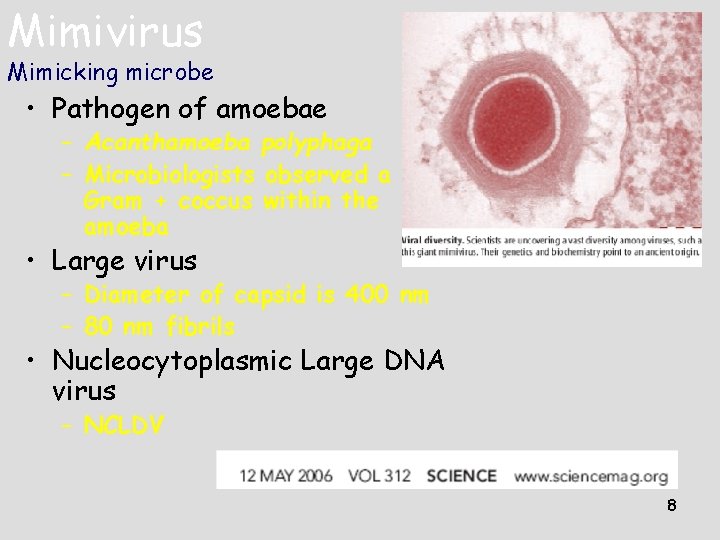
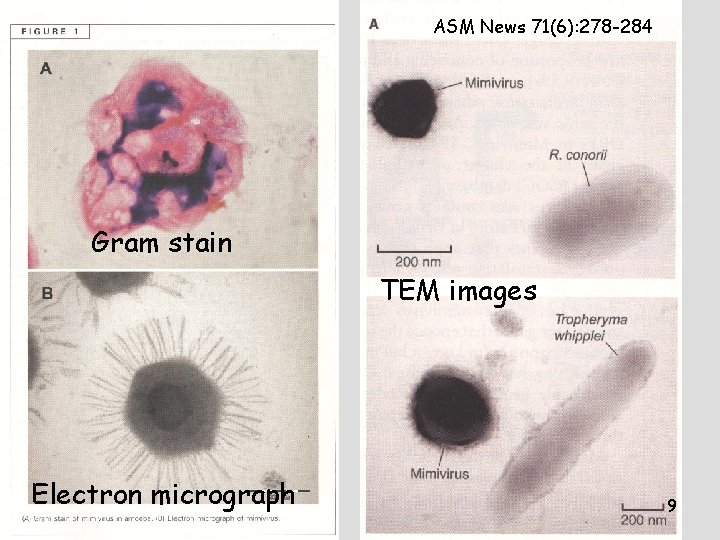
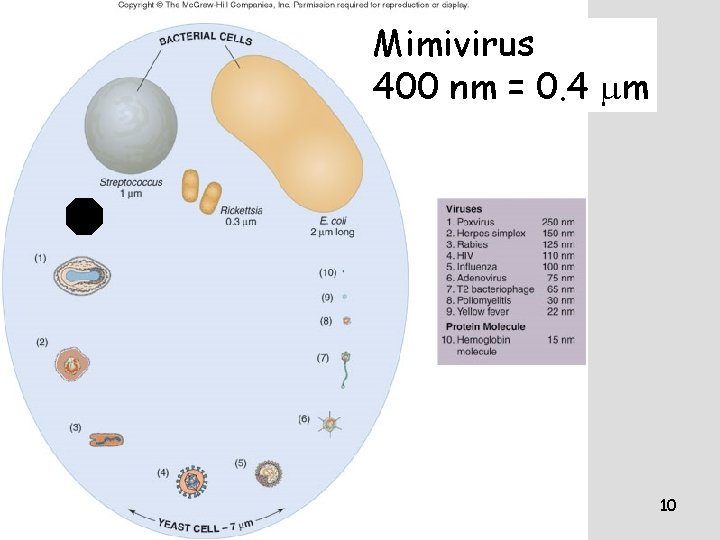
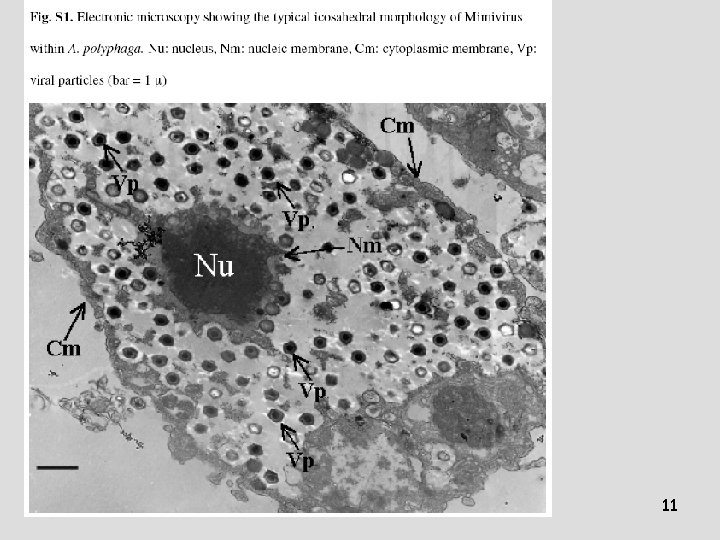
Mimivirus Mimicking microbe • Pathogen of amoebae – Acanthamoeba polyphaga – Microbiologists observed a Gram + coccus within the amoeba • Large virus – Diameter of capsid is 400 nm – 80 nm fibrils • Nucleocytoplasmic Large DNA virus – NCLDV 8
ASM News 71(6): 278 -284 Gram stain TEM images Electron micrograph 9
Mimivirus 400 nm = 0. 4 mm 10
11
• Linear ds DNA • Approx 1. 2 million bp – Largest viral genome – Larger genome than 20 prokaryotic organisms • 1262 open reading frames – Putative genes • Contains 21 genes that are found in all NCLDV • Contains metabolic genes not found in any other virus – Contains genes for nucleotide synthesis, protein synthesis, DNA repair, polysaccharide synthesis genes 12
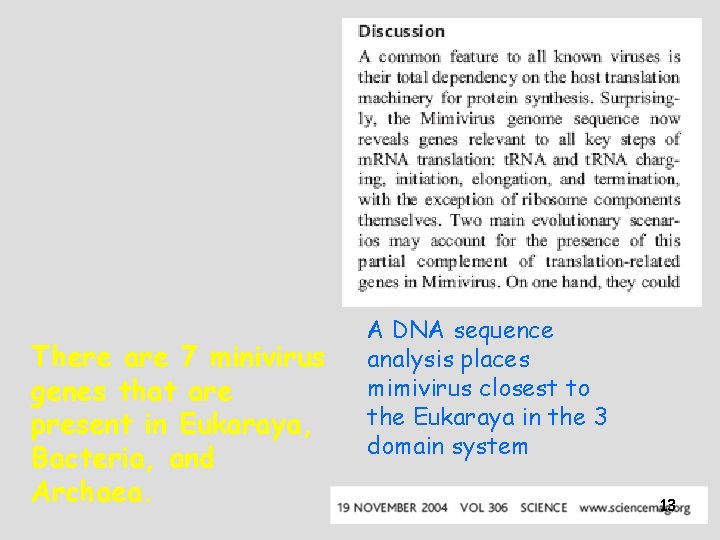
There are 7 minivirus genes that are present in Eukaraya, Bacteria, and Archaea. A DNA sequence analysis places mimivirus closest to the Eukaraya in the 3 domain system 13
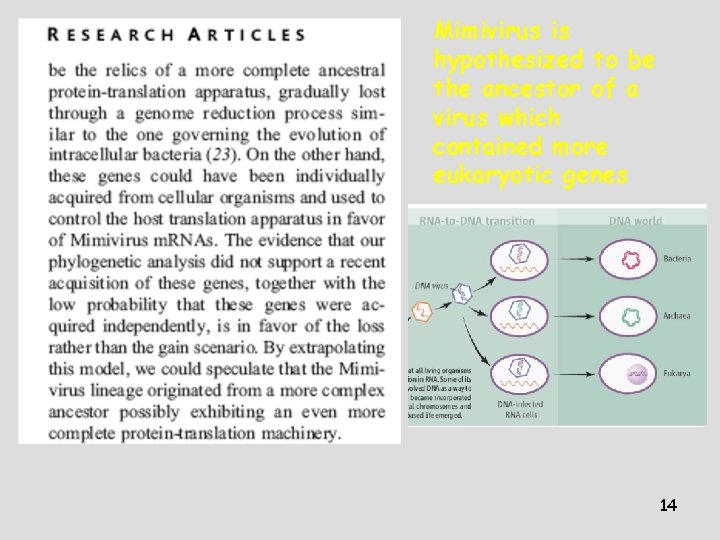
Mimivirus is hypothesized to be the ancestor of a virus which contained more eukaryotic genes 14
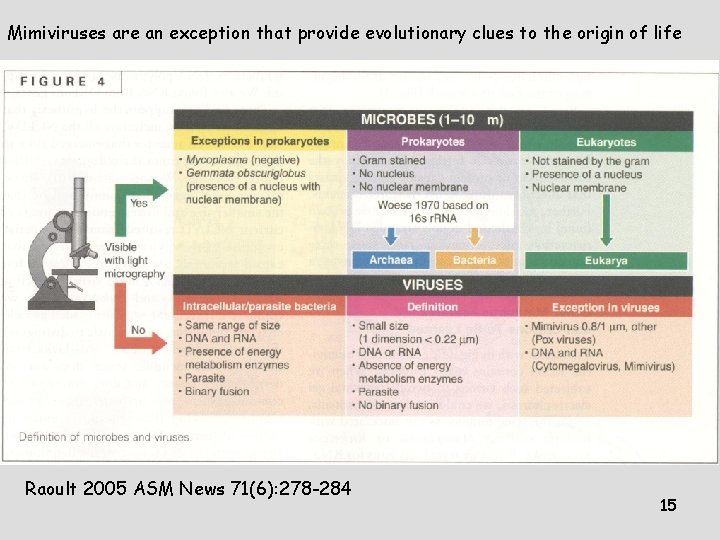
Mimiviruses are an exception that provide evolutionary clues to the origin of life Raoult 2005 ASM News 71(6): 278 -284 15
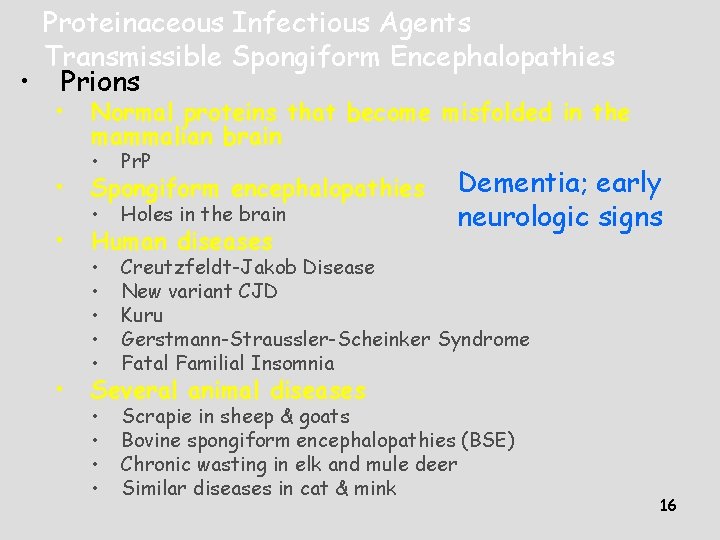
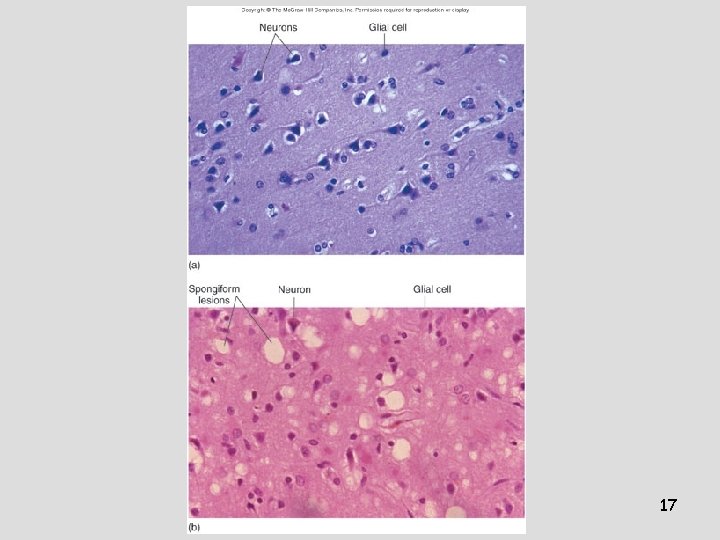
Proteinaceous Infectious Agents Transmissible Spongiform Encephalopathies • Prions • • Normal proteins that become misfolded in the mammalian brain • Pr. P • Holes in the brain • • • Creutzfeldt-Jakob Disease New variant CJD Kuru Gerstmann-Straussler-Scheinker Syndrome Fatal Familial Insomnia • • Scrapie in sheep & goats Bovine spongiform encephalopathies (BSE) Chronic wasting in elk and mule deer Similar diseases in cat & mink Spongiform encephalopathies Human diseases Dementia; early neurologic signs Several animal diseases 16
17
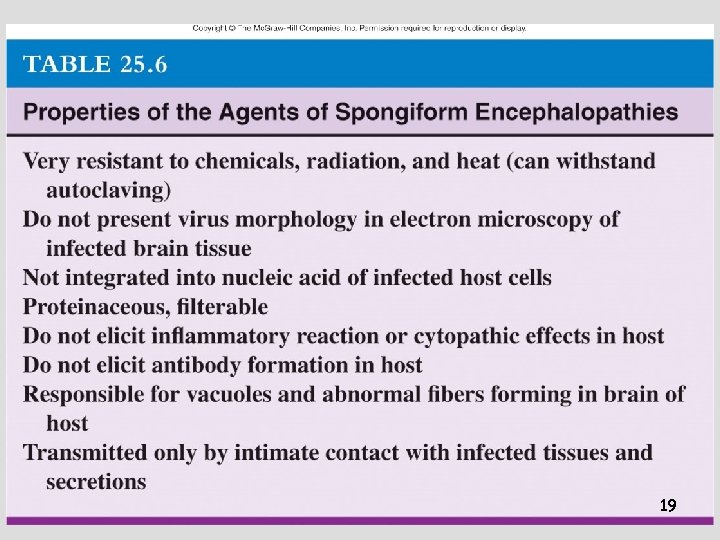
• Originally thought to be a viral disease • No RNA or DNA has been isolated • Treatment with UV did not reduce virulence • Prions have been produced in yeast cells • Useful experimental model 18
19
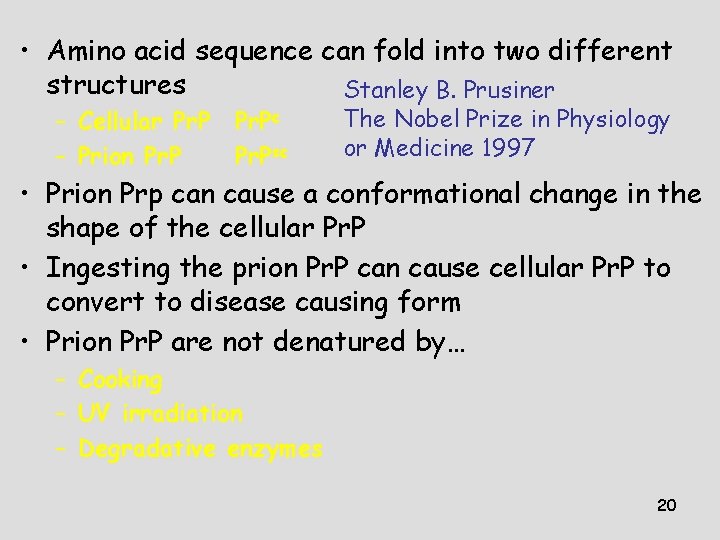
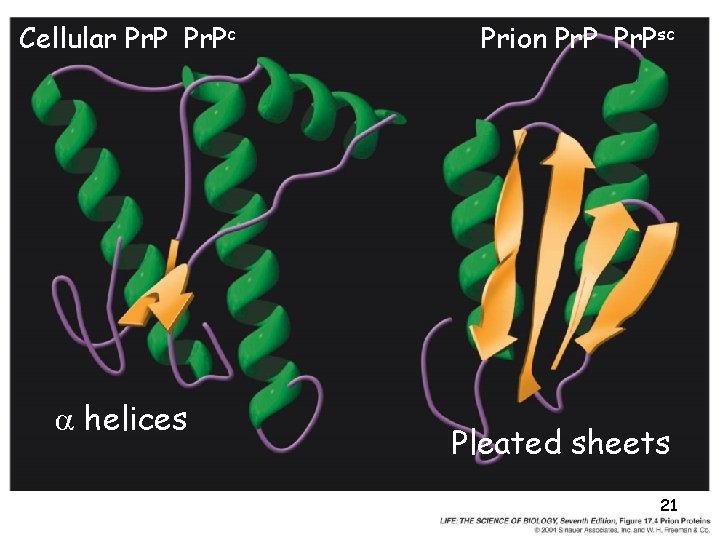
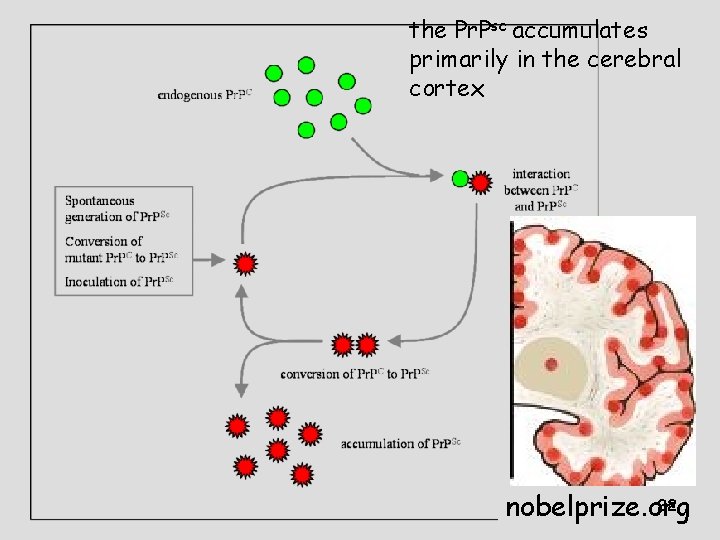
• Amino acid sequence can fold into two different structures Stanley B. Prusiner – Cellular Pr. P – Prion Pr. Pc Pr. Psc The Nobel Prize in Physiology or Medicine 1997 • Prion Prp can cause a conformational change in the shape of the cellular Pr. P • Ingesting the prion Pr. P can cause cellular Pr. P to convert to disease causing form • Prion Pr. P are not denatured by… – Cooking – UV irradiation – Degradative enzymes 20
Cellular Pr. Pc a helices Prion Pr. Psc Pleated sheets 21
the Pr. Psc accumulates primarily in the cerebral cortex 22 nobelprize. org
How does Pr. Psc arise? • Horizontal transmission from consuming contaminated food or animal feed – Sheep to a cow • Veritcal transmission – Mutations in the wildtype prion gene are transmitted from parent to child • Spontaneously – Approximately 1 in a million humans develop CJD disease 23
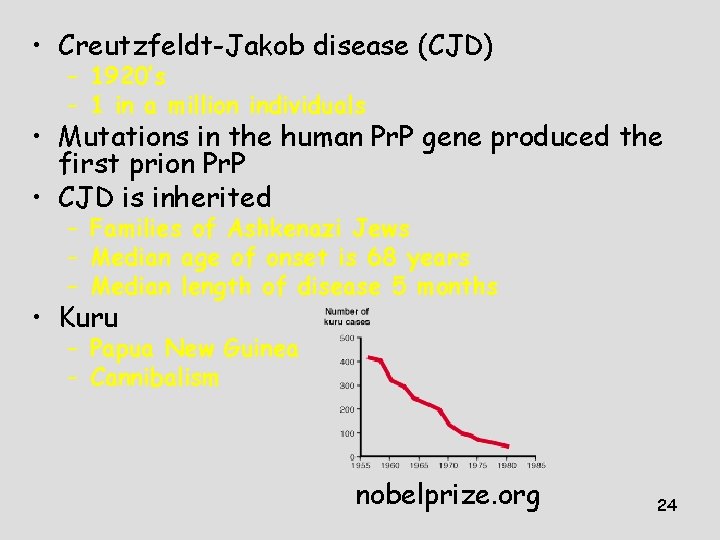
• Creutzfeldt-Jakob disease (CJD) – 1920’s – 1 in a million individuals • Mutations in the human Pr. P gene produced the first prion Pr. P • CJD is inherited – Families of Ashkenazi Jews – Median age of onset is 68 years – Median length of disease 5 months • Kuru – Papua New Guinea – Cannibalism nobelprize. org 24
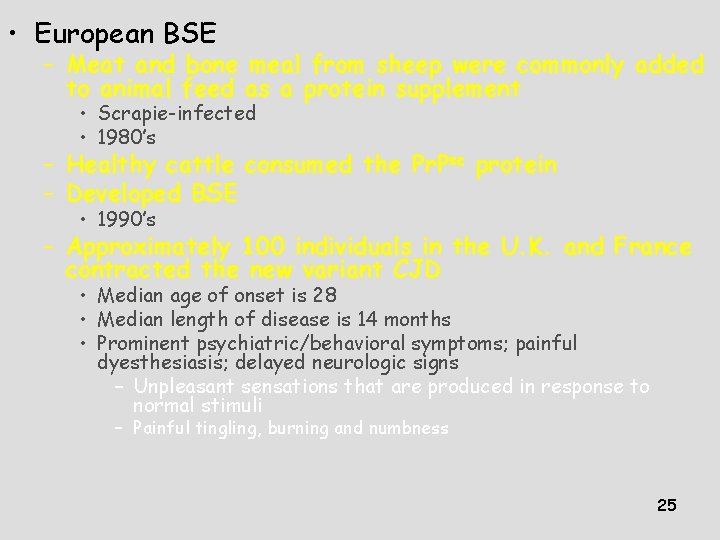
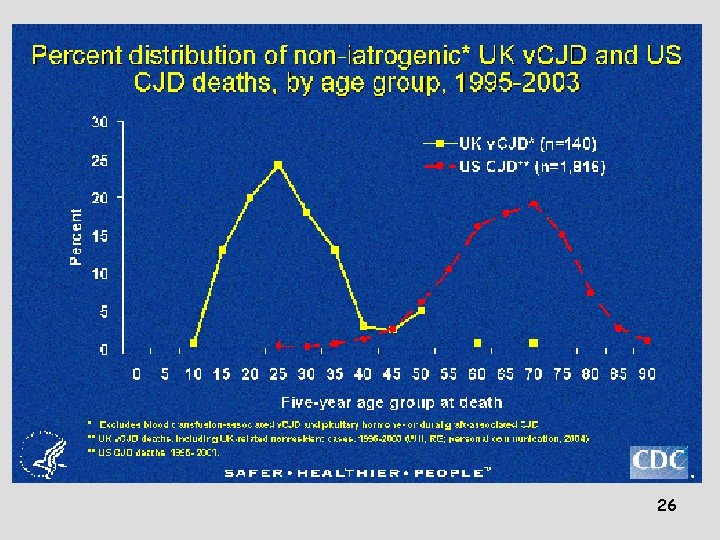
• European BSE – Meat and bone meal from sheep were commonly added to animal feed as a protein supplement • Scrapie-infected • 1980’s – Healthy cattle consumed the Pr. Psc protein – Developed BSE • 1990’s – Approximately 100 individuals in the U. K. and France contracted the new variant CJD • Median age of onset is 28 • Median length of disease is 14 months • Prominent psychiatric/behavioral symptoms; painful dyesthesiasis; delayed neurologic signs – Unpleasant sensations that are produced in response to normal stimuli – Painful tingling, burning and numbness 25
26
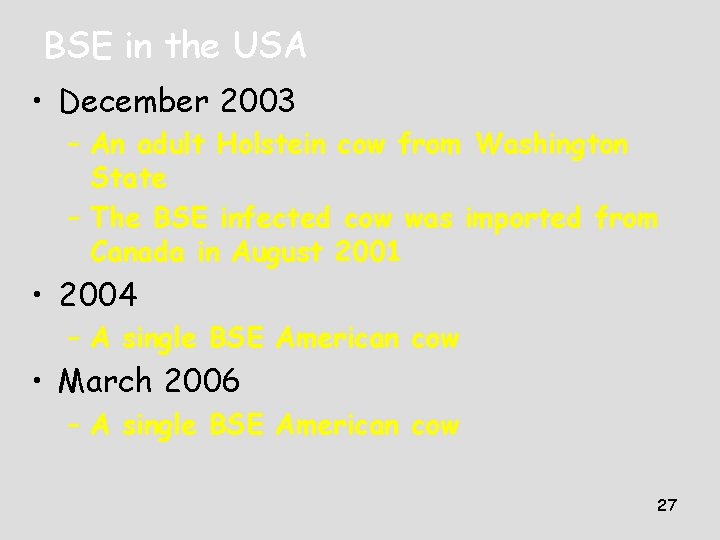
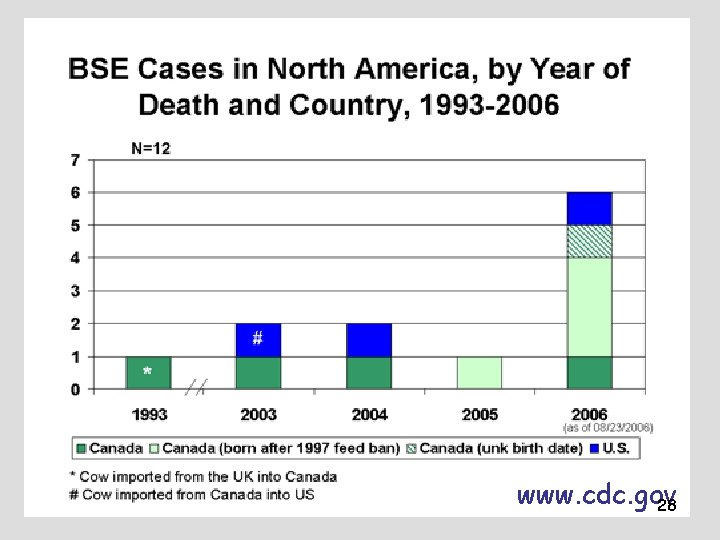
BSE in the USA • December 2003 – An adult Holstein cow from Washington State – The BSE infected cow was imported from Canada in August 2001 • 2004 – A single BSE American cow • March 2006 – A single BSE American cow 27
www. cdc. gov 28
Viroids • Smallest known pathogens • Naked ss RNA molecules with no protein • ~ 246 -399 nucleotides • No protein encoding genes! • Only known to infect plants (e. g. , potato spindle tuber viroid, citrus exocortis viroid) 29
Viroids (Continued) • Infection can be symptomless or severe in symptoms, even lethal • Severe syptoms tend to be growth related suggesting that viroid is a form of “regulatory RNA” that “rebelled” • None known in animals or prokaryotes as yet • Single-stranded but may appear to be ds based on secondary structure 30