
How Communication Campaigns Work Key Theoretical Concepts before
How Communication Campaigns Work? Key Theoretical Concepts before Message Construction
Key Points We will explain three Models of Advertising Effects to show Communication Campaigns work. 2. And will list the six key effects that govern consumer response to PSC/Corporate campaign messages 1.

Please make your personal analysis on these ads. .
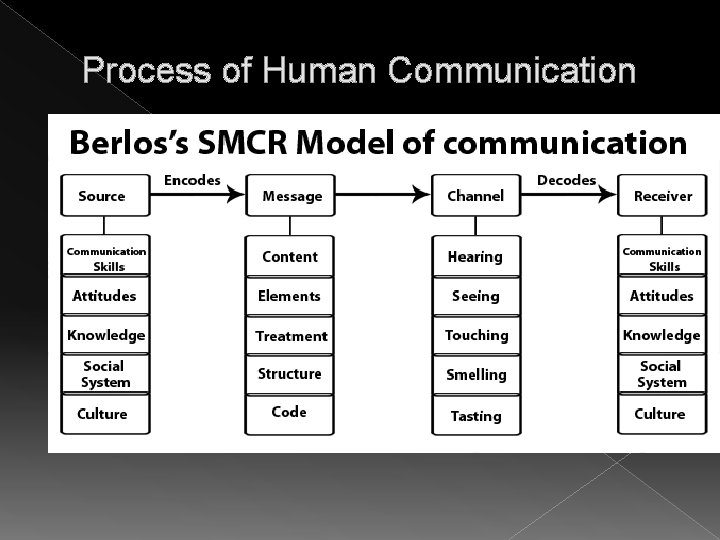
Process of Human Communication
The Effects Behind Advertising Effectiveness AIDA (attention, interest, desire, action) Hierarchy of Effects (think, feel, do) Key Corporate/PSC Effects Facets models of effective Campaign The facets come together to make up the unique consumer response to a communication message of campaign
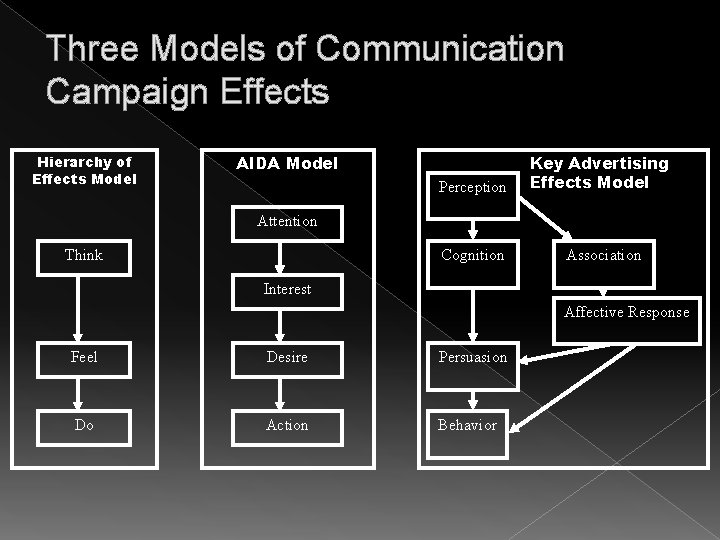
Three Models of Communication Campaign Effects Hierarchy of Effects Model AIDA Model Perception Key Advertising Effects Model Cognition Association Attention Think Interest Affective Response Feel Desire Persuasion Do Action Behavior
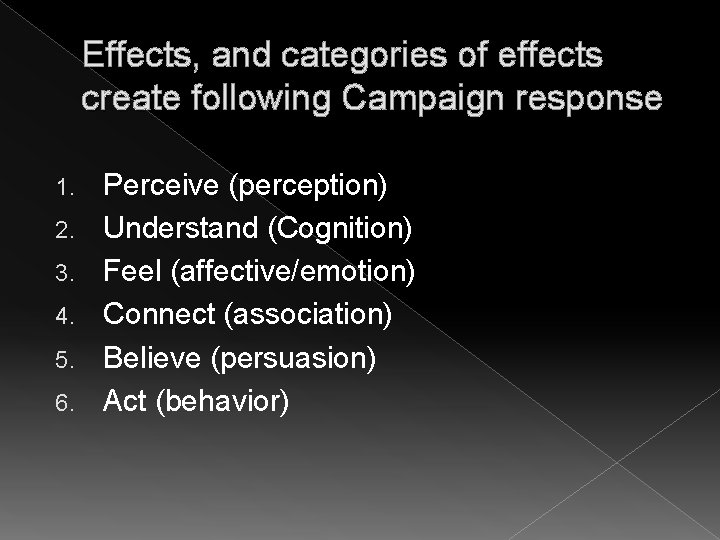
Effects, and categories of effects create following Campaign response 1. 2. 3. 4. 5. 6. Perceive (perception) Understand (Cognition) Feel (affective/emotion) Connect (association) Believe (persuasion) Act (behavior)
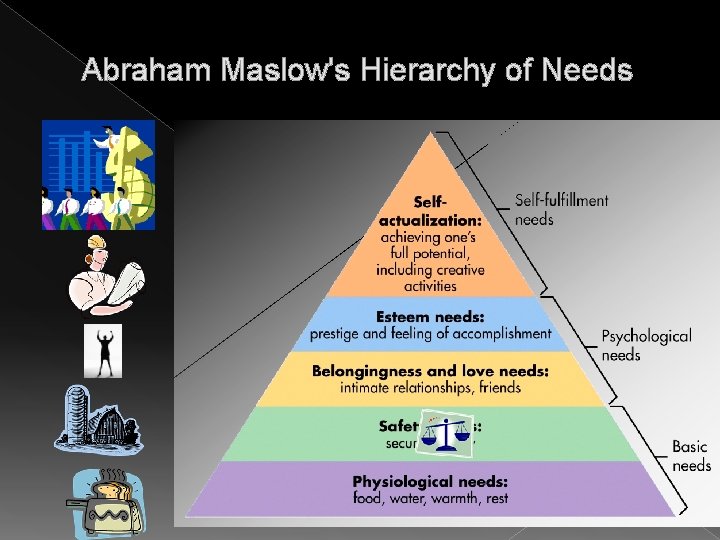
Abraham Maslow's Hierarchy of Needs
Perception The process by which we receive information through our five senses and assign meaning to it Exposure Being seen or heard Media planners try to find the best way to expose the target audience to the message IMC planners consider all contacts a consumer has with a company or brand
Perception - Measures Selection and Attention The ability to draw attention, to bring visibility One of advertising’s greatest strengths Interest and Relevance Interest › The receiver of the message has become mentally engaged with the ad and the product Relevance › The message connects on some personal level
Perception - Measures Awareness Results when an ad initially makes an impression Most evaluations of advertising effectiveness include a measure of awareness as an indicator of perception Recognition Memory Recognition Recall


Cognition How consumers respond to information, learn, and understand something Cognitive Learning • When a presentation of facts, information, and explanations leads to understanding • Used by consumers who want to learn everything about a product before they buy it
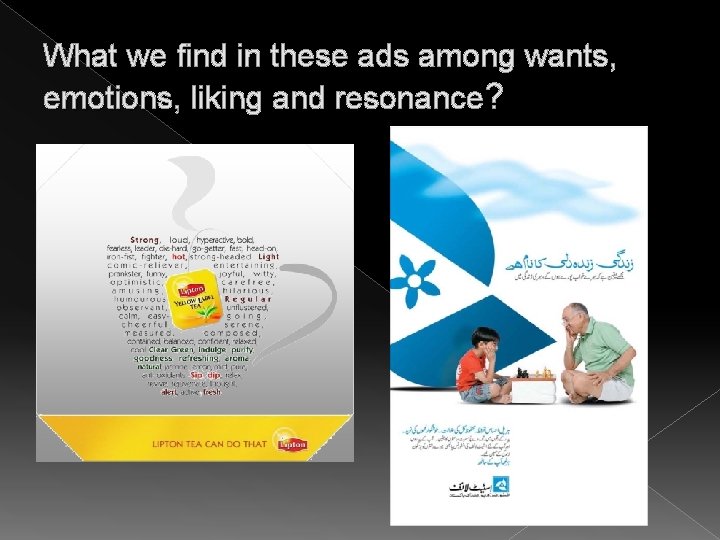
What we find in these ads among wants, emotions, liking and resonance?
Cognition - Objectives Information Facts about product performance and features Particularly important for products that are complex, have a high price, or are high risk Needs • The cognitive impact of an advertising message • A cognitive ad explains how a product works and what it can do for the consumer
Cognition - Measures Differentiation Occurs when consumers understand the explanation of a competitive advantage A consumer has to understand the features of a brand be able to compare competing products Recall When the consumer remembers seeing the advertisements and remembers the copy points Ads use jingles, slogans, catchy headlines, intriguing visuals, and key visuals
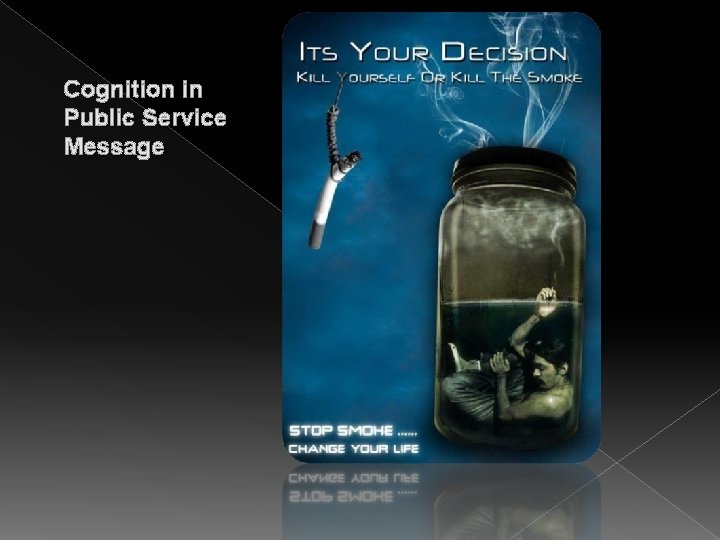
Cognition in Public Service Message
Association The process of making symbolic connections between a brand characteristics that represent the brand’s image and personality Symbolism The brand stands for a certain quality A bond or relationship is created based on these meanings Conditioned Learning The way association implants an idea in a consumer’s mind
Association - Measures Brand/Campaign Transformation A brand/campaign takes on meaning when it is transformed from a product into something special Differentiated from other products in the category by virtue of its image and identity Brand Communication 1. Brand/Cause identity 2. Brand/Cause position 3. Brand/Cause personality 4. Brand image /State of Cause 5. Brand/Cause promise 6. Brand loyalty /Behavior Change
The Affective or Emotional Response Mirrors a person’s feelings about something Stimulates wants › Touches the emotions › Creates feelings Wants Influenced more by emotion or desire Desire is based on wishes, longings, and cravings Emotions Agitates passions or feelings
The Affective or Emotional Response - Measures Liking a brand or ad is one of the best predictors of consumer behavior If a consumer likes the ad, the positive feeling will transfer to the brand Resonance Help the consumer identify with the brand on a personal level Stronger than liking because it involves an element of selfidentification
Persuasion The conscious intent on the part of the source to influence the receiver of a message to believe or do something Motivation • When something prompts a person to act in a certain way • Marketing communications uses incentives to encourage response
Persuasion - Objectives Arguments • Uses logic, reasons, and proofs to make a point and build conviction Conviction/Preference Conviction › Consumers believe something to be true Preference › An intention to try or buy a product Source credibility
Persuasion - Measures Loyalty Measured both as an attitude and by repeat purchases Built on customer satisfaction Attitudes Mental readiness to react to a situation in a given way Involvement’s Role The degree to which a consumer is engrossed in attending to an ad or making a product decision › › High involvement Low involvement
Behavior The action response Effectiveness is measured in terms of its ability to motivate people to do something Try and Buy Initiating action through trial Trial is important because it lets a customer use the product without investing in its purchase
Behavior Contact Making contact with the advertiser can be an important sign of effectiveness Prevention Involves counterarguing by presenting negative messages about an unwanted behavior
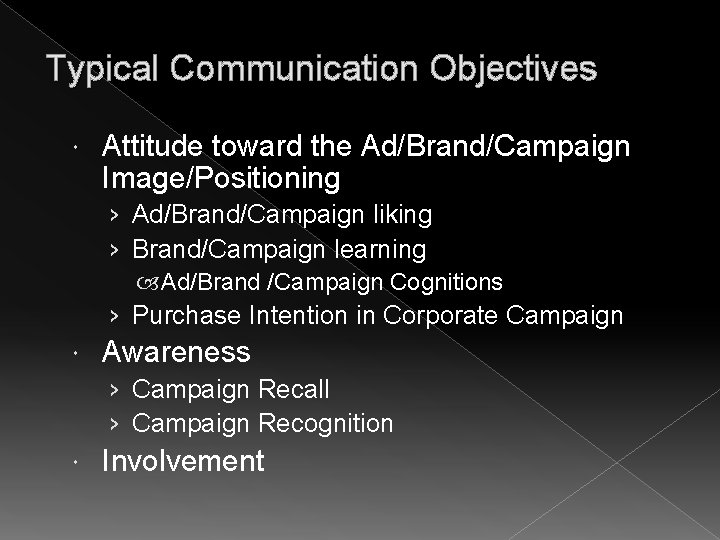
Typical Communication Objectives Attitude toward the Ad/Brand/Campaign Image/Positioning › Ad/Brand/Campaign liking › Brand/Campaign learning Ad/Brand /Campaign Cognitions › Purchase Intention in Corporate Campaign Awareness › Campaign Recall › Campaign Recognition Involvement
- Slides: 28