
How Chronic Neglect Impacts the Developing Brain Dr
How Chronic Neglect Impacts the Developing Brain Dr Cathal Mc. Auliffe Clinical Neuropsychologist Three Steps Cathal@threesteps. ie
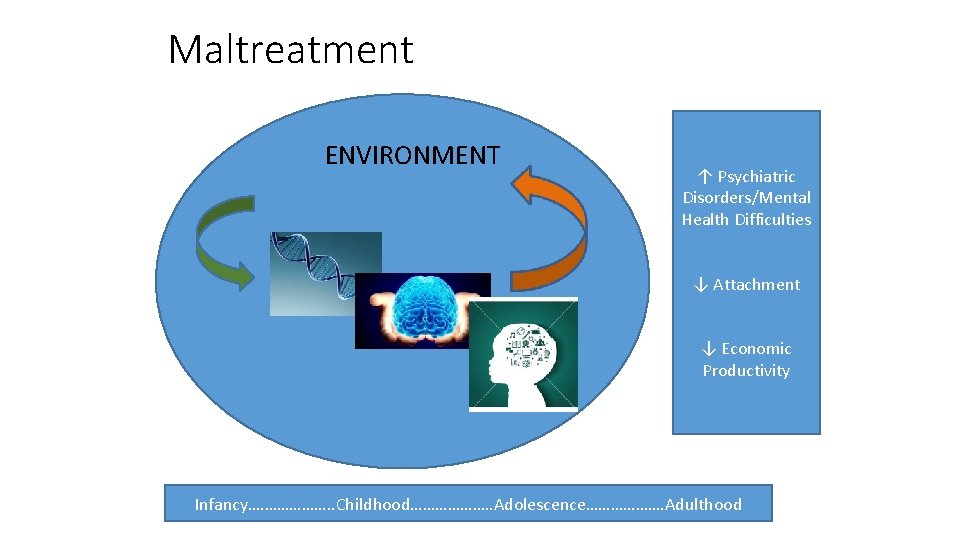
Maltreatment ENVIRONMENT ↑ Psychiatric Disorders/Mental Health Difficulties ↓ Attachment ↓ Economic Productivity Infancy. ………………. . Childhood………………. . Adolescence………………. Adulthood
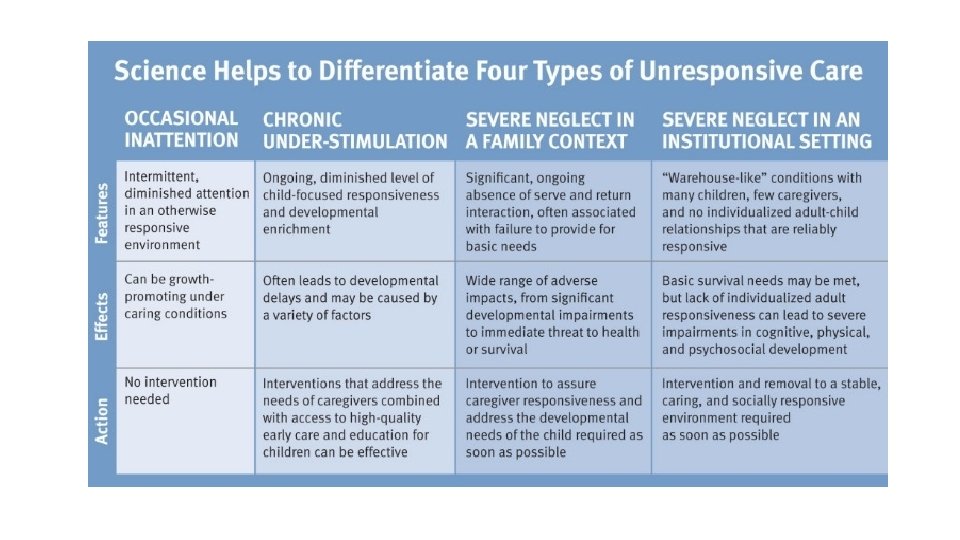
Definition of Neglect • Neglect is frequently defined as the failure of a parent or other person with responsibility for the child to provide needed food, clothing, shelter, medical care, or supervision to the degree that the child’s health, safety, and well-being are threatened with harm • Failure to meet a child’s basic needs is considered to be neglect
Definition of Neglect – Children’s First • Neglect can be defined in terms of an omission, where the child suffers significant harm or impairment of development by being deprived of food, clothing, warmth, hygiene, intellectual stimulation, supervision and safety, attachment to and affection from adults, and/or medical care. • Harm can be defined as the ill-treatment or the impairment of the health or development of a child. Whether it is significant is determined by the child’s health and development as compared to that which could reasonably be expected of a child of similar age. • Neglect generally becomes apparent in different ways over a period of time rather than at one specific point. For example, a child who suffers a series of minor injuries may not be having his or her needs met in terms of necessary supervision and safety. A child whose height or weight is significantly below average may be being deprived of adequate nutrition. A child who consistently misses school may be being deprived of intellectual stimulation. • The threshold of significant harm is reached when the child’s needs are neglected to the extent that his or her well-being and/or development are severely affected.
Types of Neglect • Wilful Neglect • Circumstantial Neglect
Intergenerational Neglect • Patterns of difficulties • Expectations • Low Socio-Economic Status • Education • Multidisciplinary and Interagency Collaboration • Epigenetics

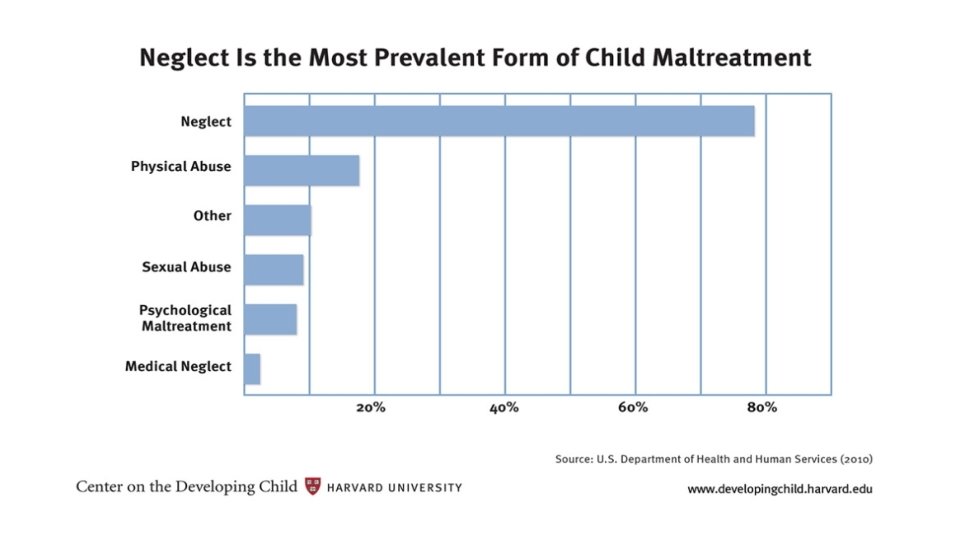
The consequences of Neglect (NSPCC) • Babies under 1 year are statistically more at risk of dying from neglect
The consequences of Neglect – 0 to 5 years NSPCC Failure to thrive; stunting, poor height and weight gain Developmental delay; not meeting milestones e. g. not sitting, crawling Pale skin, poor hair and skin condition Understimulation; head banging, rocking Language delay Emotional, social and behavioural difficulties e. g. frequent tantrums; persistent attention seeking or demanding; impulsivity or watchful and withdrawn • Frequent attendances at A&E • Persistent minor infections • • •
The consequences of Neglect – 5 to 11 years NSPCC • Poor concentration and achievement at school • Speech and language delay • Aggressive/withdrawn • Emotional, social and behavioural difficulties as above • Frequent attendances/admission to A&E • Isolated or struggles to make and keep friendships • Problems with taking turns and negotiation • Poor physical co-ordination/dexterity • Is bullied or bullies others
The consequences of Neglect – 11 to 18 years NSPCC • Failure to learn • Poor motivation • Socially isolated/poor peer relationships • Increasingly high risk anti-social behaviour • Potential for self-harm/substance use • Feelings of low self-worth and alienation • Poor self-esteem and confidence
The consequences of Neglect – Long-Term Effects/Cumulative Effects NSPCC • Person taking it out on themselves • Person taking it out on others • Substance use • Eating and sleeping disorders • Mental health difficulties/self-harm • Criminality and violence • Anti-social behaviours • Problems with intimacy and separation • Suicide
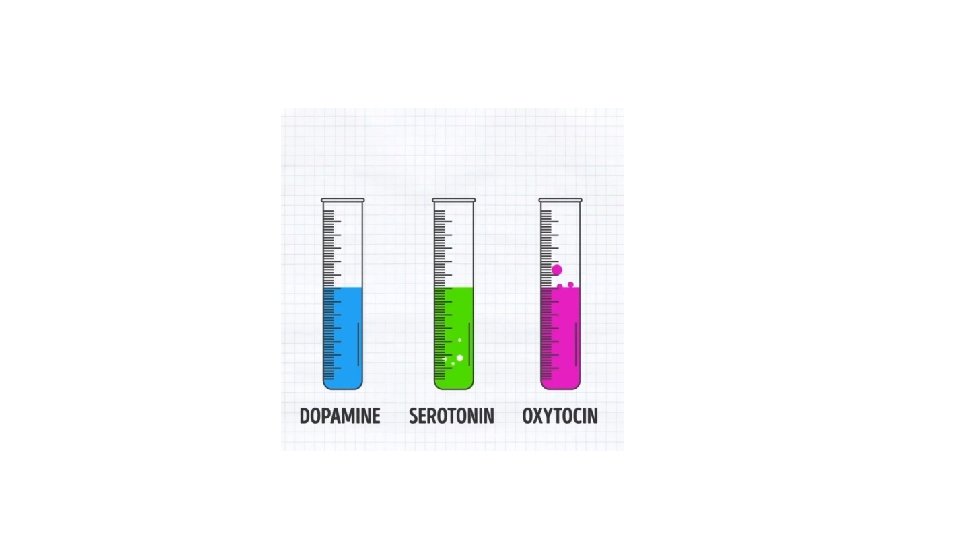
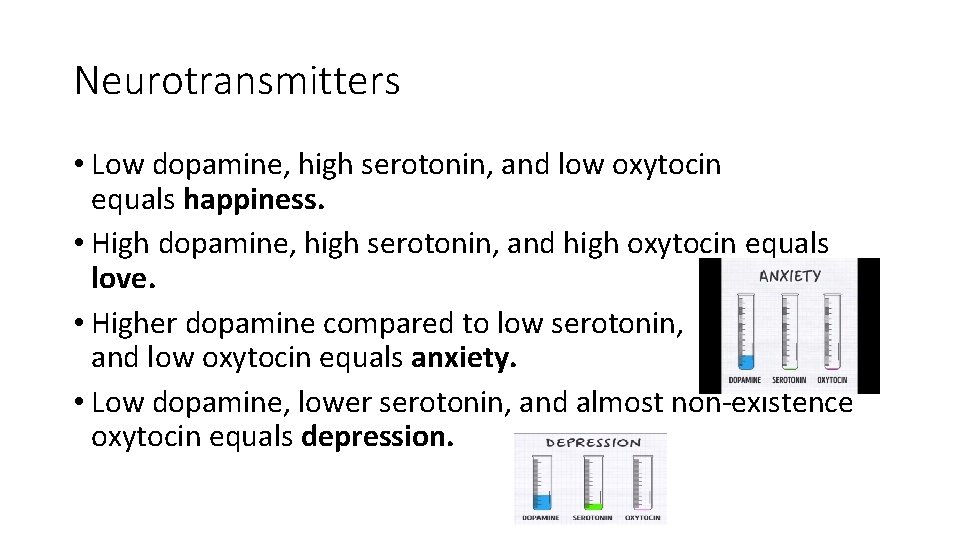
Neurotransmitters • Low dopamine, high serotonin, and low oxytocin equals happiness. • High dopamine, high serotonin, and high oxytocin equals love. • Higher dopamine compared to low serotonin, and low oxytocin equals anxiety. • Low dopamine, lower serotonin, and almost non-existence oxytocin equals depression.

Brain Development…
Pertinent Points to Postnatal Brain Development • Synapses at Birth are primarily those responsible for bodily functions (heart rate, breathing, eating and sleeping) • Experiences create synapses • Bonding – genetic predisposition to form strong attachments to primary caregivers • Environment – Plasticity • Developmental Windows • Epigenetics – Alterations to the genes that do not include structural changes to the DNA nucleotide sequence, i. e. chemical “signatures” attach themselves to genes which in turn determines how the genes is expressed – changes can be permanent or temporary.
Epigenetics

Three Interconnected Layers
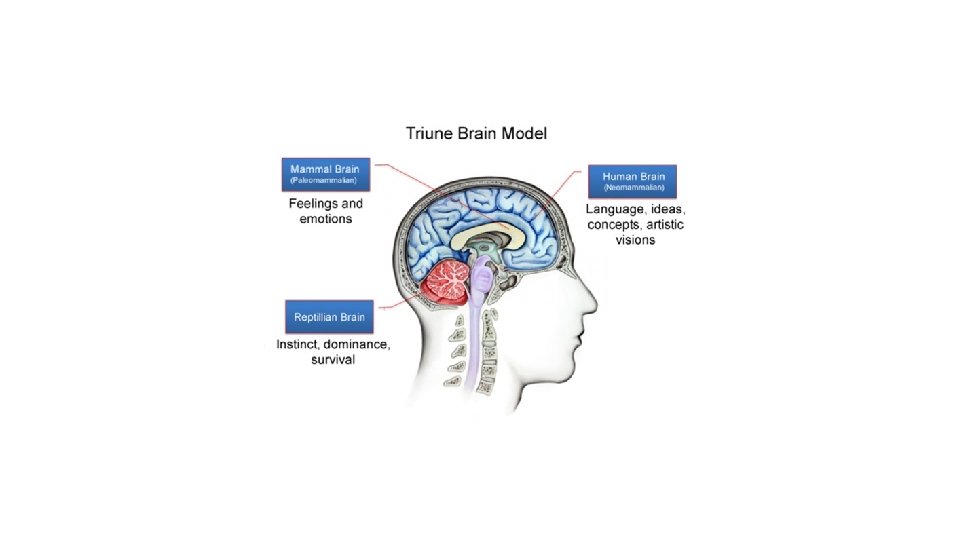
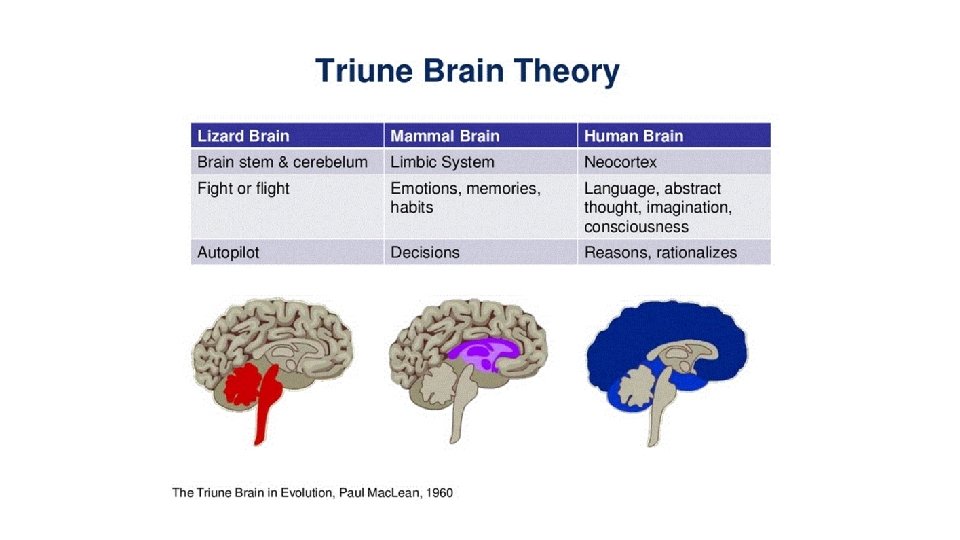
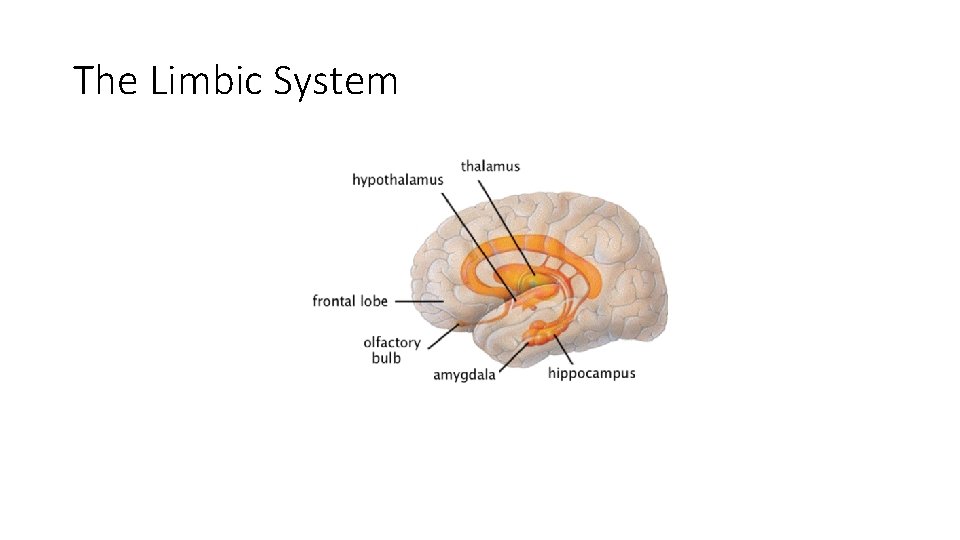
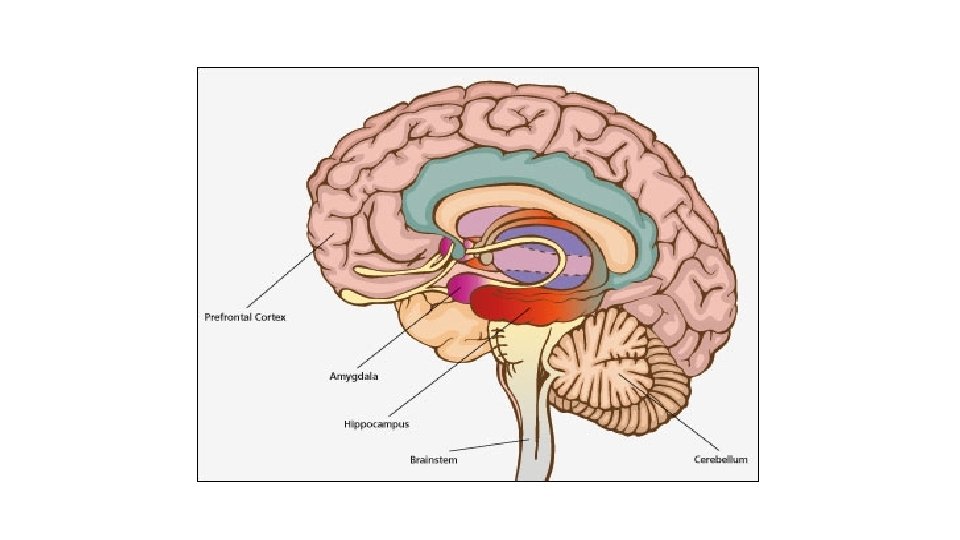
The Limbic System
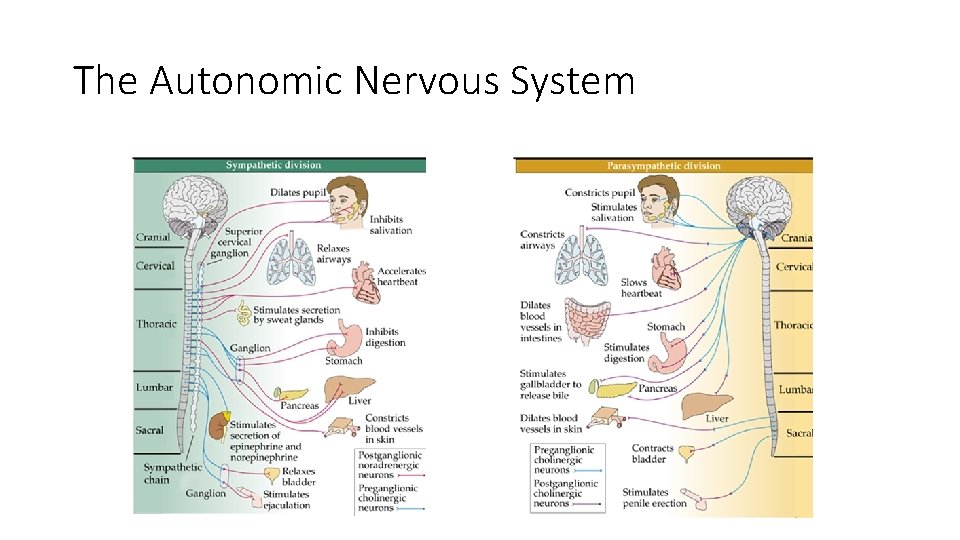
The Autonomic Nervous System
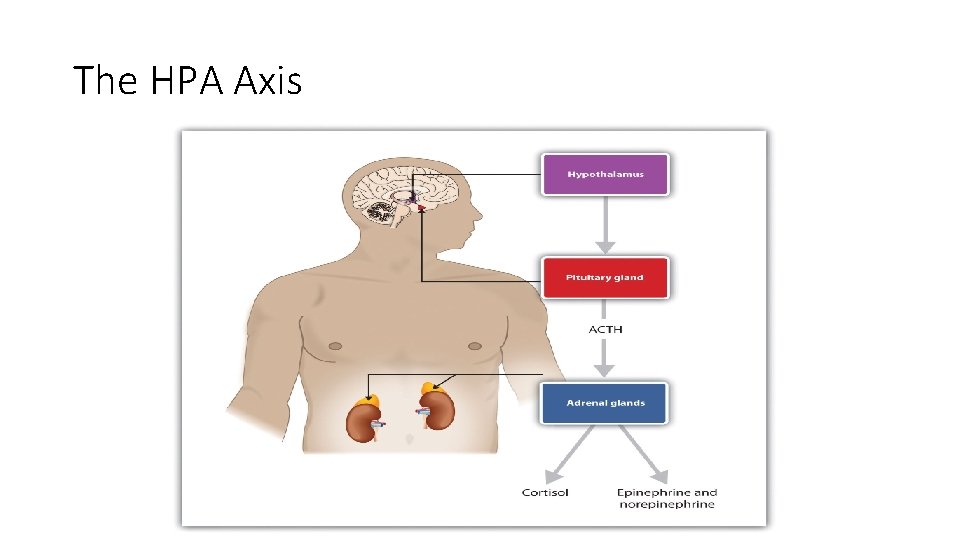
The HPA Axis
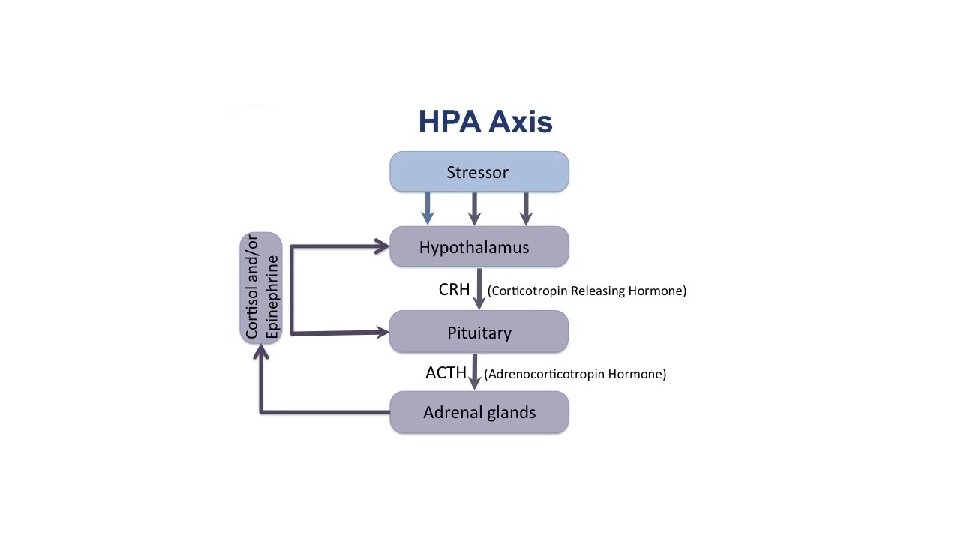
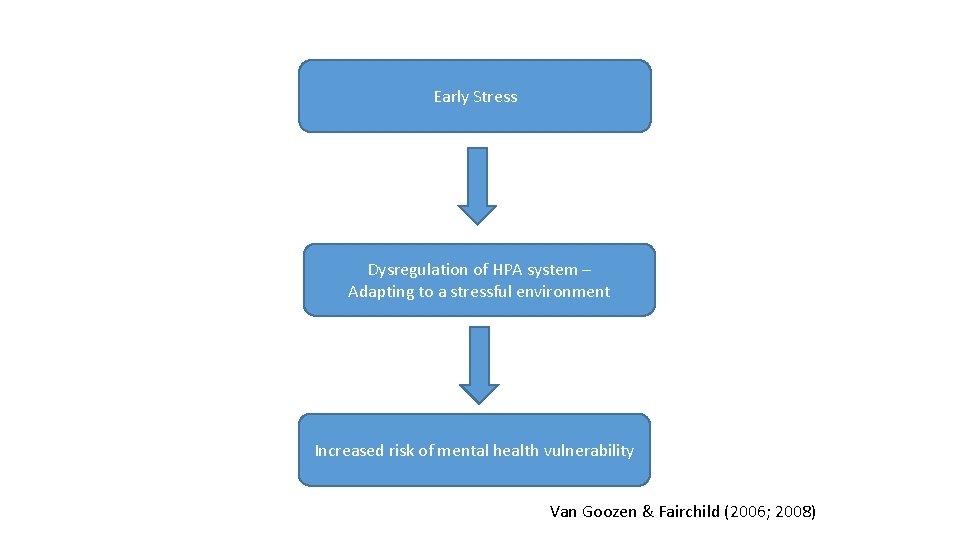
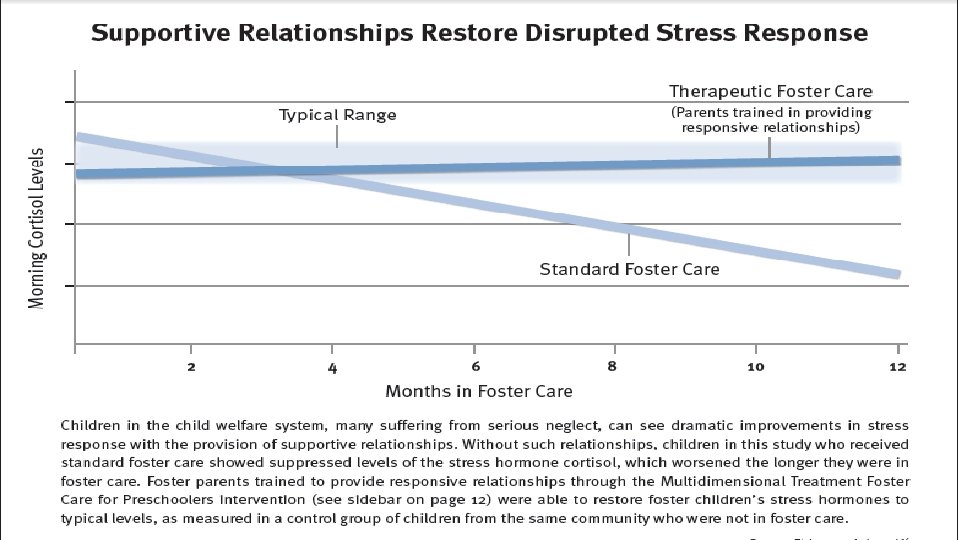
Early Stress Dysregulation of HPA system – Adapting to a stressful environment Increased risk of mental health vulnerability Van Goozen & Fairchild (2006; 2008)

Cortisol • High levels • • Give quick burst of energy Heightened memory Creates homeostasis in body Creates lower sensitivity to pain • Prolonged levels • • • Impaired cognitive performance Suppressed thyroid function Blood sugar imbalances such as hyperglycemia Decreased bone density and decrease in muscle tissue Higher blood pressure, heart disease Lowered immunity and inflammatory responses in the body, slowed wound healing
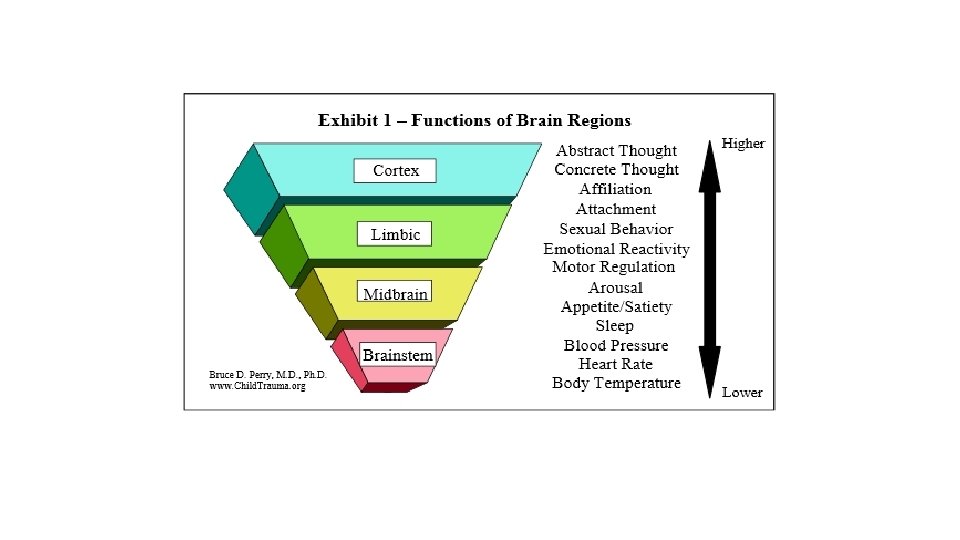

Neurobiology and Attachment Secure Attachment in Neurobiological Formation – healthy, consistent and complete development of the: • Orbitofrontal Cortex • Ventromedial Prefrontal Cortex • Connections in to Subcortical Regions of the Brain Areas responsible for Emotion and Decision Making…
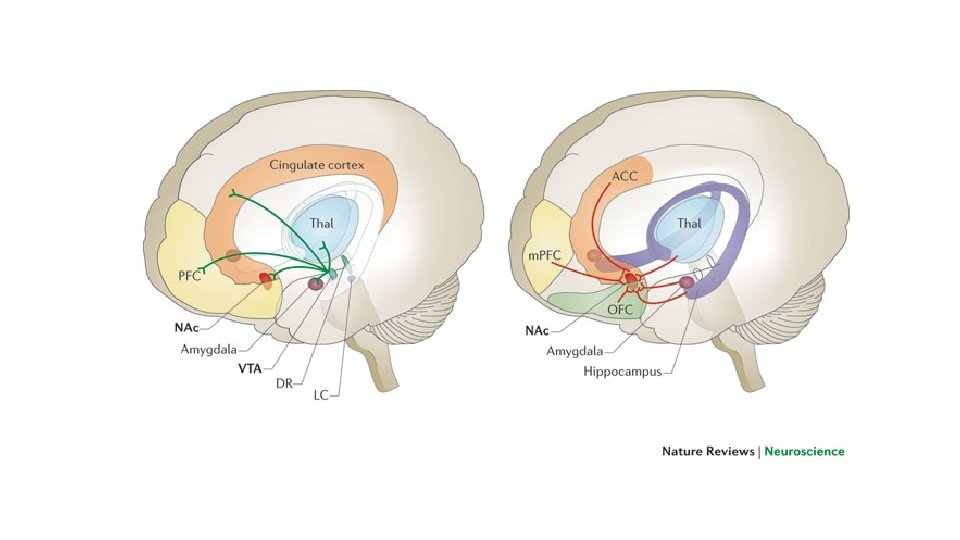
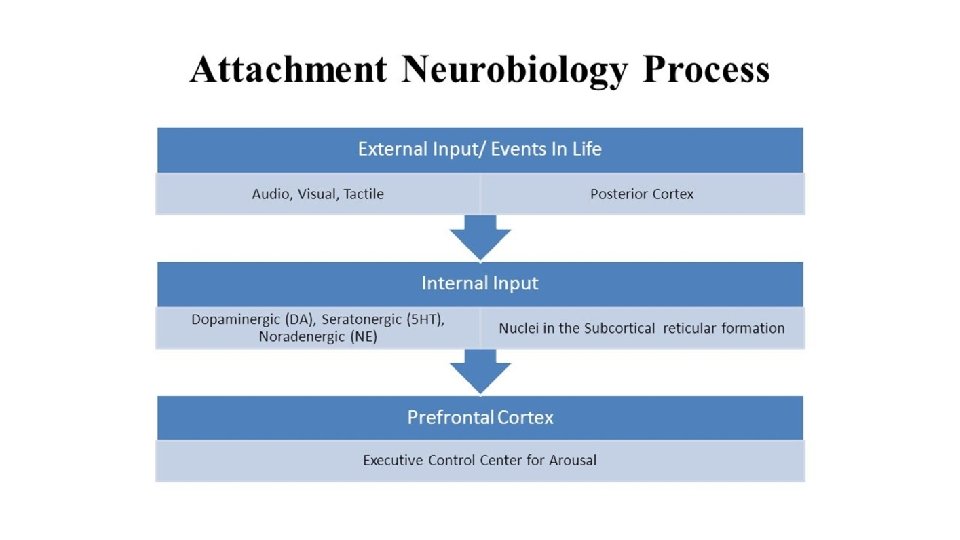
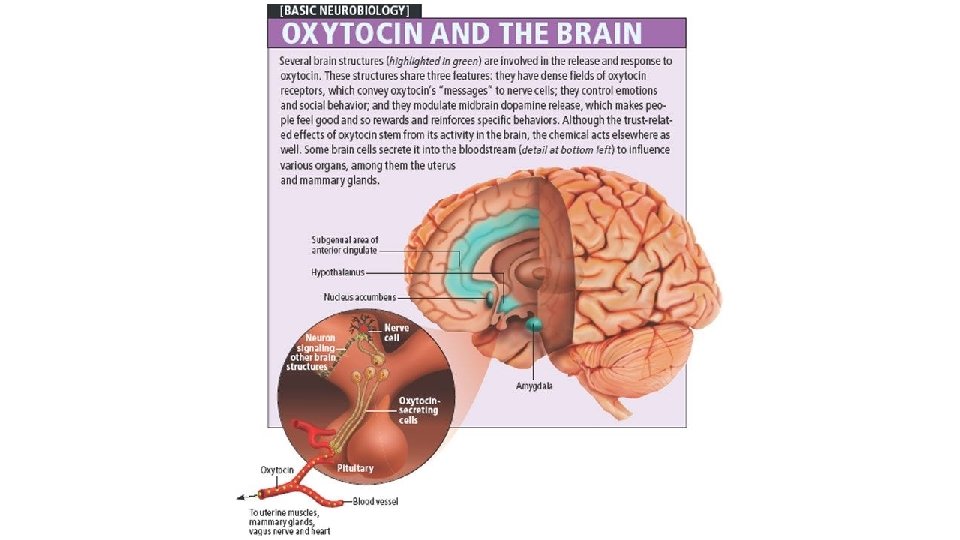
Oxytocin – the “love hormone” • Studies have shown lower level of Oxytocin in individuals who have been exposed to childhood maltreatment • Oxytocin is important in: • Social Bonding • Stress Regulation • Alleviating Mental Health difficulties
Still Face Experiment
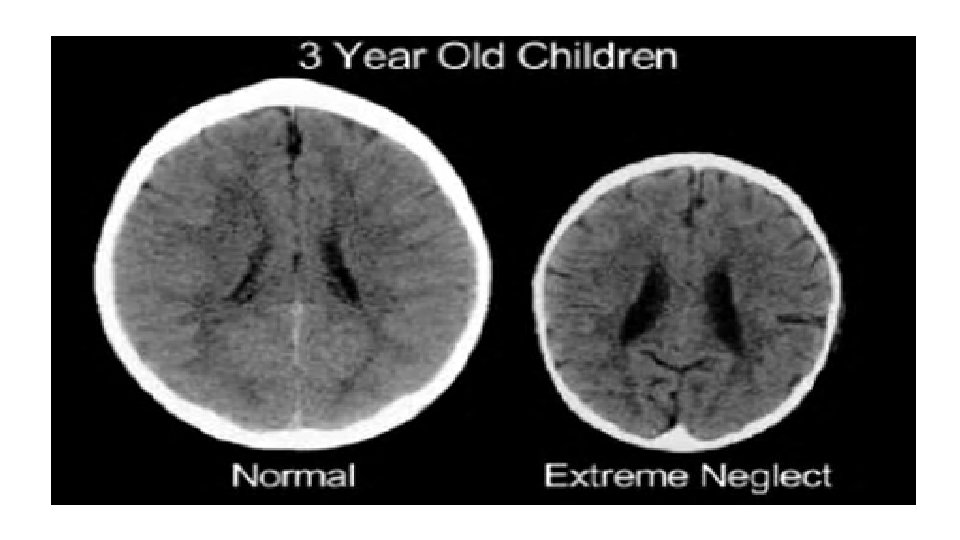
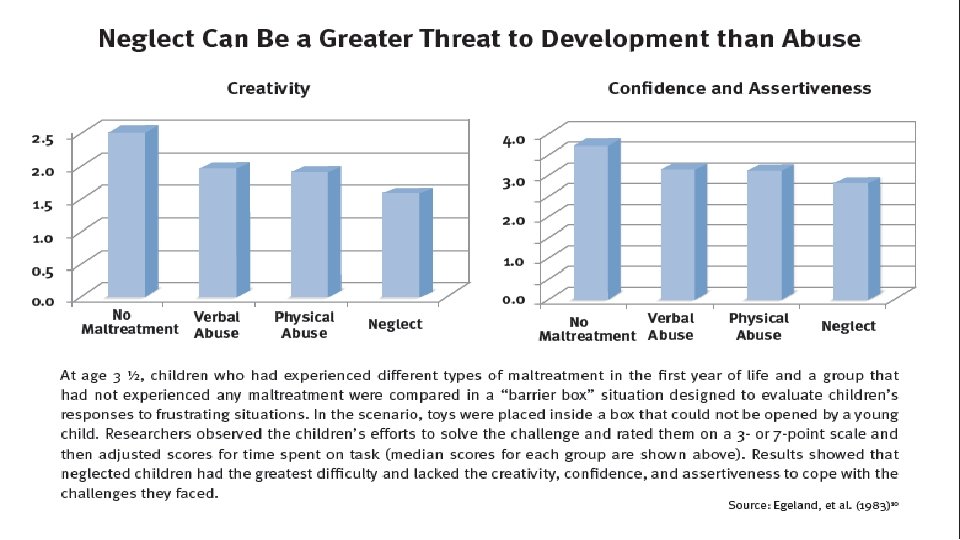
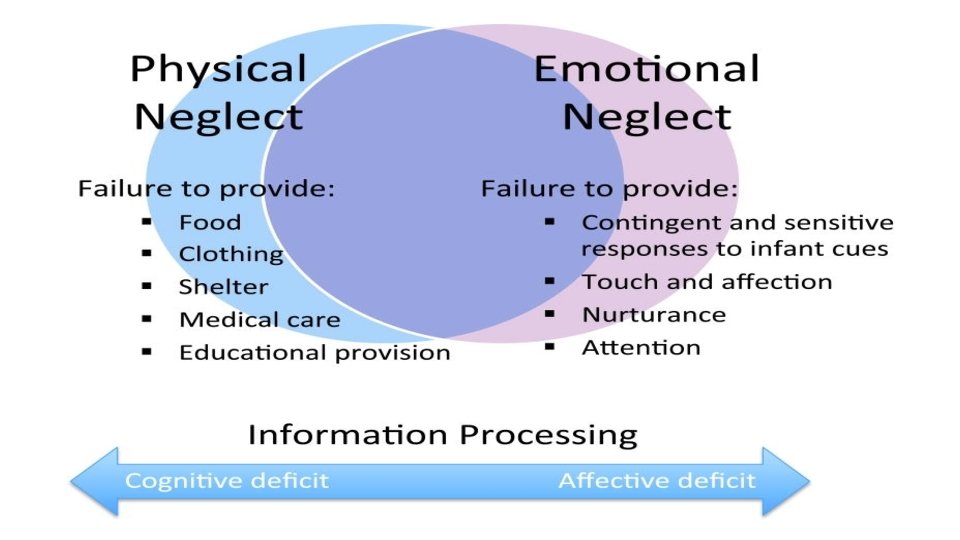
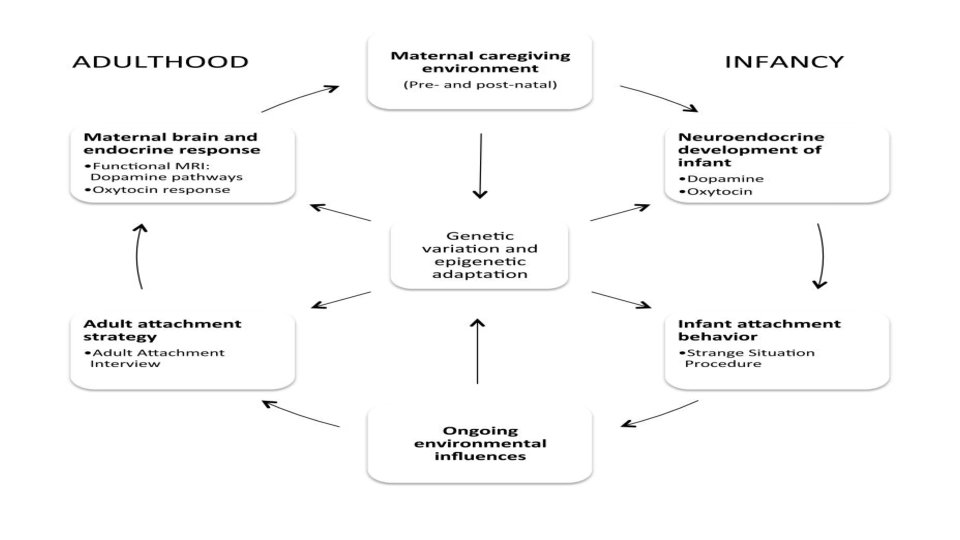
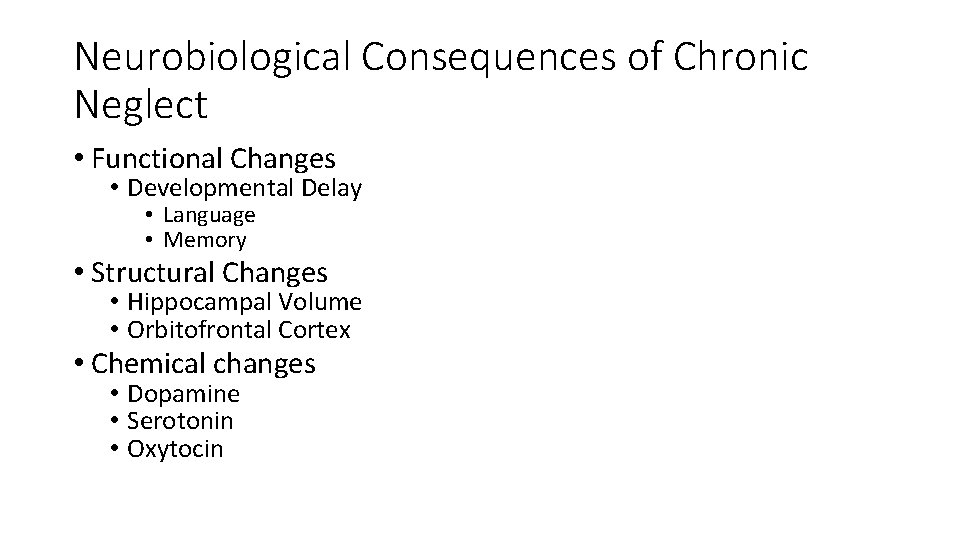
Neurobiological Consequences of Chronic Neglect • Functional Changes • Developmental Delay • Language • Memory • Structural Changes • Hippocampal Volume • Orbitofrontal Cortex • Chemical changes • Dopamine • Serotonin • Oxytocin
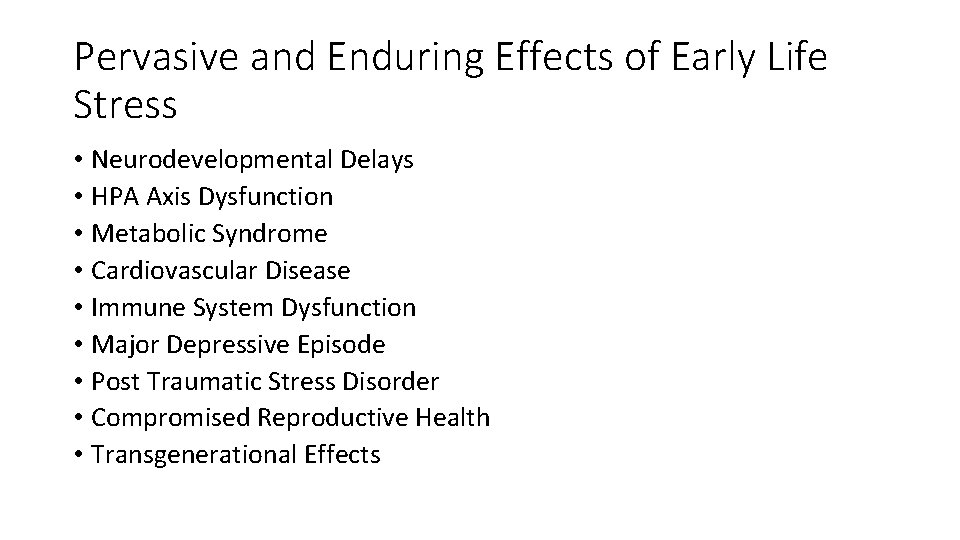
Pervasive and Enduring Effects of Early Life Stress • Neurodevelopmental Delays • HPA Axis Dysfunction • Metabolic Syndrome • Cardiovascular Disease • Immune System Dysfunction • Major Depressive Episode • Post Traumatic Stress Disorder • Compromised Reproductive Health • Transgenerational Effects
Consequences of Maltreatment/Neglect • Genetic • Neurobiological • Cognitive • Behavioural
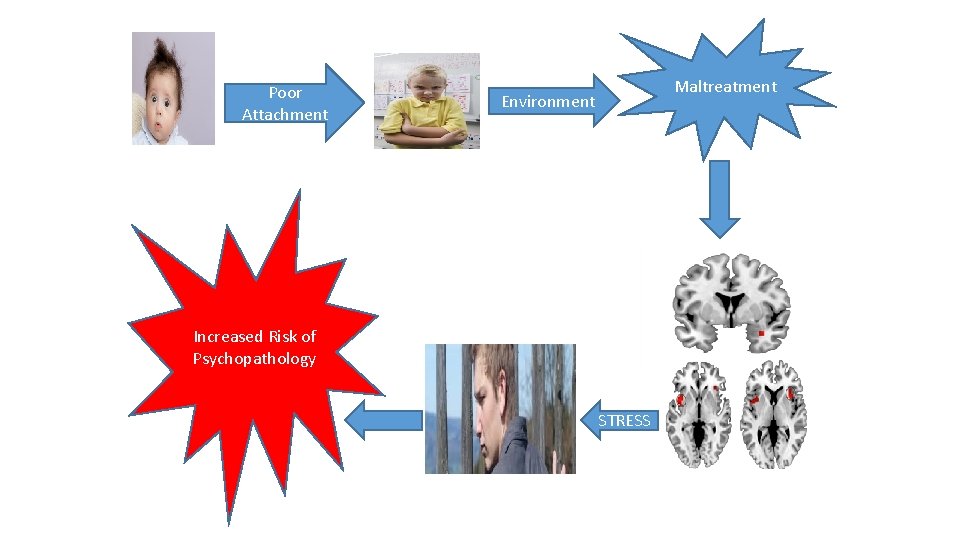
Poor Attachment Maltreatment Environment Increased Risk of Psychopathology STRESS
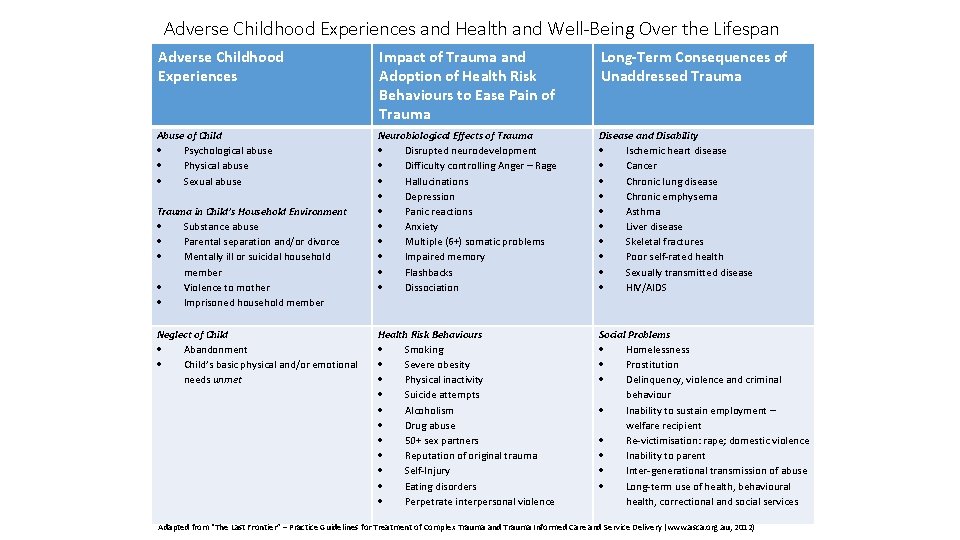
Adverse Childhood Experiences and Health and Well-Being Over the Lifespan Adverse Childhood Experiences Impact of Trauma and Adoption of Health Risk Behaviours to Ease Pain of Trauma Long-Term Consequences of Unaddressed Trauma Abuse of Child Psychological abuse Physical abuse Sexual abuse Trauma in Child’s Household Environment Substance abuse Parental separation and/or divorce Mentally ill or suicidal household member Violence to mother Imprisoned household member Neurobiological Effects of Trauma Disrupted neurodevelopment Difficulty controlling Anger – Rage Hallucinations Depression Panic reactions Anxiety Multiple (6+) somatic problems Impaired memory Flashbacks Dissociation Disease and Disability Ischemic heart disease Cancer Chronic lung disease Chronic emphysema Asthma Liver disease Skeletal fractures Poor self-rated health Sexually transmitted disease HIV/AIDS Health Risk Behaviours Smoking Severe obesity Physical inactivity Suicide attempts Alcoholism Drug abuse 50+ sex partners Reputation of original trauma Self-Injury Eating disorders Perpetrate interpersonal violence Social Problems Homelessness Prostitution Delinquency, violence and criminal behaviour Inability to sustain employment – welfare recipient Re-victimisation: rape; domestic violence Inability to parent Inter-generational transmission of abuse Long-term use of health, behavioural health, correctional and social services Neglect of Child Abandonment Child’s basic physical and/or emotional needs unmet Adapted from “The Last Frontier” – Practice Guidelines for Treatment of Complex Trauma and Trauma Informed Care and Service Delivery (www. asca. org. au, 2012)
Still Face Experiment
- Slides: 48