
How Can We Protect the Coast Learning Objective
How Can We Protect the Coast?
Learning Objective To understand the different ways we can protect the coastline. Success Criteria • To identify the differences between hard and soft engineering. • To recall a range of hard and soft engineering coastal protection methods. • To evaluate the effectiveness of different coastal protection methods.
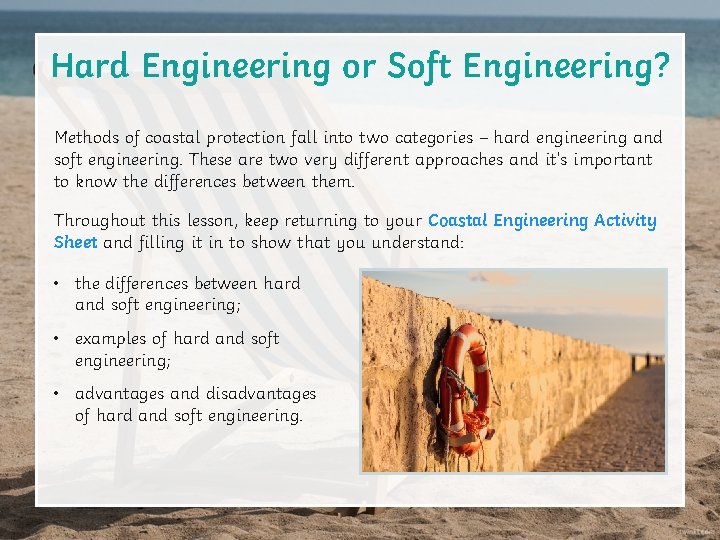
Hard Engineering or Soft Engineering? Methods of coastal protection fall into two categories – hard engineering and soft engineering. These are two very different approaches and it’s important to know the differences between them. Throughout this lesson, keep returning to your Coastal Engineering Activity Sheet and filling it in to show that you understand: • the differences between hard and soft engineering; • examples of hard and soft engineering; • advantages and disadvantages of hard and soft engineering.
Hard Engineering Hard engineering is usually a big, expensive project. It tends to be a relatively short term solution and may not be sustainable. Examples of hard engineering at the coast include: • • • Sea walls Groynes Riprap Offshore breakwater Revetments Take a look a the pictures on the following slides – they all show hard engineering methods.
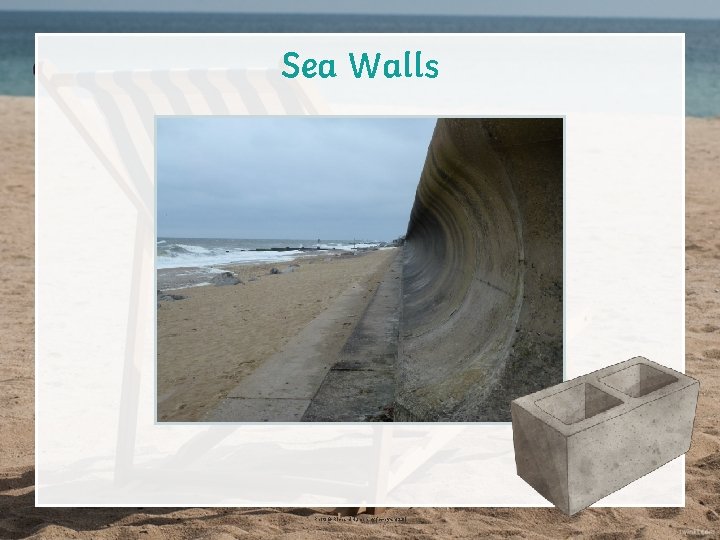
Sea Walls Photo © Richard Humphrey (cc-by-sa/2. 0)
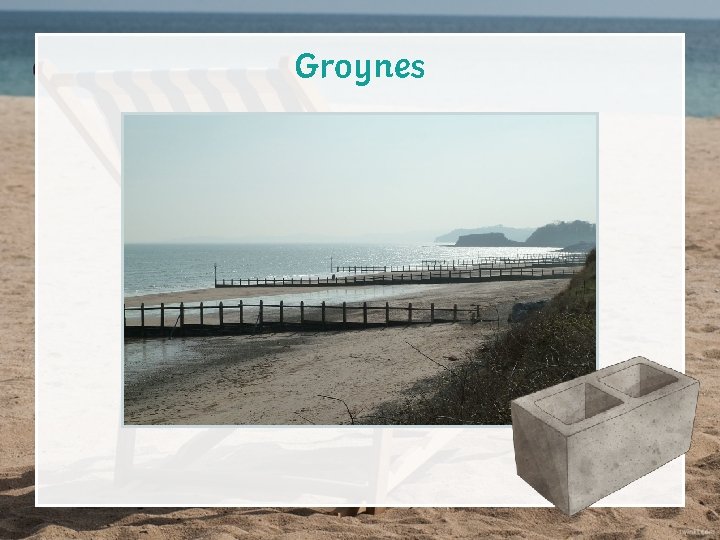
Groynes
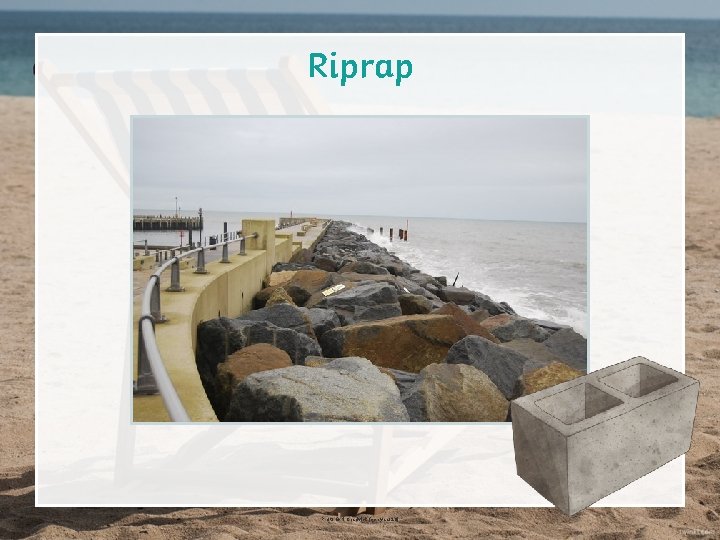
Riprap Photo © N Chadwick (cc-by-sa/2. 0)
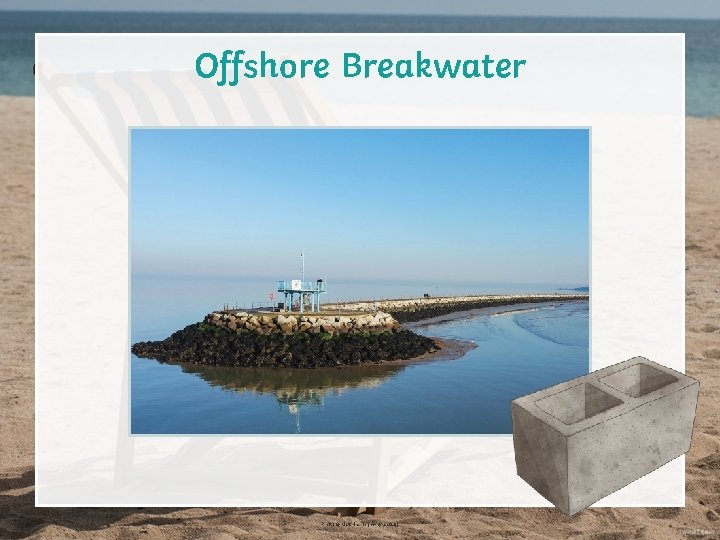
Offshore Breakwater Photo © Matt Harrop (cc-by-sa/2. 0)
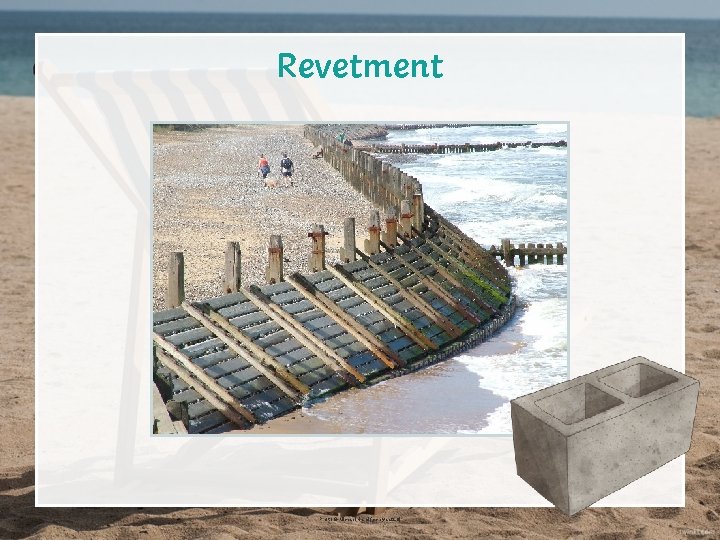
Revetment Photo © Michael Hand (cc-by-sa/2. 0)
Soft Engineering These are cheaper methods that work with nature and so are often sustainable and last a longer time. Examples of soft engineering at the coast include: • Beach nourishment • Cliff regrading • Dune stabilisation Take a look a the pictures on the following slides – they all show soft engineering methods.
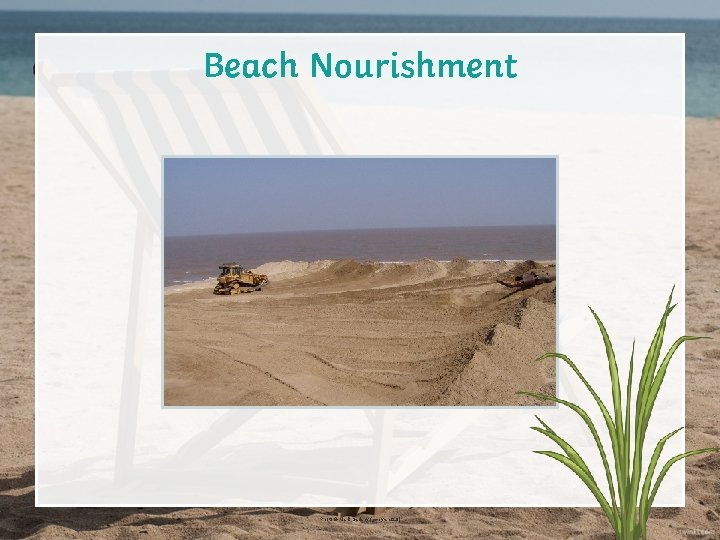
Beach Nourishment Photo © Mark Gadsby (cc-by-sa/2. 0)
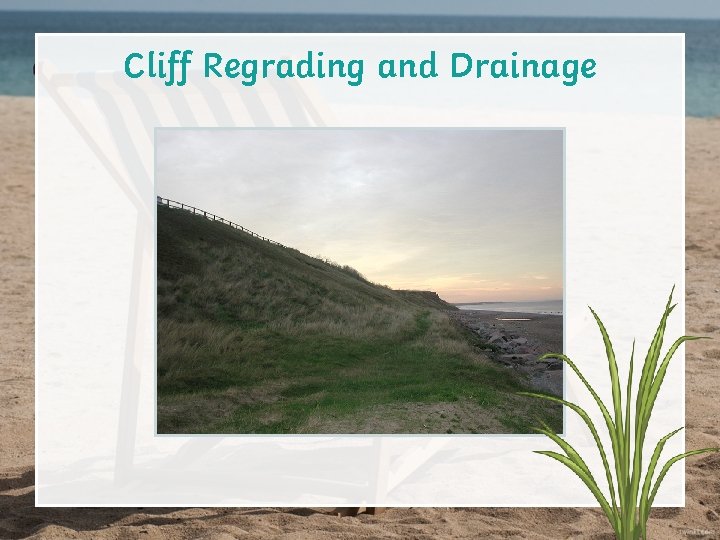
Cliff Regrading and Drainage
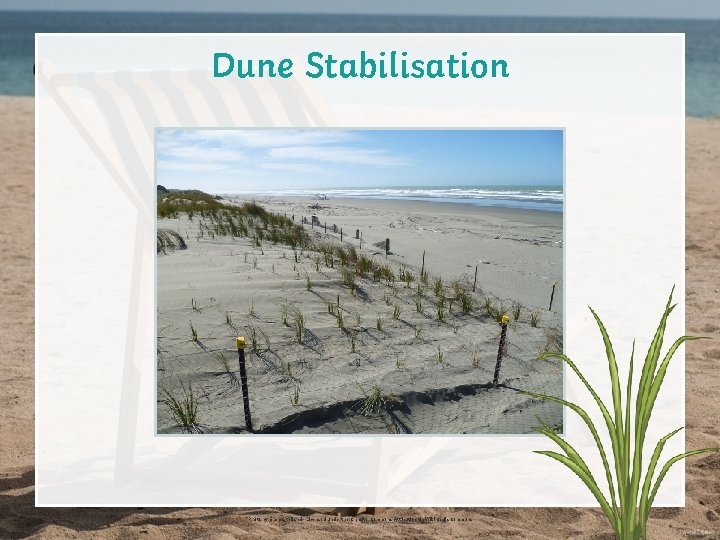
Dune Stabilisation Photo by Emma Kelland - Licensed under the Creative Commons Attribution via Wikimedia Commons
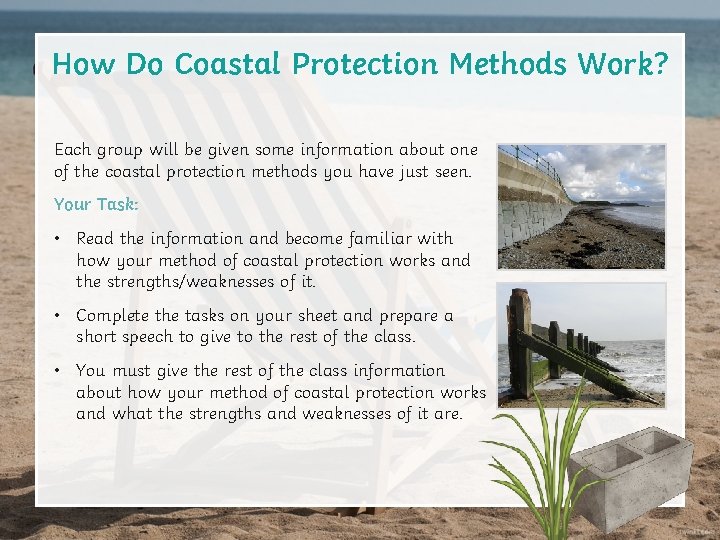
How Do Coastal Protection Methods Work? Each group will be given some information about one of the coastal protection methods you have just seen. Your Task: • Read the information and become familiar with how your method of coastal protection works and the strengths/weaknesses of it. • Complete the tasks on your sheet and prepare a short speech to give to the rest of the class. • You must give the rest of the class information about how your method of coastal protection works and what the strengths and weaknesses of it are.
Preparing Your Speech When your group is working out what to say about your method of coastal protection, make sure you: • ensure all members of the group contribute; • give details about what your method is and how it works; • explain about the advantages of your method; • highlight some of the problems as well.
- Slides: 15