
How Can Schoolwide Positive Behavior Interventions and Supports
How Can School-wide Positive Behavior Interventions and Supports Help? PBIS is a framework for systems to identify needs, develop strategies, and evaluate practice toward success • to increase academic performance • increase safety • decrease problem behavior • and establish positive school cultures
• Loud talking • Consistency with rules • Out of seat • Common language • Disrespect to driver • Common procedures • Bullying • Consistent consequences • Throwing items COMMON CONCERNS
POLICIES/ PROCEDURES • Expected Behavior – Express in positive terms – 3 to 5 expectations • Consequences for Inappropriate Behavior – Clear consequences for the rule violations • Consequences for Appropriate Behavior – Recognize good behavior – Procedures for acknowledging expected behavior
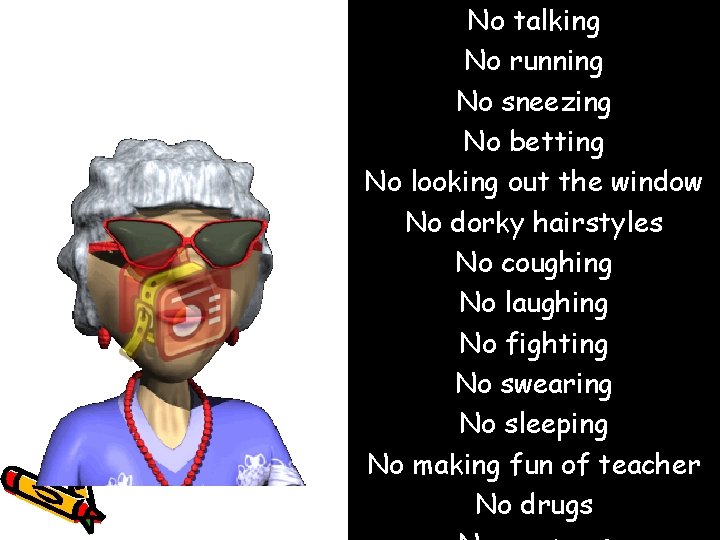
No talking No running No sneezing No betting No looking out the window No dorky hairstyles No coughing No laughing No fighting No swearing No sleeping No making fun of teacher No drugs
TEACHING THE RULES 1. State the rules positively 2. Do not assume that students know or understand the rules 3. Teach the rules at the beginning of school 4. Work with teachers and principals to ensure the rules are taught 5. Students should actively participate (role play, demonstrate, explain the importance of the rule, etc. )
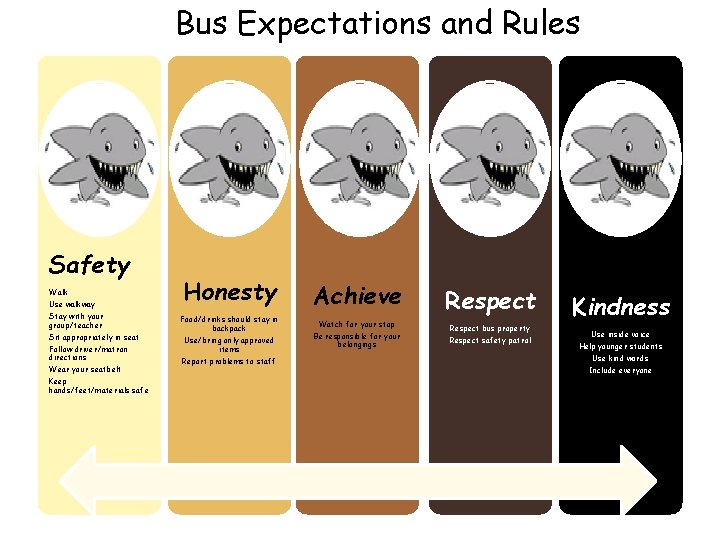
Bus Expectations and Rules Safety Walk Use walkway Stay with your group/teacher Sit appropriately in seat Follow driver/matron directions Wear your seatbelt Keep hands/feet/materials safe Honesty Food/drinks should stay in backpack Use/bring only approved items Report problems to staff Achieve Watch for your stop Be responsible for your belongings Respect bus property Respect safety patrol Kindness Use inside voice Help younger students Use kind words Include everyone
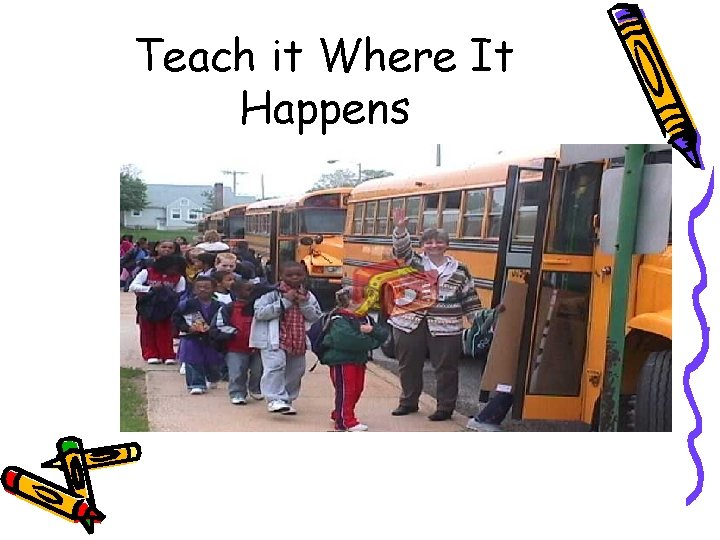
Teach it Where It Happens
Hard Facts • For every year a behavior is in place it takes at least one month for that behavior to have a significant change. • Children comply with the rules 80% of the time. However they are complimented for their behavior less than 2% of the time
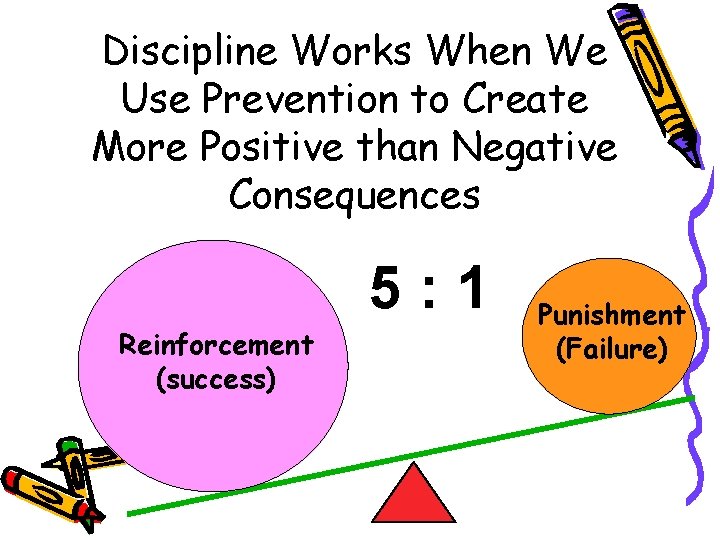
Discipline Works When We Use Prevention to Create More Positive than Negative Consequences 5: 1 Reinforcement (success) Punishment (Failure)
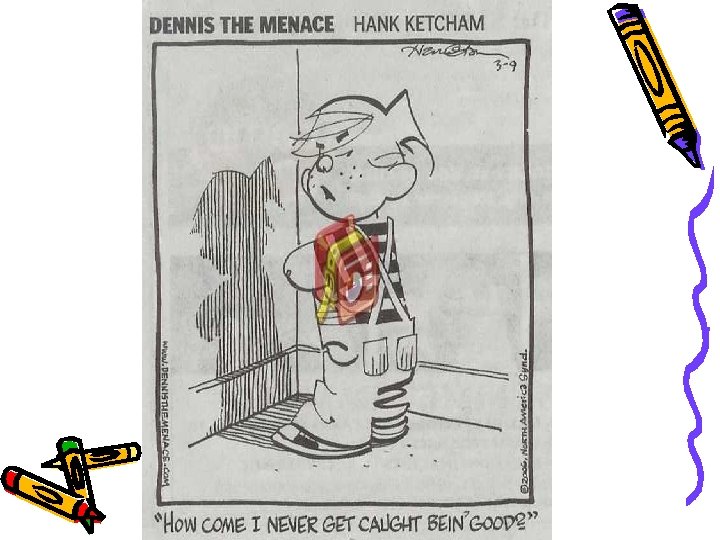
Research Says • Research indicates that you can improve behavior by 80% just by pointing out what someone is doing correctly. • A student is less likely to drop out of school if one adult other than their teacher knows and uses their name.
How to Give Positives • Avoid general praise. – Instead of “Great job”, say, “Great job of staying in your seat today. ” • Be specific. – Point out what they’re doing right. Say, “Thanks for talking quietly today. ”
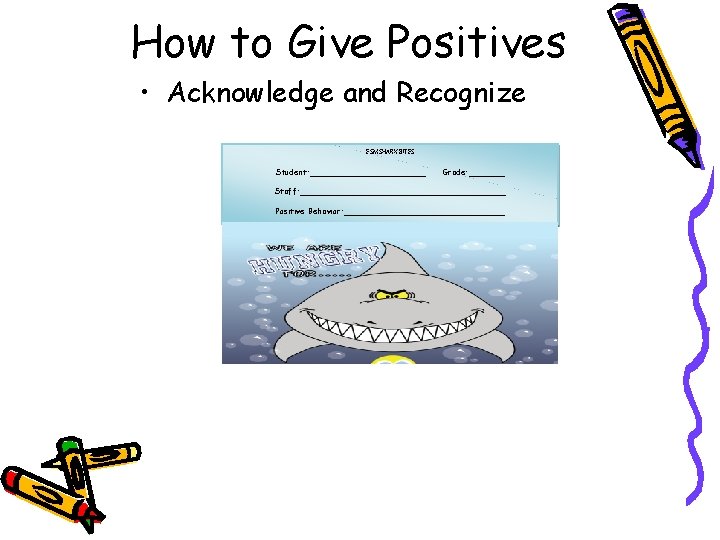
How to Give Positives • Acknowledge and Recognize ESM SHARK BITES Student: ____________ Grade: _______ Staff: _____________________ Positive Behavior: ________________
Consistent Effective Consequences First use eye contact, verbal prompts, hand signal, reteach and model Second stay calm, tackle the small problems, try not to take it personally, and stay consistent
What problem behaviors occur on your bus?
- Slides: 16