
How advertisements persuade Year 10 English Persuasive Techniques
- Slides: 16
How advertisements persuade. Year 10 English
Persuasive Techniques… Exaggeration Invitation to think positively Assertion – point of view expressed as fact Use of appealing, descriptive language Addressing the reader/viewer directly Appeal to the senses Appeal to the head Appeal to the heart Commands Hard evidence (eg: statistics) Soft evidence (eg: opinion) Incentives - rewards
Exaggeration Advertisers use exaggeration to make things sound better or more appealing. For example: The Greatest Show on Earth!
Fact and Opinion A Fact is information that can be proved to be true. For example: ‘chocolate is made from cocoa beans. ’ An opinion is one person’s point of view. For example: ‘you can’t beat Cadbury Chocolate. ’ Sometimes opinions are made to sound like facts – particularly when a writer is trying to persuade.
Comparatives and Superlatives Adjectives describe things, e. g. a better man. Comparatives compare things, e. g. a braver man. Comparatives often end in ‘er’ but sometimes have the word ‘more’ in front of the adjective, e. g. more nervous.
Comparatives and Superlatives state that something is the best, e. g. the bravest man. Superlatives often end in ‘est’, but sometimes have the word ‘most’ in front of the adjective, e. g. most nervous.
Repetition Persuasive texts use the ‘rule of three’, where a statement or a word is repeated three times to reinforce a message. Repetition is also used to help you to remember a word or a phrase.
Rhetorical Questions Rhetorical questions are used in persuasive texts to make you think, but they do not require an answer.
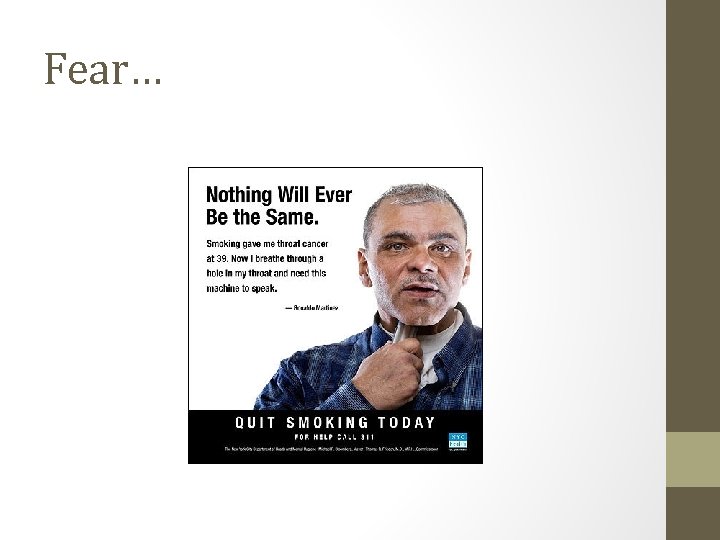
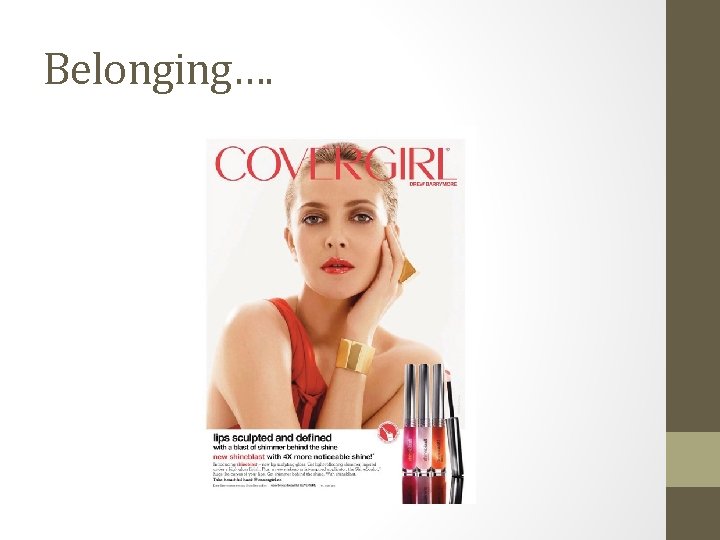
Fear and Belonging Advertisements may work on fear – making us afraid of something OR telling us we need a particular product in order to belong or fit in.
Fear…
Belonging….
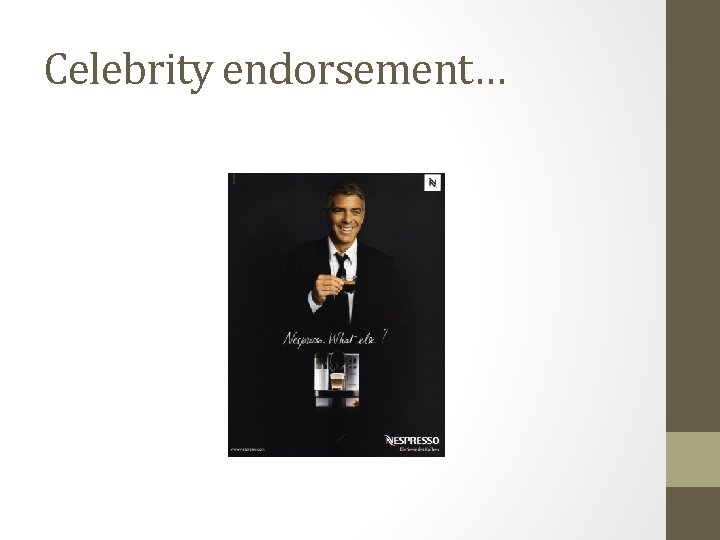
Experts and Celebrities If someone famous endorses a product or an idea, people are sometimes more likely to be interested. Some celebrities who endorse products include: Hugh Jackman Ricky Ponting Megan Gale Al Pacino Any others? Scientists, doctors, dentists and others are also used to give products more credibility.
Celebrity endorsement…
Buzz Words These are words that advertisers use because they make us sit up and take notice. Words like…. easy, free, good, guaranteed, freedom, save, discover, cheap, proven, money, safe, new, own, healthy Can you think of any others?
Flattery Saying nice things about your reader/audience to get them on side. “Smart buyers know that our products are the best. ”
Personal Pronouns Addressing the reader directly – ‘you’. Making the audience feel included – ‘we’.