
Hormones Chemical messengers secreted by endocrine glands Can
Hormones � Chemical messengers secreted by endocrine glands. � Can include steroids, proteins, glycoproteins, etc. � Travel through bloodstream to target cells. � Solubility affects mode of action.
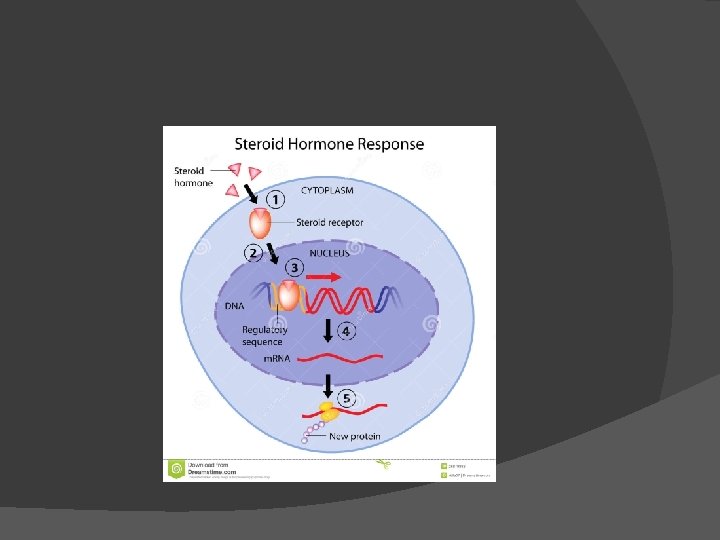
Steroid Hormones � Can cross plasma and nuclear membrane of a target cell and bind to receptors. � May have different effects in different cells.
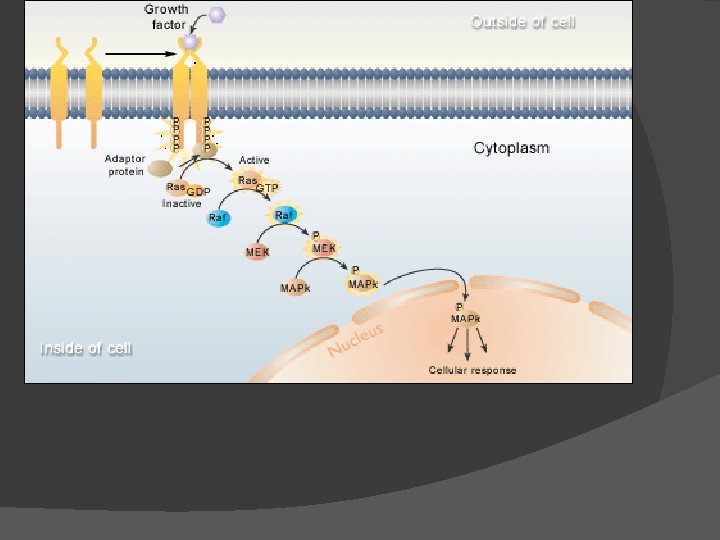
Protein Hormones � Hydrophilic & cannot pass through plasma membrane. � Bind to surface receptors on target cell creating a cascade effect.
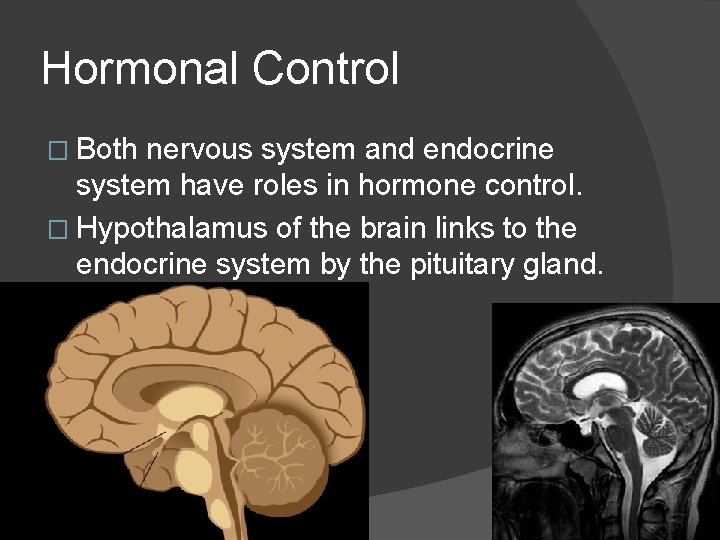
Hormonal Control � Both nervous system and endocrine system have roles in hormone control. � Hypothalamus of the brain links to the endocrine system by the pituitary gland.
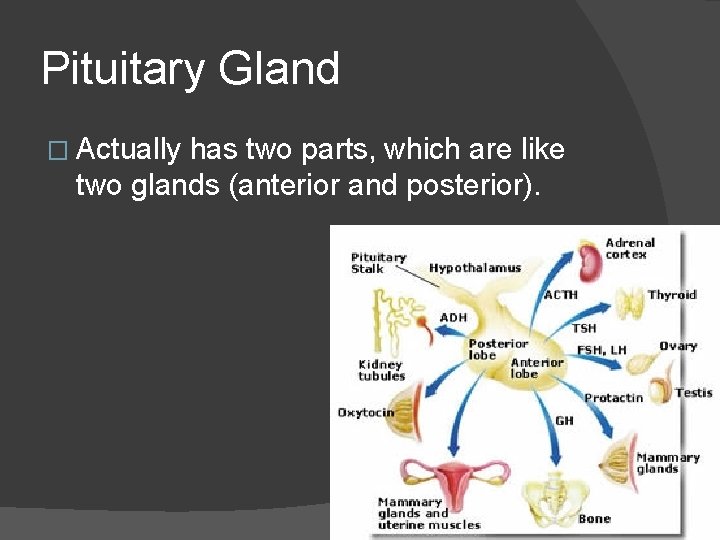
Pituitary Gland � Actually has two parts, which are like two glands (anterior and posterior).
Anterior Pituitary Gland � Hypothalamus stimulates the APG by secreting releasing factors. � These releasing factors travel to the APG via the portal vein.
Posterior Pituitary Gland � Responsible for secreting oxytocin and ADH (both made in hypothalamus). � Actually stored in PPG by axons and released from PPG when hypothalamus sends impulses.
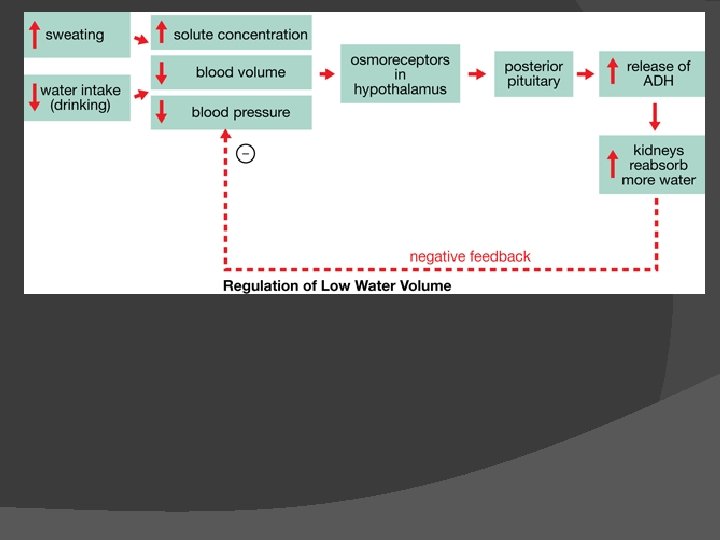
Feedback Loops � Most pituitary hormones are secreted by negative feedback. � ADH is a great example.
ADH Feedback � Hypothalamus has osmoregulators monitoring blood solute concentration. � If concentration is too high, impulses are sent to release ADH. � ADH results in the kidneys retaining more water than filtering out. � If concentration becomes too low, hypothalamus lowers ADH secretion.
- Slides: 12