
Hormonal control and responses Types of Hormones Amino

- Slides: 49
Hormonal control and responses
Types of Hormones • Amino acid derivatives – epinephrine, serotonin, melotonin • Protein – insulin, parathyroid hormone, growth hormone • Steroids – derived from cholesterol – sex hormones, mineralocorticoids, prostaglandins
Hormone-receptor interaction • Some hormones circulate to all tissues, but only act on some • receptor must be present for effect to occur – eg thyroid stimulating hormone only exerts an effect on the thyroid – conversely some hormones work on virtually all tissues (insulin)
Blood Hormone Concentration • the effect of a hormone related to concentration in blood (to a point) • Concentration affected by 4 factors – rate of hormone secretion – rate of metabolism or excretion – transport proteins – plasma volume (affected by exercise)
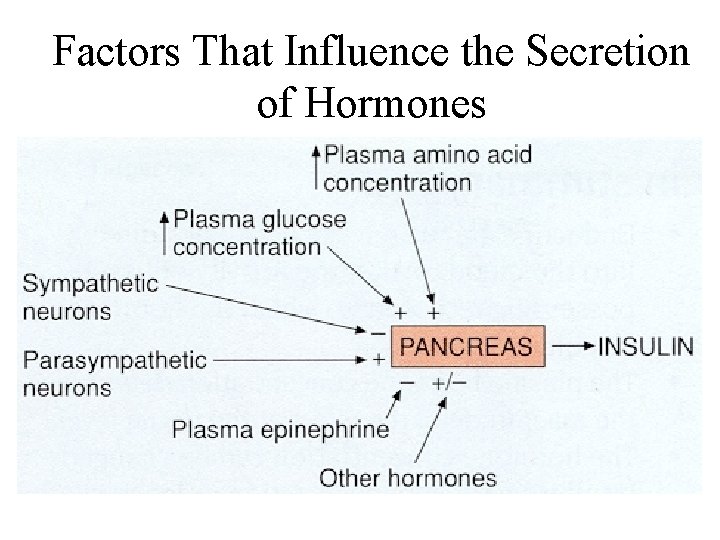
Control of Hormone Secretion • Rate of insulin secretion from the pancreas is dependent on: – Magnitude of input – Stimulatory vs. inhibitory
Factors That Influence the Secretion of Hormones
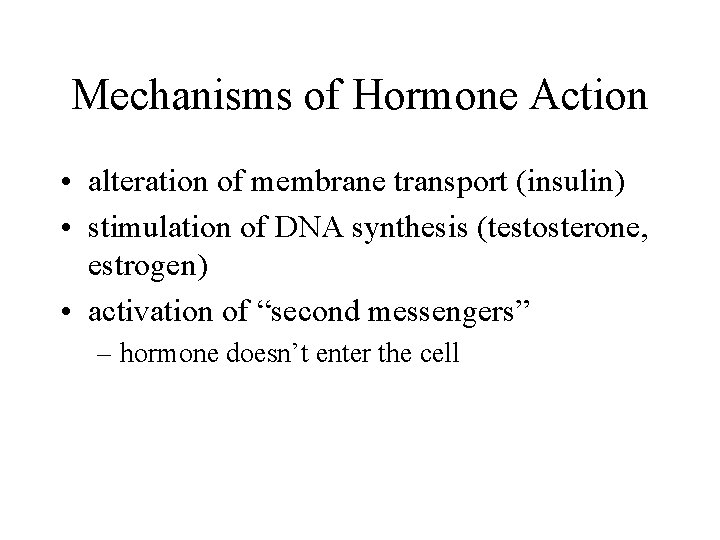
Mechanisms of Hormone Action • alteration of membrane transport (insulin) • stimulation of DNA synthesis (testosterone, estrogen) • activation of “second messengers” – hormone doesn’t enter the cell
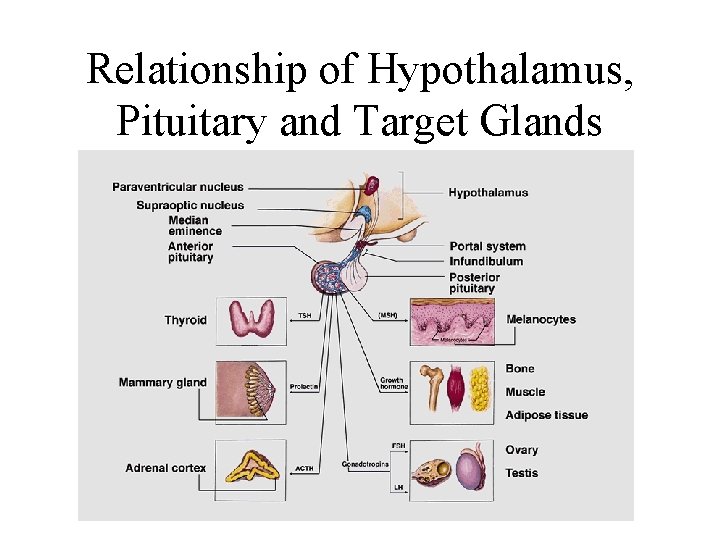
Relationship of Hypothalamus, Pituitary and Target Glands
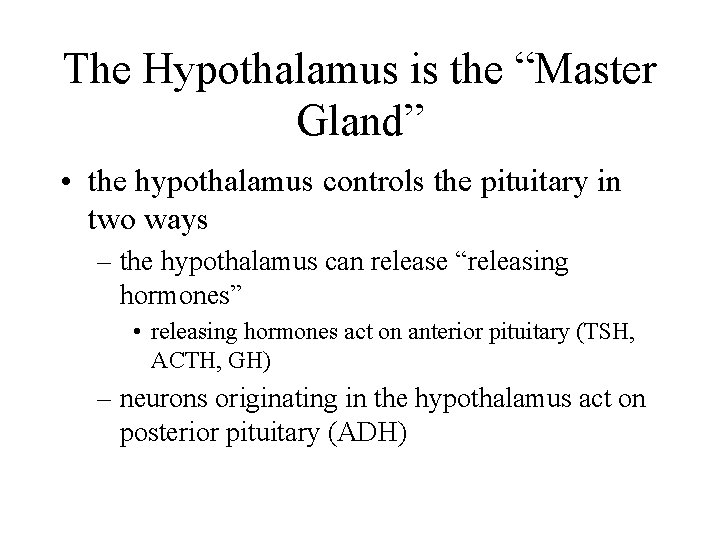
The Hypothalamus is the “Master Gland” • the hypothalamus controls the pituitary in two ways – the hypothalamus can release “releasing hormones” • releasing hormones act on anterior pituitary (TSH, ACTH, GH) – neurons originating in the hypothalamus act on posterior pituitary (ADH)
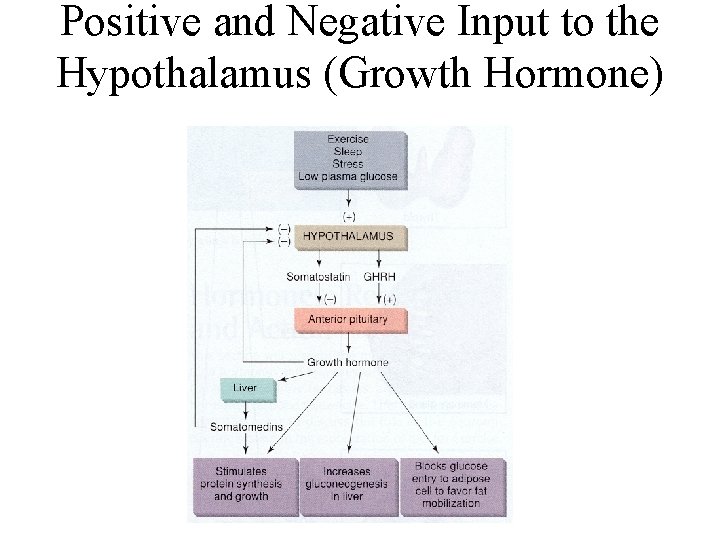
Positive and Negative Input to the Hypothalamus (Growth Hormone)
Growth Hormone • uptake of amino acids and protein synthesis • opposes insulin – reduces use of plasma glucose – increases gluconeogenesis – mobilizes FFA
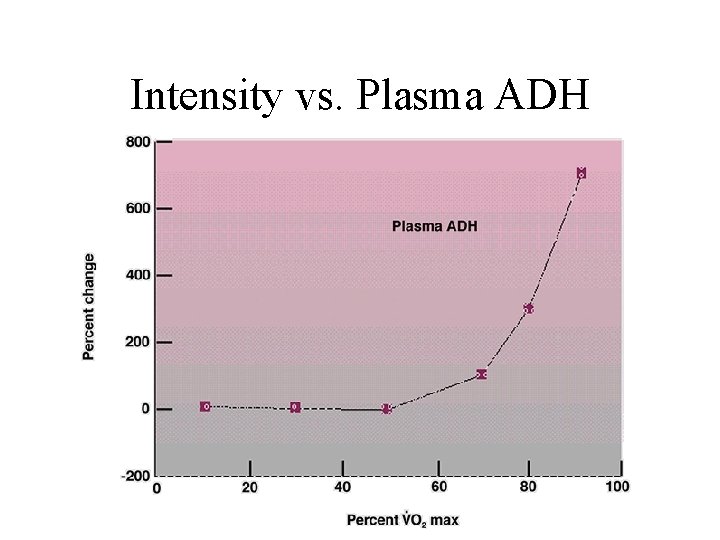
Antidiuretic Hormone (ADH) • causes resorbtion of H 2 O to maintain fluid • stimulated by two factors – high plasma osmolality (sweating) – low plasma volume (loss of blood, exercise)
Intensity vs. Plasma ADH
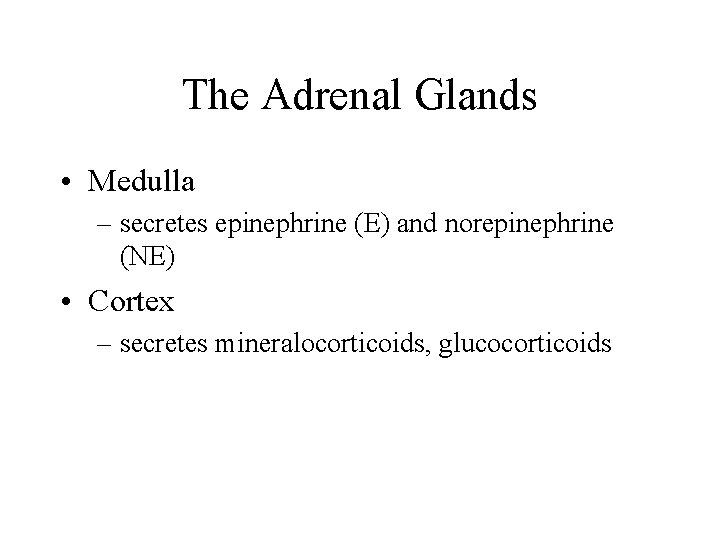
The Adrenal Glands • Medulla – secretes epinephrine (E) and norepinephrine (NE) • Cortex – secretes mineralocorticoids, glucocorticoids
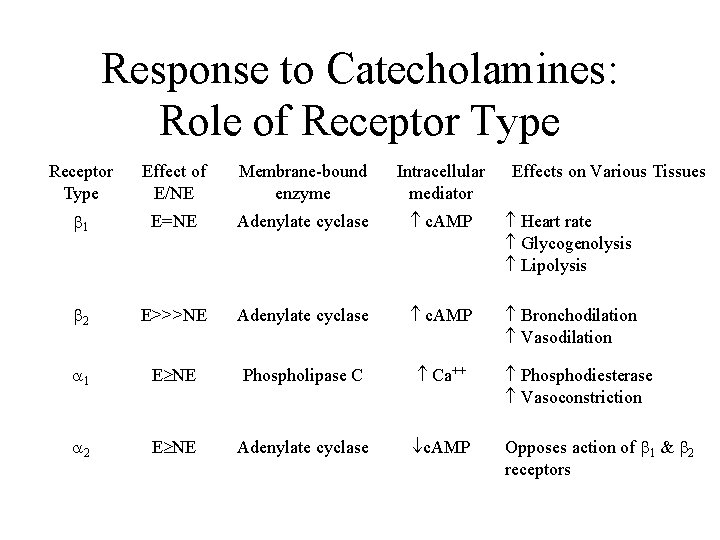
Response to Catecholamines: Role of Receptor Type Effect of E/NE Membrane-bound enzyme Intracellular mediator Effects on Various Tissues 1 E=NE Adenylate cyclase c. AMP Heart rate Glycogenolysis Lipolysis 2 E>>>NE Adenylate cyclase c. AMP Bronchodilation Vasodilation 1 E NE Phospholipase C Ca++ Phosphodiesterase Vasoconstriction 2 E NE Adenylate cyclase c. AMP Opposes action of 1 & 2 receptors
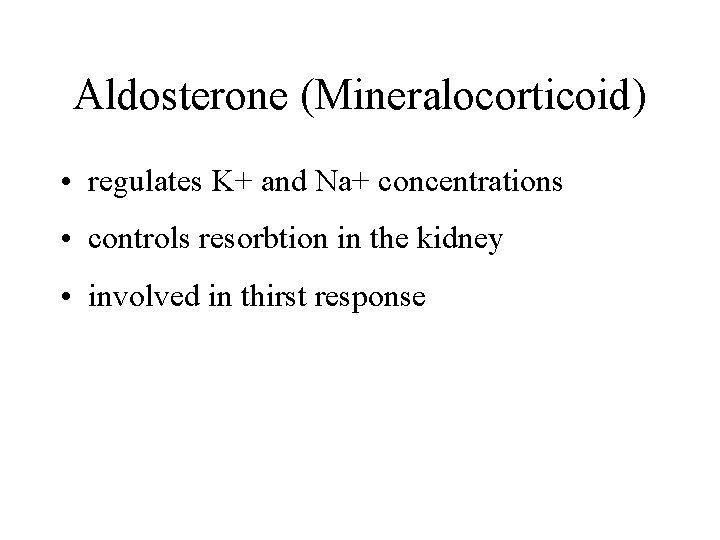
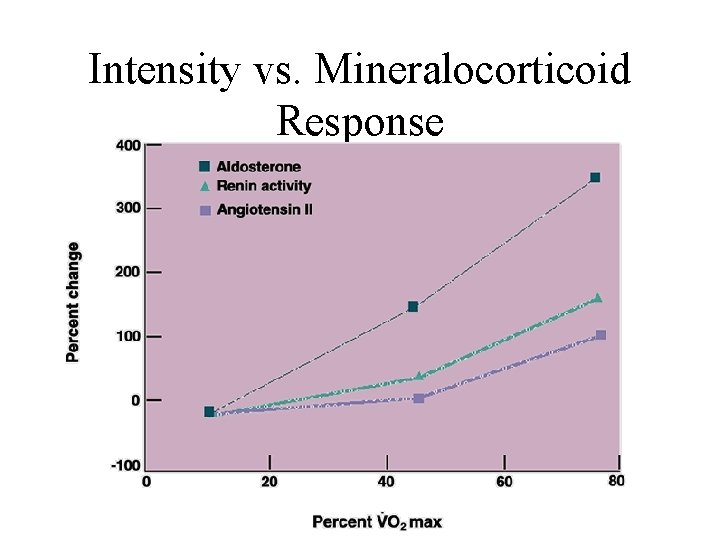
Aldosterone (Mineralocorticoid) • regulates K+ and Na+ concentrations • controls resorbtion in the kidney • involved in thirst response
Intensity vs. Mineralocorticoid Response
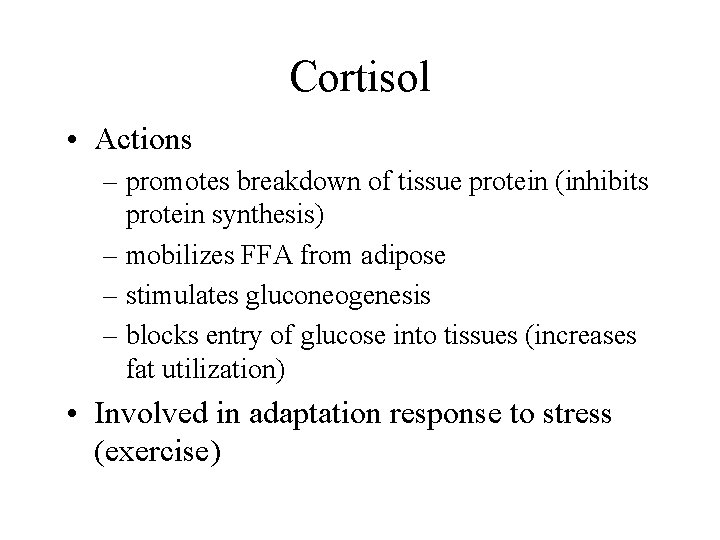
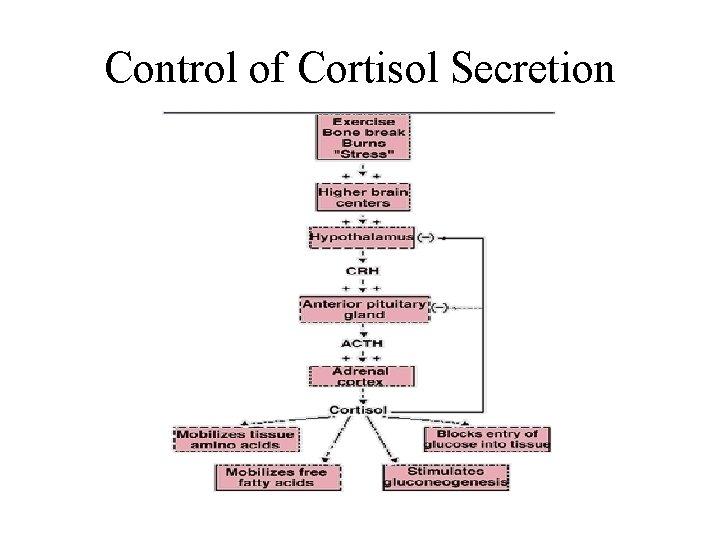
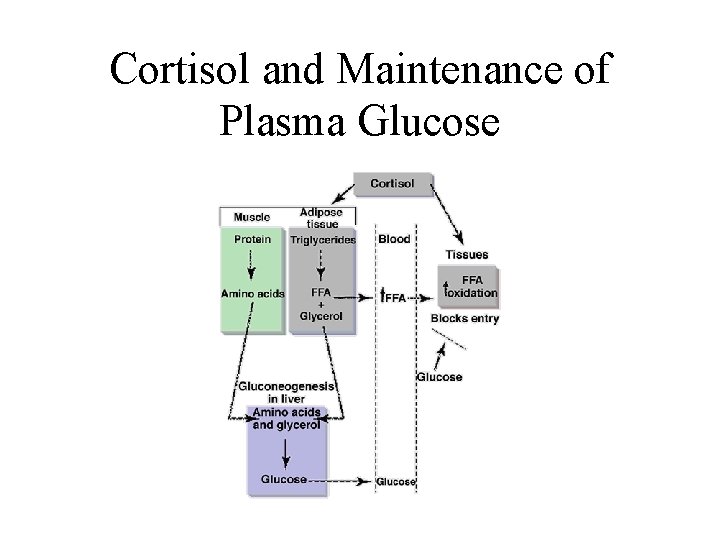
Cortisol • Actions – promotes breakdown of tissue protein (inhibits protein synthesis) – mobilizes FFA from adipose – stimulates gluconeogenesis – blocks entry of glucose into tissues (increases fat utilization) • Involved in adaptation response to stress (exercise)
Control of Cortisol Secretion
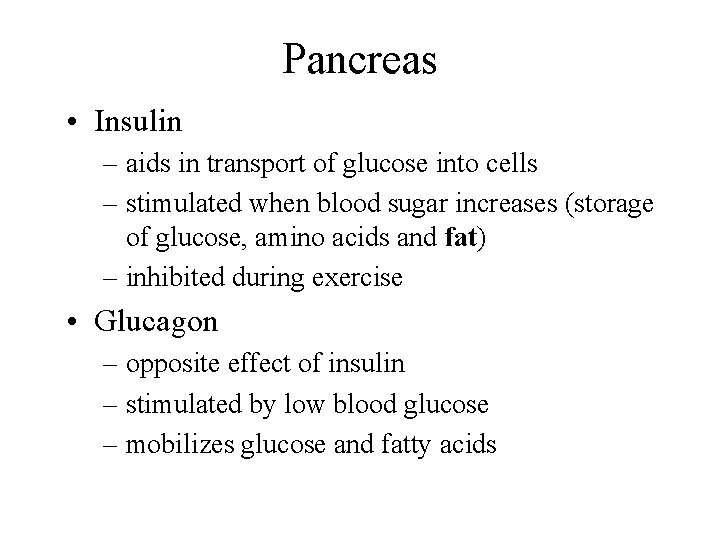
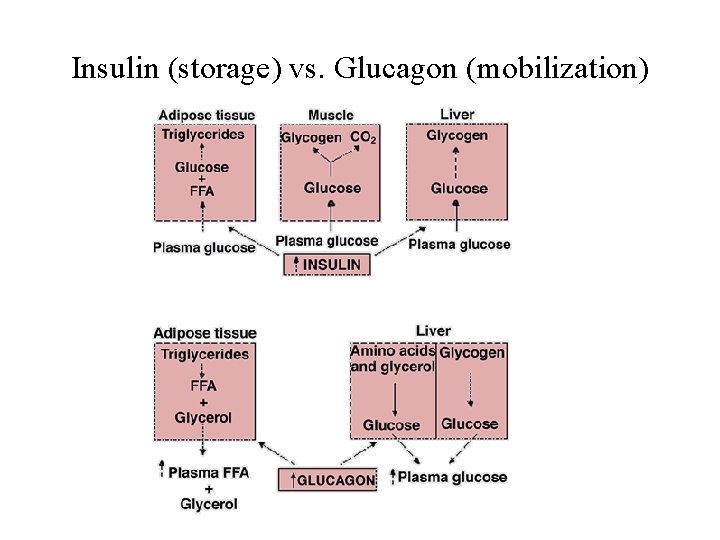
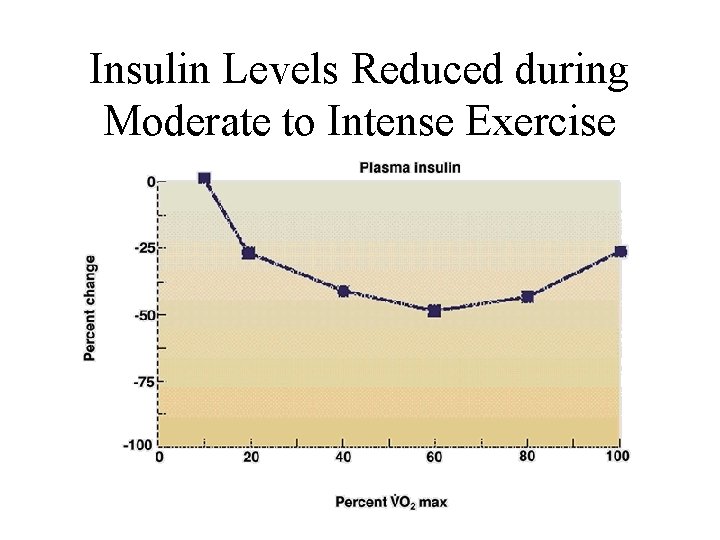
Pancreas • Insulin – aids in transport of glucose into cells – stimulated when blood sugar increases (storage of glucose, amino acids and fat) – inhibited during exercise • Glucagon – opposite effect of insulin – stimulated by low blood glucose – mobilizes glucose and fatty acids
Sex Hormones • testosterone – elevated during short-term high intensity exercise – levels typically lower in endurance trained individuals
Estrogen • promotes higher levels of fat metabolism ? • chronic endurance training may suppress E 2 (amenorrhea)
Muscle Glycogen Utilization • glycogen metabolism controlled by epinephrine (c. AMP) and intracellular Ca++ (calmodulin) from sarcoplasmic reticulum – epinephrine increases rapidly with intense exercise – adrenergic blockade – glycogen depleted only in exercising muscles • Ca++ faster than c. AMP and more specific
Blood Glucose Homeostasis During Exercise • mobilization of glucose from liver glycogen stores • mobilization of plasma FFA from adipose tissue to spare plasma glucose • synthesis of new glucose in the liver (gluconeogenesis) from AA, La, and glycerol • blocking of glucose entry into cells to force the substitution of FFA as a fuel
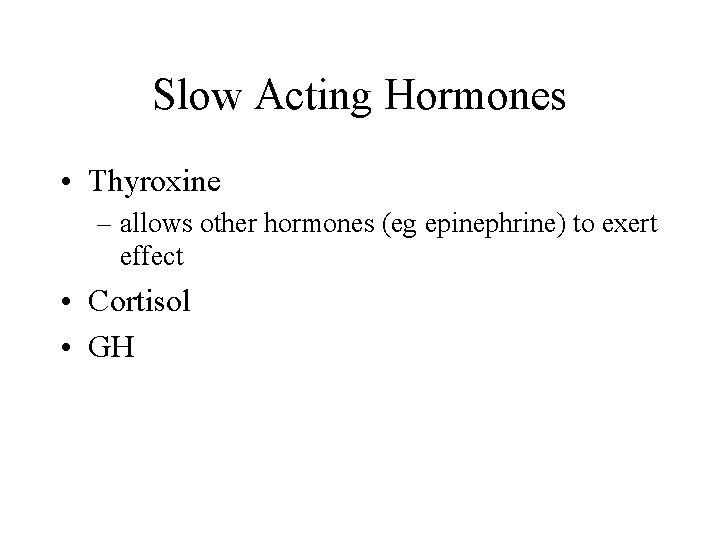
Slow Acting Hormones • Thyroxine – allows other hormones (eg epinephrine) to exert effect • Cortisol • GH
Cortisol and Maintenance of Plasma Glucose
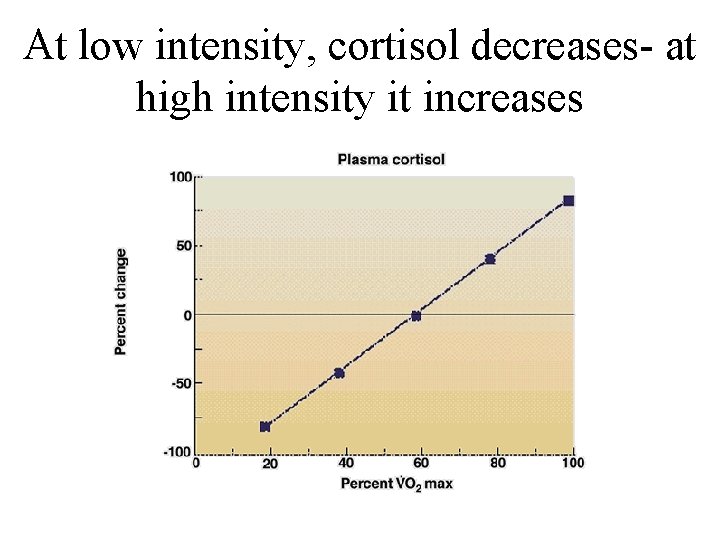
At low intensity, cortisol decreases- at high intensity it increases
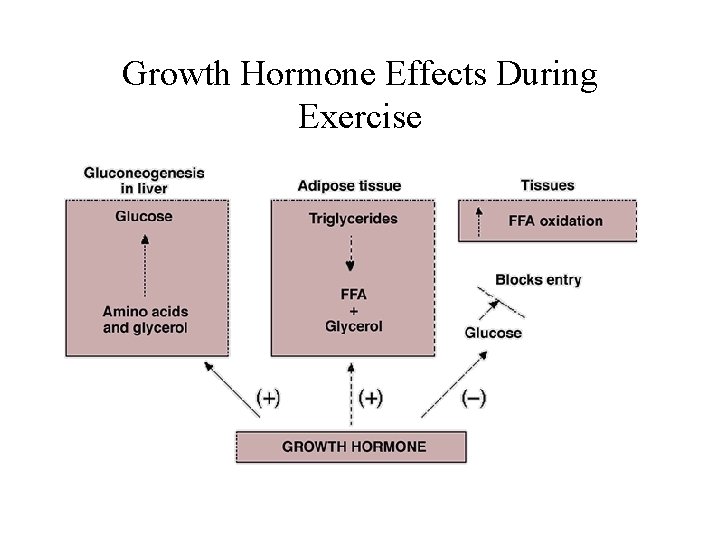
Growth Hormone Effects During Exercise
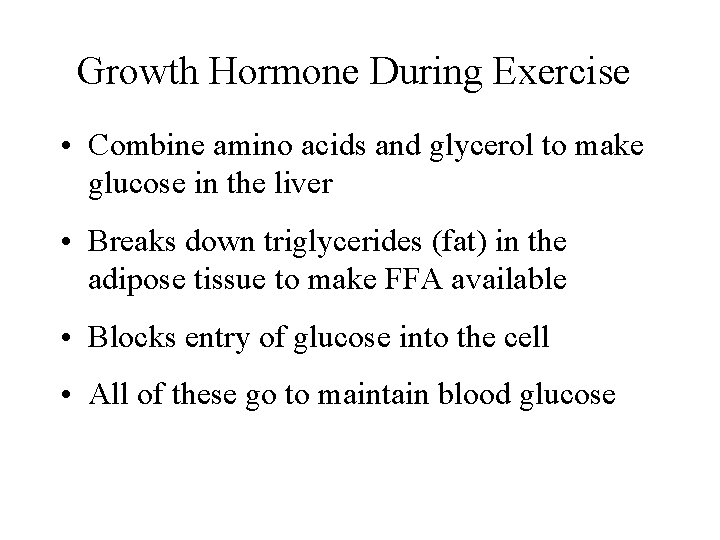
Growth Hormone During Exercise • Combine amino acids and glycerol to make glucose in the liver • Breaks down triglycerides (fat) in the adipose tissue to make FFA available • Blocks entry of glucose into the cell • All of these go to maintain blood glucose
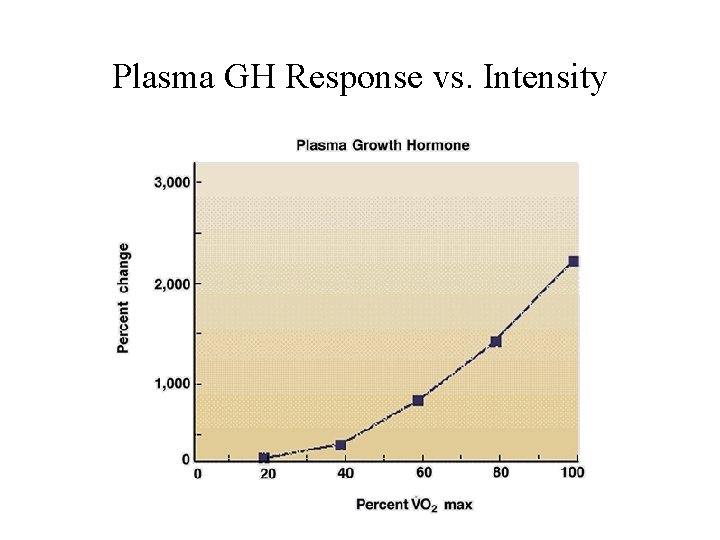
Plasma GH Response vs. Intensity
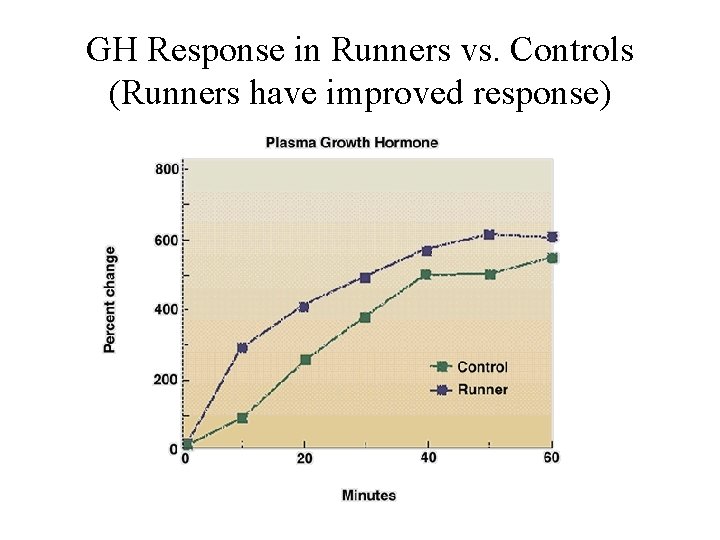
GH Response in Runners vs. Controls (Runners have improved response)
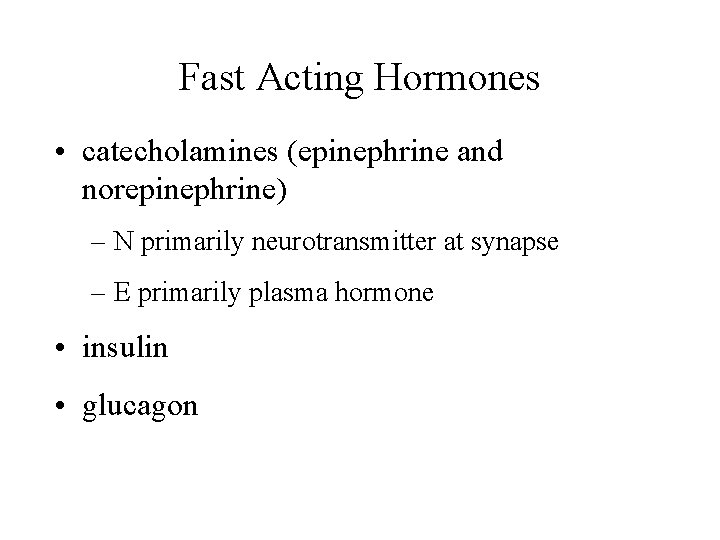
Fast Acting Hormones • catecholamines (epinephrine and norepinephrine) – N primarily neurotransmitter at synapse – E primarily plasma hormone • insulin • glucagon
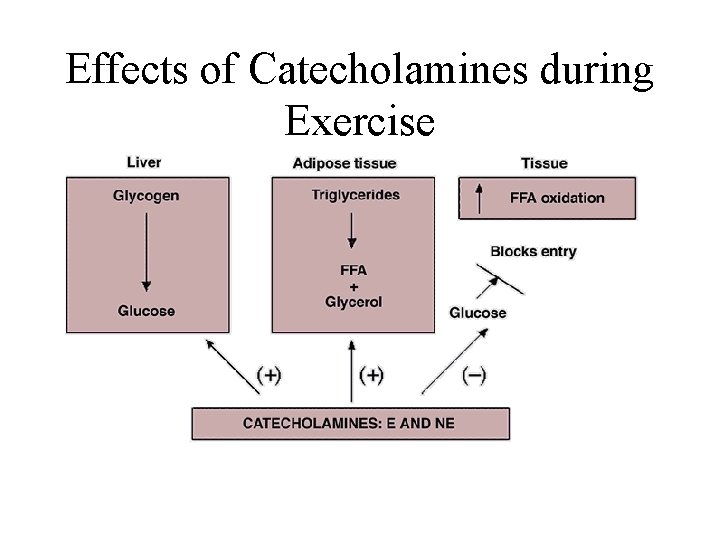
Effects of Catecholamines during Exercise
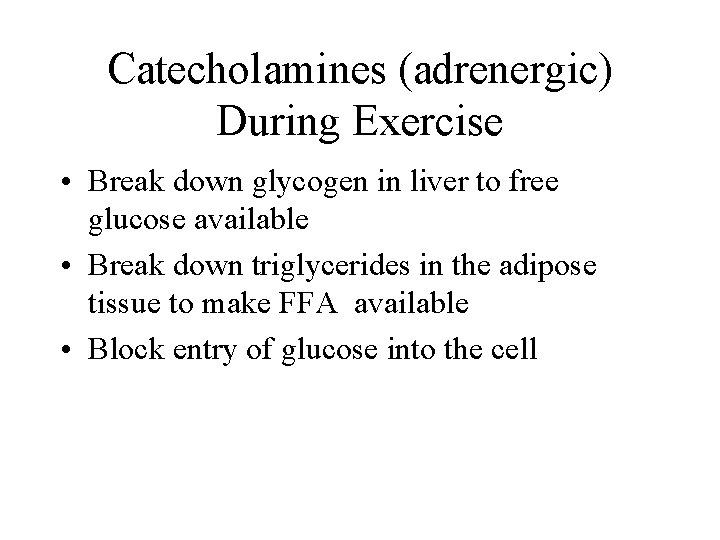
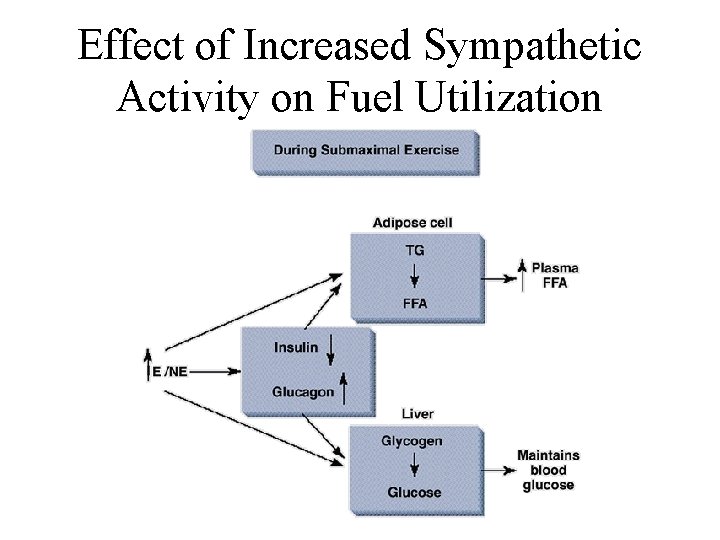
Catecholamines (adrenergic) During Exercise • Break down glycogen in liver to free glucose available • Break down triglycerides in the adipose tissue to make FFA available • Block entry of glucose into the cell
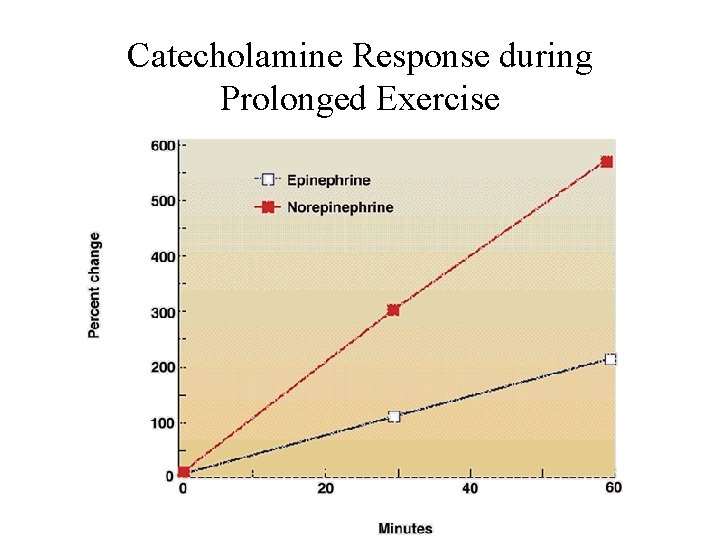
Catecholamine Response during Prolonged Exercise
Insulin (storage) vs. Glucagon (mobilization)
Insulin Levels Reduced during Moderate to Intense Exercise
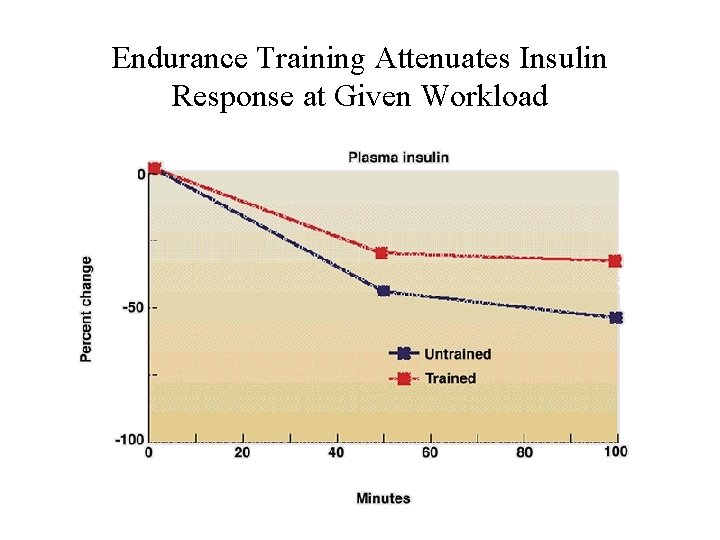
Endurance Training Attenuates Insulin Response at Given Workload
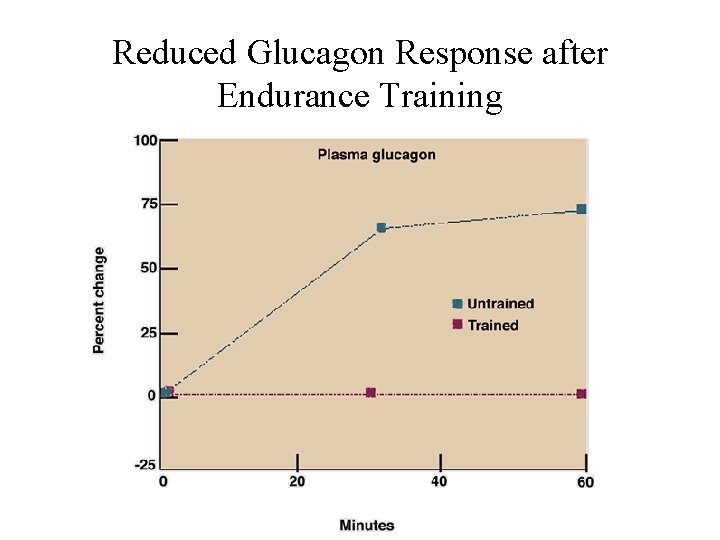
Reduced Glucagon Response after Endurance Training
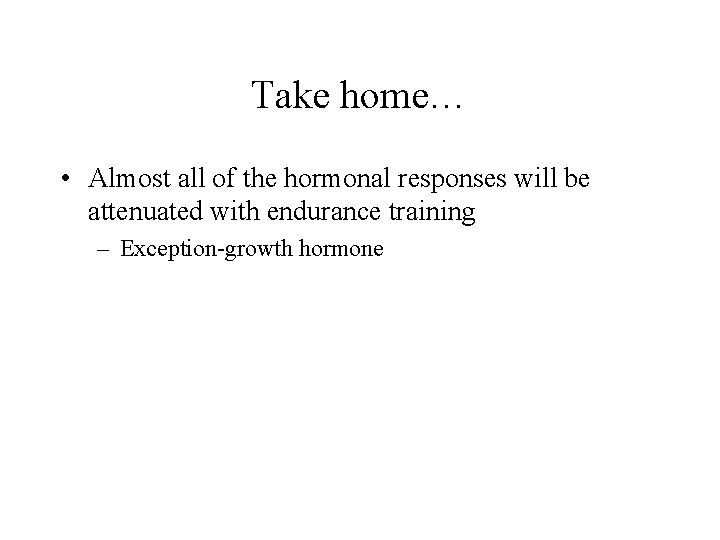
Take home… • Almost all of the hormonal responses will be attenuated with endurance training – Exception-growth hormone
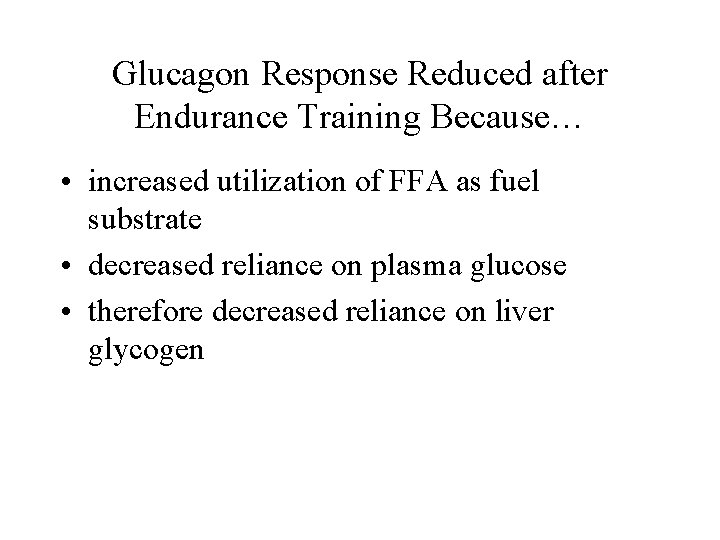
Glucagon Response Reduced after Endurance Training Because… • increased utilization of FFA as fuel substrate • decreased reliance on plasma glucose • therefore decreased reliance on liver glycogen
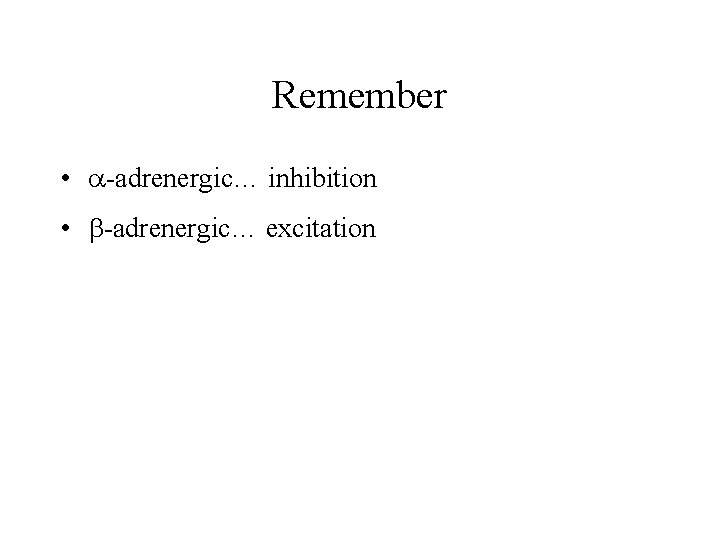
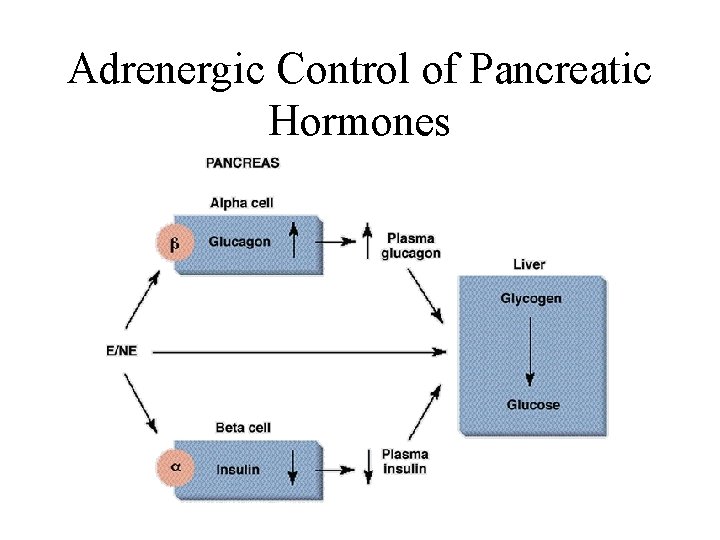
Remember • -adrenergic… inhibition • -adrenergic… excitation
Adrenergic Control of Pancreatic Hormones
Effect of Increased Sympathetic Activity on Fuel Utilization
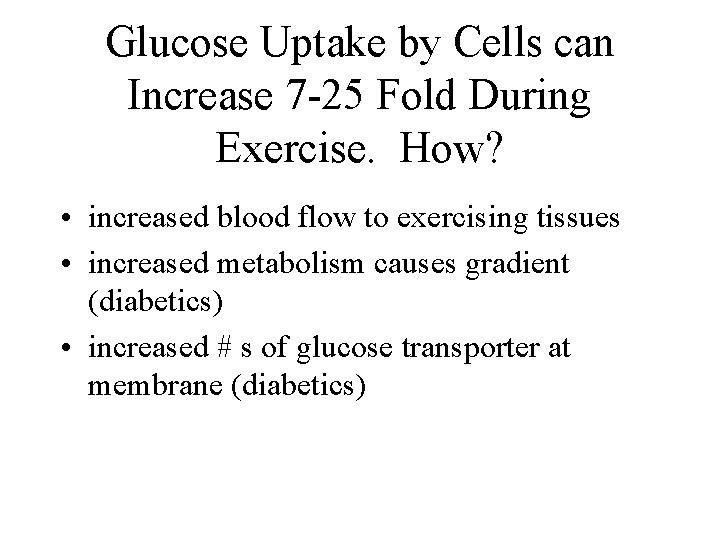
Glucose Uptake by Cells can Increase 7 -25 Fold During Exercise. How? • increased blood flow to exercising tissues • increased metabolism causes gradient (diabetics) • increased # s of glucose transporter at membrane (diabetics)
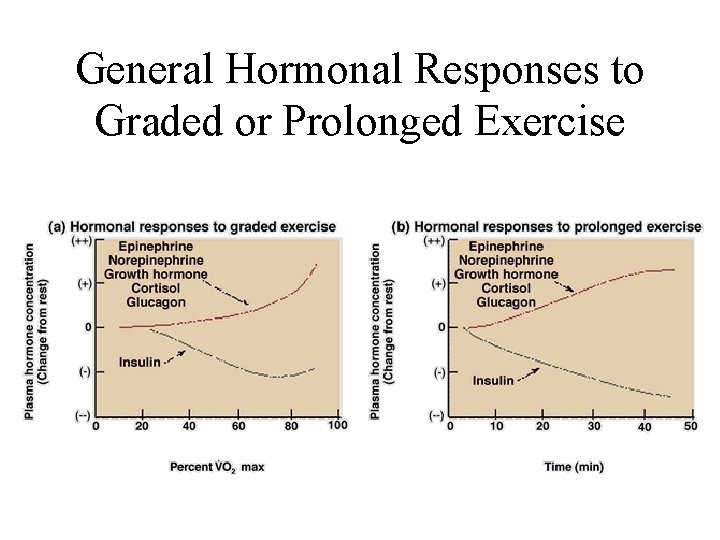
General Hormonal Responses to Graded or Prolonged Exercise
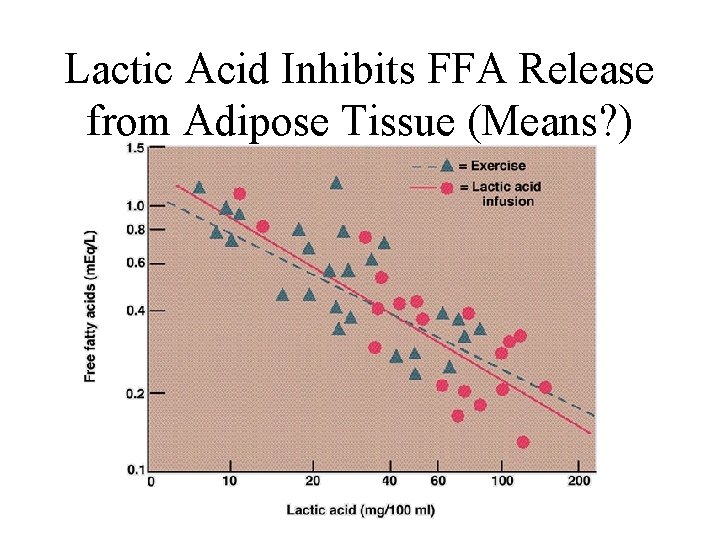
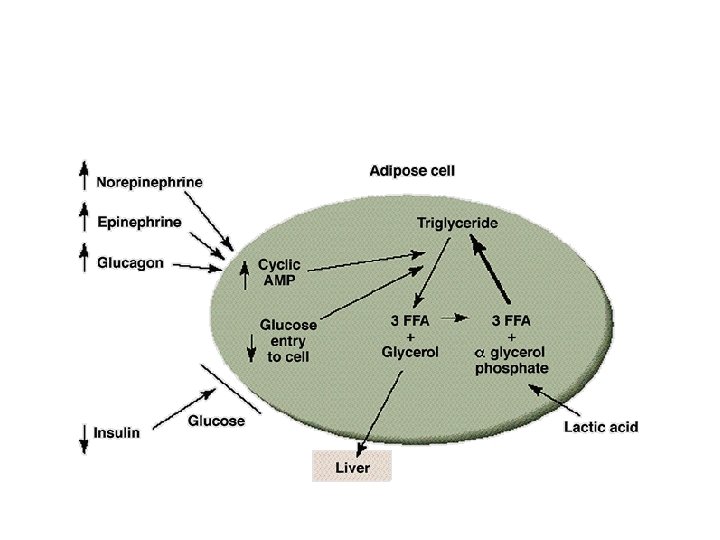
Lactic Acid Inhibits FFA Release from Adipose Tissue (Means? )