
Hormesis What it Means for Toxicology the Environment



- Slides: 78
Hormesis: What it Means for Toxicology, the Environment and Public Health Edward J. Calabrese, Ph. D Environmental Health Sciences School of Public Health University of Massachusetts
Overview • How I Became Involved with Hormesis • Hormesis: Toxicological Foundations • Examples of Hormetic Responses • Comparison with Threshold Model • Hormesis and Risk Assessment
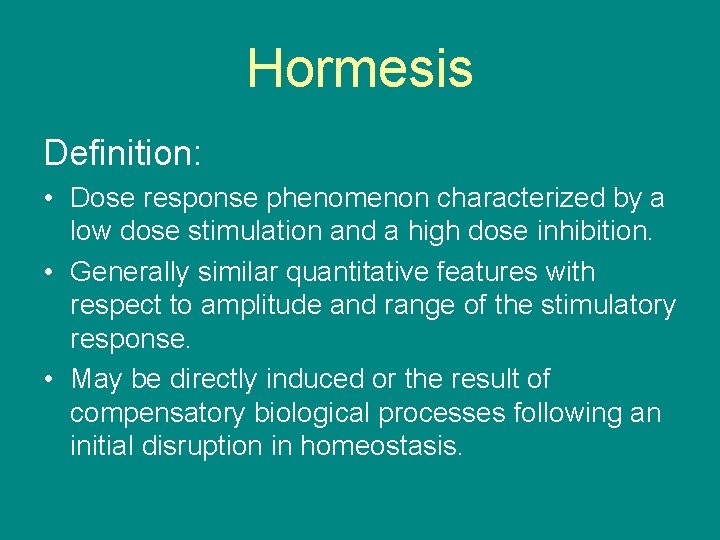
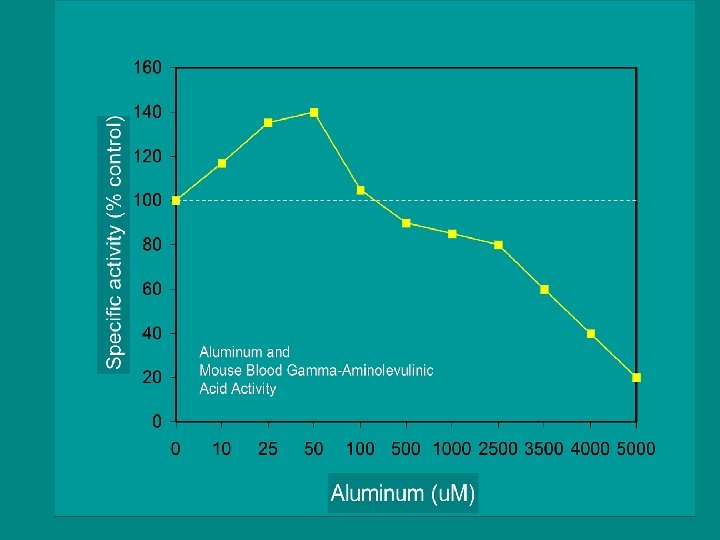
Hormesis Definition: • Dose response phenomenon characterized by a low dose stimulation and a high dose inhibition. • Generally similar quantitative features with respect to amplitude and range of the stimulatory response. • May be directly induced or the result of compensatory biological processes following an initial disruption in homeostasis.
HORMESIS Interpretation: • Issue of beneficial/harmful effects should not be part of the definition of hormesis. • This assessment should be reserved for a subsequent evaluation of the biological and ecological context of the response.
A Response B Response Dose (A) The most common form of the hormetic dose-response curve depicting low-dose (B) stimulatory and high-dose inhibitory responses, the - or inverted U-shaped curve. (B) The hormetic dose-response curve depicting low-dose reduction and high-dose (C) enhancement of adverse effects, the J- or U-shaped curve.
Hormesis and Evaluative Criteria Assessing the Dose-Response Continuum: • LOAEL-defining the toxic phase of the dose response • NOAEL (or BMD)-defining the approximate threshold • Below NOAEL (or BMD) doses-number and range • Concurrent Control
Hormesis and Assessment Criteria Dose Response Patterns Statistical Significance Replication of Findings
Evidence of Hormesis General Summary: • Hormesis databases: thousands of dose responses indicative of hormesis • Hormesis is a very general phenomenon: independent of model, endpoint and agent • Frequency of hormesis: far more frequent than threshold model in fair head-to-head comparisons
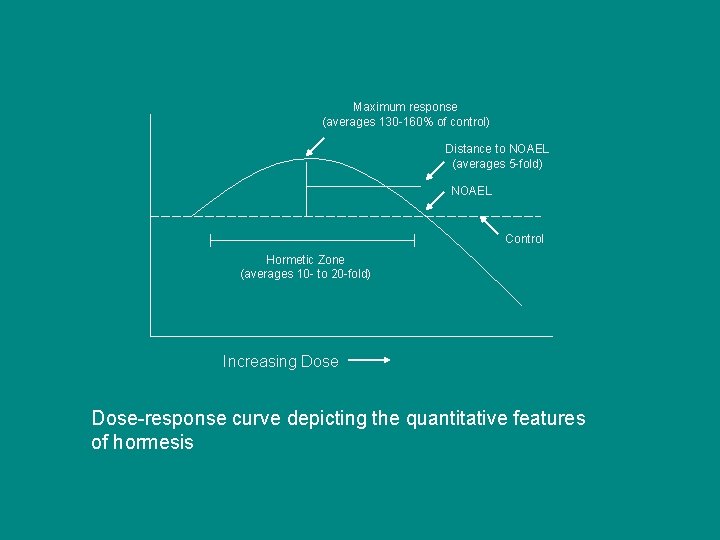
Dose Response Features Stimulation Amplitude: • Modest • 30 -60% Greater Than Control • Usually Not More Than 100% Greater Than The Control
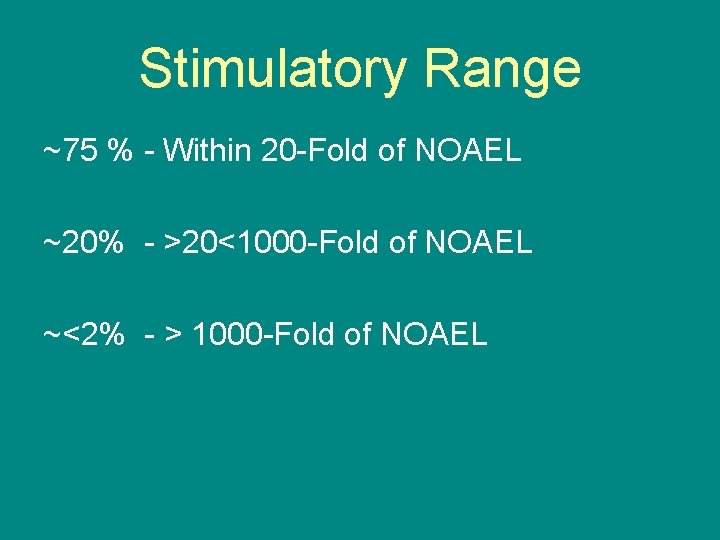
Stimulatory Range ~75 % - Within 20 -Fold of NOAEL ~20% - >20<1000 -Fold of NOAEL ~<2% - > 1000 -Fold of NOAEL
Maximum response (averages 130 -160% of control) Distance to NOAEL (averages 5 -fold) NOAEL Control Hormetic Zone (averages 10 - to 20 -fold) Increasing Dose-response curve depicting the quantitative features of hormesis
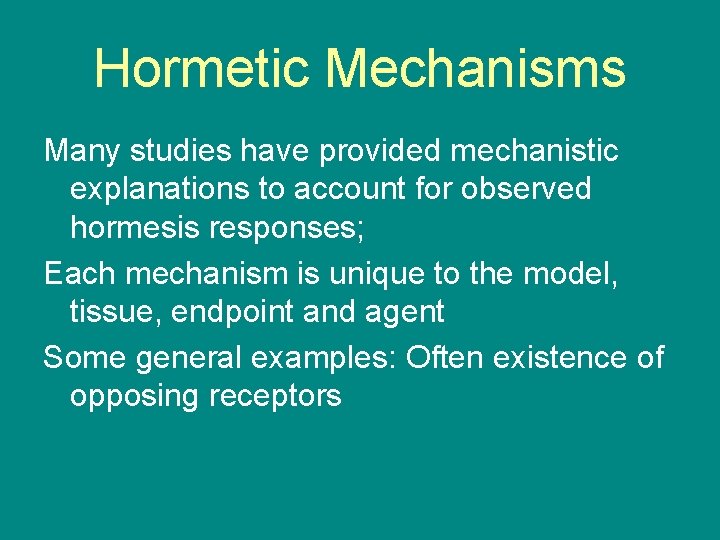
Hormetic Mechanisms Many studies have provided mechanistic explanations to account for observed hormesis responses; Each mechanism is unique to the model, tissue, endpoint and agent Some general examples: Often existence of opposing receptors
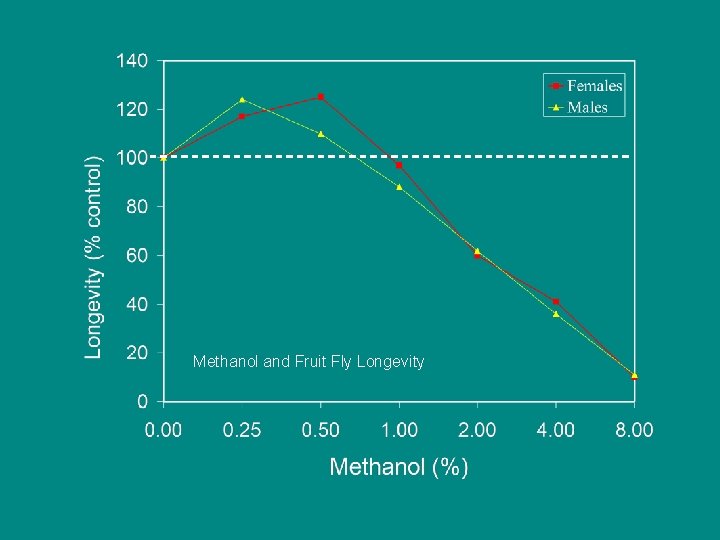
Methanol and Fruit Fly Longevity
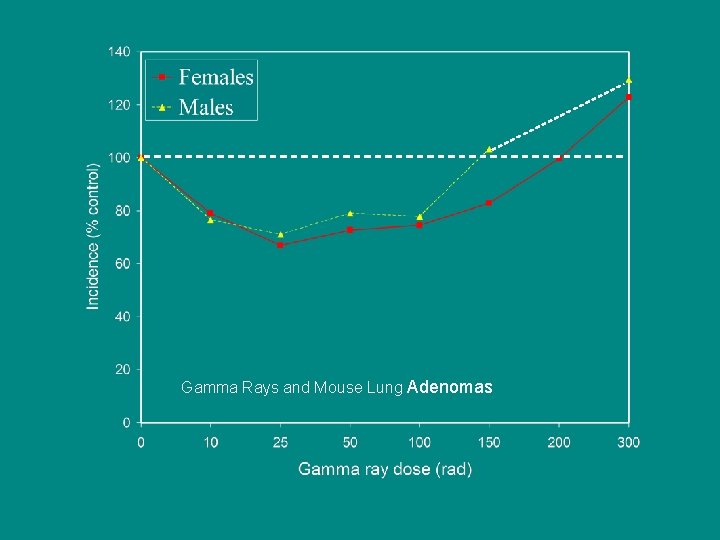
Gamma Rays and Mouse Lung Adenomas
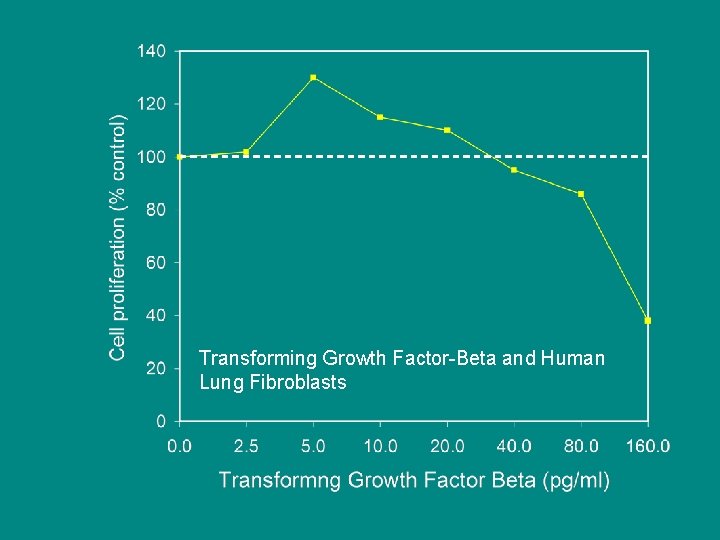
Transforming Growth Factor-Beta and Human Lung Fibroblasts
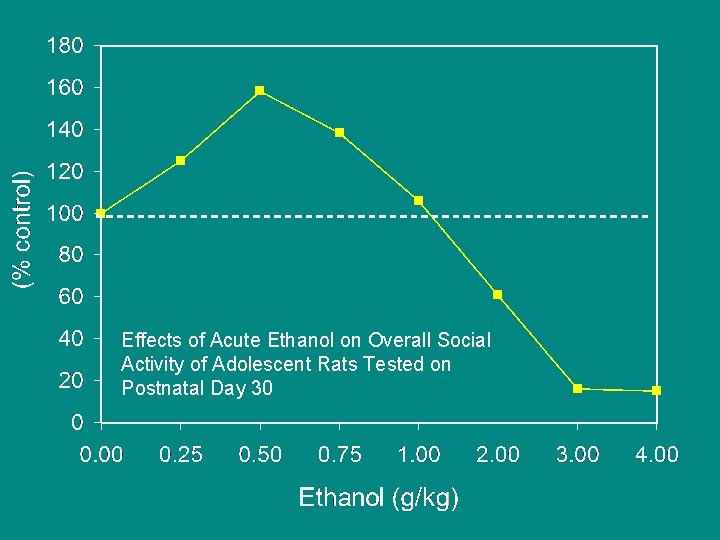
Effects of Acute Ethanol on Overall Social Activity of Adolescent Rats Tested on Postnatal Day 30
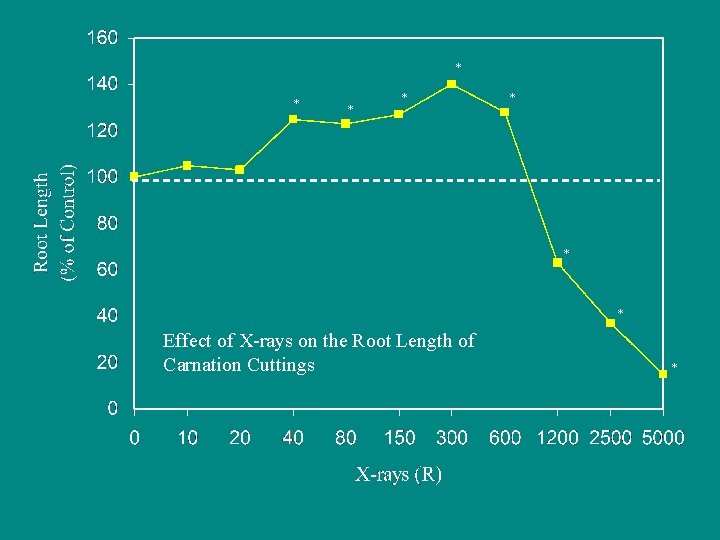
* * * * Effect of X-rays on the Root Length of Carnation Cuttings *
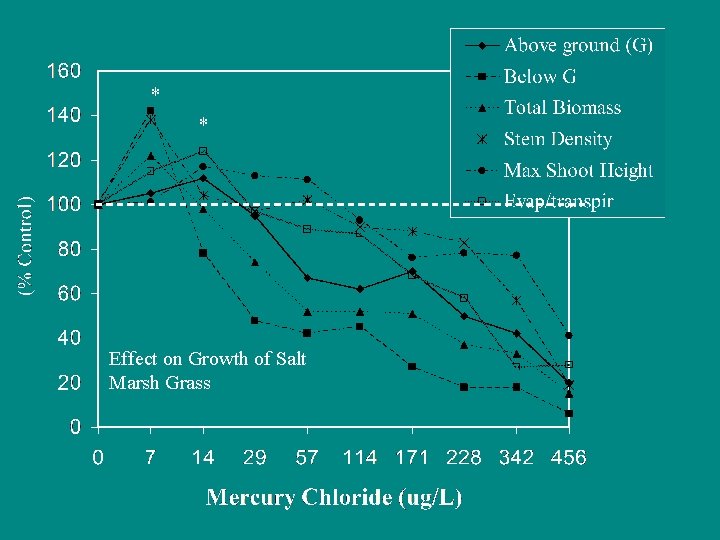
* * Effect on Growth of Salt Marsh Grass
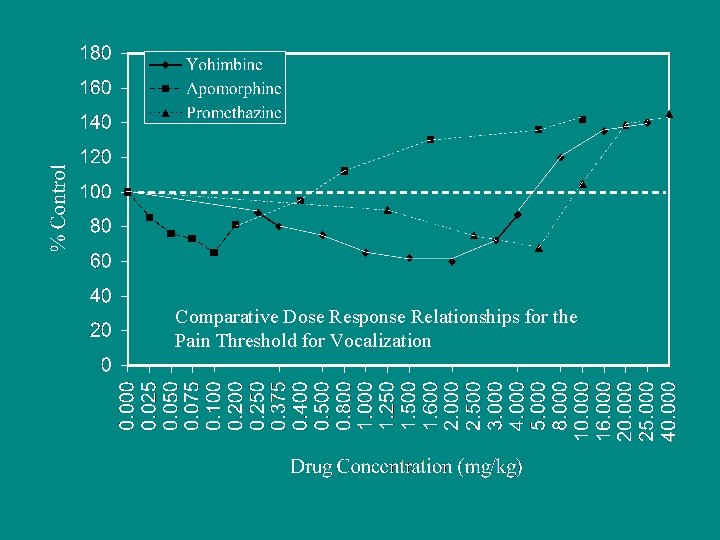
Comparative Dose Response Relationships for the Pain Threshold for Vocalization
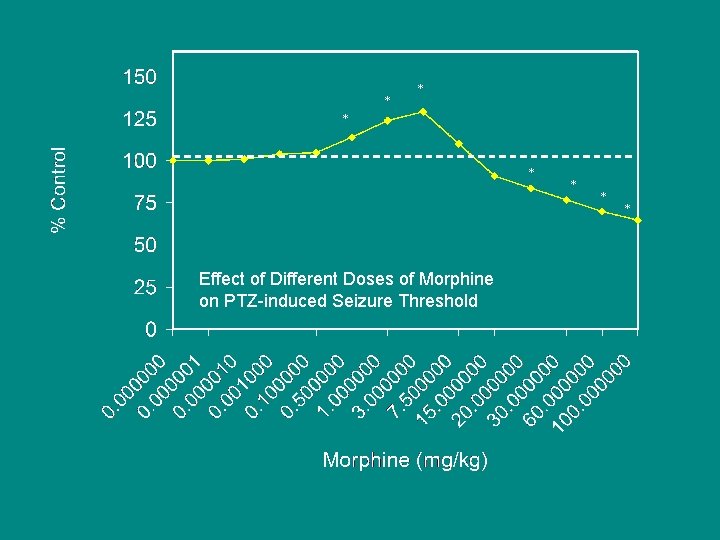
* * Effect of Different Doses of Morphine on PTZ-induced Seizure Threshold * * *
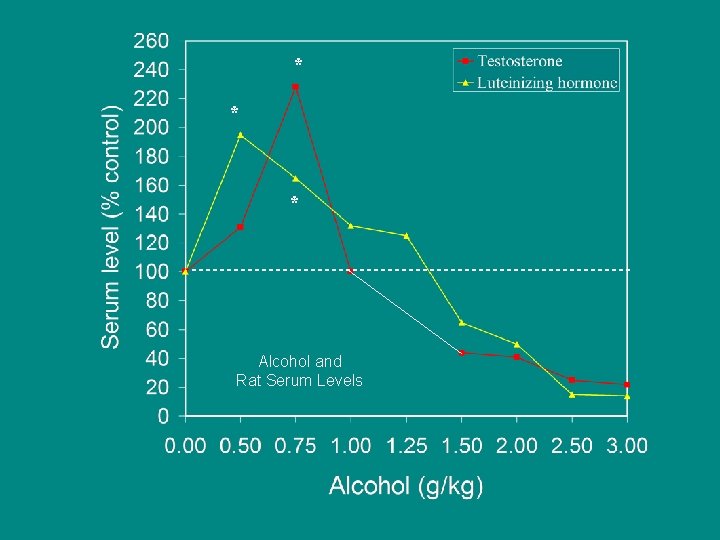
* * * Alcohol and Rat Serum Levels
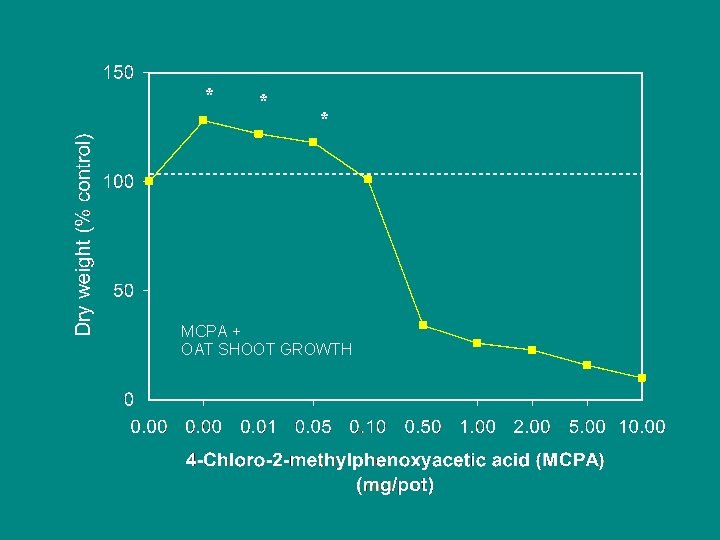
* * * MCPA + OAT SHOOT GROWTH
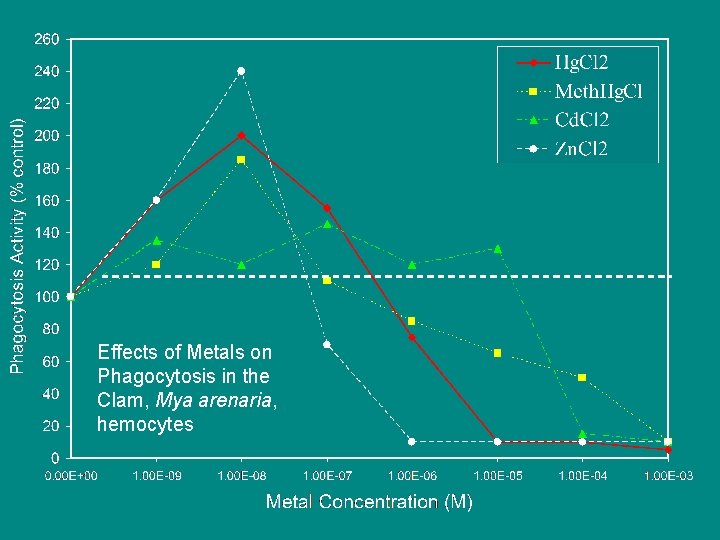
Effects of Metals on Phagocytosis in the Clam, Mya arenaria, hemocytes
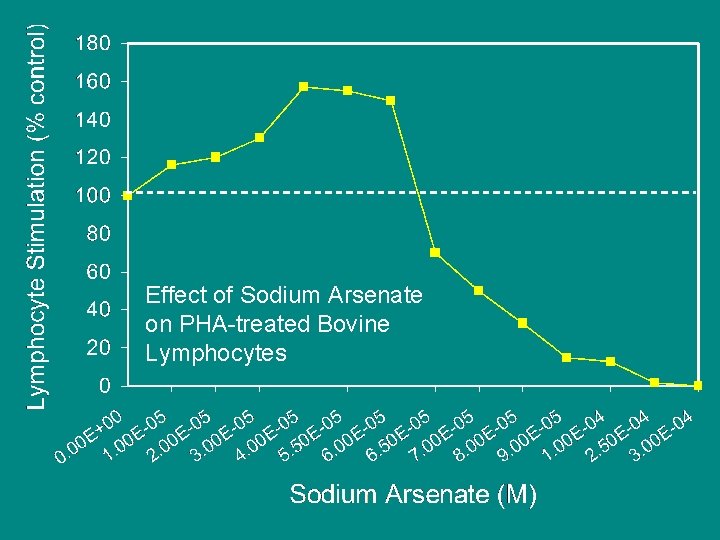
Effect of Sodium Arsenate on PHA-treated Bovine Lymphocytes
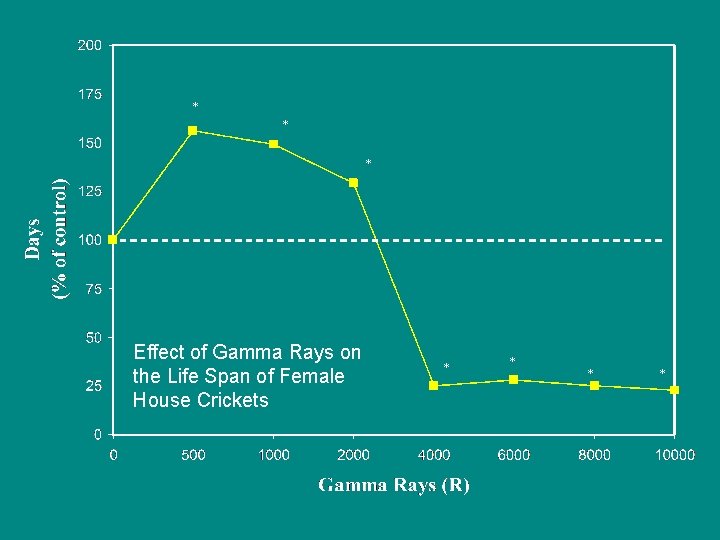
* * * Effect of Gamma Rays on the Life Span of Female House Crickets * *
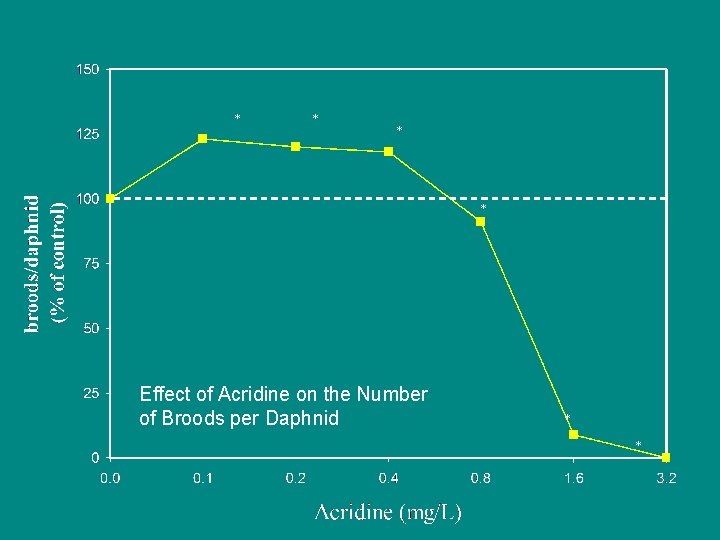
* * Effect of Acridine on the Number of Broods per Daphnid * *
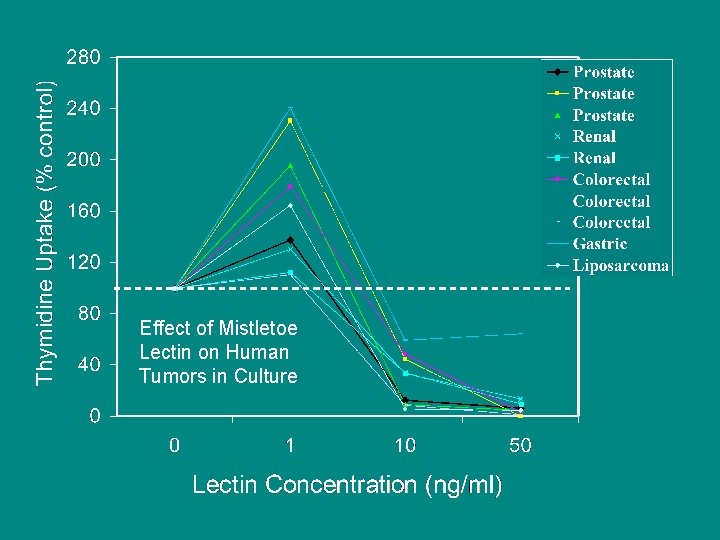
Effect of Mistletoe Lectin on Human Tumors in Culture
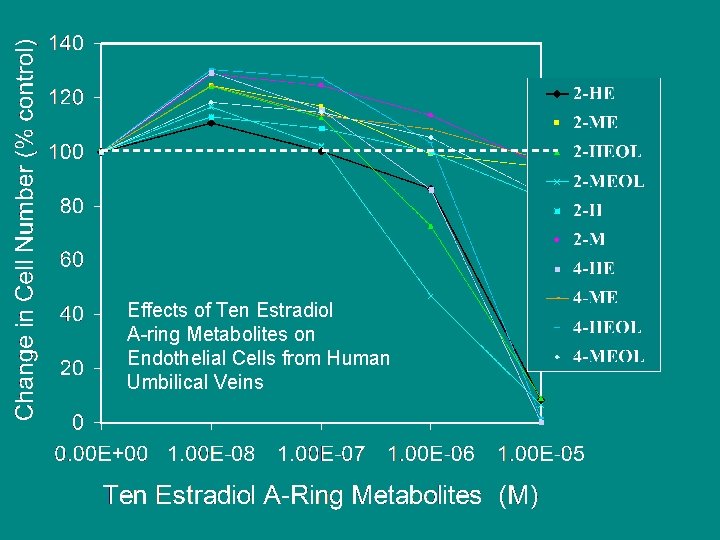
Effects of Ten Estradiol A-ring Metabolites on Endothelial Cells from Human Umbilical Veins
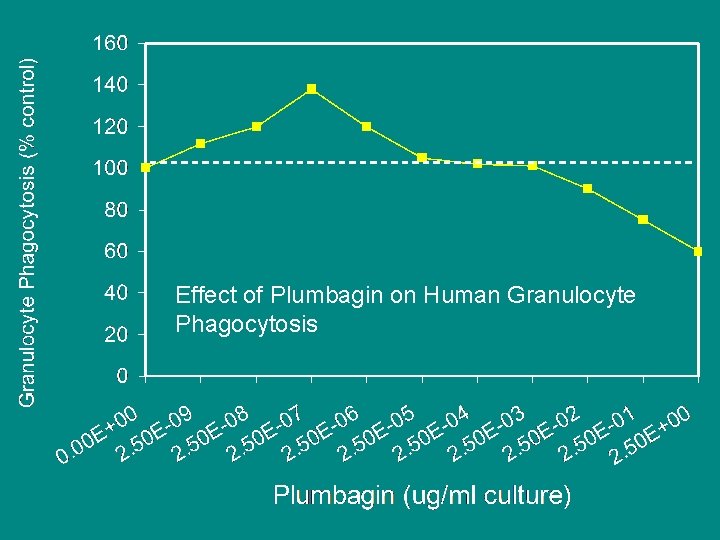
Effect of Plumbagin on Human Granulocyte Phagocytosis
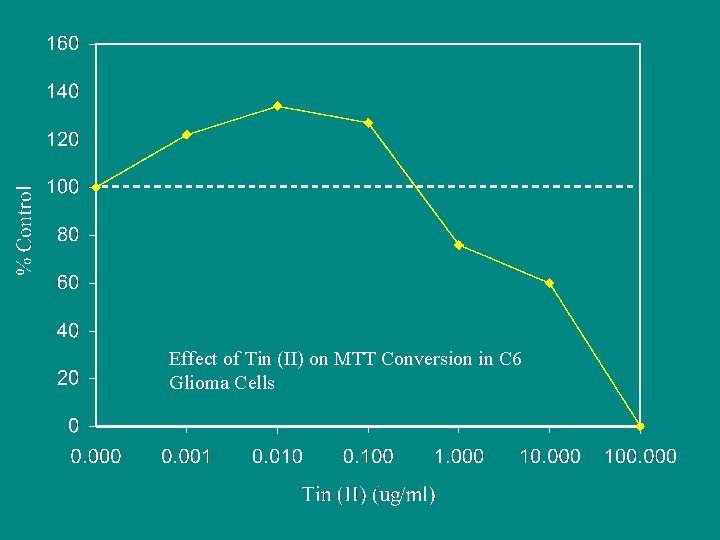
Effect of Tin (II) on MTT Conversion in C 6 Glioma Cells
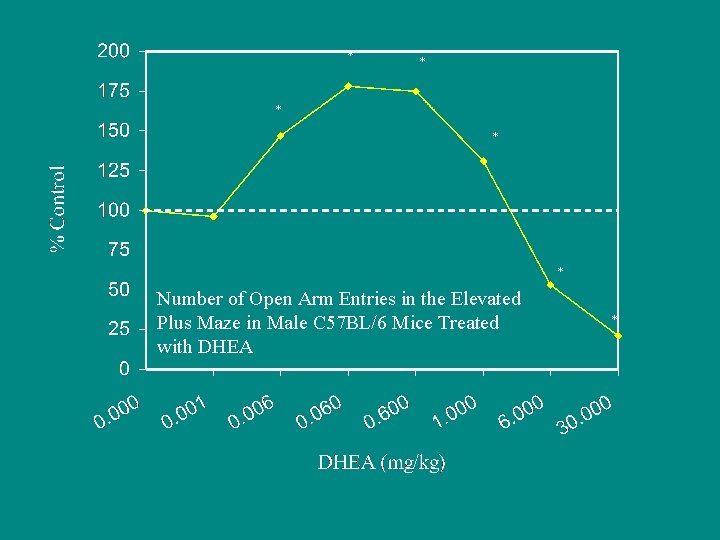
* * * Number of Open Arm Entries in the Elevated Plus Maze in Male C 57 BL/6 Mice Treated with DHEA *
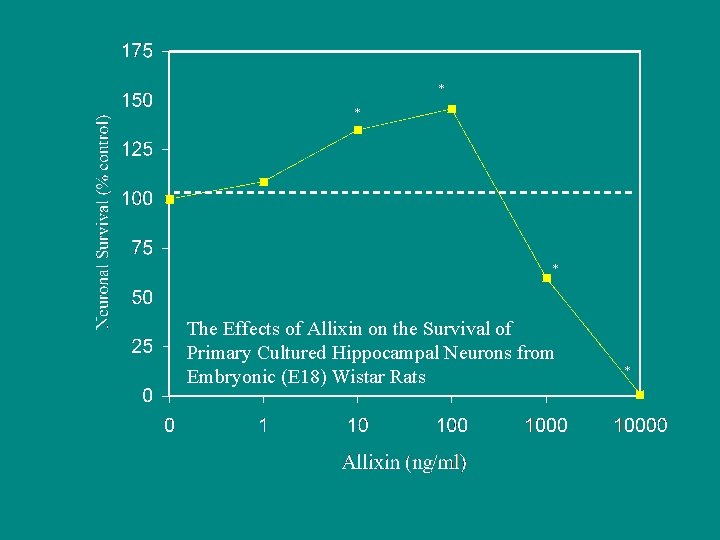
* * * The Effects of Allixin on the Survival of Primary Cultured Hippocampal Neurons from Embryonic (E 18) Wistar Rats *
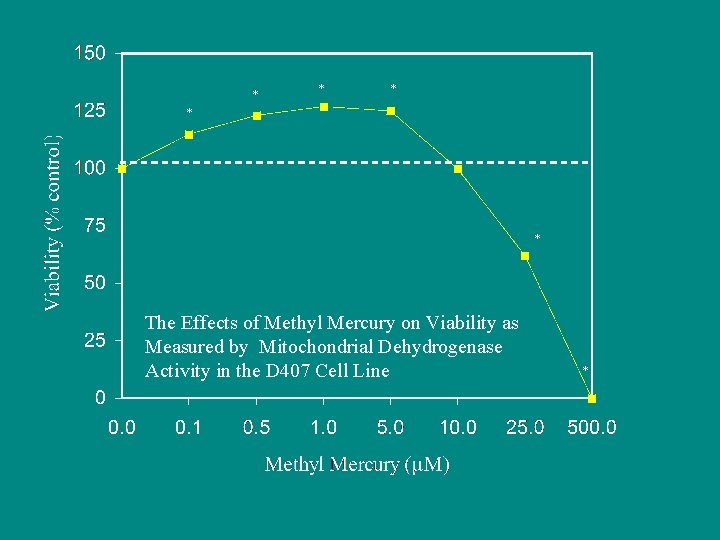
* * * The Effects of Methyl Mercury on Viability as Measured by Mitochondrial Dehydrogenase Activity in the D 407 Cell Line *
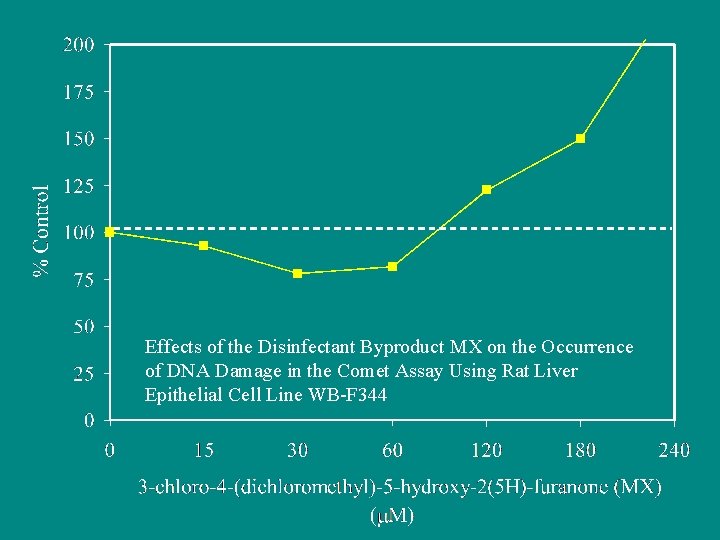
Effects of the Disinfectant Byproduct MX on the Occurrence of DNA Damage in the Comet Assay Using Rat Liver Epithelial Cell Line WB-F 344
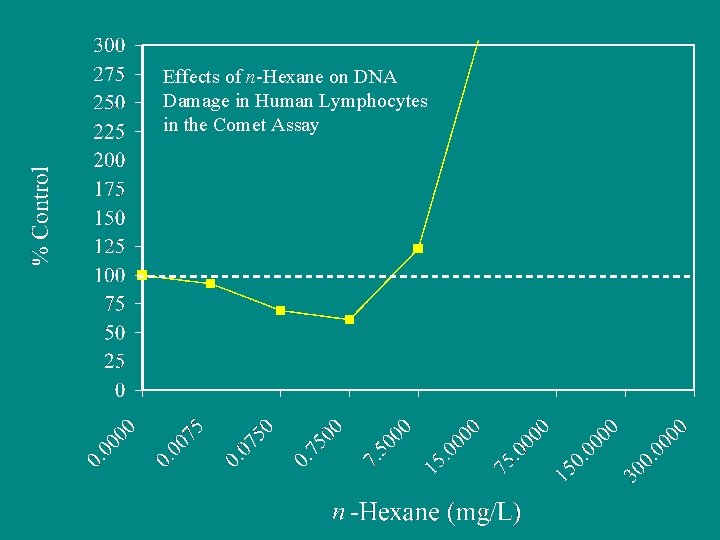
Effects of n-Hexane on DNA Damage in Human Lymphocytes in the Comet Assay
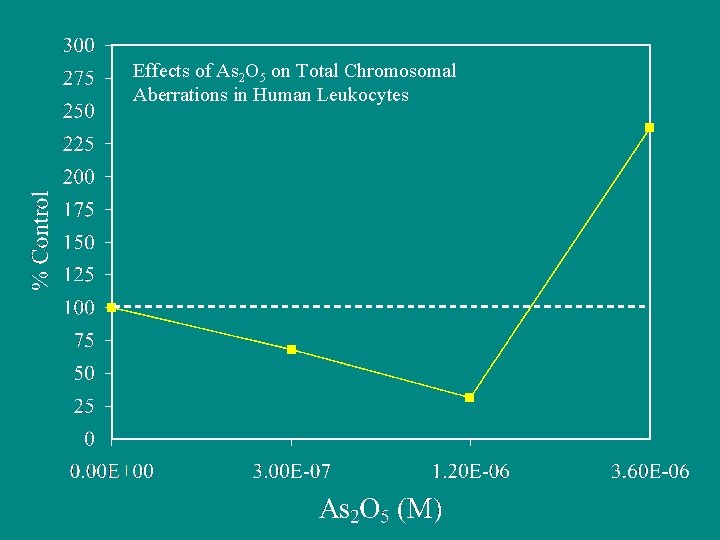
Effects of As 2 O 5 on Total Chromosomal Aberrations in Human Leukocytes
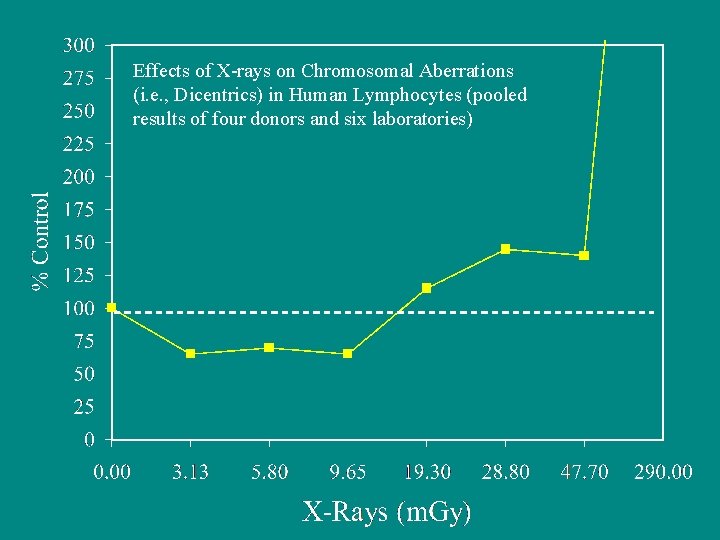
Effects of X-rays on Chromosomal Aberrations (i. e. , Dicentrics) in Human Lymphocytes (pooled results of four donors and six laboratories)
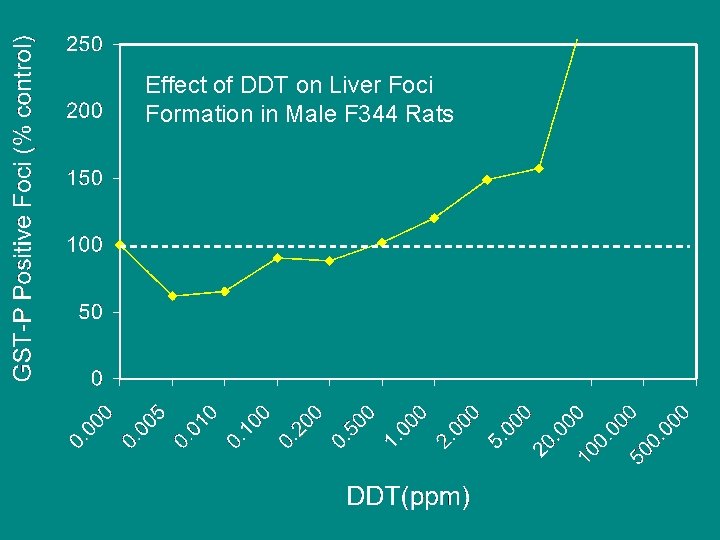
Effect of DDT on Liver Foci Formation in Male F 344 Rats
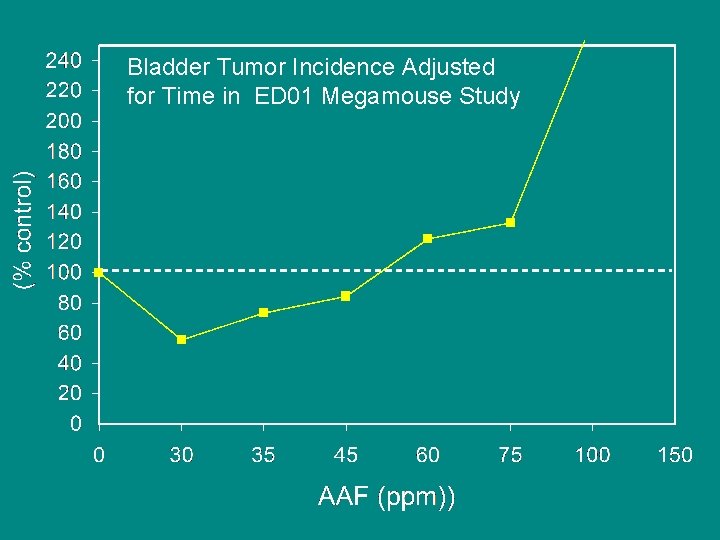
Bladder Tumor Incidence Adjusted for Time in ED 01 Megamouse Study
Hormetic or Threshold Which Dose Response Is More Common?
The Threshold Model Prediction: Random Bounce Below the Threshold as Practically Defined by the NOA(E)L or BMD
The Hormesis Model • Predicts that responses to doses in the below toxic threshold zone should be non-randomly distributed • The non-randomness should be reflected in the frequency of responses above and below the control value and in the magnitude of the deviation from the control
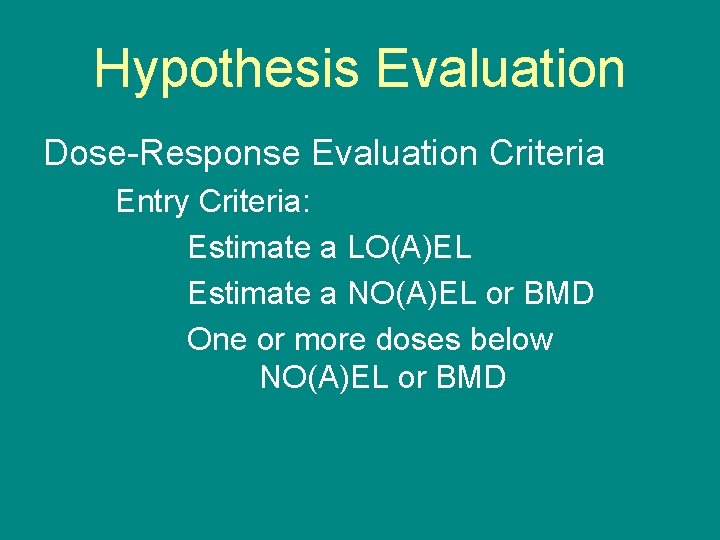
Hypothesis Evaluation Dose-Response Evaluation Criteria Entry Criteria: Estimate a LO(A)EL Estimate a NO(A)EL or BMD One or more doses below NO(A)EL or BMD
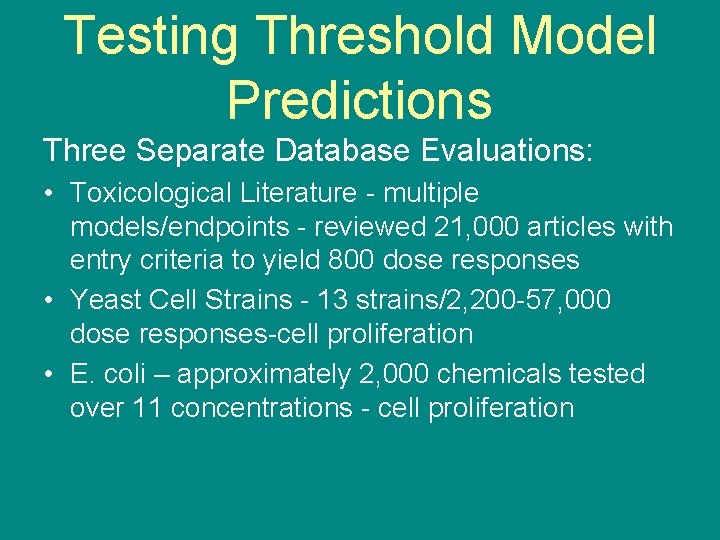
Testing Threshold Model Predictions Three Separate Database Evaluations: • Toxicological Literature - multiple models/endpoints - reviewed 21, 000 articles with entry criteria to yield 800 dose responses • Yeast Cell Strains - 13 strains/2, 200 -57, 000 dose responses-cell proliferation • E. coli – approximately 2, 000 chemicals tested over 11 concentrations - cell proliferation
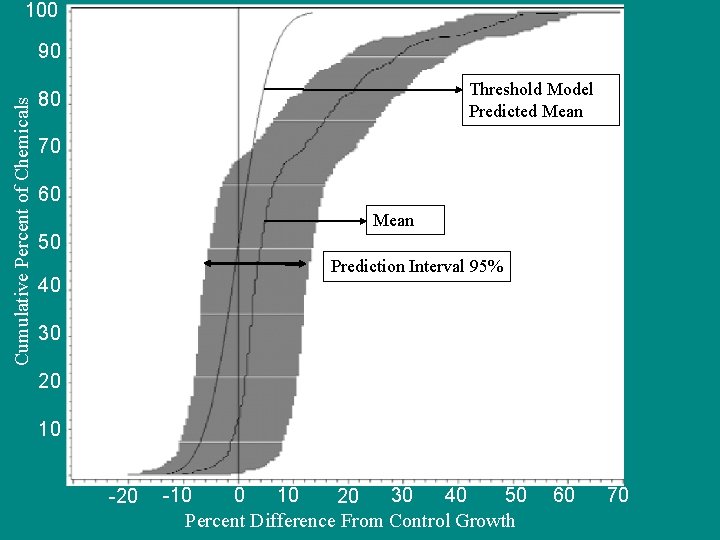
100 Cumulative Percent of Chemicals 90 Threshold Model Predicted Mean 80 70 60 Mean 50 Prediction Interval 95% 40 30 20 10 -20 -10 0 10 30 40 50 20 Percent Difference From Control Growth 60 70
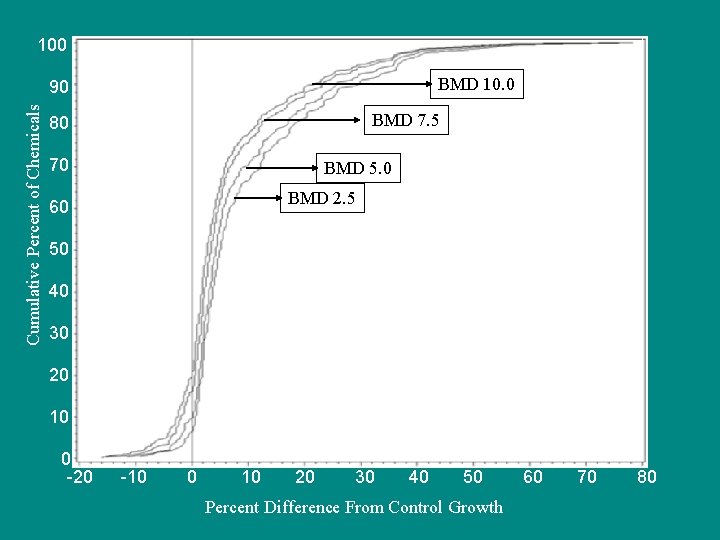
100 BMD 10. 0 Cumulative Percent of Chemicals 90 BMD 7. 5 80 70 BMD 5. 0 BMD 2. 5 60 50 40 30 20 10 0 -20 -10 0 10 20 30 40 50 Percent Difference From Control Growth 60 70 80
Threshold Model Inconsistencies • Below threshold responses do not provide evidence of random bounce • Non-random responses clearly predominate • The non-random responses discredit the Threshold Dose Response Model • Findings are consistent with the Hormetic Dose Response Model
Why Has Toxicology Missed Hormesis? • Modest Response - could be normal variation • Emphasis on High Doses - need to define the NOAEL and LOAEL • Use of only few doses
Why is Hormesis Important? • It will change how toxicologists, pharmacologists, risk assessors, and physicians do their jobs • It will change the risk communication message
Hypothesis Testing • Expands Dose Response Spectrum • Creates New Categories of Questions
Study Design • Number of Doses/Concentrations • Spacing of Doses/Concentrations • Temporal Features – Key feature in recognizing the compensatory nature of the hormetic dose response
Implications of New Design Considerations Additional Costs For: • Extra Doses • Multiple Temporal Evaluations • Enhanced Need for Replication
Possible Adjustments • Less than lifetime studies/different endpoints • Less expensive models: cell culture, invertebrates, fish, etc. – increases sample size for statistical power
Endpoint Selection Background Incidence: • Low Background Disease Incidence Precludes Ability to Detect Possible Hormetic Response
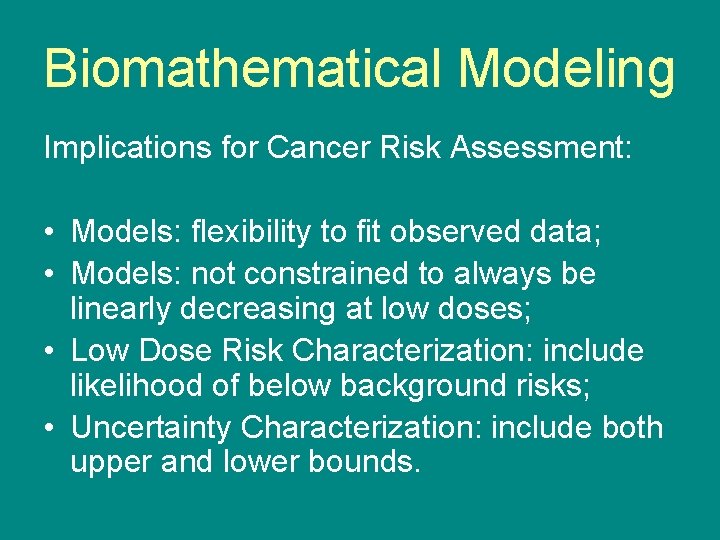
Biomathematical Modeling Implications for Cancer Risk Assessment: • Models: flexibility to fit observed data; • Models: not constrained to always be linearly decreasing at low doses; • Low Dose Risk Characterization: include likelihood of below background risks; • Uncertainty Characterization: include both upper and lower bounds.
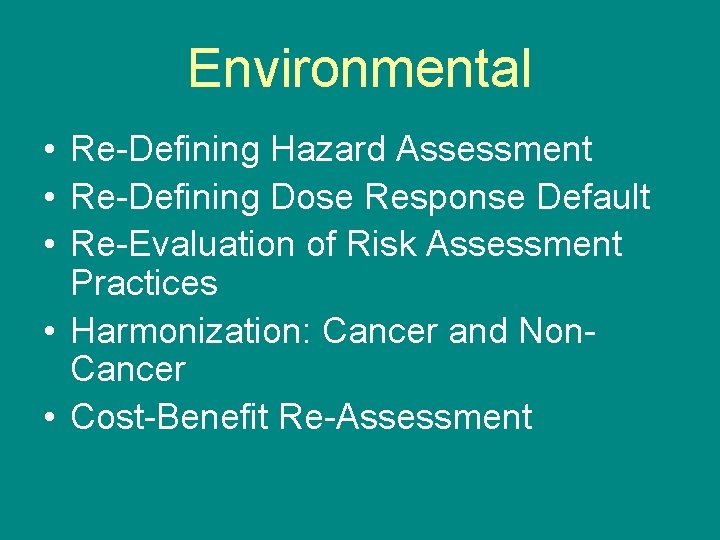
Environmental • Re-Defining Hazard Assessment • Re-Defining Dose Response Default • Re-Evaluation of Risk Assessment Practices • Harmonization: Cancer and Non. Cancer • Cost-Benefit Re-Assessment
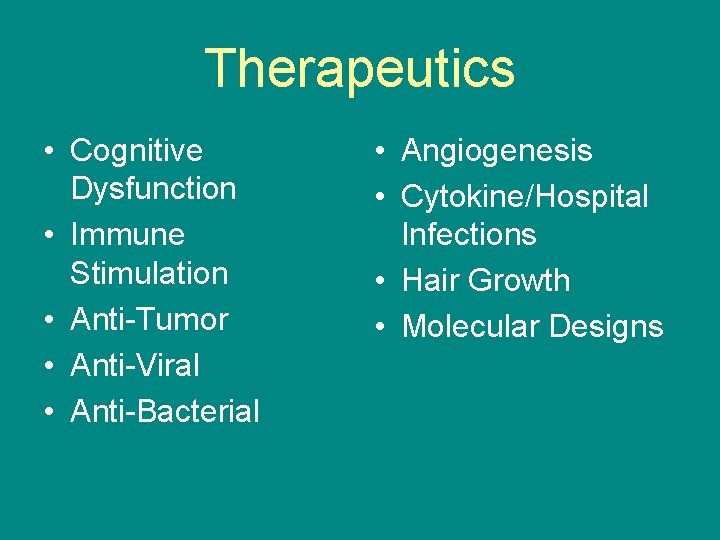
Therapeutics • Cognitive Dysfunction • Immune Stimulation • Anti-Tumor • Anti-Viral • Anti-Bacterial • Angiogenesis • Cytokine/Hospital Infections • Hair Growth • Molecular Designs
Life Style • Exercise • Alcohol Consumption • Stress
Perspective #1 The Threshold Dose Response Model fails to make accurate predictions in the below threshold zone
Perspective #2 The Threshold Dose Response Model has been significantly outcompeted by the Hormetic Dose Response Model in multiple, independent comparisons
Perspective #3 There is little toxicological justification for the continued use of the threshold dose response to estimate below threshold responses
Perspective #4 Given Perspectives 1 -3, there is no basis to use threshold dose response model in risk assessment practices. This has significant implications for current standards based on the threshold model and future risk assessment practices
Perspective #5 HORMESIS: a concept with much supportive experimental evidence that is reproducible
Perspective #6 HORMESIS: Based on Perspective # 5 it should be considered as a real concept in the biological sciences
Perspective #7 HORMESIS is Generalizable • Across Biological Models • Across Endpoints Measured • Across Chemical Class/Physical Agents
Perspective #8 Based on Perspective # 7, HORMESIS is evolutionarily based, with broad potential implications
Perspective #9 HORMESIS: very common in toxicological/pharmacological literature, making it a central concept
Perspective #10 HORMESIS: a normal component of the traditional dose response, being graphically contiguous with the NO(A)EL
Perspective #11 HORMESIS: readily definable quantitative features, that are broadly generalizable, making it reasonably predictable
Perspective #12 HORMESIS: far more common than the threshold dose response in fair, head-to-head comparisons; this would make the hormetic model the most dominant in toxicology
Perspective #13 The low dose hormetic stimulatory response is a manifestation of biological performance and estimates biological plasticity in the effected systems
Perspective #14 HORMESIS: no single specific hormetic mechanism; there appears to be a common biological strategy underlying such phenomena
Perspective #15 HORMESIS: important implications for toxicology, risk assessment, risk communication, cost-benefit assessments, clinical medicine, drug development and numerous other areas
Perspective #16 HORMESIS: Should Become the Default Model in Risk Assessment – Why? • More Common By Far Than Other Models • Can Be Validated or Discredited with Testing • Generalizable by Biological Model, Endpoint and Chemical Class
Perspective #17 HORMESIS: should become the object of formal evaluation by leading advisory bodies such as the National Academy of Sciences