
Horizontal Winds Pressure Gradient Force Coriolis Force The


- Slides: 12
Horizontal Winds Pressure Gradient Force Coriolis Force
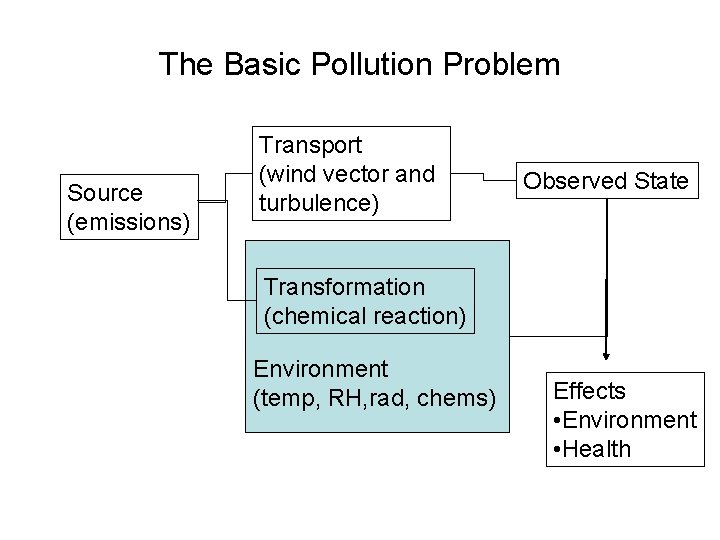
The Basic Pollution Problem Source (emissions) Transport (wind vector and turbulence) Observed State Transformation (chemical reaction) Environment (temp, RH, rad, chems) Effects • Environment • Health
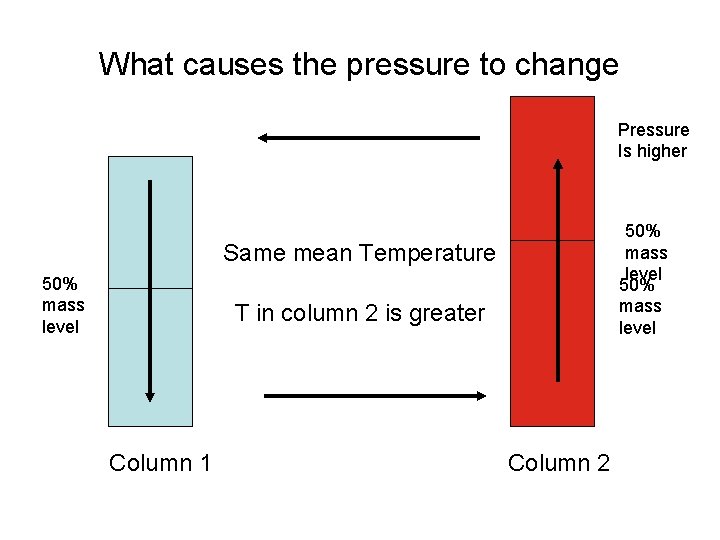
What causes the pressure to change Pressure Is higher 50% mass level Same mean Temperature 50% mass level T in column 2 is greater Column 1 Column 2
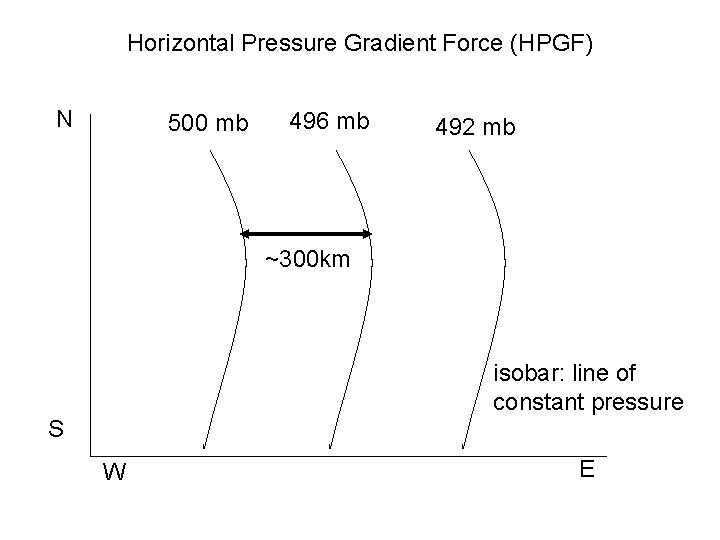
Horizontal Pressure Gradient Force (HPGF) N 500 mb 496 mb 492 mb ~300 km isobar: line of constant pressure S W E
HPGF • HPGF: due to the change in atmospheric pressure with distance. • Magnitude of HPGF: if p changes rapdily with horizontal distance--> isobars are closer together and HPGF is large • Effect of HPGF: air starts to move from H to L
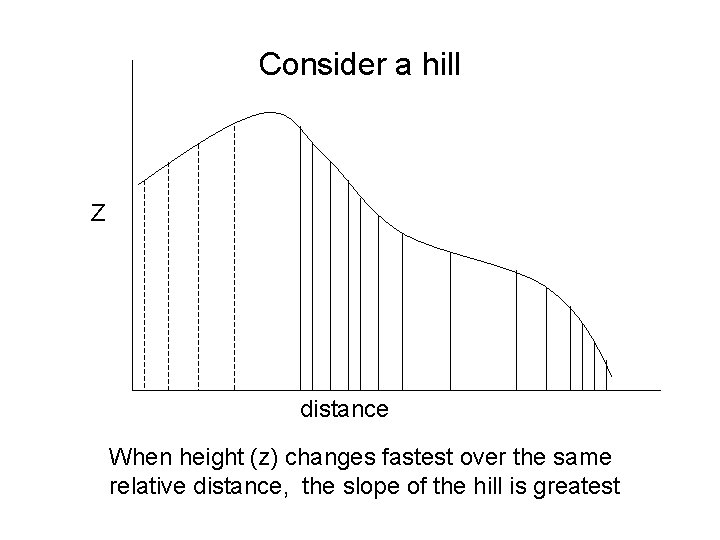
Consider a hill Z distance When height (z) changes fastest over the same relative distance, the slope of the hill is greatest
Suppose the hill is pressure H L When the lines are closer together, the HPGF is greater!
Coriolis The wind does not blow directly from H to L
The Wind does not blow directly from H to L • The Coriolis force causes an “apparent” deflection of the air to the right (left) in the Northern (Southern) Hemisphere
Geostrophic Wind
Gradient Wind
Winds near the surface