
Honors Biology chapter 7 Cell Structure Function SC
Honors Biology chapter 7 Cell Structure & Function SC B-2 The student will demonstrate an understanding of the structure & function of cells & their organelles

Chapter 7 Section 1 Life is Cellular �Essential Question: �How would you characterize prokaryotic cells and eukaryotic cells?
The Discovery of Cells �mid 1600’s 1 st time microscope used �Robert Hooke � 1665 used early light microscope �looked at thin slice of cork cells seen for 1 st time
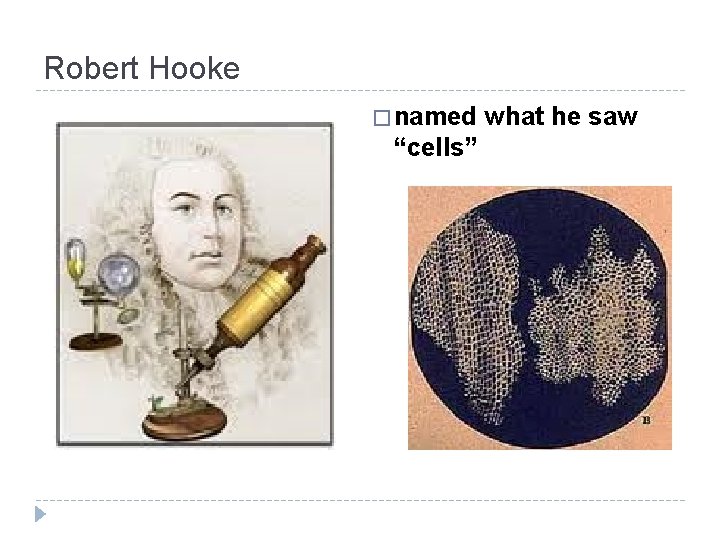
Robert Hooke � named “cells” what he saw
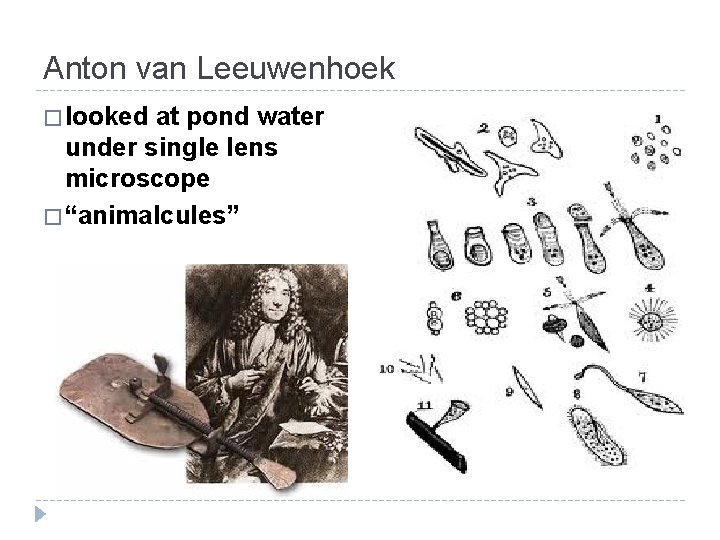
Anton van Leeuwenhoek � looked at pond water under single lens microscope � “animalcules”
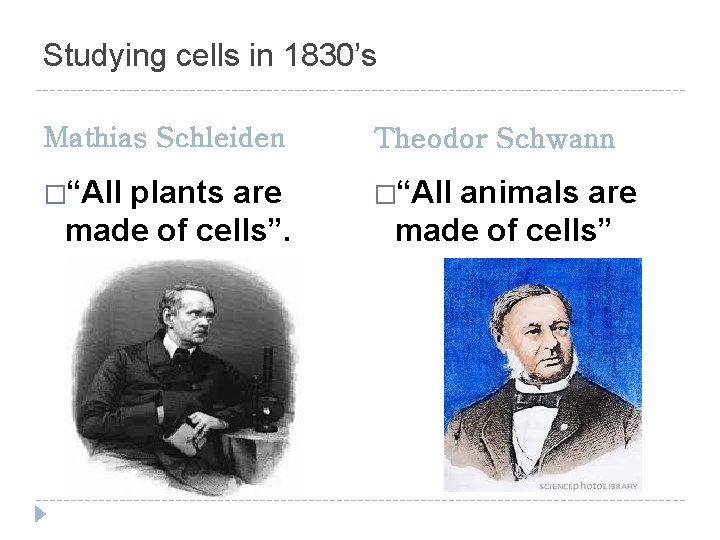
Studying cells in 1830’s Mathias Schleiden Theodor Schwann �“All plants are made of cells”. animals are made of cells”
The CELL THEORY �I. All living things are composed of cells. �II. Cells are the basic unit of structure & function in living things. �III. New cells are made from existing cells.

Light Microscope
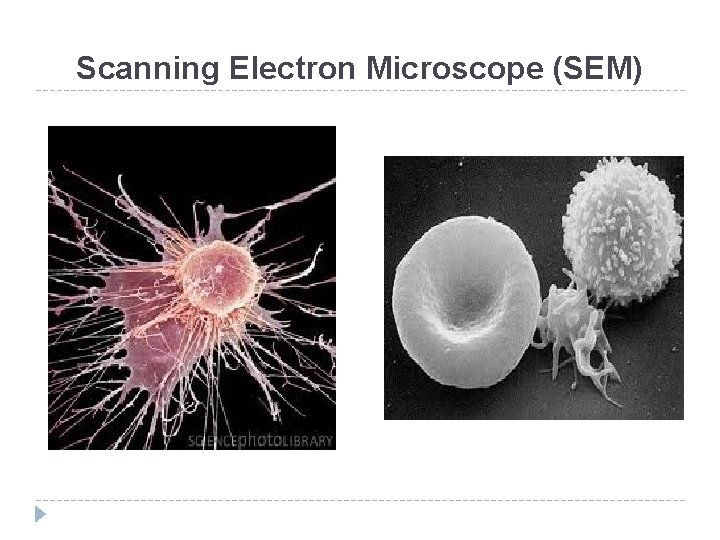
Scanning Electron Microscope (SEM)
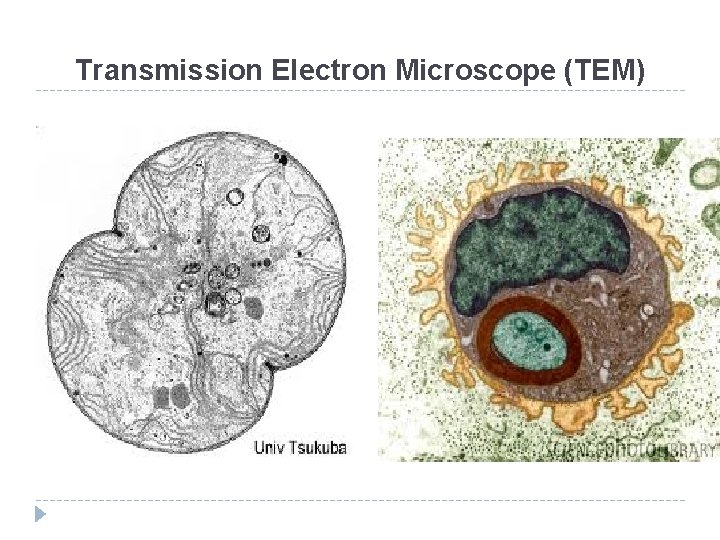
Transmission Electron Microscope (TEM)
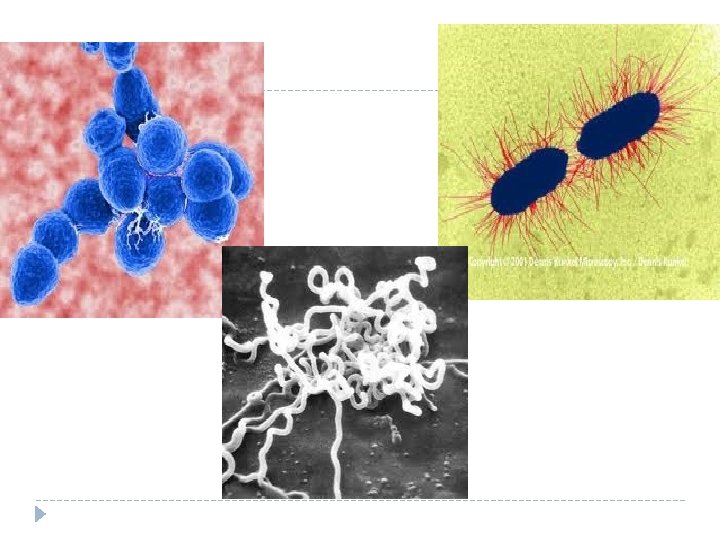
Prokaryotic Cells � earliest cells on Earth � small (0. 2 microns – 5 microns) � reproduce asexually � not complex � no nucleus (DNA in loop in cytoplasm) � no membrane-bound organelles � Bacteria � 2 Domains: Bacteria, Archaea
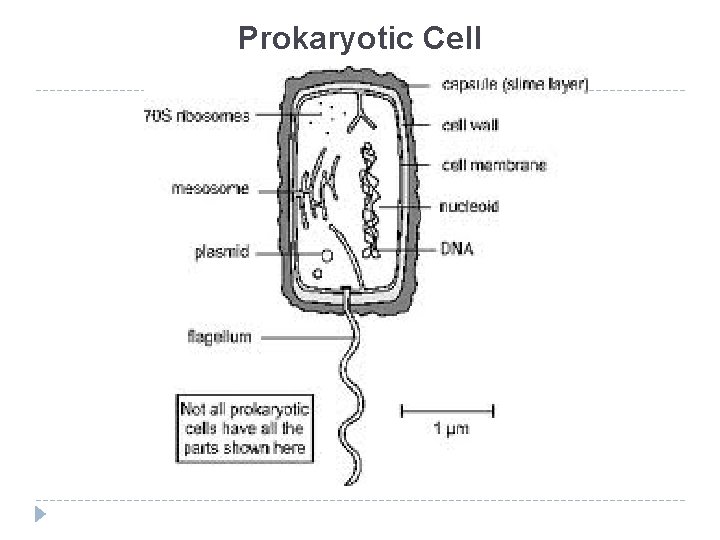
Prokaryotic Cell
Eukaryotic Cells � larger � 2 – 100 microns � more complex � (+) nucleus � (+) membrane-bound organelles � form unicellular or multicellular organisms � examples: plants , animals, protists, & fungi
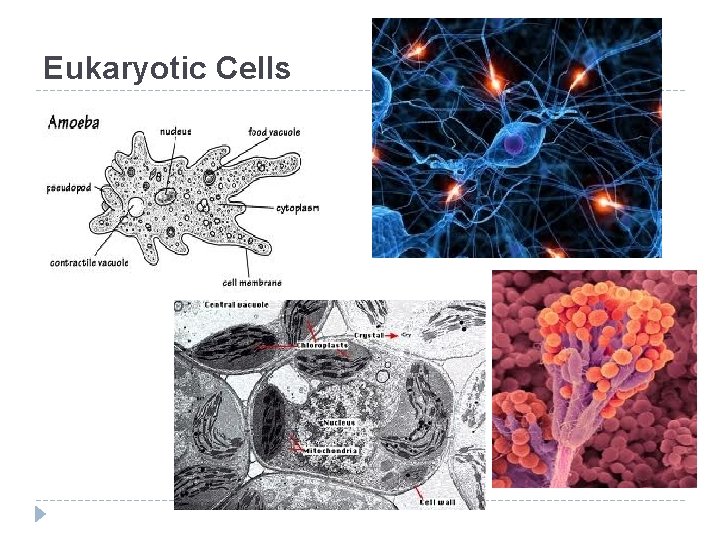
Eukaryotic Cells
- Slides: 15